Events
retrieve:
Return the details about the given Memento id.
list:
List all Memento objects.
GET /api/v1/mementos/389/events/?format=api&ordering=-slug
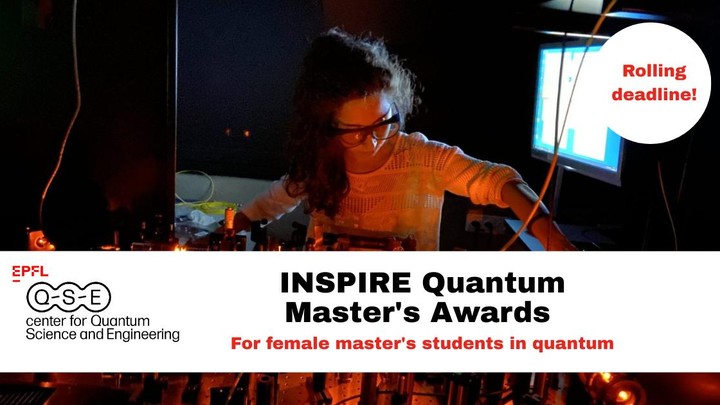
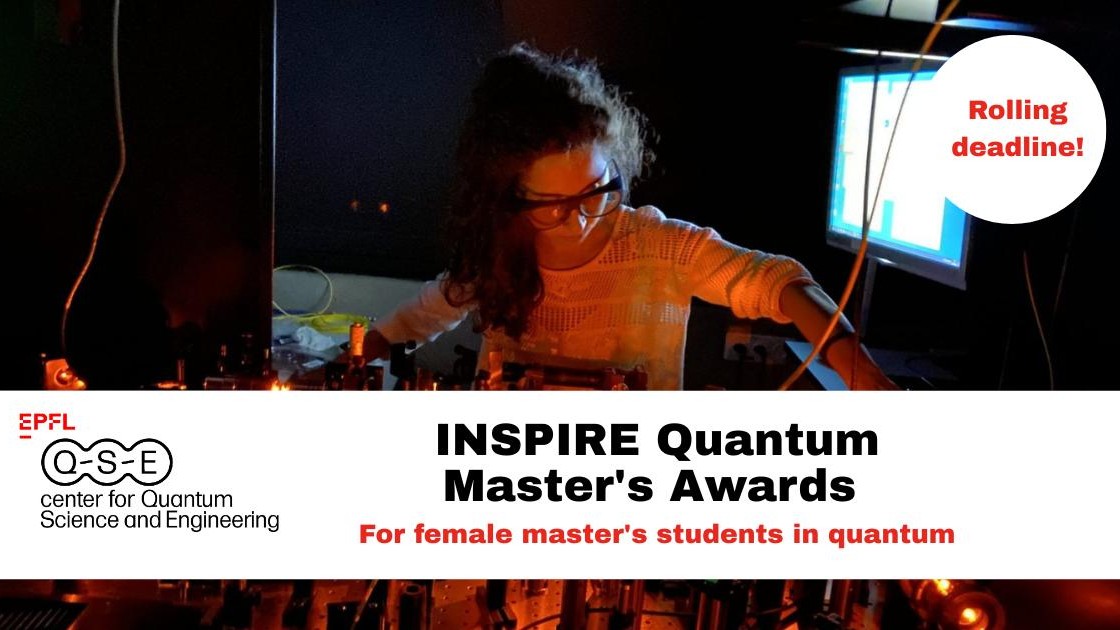
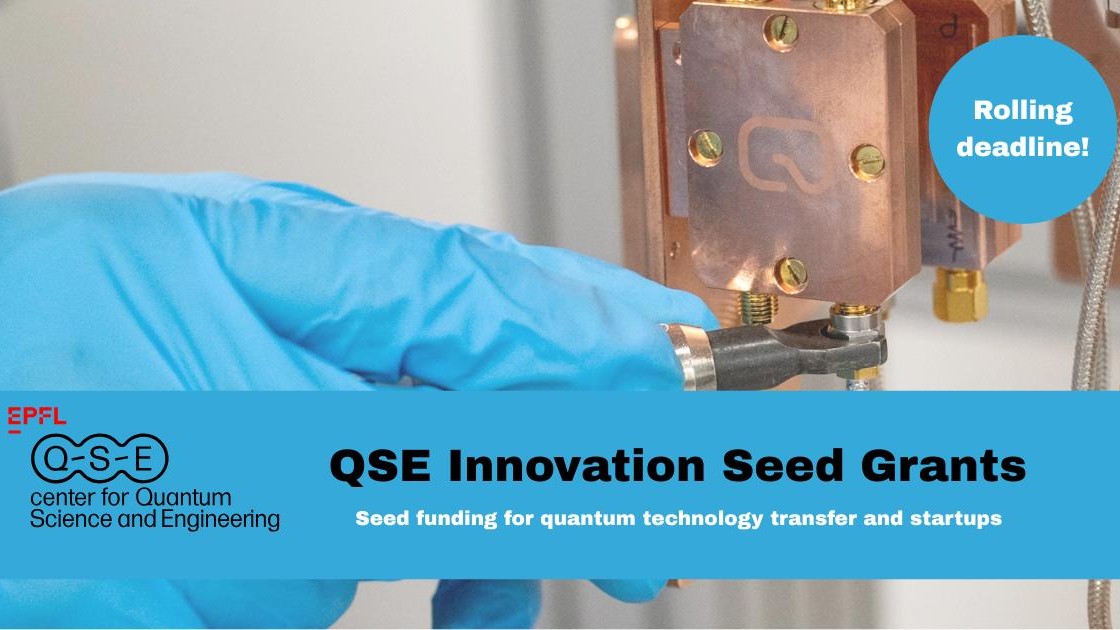
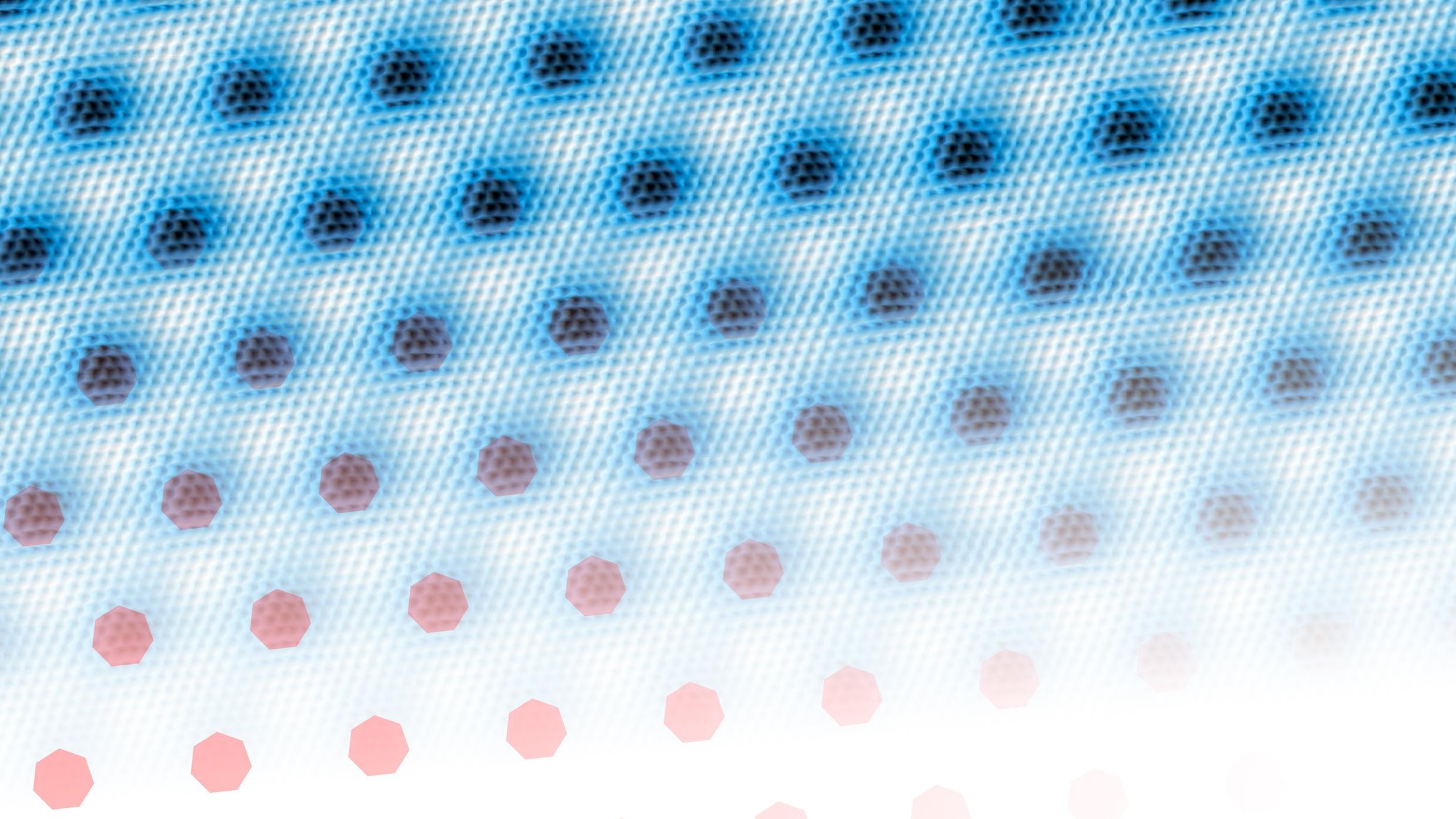
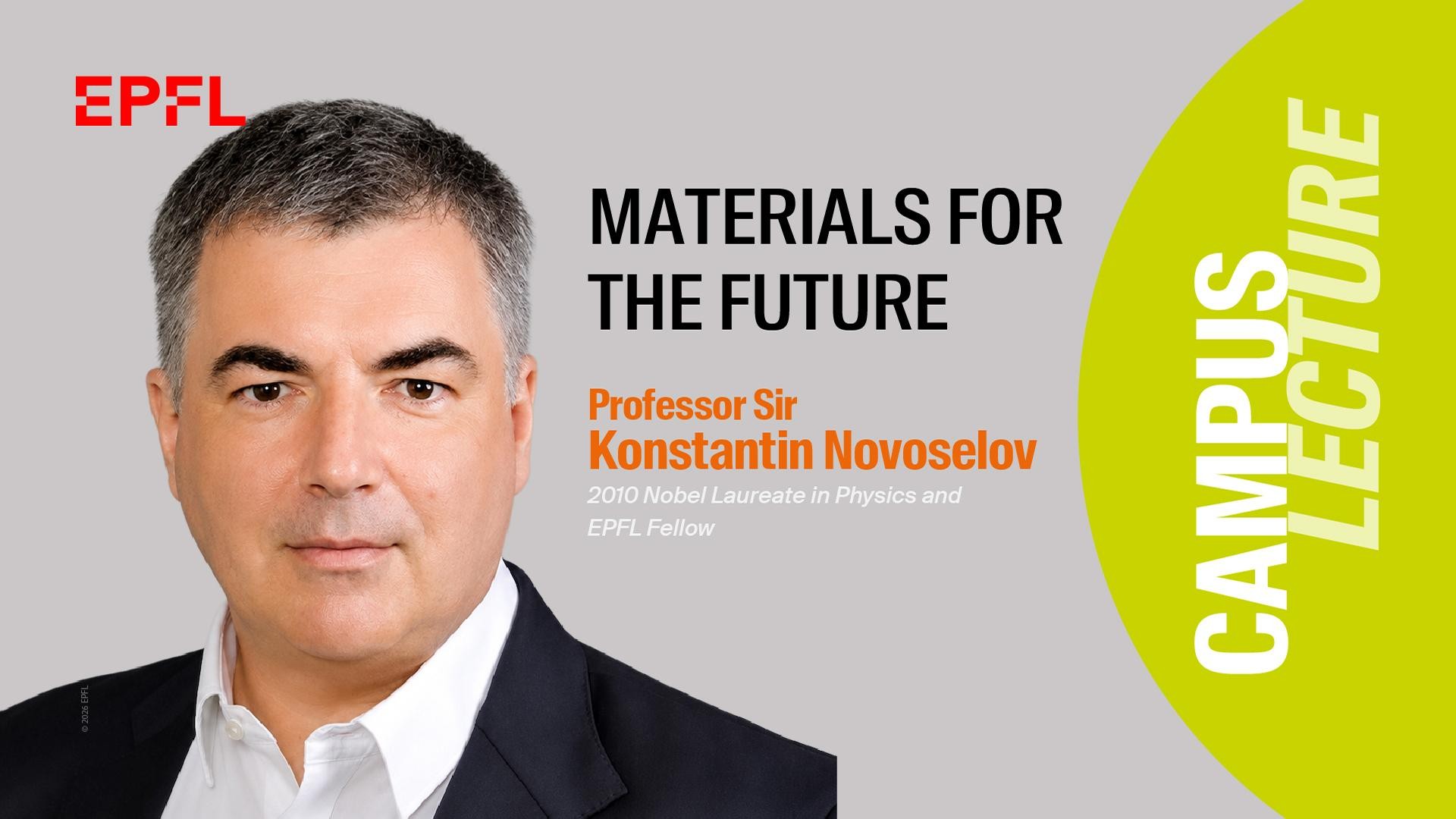
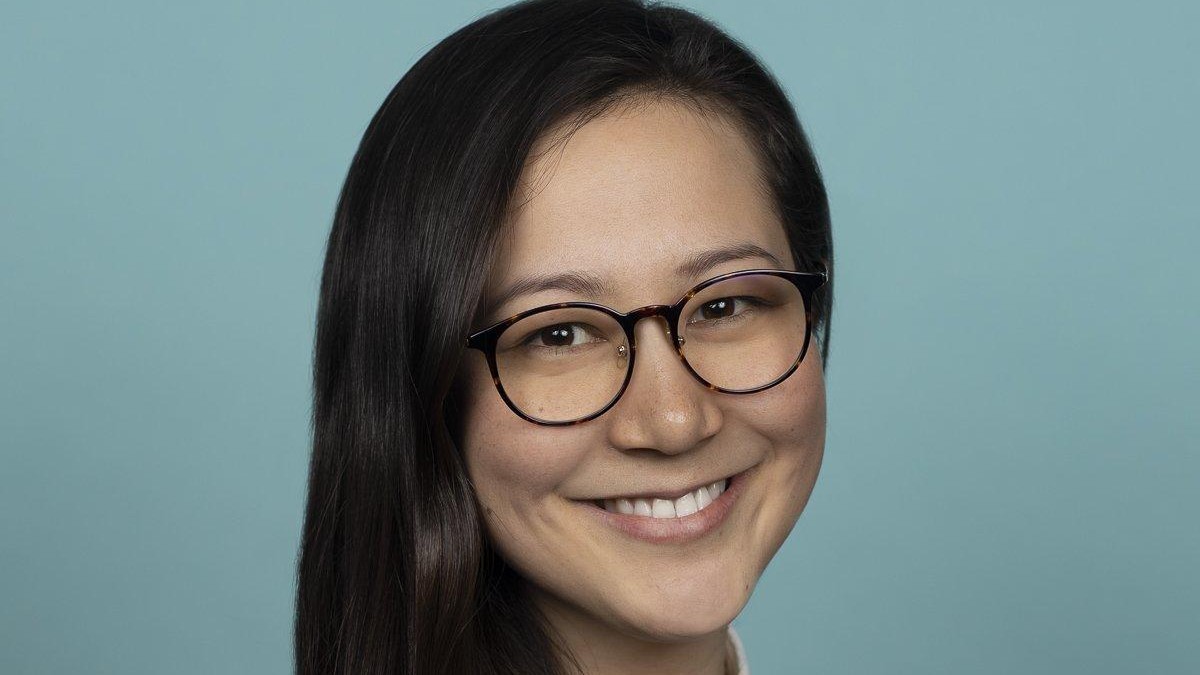
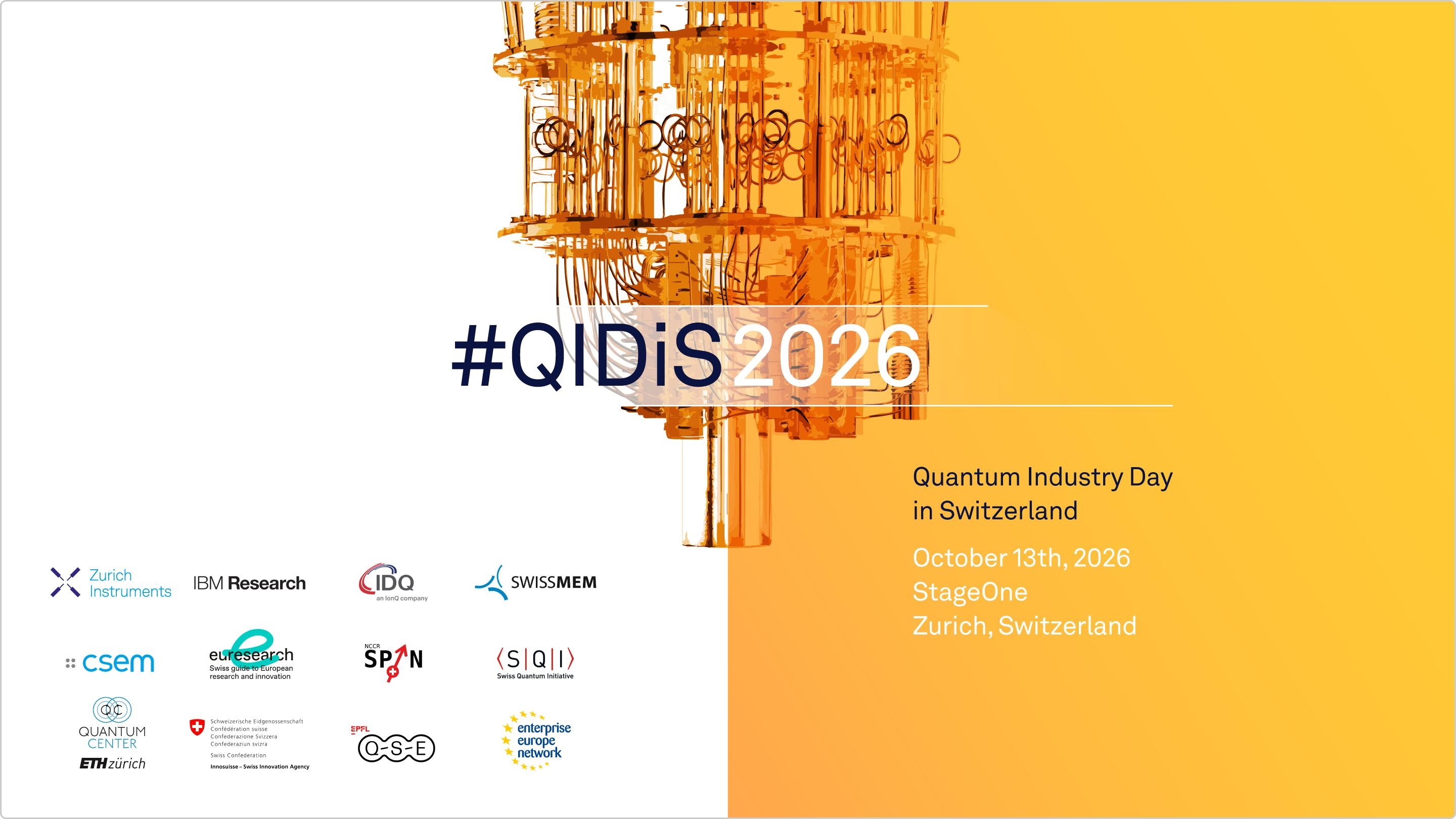
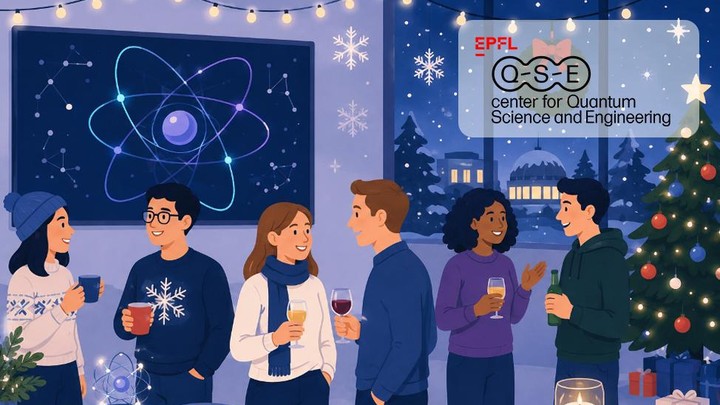
{ "count": 9, "next": null, "previous": null, "results": [ { "id": 72206, "title": "QSE INSPIRE Quantum Master's Awards", "slug": "qse-inspire-quantum-master-s-awards", "event_url": "https://memento.epfl.ch/event/qse-inspire-quantum-master-s-awards", "visual_url": "https://memento.epfl.ch/image/33484/200x112.jpg", "visual_large_url": "https://memento.epfl.ch/image/33484/720x405.jpg", "visual_maxsize_url": "https://memento.epfl.ch/image/33484/max-size.jpg", "lang": "en", "start_date": "2026-07-06", "end_date": "2027-05-31", "start_time": null, "end_time": null, "description": "<strong>Applications are open for the QSE Center <a href=\"https://go.epfl.ch/qseinspire\">INSPIRE Quantum Master Award</a>!</strong><br>\r\n<br>\r\nOne of the QSE Center’s main missions is to attract excellent female students in the domain of quantum science and engineering, where they unfortunately still remain strongly underrepresented. To that end, the QSE Center has joined <a href=\"https://qc.ethz.ch/community-and-initiatives/inspire-potentials-quantum-center-master-award.html\" rel=\"noopener noreferrer\" target=\"_blank\">ETH Zurich</a>, <a href=\"https://www.nccr-spin.ch/inspire-potentials-application\" rel=\"noopener noreferrer\" target=\"_blank\">NCCR Spin</a> and <a href=\"https://nccr-marvel.ch/outreach/equal-opportunities/inspire-description\" rel=\"noopener noreferrer\" target=\"_blank\">NCCR Marvel</a> in launching the INSPIRE Quantum Master Awards. These awards aim to attract and empower excellent <strong>female students</strong> who will conduct their master’s project in the research areas represented at the QSE Center.<br>\r\n<br>\r\nThis initiative, recognizing that an ambitious master’s research project is a stepping stone to starting a career in research, seeks to increase the number of young women researchers in the QSE domain, as represented by the numerous research groups at EPFL.<br>\r\n<br>\r\n<strong>The awardee will receive 8,000 CHF paid to them directly.</strong> External applicants (i.e. students who are completing their master studies at another university than EPFL) are eligible for up to an additional 2,000 CHF for travel expenses.<br>\r\n<br>\r\n<strong>Candidates can submit their application at any time via email, but their submission must be at least two months before starting their master thesis.</strong>", "image_description": "", "creation_date": "2026-07-06T14:48:38", "last_modification_date": "2026-07-06T14:48:38", "link_label": "QSE INSPIRE Quantum Master's Awards", "link_url": "https://go.epfl.ch/qseinspire", "canceled": "False", "cancel_reason": "", "place_and_room": "", "url_place_and_room": "", "url_online_room": "", "spoken_languages": [], "speaker": "", "organizer": "", "contact": "Charlotte Vandenberghe<br>\r\[email protected]", "is_internal": "False", "theme": "", "vulgarization": { "id": 1, "fr_label": "Tout public", "en_label": "General public" }, "registration": { "id": 3, "fr_label": "Entrée libre", "en_label": "Free" }, "keywords": "", "file": null, "icalendar_url": "https://memento.epfl.ch/event/export/121224/", "category": { "id": 16, "code": "PROP", "fr_label": "Appel à proposition", "en_label": "Call for proposal", "activated": true }, "academic_calendar_category": null, "domains": [], "mementos": [ "https://memento.epfl.ch/api/v1/mementos/1/?format=api", "https://memento.epfl.ch/api/v1/mementos/5/?format=api", "https://memento.epfl.ch/api/v1/mementos/6/?format=api", "https://memento.epfl.ch/api/v1/mementos/8/?format=api", "https://memento.epfl.ch/api/v1/mementos/27/?format=api", "https://memento.epfl.ch/api/v1/mementos/140/?format=api", "https://memento.epfl.ch/api/v1/mementos/145/?format=api", "https://memento.epfl.ch/api/v1/mementos/191/?format=api", "https://memento.epfl.ch/api/v1/mementos/389/?format=api" ] }, { "id": 72211, "title": "QSE Innovation Seed Grants", "slug": "qse-innovation-seed-grants", "event_url": "https://memento.epfl.ch/event/qse-innovation-seed-grants", "visual_url": "https://memento.epfl.ch/image/33491/200x112.jpg", "visual_large_url": "https://memento.epfl.ch/image/33491/720x405.jpg", "visual_maxsize_url": "https://memento.epfl.ch/image/33491/max-size.jpg", "lang": "en", "start_date": "2026-07-07", "end_date": "2027-05-31", "start_time": null, "end_time": null, "description": "<strong>The <a href=\"https://www.epfl.ch/research/domains/quantum-center/funding/qse-innovation-seed-grants/\">QSE Innovation Seed Grant</a> is open for applications!</strong><br>\r\n<br>\r\nThis is a unique seed funding opportunity of up to CHF 25k to encourage the brightest ideas for cutting-edge applications, technology transfer, and start-up creation in the field of quantum science and engineering, open to master’s students and researchers, including PhD students and post docs, in the initial phase of developing a cutting-edge application, product or service with a real societal impact. <br>\r\n<br>\r\nAwardees of this QSE innovation seed grant will have a first opportunity, for example through coaching, workshops or mission trainings (e.g. <a href=\"https://www.epfl.ch/innovation/students-innovation-lab/epfl-changemakers/\">EPFL Changemakers</a>), to validate their project idea and get ready for future innovation funding programs.<br>\r\n<br>\r\nMain requirements\r\n<ul>\r\n\t<li>Only graduate students or researchers hosted or employed at an EPFL lab or unit are eligible to apply and act as Principal Investigator (PI). The head of the host lab has to co-sign the application form, and expressing as such their support of the project proposal.</li>\r\n\t<li>QSE innovation seed funding cannot be used for basic research or as general funding for the PI’s host lab. It can only be used for applicable planned projects in the field of quantum science and engineering with high innovation potential for business and society offering concrete solutions to problems. A main driver to determine eligible projects is the attractivity towards industrial partners and the technology transfer traction. We commit to considering all high potential translational projects and ideas, even if they have not yet filed Intellectual Property.</li>\r\n\t<li>Projects can be co-sponsored by third parties (e.g., federal government, cantons, foundations, business acting as a potential licensee).</li>\r\n</ul>\r\nHow to apply\r\n\r\n<ul>\r\n\t<li>PIs interested in submitting an application should contact, prior to drafting or submitting an application, the call coordinator Charlotte Vandenberghe (<a href=\"mailto:[email protected]\">[email protected]</a>). </li>\r\n\t<li>Candidates can submit their application on a continuous basis. \r\n\t<ul>\r\n\t\t<li>Applications will be reviewed in a timely manner; applicants will be informed about the outcome via email.</li>\r\n\t\t<li>The project should start within the 6 months after approval.</li>\r\n\t</ul>\r\n\t</li>\r\n\t<li>Please download and use the provided template from <a href=\"https://www.epfl.ch/research/domains/quantum-center/funding/qse-innovation-seed-grants/\">the website.</a></li>\r\n\t<li>Proposals should be submitted via email: <a href=\"mailto:[email protected]\">[email protected]</a></li>\r\n\t<li>Please add “QSE Innovation Seed Grant application_NAME PI” in the title of the email.</li>\r\n</ul>\r\n<strong>Rolling deadline</strong>", "image_description": "", "creation_date": "2026-07-07T10:29:17", "last_modification_date": "2026-07-07T10:29:17", "link_label": "", "link_url": "", "canceled": "False", "cancel_reason": "", "place_and_room": "", "url_place_and_room": "", "url_online_room": "", "spoken_languages": [], "speaker": "", "organizer": "", "contact": "Charlotte Vandenberghe<br>\r\[email protected]", "is_internal": "False", "theme": "", "vulgarization": { "id": 1, "fr_label": "Tout public", "en_label": "General public" }, "registration": { "id": 3, "fr_label": "Entrée libre", "en_label": "Free" }, "keywords": "", "file": null, "icalendar_url": "https://memento.epfl.ch/event/export/121232/", "category": { "id": 16, "code": "PROP", "fr_label": "Appel à proposition", "en_label": "Call for proposal", "activated": true }, "academic_calendar_category": null, "domains": [], "mementos": [ "https://memento.epfl.ch/api/v1/mementos/1/?format=api", "https://memento.epfl.ch/api/v1/mementos/5/?format=api", "https://memento.epfl.ch/api/v1/mementos/6/?format=api", "https://memento.epfl.ch/api/v1/mementos/8/?format=api", "https://memento.epfl.ch/api/v1/mementos/27/?format=api", "https://memento.epfl.ch/api/v1/mementos/140/?format=api", "https://memento.epfl.ch/api/v1/mementos/145/?format=api", "https://memento.epfl.ch/api/v1/mementos/191/?format=api", "https://memento.epfl.ch/api/v1/mementos/318/?format=api", "https://memento.epfl.ch/api/v1/mementos/389/?format=api" ] }, { "id": 72718, "title": "Circuit Quantum Electrodynamics and Spin Qubits with Multi-Hole Quantum Dots in planar Germanium", "slug": "circuit-quantum-electrodynamics-and-spin-qubits--2", "event_url": "https://memento.epfl.ch/event/circuit-quantum-electrodynamics-and-spin-qubits--2", "visual_url": "https://memento.epfl.ch/image/33935/200x112.jpg", "visual_large_url": "https://memento.epfl.ch/image/33935/720x405.jpg", "visual_maxsize_url": "https://memento.epfl.ch/image/33935/max-size.jpg", "lang": "en", "start_date": "2026-10-09", "end_date": "2026-10-09", "start_time": "16:30:00", "end_time": null, "description": "<p>Thesis Director: Prof. P. Scarlino,<br>\r\nPhysics doctoral program<br>\r\nThesis Nr. 11553<br>\r\n<br>\r\nTo take part in the public defense, please contact directly the speaker</p>", "image_description": "", "creation_date": "2026-09-29T13:49:36", "last_modification_date": "2026-09-29T13:49:37", "link_label": "", "link_url": "", "canceled": "False", "cancel_reason": "", "place_and_room": "CE 1 2", "url_place_and_room": "https://plan.epfl.ch/?room==CE%201%202", "url_online_room": "https://epfl.zoom.us/j/4766092077?pwd=UBcpj9cMoG7BL71bi072yLalcT3L9B.1", "spoken_languages": [], "speaker": "<strong>Franco DE PALMA</strong>", "organizer": "", "contact": "<strong>Franco DE PALMA</strong>", "is_internal": "False", "theme": "", "vulgarization": { "id": 1, "fr_label": "Tout public", "en_label": "General public" }, "registration": { "id": 3, "fr_label": "Entrée libre", "en_label": "Free" }, "keywords": "EDPY", "file": null, "icalendar_url": "https://memento.epfl.ch/event/export/121998/", "category": { "id": 12, "code": "SOUTE", "fr_label": "Soutenances de thèses", "en_label": "Thesis defenses", "activated": true }, "academic_calendar_category": null, "domains": [], "mementos": [ "https://memento.epfl.ch/api/v1/mementos/1/?format=api", "https://memento.epfl.ch/api/v1/mementos/5/?format=api", "https://memento.epfl.ch/api/v1/mementos/6/?format=api", "https://memento.epfl.ch/api/v1/mementos/389/?format=api" ] }, { "id": 72357, "title": "Materials for the Future", "slug": "materials-for-the-future", "event_url": "https://memento.epfl.ch/event/materials-for-the-future", "visual_url": "https://memento.epfl.ch/image/33729/200x112.jpg", "visual_large_url": "https://memento.epfl.ch/image/33729/720x405.jpg", "visual_maxsize_url": "https://memento.epfl.ch/image/33729/max-size.jpg", "lang": "en", "start_date": "2026-10-09", "end_date": "2026-10-09", "start_time": "18:00:00", "end_time": "19:30:00", "description": "<p>In 2026, EPFL named Professor Konstantin Novoselov its first-ever EPFL Fellow, a newly created honorary title recognising scientific personalities of exceptional international stature.<br>\r\n<br>\r\nEPFL is delighted to host a public lecture to celebrate this nomination of one of the most influential physicists of our time.<br>\r\n<br>\r\nKonstantin Novoselov was awarded the Nobel Prize in Physics in 2010 and is globally renowned for his pioneering work on graphene and two-dimensional materials. By isolating graphene for the first time, a sheet of carbon just one atom thick, he opened an entirely new field of research, with profound implications for electronics, energy and quantum technologies.<br>\r\n<br>\r\n<em>Picture this: it was from the graphite of an ordinary pencil lead that this \"super-material\" was first isolated. Using nothing more than a piece of adhesive tape to peel away a layer a single atom thick, Konstantin Novoselov revealed to the world a material with extraordinary properties. A million times thinner than a human hair, 200 times stronger than steel and remarkably conductive, graphene pushes every limit. From the lead of your pencil to the batteries of tomorrow, join us to discover how a deceptively simple gesture set off a genuine technological revolution.</em><br>\r\n<br>\r\nThis Campus Lecture offers an introduction to that revolution: how a two-dimensional material is transforming our understanding of matter and how today's fundamental discoveries become tomorrow's technologies.<br>\r\n<br>\r\n<strong>About Konstantin Novoselov</strong><br>\r\nKonstantin Novoselov is a physicist specialising in condensed matter and nanotechnology. He conducted his Nobel Prize–winning research at the University of Manchester, where, together with Professor Andre Geim, he isolated graphene for the first time. He has held academic positions in the United Kingdom as well as internationally and is currently based at the National University of Singapore. Widely recognised as a leading figure in the study and application of two-dimensional materials, he has received numerous honours for his contributions to science.</p>", "image_description": "", "creation_date": "2026-08-18T11:48:33", "last_modification_date": "2026-09-01T09:58:59", "link_label": "Inscription", "link_url": "https://forms.cloud.microsoft/e/8wFYA27p68", "canceled": "False", "cancel_reason": "", "place_and_room": "RLC E1 240", "url_place_and_room": "https://plan.epfl.ch/?room==RLC%20E1%20240", "url_online_room": "", "spoken_languages": [ "https://memento.epfl.ch/api/v1/spoken_languages/2/?format=api" ], "speaker": "Prof. Konstantin Novoselov", "organizer": "MédiaCom", "contact": "Nicolas Hocq", "is_internal": "False", "theme": "", "vulgarization": { "id": 1, "fr_label": "Tout public", "en_label": "General public" }, "registration": { "id": 1, "fr_label": "Sur inscription", "en_label": "Registration required" }, "keywords": "", "file": null, "icalendar_url": "https://memento.epfl.ch/event/export/121450/", "category": { "id": 1, "code": "CONF", "fr_label": "Conférences - Séminaires", "en_label": "Conferences - Seminars", "activated": true }, "academic_calendar_category": null, "domains": [], "mementos": [ "https://memento.epfl.ch/api/v1/mementos/1/?format=api", "https://memento.epfl.ch/api/v1/mementos/5/?format=api", "https://memento.epfl.ch/api/v1/mementos/6/?format=api", "https://memento.epfl.ch/api/v1/mementos/145/?format=api", "https://memento.epfl.ch/api/v1/mementos/389/?format=api", "https://memento.epfl.ch/api/v1/mementos/417/?format=api" ] }, { "id": 72582, "title": "Chiraltronics: Exploring the interplay between spin and chirality", "slug": "chiraltronics-exploring-the-interplay-between-sp-2", "event_url": "https://memento.epfl.ch/event/chiraltronics-exploring-the-interplay-between-sp-2", "visual_url": "https://memento.epfl.ch/image/33943/200x112.jpg", "visual_large_url": "https://memento.epfl.ch/image/33943/720x405.jpg", "visual_maxsize_url": "https://memento.epfl.ch/image/33943/max-size.jpg", "lang": "en", "start_date": "2026-10-12", "end_date": "2026-10-12", "start_time": "16:15:00", "end_time": "17:15:00", "description": "<p>Chirality is omnipresent in nature through a fundamental coupling between chirality and angular momentum. Despite extensive experimental evidence, the underlying mechanisms of this coupling remain debated. Here, we will explore how chiral magnetic textures can be stabilized in altermagnets, a new class of magnetism. Turning to structurally chiral magnetic molecules, we will show that chirality is directly linked to their intrinsic magnetic moments. Bringing both together, we will discuss how molecular design can control spin phenomena at hybrid chiral molecule-magnet interfaces. Our findings pave a pathway towards functional \"chiraltronic\" devices – turning a fundamental puzzle into a technological opportunity.</p>", "image_description": "", "creation_date": "2026-10-01T09:59:25", "last_modification_date": "2026-10-01T10:00:49", "link_label": "", "link_url": "", "canceled": "False", "cancel_reason": "", "place_and_room": "CM 1 5", "url_place_and_room": "https://plan.epfl.ch/?room==CM%201%205", "url_online_room": "", "spoken_languages": [ "https://memento.epfl.ch/api/v1/spoken_languages/2/?format=api" ], "speaker": "Prof. Angela Wittmann, Johannes Gutenberg-Universität Mainz", "organizer": "Institut de Physique", "contact": "[email protected]", "is_internal": "False", "theme": "", "vulgarization": { "id": 1, "fr_label": "Tout public", "en_label": "General public" }, "registration": { "id": 3, "fr_label": "Entrée libre", "en_label": "Free" }, "keywords": "", "file": "https://memento.epfl.ch/public/upload/files/Wittmann12oct_Bl6EtiA.pdf", "icalendar_url": "https://memento.epfl.ch/event/export/122008/", "category": { "id": 1, "code": "CONF", "fr_label": "Conférences - Séminaires", "en_label": "Conferences - Seminars", "activated": true }, "academic_calendar_category": null, "domains": [], "mementos": [ "https://memento.epfl.ch/api/v1/mementos/1/?format=api", "https://memento.epfl.ch/api/v1/mementos/5/?format=api", "https://memento.epfl.ch/api/v1/mementos/6/?format=api", "https://memento.epfl.ch/api/v1/mementos/8/?format=api", "https://memento.epfl.ch/api/v1/mementos/81/?format=api", "https://memento.epfl.ch/api/v1/mementos/191/?format=api", "https://memento.epfl.ch/api/v1/mementos/389/?format=api" ] }, { "id": 72219, "title": "Quantum Industry Day in Switzerland (QIDiS) 2026", "slug": "quantum-industry-day-in-switzerland-qidis-2026", "event_url": "https://memento.epfl.ch/event/quantum-industry-day-in-switzerland-qidis-2026", "visual_url": "https://memento.epfl.ch/image/33499/200x112.jpg", "visual_large_url": "https://memento.epfl.ch/image/33499/720x405.jpg", "visual_maxsize_url": "https://memento.epfl.ch/image/33499/max-size.jpg", "lang": "en", "start_date": "2026-10-13", "end_date": "2026-10-13", "start_time": "08:15:00", "end_time": "19:30:00", "description": "<a href=\"https://www.qidis26.com\">The Quantum Industry Day in Switzerland (QIDiS)</a> gathers academic and industrial R&D to foster exchange and accelerate the development of new quantum products through inspiring keynote talks, panel discussions, and networking opportunities. Large private and public investments are rapidly pushing quantum technologies out of labs and into real-world applications. Industrial actors are playing a key role: they provide the <em>enabling technologies</em> as well as <em>the commercialization know-how</em> driving this development. The program covers the areas of quantum computing, quantum sensing, quantum instrumentation and quantum communication.<br>\r\n<br>\r\nThis event is part of the <a href=\"https://swissquantumweek.ch\">Swiss Quantum Week</a>.<br>\r\n<br>\r\n<strong>HIGHLIGHTS OF THE EVENT</strong>\r\n<ul>\r\n\t<li>Stay up-to-date with industry trends: The event showcases the latest products, services, innovations and trends in a particular industry or field. By attending it, participants can stay informed about what's new and what's on the horizon.</li>\r\n\t<li>Networking opportunities: Meet and connect with like-minded individuals, as well as experts in your field. You can make valuable connections that can help you grow your career or business.</li>\r\n\t<li>Build brand awareness: Publish and showcase your products, projects, services or business needs to event participants.</li>\r\n\t<li>Access to experts and thought leaders: Gain access to these individuals and learn from their experiences and insights.</li>\r\n</ul>\r\n<strong>REGISTRATION</strong><br>\r\nThis is a free event. Registration is required and participation must be confirmed by organizers. <br>\r\n<br>\r\n<strong>MORE INFORMATION </strong><br>\r\n<a href=\"https://www.qidis26.com\">QIDiS 2026 website</a><br>\r\n<br>\r\n<strong>ORGANIZERS</strong><br>\r\nIBM Research, ID Quantique, Zurich Instruments, CSEM, NCCR SPIN, Euresearch, the Quantum Center at ETH Zurich, the QSE Center at EPFL, Innosuisse and Swissmem ", "image_description": "", "creation_date": "2026-07-09T15:07:58", "last_modification_date": "2026-07-09T15:08:30", "link_label": "QIDis 2026", "link_url": "https://www.qidis26.com", "canceled": "False", "cancel_reason": "", "place_and_room": "StageOne, Zurich", "url_place_and_room": "https://stage-one.ch", "url_online_room": "", "spoken_languages": [ "https://memento.epfl.ch/api/v1/spoken_languages/2/?format=api" ], "speaker": "", "organizer": "", "contact": "[email protected]", "is_internal": "False", "theme": "", "vulgarization": { "id": 1, "fr_label": "Tout public", "en_label": "General public" }, "registration": { "id": 1, "fr_label": "Sur inscription", "en_label": "Registration required" }, "keywords": "", "file": null, "icalendar_url": "https://memento.epfl.ch/event/export/121243/", "category": { "id": 20, "code": "convention", "fr_label": "Congrès", "en_label": "Convention", "activated": true }, "academic_calendar_category": null, "domains": [], "mementos": [ "https://memento.epfl.ch/api/v1/mementos/1/?format=api", "https://memento.epfl.ch/api/v1/mementos/3/?format=api", "https://memento.epfl.ch/api/v1/mementos/5/?format=api", "https://memento.epfl.ch/api/v1/mementos/6/?format=api", "https://memento.epfl.ch/api/v1/mementos/8/?format=api", "https://memento.epfl.ch/api/v1/mementos/145/?format=api", "https://memento.epfl.ch/api/v1/mementos/191/?format=api", "https://memento.epfl.ch/api/v1/mementos/290/?format=api", "https://memento.epfl.ch/api/v1/mementos/318/?format=api", "https://memento.epfl.ch/api/v1/mementos/389/?format=api", "https://memento.epfl.ch/api/v1/mementos/442/?format=api" ] }, { "id": 72248, "title": "Quantum-Classical Synergies for Simulations of Quantum Systems", "slug": "quantum-classical-synergies-for-simulations-of-q-2", "event_url": "https://memento.epfl.ch/event/quantum-classical-synergies-for-simulations-of-q-2", "visual_url": "https://memento.epfl.ch/image/33519/200x112.jpg", "visual_large_url": "https://memento.epfl.ch/image/33519/720x405.jpg", "visual_maxsize_url": "https://memento.epfl.ch/image/33519/max-size.jpg", "lang": "en", "start_date": "2026-10-30", "end_date": "2026-10-30", "start_time": "15:00:00", "end_time": null, "description": "<p>Thesis Director: Prof. G. Carleo,<br>\r\nPhysics doctoral program<br>\r\nThesis Nr. 12057<br>\r\n<br>\r\nTo take part in the public defense, please contact directly the speaker</p>", "image_description": "", "creation_date": "2026-07-16T14:35:09", "last_modification_date": "2026-07-17T14:12:21", "link_label": "", "link_url": "", "canceled": "False", "cancel_reason": "", "place_and_room": "CM 1 3", "url_place_and_room": "https://plan.epfl.ch/?room==CM%201%203", "url_online_room": "", "spoken_languages": [], "speaker": "<strong>Gian Florin GENTINETTA</strong>", "organizer": "", "contact": "<strong>Gian Florin GENTINETTA</strong>", "is_internal": "False", "theme": "", "vulgarization": { "id": 1, "fr_label": "Tout public", "en_label": "General public" }, "registration": { "id": 3, "fr_label": "Entrée libre", "en_label": "Free" }, "keywords": "EDPY", "file": null, "icalendar_url": "https://memento.epfl.ch/event/export/121284/", "category": { "id": 12, "code": "SOUTE", "fr_label": "Soutenances de thèses", "en_label": "Thesis defenses", "activated": true }, "academic_calendar_category": null, "domains": [], "mementos": [ "https://memento.epfl.ch/api/v1/mementos/1/?format=api", "https://memento.epfl.ch/api/v1/mementos/5/?format=api", "https://memento.epfl.ch/api/v1/mementos/6/?format=api", "https://memento.epfl.ch/api/v1/mementos/389/?format=api" ] }, { "id": 72623, "title": "QSE Center Winter Apéro", "slug": "qse-center-winter-apero", "event_url": "https://memento.epfl.ch/event/qse-center-winter-apero", "visual_url": "https://memento.epfl.ch/image/33868/200x112.jpg", "visual_large_url": "https://memento.epfl.ch/image/33868/720x405.jpg", "visual_maxsize_url": "https://memento.epfl.ch/image/33868/max-size.jpg", "lang": "en", "start_date": "2026-12-01", "end_date": "2026-12-01", "start_time": "16:00:00", "end_time": "19:30:00", "description": "<p>An opportunity to celebrate the end of the year and share quantum research at EPFL with one another and the larger community. The event will include short lectures on topics in quantum for the general community, optional lab visits, and food and drinks!<br>\r\n<br>\r\n<strong>Full program and registration available in October</strong></p>", "image_description": "", "creation_date": "2026-09-18T13:38:13", "last_modification_date": "2026-10-06T14:59:53", "link_label": "", "link_url": "", "canceled": "False", "cancel_reason": "", "place_and_room": "Starling Hotel", "url_place_and_room": "https://www.starling-hotel-lausanne.com", "url_online_room": "", "spoken_languages": [], "speaker": "", "organizer": "QSE Center", "contact": "[email protected] ", "is_internal": "False", "theme": "", "vulgarization": { "id": 1, "fr_label": "Tout public", "en_label": "General public" }, "registration": { "id": 3, "fr_label": "Entrée libre", "en_label": "Free" }, "keywords": "", "file": null, "icalendar_url": "https://memento.epfl.ch/event/export/121863/", "category": { "id": 1, "code": "CONF", "fr_label": "Conférences - Séminaires", "en_label": "Conferences - Seminars", "activated": true }, "academic_calendar_category": null, "domains": [], "mementos": [ "https://memento.epfl.ch/api/v1/mementos/1/?format=api", "https://memento.epfl.ch/api/v1/mementos/2/?format=api", "https://memento.epfl.ch/api/v1/mementos/3/?format=api", "https://memento.epfl.ch/api/v1/mementos/5/?format=api", "https://memento.epfl.ch/api/v1/mementos/6/?format=api", "https://memento.epfl.ch/api/v1/mementos/8/?format=api", "https://memento.epfl.ch/api/v1/mementos/145/?format=api", "https://memento.epfl.ch/api/v1/mementos/191/?format=api", "https://memento.epfl.ch/api/v1/mementos/318/?format=api", "https://memento.epfl.ch/api/v1/mementos/389/?format=api", "https://memento.epfl.ch/api/v1/mementos/442/?format=api" ] }, { "id": 72276, "title": "SiDoQu-2027 Conference", "slug": "sidoqu-2027-conference-2", "event_url": "https://memento.epfl.ch/event/sidoqu-2027-conference-2", "visual_url": "https://memento.epfl.ch/image/33544/200x112.jpg", "visual_large_url": "https://memento.epfl.ch/image/33544/720x405.jpg", "visual_maxsize_url": "https://memento.epfl.ch/image/33544/max-size.jpg", "lang": "en", "start_date": "2027-02-22", "end_date": "2027-02-25", "start_time": null, "end_time": null, "description": "<p>The <strong>SiDoQu 2027</strong> <em>Conference on Precision Doping for Quantum and Nanoelectronic Devices</em> aims to bring together researchers across disciplines to explore emerging strategies for controlling dopants at the nanoscale, with the long-term vision of enabling silicon-based quantum technologies.</p>", "image_description": "Monte-Verità, © Alessandro Della Bella", "creation_date": "2026-07-24T11:08:26", "last_modification_date": "2026-07-28T11:24:47", "link_label": "SiDoQu-2027 website", "link_url": "https://sidoqu-2027.epfl.ch", "canceled": "False", "cancel_reason": "", "place_and_room": "Monte-Verità", "url_place_and_room": "", "url_online_room": "", "spoken_languages": [ "https://memento.epfl.ch/api/v1/spoken_languages/2/?format=api" ], "speaker": "", "organizer": "", "contact": "Arnaud Bertsch, Juergen Brugger", "is_internal": "False", "theme": "", "vulgarization": { "id": 2, "fr_label": "Public averti", "en_label": "Informed public" }, "registration": { "id": 1, "fr_label": "Sur inscription", "en_label": "Registration required" }, "keywords": "", "file": null, "icalendar_url": "https://memento.epfl.ch/event/export/121327/", "category": { "id": 1, "code": "CONF", "fr_label": "Conférences - Séminaires", "en_label": "Conferences - Seminars", "activated": true }, "academic_calendar_category": null, "domains": [], "mementos": [ "https://memento.epfl.ch/api/v1/mementos/5/?format=api", "https://memento.epfl.ch/api/v1/mementos/8/?format=api", "https://memento.epfl.ch/api/v1/mementos/296/?format=api", "https://memento.epfl.ch/api/v1/mementos/377/?format=api", "https://memento.epfl.ch/api/v1/mementos/389/?format=api" ] } ] }