Events
retrieve:
Return the details about the given Memento id.
list:
List all Memento objects.
GET /api/v1/mementos/8/events/?format=api&offset=10&ordering=-fr_label
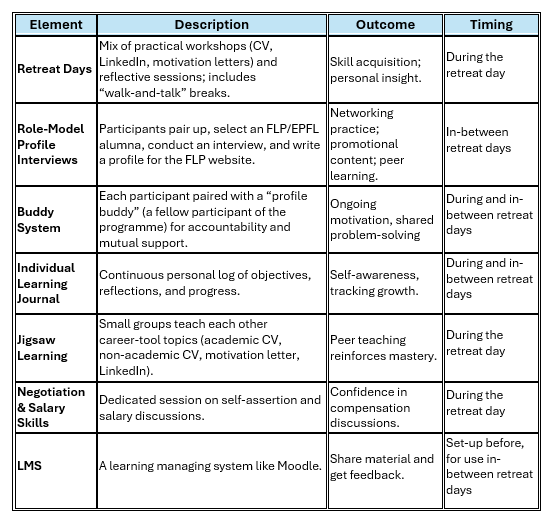
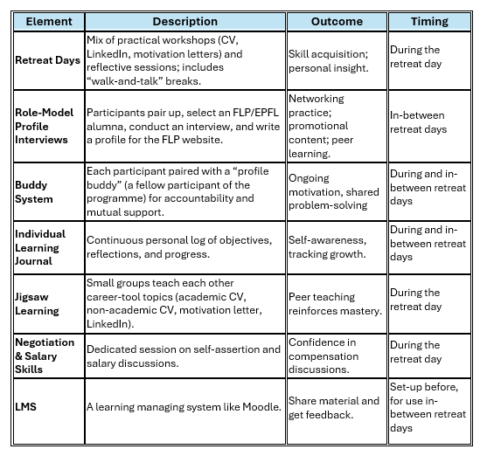
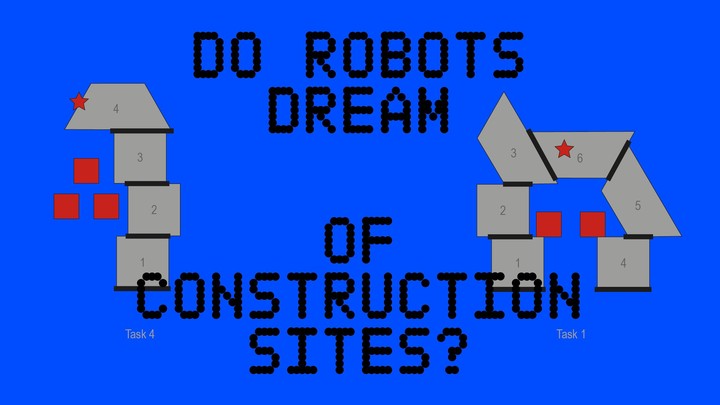
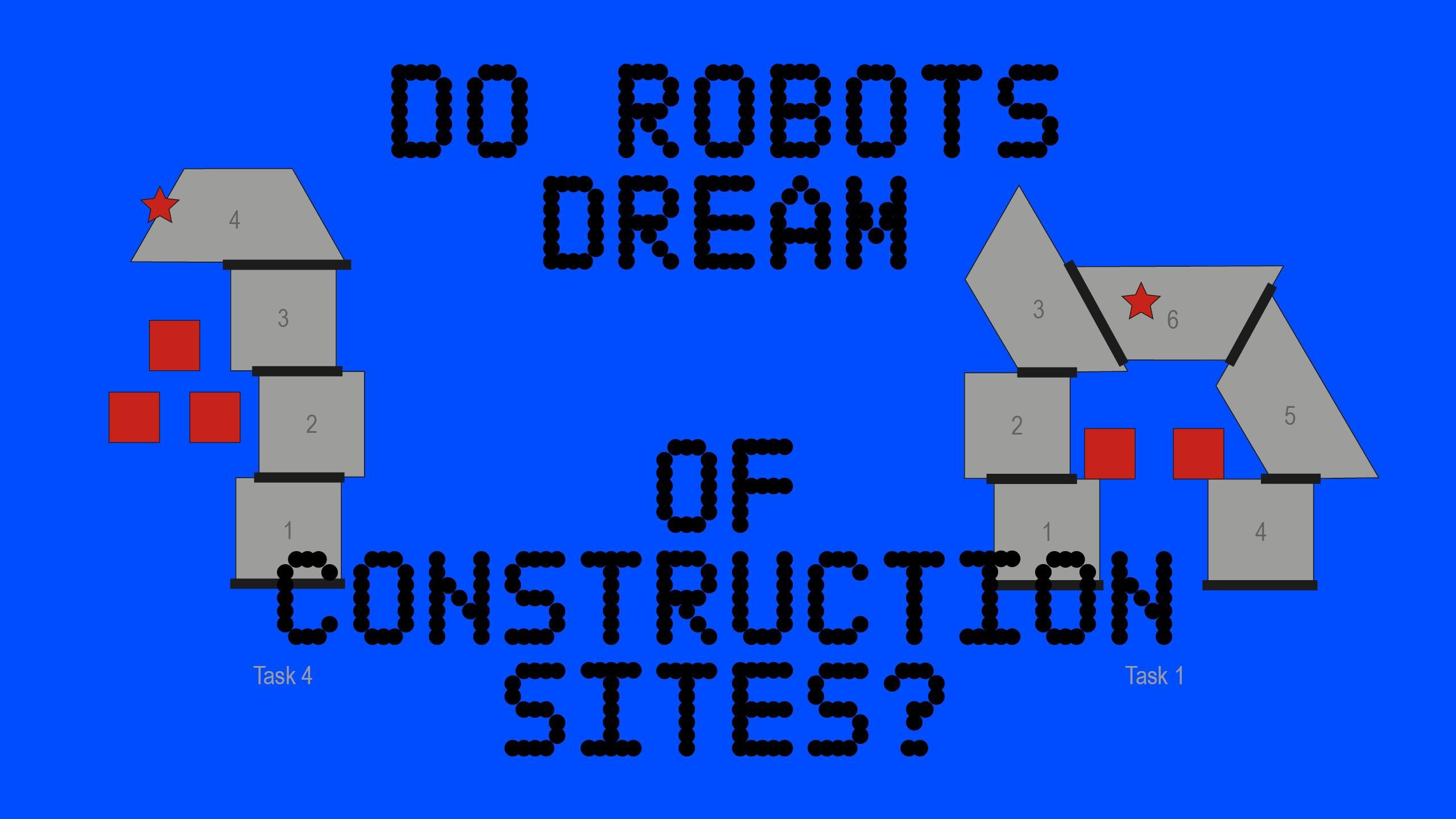
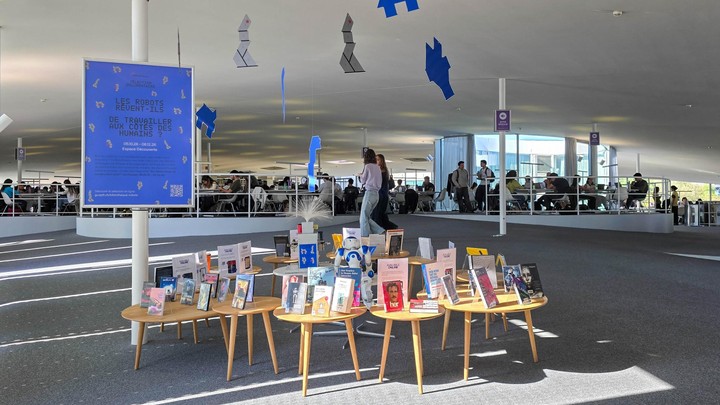
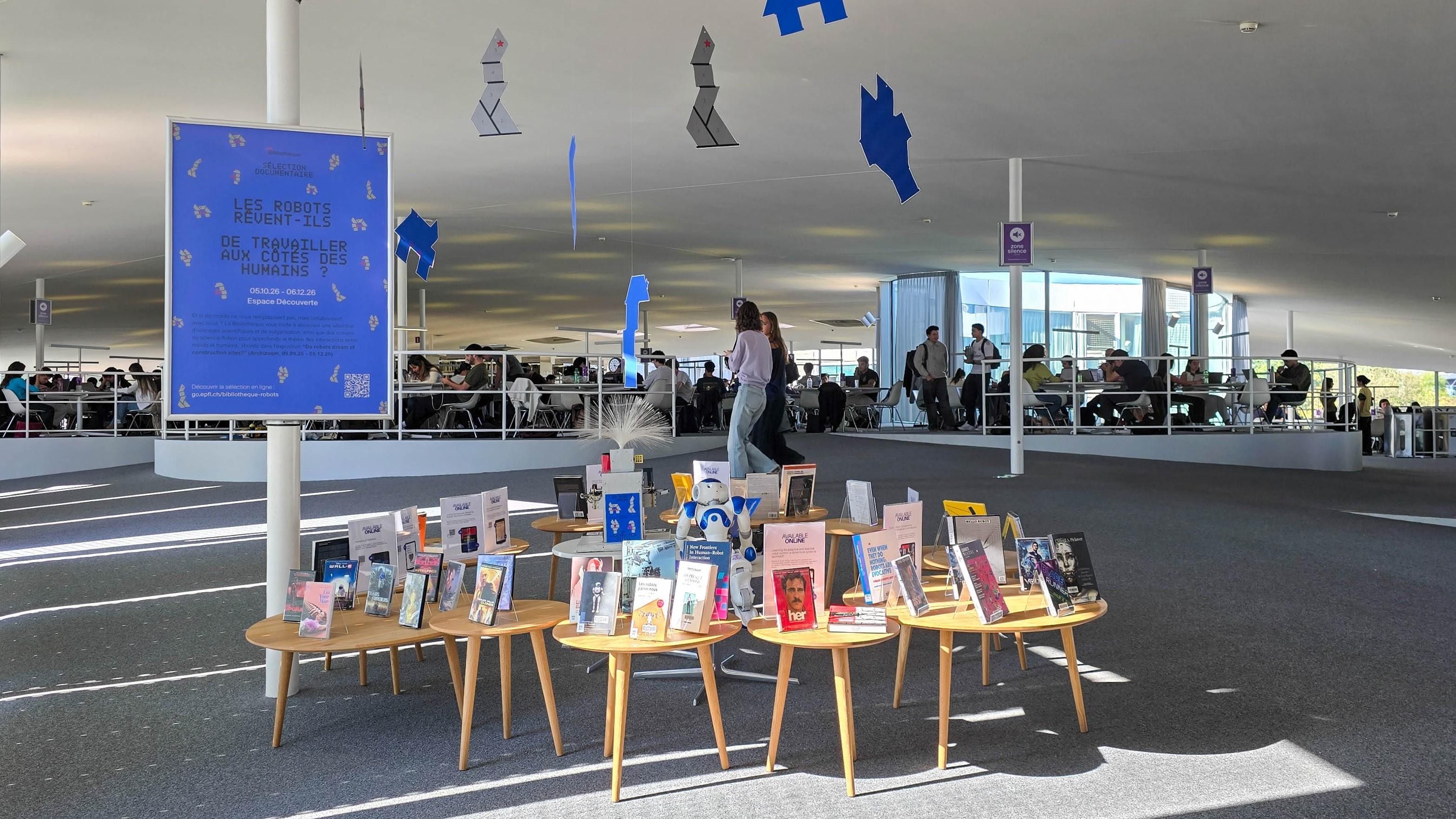
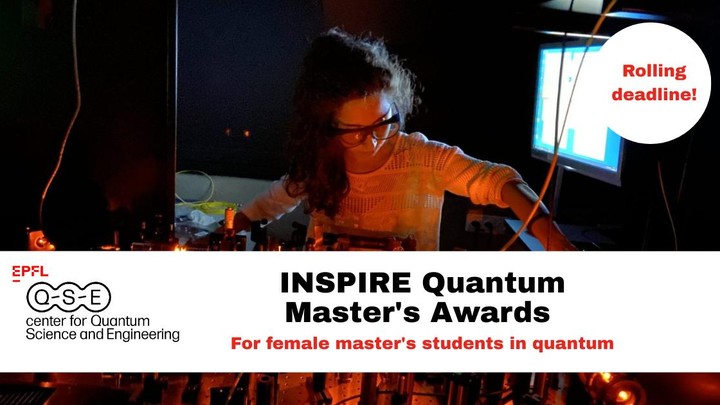
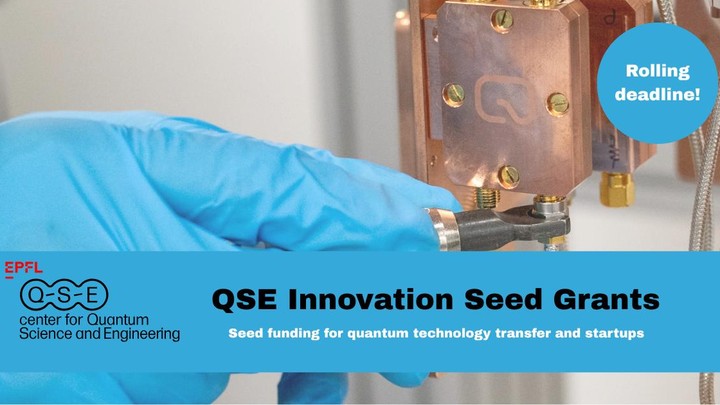
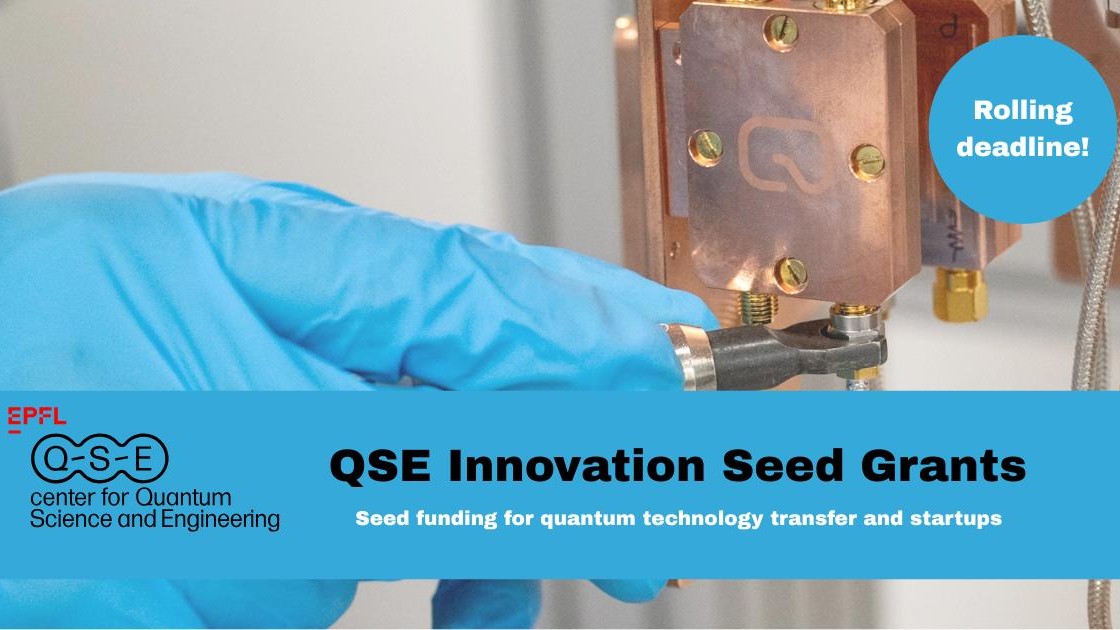
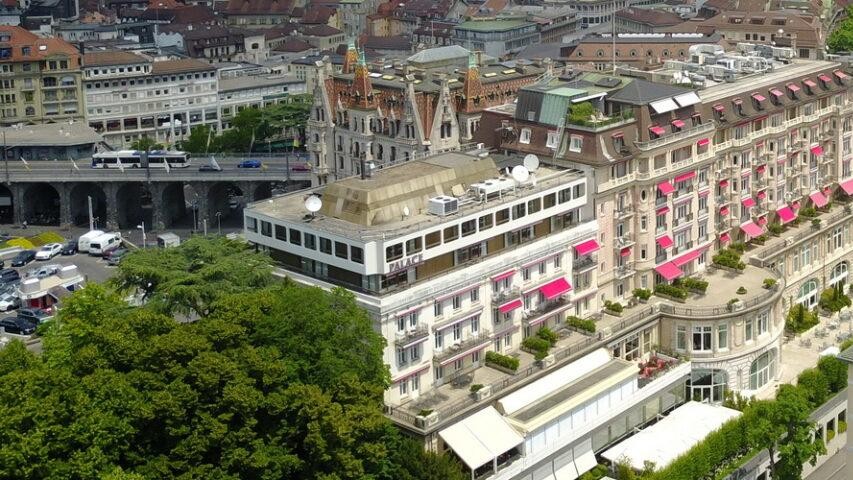
{ "count": 108, "next": "https://memento.epfl.ch/api/v1/mementos/8/events/?format=api&limit=10&offset=20&ordering=-fr_label", "previous": "https://memento.epfl.ch/api/v1/mementos/8/events/?format=api&limit=10&ordering=-fr_label", "results": [ { "id": 72212, "title": "FLP Coaching Group", "slug": "flp-coaching-group", "event_url": "https://memento.epfl.ch/event/flp-coaching-group", "visual_url": "https://memento.epfl.ch/image/33492/200x112.jpg", "visual_large_url": "https://memento.epfl.ch/image/33492/720x405.jpg", "visual_maxsize_url": "https://memento.epfl.ch/image/33492/max-size.jpg", "lang": "en", "start_date": "2026-09-25", "end_date": "2026-11-30", "start_time": null, "end_time": null, "description": "<ul>\r\n\t<li><strong>Purpose & Audience</strong><br>\r\n\tA structured,<strong> hybrid coaching</strong> programme for <strong>doctoral and postdoctoral researchers</strong> at EPFL, designed to boost both practical career skills and personal resilience. </li>\r\n\t<li> </li>\r\n\t<li><strong>Duration & Format</strong></li>\r\n</ul>\r\n\r\n<ul>\r\n\t<li><strong>Three months</strong> (June/September to October/November, depending on availabilities)</li>\r\n\t<li><strong>Three full‑day retreats</strong> (≈ 7 hrs each, plus lunch) spaced a month apart (or with the summer break, if start in June)</li>\r\n</ul>\r\n<strong>Interim work</strong>: team and individual assignments, role‑model interviews, reflective journaling<br>\r\nDates: Retreat days will take place on <strong>Friday, September 25, Friday October 30 and Friday November 27.</strong><br>\r\nOther dates and information soon\r\n<ul>\r\n\t<li><strong>Core elements</strong></li>\r\n</ul>\r\n<img alt=\"\" decoding=\"async\" height=\"522\" sizes=\"(min-width: 0px) and (max-width: 480px) 480px, (min-width: 481px) 550px, 100vw\" src=\"https://foster-lead-promote.ch/wp-content/uploads/2026/01/CG_EPFL_2026.png\" srcset=\"https://foster-lead-promote.ch/wp-content/uploads/2026/01/CG_EPFL_2026.png 550w, https://foster-lead-promote.ch/wp-content/uploads/2026/01/CG_EPFL_2026-480x456.png 480w\" width=\"550\">\r\n<ol>\r\n\t<li><strong>Deliverables & Benefits</strong></li>\r\n</ol>\r\n\r\n<ul>\r\n\t<li><strong>Concrete career artefacts</strong>: polished CVs, LinkedIn profiles, motivation letters.</li>\r\n\t<li><strong>Eight alumni portraits</strong> published on the FLP site, raising programme visibility.</li>\r\n\t<li><strong>Clear ROI for participants</strong>: venue, meals, professional development, and networking opportunities.</li>\r\n\t<li><strong>Team‑building outcomes</strong>: interview buddies, collaborative projects, shared reflections.</li>\r\n</ul>", "image_description": "", "creation_date": "2026-07-07T11:06:34", "last_modification_date": "2026-07-07T11:13:38", "link_label": "Website", "link_url": "https://foster-lead-promote.ch/our_services/coachinggroups/", "canceled": "False", "cancel_reason": "", "place_and_room": "EPFL", "url_place_and_room": "", "url_online_room": "", "spoken_languages": [ "https://memento.epfl.ch/api/v1/spoken_languages/2/?format=api" ], "speaker": "<strong><a href=\"https://foster-lead-promote.ch/coaches-and-trainers/#:~:text=About%20me-,Dr.%20Ingrid%20Le%20Duc,-%2C%20FLP%20Coach\">Dr. Ingrid Le Duc</a></strong> and <a href=\"https://foster-lead-promote.ch/coaches-and-trainers/#:~:text=Coaches%20%26%20Trainers-,Dr.%20Verity%20Elston,-%2C%20FLP%20Coach\">Dr. Verity Elston</a>", "organizer": "<a href=\"https://foster-lead-promote.ch/meet-our-experts/\">FLP</a> ", "contact": "<a href=\"mailto:[email protected]\">Chantal Mellier</a>", "is_internal": "False", "theme": "", "vulgarization": { "id": 2, "fr_label": "Public averti", "en_label": "Informed public" }, "registration": { "id": 1, "fr_label": "Sur inscription", "en_label": "Registration required" }, "keywords": "", "file": null, "icalendar_url": "https://memento.epfl.ch/event/export/121233/", "category": { "id": 15, "code": "FORM", "fr_label": "Formations internes", "en_label": "Internal trainings", "activated": true }, "academic_calendar_category": null, "domains": [], "mementos": [ "https://memento.epfl.ch/api/v1/mementos/3/?format=api", "https://memento.epfl.ch/api/v1/mementos/4/?format=api", "https://memento.epfl.ch/api/v1/mementos/5/?format=api", "https://memento.epfl.ch/api/v1/mementos/6/?format=api", "https://memento.epfl.ch/api/v1/mementos/8/?format=api", "https://memento.epfl.ch/api/v1/mementos/9/?format=api", "https://memento.epfl.ch/api/v1/mementos/21/?format=api", "https://memento.epfl.ch/api/v1/mementos/27/?format=api" ] }, { "id": 72732, "title": "armasuisse – Research Program Security – Call for proposals", "slug": "armasuisse-research-program-security-call-for-pr-3", "event_url": "https://memento.epfl.ch/event/armasuisse-research-program-security-call-for-pr-3", "visual_url": "https://memento.epfl.ch/image/33949/200x112.jpg", "visual_large_url": "https://memento.epfl.ch/image/33949/720x405.jpg", "visual_maxsize_url": "https://memento.epfl.ch/image/33949/max-size.jpg", "lang": "en", "start_date": "2026-10-01", "end_date": "2026-11-30", "start_time": null, "end_time": "17:00:00", "description": "<a href=\"https://www.epfl.ch/en/\">EPFL</a> and <a href=\"https://www.ar.admin.ch/en/armasuisse-science-and-technology\">armasuisse S+T</a> have jointly launched the new <strong>Research Program Security</strong> in 2025. This program is open to all institutions within the ETH Domain through a series of calls for proposals. The goal is to identify and develop innovative ideas and solutions to address current and future security and defense challenges.<br>\r\n<br>\r\nThe <strong>2nd call</strong> will support research projects in the following thematic challenges: \r\n<ul>\r\n\t<li>Agent-agnostic Detection of unknown Biological and Chemical Agents</li>\r\n\t<li>Resilient Mobile Energy Supply and Decentralized Energy Logistics</li>\r\n</ul>\r\n<strong>Funding and duration:</strong>\r\n\r\n<ul>\r\n\t<li>Project duration: 12 to 18 months</li>\r\n\t<li>Maximum funding: CHF 250k (incl. overheads) per project</li>\r\n</ul>\r\n<strong>Who can apply:</strong><br>\r\nThe call for proposals is open to the <strong>ETH Domain community</strong> as follows:\r\n\r\n<ul>\r\n\t<li>Open to faculty members or unit head/ group leaders as main applicants. Other scientits (excl. PhDs) can apply as co-applicants.</li>\r\n\t<li>Projects must be hosted by an ETH Domain laboratory or research group and supported by at least one faculty member (Prof. tit., MER, PATT, PA or PO) or unit head/ group leader.</li>\r\n\t<li>There are no restrictions on the number of applicants involved; proposals may be submitted by individual applicants or consortia (collaboration between ETH Domain institutions is possible)</li>\r\n\t<li>Projects should not involve third parties (as main/co-applicant or project partner).</li>\r\n</ul>\r\n<strong>Deadline:</strong>\r\n\r\n<ul>\r\n\t<li>The application deadline for this call for proposals is<strong> Monday 30 November 2026 (17:00 CET).</strong></li>\r\n</ul>\r\n<strong>For further information</strong>, please have a look at the <a href=\"https://www.epfl.ch/research/funding/research-program-security-call-2/\">Research Program Security website</a>. <br>\r\n<br>\r\nAn <strong>online applicant workshop</strong> will take place on <strong>Tuesday 20 October 2026 from 11:00 to 12:00 CET</strong>. The registration form is available <a href=\"https://forms.gle/Cikqx9UBXj83D6GFA\">here</a>.<br>\r\n<br>\r\nFor additional questions, please contact the Research Office via [email protected]. <br>\r\n ", "image_description": "", "creation_date": "2026-10-01T16:03:46", "last_modification_date": "2026-10-01T16:09:05", "link_label": "", "link_url": "https://www.epfl.ch/research/funding/research-program-security-call-2/", "canceled": "False", "cancel_reason": "", "place_and_room": "", "url_place_and_room": "", "url_online_room": "", "spoken_languages": [], "speaker": "", "organizer": "", "contact": "[email protected]", "is_internal": "False", "theme": "", "vulgarization": { "id": 1, "fr_label": "Tout public", "en_label": "General public" }, "registration": { "id": 3, "fr_label": "Entrée libre", "en_label": "Free" }, "keywords": "", "file": null, "icalendar_url": "https://memento.epfl.ch/event/export/122016/", "category": { "id": 16, "code": "PROP", "fr_label": "Appel à proposition", "en_label": "Call for proposal", "activated": true }, "academic_calendar_category": null, "domains": [], "mementos": [ "https://memento.epfl.ch/api/v1/mementos/1/?format=api", "https://memento.epfl.ch/api/v1/mementos/3/?format=api", "https://memento.epfl.ch/api/v1/mementos/5/?format=api", "https://memento.epfl.ch/api/v1/mementos/6/?format=api", "https://memento.epfl.ch/api/v1/mementos/8/?format=api", "https://memento.epfl.ch/api/v1/mementos/9/?format=api", "https://memento.epfl.ch/api/v1/mementos/140/?format=api" ] }, { "id": 72214, "title": "Do Robots Dream of Construction Sites? / ARCHIZOOM x CRCL", "slug": "do-robots-dream-of-construction-sites-archizoom--3", "event_url": "https://memento.epfl.ch/event/do-robots-dream-of-construction-sites-archizoom--3", "visual_url": "https://memento.epfl.ch/image/33494/200x112.jpg", "visual_large_url": "https://memento.epfl.ch/image/33494/720x405.jpg", "visual_maxsize_url": "https://memento.epfl.ch/image/33494/max-size.jpg", "lang": "en", "start_date": "2026-09-09", "end_date": "2026-12-05", "start_time": null, "end_time": null, "description": "<strong>DO ROBOTS DREAM OF CONSTRUCTION SITES?<br>\r\n09.09-05.12.2026<br>\r\n<br>\r\nOpening Tuesday 8 September<br>\r\n6.15pm – </strong>Discussion between Stefana Parascho and Aude Billard, moderated by Pier Vittorio Aureli<br>\r\n<strong>7.30pm –</strong> Opening doors and aperitive<br>\r\n<br>\r\nWhat if robots didn’t replace us, but worked alongside us? Robots are capable of assembling, analysing, experimenting and learning from their mistakes. Could they take on construction work without replacing human labour? Research carried out by the CRCL – Lab for Creative Computation at EPFL explores a form of collaboration between humans and machines that departs from the traditional promise of automation. It opens the way to more inclusive building sites and non-standardised, more environmentally friendly architecture that goes beyond the mere logic of replacement and productivity. <br>\r\n<br>\r\n<strong>An exhibition produced in collaboration with the <a href=\"https://www.crclcrclcrcl.org/\">CRCL – Lab for Creative Computation</a>, led by Stefana Parascho</strong>", "image_description": "", "creation_date": "2026-07-07T11:36:24", "last_modification_date": "2026-07-13T17:08:03", "link_label": "Do Robots Dream of Construction Sites", "link_url": "https://www.epfl.ch/campus/art-culture/museum-exhibitions/archizoom/fr/do-robots-dream-of-construction-sites/", "canceled": "False", "cancel_reason": "", "place_and_room": "Archizoom", "url_place_and_room": "https://plan.epfl.ch/?room==SG%201212", "url_online_room": "", "spoken_languages": [ "https://memento.epfl.ch/api/v1/spoken_languages/1/?format=api", "https://memento.epfl.ch/api/v1/spoken_languages/2/?format=api" ], "speaker": "CRCL - Lab for Creative Computation", "organizer": "Archizoom", "contact": "Cyril Veillon, Solène Hoffmann", "is_internal": "False", "theme": "", "vulgarization": { "id": 1, "fr_label": "Tout public", "en_label": "General public" }, "registration": { "id": 3, "fr_label": "Entrée libre", "en_label": "Free" }, "keywords": "Architecture, Technology, Construction, Robotic, Robots, Travail, Labor, Durability", "file": null, "icalendar_url": "https://memento.epfl.ch/event/export/121235/", "category": { "id": 5, "code": "EXPO", "fr_label": "Expositions", "en_label": "Exhibitions", "activated": true }, "academic_calendar_category": null, "domains": [], "mementos": [ "https://memento.epfl.ch/api/v1/mementos/1/?format=api", "https://memento.epfl.ch/api/v1/mementos/4/?format=api", "https://memento.epfl.ch/api/v1/mementos/6/?format=api", "https://memento.epfl.ch/api/v1/mementos/8/?format=api", "https://memento.epfl.ch/api/v1/mementos/22/?format=api", "https://memento.epfl.ch/api/v1/mementos/32/?format=api", "https://memento.epfl.ch/api/v1/mementos/45/?format=api", "https://memento.epfl.ch/api/v1/mementos/145/?format=api", "https://memento.epfl.ch/api/v1/mementos/417/?format=api" ] }, { "id": 72771, "title": "Document selection: Do robots dream of working alongside humans?", "slug": "document-selection-do-robots-dream-of-working-alon", "event_url": "https://memento.epfl.ch/event/document-selection-do-robots-dream-of-working-alon", "visual_url": "https://memento.epfl.ch/image/33986/200x112.jpg", "visual_large_url": "https://memento.epfl.ch/image/33986/720x405.jpg", "visual_maxsize_url": "https://memento.epfl.ch/image/33986/max-size.jpg", "lang": "en", "start_date": "2026-10-05", "end_date": "2026-12-07", "start_time": "07:00:00", "end_time": "23:45:00", "description": "<p>What if robots didn’t replace humans, but collaborated with us?<br>\r\n<br>\r\n<strong>On the occasion of the exhibition <a href=\"http://memento.epfl.ch/event/do-robots-dream-of-construction-sites-archizoom--4/\"><em>Do Robots Dream of Construction Sites?</em></a>, </strong><strong>on view</strong> <strong>at Archizoom from 9 September to 5 December 2026, we invite you to explore a selection of scientific and popular science books, as well as science fiction novels dedicated to human-robot interactions, a theme at the heart of the exhibition.</strong><br>\r\n<br>\r\nThis selection offers different perspectives on robotics, automation, work, and the future forms of collaboration between humans and machines.<br>\r\n<br>\r\nAll documents can be borrowed according to the <a href=\"https://www.epfl.ch/campus/library/fr/prets-reservations/#emprunter\">Library’s standard borrowing conditions</a>.<br>\r\n<br>\r\nDiscover the selection at the Espace Découverte from 5 October to 7 December 2026, as well as <a href=\"https://go.epfl.ch/library-robots\">online</a>.<br>\r\n<br>\r\n<strong>Browse the Library's online reading selection:</strong> <strong><a href=\"https://go.epfl.ch/library-robots\">go.epfl.ch/library-robots</a></strong><br>\r\n<br>\r\n<strong>Learn more about the Archizoom exhibition: <a href=\"https://memento.epfl.ch/event/do-robots-dream-of-construction-sites-archizoom--4/\">memento.epfl.ch/event/do-robots-dream-of-construction-sites-archizoom</a></strong><br>\r\n </p>", "image_description": "", "creation_date": "2026-10-05T16:19:16", "last_modification_date": "2026-10-05T16:41:04", "link_label": "Online selection", "link_url": "https://go.epfl.ch/library-robots", "canceled": "False", "cancel_reason": "", "place_and_room": "Espace Découverte", "url_place_and_room": "", "url_online_room": "", "spoken_languages": [ "https://memento.epfl.ch/api/v1/spoken_languages/1/?format=api", "https://memento.epfl.ch/api/v1/spoken_languages/2/?format=api" ], "speaker": "", "organizer": "EPFL Library", "contact": "<a href=\"mailto:[email protected]\">[email protected]</a>", "is_internal": "False", "theme": "", "vulgarization": { "id": 1, "fr_label": "Tout public", "en_label": "General public" }, "registration": { "id": 3, "fr_label": "Entrée libre", "en_label": "Free" }, "keywords": "robots", "file": null, "icalendar_url": "https://memento.epfl.ch/event/export/122072/", "category": { "id": 5, "code": "EXPO", "fr_label": "Expositions", "en_label": "Exhibitions", "activated": true }, "academic_calendar_category": null, "domains": [], "mementos": [ "https://memento.epfl.ch/api/v1/mementos/1/?format=api", "https://memento.epfl.ch/api/v1/mementos/3/?format=api", "https://memento.epfl.ch/api/v1/mementos/4/?format=api", "https://memento.epfl.ch/api/v1/mementos/5/?format=api", "https://memento.epfl.ch/api/v1/mementos/6/?format=api", "https://memento.epfl.ch/api/v1/mementos/8/?format=api", "https://memento.epfl.ch/api/v1/mementos/45/?format=api", "https://memento.epfl.ch/api/v1/mementos/145/?format=api", "https://memento.epfl.ch/api/v1/mementos/275/?format=api" ] }, { "id": 72206, "title": "QSE INSPIRE Quantum Master's Awards", "slug": "qse-inspire-quantum-master-s-awards", "event_url": "https://memento.epfl.ch/event/qse-inspire-quantum-master-s-awards", "visual_url": "https://memento.epfl.ch/image/33484/200x112.jpg", "visual_large_url": "https://memento.epfl.ch/image/33484/720x405.jpg", "visual_maxsize_url": "https://memento.epfl.ch/image/33484/max-size.jpg", "lang": "en", "start_date": "2026-07-06", "end_date": "2027-05-31", "start_time": null, "end_time": null, "description": "<strong>Applications are open for the QSE Center <a href=\"https://go.epfl.ch/qseinspire\">INSPIRE Quantum Master Award</a>!</strong><br>\r\n<br>\r\nOne of the QSE Center’s main missions is to attract excellent female students in the domain of quantum science and engineering, where they unfortunately still remain strongly underrepresented. To that end, the QSE Center has joined <a href=\"https://qc.ethz.ch/community-and-initiatives/inspire-potentials-quantum-center-master-award.html\" rel=\"noopener noreferrer\" target=\"_blank\">ETH Zurich</a>, <a href=\"https://www.nccr-spin.ch/inspire-potentials-application\" rel=\"noopener noreferrer\" target=\"_blank\">NCCR Spin</a> and <a href=\"https://nccr-marvel.ch/outreach/equal-opportunities/inspire-description\" rel=\"noopener noreferrer\" target=\"_blank\">NCCR Marvel</a> in launching the INSPIRE Quantum Master Awards. These awards aim to attract and empower excellent <strong>female students</strong> who will conduct their master’s project in the research areas represented at the QSE Center.<br>\r\n<br>\r\nThis initiative, recognizing that an ambitious master’s research project is a stepping stone to starting a career in research, seeks to increase the number of young women researchers in the QSE domain, as represented by the numerous research groups at EPFL.<br>\r\n<br>\r\n<strong>The awardee will receive 8,000 CHF paid to them directly.</strong> External applicants (i.e. students who are completing their master studies at another university than EPFL) are eligible for up to an additional 2,000 CHF for travel expenses.<br>\r\n<br>\r\n<strong>Candidates can submit their application at any time via email, but their submission must be at least two months before starting their master thesis.</strong>", "image_description": "", "creation_date": "2026-07-06T14:48:38", "last_modification_date": "2026-07-06T14:48:38", "link_label": "QSE INSPIRE Quantum Master's Awards", "link_url": "https://go.epfl.ch/qseinspire", "canceled": "False", "cancel_reason": "", "place_and_room": "", "url_place_and_room": "", "url_online_room": "", "spoken_languages": [], "speaker": "", "organizer": "", "contact": "Charlotte Vandenberghe<br>\r\[email protected]", "is_internal": "False", "theme": "", "vulgarization": { "id": 1, "fr_label": "Tout public", "en_label": "General public" }, "registration": { "id": 3, "fr_label": "Entrée libre", "en_label": "Free" }, "keywords": "", "file": null, "icalendar_url": "https://memento.epfl.ch/event/export/121224/", "category": { "id": 16, "code": "PROP", "fr_label": "Appel à proposition", "en_label": "Call for proposal", "activated": true }, "academic_calendar_category": null, "domains": [], "mementos": [ "https://memento.epfl.ch/api/v1/mementos/1/?format=api", "https://memento.epfl.ch/api/v1/mementos/5/?format=api", "https://memento.epfl.ch/api/v1/mementos/6/?format=api", "https://memento.epfl.ch/api/v1/mementos/8/?format=api", "https://memento.epfl.ch/api/v1/mementos/27/?format=api", "https://memento.epfl.ch/api/v1/mementos/140/?format=api", "https://memento.epfl.ch/api/v1/mementos/145/?format=api", "https://memento.epfl.ch/api/v1/mementos/191/?format=api", "https://memento.epfl.ch/api/v1/mementos/389/?format=api" ] }, { "id": 72211, "title": "QSE Innovation Seed Grants", "slug": "qse-innovation-seed-grants", "event_url": "https://memento.epfl.ch/event/qse-innovation-seed-grants", "visual_url": "https://memento.epfl.ch/image/33491/200x112.jpg", "visual_large_url": "https://memento.epfl.ch/image/33491/720x405.jpg", "visual_maxsize_url": "https://memento.epfl.ch/image/33491/max-size.jpg", "lang": "en", "start_date": "2026-07-07", "end_date": "2027-05-31", "start_time": null, "end_time": null, "description": "<strong>The <a href=\"https://www.epfl.ch/research/domains/quantum-center/funding/qse-innovation-seed-grants/\">QSE Innovation Seed Grant</a> is open for applications!</strong><br>\r\n<br>\r\nThis is a unique seed funding opportunity of up to CHF 25k to encourage the brightest ideas for cutting-edge applications, technology transfer, and start-up creation in the field of quantum science and engineering, open to master’s students and researchers, including PhD students and post docs, in the initial phase of developing a cutting-edge application, product or service with a real societal impact. <br>\r\n<br>\r\nAwardees of this QSE innovation seed grant will have a first opportunity, for example through coaching, workshops or mission trainings (e.g. <a href=\"https://www.epfl.ch/innovation/students-innovation-lab/epfl-changemakers/\">EPFL Changemakers</a>), to validate their project idea and get ready for future innovation funding programs.<br>\r\n<br>\r\nMain requirements\r\n<ul>\r\n\t<li>Only graduate students or researchers hosted or employed at an EPFL lab or unit are eligible to apply and act as Principal Investigator (PI). The head of the host lab has to co-sign the application form, and expressing as such their support of the project proposal.</li>\r\n\t<li>QSE innovation seed funding cannot be used for basic research or as general funding for the PI’s host lab. It can only be used for applicable planned projects in the field of quantum science and engineering with high innovation potential for business and society offering concrete solutions to problems. A main driver to determine eligible projects is the attractivity towards industrial partners and the technology transfer traction. We commit to considering all high potential translational projects and ideas, even if they have not yet filed Intellectual Property.</li>\r\n\t<li>Projects can be co-sponsored by third parties (e.g., federal government, cantons, foundations, business acting as a potential licensee).</li>\r\n</ul>\r\nHow to apply\r\n\r\n<ul>\r\n\t<li>PIs interested in submitting an application should contact, prior to drafting or submitting an application, the call coordinator Charlotte Vandenberghe (<a href=\"mailto:[email protected]\">[email protected]</a>). </li>\r\n\t<li>Candidates can submit their application on a continuous basis. \r\n\t<ul>\r\n\t\t<li>Applications will be reviewed in a timely manner; applicants will be informed about the outcome via email.</li>\r\n\t\t<li>The project should start within the 6 months after approval.</li>\r\n\t</ul>\r\n\t</li>\r\n\t<li>Please download and use the provided template from <a href=\"https://www.epfl.ch/research/domains/quantum-center/funding/qse-innovation-seed-grants/\">the website.</a></li>\r\n\t<li>Proposals should be submitted via email: <a href=\"mailto:[email protected]\">[email protected]</a></li>\r\n\t<li>Please add “QSE Innovation Seed Grant application_NAME PI” in the title of the email.</li>\r\n</ul>\r\n<strong>Rolling deadline</strong>", "image_description": "", "creation_date": "2026-07-07T10:29:17", "last_modification_date": "2026-07-07T10:29:17", "link_label": "", "link_url": "", "canceled": "False", "cancel_reason": "", "place_and_room": "", "url_place_and_room": "", "url_online_room": "", "spoken_languages": [], "speaker": "", "organizer": "", "contact": "Charlotte Vandenberghe<br>\r\[email protected]", "is_internal": "False", "theme": "", "vulgarization": { "id": 1, "fr_label": "Tout public", "en_label": "General public" }, "registration": { "id": 3, "fr_label": "Entrée libre", "en_label": "Free" }, "keywords": "", "file": null, "icalendar_url": "https://memento.epfl.ch/event/export/121232/", "category": { "id": 16, "code": "PROP", "fr_label": "Appel à proposition", "en_label": "Call for proposal", "activated": true }, "academic_calendar_category": null, "domains": [], "mementos": [ "https://memento.epfl.ch/api/v1/mementos/1/?format=api", "https://memento.epfl.ch/api/v1/mementos/5/?format=api", "https://memento.epfl.ch/api/v1/mementos/6/?format=api", "https://memento.epfl.ch/api/v1/mementos/8/?format=api", "https://memento.epfl.ch/api/v1/mementos/27/?format=api", "https://memento.epfl.ch/api/v1/mementos/140/?format=api", "https://memento.epfl.ch/api/v1/mementos/145/?format=api", "https://memento.epfl.ch/api/v1/mementos/191/?format=api", "https://memento.epfl.ch/api/v1/mementos/318/?format=api", "https://memento.epfl.ch/api/v1/mementos/389/?format=api" ] }, { "id": 72271, "title": "EcoCloud Annual Event", "slug": "ecocloud-annual-event-8", "event_url": "https://memento.epfl.ch/event/ecocloud-annual-event-8", "visual_url": "https://memento.epfl.ch/image/33542/200x112.jpg", "visual_large_url": "https://memento.epfl.ch/image/33542/720x405.jpg", "visual_maxsize_url": "https://memento.epfl.ch/image/33542/max-size.jpg", "lang": "en", "start_date": "2026-10-08", "end_date": "2026-10-08", "start_time": "08:15:00", "end_time": "18:30:00", "description": "<p>The EPFL EcoCloud Center is proud to invite you to the <a data-auth=\"NotApplicable\" data-linkindex=\"2\" href=\"https://ecocloud.epfl.ch/ecocloud-annual-event-program/\" title=\"https://ecocloud.epfl.ch/ecocloud-annual-event-program/\">Annual Event 2026</a>.<br>\r\n<br>\r\nOnce again we will be welcoming you to <a data-auth=\"NotApplicable\" data-linkindex=\"3\" href=\"https://www.lausanne-palace.ch/en/hotel/access/\" title=\"https://www.lausanne-palace.ch/en/hotel/access/\">Lausanne Palace</a>.<br>\r\n<br>\r\nThe Event will feature a keynote presentation:\r\n</p><ul>\r\n\t<li>Prof. Ayse K. Coskun Mitra (Boston University):<br>\r\n\t<a data-auth=\"NotApplicable\" data-linkindex=\"4\" href=\"https://ecocloud.epfl.ch/mcevents/keynote-ayse/\" title=\"https://ecocloud.epfl.ch/mcevents/keynote-ayse/\">AI Data Centers as Flexible Loads. Rethinking Power and Performance</a></li>\r\n</ul>\r\nThere will then be the three following sessions:\r\n\r\n<ul>\r\n\t<li>Hardware and software sustainable co-design</li>\r\n\t<li>Technologies for sustainable systems</li>\r\n\t<li>EcoCloud Experimental Data Center Facility</li>\r\n</ul>\r\nThe day will conclude with a poster session and a networking event.<br>\r\n<br>\r\nUseful links:<br>\r\n<a href=\"https://ecocloud.epfl.ch/ecocloud-annual-event-program/\">Program</a><br>\r\n<a href=\"https://indico.epfl.ch/event/28/registrations/19/\">Registration</a>", "image_description": "", "creation_date": "2026-07-24T08:46:12", "last_modification_date": "2026-07-24T08:46:12", "link_label": "Official Page", "link_url": "https://ecocloud.epfl.ch/event/ecocloud-annual-event/", "canceled": "False", "cancel_reason": "", "place_and_room": "Lausanne Palace", "url_place_and_room": "https://www.lausanne-palace.ch/en/welcome-page", "url_online_room": "", "spoken_languages": [ "https://memento.epfl.ch/api/v1/spoken_languages/2/?format=api" ], "speaker": "Prof. Giovanni De Micheli, Prof. Ayse K. Coskun (Boston University), Dr. Javier Picorel (Huawei), Dr. William Simon (IBM, alumnus IEL/ESL), Dr. Eugene van Rooyen (Eaton), Dr. Dimitri Voisin (BladeSENSE), Maurizio Miozza (GemaTEG), Frank Michaud (Cisco), Dr. Xavier Ouvrard (EcoCloud).", "organizer": "<a href=\"mailto:[email protected]?subject=EcoCloud%20Annual%20Event%202026\">Valérie Locca</a>", "contact": "<a href=\"mailto:[email protected]?subject=EcoCloud%20Annual%20Event%202026\">Valérie Locca</a>", "is_internal": "False", "theme": "", "vulgarization": { "id": 2, "fr_label": "Public averti", "en_label": "Informed public" }, "registration": { "id": 1, "fr_label": "Sur inscription", "en_label": "Registration required" }, "keywords": "", "file": null, "icalendar_url": "https://memento.epfl.ch/event/export/121321/", "category": { "id": 1, "code": "CONF", "fr_label": "Conférences - Séminaires", "en_label": "Conferences - Seminars", "activated": true }, "academic_calendar_category": null, "domains": [], "mementos": [ "https://memento.epfl.ch/api/v1/mementos/1/?format=api", "https://memento.epfl.ch/api/v1/mementos/6/?format=api", "https://memento.epfl.ch/api/v1/mementos/8/?format=api", "https://memento.epfl.ch/api/v1/mementos/247/?format=api", "https://memento.epfl.ch/api/v1/mementos/345/?format=api", "https://memento.epfl.ch/api/v1/mementos/416/?format=api" ] }, { "id": 72430, "title": "Jastrow Factors and Barron Regularity of Electronic Wave Functions", "slug": "jastrow-factors-and-barron-regularity-of-electroni", "event_url": "https://memento.epfl.ch/event/jastrow-factors-and-barron-regularity-of-electroni", "visual_url": null, "visual_large_url": null, "visual_maxsize_url": null, "lang": "en", "start_date": "2026-10-08", "end_date": "2026-10-08", "start_time": "09:30:00", "end_time": "10:30:00", "description": "<p>Wave functions describing bound states of electronic systems satisfy high-dimensional Schrödinger equations whose potentials exhibit Coulomb singularities at particle-collision configurations. These singularities generate cusps that limit the global regularity of the wave function in spectral Barron spaces, which are particularly relevant to the analysis of Fourier-based approximation methods and neural networks.<br>\r\nIn this talk, we study the effect of extracting a truncated Jastrow factor designed to capture the leading coalescence singularities while preserving the asymptotic behavior of the wave function at infinity. We show that the resulting quotient gains one full order of spectral Barron regularity: whereas the original wave function typically belongs to spaces of order (s<1), the Jastrow quotient belongs to those of order (s<2). An explicit hydrogenic example shows that the threshold (s=2) is natural.<br>\r\nThe proof relies on conjugating the Hamiltonian by the Jastrow factor and carrying out a global Fourier-space analysis. It combines resolvent estimates, precise control of singular coefficients, and a fixed-point argument separating low and high frequencies.<br>\r\n<br>\r\n---<br>\r\nThe electronic structure reading group brings together researchers and students interested in mathematical aspects of electronic structure problems and adjacent topics, including:\r\n</p><ul>\r\n\t<li>Density Functional Theory</li>\r\n\t<li>Many-body Schrödinger equation for electrons</li>\r\n\t<li>Born-Oppenheimer Molecular Dynamics</li>\r\n\t<li>Numerical analysis and error control</li>\r\n</ul>\r\nWebsite: <a href=\"https://matmat.org/readinggroup/\">https://matmat.org/readinggroup/</a><br>\r\n ", "image_description": "", "creation_date": "2026-08-25T16:31:13", "last_modification_date": "2026-09-02T11:49:52", "link_label": "", "link_url": "", "canceled": "True", "cancel_reason": "", "place_and_room": "GC B3 31", "url_place_and_room": "https://plan.epfl.ch/?room==GC%20B3%2031", "url_online_room": "", "spoken_languages": [ "https://memento.epfl.ch/api/v1/spoken_languages/2/?format=api" ], "speaker": "<a href=\"https://team.inria.fr/matherials/team-members/virginie-ehrlacher-galland/\">Virginie Ehrlacher (ENPC)</a>", "organizer": "Michael Herbst, Noé Blassel, Niklas Schmitz", "contact": "Michael Herbst, Noé Blassel, Niklas Schmitz", "is_internal": "False", "theme": "", "vulgarization": { "id": 1, "fr_label": "Tout public", "en_label": "General public" }, "registration": { "id": 3, "fr_label": "Entrée libre", "en_label": "Free" }, "keywords": "", "file": null, "icalendar_url": "https://memento.epfl.ch/event/export/121568/", "category": { "id": 1, "code": "CONF", "fr_label": "Conférences - Séminaires", "en_label": "Conferences - Seminars", "activated": true }, "academic_calendar_category": null, "domains": [], "mementos": [ "https://memento.epfl.ch/api/v1/mementos/7/?format=api", "https://memento.epfl.ch/api/v1/mementos/8/?format=api", "https://memento.epfl.ch/api/v1/mementos/14/?format=api", "https://memento.epfl.ch/api/v1/mementos/191/?format=api", "https://memento.epfl.ch/api/v1/mementos/246/?format=api" ] }, { "id": 72376, "title": "SUPER SANDWICH SEMINAR", "slug": "super-sandwich-seminar-380", "event_url": "https://memento.epfl.ch/event/super-sandwich-seminar-380", "visual_url": "https://memento.epfl.ch/image/33632/200x112.jpg", "visual_large_url": "https://memento.epfl.ch/image/33632/720x405.jpg", "visual_maxsize_url": "https://memento.epfl.ch/image/33632/max-size.jpg", "lang": "en", "start_date": "2026-10-08", "end_date": "2026-10-08", "start_time": "12:00:00", "end_time": "13:00:00", "description": "<p>Triple S (Super Sandwich Seminar) will feature three speakers per week, each giving a 15-minute presentation followed by a 5-minute Q&A session.</p>", "image_description": "", "creation_date": "2026-08-19T11:41:26", "last_modification_date": "2026-08-19T14:19:10", "link_label": "", "link_url": "", "canceled": "False", "cancel_reason": "", "place_and_room": "SV 1717", "url_place_and_room": "https://plan.epfl.ch/?room==SV%201717", "url_online_room": "", "spoken_languages": [ "https://memento.epfl.ch/api/v1/spoken_languages/2/?format=api" ], "speaker": "Lei Huang<em>, Constam Lab</em>; Nika Gorsek <em>D'Angelo Lab;</em> <strong><em>free slot</em></strong>", "organizer": "Prof. Pierre Gönczy", "contact": "Lisa Smith, ISREC Administrative Assistant", "is_internal": "True", "theme": "", "vulgarization": { "id": 2, "fr_label": "Public averti", "en_label": "Informed public" }, "registration": { "id": 3, "fr_label": "Entrée libre", "en_label": "Free" }, "keywords": "Super Sandwich, cancer", "file": null, "icalendar_url": "https://memento.epfl.ch/event/export/121483/", "category": { "id": 1, "code": "CONF", "fr_label": "Conférences - Séminaires", "en_label": "Conferences - Seminars", "activated": true }, "academic_calendar_category": null, "domains": [], "mementos": [ "https://memento.epfl.ch/api/v1/mementos/1/?format=api", "https://memento.epfl.ch/api/v1/mementos/6/?format=api", "https://memento.epfl.ch/api/v1/mementos/8/?format=api", "https://memento.epfl.ch/api/v1/mementos/9/?format=api", "https://memento.epfl.ch/api/v1/mementos/26/?format=api" ] }, { "id": 72393, "title": "Training \"Data Organization & Storage Solutions\"", "slug": "training-data-organization-storage-solutions-5", "event_url": "https://memento.epfl.ch/event/training-data-organization-storage-solutions-5", "visual_url": "https://memento.epfl.ch/image/33644/200x112.jpg", "visual_large_url": "https://memento.epfl.ch/image/33644/720x405.jpg", "visual_maxsize_url": "https://memento.epfl.ch/image/33644/max-size.jpg", "lang": "en", "start_date": "2026-10-08", "end_date": "2026-10-08", "start_time": "15:00:00", "end_time": "16:30:00", "description": "<div class=\"all_text\"><strong>This training enhances your file and folder naming strategies, introduces the use of metadata, and guides you in documenting research data to bolster reproducibility within your research group and in preparation for publication.</strong><br>\r\n<br>\r\nWe will explore the critical differences between data storage, backup, and archiving, and showcase the EPFL's solutions. Through examples and best practices, you will learn to prevent data loss and enable efficient data sharing and its long-term preservation.<br>\r\n<br>\r\nAt the end of this workshop, you will be able to:\r\n<ul>\r\n\t<li>Distinguish between storage, back-up and archiving solutions.</li>\r\n\t<li>Test your file naming convention against good practices.</li>\r\n</ul>\r\nWhile not mandatory, basic knowledge of Research Data Management is recommended: for an introductory training, please register for the workshop <a href=\"https://bookwhen.com/fr/epfl_library/e/ev-s9esg-20260903150000\">ABC of Research Data Management.</a><br>\r\n<br>\r\n<a href=\"https://bookwhen.com/fr/epfl_library/e/ev-so3fe-20261008150000\">Registration</a><br>\r\n<br>\r\nMore information about <a href=\"https://www.epfl.ch/campus/library/training/\">EPFL Library Training offer</a></div>", "image_description": "CC-BY-NC-SA EPFL Library", "creation_date": "2026-08-20T09:34:51", "last_modification_date": "2026-08-20T15:39:52", "link_label": "Registration", "link_url": "https://bookwhen.com/fr/epfl_library/e/ev-so3fe-20261008150000", "canceled": "False", "cancel_reason": "", "place_and_room": "MED 0 1618", "url_place_and_room": "https://plan.epfl.ch/?room==MED%200%201618", "url_online_room": "", "spoken_languages": [ "https://memento.epfl.ch/api/v1/spoken_languages/2/?format=api" ], "speaker": "EPFL Library Research Data Team", "organizer": "EPFL Library", "contact": "[email protected]", "is_internal": "False", "theme": "", "vulgarization": { "id": 1, "fr_label": "Tout public", "en_label": "General public" }, "registration": { "id": 1, "fr_label": "Sur inscription", "en_label": "Registration required" }, "keywords": "", "file": null, "icalendar_url": "https://memento.epfl.ch/event/export/121510/", "category": { "id": 15, "code": "FORM", "fr_label": "Formations internes", "en_label": "Internal trainings", "activated": true }, "academic_calendar_category": null, "domains": [], "mementos": [ "https://memento.epfl.ch/api/v1/mementos/1/?format=api", "https://memento.epfl.ch/api/v1/mementos/3/?format=api", "https://memento.epfl.ch/api/v1/mementos/5/?format=api", "https://memento.epfl.ch/api/v1/mementos/6/?format=api", "https://memento.epfl.ch/api/v1/mementos/8/?format=api", "https://memento.epfl.ch/api/v1/mementos/269/?format=api", "https://memento.epfl.ch/api/v1/mementos/275/?format=api", "https://memento.epfl.ch/api/v1/mementos/291/?format=api" ] } ] }