Event List
retrieve:
Return the details about the given Event id.
list:
List all Event objects.
GET /api/v1/events/?format=api&offset=100&ordering=-event__end_date
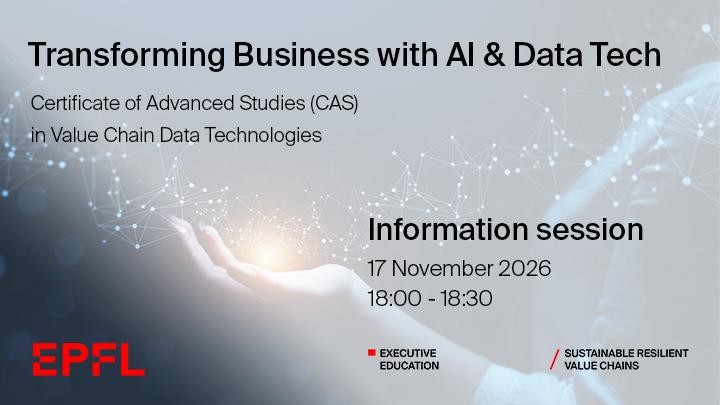
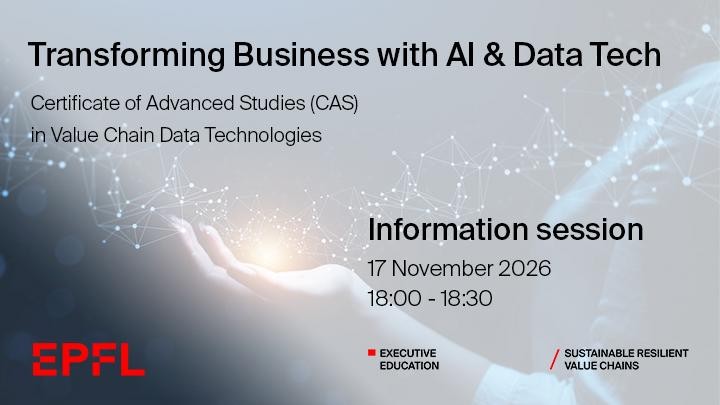
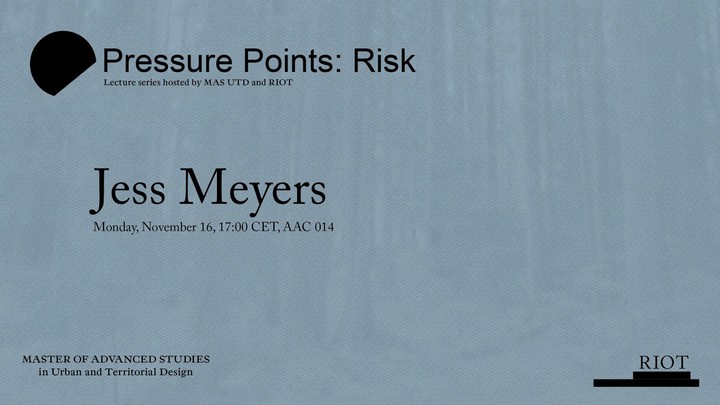
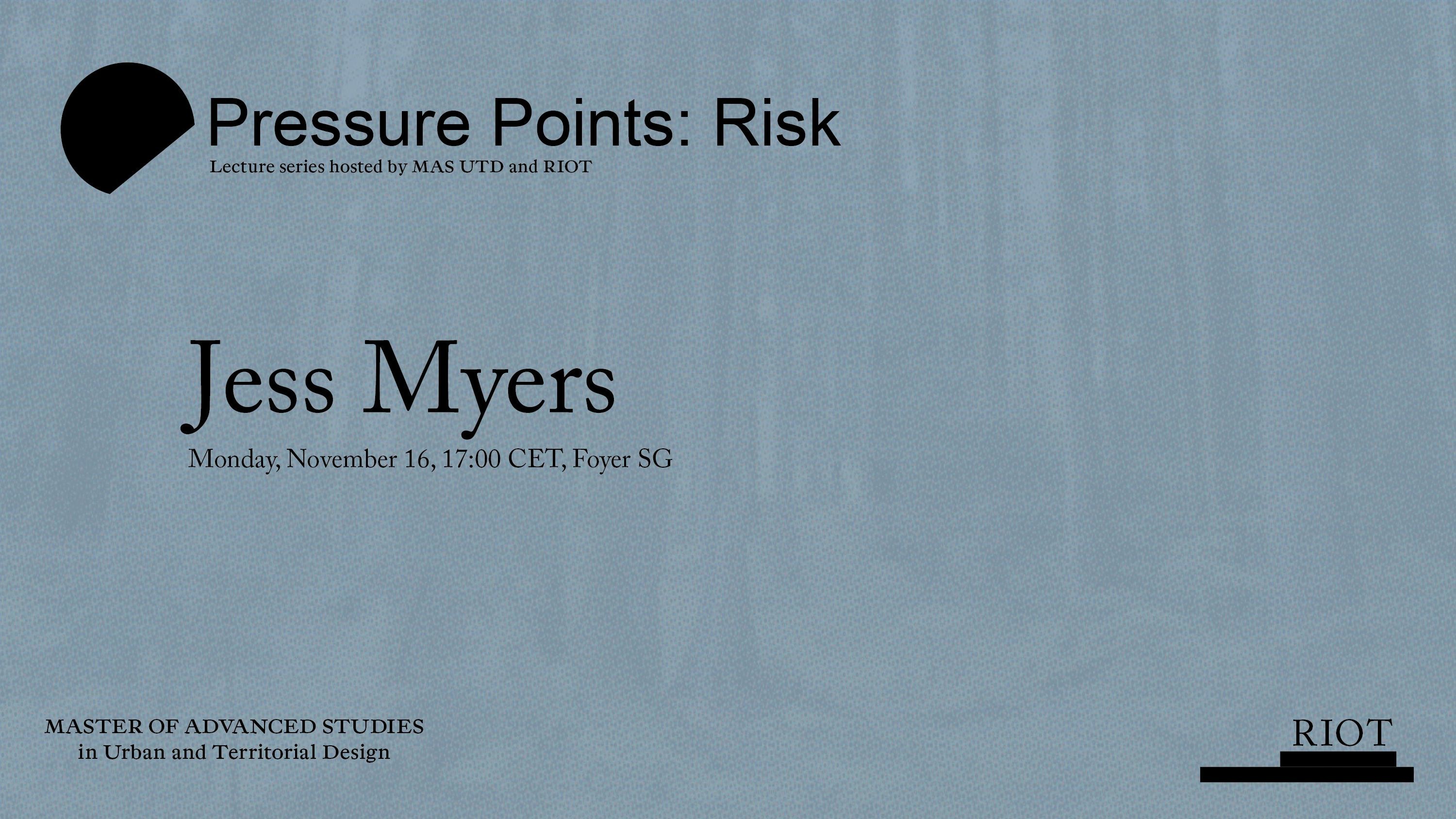
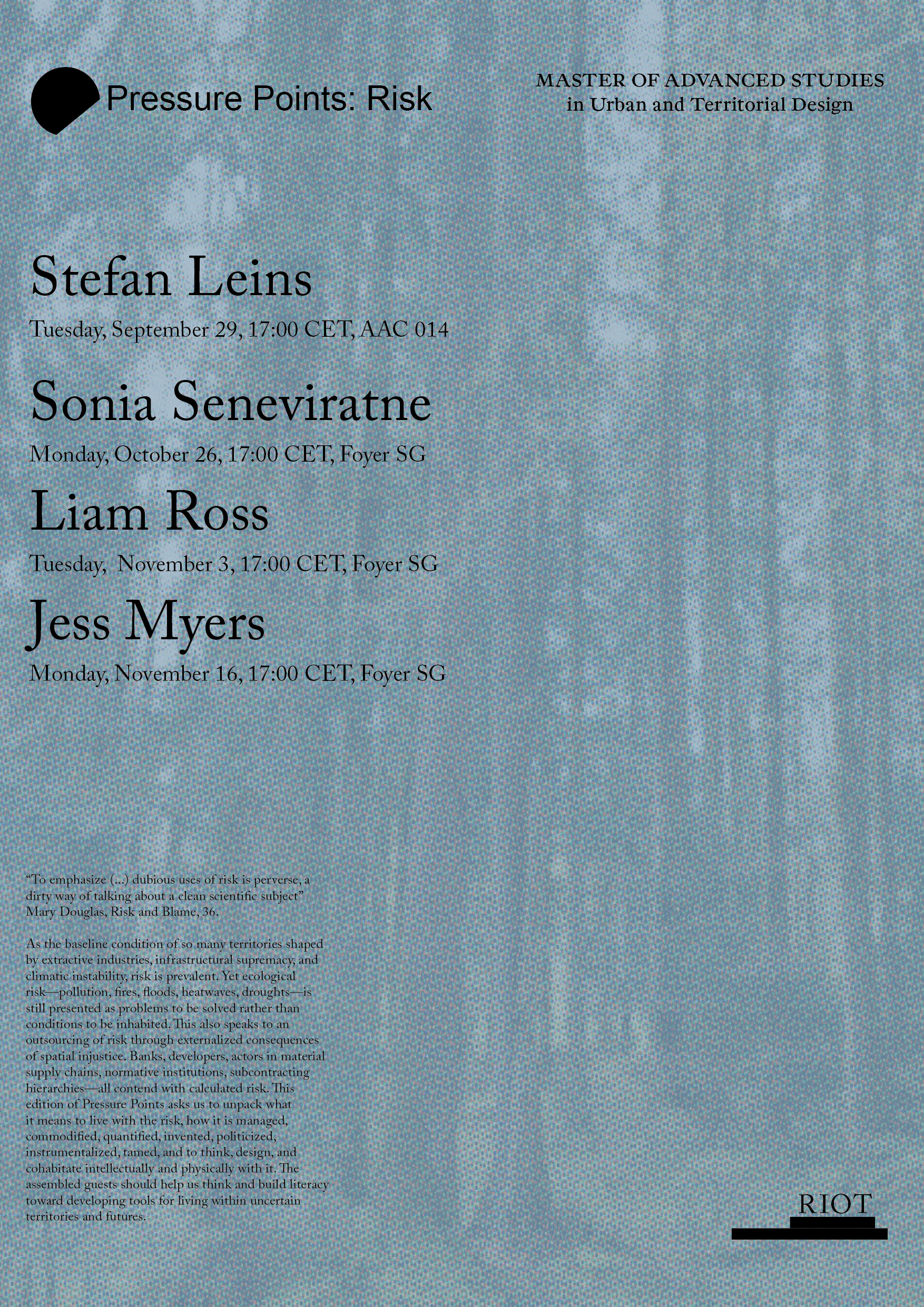
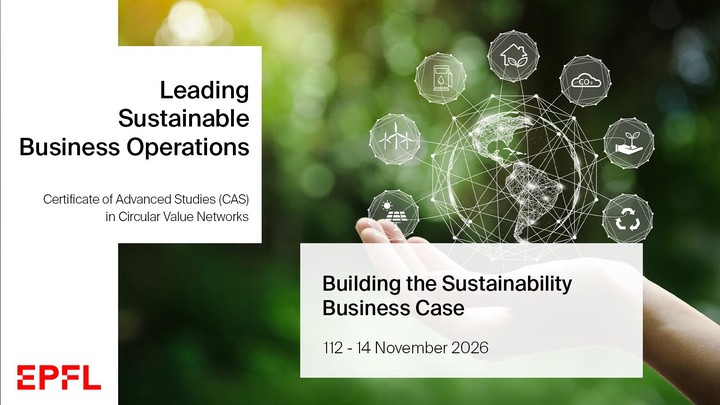
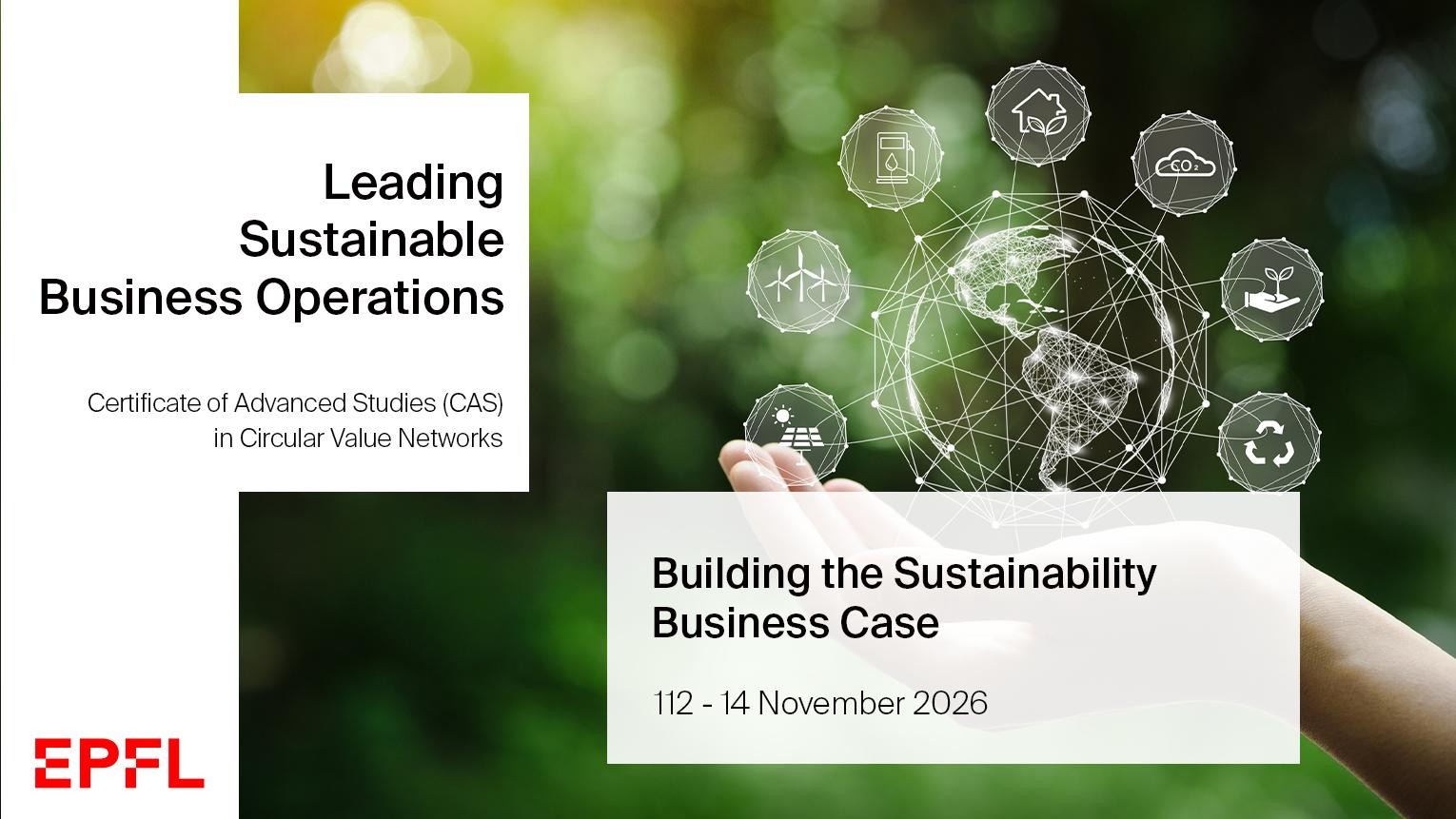
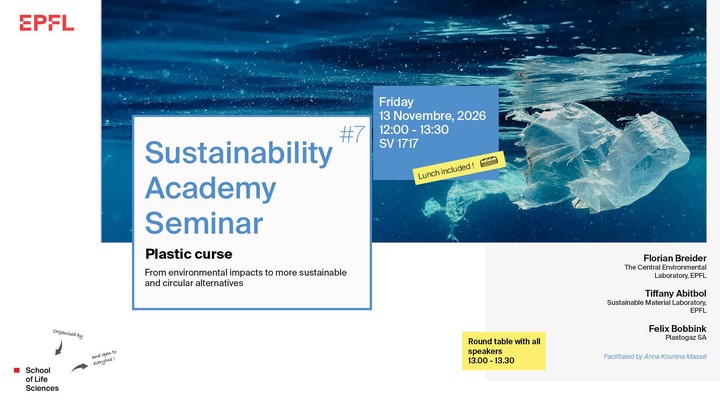
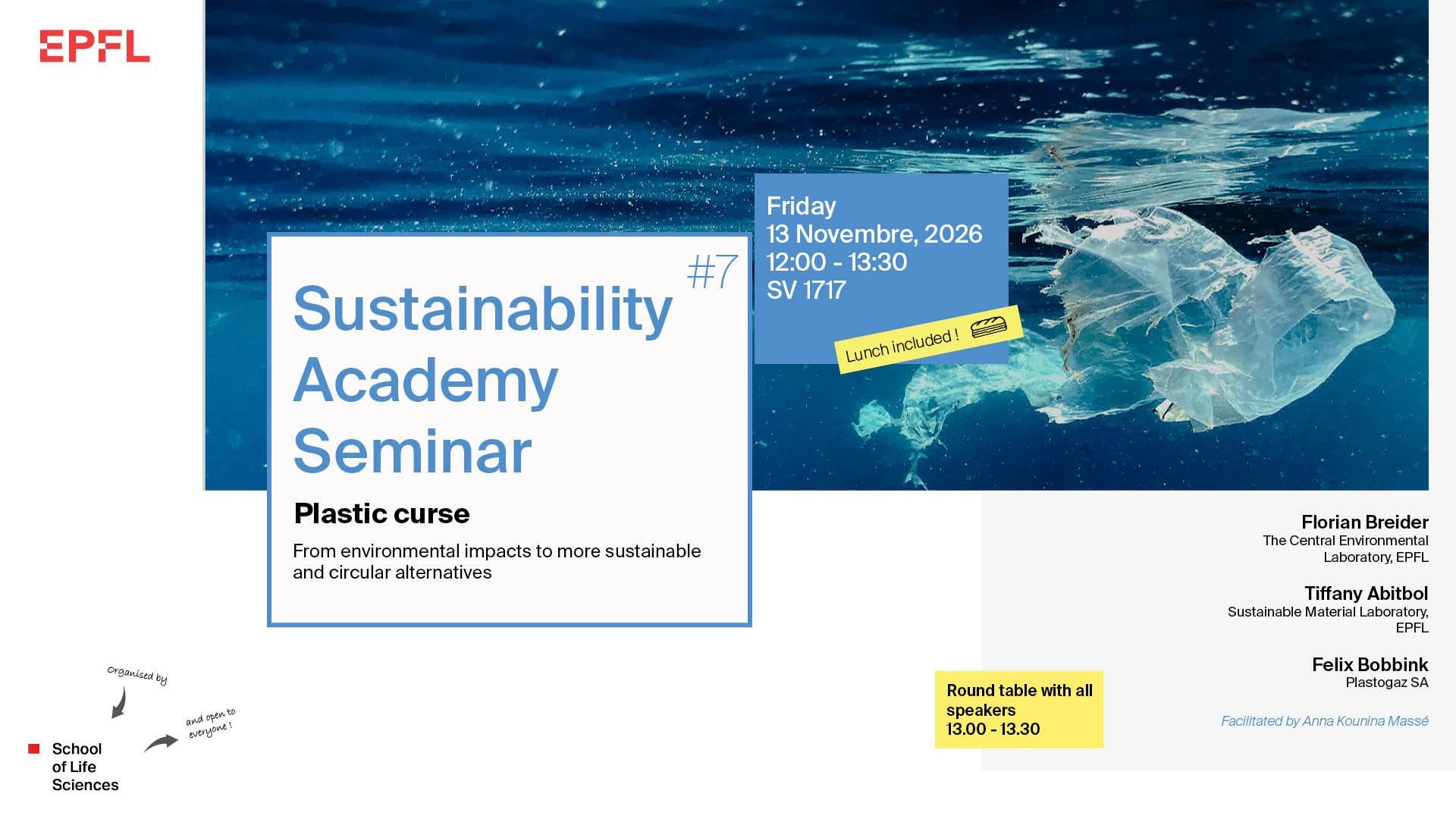
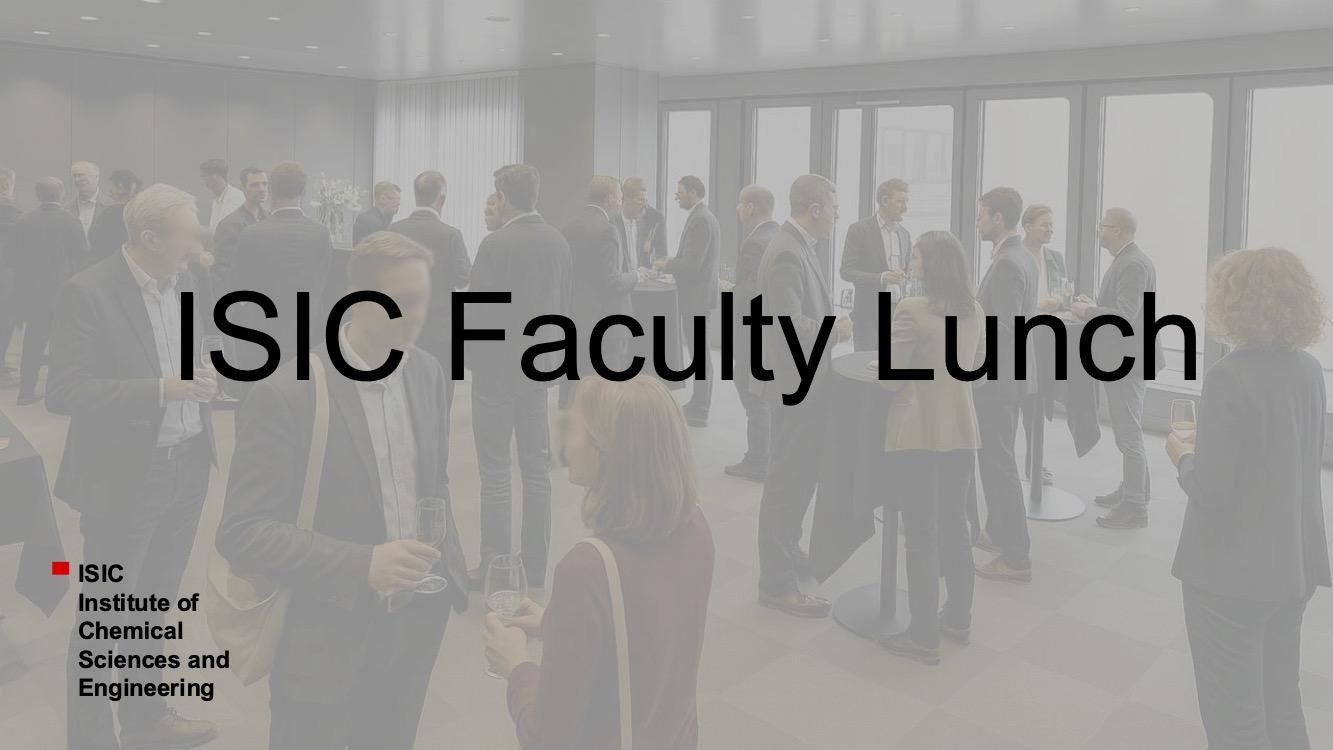
{ "count": 264, "next": "https://memento.epfl.ch/api/v1/events/?format=api&limit=10&offset=110&ordering=-event__end_date", "previous": "https://memento.epfl.ch/api/v1/events/?format=api&limit=10&offset=90&ordering=-event__end_date", "results": [ { "id": 72775, "title": "Information session - CAS in Technology", "slug": "information-session-cas-in-technology-2", "event_url": "https://memento.epfl.ch/event/information-session-cas-in-technology-2", "visual_url": "https://memento.epfl.ch/image/33991/200x112.jpg", "visual_large_url": "https://memento.epfl.ch/image/33991/720x405.jpg", "visual_maxsize_url": "https://memento.epfl.ch/image/33991/max-size.jpg", "lang": "en", "start_date": "2026-11-17", "end_date": "2026-11-17", "start_time": "18:00:00", "end_time": "18:30:00", "description": "<p>Join our online information to get to know the <strong>EPFL SRVC executive program for Transforming Business with AI & Data Tech (CAS in Value Chain Data Technologies)</strong> with Executive Director Ms. Elaine Moran.<br>\r\n<br>\r\nLearn how this program empowers professionals to drive sustainable innovation with AI, IoT & Digital Twins - and get all your questions answered.<br>\r\n<br>\r\n<strong>> <a href=\"https://epfl.zoom.us/meeting/register/Kz6P8fbyR-qii_938ml8gQ\">Register here</a></strong></p>", "image_description": "", "creation_date": "2026-10-06T13:27:15", "last_modification_date": "2026-10-06T13:29:32", "link_label": "Registration", "link_url": "https://epfl.zoom.us/meeting/register/Kz6P8fbyR-qii_938ml8gQ", "canceled": "False", "cancel_reason": "", "place_and_room": "", "url_place_and_room": "", "url_online_room": "https://epfl.zoom.us/meeting/register/Kz6P8fbyR-qii_938ml8gQ", "spoken_languages": [ "https://memento.epfl.ch/api/v1/spoken_languages/2/?format=api" ], "speaker": "- Elaine Moran, <em>SRVC Executive Director</em>", "organizer": "EPFL Executive Education", "contact": "[email protected]", "is_internal": "False", "theme": "", "vulgarization": { "id": 1, "fr_label": "Tout public", "en_label": "General public" }, "registration": { "id": 1, "fr_label": "Sur inscription", "en_label": "Registration required" }, "keywords": "", "file": null, "icalendar_url": "https://memento.epfl.ch/event/export/122079/", "category": { "id": 4, "code": "DIVERS", "fr_label": "Autres types d’événement", "en_label": "Miscellaneous", "activated": true }, "academic_calendar_category": null, "domains": [], "mementos": [ "https://memento.epfl.ch/api/v1/mementos/8/?format=api", "https://memento.epfl.ch/api/v1/mementos/416/?format=api", "https://memento.epfl.ch/api/v1/mementos/437/?format=api", "https://memento.epfl.ch/api/v1/mementos/438/?format=api" ] }, { "id": 72231, "title": "FLP Workshop: Design your future – Planning a fulfilling work and self-realisation experience", "slug": "flp-workshop-design-your-future-planning-a-fulfill", "event_url": "https://memento.epfl.ch/event/flp-workshop-design-your-future-planning-a-fulfill", "visual_url": "https://memento.epfl.ch/image/33510/200x112.jpg", "visual_large_url": "https://memento.epfl.ch/image/33510/720x405.jpg", "visual_maxsize_url": "https://memento.epfl.ch/image/33510/max-size.jpg", "lang": "en", "start_date": "2026-11-09", "end_date": "2026-11-16", "start_time": "09:00:00", "end_time": "17:00:00", "description": "<p>In all professions including academic careers, satisfaction and a sense of fulfillment are not always at hand, leading sometimes to questioning professional choices. Have you experienced not being completely sure of what is professionally right for you? Have you wondered how you could find it out? Do you feel you might be not well equipped to decide on the next step in your career, or to lack orientation? In this workshop, you will be provided with tools and orientation models that will guide you in your career decisions, and implement them. These are based on an authenticity-oriented perspective aiming at a fulfilling work and self-realization experience.</p>", "image_description": "", "creation_date": "2026-07-14T11:21:21", "last_modification_date": "2026-07-14T11:23:17", "link_label": "Website", "link_url": "https://foster-lead-promote.ch/our_services/coachinggroups/", "canceled": "False", "cancel_reason": "", "place_and_room": "EPFL", "url_place_and_room": "", "url_online_room": "", "spoken_languages": [ "https://memento.epfl.ch/api/v1/spoken_languages/2/?format=api" ], "speaker": "<a href=\"https://www.fix-the-leaky-pipeline.ch/our_team/afi-sika-kuzeawu/\">Afi Sika Kuzeawu</a><br>\r\nWith a passion for creation, and a motivation for true fulfilment in life, I help people figure out what would be the right ingredients for them to experience an inspired and brilliant professional life. I draw on my knowledge and my personal experience to coach students, doctoral candidates and professionals in the course of their career decisions. As a creative consultant, I also work with entrepreneurs and public institutions to help them design and develop concepts out of their ideas, so that these can be implemented in the real world.", "organizer": "<a href=\"https://foster-lead-promote.ch/meet-our-experts/\">FLP</a> ", "contact": "<a href=\"mailto:[email protected]\">Chantal Mellier</a>", "is_internal": "False", "theme": "", "vulgarization": { "id": 2, "fr_label": "Public averti", "en_label": "Informed public" }, "registration": { "id": 1, "fr_label": "Sur inscription", "en_label": "Registration required" }, "keywords": "", "file": "https://memento.epfl.ch/public/upload/files/DescriptionDesignYourFuture.pdf", "icalendar_url": "https://memento.epfl.ch/event/export/121261/", "category": { "id": 15, "code": "FORM", "fr_label": "Formations internes", "en_label": "Internal trainings", "activated": true }, "academic_calendar_category": null, "domains": [], "mementos": [ "https://memento.epfl.ch/api/v1/mementos/3/?format=api", "https://memento.epfl.ch/api/v1/mementos/4/?format=api", "https://memento.epfl.ch/api/v1/mementos/5/?format=api", "https://memento.epfl.ch/api/v1/mementos/6/?format=api", "https://memento.epfl.ch/api/v1/mementos/8/?format=api", "https://memento.epfl.ch/api/v1/mementos/21/?format=api" ] }, { "id": 72602, "title": "Pressure Points: Risk - Jess Myers / RIOT, MAS UTD", "slug": "pressure-points-risk-jess-myers-riot-mas-utd", "event_url": "https://memento.epfl.ch/event/pressure-points-risk-jess-myers-riot-mas-utd", "visual_url": "https://memento.epfl.ch/image/33846/200x112.jpg", "visual_large_url": "https://memento.epfl.ch/image/33846/720x405.jpg", "visual_maxsize_url": "https://memento.epfl.ch/image/33846/max-size.jpg", "lang": "en", "start_date": "2026-11-16", "end_date": "2026-11-16", "start_time": "17:00:00", "end_time": "19:00:00", "description": "<p>“To emphasize (...) dubious uses of risk is perverse, a dirty way of talking about a<br>\r\nclean scientific subject”<br>\r\nMary Douglas, <em>Risk and Blame,</em> 36.<br>\r\n<br>\r\nAs the baseline condition of so many territories shaped by extractive industries, administrative delay, and climatic instability, risk is prevalent. Yet ecological risk—pollution, fires, floods, heatwaves, droughts—is still presented as problems to be solved rather than conditions to be inhabited. This also speaks to an outsourcing of risk through externalized consequences of spatial injustice. Banks, developers, material supply chains, normative institutions, subcontracting hierarchies —all contend with calculated risk. This edition of <u>Pressure Points</u> asks us to unpack what it means to live with the risk, how it is managed, commodified, quantified, invented, politicized, instrumentalized, tamed, and to think, design, cohabitate intellectually and physically with it. The assembled guests should help us think and build literacy toward developing tools for living within uncertain territories and futures.<br>\r\n<br>\r\n<u>Jess Myers</u><br>\r\nMonday, November 16, 17:00 CET<br>\r\n<br>\r\n<a href=\"https://soa.syr.edu/live/profiles/1181-jess-myers\"><u>Jess Myers</u></a> is an urbanist whose practice includes work as an editor, writer, podcaster and curator, and is a tenure-track Assistant Professor at Syracuse University. Previously, Myers was an assistant professor of architecture at the Rhode Island School of Design. She has worked as an archivist, translator and analyst in New York and Paris. Myers served as a co-steward of the Architecture Lobby’s New York chapter and as the series editor for SEIU’s book series, Taking Freedom. Her research takes many forms, including a variety of multimedia platforms, which she uses to explore politics and residency in urban conditions. Myers’ podcast, Here There Be Dragons focuses on the intersection of identity politics and security policy in public space through the eyes of New Yorkers, Parisians and Stockholmers. Myers’ work has been published in The Architect’s Newspaper, Log, The Funambulist Magazine, Failed Architecture, Avery Review, Dwell and l’Architecture d’Aujourd’hui. Her most recent exhibition, “A Pause Is Not A Break,“ was exhibited widely, including at the Rhode Island School of Design, the University of Iowa and Carleton University.<br>\r\n<br>\r\n<a href=\"https://www.riot.today/\">RIOT (Research and Innovation on Territory)</a> is a laboratory engaged in pedagogy and research within the Institute of Architecture (ENAC) at the Swiss Federal Institute of Technology–EPFL, led by Charlotte Malterre-Barthes with Elif Erez, Flore Guichot, Jeremy Ratib, Summer Islam, Antoine Iweins, Kathy Kao, Nathalie Marj, Romain Dubetier-Grenier, Sylvie Clavel, and Saira Mohammed. Believing that the construction sector and design disciplines must pivot and wholeheartedly engage in the current social and climatic urgencies by rewiring themselves to face and repair the harm, RIOT utilizes tactics and strategies to decarbonize, decolonize, and depatriarchalize space production–by design.<br>\r\n </p>", "image_description": "Event Poster", "creation_date": "2026-09-16T15:33:36", "last_modification_date": "2026-09-25T13:41:15", "link_label": "", "link_url": "", "canceled": "False", "cancel_reason": "", "place_and_room": "Foyer SG", "url_place_and_room": "", "url_online_room": "", "spoken_languages": [ "https://memento.epfl.ch/api/v1/spoken_languages/2/?format=api" ], "speaker": "<a href=\"https://soa.syr.edu/live/profiles/1181-jess-myers\"><u>Jess Myers</u></a> is an urbanist whose practice includes work as an editor, writer, podcaster and curator, and is a tenure-track Assistant Professor at Syracuse University. Previously, Myers was an assistant professor of architecture at the Rhode Island School of Design. She has worked as an archivist, translator and analyst in New York and Paris. Myers served as a co-steward of the Architecture Lobby’s New York chapter and as the series editor for SEIU’s book series, Taking Freedom. Her research takes many forms, including a variety of multimedia platforms, which she uses to explore politics and residency in urban conditions. Myers’ podcast, Here There Be Dragons focuses on the intersection of identity politics and security policy in public space through the eyes of New Yorkers, Parisians and Stockholmers. Myers’ work has been published in The Architect’s Newspaper, Log, The Funambulist Magazine, Failed Architecture, Avery Review, Dwell and l’Architecture d’Aujourd’hui. Her most recent exhibition, “A Pause Is Not A Break,“ was exhibited widely, including at the Rhode Island School of Design, the University of Iowa and Carleton University.", "organizer": "RIOT, MAS UTD", "contact": "Elif Erez, [email protected]", "is_internal": "False", "theme": "", "vulgarization": { "id": 2, "fr_label": "Public averti", "en_label": "Informed public" }, "registration": { "id": 3, "fr_label": "Entrée libre", "en_label": "Free" }, "keywords": "risk, territory, ecology, architecture, spatial justice, material supply chains, extraction", "file": "https://memento.epfl.ch/public/upload/files/2026PressurePointsPosterA3UPDATED.jpg", "icalendar_url": "https://memento.epfl.ch/event/export/121831/", "category": { "id": 1, "code": "CONF", "fr_label": "Conférences - Séminaires", "en_label": "Conferences - Seminars", "activated": true }, "academic_calendar_category": null, "domains": [], "mementos": [ "https://memento.epfl.ch/api/v1/mementos/4/?format=api", "https://memento.epfl.ch/api/v1/mementos/32/?format=api" ] }, { "id": 72296, "title": "Innovate Cities & Infrastructure Program", "slug": "innovate-cities-infrastructure-program", "event_url": "https://memento.epfl.ch/event/innovate-cities-infrastructure-program", "visual_url": "https://memento.epfl.ch/image/33563/200x112.jpg", "visual_large_url": "https://memento.epfl.ch/image/33563/720x405.jpg", "visual_maxsize_url": "https://memento.epfl.ch/image/33563/max-size.jpg", "lang": "en", "start_date": "2026-11-15", "end_date": "2026-11-15", "start_time": null, "end_time": null, "description": "<p>The <strong>Innovate Cities & Infrastructure </strong>programme supports project-based research between researchers and practice partners to develop innovative solutions for sustainable urban development and resilient infrastructure.<br>\r\n<br>\r\nIt is a collaboration between the<strong> Swiss State Secretariat for Economic Affairs</strong> (SECO) and<strong> ETH Zurich</strong>, with three objectives: \r\n</p><ol>\r\n\t<li><strong>developing research-informed </strong>urban technologies, strategies and policies</li>\r\n\t<li><strong>empowering institutions</strong> to deliver effective services</li>\r\n\t<li><strong>facilitating bilateral knowledge transfer</strong> between researchers and practitioners.</li>\r\n</ol>\r\nProjects are conducted by consortia of ETH-Domain researchers and practice partners in eligible countries, fostering co-creation, practical application, scalability, and lasting<br>\r\nlocal impact.<br>\r\n<br>\r\n<a href=\"https://eth4d.ethz.ch/funding-opportunities/eth4d-research-grants/innovative_cities.html\"><strong><u>Research Grants: Competitive Call for Proposals</u></strong></a><br>\r\nResearch projects are selected through a <strong>competitive Call for Proposal process</strong>. Applications are made by the ETH domain researcher together with the practice partner(s). Consortia can apply for two different types of grants:\r\n\r\n<ol>\r\n\t<li><strong>Urban Research Grants</strong> (Max. 24months, up to CHF 350,000): Supports collaborative project-based research between researchers at institutions in the ETH-Domain and practice partners from eligible countries to develop effective solutions to urban development and infrastructure challenges.</li>\r\n\t<li><strong>Urban Pilot Grants</strong> (Max.12 months, up to CHF 30,000): Supports initial ideation to explore, prepare or design new collaborations and pilot a new applied research project with practice partners from eligible countries.</li>\r\n</ol>\r\n<strong><u>Webinar: Innovate Cities and Infrastructure</u></strong><br>\r\nPlease register <a href=\"https://eth4d.ethz.ch/funding-opportunities/eth4d-research-grants/innovative_cities/webinar_registration.html\">here</a> for our information webinars on the Innovate Cities & Infrastructure programme.<br>\r\nPossible dates are:\r\n<ul>\r\n\t<li>31 August 2026: 2-3:30 pm (CEST)</li>\r\n\t<li><u><strong>3 September 2026: 10-11:30 am (CEST)</strong></u></li>\r\n</ul>\r\n<u><strong>No research partner yet?</strong> </u> Reach out to ETH4D programme manager <a href=\"mailto:[email protected]\">Dr. Churchill Agutu</a><br>\r\n<br>\r\n<strong><u>For further informaiton</u></strong><u>:</u><br>\r\n<a href=\"mailto:[email protected]\">EPFL Resarch Office</a>", "image_description": "Research Funding", "creation_date": "2026-08-04T12:18:18", "last_modification_date": "2026-08-04T14:35:50", "link_label": "Call for Proposals to Innovate Cities and Infrastructure", "link_url": "https://www.seco-cooperation.admin.ch/en/new-at-eth4d-introducing-innovate-cities-und-infrastructure-inci", "canceled": "False", "cancel_reason": "", "place_and_room": "", "url_place_and_room": "", "url_online_room": "", "spoken_languages": [ "https://memento.epfl.ch/api/v1/spoken_languages/2/?format=api" ], "speaker": "", "organizer": "", "contact": "<a href=\"mailto:[email protected]\">Research Office</a>", "is_internal": "False", "theme": "", "vulgarization": { "id": 1, "fr_label": "Tout public", "en_label": "General public" }, "registration": { "id": 3, "fr_label": "Entrée libre", "en_label": "Free" }, "keywords": "sustainable urban development, infrastructure, climate resilience, AI, mobility, energy, governance, and digital transformation in partner countries", "file": null, "icalendar_url": "https://memento.epfl.ch/event/export/121360/", "category": { "id": 16, "code": "PROP", "fr_label": "Appel à proposition", "en_label": "Call for proposal", "activated": true }, "academic_calendar_category": null, "domains": [], "mementos": [ "https://memento.epfl.ch/api/v1/mementos/4/?format=api", "https://memento.epfl.ch/api/v1/mementos/79/?format=api", "https://memento.epfl.ch/api/v1/mementos/140/?format=api" ] }, { "id": 72172, "title": "Building the Sustainability Business Case [CAS Circular Value Networks 2026]", "slug": "building-the-sustainability-business-case-cas-circ", "event_url": "https://memento.epfl.ch/event/building-the-sustainability-business-case-cas-circ", "visual_url": "https://memento.epfl.ch/image/33454/200x112.jpg", "visual_large_url": "https://memento.epfl.ch/image/33454/720x405.jpg", "visual_maxsize_url": "https://memento.epfl.ch/image/33454/max-size.jpg", "lang": "en", "start_date": "2026-11-12", "end_date": "2026-11-14", "start_time": null, "end_time": null, "description": "<strong>Module 3: Building the Sustainability Business Case</strong>\r\n<ul>\r\n\t<li>Quantify value creation through sustainability.</li>\r\n\t<li>Evaluate financial implications, apply circular economy frameworks, and test strategies with risk free simulations to build credible, results-oriented business cases for sustainable transformation.</li>\r\n</ul>\r\n<br>\r\n<br>\r\n<br>\r\n*************<br>\r\n<br>\r\n<strong><u>About the <u><strong>program</strong></u></u></strong><br>\r\n<em><u>Leading Sustainable Business Operations</u></em><br>\r\n<br>\r\nDesigned for professionals ready to turn sustainability into a driver of performance, innovation, and resilience, this program provides the knowledge and methods to lead sustainable transformation across business operations; aligning sustainability principles with strategic and operational decision-making.<br>\r\n \r\n<ul>\r\n\t<li>12 days on Campus</li>\r\n\t<li>4 modules</li>\r\n\t<li>Flexible format</li>\r\n\t<li>Part-time</li>\r\n\t<li>15 ECTS</li>\r\n\t<li><a href=\"https://www.epfl-executive-education.ch/srvc-cas-circular-value-networks/\">More info</a></li>\r\n</ul>", "image_description": "", "creation_date": "2026-06-25T17:49:27", "last_modification_date": "2026-09-14T08:23:51", "link_label": "Webpage", "link_url": "https://www.epfl-executive-education.ch/srvc-cas-circular-value-networks/", "canceled": "False", "cancel_reason": "", "place_and_room": "", "url_place_and_room": "", "url_online_room": "", "spoken_languages": [ "https://memento.epfl.ch/api/v1/spoken_languages/2/?format=api" ], "speaker": "", "organizer": "<a href=\"http://go.epfl.ch/srvc\">EPFL Executive Education - Sustainable Resilient Value Chains</a>", "contact": "[email protected]", "is_internal": "False", "theme": "", "vulgarization": { "id": 1, "fr_label": "Tout public", "en_label": "General public" }, "registration": { "id": 1, "fr_label": "Sur inscription", "en_label": "Registration required" }, "keywords": "", "file": null, "icalendar_url": "https://memento.epfl.ch/event/export/121179/", "category": { "id": 4, "code": "DIVERS", "fr_label": "Autres types d’événement", "en_label": "Miscellaneous", "activated": true }, "academic_calendar_category": null, "domains": [], "mementos": [ "https://memento.epfl.ch/api/v1/mementos/1/?format=api", "https://memento.epfl.ch/api/v1/mementos/3/?format=api", "https://memento.epfl.ch/api/v1/mementos/6/?format=api", "https://memento.epfl.ch/api/v1/mementos/437/?format=api", "https://memento.epfl.ch/api/v1/mementos/438/?format=api" ] }, { "id": 69355, "title": "Sustainable Academy Seminar #7 Plastic Curse", "slug": "sustainable-academy-seminar-7-plastic-curse", "event_url": "https://memento.epfl.ch/event/sustainable-academy-seminar-7-plastic-curse", "visual_url": "https://memento.epfl.ch/image/30871/200x112.jpg", "visual_large_url": "https://memento.epfl.ch/image/30871/720x405.jpg", "visual_maxsize_url": "https://memento.epfl.ch/image/30871/max-size.jpg", "lang": "en", "start_date": "2026-11-13", "end_date": "2026-11-13", "start_time": "12:00:00", "end_time": "13:30:00", "description": "<br>\r\nThe School of Life Sciences and SV Sustainability are delighted to welcome <strong>Florian Breider, Tiffany Abitbol, and Felix Bobbink</strong> for the <strong>7<sup>th </sup>edition of the Sustainable Academy</strong>, dedicated to the theme <strong>“The Plastic Curse.” </strong><br>\r\n<br>\r\nPlastic has become an integral part of our daily lives. In fact, it is now often more difficult to find objects without plastic than with it. While plastic offers many advantages, including its versatility, durability, lightweight nature, and low cost, its production and disposal have significant environmental consequences. Plastic pollution poses major threats to ecosystems, biodiversity, and human health.<br>\r\n<br>\r\nResearch activities, particularly in the life sciences, rely heavily on plastic because of its numerous practical benefits. However, despite the challenges associated with managing plastic waste and closing material loops, more sustainable materials and circular solutions are emerging. <br>\r\n<br>\r\nWhether you are a scientist, student, or simply curious about the issue, this seminar will provide valuable insights into plastic use at EPFL, the impacts of plastic pollution on our environment and health, promising alternative materials, and innovative recycling approaches, including a perspective on chemical recycling from Plastogaz. <br>\r\n<br>\r\n Don't miss out on this unique opportunity to learn, connect, and be inspired! And don't forget to <a href=\"https://docs.google.com/forms/d/e/1FAIpQLSdL_DORscs9PtEdvx4Y1qZ79Ag6rC9maU6hzjLUfeQz0pnuwA/viewform?usp=header\">register</a>. <br>\r\n ", "image_description": "", "creation_date": "2025-06-24T13:59:04", "last_modification_date": "2026-10-05T09:49:20", "link_label": "Register here!", "link_url": "https://docs.google.com/forms/d/e/1FAIpQLSdL_DORscs9PtEdvx4Y1qZ79Ag6rC9maU6hzjLUfeQz0pnuwA/viewform?usp=publish-editor", "canceled": "False", "cancel_reason": "", "place_and_room": "SV 1717", "url_place_and_room": "https://plan.epfl.ch/?room==SV%201717", "url_online_room": "", "spoken_languages": [ "https://memento.epfl.ch/api/v1/spoken_languages/2/?format=api" ], "speaker": "", "organizer": "SV Sustainability ", "contact": "<a href=\"https://people.epfl.ch/mai-phuong.dinh\">Mai-Phuong Dinh </a>", "is_internal": "False", "theme": "", "vulgarization": { "id": 1, "fr_label": "Tout public", "en_label": "General public" }, "registration": { "id": 1, "fr_label": "Sur inscription", "en_label": "Registration required" }, "keywords": "Sustainability, Health, Environment, Toxicology, Plastic pollution, plastic", "file": null, "icalendar_url": "https://memento.epfl.ch/event/export/116971/", "category": { "id": 1, "code": "CONF", "fr_label": "Conférences - Séminaires", "en_label": "Conferences - Seminars", "activated": true }, "academic_calendar_category": null, "domains": [], "mementos": [ "https://memento.epfl.ch/api/v1/mementos/79/?format=api", "https://memento.epfl.ch/api/v1/mementos/9/?format=api", "https://memento.epfl.ch/api/v1/mementos/1/?format=api", "https://memento.epfl.ch/api/v1/mementos/145/?format=api", "https://memento.epfl.ch/api/v1/mementos/4/?format=api", "https://memento.epfl.ch/api/v1/mementos/5/?format=api", "https://memento.epfl.ch/api/v1/mementos/8/?format=api" ] }, { "id": 69765, "title": "ISIC Faculty Lunch", "slug": "isic-faculty-lunch-7", "event_url": "https://memento.epfl.ch/event/isic-faculty-lunch-7", "visual_url": "https://memento.epfl.ch/image/31251/200x112.jpg", "visual_large_url": "https://memento.epfl.ch/image/31251/720x405.jpg", "visual_maxsize_url": "https://memento.epfl.ch/image/31251/max-size.jpg", "lang": "en", "start_date": "2026-11-13", "end_date": "2026-11-13", "start_time": "12:00:00", "end_time": "14:00:00", "description": "<strong>President Anna Fontcuberta </strong>and<strong> Mrs. Françoise Bommensatt (VP for Finance) </strong>will be introducing Nexus to all of you. <br>\r\n<br>\r\n<strong>Agenda</strong><br>\r\n12:10 – 12:30 25th Institute Anniversary<br>\r\n12:30 – 14:00 Standing Lunch", "image_description": "", "creation_date": "2025-09-09T11:23:01", "last_modification_date": "2026-08-28T16:33:10", "link_label": "", "link_url": "", "canceled": "False", "cancel_reason": "", "place_and_room": "Copernic", "url_place_and_room": "https://plan.epfl.ch/?room==CE%201%20711.1", "url_online_room": "", "spoken_languages": [ "https://memento.epfl.ch/api/v1/spoken_languages/2/?format=api" ], "speaker": "<a href=\"https://people.epfl.ch/anna.fontcuberta-morral\">Prof. Anna Fontcuberta</a>, EPFL President\r\n\r\n<a href=\"https://people.epfl.ch/francoise.bommensatt\">Mrs. Françoise Bommensatt</a>,<strong> </strong>Vice President for Finance", "organizer": "<a href=\"https://www.epfl.ch/schools/sb/research/isic/\">Institute of Chemical Sciences and Engineering – ISIC</a>", "contact": "<a href=\"https://people.epfl.ch/marta.ruizcumi\">Marta Ruiz Cumi</a>", "is_internal": "True", "theme": "", "vulgarization": { "id": 2, "fr_label": "Public averti", "en_label": "Informed public" }, "registration": { "id": 2, "fr_label": "Sur invitation", "en_label": "Invitation required" }, "keywords": "ISICIntranet", "file": null, "icalendar_url": "https://memento.epfl.ch/event/export/117576/", "category": { "id": 1, "code": "CONF", "fr_label": "Conférences - Séminaires", "en_label": "Conferences - Seminars", "activated": true }, "academic_calendar_category": null, "domains": [], "mementos": [ "https://memento.epfl.ch/api/v1/mementos/14/?format=api" ] }, { "id": 72025, "title": "Seminar in Finance", "slug": "seminar-in-finance-32", "event_url": "https://memento.epfl.ch/event/seminar-in-finance-32", "visual_url": "https://memento.epfl.ch/image/33318/200x112.jpg", "visual_large_url": "https://memento.epfl.ch/image/33318/720x405.jpg", "visual_maxsize_url": "https://memento.epfl.ch/image/33318/max-size.jpg", "lang": "en", "start_date": "2026-11-13", "end_date": "2026-11-13", "start_time": "11:00:00", "end_time": "12:15:00", "description": "", "image_description": "", "creation_date": "2026-06-03T15:21:14", "last_modification_date": "2026-06-03T15:21:14", "link_label": "", "link_url": "", "canceled": "False", "cancel_reason": "", "place_and_room": "UNIL, Extranef, room 126", "url_place_and_room": "", "url_online_room": "", "spoken_languages": [ "https://memento.epfl.ch/api/v1/spoken_languages/2/?format=api" ], "speaker": "<a href=\"https://simon.rochester.edu/faculty/alexandr-kopytov\">Alexandr Kopytov - University of Rochester</a>", "organizer": "", "contact": "[email protected]", "is_internal": "False", "theme": "", "vulgarization": { "id": 2, "fr_label": "Public averti", "en_label": "Informed public" }, "registration": { "id": 3, "fr_label": "Entrée libre", "en_label": "Free" }, "keywords": "", "file": null, "icalendar_url": "https://memento.epfl.ch/event/export/120965/", "category": { "id": 1, "code": "CONF", "fr_label": "Conférences - Séminaires", "en_label": "Conferences - Seminars", "activated": true }, "academic_calendar_category": null, "domains": [], "mementos": [ "https://memento.epfl.ch/api/v1/mementos/112/?format=api", "https://memento.epfl.ch/api/v1/mementos/3/?format=api", "https://memento.epfl.ch/api/v1/mementos/116/?format=api", "https://memento.epfl.ch/api/v1/mementos/105/?format=api" ] }, { "id": 72508, "title": "TBA", "slug": "tba-132", "event_url": "https://memento.epfl.ch/event/tba-132", "visual_url": "https://memento.epfl.ch/image/33754/200x112.jpg", "visual_large_url": "https://memento.epfl.ch/image/33754/720x405.jpg", "visual_maxsize_url": "https://memento.epfl.ch/image/33754/max-size.jpg", "lang": "en", "start_date": "2026-11-13", "end_date": "2026-11-13", "start_time": "15:15:00", "end_time": "16:45:00", "description": "<p>tba</p>", "image_description": "", "creation_date": "2026-09-03T14:50:19", "last_modification_date": "2026-09-03T15:07:40", "link_label": "", "link_url": "https://www.epfl.ch/schools/sb/research/math/statistics-seminars/", "canceled": "False", "cancel_reason": "", "place_and_room": "CM 1 517", "url_place_and_room": "https://plan.epfl.ch/?room==CM%201%20517", "url_online_room": "", "spoken_languages": [ "https://memento.epfl.ch/api/v1/spoken_languages/2/?format=api" ], "speaker": "Claire Boyer, Université Paris-Saclay", "organizer": "Myrto Limnios", "contact": "Maroussia Schaffner", "is_internal": "False", "theme": "", "vulgarization": { "id": 2, "fr_label": "Public averti", "en_label": "Informed public" }, "registration": { "id": 3, "fr_label": "Entrée libre", "en_label": "Free" }, "keywords": "", "file": null, "icalendar_url": "https://memento.epfl.ch/event/export/121686/", "category": { "id": 1, "code": "CONF", "fr_label": "Conférences - Séminaires", "en_label": "Conferences - Seminars", "activated": true }, "academic_calendar_category": null, "domains": [], "mementos": [ "https://memento.epfl.ch/api/v1/mementos/1/?format=api", "https://memento.epfl.ch/api/v1/mementos/5/?format=api", "https://memento.epfl.ch/api/v1/mementos/6/?format=api", "https://memento.epfl.ch/api/v1/mementos/7/?format=api", "https://memento.epfl.ch/api/v1/mementos/288/?format=api" ] }, { "id": 72737, "title": "PChem Seminar - Adriana Pietropaolo", "slug": "pchem-seminar-adriana-pietropaolo", "event_url": "https://memento.epfl.ch/event/pchem-seminar-adriana-pietropaolo", "visual_url": "https://memento.epfl.ch/image/33982/200x112.jpg", "visual_large_url": "https://memento.epfl.ch/image/33982/720x405.jpg", "visual_maxsize_url": "https://memento.epfl.ch/image/33982/max-size.jpg", "lang": "en", "start_date": "2026-11-12", "end_date": "2026-11-12", "start_time": "17:00:00", "end_time": "18:00:00", "description": "<strong>Theory-Guided Design of Chiral Hybrid Perovskites</strong><br>\r\n<br>\r\nChiral halide perovskites combine the outstanding optoelectronic properties of the inorganic<br>\r\noctahedra with the chirality of the organic cations, enabling control over light polarization and electron<br>\r\nspin<sup>1</sup>. This makes them promising platforms for spin-optoelectronics and quantum technologies<sup>2,3</sup>.<br>\r\nDesigning them rationally, however, requires understanding how chirality is transferred from the<br>\r\norganic cations to the inorganic framework, and how this transfer governs their chiroptical and spin<br>\r\nproperties<sup>4</sup>.<br>\r\nIn this seminar I will present a simulation framework that combines ab initio molecular dynamics, freeenergy<br>\r\nmethods and time-dependent density functional theory to predict circular dichroism (CD),<br>\r\ncircularly polarized luminescence (CPL), absorption and emission dissymmetry factors (gabs, glum) in<br>\r\nchiral perovskites. Applied to (R/S-MBA)2PbI4 and its tin analogue, this approach shows that<br>\r\nenantiomeric excess acts as a continuous dial for chiroptical properties<sup>5</sup>. The response follows a<br>\r\ncooperative majority-rule mechanism, which we validated against experiments across the full<br>\r\nenantiomeric series. Electronic-structure analysis links the two characteristic CD bands to distinct<br>\r\nband-edge and organic–inorganic transitions.<br>\r\nI will also discuss how chemical strain and hydrostatic pressure can tune the intensity and sign of CPL<br>\r\nemission<sup>6</sup>, and how structural chirality, spin-orbit coupling and lattice distortions may shape spin<br>\r\npolarization. Together, these results outline predictive design rules for chiral perovskites with tailored<br>\r\noptical and spin functionalities.<br>\r\n<br>\r\n<strong>References</strong><br>\r\n1. Long, G.; Sabatini, R.; Saidaminov, M. I.; Lakhwani, G.; Rasmita, A.; Liu, X.; Sargent, E. H.; Gao,<br>\r\nW. Nat. Rev. Mater. 2020, 5, 423-439.<br>\r\n2. Crassous, J.; Fuchter, M.J.; Freedman, D. E.; Kotov N. A.; Moon, J.; Beard, M.C. Nat. Rev. Mat.,<br>\r\n2023, 8, 365-371.<br>\r\n3. Lu, H.; Xiao, C.; Song, R.; Li, T.; Maughan, A. E.; Levin, A.; Brunecky, R.; Berry, J. J.; Mitzi, D. B. ;<br>\r\nBlum, V.; Beard, M. C. J. Am. Chem. Soc., 2020, 142, 13030-13040.<br>\r\n4. Pietropaolo, A. ; Mattoni, A. ; Pica, G.; Fortino, M.; Schifino, G.; Grancini, G. Chem, 2022, 8,<br>\r\n1231-1253.<br>\r\n5. Fortino, M.; Mattoni, A.; Pietropaolo, A. J. Mater. Chem. C, 2023, 11, 9135-9143.<br>\r\n6. Fortino,M.; Mattoni, A.; Feldmann, S.; Pietropaolo, A. J. Phys. Chem. Lett. 2025, 16, 10234-<br>\r\n10239.", "image_description": "", "creation_date": "2026-10-01T19:23:30", "last_modification_date": "2026-10-05T13:44:39", "link_label": "", "link_url": "", "canceled": "False", "cancel_reason": "", "place_and_room": "CH G1 495", "url_place_and_room": "", "url_online_room": "", "spoken_languages": [ "https://memento.epfl.ch/api/v1/spoken_languages/2/?format=api" ], "speaker": "Adriana Pietropaolo (Università di Catanzaro, Italy)", "organizer": "Sascha Feldmann ", "contact": "[email protected]", "is_internal": "False", "theme": "", "vulgarization": { "id": 2, "fr_label": "Public averti", "en_label": "Informed public" }, "registration": { "id": 3, "fr_label": "Entrée libre", "en_label": "Free" }, "keywords": "pcseminar", "file": null, "icalendar_url": "https://memento.epfl.ch/event/export/122022/", "category": { "id": 1, "code": "CONF", "fr_label": "Conférences - Séminaires", "en_label": "Conferences - Seminars", "activated": true }, "academic_calendar_category": null, "domains": [], "mementos": [ "https://memento.epfl.ch/api/v1/mementos/5/?format=api", "https://memento.epfl.ch/api/v1/mementos/14/?format=api" ] } ] }