Event List
retrieve:
Return the details about the given Event id.
list:
List all Event objects.
GET /api/v1/events/?format=api&offset=120&ordering=-event__category
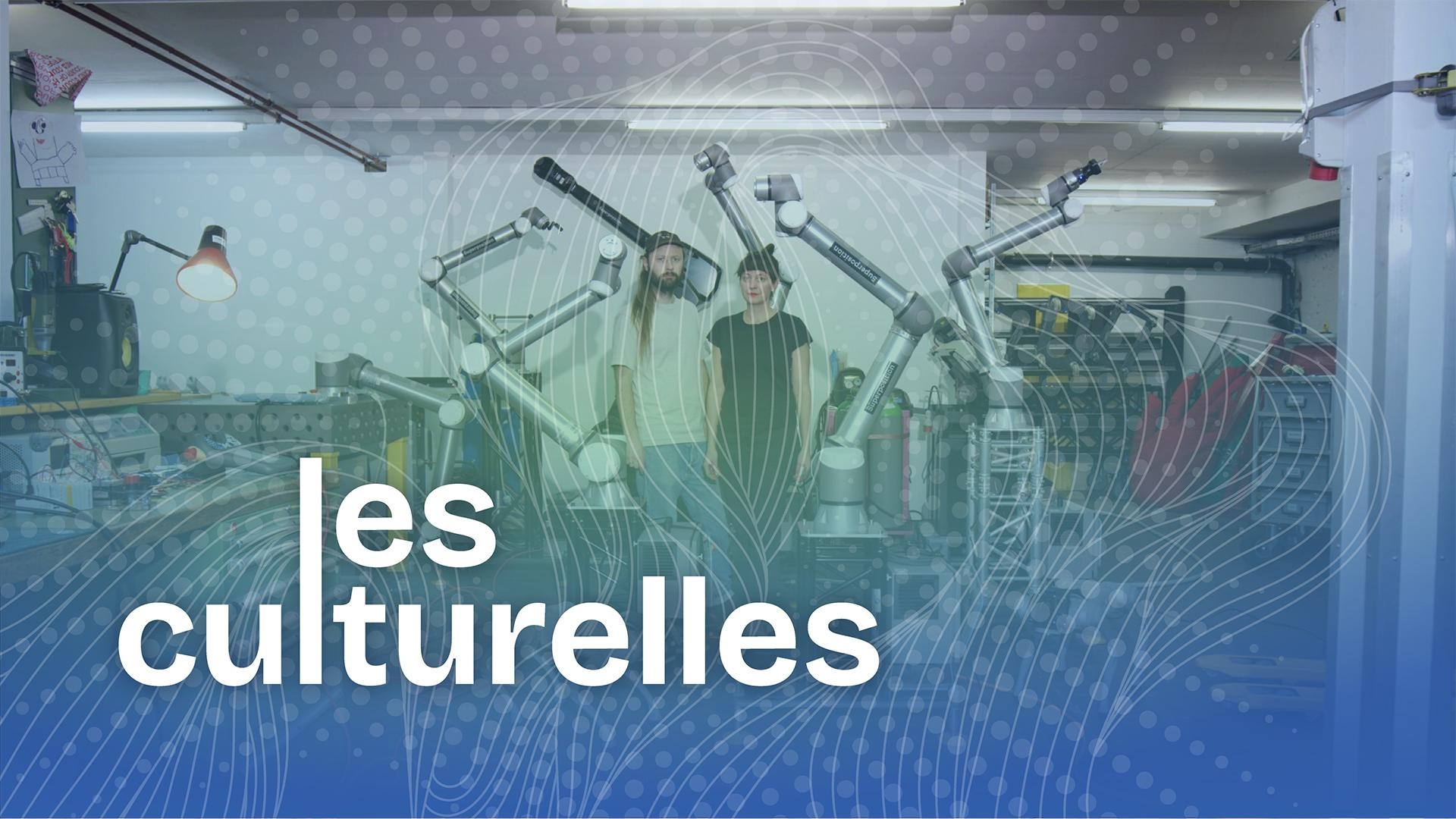
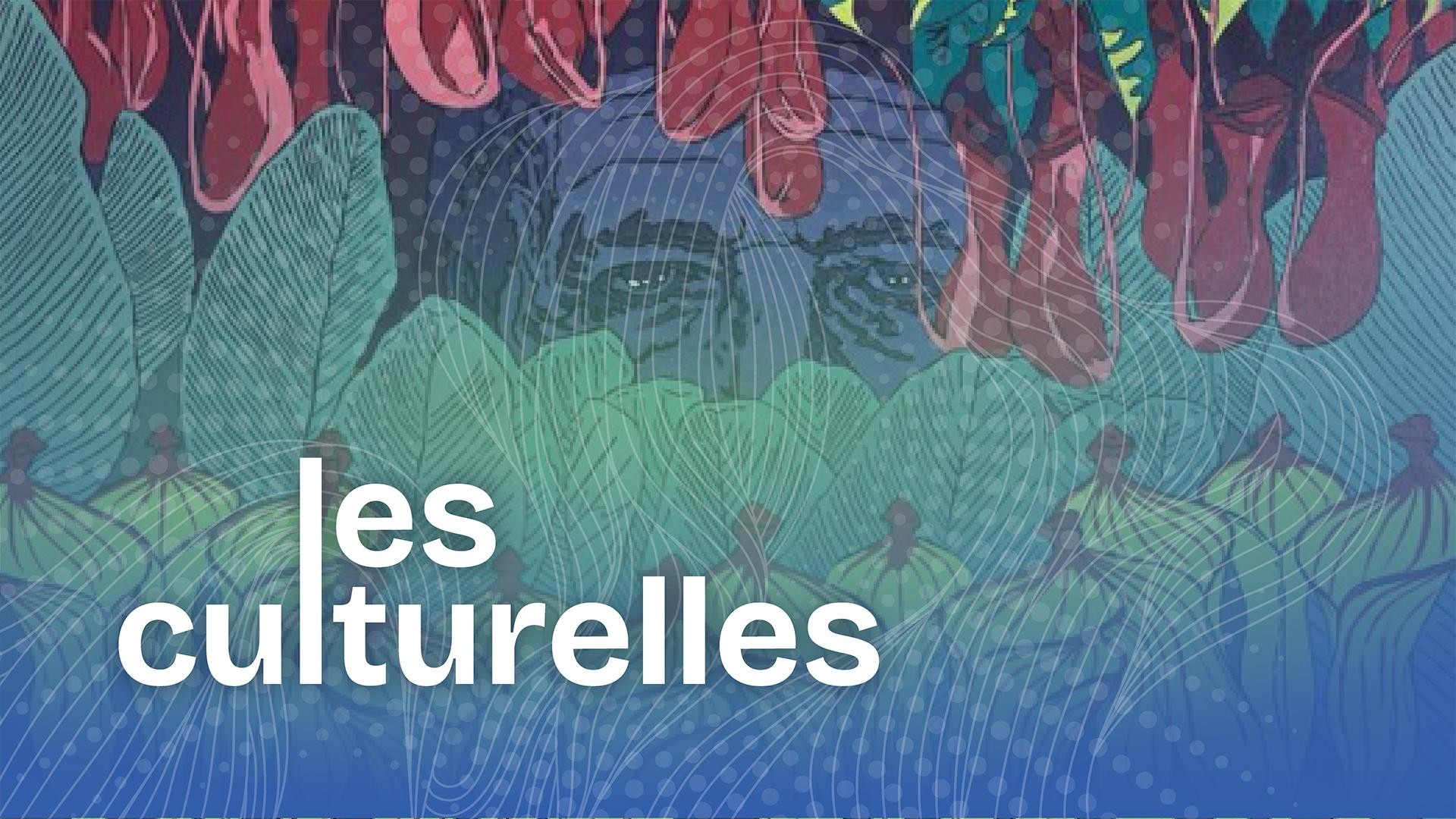
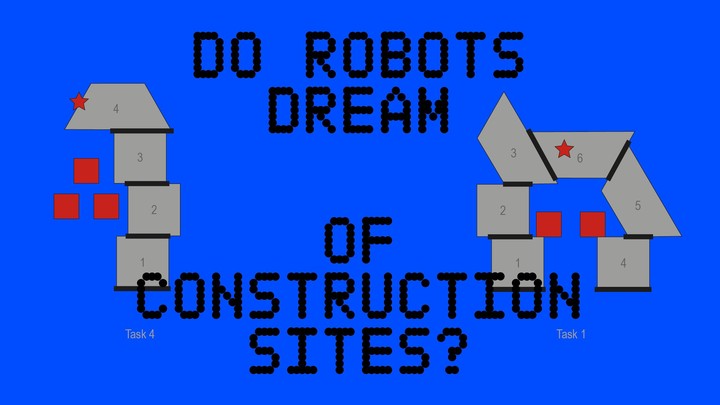
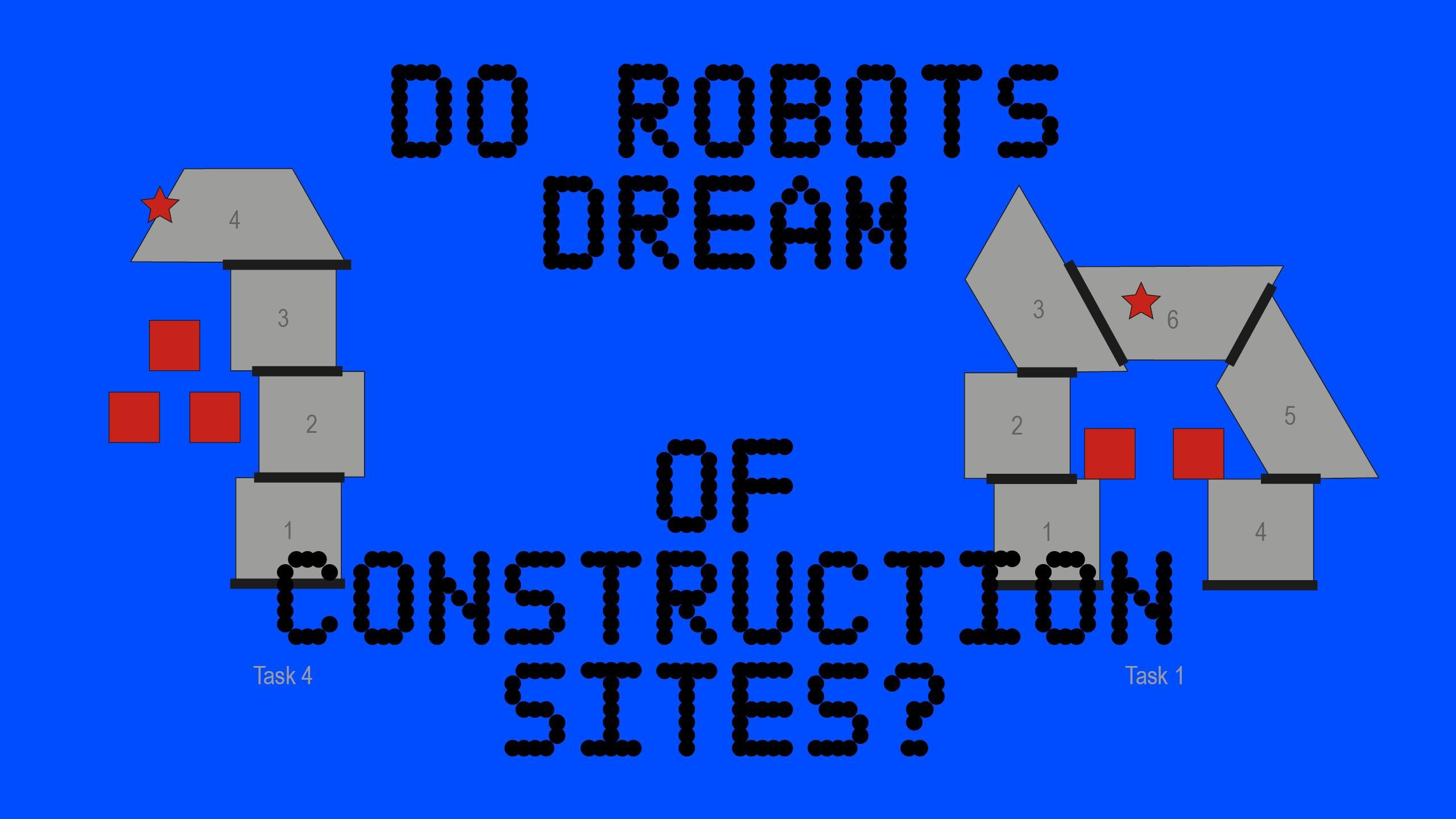
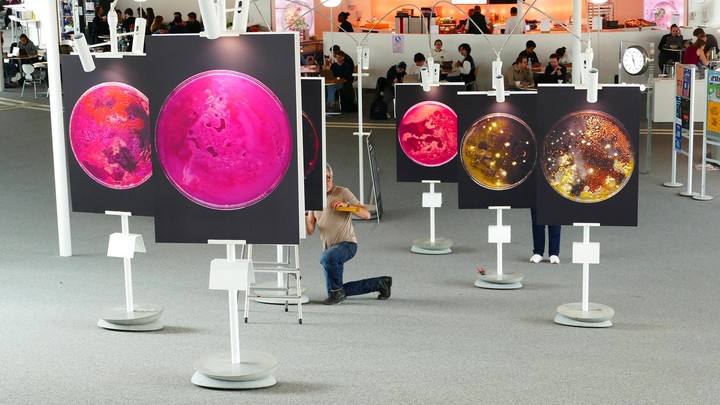
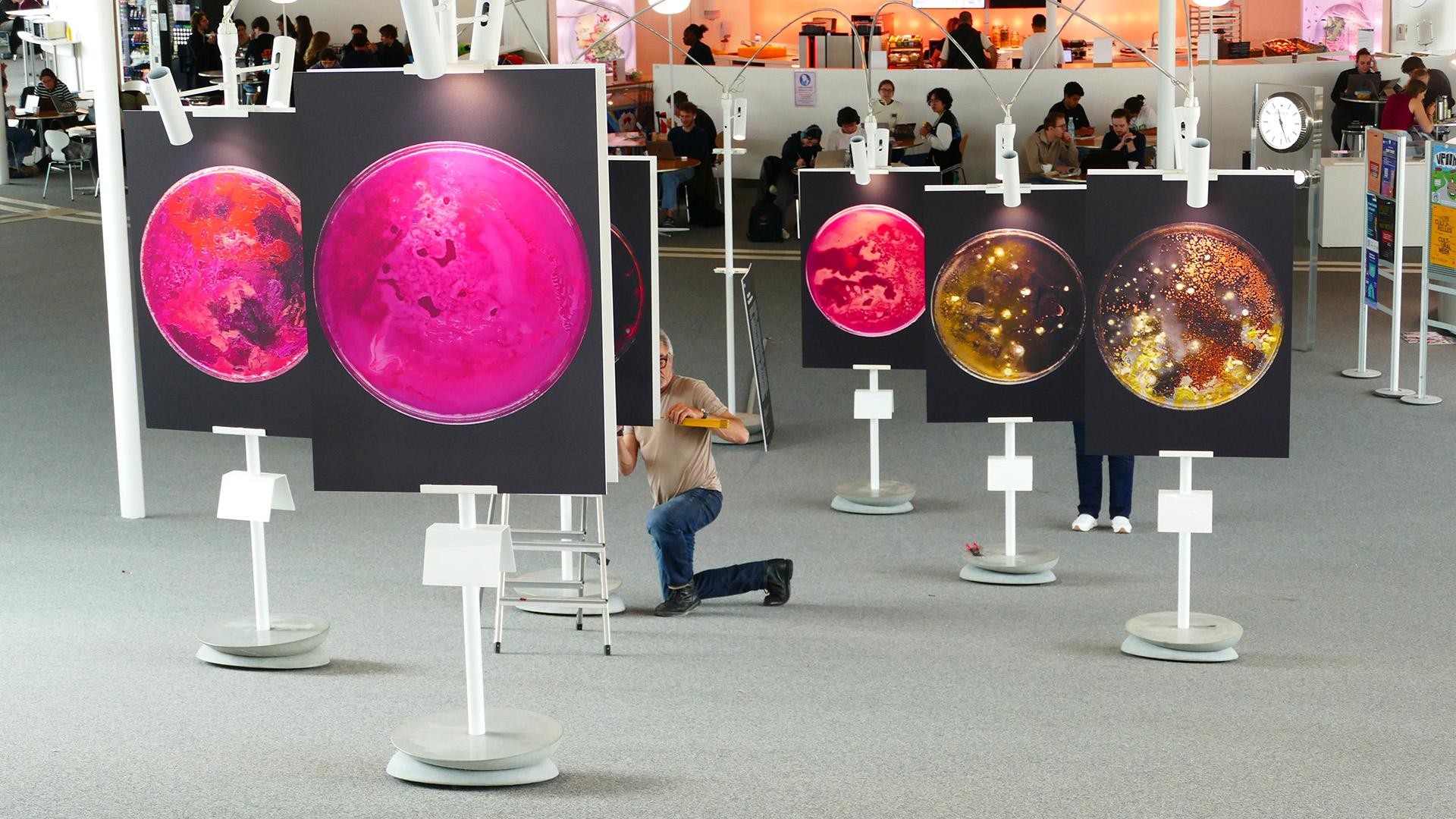
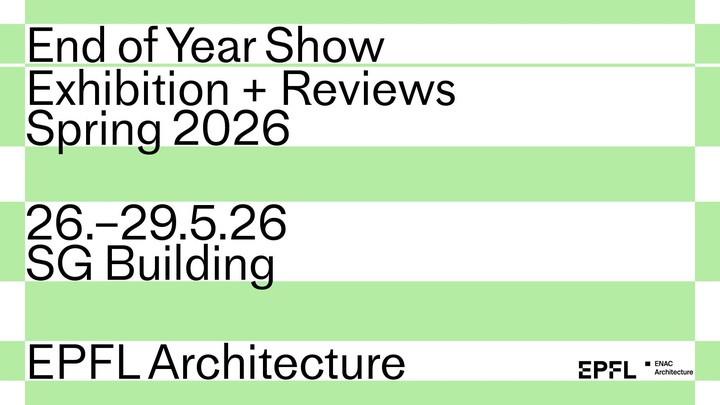
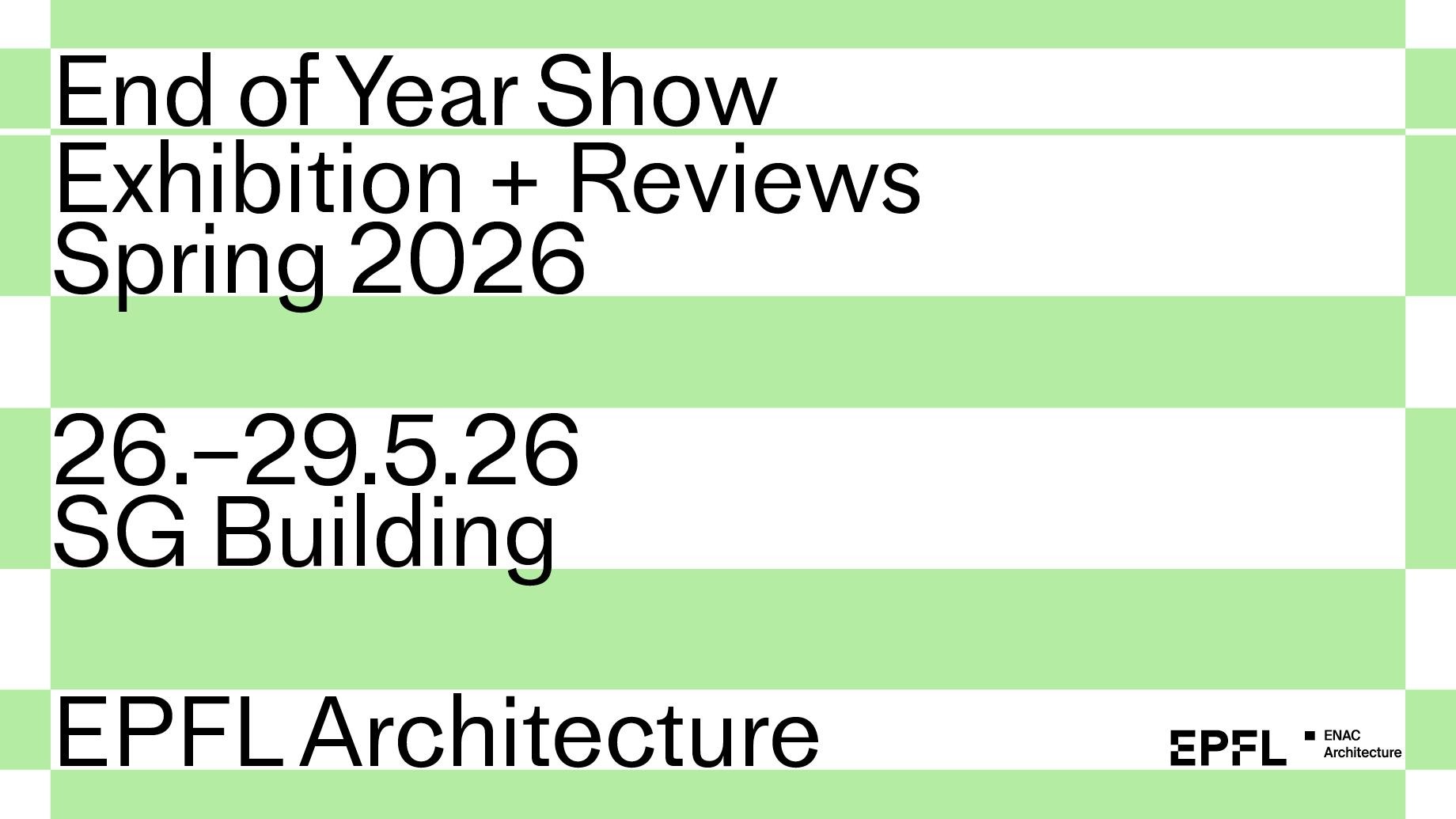
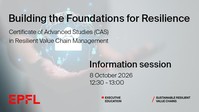
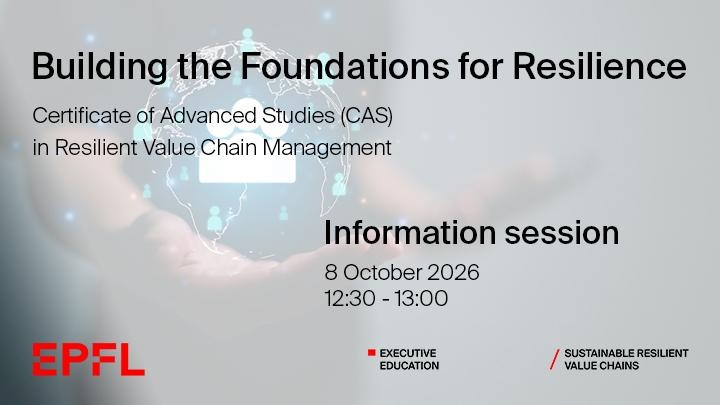
{ "count": 266, "next": "https://memento.epfl.ch/api/v1/events/?format=api&limit=10&offset=130&ordering=-event__category", "previous": "https://memento.epfl.ch/api/v1/events/?format=api&limit=10&offset=110&ordering=-event__category", "results": [ { "id": 72517, "title": "NO/NC (Normally open/ Normally closed) - Installation", "slug": "nonc-normally-open-normally-closed-installation", "event_url": "https://memento.epfl.ch/event/nonc-normally-open-normally-closed-installation", "visual_url": "https://memento.epfl.ch/image/33783/200x112.jpg", "visual_large_url": "https://memento.epfl.ch/image/33783/720x405.jpg", "visual_maxsize_url": "https://memento.epfl.ch/image/33783/max-size.jpg", "lang": "en", "start_date": "2026-10-13", "end_date": "2026-10-13", "start_time": "18:30:00", "end_time": null, "description": "<div class=\"BCX2 Ltr OutlineElement SCXW57136668\"><strong>Opening reception on October 13 at 6:30 p.m. (<a href=\"https://memento.epfl.ch/event/julian-sartorius-concert-rllrlrllrrlrlrlrllrlrlr/\">with a concert at 7pm</a>)<br>\r\nExhibition on view October 13–24</strong><br>\r\n<br>\r\nThe Pôle Culture (VPI) and <a href=\"http://www.epfl.ch/campus/art-culture/museum-exhibitions/archizoom/fr/accueil/\">Archizoom </a>are collaborating on an installation by the artist duo <a href=\"http://aatb.ch/about/\">Andrea Anner & Thibault Brevet (AATB)</a> that extends Archizoom’s exhibition <a href=\"http://www.epfl.ch/campus/art-culture/museum-exhibitions/archizoom/fr/do-robots-dream-of-construction-sites/\">Do Robots Dream of Construction Sites?</a> and is part of the Les Culturelles festival.<br>\r\n<br>\r\nNO/NC is a new work by AATB featuring <strong>a swarm of inflatable barriers</strong> that move autonomously through the space to form temporary structures and barricades, preventing visitors from moving about and crossing the space freely.<br>\r\n<br>\r\nWhoever controls and decides where and for whom to build walls also decides how we form a cohesive society—a society cemented by fictitious boundaries—while fragmenting and dissolving those deemed undesirable.<br>\r\n<br>\r\nThe walls of the installation take on an almost ghostly quality. They are constantly changing, continually shifting. It seems as though today they possess a will of their own, a form of autonomy, their own logic, and their own survival instinct.<br>\r\n<br>\r\n<a href=\"http://www.aatb.ch/\">> AATB website</a><br>\r\n<br>\r\n<strong>Co-organized</strong> <strong>with <a href=\"http://www.epfl.ch/campus/art-culture/museum-exhibitions/archizoom/fr/accueil/\">Archizoom</a></strong><br>\r\nAs part of the exhibition <a href=\"http://www.epfl.ch/campus/art-culture/museum-exhibitions/archizoom/fr/do-robots-dream-of-construction-sites/\">*Do Robots Dream of Construction Sites?*</a> at Archizoom (guided tour of the exhibition at 5:30 p.m.)</div>\r\n\r\n<div class=\"BCX2 Ltr OutlineElement SCXW57136668\"> \r\n<figure class=\"image\"><a href=\"https://www.epfl.ch/campus/art-culture/fr/les-culturelles/les-culturelles-dautomne-2026/\"><img alt=\"Programme complet des Culturelles\" height=\"182\" src=\"https://www.epfl.ch/campus/art-culture/wp-content/uploads/2026/09/LES_CULTURELLES_1920x1080_programme_complet.png\" width=\"600\"></a>\r\n\r\n<figcaption>© 2026 EPFL, Laura Persat</figcaption>\r\n</figure>\r\n</div>", "image_description": "", "creation_date": "2026-09-03T16:46:06", "last_modification_date": "2026-09-23T15:40:42", "link_label": "Programme complet des Culturelles", "link_url": "https://www.epfl.ch/campus/art-culture/fr/les-culturelles/les-culturelles-dautomne-2026/", "canceled": "False", "cancel_reason": "", "place_and_room": "Hall SG", "url_place_and_room": "https://plan.epfl.ch/?room==SG%20094.11", "url_online_room": "", "spoken_languages": [ "https://memento.epfl.ch/api/v1/spoken_languages/1/?format=api", "https://memento.epfl.ch/api/v1/spoken_languages/2/?format=api" ], "speaker": "<a href=\"https://aatb.ch/about/\">Andrea Anner & Thibault Brevet (AATB)</a>", "organizer": "<a href=\"https://www.epfl.ch/campus/art-culture/fr/les-culturelles/\">Festival Les Culturelles</a> (Pôle Culture VPI)", "contact": "<a href=\"https://people.epfl.ch/veronique.mauron\">Véronique Mauron Layaz</a> ; <a href=\"https://www.epfl.ch/campus/art-culture/museum-exhibitions/archizoom/fr/accueil/\">Archizoom</a>", "is_internal": "False", "theme": "", "vulgarization": { "id": 1, "fr_label": "Tout public", "en_label": "General public" }, "registration": { "id": 3, "fr_label": "Entrée libre", "en_label": "Free" }, "keywords": "Installation artistique, robot, exposition", "file": null, "icalendar_url": "https://memento.epfl.ch/event/export/121703/", "category": { "id": 5, "code": "EXPO", "fr_label": "Expositions", "en_label": "Exhibitions", "activated": true }, "academic_calendar_category": null, "domains": [], "mementos": [ "https://memento.epfl.ch/api/v1/mementos/1/?format=api", "https://memento.epfl.ch/api/v1/mementos/2/?format=api", "https://memento.epfl.ch/api/v1/mementos/4/?format=api", "https://memento.epfl.ch/api/v1/mementos/5/?format=api", "https://memento.epfl.ch/api/v1/mementos/6/?format=api", "https://memento.epfl.ch/api/v1/mementos/8/?format=api", "https://memento.epfl.ch/api/v1/mementos/21/?format=api", "https://memento.epfl.ch/api/v1/mementos/22/?format=api", "https://memento.epfl.ch/api/v1/mementos/79/?format=api", "https://memento.epfl.ch/api/v1/mementos/145/?format=api" ] }, { "id": 72472, "title": "creapoly - EPFL staff collective expressions", "slug": "creapoly-epfl-staff-collective-expressions", "event_url": "https://memento.epfl.ch/event/creapoly-epfl-staff-collective-expressions", "visual_url": "https://memento.epfl.ch/image/33788/200x112.jpg", "visual_large_url": "https://memento.epfl.ch/image/33788/720x405.jpg", "visual_maxsize_url": "https://memento.epfl.ch/image/33788/max-size.jpg", "lang": "en", "start_date": "2026-10-08", "end_date": "2026-10-12", "start_time": "10:00:00", "end_time": "17:00:00", "description": "<strong>Discover your colleagues’ creative talents! </strong>Thirty EPFL staff members, doctoral students, and postdocs are showcasing their artistic works as part of this exhibition.<br>\r\n<br>\r\n<strong>PRACTICAL INFORMATION:</strong>\r\n<ul>\r\n\t<li><strong>Exhibition : </strong>October 9-12<strong> / </strong>10:00 a.m. - 6:00 p.m.</li>\r\n\t<li><strong>At the <a href=\"https://plan.epfl.ch/?room==SG%20294.22\">Foyer SG</a></strong> : The SG building will be open over the weekend</li>\r\n</ul>\r\nThey answered the call and will be exhibiting one or two works as part of the creapoly exhibition! The techniques used are almost as varied as the 30 participants themselves: acrylic, watercolor, ceramics, collage, ink, charcoal, oil, pastel, palette knife painting, drypoint, woodcarving, and even mixed media and digital techniques…<br>\r\n<br>\r\n<strong>The participants are:</strong> <a>Thibault Aryaksama</a><a class=\"msocomanchor\" href=\"#_msocom_1\" id=\"_anchor_1\" language=\"JavaScript\" name=\"_msoanchor_1\">[SS1]</a> , Behnaz Bakhtiari, Zahra Basiri, Laurence Briola, Seyedmohamadjavad Chabok, Jeanne Fernandez, Inès Gotti, Martine Harmel, Yasaman Izadmehr, Laurent Jospin, Anisia Katinskaia, Yves Leterrier, Katherine Loh, Irina Lopez, Mabel Maucci, Pierre Merret, Wricha Mishra, Gianluca Pepe, Laura Persat, Bernadette Pianka, Jean-Daniel Roulier, Mathilde Saunois, Maria Sivers, Joan Suris, Rita Székely, Barbara Tinguely, Laure Vancauwenberghe, Mioara Vasile, Christian Vonarburg and Marie-Pierre Zufferey. <br>\r\n<br>\r\nA scenic design will showcase these works, thanks to the efforts of <a href=\"https://people.epfl.ch/dimitri.kasparian\">Dimitri Kasparian</a>, who also serves as the scenic designer for Archizoom’s exhibitions.<br>\r\n<br>\r\nThis project is organized as part of the 2026 <a href=\"https://jours-sante.ch/en/\"><strong>Health days</strong></a> and <strong><a href=\"https://www.epfl.ch/campus/art-culture/les-culturelles-cultural-week/les-culturelles-fall-2026/\">Les Culturelles Festival</a></strong> by the VPI’s Culture Pole, in partnership with the VPH. <br>\r\n<br>\r\n<strong>Featured image: </strong>\"Overwhelming and Collective Murder\", by Katherine Loh<br>\r\n \r\n<figure class=\"image\"><a href=\"https://www.epfl.ch/campus/art-culture/fr/les-culturelles/les-culturelles-dautomne-2026/\"><img alt=\"Programme complet des Culturelles\" height=\"182\" src=\"https://www.epfl.ch/campus/art-culture/wp-content/uploads/2026/09/LES_CULTURELLES_1920x1080_programme_complet.png\" width=\"600\"></a>\r\n\r\n<figcaption>© 2026 EPFL, Laura Persat</figcaption>\r\n</figure>\r\n ", "image_description": "", "creation_date": "2026-08-31T11:28:06", "last_modification_date": "2026-09-24T17:28:15", "link_label": "creapoly exhibition", "link_url": "https://www.epfl.ch/campus/art-culture/art-culture/creapoly-collective-expressions/", "canceled": "False", "cancel_reason": "", "place_and_room": "Foyer SG", "url_place_and_room": "http://plan.epfl.ch/?room==SG%20294.22", "url_online_room": "", "spoken_languages": [], "speaker": "Collaboratrices et collaborateurs, post-docs, doctorantes et doctorants de l'EPFL", "organizer": "Pôle Culture EPFL VPI", "contact": "<a href=\"http://people.epfl.ch/tina.karati\">Tina Karati</a>", "is_internal": "False", "theme": "", "vulgarization": { "id": 1, "fr_label": "Tout public", "en_label": "General public" }, "registration": { "id": 3, "fr_label": "Entrée libre", "en_label": "Free" }, "keywords": "", "file": null, "icalendar_url": "https://memento.epfl.ch/event/export/121630/", "category": { "id": 5, "code": "EXPO", "fr_label": "Expositions", "en_label": "Exhibitions", "activated": true }, "academic_calendar_category": null, "domains": [], "mementos": [ "https://memento.epfl.ch/api/v1/mementos/1/?format=api", "https://memento.epfl.ch/api/v1/mementos/2/?format=api", "https://memento.epfl.ch/api/v1/mementos/4/?format=api", "https://memento.epfl.ch/api/v1/mementos/5/?format=api", "https://memento.epfl.ch/api/v1/mementos/6/?format=api", "https://memento.epfl.ch/api/v1/mementos/8/?format=api", "https://memento.epfl.ch/api/v1/mementos/21/?format=api", "https://memento.epfl.ch/api/v1/mementos/22/?format=api", "https://memento.epfl.ch/api/v1/mementos/79/?format=api", "https://memento.epfl.ch/api/v1/mementos/145/?format=api" ] }, { "id": 72214, "title": "Do Robots Dream of Construction Sites? / ARCHIZOOM x CRCL", "slug": "do-robots-dream-of-construction-sites-archizoom--3", "event_url": "https://memento.epfl.ch/event/do-robots-dream-of-construction-sites-archizoom--3", "visual_url": "https://memento.epfl.ch/image/33494/200x112.jpg", "visual_large_url": "https://memento.epfl.ch/image/33494/720x405.jpg", "visual_maxsize_url": "https://memento.epfl.ch/image/33494/max-size.jpg", "lang": "en", "start_date": "2026-09-09", "end_date": "2026-12-05", "start_time": null, "end_time": null, "description": "<strong>DO ROBOTS DREAM OF CONSTRUCTION SITES?<br>\r\n09.09-05.12.2026<br>\r\n<br>\r\nOpening Tuesday 8 September<br>\r\n6.15pm – </strong>Discussion between Stefana Parascho and Aude Billard, moderated by Pier Vittorio Aureli<br>\r\n<strong>7.30pm –</strong> Opening doors and aperitive<br>\r\n<br>\r\nWhat if robots didn’t replace us, but worked alongside us? Robots are capable of assembling, analysing, experimenting and learning from their mistakes. Could they take on construction work without replacing human labour? Research carried out by the CRCL – Lab for Creative Computation at EPFL explores a form of collaboration between humans and machines that departs from the traditional promise of automation. It opens the way to more inclusive building sites and non-standardised, more environmentally friendly architecture that goes beyond the mere logic of replacement and productivity. <br>\r\n<br>\r\n<strong>An exhibition produced in collaboration with the <a href=\"https://www.crclcrclcrcl.org/\">CRCL – Lab for Creative Computation</a>, led by Stefana Parascho</strong>", "image_description": "", "creation_date": "2026-07-07T11:36:24", "last_modification_date": "2026-07-13T17:08:03", "link_label": "Do Robots Dream of Construction Sites", "link_url": "https://www.epfl.ch/campus/art-culture/museum-exhibitions/archizoom/fr/do-robots-dream-of-construction-sites/", "canceled": "False", "cancel_reason": "", "place_and_room": "Archizoom", "url_place_and_room": "https://plan.epfl.ch/?room==SG%201212", "url_online_room": "", "spoken_languages": [ "https://memento.epfl.ch/api/v1/spoken_languages/1/?format=api", "https://memento.epfl.ch/api/v1/spoken_languages/2/?format=api" ], "speaker": "CRCL - Lab for Creative Computation", "organizer": "Archizoom", "contact": "Cyril Veillon, Solène Hoffmann", "is_internal": "False", "theme": "", "vulgarization": { "id": 1, "fr_label": "Tout public", "en_label": "General public" }, "registration": { "id": 3, "fr_label": "Entrée libre", "en_label": "Free" }, "keywords": "Architecture, Technology, Construction, Robotic, Robots, Travail, Labor, Durability", "file": null, "icalendar_url": "https://memento.epfl.ch/event/export/121235/", "category": { "id": 5, "code": "EXPO", "fr_label": "Expositions", "en_label": "Exhibitions", "activated": true }, "academic_calendar_category": null, "domains": [], "mementos": [ "https://memento.epfl.ch/api/v1/mementos/1/?format=api", "https://memento.epfl.ch/api/v1/mementos/4/?format=api", "https://memento.epfl.ch/api/v1/mementos/6/?format=api", "https://memento.epfl.ch/api/v1/mementos/8/?format=api", "https://memento.epfl.ch/api/v1/mementos/22/?format=api", "https://memento.epfl.ch/api/v1/mementos/32/?format=api", "https://memento.epfl.ch/api/v1/mementos/45/?format=api", "https://memento.epfl.ch/api/v1/mementos/145/?format=api", "https://memento.epfl.ch/api/v1/mementos/417/?format=api" ] }, { "id": 71387, "title": "Unearthed, by Rahel Oberhummer - Exhibition", "slug": "unearthed-by-rahel-oberhummer-exhibition", "event_url": "https://memento.epfl.ch/event/unearthed-by-rahel-oberhummer-exhibition", "visual_url": "https://memento.epfl.ch/image/32849/200x112.jpg", "visual_large_url": "https://memento.epfl.ch/image/32849/720x405.jpg", "visual_maxsize_url": "https://memento.epfl.ch/image/32849/max-size.jpg", "lang": "en", "start_date": "2026-05-07", "end_date": "2026-10-11", "start_time": "07:00:00", "end_time": "23:59:00", "description": "<p>Le projet <em>Unearthed</em> de l’artiste <a href=\"https://www.raheloberhummer.ch/\">Rahel Oberhummer</a> est une aventure visuelle et scientifique au cœur du développement de micro-organismes contenus dans le pergélisol de la montagne Muot da Barba Peider (Schafberg) en Engadine et collectés par l'Institut fédéral de recherches sur la forêt, la neige et le paysage (WSL). Cette collection préserve des micro-organismes provenant de régions menacées telles que les Alpes et l'Arctique et compte déjà plus de 2000 spécimens.<br>\r\n<br>\r\nL’artiste a sélectionné des levures, bactéries et champignons souvent vieux de 12’000 ans, qu’elle a cultivés dans son propre studio et photographiés tous les deux jours. Les différents micro-organismes sont déposés sur un fond d’agar pour qu’ils puissent se développer. Leur évolution est rapide et hasardeuse. La documentation est méthodique : plus de 13'300 photographies ont été prises représentant des instantanés de matière vivante.<br>\r\n<br>\r\nDeux séries de photographies ont été produites : l’une se concentre sur des monocultures, dans lesquelles une souche microbienne sélectionnée occupe une boîte de Pétri et se propage largement. En adaptant les méthodes d'inoculation et les milieux de culture, différentes impulsions sont déclenchées. La deuxième série fait cohabiter plusieurs organismes différents. La lutte pour les nutriments dans le milieu de culture ainsi que les symbioses qui peuvent se développer entre les microbes sont documentées. La pratique d’atelier se mêle à la pratique de laboratoire.<br>\r\n<br>\r\n<strong>L’exposition</strong><br>\r\n<br>\r\nL’exposition<em> Unearthed</em> présente 18 photographies de plusieurs micro-organismes différents évoluant dans les boîtes circulaires qui les abritent. Filaments, textures, entrelacs, pointillés, cercles produisent des configurations abstraites spectaculaires. Les couleurs enchantent et vivifient les formes en turbulente circulation et en constante métamorphose. Les photographies pointent le sublime de l’extraordinaire variété des cellules : la naissance du vivant.<br>\r\nLes photographies de Rahel Oberhummer révèlent deux nécessités indissociables : d’une part celle de comprendre le vivant même dans ses organismes les plus simples et d’autre part de le préserver. Parallèlement, il s’agit de créer des images qui manifestent la qualité visuelle des formes et des couleurs de ces micro-organismes. Notre rapport à la nature exige l’admiration de sa beauté. Aujourd’hui, des artistes comme Rahel Oberhummer s’engagent dans une double mission : participer activement à des processus scientifiques et créer des images sensibles tout autant que savantes.<br>\r\n<br>\r\n<strong>Collaborations</strong><br>\r\n<br>\r\nSérie photographique réalisée en collaboration avec l’Institut fédéral de recherches sur la forêt, la neige et le paysage (WSL). Unité : Biodiversité et écologie de la conservation.<br>\r\nDr. Beat Frey, Dr. Joel Rüthi, Dr. Ivano Brunner, Beat Stierli<br>\r\n<br>\r\n<strong>Eléments biographiques</strong><br>\r\n<br>\r\nRahel Oberhummer (*1991, Loèche-les-Bains) est diplômée de la HEAD, Genève. Elle a étudié aussi à la Royal Danish Academy of Fine Arts, Copenhague, à la Hochschule für Kunst und Design de Lucerne et au Billy Blue College of Design à Sydney. Au début de l’année 2026, elle a obtenu une résidence de trois mois à Hanoï, au Vietnam, dans le cadre d’un séjour de recherche soutenu par Pro Helvetia et accueilli par l’espace Exutoire. Elle vit et travaille à Vevey.<br>\r\nLa relation entre les structures sociales humaines et les formes de vie non humaines est au cœur de son approche artistique. Rahel Oberhummer se concentre sur les interactions subtiles entre les humains et l'environnement, avec une attention soutenue pour les écosystèmes dont nous dépendons et que nous mettons pourtant en danger. Des questions se posent, que l'artiste explore à travers une recherche scientifique autant qu’artistique.<br>\r\n<br>\r\n<a href=\"https://www.raheloberhummer.ch/\"><strong>>>> Site web de l'artiste Rahel Oberhummer</strong></a><br>\r\n<br>\r\n<strong>Vernissage</strong> le jeudi 7 mai 2026 à 18 :30 <br>\r\n<strong>Exposition visible jusqu’au 11 octobre 2026<br>\r\nHall du RLC / entrée libre</strong><br>\r\n<br>\r\n<u>Image</u> :<em> </em>Dioszegia patagonica 001, Pochonia/Metacordyceps chlamydosporia 205, Pseudogymnoascus pannorum 511, Potato Dextrose Agar with sepia ink, 2022.</p>", "image_description": "", "creation_date": "2026-03-16T17:17:43", "last_modification_date": "2026-05-26T15:56:40", "link_label": "", "link_url": "", "canceled": "False", "cancel_reason": "", "place_and_room": "Hall du Rolex Learning Center", "url_place_and_room": "https://plan.epfl.ch/?room==RLC%20G1%2094.12", "url_online_room": "", "spoken_languages": [], "speaker": "<a href=\"https://www.raheloberhummer.ch/\">Rahel Oberhummer, artiste</a>", "organizer": "Pôle Culture EPFL", "contact": "<a href=\"mailto:[email protected]\">Véronique Mauron Layaz</a>", "is_internal": "False", "theme": "", "vulgarization": { "id": 1, "fr_label": "Tout public", "en_label": "General public" }, "registration": { "id": 3, "fr_label": "Entrée libre", "en_label": "Free" }, "keywords": "", "file": null, "icalendar_url": "https://memento.epfl.ch/event/export/120096/", "category": { "id": 5, "code": "EXPO", "fr_label": "Expositions", "en_label": "Exhibitions", "activated": true }, "academic_calendar_category": null, "domains": [], "mementos": [ "https://memento.epfl.ch/api/v1/mementos/22/?format=api", "https://memento.epfl.ch/api/v1/mementos/6/?format=api" ] }, { "id": 66924, "title": "Master Projects", "slug": "master-projects-2", "event_url": "https://memento.epfl.ch/event/master-projects-2", "visual_url": "https://memento.epfl.ch/image/28630/200x112.jpg", "visual_large_url": "https://memento.epfl.ch/image/28630/720x405.jpg", "visual_maxsize_url": "https://memento.epfl.ch/image/28630/max-size.jpg", "lang": "en", "start_date": "2027-07-07", "end_date": "2027-07-31", "start_time": "08:00:00", "end_time": "18:00:00", "description": "<p>The final works of the Master’s students unfold as the outcome of individual journeys of research, exploration, and design. Each project traces its own path, yet together they open a shared field of questions about architecture today, spanning territory and public space, housing, industrial and cultural heritage, and architecture in the mountains. As the Final Juries take place, each project enters into dialogue with invited critics and faculty, revealing not only proposals, but also the questions, intentions, and explorations that shaped them.<br>\r\n<br>\r\n<strong>Dates</strong><br>\r\nFinal Juries: 07.-14.07.27<br>\r\nExhibtion: 07.-31.07.27<br>\r\n<br>\r\n<strong>Venue</strong><br>\r\n<a href=\"https://goo.gl/maps/Tunt7z37kSZXwuY99\">Rolex Learning Center</a><br>\r\nEPFL, Lausanne<br>\r\n<br>\r\n<a href=\"https://go.epfl.ch/sar-pdm-horaire-jurys-finaux-juillet\">Final Juries Timetable</a> ↗︎<br>\r\n<br>\r\n<strong>Credits</strong><br>\r\nProjects: Master's students in architecture, Exhibition: Zoé Bahy, Sophie Delhay, Corinne Waridel, Graphic design: Sandi Gazic & Roman Karrer, Event: Valérie Jacot-Descombes (MEDIACOM), Setting-up: ISS Team</p>", "image_description": "", "creation_date": "2024-09-13T10:38:03", "last_modification_date": "2026-08-04T15:29:02", "link_label": "", "link_url": "", "canceled": "False", "cancel_reason": "", "place_and_room": "", "url_place_and_room": "", "url_online_room": "", "spoken_languages": [ "https://memento.epfl.ch/api/v1/spoken_languages/1/?format=api", "https://memento.epfl.ch/api/v1/spoken_languages/2/?format=api" ], "speaker": "", "organizer": "<a href=\"http://architecturer.epfl.ch\">EPFL Architecture</a>", "contact": "<a href=\"mailto:[email protected]\">Corinne Waridel</a>", "is_internal": "False", "theme": "", "vulgarization": { "id": 1, "fr_label": "Tout public", "en_label": "General public" }, "registration": { "id": 3, "fr_label": "Entrée libre", "en_label": "Free" }, "keywords": "jurys, expositions", "file": null, "icalendar_url": "https://memento.epfl.ch/event/export/113415/", "category": { "id": 5, "code": "EXPO", "fr_label": "Expositions", "en_label": "Exhibitions", "activated": true }, "academic_calendar_category": null, "domains": [], "mementos": [ "https://memento.epfl.ch/api/v1/mementos/32/?format=api", "https://memento.epfl.ch/api/v1/mementos/391/?format=api" ] }, { "id": 66922, "title": "End of Year Show", "slug": "end-of-year-show-2", "event_url": "https://memento.epfl.ch/event/end-of-year-show-2", "visual_url": "https://memento.epfl.ch/image/28628/200x112.jpg", "visual_large_url": "https://memento.epfl.ch/image/28628/720x405.jpg", "visual_maxsize_url": "https://memento.epfl.ch/image/28628/max-size.jpg", "lang": "en", "start_date": "2027-05-31", "end_date": "2027-06-04", "start_time": null, "end_time": null, "description": "<p>Across models, drawings, research, and debate, the End of the Year Show brings together the diverse investigations of EPFL Architecture’s studios. Rooted in a project-based approach that connects design with technical, social, and critical questions, the exhibition reflects on how architecture engages contemporary forms of living, building, and collective space. From 26.–29.5.26, the End of the Year Show invites visitors to discover four days of architectural work in dialogue with places, practices, and collective futures.<br>\r\n<br>\r\n<strong>Exhibition + Reviews</strong><br>\r\n31.05 - 04.06.2027<br>\r\nEPFL SG Building and other locations<br>\r\n<br>\r\n<strong>Opening Apero</strong><br>\r\nTu 1. June 2027, 18:30<br>\r\nAda Lovelace Square<br>\r\n<br>\r\n<a href=\"http://go.epfl.ch/programme-jurys-printemps\">Timetable and Map</a> ↗︎<br>\r\n<a href=\"http://architecturehub.epfl.ch/en/studios-courses/\">Studio Presentations</a> ↗︎<br>\r\nLiving Archives<strong> </strong>↗︎ (online in July)<br>\r\n<br>\r\n<strong>Studios</strong><br>\r\nXXX<br>\r\n<br>\r\n<strong>Graphic Design</strong><br>\r\nSandi Gazic & Roman Karrer</p>", "image_description": "", "creation_date": "2024-09-13T10:33:18", "last_modification_date": "2026-08-04T15:20:51", "link_label": "", "link_url": "", "canceled": "False", "cancel_reason": "", "place_and_room": "", "url_place_and_room": "", "url_online_room": "", "spoken_languages": [], "speaker": "", "organizer": "<a href=\"http://architecture.epfl.ch\">EPFL Architecture</a>", "contact": "<a href=\"http://architecture.epfl.ch\">EPFL Architecture</a>", "is_internal": "False", "theme": "", "vulgarization": { "id": 1, "fr_label": "Tout public", "en_label": "General public" }, "registration": { "id": 3, "fr_label": "Entrée libre", "en_label": "Free" }, "keywords": "jurys, expositions", "file": null, "icalendar_url": "https://memento.epfl.ch/event/export/113411/", "category": { "id": 5, "code": "EXPO", "fr_label": "Expositions", "en_label": "Exhibitions", "activated": true }, "academic_calendar_category": null, "domains": [], "mementos": [ "https://memento.epfl.ch/api/v1/mementos/32/?format=api", "https://memento.epfl.ch/api/v1/mementos/391/?format=api" ] }, { "id": 66913, "title": "Semester Exhibition", "slug": "semester-exhibition-2", "event_url": "https://memento.epfl.ch/event/semester-exhibition-2", "visual_url": "https://memento.epfl.ch/image/28619/200x112.jpg", "visual_large_url": "https://memento.epfl.ch/image/28619/720x405.jpg", "visual_maxsize_url": "https://memento.epfl.ch/image/28619/max-size.jpg", "lang": "en", "start_date": "2026-12-14", "end_date": "2026-12-18", "start_time": null, "end_time": null, "description": "<strong>Semester Exhibition</strong><br>\r\nFall 2026<br>\r\n<br>\r\nQuestioned and reevaluated, the very foundations of our disciplines find space for exploration, research, and critical dialogue within the design studios. The Semester Exhibition opens with an apero on Monday, December 16th.<br>\r\n<br>\r\n<strong>Exhibition Opening</strong><br>\r\nMo 14. December 2026, 18:30<br>\r\n<br>\r\n<strong>Exhibition + Reviews </strong><br>\r\n14.12 - 18.12.26<br>\r\n<a href=\"https://maps.app.goo.gl/9SuD6DkmWSnqpcjYA\" target=\"_blank\">EPFL SG Building</a><br>\r\n<br>\r\n<strong>Exhibition Map + Reviews Schedule</strong><br>\r\n→ <a href=\"https://go.epfl.ch/programme-jurys-automne\">Program</a><br>\r\n<br>\r\n<strong>Online Exhibition</strong><br>\r\n→ <a href=\"https://livingarchives.epfl.ch/projects/?type=Project&year=2026&academic=Autumn&project_type=0&sort=date%E2%96%BC\">Living Archives</a><br>\r\n<br>\r\n<strong>Studio Presentations</strong><br>\r\n→ <a href=\"https://www.epfl.ch/schools/enac/education/architecture/fr/education/ateliers-ue/\">Ateliers</a>", "image_description": "", "creation_date": "2024-09-13T08:49:01", "last_modification_date": "2026-08-14T14:13:24", "link_label": "Detailed Program", "link_url": "https://www.epfl.ch/schools/enac/education/architecture/wp-content/uploads/2024/12/semester-exhibition-epfl-architecture.pdf", "canceled": "False", "cancel_reason": "", "place_and_room": "SG Building", "url_place_and_room": "https://maps.app.goo.gl/JBDdijStvvHiG3DW9", "url_online_room": "", "spoken_languages": [ "https://memento.epfl.ch/api/v1/spoken_languages/1/?format=api", "https://memento.epfl.ch/api/v1/spoken_languages/2/?format=api" ], "speaker": "", "organizer": "<a href=\"http://architecture.epfl.ch\">EPFL Architecture</a>", "contact": "<a href=\"mailto:[email protected]\">EPFL Architecture</a>", "is_internal": "False", "theme": "", "vulgarization": { "id": 1, "fr_label": "Tout public", "en_label": "General public" }, "registration": { "id": 3, "fr_label": "Entrée libre", "en_label": "Free" }, "keywords": "jurys, expositions", "file": null, "icalendar_url": "https://memento.epfl.ch/event/export/113395/", "category": { "id": 5, "code": "EXPO", "fr_label": "Expositions", "en_label": "Exhibitions", "activated": true }, "academic_calendar_category": null, "domains": [], "mementos": [ "https://memento.epfl.ch/api/v1/mementos/4/?format=api", "https://memento.epfl.ch/api/v1/mementos/32/?format=api", "https://memento.epfl.ch/api/v1/mementos/391/?format=api" ] }, { "id": 72775, "title": "Information session - CAS in Technology", "slug": "information-session-cas-in-technology-2", "event_url": "https://memento.epfl.ch/event/information-session-cas-in-technology-2", "visual_url": "https://memento.epfl.ch/image/33991/200x112.jpg", "visual_large_url": "https://memento.epfl.ch/image/33991/720x405.jpg", "visual_maxsize_url": "https://memento.epfl.ch/image/33991/max-size.jpg", "lang": "en", "start_date": "2026-11-17", "end_date": "2026-11-17", "start_time": "18:00:00", "end_time": "18:30:00", "description": "<p>Join our online information to get to know the <strong>EPFL SRVC executive program for Transforming Business with AI & Data Tech (CAS in Value Chain Data Technologies)</strong> with Executive Director Ms. Elaine Moran.<br>\r\n<br>\r\nLearn how this program empowers professionals to drive sustainable innovation with AI, IoT & Digital Twins - and get all your questions answered.<br>\r\n<br>\r\n<strong>> <a href=\"https://epfl.zoom.us/meeting/register/Kz6P8fbyR-qii_938ml8gQ\">Register here</a></strong></p>", "image_description": "", "creation_date": "2026-10-06T13:27:15", "last_modification_date": "2026-10-06T13:29:32", "link_label": "Registration", "link_url": "https://epfl.zoom.us/meeting/register/Kz6P8fbyR-qii_938ml8gQ", "canceled": "False", "cancel_reason": "", "place_and_room": "", "url_place_and_room": "", "url_online_room": "https://epfl.zoom.us/meeting/register/Kz6P8fbyR-qii_938ml8gQ", "spoken_languages": [ "https://memento.epfl.ch/api/v1/spoken_languages/2/?format=api" ], "speaker": "- Elaine Moran, <em>SRVC Executive Director</em>", "organizer": "EPFL Executive Education", "contact": "[email protected]", "is_internal": "False", "theme": "", "vulgarization": { "id": 1, "fr_label": "Tout public", "en_label": "General public" }, "registration": { "id": 1, "fr_label": "Sur inscription", "en_label": "Registration required" }, "keywords": "", "file": null, "icalendar_url": "https://memento.epfl.ch/event/export/122079/", "category": { "id": 4, "code": "DIVERS", "fr_label": "Autres types d’événement", "en_label": "Miscellaneous", "activated": true }, "academic_calendar_category": null, "domains": [], "mementos": [ "https://memento.epfl.ch/api/v1/mementos/6/?format=api", "https://memento.epfl.ch/api/v1/mementos/8/?format=api", "https://memento.epfl.ch/api/v1/mementos/416/?format=api", "https://memento.epfl.ch/api/v1/mementos/437/?format=api", "https://memento.epfl.ch/api/v1/mementos/438/?format=api" ] }, { "id": 72560, "title": "Information session - CAS in Resilience", "slug": "information-session-cas-in-resilience", "event_url": "https://memento.epfl.ch/event/information-session-cas-in-resilience", "visual_url": "https://memento.epfl.ch/image/33811/200x112.jpg", "visual_large_url": "https://memento.epfl.ch/image/33811/720x405.jpg", "visual_maxsize_url": "https://memento.epfl.ch/image/33811/max-size.jpg", "lang": "en", "start_date": "2026-10-08", "end_date": "2026-10-08", "start_time": "12:30:00", "end_time": "13:00:00", "description": "<strong>Building the Foundations for Resilience</strong><br>\r\n<br>\r\nJoin our online information session to get to know the EPFL executive program for in Resilience (CAS in Resilient Value Chain Management) with Program Director Ms. Elaine Moran.<br>\r\nLearn how this program offers a deep understanding of the complete value chain on a strategic, financial, operational and human level.<br>\r\n<br>\r\n<strong>> <a href=\"https://epfl.zoom.us/meeting/register/Y-0y7tXSSP-V5mqlCyJZnQ\">Register here</a></strong><br>\r\n<br>\r\n<br>\r\n<br>\r\n+ info & agenda: <a contenteditable=\"false\" href=\"https://go.epfl.ch/srvc-infosessions\" title=\"https://go.epfl.ch/srvc-infosessions\">go.epfl.ch/srvc-infosessions</a>", "image_description": "", "creation_date": "2026-09-11T08:46:45", "last_modification_date": "2026-09-14T08:25:08", "link_label": "Registration", "link_url": "https://epfl.zoom.us/meeting/register/Y-0y7tXSSP-V5mqlCyJZnQ", "canceled": "False", "cancel_reason": "", "place_and_room": "", "url_place_and_room": "", "url_online_room": "https://epfl.zoom.us/meeting/register/Y-0y7tXSSP-V5mqlCyJZnQ", "spoken_languages": [ "https://memento.epfl.ch/api/v1/spoken_languages/2/?format=api" ], "speaker": "Elaine Moran, <em>SRVC Executive Director</em>", "organizer": "EPFL Executive Education", "contact": "[email protected]", "is_internal": "False", "theme": "", "vulgarization": { "id": 1, "fr_label": "Tout public", "en_label": "General public" }, "registration": { "id": 1, "fr_label": "Sur inscription", "en_label": "Registration required" }, "keywords": "", "file": null, "icalendar_url": "https://memento.epfl.ch/event/export/121768/", "category": { "id": 4, "code": "DIVERS", "fr_label": "Autres types d’événement", "en_label": "Miscellaneous", "activated": true }, "academic_calendar_category": null, "domains": [], "mementos": [ "https://memento.epfl.ch/api/v1/mementos/1/?format=api", "https://memento.epfl.ch/api/v1/mementos/3/?format=api", "https://memento.epfl.ch/api/v1/mementos/6/?format=api", "https://memento.epfl.ch/api/v1/mementos/437/?format=api", "https://memento.epfl.ch/api/v1/mementos/438/?format=api" ] }, { "id": 72522, "title": "Information session - CAS in Technology", "slug": "information-session-cas-in-technology", "event_url": "https://memento.epfl.ch/event/information-session-cas-in-technology", "visual_url": "https://memento.epfl.ch/image/33761/200x112.jpg", "visual_large_url": "https://memento.epfl.ch/image/33761/720x405.jpg", "visual_maxsize_url": "https://memento.epfl.ch/image/33761/max-size.jpg", "lang": "en", "start_date": "2026-10-06", "end_date": "2026-10-06", "start_time": "12:30:00", "end_time": "13:00:00", "description": "<p>Join our online information to get to know the <strong>EPFL SRVC executive program for Transforming Business with AI & Data Tech (CAS in Value Chain Data Technologies)</strong> with Executive Director Ms. Elaine Moran.<br>\r\n<br>\r\nLearn how this program empowers professionals to drive sustainable innovation with AI, IoT & Digital Twins - and get all your questions answered.<br>\r\n<br>\r\n<strong>> <a href=\"https://epfl.zoom.us/meeting/register/FPwsHW4-QTSmN8kUVse2Mw\">Register here</a></strong></p>", "image_description": "", "creation_date": "2026-09-04T08:34:56", "last_modification_date": "2026-09-14T08:27:37", "link_label": "Registration", "link_url": "https://epfl.zoom.us/meeting/register/FPwsHW4-QTSmN8kUVse2Mw", "canceled": "False", "cancel_reason": "", "place_and_room": "", "url_place_and_room": "", "url_online_room": "https://epfl.zoom.us/meeting/register/FPwsHW4-QTSmN8kUVse2Mw", "spoken_languages": [ "https://memento.epfl.ch/api/v1/spoken_languages/2/?format=api" ], "speaker": "- Elaine Moran, <em>SRVC Executive Director</em>", "organizer": "EPFL Executive Education", "contact": "[email protected]", "is_internal": "False", "theme": "", "vulgarization": { "id": 1, "fr_label": "Tout public", "en_label": "General public" }, "registration": { "id": 1, "fr_label": "Sur inscription", "en_label": "Registration required" }, "keywords": "", "file": null, "icalendar_url": "https://memento.epfl.ch/event/export/121712/", "category": { "id": 4, "code": "DIVERS", "fr_label": "Autres types d’événement", "en_label": "Miscellaneous", "activated": true }, "academic_calendar_category": null, "domains": [], "mementos": [ "https://memento.epfl.ch/api/v1/mementos/1/?format=api", "https://memento.epfl.ch/api/v1/mementos/3/?format=api", "https://memento.epfl.ch/api/v1/mementos/6/?format=api", "https://memento.epfl.ch/api/v1/mementos/8/?format=api", "https://memento.epfl.ch/api/v1/mementos/416/?format=api", "https://memento.epfl.ch/api/v1/mementos/437/?format=api", "https://memento.epfl.ch/api/v1/mementos/438/?format=api" ] } ] }