Event List
retrieve:
Return the details about the given Event id.
list:
List all Event objects.
GET /api/v1/events/?format=api&offset=120&ordering=-title
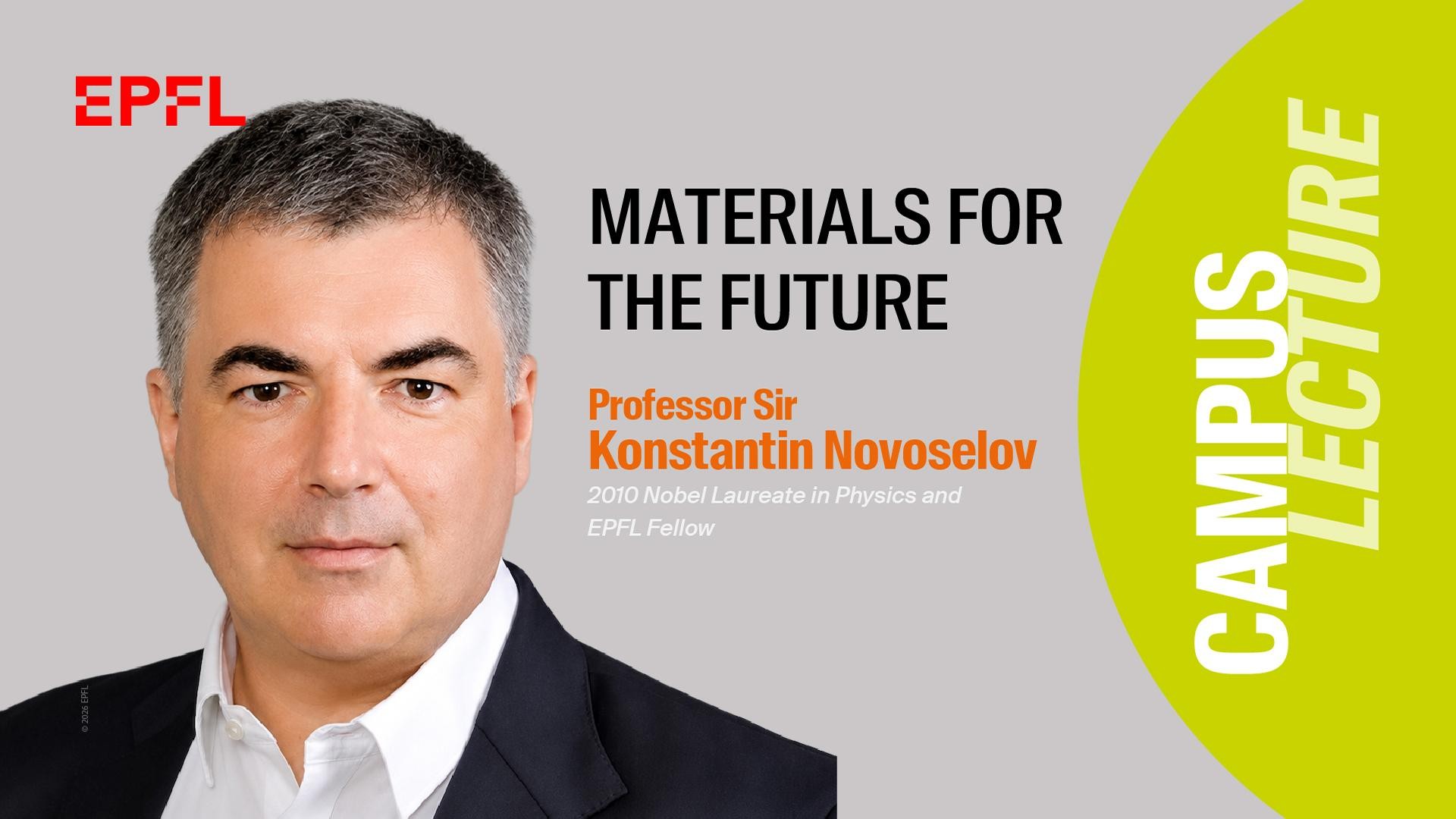
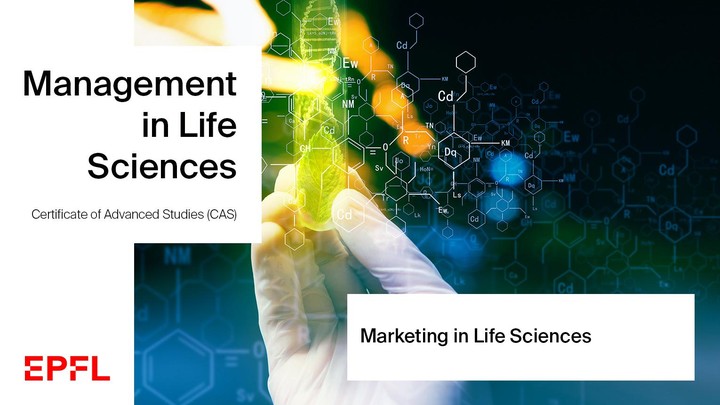
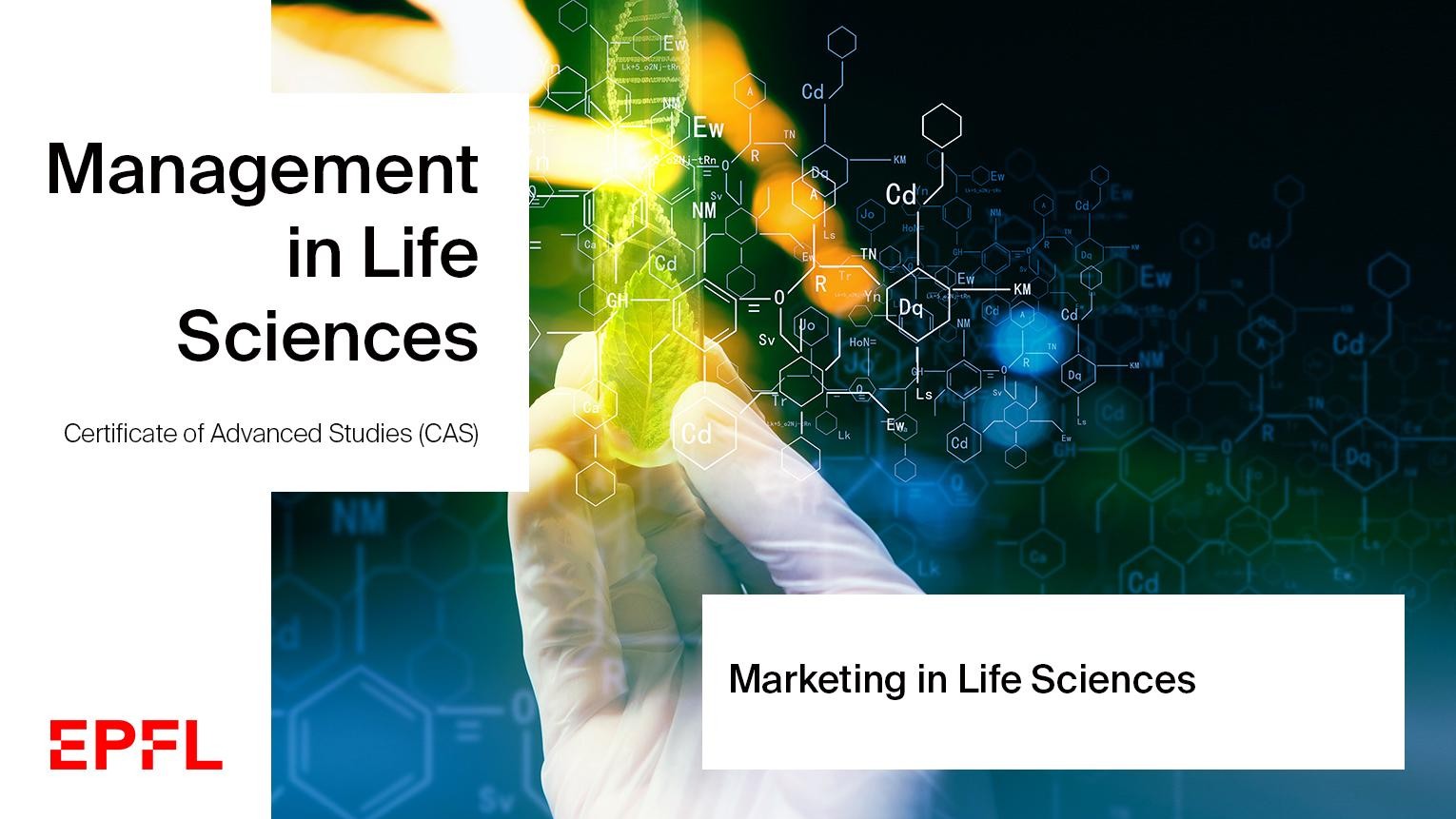
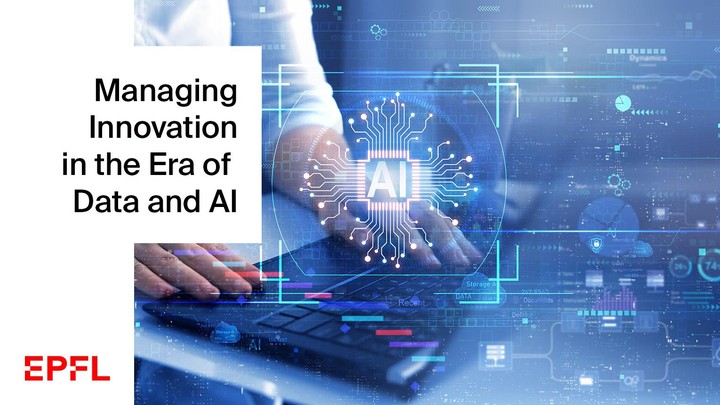
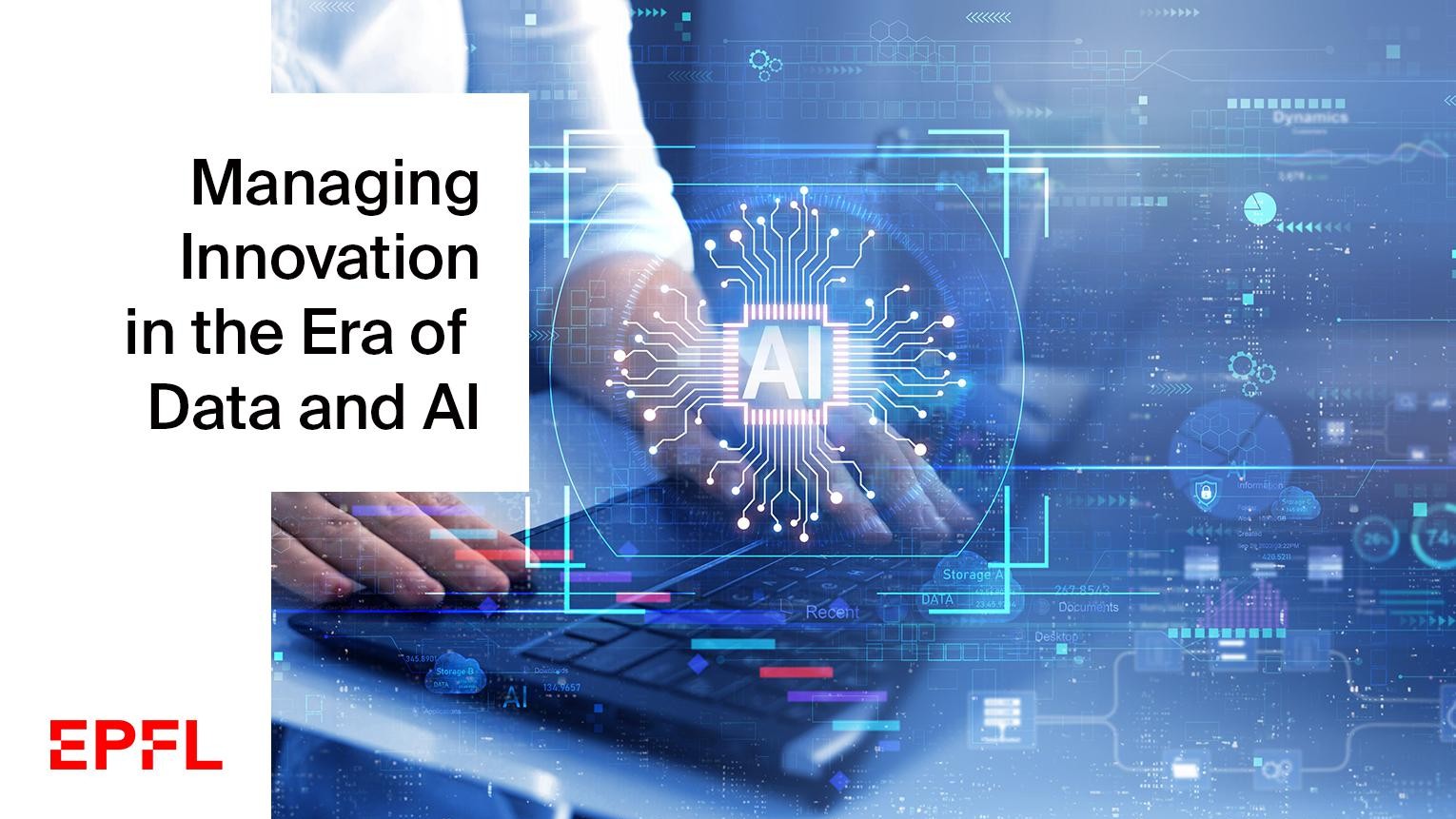
{ "count": 253, "next": "https://memento.epfl.ch/api/v1/events/?format=api&limit=10&offset=130&ordering=-title", "previous": "https://memento.epfl.ch/api/v1/events/?format=api&limit=10&offset=110&ordering=-title", "results": [ { "id": 72757, "title": "Measurement of the differential branching fraction of B -> K pi pi mu mu at LHCb", "slug": "measurement-of-the-differential-branching-fracti-2", "event_url": "https://memento.epfl.ch/event/measurement-of-the-differential-branching-fracti-2", "visual_url": "https://memento.epfl.ch/image/33972/200x112.jpg", "visual_large_url": "https://memento.epfl.ch/image/33972/720x405.jpg", "visual_maxsize_url": "https://memento.epfl.ch/image/33972/max-size.jpg", "lang": "en", "start_date": "2026-10-30", "end_date": "2026-10-30", "start_time": "17:30:00", "end_time": null, "description": "<p>Thesis Directors: Prof. L. Shchutska, Prof. E. Graverini<br>\r\nPhysics doctoral program<br>\r\nThesis Nr. 11987<br>\r\n<br>\r\nTo take part in the public defense, please contact directly the speaker</p>", "image_description": "", "creation_date": "2026-10-02T16:26:38", "last_modification_date": "2026-10-02T16:26:50", "link_label": "", "link_url": "", "canceled": "False", "cancel_reason": "", "place_and_room": "Cubotron UNIL", "url_place_and_room": "", "url_online_room": "https://cern.zoom.us/j/62675525132?pwd=OskfHJqxF3w5SzBqgINX5MRhNgqgX8.1", "spoken_languages": [], "speaker": "<strong>Anni Matilda KAUNISKANGAS</strong>", "organizer": "", "contact": "<strong>Anni Matilda KAUNISKANGAS</strong>", "is_internal": "False", "theme": "", "vulgarization": { "id": 1, "fr_label": "Tout public", "en_label": "General public" }, "registration": { "id": 3, "fr_label": "Entrée libre", "en_label": "Free" }, "keywords": "EDPY", "file": null, "icalendar_url": "https://memento.epfl.ch/event/export/122051/", "category": { "id": 12, "code": "SOUTE", "fr_label": "Soutenances de thèses", "en_label": "Thesis defenses", "activated": true }, "academic_calendar_category": null, "domains": [], "mementos": [ "https://memento.epfl.ch/api/v1/mementos/1/?format=api", "https://memento.epfl.ch/api/v1/mementos/5/?format=api", "https://memento.epfl.ch/api/v1/mementos/6/?format=api" ] }, { "id": 72357, "title": "Materials for the Future", "slug": "materials-for-the-future", "event_url": "https://memento.epfl.ch/event/materials-for-the-future", "visual_url": "https://memento.epfl.ch/image/33729/200x112.jpg", "visual_large_url": "https://memento.epfl.ch/image/33729/720x405.jpg", "visual_maxsize_url": "https://memento.epfl.ch/image/33729/max-size.jpg", "lang": "en", "start_date": "2026-10-09", "end_date": "2026-10-09", "start_time": "18:00:00", "end_time": "19:30:00", "description": "<p>In 2026, EPFL named Professor Konstantin Novoselov its first-ever EPFL Fellow, a newly created honorary title recognising scientific personalities of exceptional international stature.<br>\r\n<br>\r\nEPFL is delighted to host a public lecture to celebrate this nomination of one of the most influential physicists of our time.<br>\r\n<br>\r\nKonstantin Novoselov was awarded the Nobel Prize in Physics in 2010 and is globally renowned for his pioneering work on graphene and two-dimensional materials. By isolating graphene for the first time, a sheet of carbon just one atom thick, he opened an entirely new field of research, with profound implications for electronics, energy and quantum technologies.<br>\r\n<br>\r\n<em>Picture this: it was from the graphite of an ordinary pencil lead that this \"super-material\" was first isolated. Using nothing more than a piece of adhesive tape to peel away a layer a single atom thick, Konstantin Novoselov revealed to the world a material with extraordinary properties. A million times thinner than a human hair, 200 times stronger than steel and remarkably conductive, graphene pushes every limit. From the lead of your pencil to the batteries of tomorrow, join us to discover how a deceptively simple gesture set off a genuine technological revolution.</em><br>\r\n<br>\r\nThis Campus Lecture offers an introduction to that revolution: how a two-dimensional material is transforming our understanding of matter and how today's fundamental discoveries become tomorrow's technologies.<br>\r\n<br>\r\n<strong>About Konstantin Novoselov</strong><br>\r\nKonstantin Novoselov is a physicist specialising in condensed matter and nanotechnology. He conducted his Nobel Prize–winning research at the University of Manchester, where, together with Professor Andre Geim, he isolated graphene for the first time. He has held academic positions in the United Kingdom as well as internationally and is currently based at the National University of Singapore. Widely recognised as a leading figure in the study and application of two-dimensional materials, he has received numerous honours for his contributions to science.</p>", "image_description": "", "creation_date": "2026-08-18T11:48:33", "last_modification_date": "2026-09-01T09:58:59", "link_label": "Inscription", "link_url": "https://forms.cloud.microsoft/e/8wFYA27p68", "canceled": "False", "cancel_reason": "", "place_and_room": "RLC E1 240", "url_place_and_room": "https://plan.epfl.ch/?room==RLC%20E1%20240", "url_online_room": "", "spoken_languages": [ "https://memento.epfl.ch/api/v1/spoken_languages/2/?format=api" ], "speaker": "Prof. Konstantin Novoselov", "organizer": "MédiaCom", "contact": "Nicolas Hocq", "is_internal": "False", "theme": "", "vulgarization": { "id": 1, "fr_label": "Tout public", "en_label": "General public" }, "registration": { "id": 1, "fr_label": "Sur inscription", "en_label": "Registration required" }, "keywords": "", "file": null, "icalendar_url": "https://memento.epfl.ch/event/export/121450/", "category": { "id": 1, "code": "CONF", "fr_label": "Conférences - Séminaires", "en_label": "Conferences - Seminars", "activated": true }, "academic_calendar_category": null, "domains": [], "mementos": [ "https://memento.epfl.ch/api/v1/mementos/1/?format=api", "https://memento.epfl.ch/api/v1/mementos/5/?format=api", "https://memento.epfl.ch/api/v1/mementos/6/?format=api", "https://memento.epfl.ch/api/v1/mementos/145/?format=api", "https://memento.epfl.ch/api/v1/mementos/389/?format=api", "https://memento.epfl.ch/api/v1/mementos/417/?format=api" ] }, { "id": 66924, "title": "Master Projects", "slug": "master-projects-2", "event_url": "https://memento.epfl.ch/event/master-projects-2", "visual_url": "https://memento.epfl.ch/image/28630/200x112.jpg", "visual_large_url": "https://memento.epfl.ch/image/28630/720x405.jpg", "visual_maxsize_url": "https://memento.epfl.ch/image/28630/max-size.jpg", "lang": "en", "start_date": "2027-07-07", "end_date": "2027-07-31", "start_time": "08:00:00", "end_time": "18:00:00", "description": "<p>The final works of the Master’s students unfold as the outcome of individual journeys of research, exploration, and design. Each project traces its own path, yet together they open a shared field of questions about architecture today, spanning territory and public space, housing, industrial and cultural heritage, and architecture in the mountains. As the Final Juries take place, each project enters into dialogue with invited critics and faculty, revealing not only proposals, but also the questions, intentions, and explorations that shaped them.<br>\r\n<br>\r\n<strong>Dates</strong><br>\r\nFinal Juries: 07.-14.07.27<br>\r\nExhibtion: 07.-31.07.27<br>\r\n<br>\r\n<strong>Venue</strong><br>\r\n<a href=\"https://goo.gl/maps/Tunt7z37kSZXwuY99\">Rolex Learning Center</a><br>\r\nEPFL, Lausanne<br>\r\n<br>\r\n<a href=\"https://go.epfl.ch/sar-pdm-horaire-jurys-finaux-juillet\">Final Juries Timetable</a> ↗︎<br>\r\n<br>\r\n<strong>Credits</strong><br>\r\nProjects: Master's students in architecture, Exhibition: Zoé Bahy, Sophie Delhay, Corinne Waridel, Graphic design: Sandi Gazic & Roman Karrer, Event: Valérie Jacot-Descombes (MEDIACOM), Setting-up: ISS Team</p>", "image_description": "", "creation_date": "2024-09-13T10:38:03", "last_modification_date": "2026-08-04T15:29:02", "link_label": "", "link_url": "", "canceled": "False", "cancel_reason": "", "place_and_room": "", "url_place_and_room": "", "url_online_room": "", "spoken_languages": [ "https://memento.epfl.ch/api/v1/spoken_languages/1/?format=api", "https://memento.epfl.ch/api/v1/spoken_languages/2/?format=api" ], "speaker": "", "organizer": "<a href=\"http://architecturer.epfl.ch\">EPFL Architecture</a>", "contact": "<a href=\"mailto:[email protected]\">Corinne Waridel</a>", "is_internal": "False", "theme": "", "vulgarization": { "id": 1, "fr_label": "Tout public", "en_label": "General public" }, "registration": { "id": 3, "fr_label": "Entrée libre", "en_label": "Free" }, "keywords": "jurys, expositions", "file": null, "icalendar_url": "https://memento.epfl.ch/event/export/113415/", "category": { "id": 5, "code": "EXPO", "fr_label": "Expositions", "en_label": "Exhibitions", "activated": true }, "academic_calendar_category": null, "domains": [], "mementos": [ "https://memento.epfl.ch/api/v1/mementos/32/?format=api", "https://memento.epfl.ch/api/v1/mementos/391/?format=api" ] }, { "id": 72181, "title": "Marketing in Life Sciences [CAS Management in Life Sciences 2027]", "slug": "marketing-in-life-sciences-cas-management-in-lif-2", "event_url": "https://memento.epfl.ch/event/marketing-in-life-sciences-cas-management-in-lif-2", "visual_url": "https://memento.epfl.ch/image/33462/200x112.jpg", "visual_large_url": "https://memento.epfl.ch/image/33462/720x405.jpg", "visual_maxsize_url": "https://memento.epfl.ch/image/33462/max-size.jpg", "lang": "en", "start_date": "2027-05-11", "end_date": "2027-05-13", "start_time": null, "end_time": null, "description": "<strong>Module 5: Marketing in Life Sciences</strong><br>\r\n<br>\r\nThe key challenge in life sciences is growing the business in increasingly competitive and complex markets. In this module we examine the global market environment (access, customers, competitors, patient journeys, channels) and dive deep into the core methods for designing and implementing effective marketing strategies.<br>\r\n<br>\r\n*************<br>\r\n<br>\r\n<strong><u>About the CAS Managament in Life Sciences:</u><br>\r\nLeading multi-disciplinary projects in BioTech, MedTech and Pharma</strong><br>\r\n<br>\r\nThe world of therapeutic development is becoming increasingly complex. Competition is diversifying and innovating across industries, just as new regulations and multi-stakeholder engagements disrupt the competitive landscape. Challenge or opportunity? It is up to you!<br>\r\n<br>\r\nThis program explores the entire development process of therapeutic interventions, from initial planning all the way to commercialization, allowing our participants to deepen their expertise. They also learn the leadership qualities and management tools required to lead multi-disciplinary projects in Biotech, Medtech and Pharma ventures.<br>\r\n<br>\r\nThis Certificate of Advanced Studies (CAS) runs every year, from January to June at the EPFL Campus in Lausanne.\r\n<ul>\r\n\t<li>7 modules</li>\r\n\t<li>Flexible format</li>\r\n\t<li>Part-time</li>\r\n</ul>", "image_description": "", "creation_date": "2026-06-26T12:10:39", "last_modification_date": "2026-06-26T12:15:25", "link_label": "Webpage", "link_url": "http://go.epfl.ch/mls", "canceled": "False", "cancel_reason": "", "place_and_room": "ODY -1 0021", "url_place_and_room": "https://plan.epfl.ch/?room==ODY%20-1%200021", "url_online_room": "", "spoken_languages": [ "https://memento.epfl.ch/api/v1/spoken_languages/2/?format=api" ], "speaker": "", "organizer": "<a href=\"http://executive.epfl.ch\">EPFL Executive Education</a>", "contact": "[email protected]", "is_internal": "False", "theme": "", "vulgarization": { "id": 1, "fr_label": "Tout public", "en_label": "General public" }, "registration": { "id": 1, "fr_label": "Sur inscription", "en_label": "Registration required" }, "keywords": "Life Sciences", "file": null, "icalendar_url": "https://memento.epfl.ch/event/export/121190/", "category": { "id": 4, "code": "DIVERS", "fr_label": "Autres types d’événement", "en_label": "Miscellaneous", "activated": true }, "academic_calendar_category": null, "domains": [], "mementos": [ "https://memento.epfl.ch/api/v1/mementos/1/?format=api", "https://memento.epfl.ch/api/v1/mementos/3/?format=api", "https://memento.epfl.ch/api/v1/mementos/6/?format=api", "https://memento.epfl.ch/api/v1/mementos/9/?format=api", "https://memento.epfl.ch/api/v1/mementos/437/?format=api" ] }, { "id": 70604, "title": "Marie Skłodovska-Curie Doctoral Networks", "slug": "marie-skodovska-curie-doctoral-networks", "event_url": "https://memento.epfl.ch/event/marie-skodovska-curie-doctoral-networks", "visual_url": "https://memento.epfl.ch/image/32038/200x112.jpg", "visual_large_url": "https://memento.epfl.ch/image/32038/720x405.jpg", "visual_maxsize_url": "https://memento.epfl.ch/image/32038/max-size.jpg", "lang": "en", "start_date": "2026-11-24", "end_date": "2026-11-24", "start_time": null, "end_time": null, "description": "<strong>Aim</strong><br>\r\nThe <a href=\"https://marie-sklodowska-curie-actions.ec.europa.eu/funding/msca-doctoral-networks-2026\">Marie Skłodovska-Curie Doctoral Networks (MSCA-DN)</a> implement doctoral programs for training in research and transferable skills by partnerships of universities, research institutions and research infrastructures, businesses including SMEs, and other socio-economic actors from different countries across Europe and beyond. Doctoral candidates are exposed to the academic and non-academic sector to develop competences for innovation and to enhance employability.<br>\r\n<br>\r\nThere are 3 sub schemes for the MSCA DNs:\r\n<ul>\r\n\t<li><strong>Standard</strong> → PhD students must be enrolled for doctoral studies, the doctoral program includes secondments to project partners.</li>\r\n\t<li><strong>Industrial</strong> → PhD students must be enrolled for doctoral studies; they must spend 50% of their time in the non-academic sector.</li>\r\n\t<li><strong>Joint Doctorates</strong> → PhD students must be enrolled for doctoral studies which lead to a “joint doctoral degree”. EPFL can only participate if the following institutions (other than EPFL) participate in the project: ENS Lyon, UCLouvain and ETHZ.</li>\r\n\t<li><strong>RAISE DN </strong>→ for MSCA-DNs with a sole focus on AI in science, please check document nr. 1.2 in <a href=\"https://drive.google.com/drive/folders/1PsMroA250LXIZv9fCBKRlw-oncIA00ND\">the toolkit</a> for more information.</li>\r\n</ul>\r\n<strong>Duration and Funding</strong><br>\r\nThe consortium applies for a project with a duration of 4 years (exception for Joint Doctorates, duration is 5 years). The financial contribution covers the salaries of doctoral candidates for the duration of 3 years (4 years for Joint Doctorates) and research, training and networking costs covering the whole project duration. Doctoral candidates (DCs) may not have lived or worked in the country of the host organization for more than 12 months within the last 3 years prior to the employment of the DC on the project.<br>\r\n<br>\r\n<strong>Call information</strong><br>\r\nOpening: 28 May 2026<br>\r\nDeadline: 24 November 2026, 17:00 CET<br>\r\n<br>\r\n<strong>Support and information</strong><br>\r\nThe <a href=\"https://drive.google.com/drive/folders/1PsMroA250LXIZv9fCBKRlw-oncIA00ND\">EPFL toolkit</a> provides useful information for the proposal preparation (will be updated upon call opening).<br>\r\nContact <a href=\"mailto:[email protected]\">[email protected]</a> for any question and assistance with the proposal preparation.<br>\r\nThe MSCA National Contact Points organize an <a href=\"https://www.euresearch.ch/en/our-services/inform/events/msca-spotlight-on-the-doctoral-networks-call-2026-1486.html?date=1067\">online information event on 09 June 2025, 09:00 – 09:45</a>.<br>\r\n ", "image_description": "", "creation_date": "2025-12-03T16:45:20", "last_modification_date": "2026-06-01T12:55:18", "link_label": "", "link_url": "", "canceled": "False", "cancel_reason": "", "place_and_room": "", "url_place_and_room": "", "url_online_room": "", "spoken_languages": [], "speaker": "", "organizer": "", "contact": "[email protected]", "is_internal": "False", "theme": "", "vulgarization": { "id": 1, "fr_label": "Tout public", "en_label": "General public" }, "registration": { "id": 3, "fr_label": "Entrée libre", "en_label": "Free" }, "keywords": "", "file": null, "icalendar_url": "https://memento.epfl.ch/event/export/118897/", "category": { "id": 16, "code": "PROP", "fr_label": "Appel à proposition", "en_label": "Call for proposal", "activated": true }, "academic_calendar_category": null, "domains": [], "mementos": [ "https://memento.epfl.ch/api/v1/mementos/140/?format=api" ] }, { "id": 72179, "title": "Managing Innovation in the Era of Data and AI", "slug": "managing-innovation-in-the-era-of-data-and-ai-5", "event_url": "https://memento.epfl.ch/event/managing-innovation-in-the-era-of-data-and-ai-5", "visual_url": "https://memento.epfl.ch/image/33460/200x112.jpg", "visual_large_url": "https://memento.epfl.ch/image/33460/720x405.jpg", "visual_maxsize_url": "https://memento.epfl.ch/image/33460/max-size.jpg", "lang": "en", "start_date": "2027-03-10", "end_date": "2027-03-12", "start_time": null, "end_time": null, "description": "<strong>An interactive program, tailored for Managers and Executives aiming to leverage the opportunities presented by the Data and AI revolution for their business.</strong><br>\r\n<br>\r\nWe present underlying AI and Data concepts to understand the potential value creation and risks. Then, we illustrate through concrete business examples where the long-term value creation lies. Collectively, we employ comprehensive frameworks tailored to adapt key insights to your specific business environment. Finally, we look forward to the future of AI.<br>\r\n<br>\r\n<strong>Acquire the expertise and tools needed to turn Data and AI uncertainty into a strategic advantage!</strong><br>\r\n<br>\r\nFor more information & registrations: <a href=\"http://go.epfl.ch/mida\">go.epfl.ch/mida</a>", "image_description": "", "creation_date": "2026-06-26T11:44:18", "last_modification_date": "2026-06-26T12:04:53", "link_label": "Website", "link_url": "https://www.go.epfl.ch/mida", "canceled": "False", "cancel_reason": "", "place_and_room": "", "url_place_and_room": "", "url_online_room": "", "spoken_languages": [ "https://memento.epfl.ch/api/v1/spoken_languages/2/?format=api" ], "speaker": "", "organizer": "EPFL Executive Education", "contact": "[email protected] ", "is_internal": "False", "theme": "", "vulgarization": { "id": 1, "fr_label": "Tout public", "en_label": "General public" }, "registration": { "id": 1, "fr_label": "Sur inscription", "en_label": "Registration required" }, "keywords": "AI, Data, Innovation", "file": null, "icalendar_url": "https://memento.epfl.ch/event/export/121188/", "category": { "id": 4, "code": "DIVERS", "fr_label": "Autres types d’événement", "en_label": "Miscellaneous", "activated": true }, "academic_calendar_category": null, "domains": [], "mementos": [ "https://memento.epfl.ch/api/v1/mementos/1/?format=api", "https://memento.epfl.ch/api/v1/mementos/3/?format=api", "https://memento.epfl.ch/api/v1/mementos/6/?format=api", "https://memento.epfl.ch/api/v1/mementos/8/?format=api", "https://memento.epfl.ch/api/v1/mementos/27/?format=api", "https://memento.epfl.ch/api/v1/mementos/416/?format=api", "https://memento.epfl.ch/api/v1/mementos/437/?format=api" ] }, { "id": 71485, "title": "Managing Data for Value in Life Science [CAS Management in Life Sciences 2027]", "slug": "managing-data-for-value-in-life-science-cas-manage", "event_url": "https://memento.epfl.ch/event/managing-data-for-value-in-life-science-cas-manage", "visual_url": "https://memento.epfl.ch/image/32830/200x112.jpg", "visual_large_url": "https://memento.epfl.ch/image/32830/720x405.jpg", "visual_maxsize_url": "https://memento.epfl.ch/image/32830/max-size.jpg", "lang": "en", "start_date": "2027-03-16", "end_date": "2027-03-18", "start_time": null, "end_time": null, "description": "<strong>Module 3: Managing Data for Value in Life Science</strong><br>\r\n<br>\r\nThe medical devices, diagnostics, pharmaceuticals and biotechnology all depend on smart data management strategies. The Managing Data module shares successful approaches to the many critical data management opportunities & challenges and illustrates how to integrate them using real-life examples.<br>\r\n<br>\r\n*************<br>\r\n<br>\r\n<strong><u>About the CAS Managament in Life Sciences:</u><br>\r\nLeading multi-disciplinary projects in BioTech, MedTech and Pharma</strong><br>\r\n<br>\r\nThe world of therapeutic development is becoming increasingly complex. Competition is diversifying and innovating across industries, just as new regulations and multi-stakeholder engagements disrupt the competitive landscape. Challenge or opportunity? It is up to you!<br>\r\n<br>\r\nThis program explores the entire development process of therapeutic interventions, from initial planning all the way to commercialization, allowing our participants to deepen their expertise. They also learn the leadership qualities and management tools required to lead multi-disciplinary projects in Biotech, Medtech and Pharma ventures.<br>\r\n<br>\r\nThis Certificate of Advanced Studies (CAS) runs every year, from January to June at the EPFL Campus in Lausanne.\r\n<ul>\r\n\t<li>7 modules</li>\r\n\t<li>Flexible format</li>\r\n\t<li>Part-time</li>\r\n</ul>", "image_description": "", "creation_date": "2026-03-30T09:35:14", "last_modification_date": "2026-06-26T12:14:53", "link_label": "Webpage", "link_url": "http://go.epfl.ch/mls", "canceled": "False", "cancel_reason": "", "place_and_room": "ODY -1 0021", "url_place_and_room": "https://plan.epfl.ch/?room==ODY%20-1%200021", "url_online_room": "", "spoken_languages": [ "https://memento.epfl.ch/api/v1/spoken_languages/2/?format=api" ], "speaker": "", "organizer": "<a href=\"http://executive.epfl.ch\">EPFL Executive Education</a>", "contact": "[email protected]", "is_internal": "False", "theme": "", "vulgarization": { "id": 1, "fr_label": "Tout public", "en_label": "General public" }, "registration": { "id": 1, "fr_label": "Sur inscription", "en_label": "Registration required" }, "keywords": "Life Sciences", "file": null, "icalendar_url": "https://memento.epfl.ch/event/export/120223/", "category": { "id": 4, "code": "DIVERS", "fr_label": "Autres types d’événement", "en_label": "Miscellaneous", "activated": true }, "academic_calendar_category": null, "domains": [], "mementos": [ "https://memento.epfl.ch/api/v1/mementos/1/?format=api", "https://memento.epfl.ch/api/v1/mementos/3/?format=api", "https://memento.epfl.ch/api/v1/mementos/6/?format=api", "https://memento.epfl.ch/api/v1/mementos/437/?format=api" ] }, { "id": 70490, "title": "Manager : Pilotez les objectifs et accompagnez la progression de vos équipes", "slug": "manager-pilotez-les-objectifs-et-accompagnez-la--5", "event_url": "https://memento.epfl.ch/event/manager-pilotez-les-objectifs-et-accompagnez-la--5", "visual_url": "https://memento.epfl.ch/image/31940/200x112.jpg", "visual_large_url": "https://memento.epfl.ch/image/31940/720x405.jpg", "visual_maxsize_url": "https://memento.epfl.ch/image/31940/max-size.jpg", "lang": "en", "start_date": "2026-12-07", "end_date": "2026-12-07", "start_time": "09:00:00", "end_time": "17:00:00", "description": "<p>La performance en entreprise ne se mesure pas seulement aux résultats, mais à la manière dont les objectifs sont fixés, suivis et ajustés. Cette formation vous offre les outils essentiels pour gérer la performance de votre équipe avec précision et bienveillance.<br>\r\n<br>\r\nÀ travers des méthodes concrètes, des échanges en sous-groupes et des mises en situation, vous apprendrez à accompagner pertinemment votre collaborateur.trice durant tout le cycle de sa performance, de la fixation des objectifs à leur évaluation.<br>\r\n<br>\r\nA la fin de cette formation vous saurez comment rédiger des objectifs efficaces, réaliser des suivis motivants, donner des feedbacks constructifs et conduire des entretiens d’évaluation structurés. Rejoignez-nous pour maîtriser l'art de la gestion de la performance et accompagner vos collaborateurs.trices vers l’excellence !</p>", "image_description": "", "creation_date": "2025-11-18T11:06:39", "last_modification_date": "2025-11-18T11:07:21", "link_label": "Inscription", "link_url": "https://epfl.eu.crossknowledge.com/site/m/public_training/828", "canceled": "True", "cancel_reason": "Changement de date", "place_and_room": "", "url_place_and_room": "", "url_online_room": "", "spoken_languages": [ "https://memento.epfl.ch/api/v1/spoken_languages/1/?format=api" ], "speaker": "Corinne Martino", "organizer": "KeepLearning", "contact": "[email protected]", "is_internal": "True", "theme": "", "vulgarization": { "id": 1, "fr_label": "Tout public", "en_label": "General public" }, "registration": { "id": 1, "fr_label": "Sur inscription", "en_label": "Registration required" }, "keywords": "", "file": null, "icalendar_url": "https://memento.epfl.ch/event/export/118730/", "category": { "id": 15, "code": "FORM", "fr_label": "Formations internes", "en_label": "Internal trainings", "activated": true }, "academic_calendar_category": null, "domains": [], "mementos": [ "https://memento.epfl.ch/api/v1/mementos/6/?format=api", "https://memento.epfl.ch/api/v1/mementos/145/?format=api", "https://memento.epfl.ch/api/v1/mementos/431/?format=api" ] }, { "id": 72608, "title": "MAMCS : Who writes the code? Algorithms, software, creativity, and reliability in the age of AI", "slug": "mamcs-who-writes-the-code-algorithms-software-cr-2", "event_url": "https://memento.epfl.ch/event/mamcs-who-writes-the-code-algorithms-software-cr-2", "visual_url": "https://memento.epfl.ch/image/33852/200x112.jpg", "visual_large_url": "https://memento.epfl.ch/image/33852/720x405.jpg", "visual_maxsize_url": "https://memento.epfl.ch/image/33852/max-size.jpg", "lang": "en", "start_date": "2026-10-27", "end_date": "2026-10-27", "start_time": "15:00:00", "end_time": "18:00:00", "description": "<p>The Mary Ann Mansigh Conversation series focuses of non-strictly technical topics of cultural interest for the simulation and modelling community. The format reflects the informative and informal nature of these sessions, with talks introducing the subject followed by a conversation between the speakers and the audience.<br>\r\nThe lecture series \"<a href=\"https://www.cecam.org/lectures-categories/mary-ann-mansigh-series\">Mary Ann Mansigh Conversation series</a>\" is co-organized by CECAM (<a href=\"https://www.cecam.org/lectures-categories/www.cecam.org\">https://www.cecam.org</a>) and MARVEL (<a href=\"http://nccr-marvel.ch/\" target=\"_blank\">http://nccr-marvel.ch/</a>) at EPFL.<br>\r\n<br>\r\n<strong>Tuesday October 27, 2026, 15:00-18:00 CET</strong><br>\r\n<br>\r\nArtificial intelligence is changing how algorithms are conceived, how software is written, and how its outputs are verified. This conversation takes stock of where the field of simulation and modelling stands today and opens a discussion on future directions and best practices — how to safeguard reliability and scientific creativity, how to adapt notions of authorship and ownership for AI-assisted code, and how to preserve and ideally enhance the rich commercial and academic software ecosystem that has driven the growth of computational science in research and development.<br>\r\n<br>\r\n<strong>We invite submissions for contributed talks. If you would like to propose a contribution, please submit your abstract using this <a href=\"https://forms.gle/AXmRQWYvYY3g9wPWA\" rel=\"noopener noreferrer\" target=\"_blank\">form</a>. Deadline October 13, 2026.</strong><br>\r\n<br>\r\nThe conversation will take place at EPFL, in <a href=\"https://plan.epfl.ch/?room==BCH%202103\" target=\"_blank\">room BCH 2103</a> and online.<br>\r\n<br>\r\nZoom link <a href=\"https://epfl.zoom.us/j/68443642155?pwd=ZPjdZw2KmHzeQ9Pu376iLb0OyMXCV8.1\">https://epfl.zoom.us/j/68443642155?pwd=ZPjdZw2KmHzeQ9Pu376iLb0OyMXCV8.1</a><br>\r\n<br>\r\n<strong>Tentative program</strong><br>\r\n15:00 Welcome and introduction<br>\r\n15:10 Georg Kresse, University of Vienna, Austria<br>\r\n15:30 Miguel Marques Ruhr, University Bochum, Germany<br>\r\n15:50 Michele Ceriotti, EPFL, Switzerland<br>\r\n16:10 Short break<br>\r\n16:20 Contributed speaker 1<br>\r\n16:35 Contributed speaker 2<br>\r\n16:50 Contributed speaker 3<br>\r\n17:05 Discussion<br>\r\n17:30 Apero for in person participants<br>\r\n<br>\r\n<strong>Previous CECAM and MARVEL lectures can be found at</strong><br>\r\n<a contenteditable=\"false\" href=\"http://www.materialscloud.org/learn/sections/Btmngu/marvel-events\" target=\"_blank\" title=\"http://www.materialscloud.org/learn/sections/Btmngu/marvel-events\">https://www.materialscloud.org/learn/sections/Btmngu/marvel-events</a><br>\r\n<a contenteditable=\"false\" href=\"http://www.cecam.org/lectures\" target=\"_blank\" title=\"http://www.cecam.org/lectures\">https://www.cecam.org/lectures</a></p>", "image_description": "", "creation_date": "2026-09-17T11:29:02", "last_modification_date": "2026-09-17T11:39:28", "link_label": "Mary Ann Mansigh Conversation Series", "link_url": "https://www.cecam.org/lecture-details/who-writes-code-algorithms-software-creativity-and-reliability-age-ai", "canceled": "False", "cancel_reason": "", "place_and_room": "BCH 2103", "url_place_and_room": "https://plan.epfl.ch/?room==BCH%202103", "url_online_room": "https://epfl.zoom.us/j/68443642155?pwd=ZPjdZw2KmHzeQ9Pu376iLb0OyMXCV8.1", "spoken_languages": [ "https://memento.epfl.ch/api/v1/spoken_languages/2/?format=api" ], "speaker": "", "organizer": "CECAM ; MARVEL", "contact": "<a href=\"mailto:[email protected]\"><strong>Cornelia Bujenita</strong></a>, CECAM Events & Operations Manager", "is_internal": "False", "theme": "", "vulgarization": { "id": 2, "fr_label": "Public averti", "en_label": "Informed public" }, "registration": { "id": 3, "fr_label": "Entrée libre", "en_label": "Free" }, "keywords": "", "file": null, "icalendar_url": "https://memento.epfl.ch/event/export/121841/", "category": { "id": 1, "code": "CONF", "fr_label": "Conférences - Séminaires", "en_label": "Conferences - Seminars", "activated": true }, "academic_calendar_category": null, "domains": [], "mementos": [ "https://memento.epfl.ch/api/v1/mementos/1/?format=api", "https://memento.epfl.ch/api/v1/mementos/5/?format=api", "https://memento.epfl.ch/api/v1/mementos/6/?format=api", "https://memento.epfl.ch/api/v1/mementos/8/?format=api" ] }, { "id": 72373, "title": "Lysosomes at the nexus of cellular quality control and metabolism", "slug": "lysosomes-at-the-nexus-of-cellular-quality-control", "event_url": "https://memento.epfl.ch/event/lysosomes-at-the-nexus-of-cellular-quality-control", "visual_url": "https://memento.epfl.ch/image/33629/200x112.jpg", "visual_large_url": "https://memento.epfl.ch/image/33629/720x405.jpg", "visual_maxsize_url": "https://memento.epfl.ch/image/33629/max-size.jpg", "lang": "en", "start_date": "2026-10-15", "end_date": "2026-10-15", "start_time": "16:00:00", "end_time": "17:00:00", "description": "<p>Lysosomes sit at the crossroads of cellular catabolism and quality control, where they must dismantle chemically diverse cargo while preserving their own integrity. I will discuss two discoveries that reveal how lysosomes solve these complementary challenges and how their failure creates disease vulnerabilities. First, I will describe Lysosomal Leucine Aminopeptidase (LyLAP), an enzyme specialized to processively degrade the hydrophobic α-helices of transmembrane proteins. LyLAP is highly expressed in pancreatic ductal adenocarcinoma, where its loss causes hydrophobic peptides to accumulate, compromises lysosomal function, and ultimately leads to cancer cell death, revealing a potential vulnerability in tumors with elevated endocytic activity. I will then describe LASER, a damage-responsive protein assembly that couples lysosomal membrane injury to repair. At its core, the oligomeric protein TFG recognizes LC3/GABARAP proteins conjugated to damaged lysosomes and recruits the ESCRT machinery to restore membrane integrity. Neurodegenerative disease-associated mutations in TFG disrupt this process, linking defective lysosomal repair to human disease. Together, these findings reveal lysosomes as dynamic systems that coordinate cargo degradation with membrane surveillance and repair to maintain cellular homeostasis. <br>\r\n<br>\r\nMore about Dr. Aakriti Jain's lab at UTSW: <a href=\"https://aakritijainlab.com/\">https://aakritijainlab.com/</a></p>", "image_description": "Dr. Aakriti Jain", "creation_date": "2026-08-19T11:24:24", "last_modification_date": "2026-09-21T16:54:33", "link_label": "", "link_url": "", "canceled": "False", "cancel_reason": "", "place_and_room": "SV 1717", "url_place_and_room": "https://plan.epfl.ch/?room==SV%201717", "url_online_room": "https://epfl.zoom.us/j/7467019292", "spoken_languages": [ "https://memento.epfl.ch/api/v1/spoken_languages/2/?format=api" ], "speaker": "Dr. Aakriti Jain, UTSW", "organizer": "Dr. Juan Manuel García-Arcos", "contact": "Dr. Juan Manuel García-Arcos, [email protected]", "is_internal": "False", "theme": "", "vulgarization": { "id": 2, "fr_label": "Public averti", "en_label": "Informed public" }, "registration": { "id": 3, "fr_label": "Entrée libre", "en_label": "Free" }, "keywords": "ESCRT, Lysosomal repair, organelle dynamics, Lysosomal Leucine Aminopeptidase, transmembrane protein degradation", "file": null, "icalendar_url": "https://memento.epfl.ch/event/export/121477/", "category": { "id": 1, "code": "CONF", "fr_label": "Conférences - Séminaires", "en_label": "Conferences - Seminars", "activated": true }, "academic_calendar_category": null, "domains": [], "mementos": [ "https://memento.epfl.ch/api/v1/mementos/9/?format=api", "https://memento.epfl.ch/api/v1/mementos/111/?format=api" ] } ] }