Event List
retrieve:
Return the details about the given Event id.
list:
List all Event objects.
GET /api/v1/events/?format=api&offset=150&ordering=cancel_reason
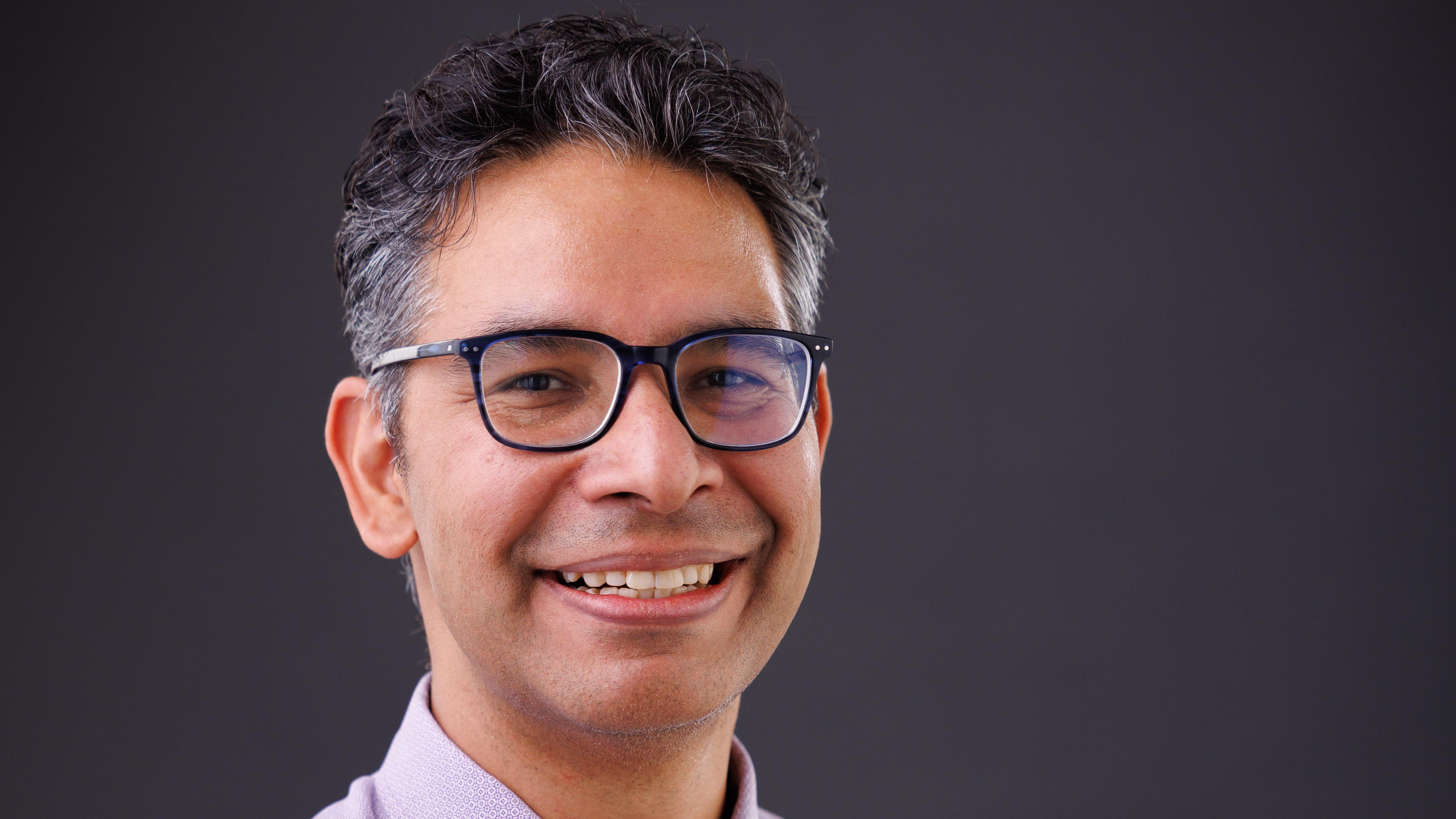
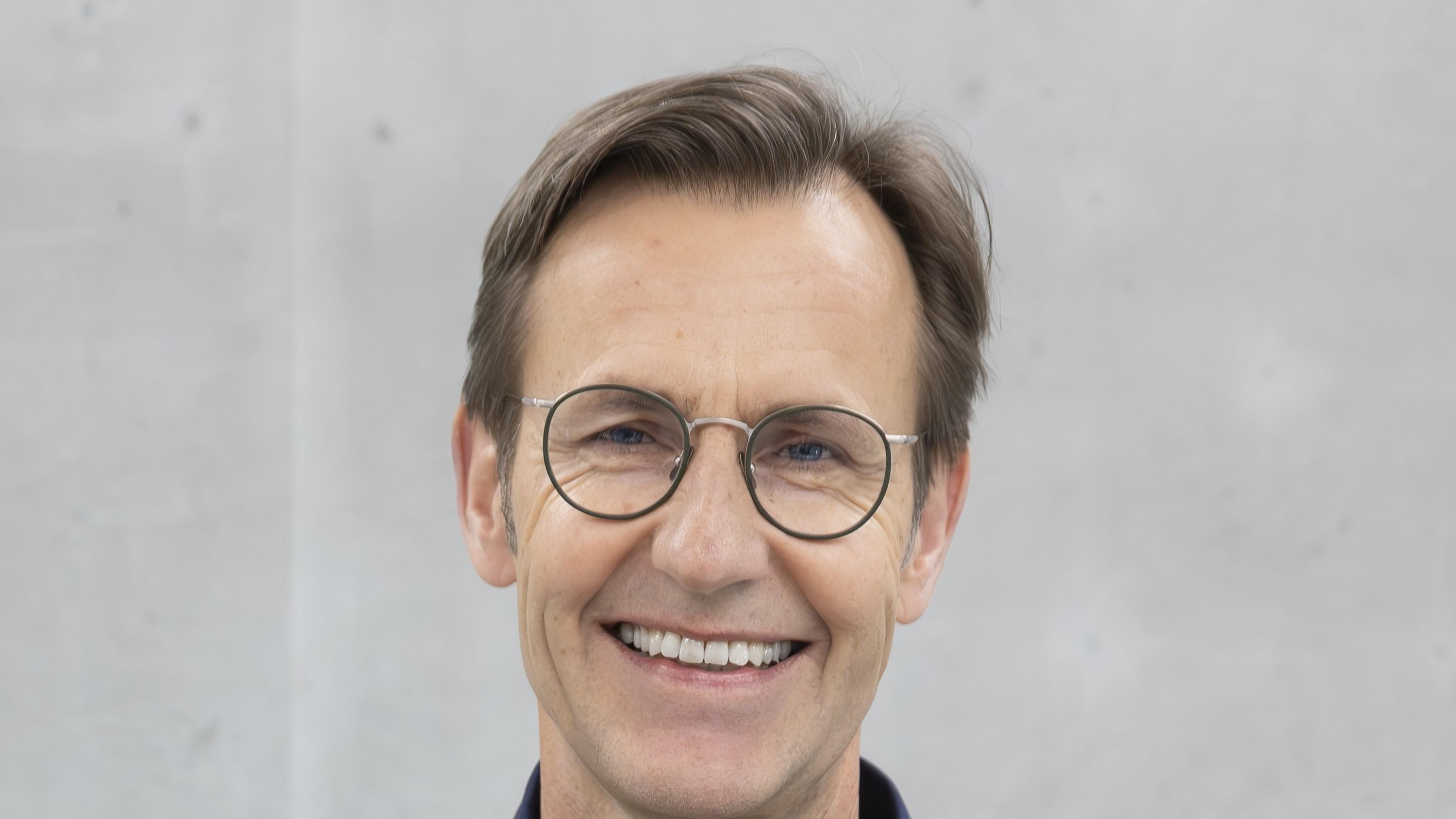
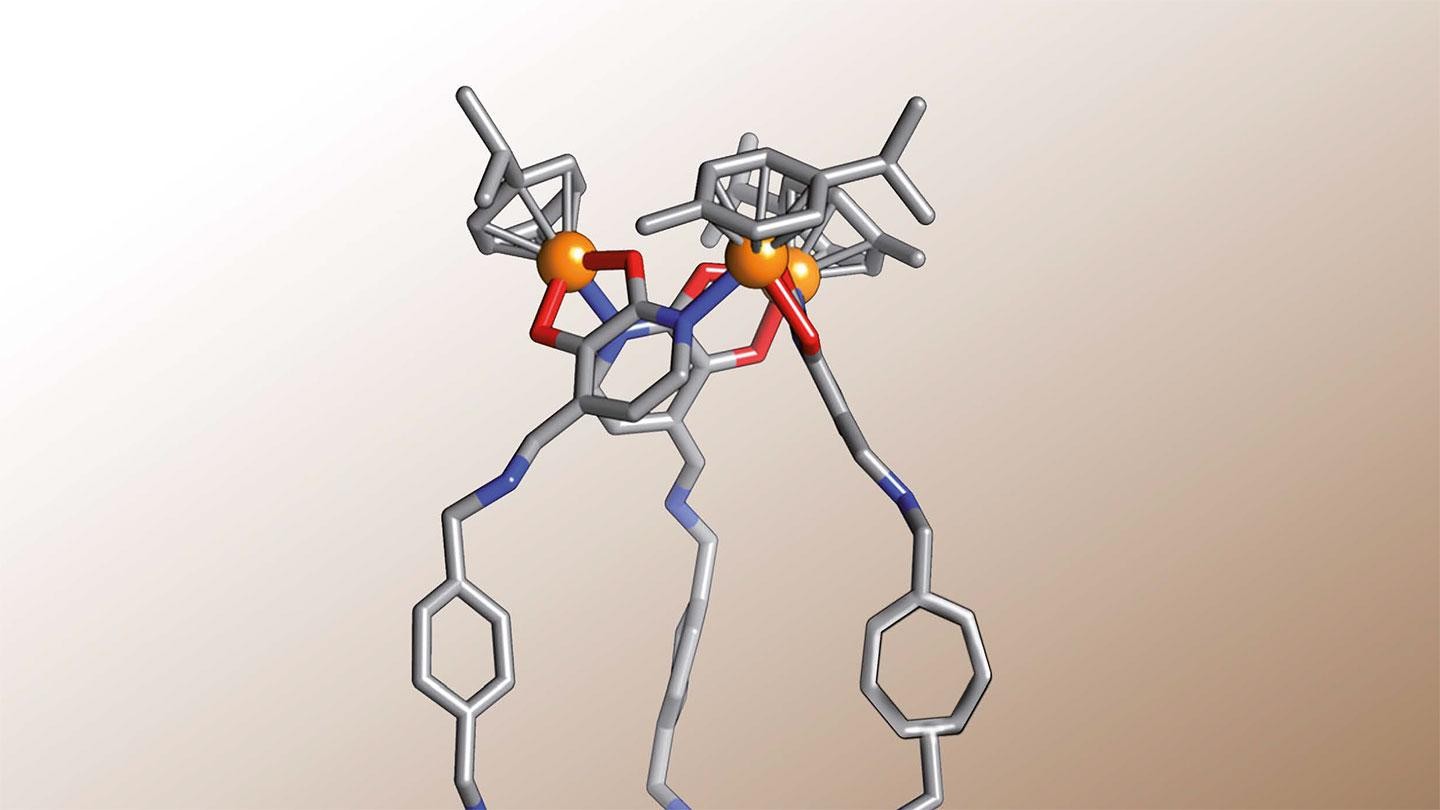
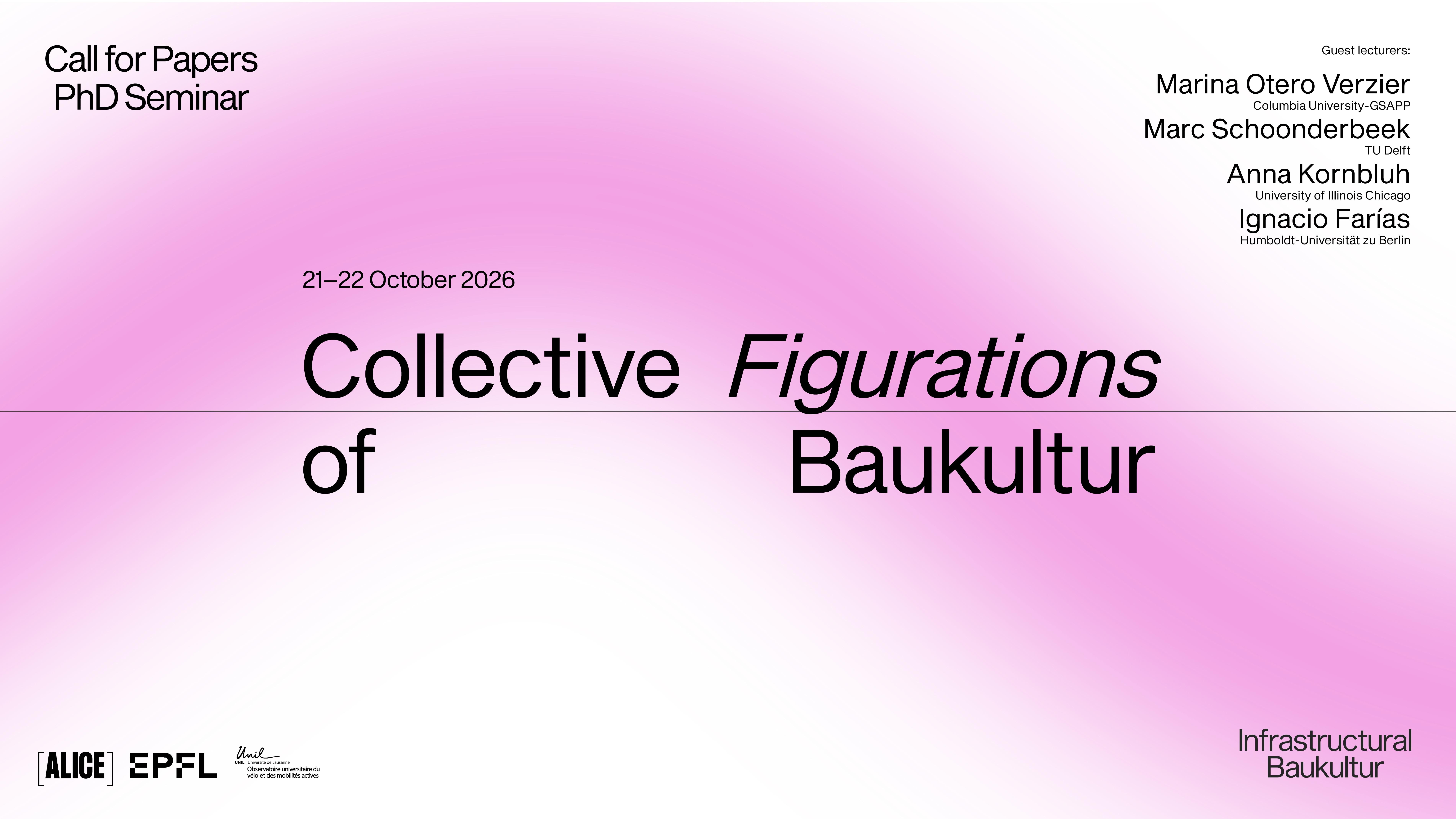
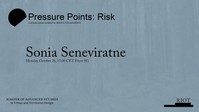
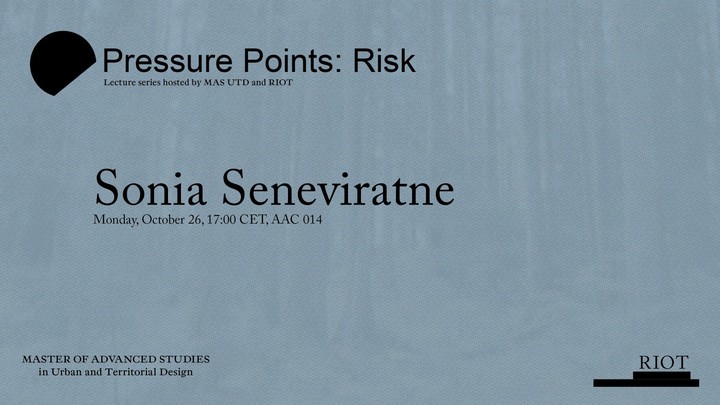
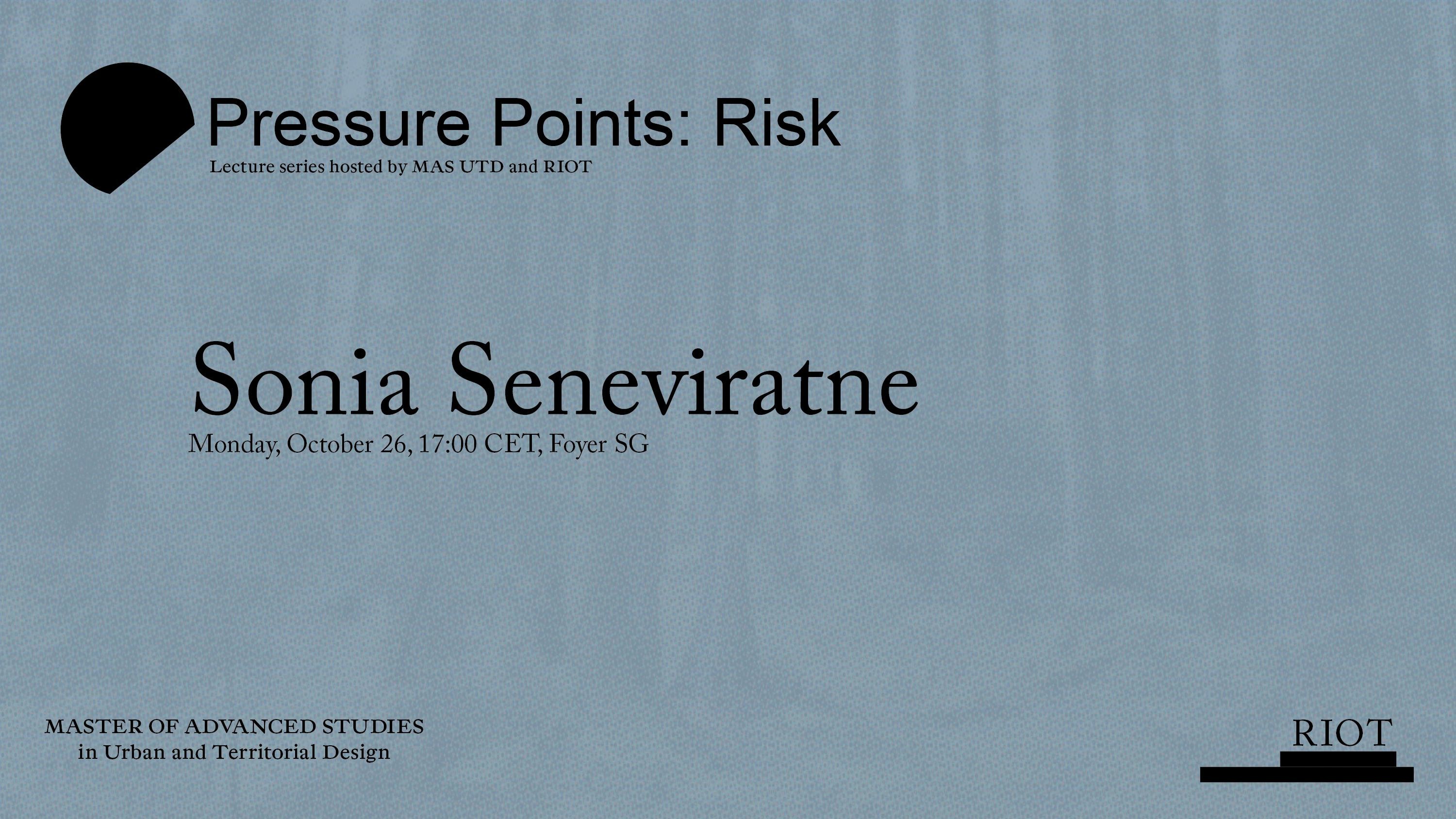
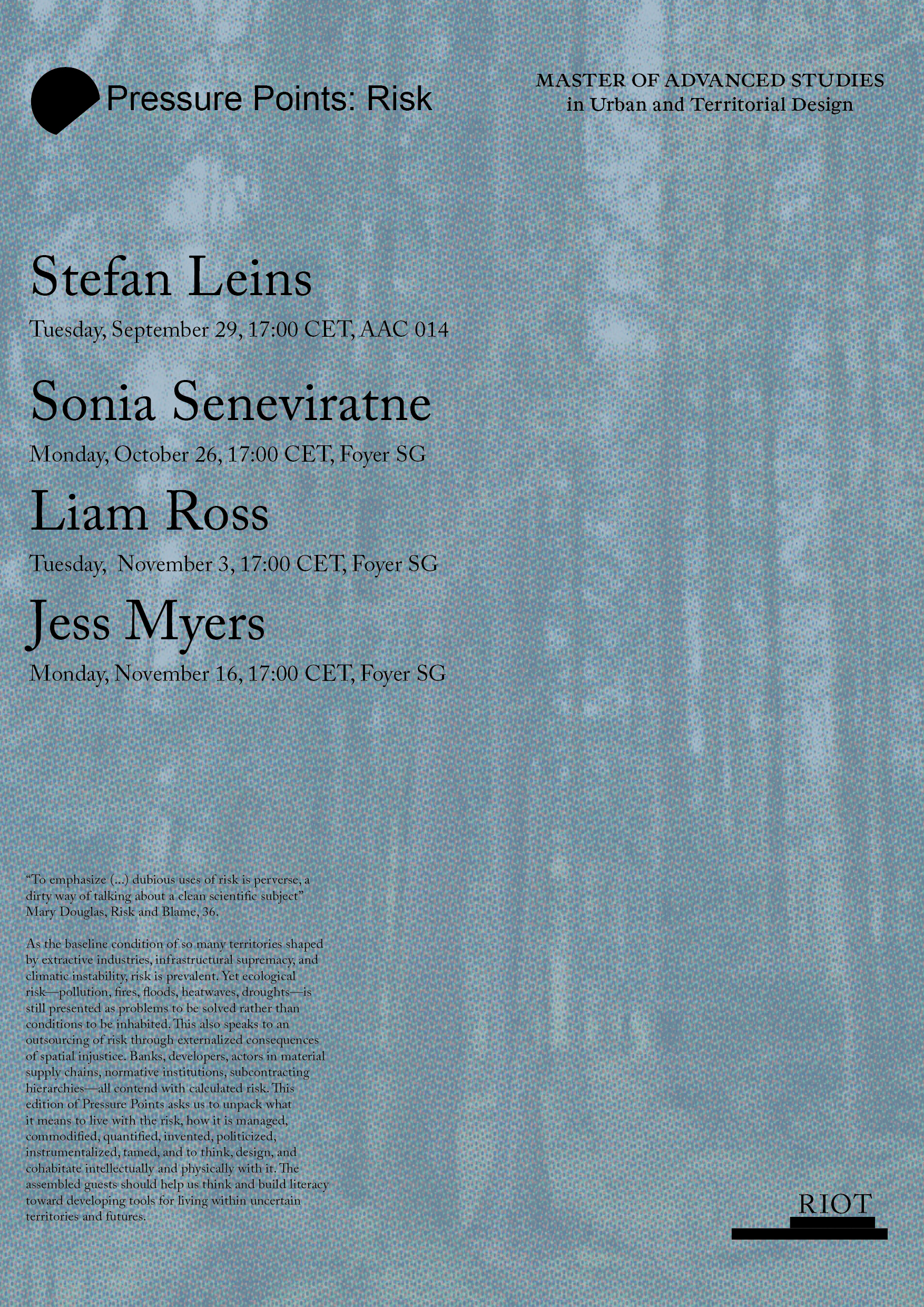
{ "count": 253, "next": "https://memento.epfl.ch/api/v1/events/?format=api&limit=10&offset=160&ordering=cancel_reason", "previous": "https://memento.epfl.ch/api/v1/events/?format=api&limit=10&offset=140&ordering=cancel_reason", "results": [ { "id": 72565, "title": "IMX Colloquium - Does H2O transmute to H2O2 or HO• + H• at the Air–Water Interface of Microscale Droplets / Bubbles?", "slug": "imx-colloquium-does-h2o-transmute-to-h2o2-or-ho--2", "event_url": "https://memento.epfl.ch/event/imx-colloquium-does-h2o-transmute-to-h2o2-or-ho--2", "visual_url": "https://memento.epfl.ch/image/33816/200x112.jpg", "visual_large_url": "https://memento.epfl.ch/image/33816/720x405.jpg", "visual_maxsize_url": "https://memento.epfl.ch/image/33816/max-size.jpg", "lang": "en", "start_date": "2026-10-26", "end_date": "2026-10-26", "start_time": "13:15:00", "end_time": "14:15:00", "description": "<p>Recent reports claim that hydrogen peroxide (H2O2) is spontaneously generated – without external energy input or catalyst – at the air–water interface of microdroplets1, bubbles2, and soap films3. Several mechanisms have been proposed to explain this phenomenon, including: (i) ultrahigh instantaneous electric fields at the air–water interface driving HO− à HO• + e− radicals from hydroxide ions; (ii) water’s comproportionation into H2O•+ and H2O•−; and (iii) partial dehydration of interfacial H+ and HO− followed by radical formation. In contrast, our laboratory experiments reveal that H2O2 formation is due to the reduction of dissolved O2 at water– solid interfaces, i.e., with no role for the air–water interface beyond O2 mass transport4-6. Based on these findings, I will present four diagnostic criteria against which any existing or future mechanistic proposal should be assessed. Our approach reconciles the claims of spontaneous H2O2 formation within established physical chemistry and extends naturally to other claims of anomalous microdroplet reactivity. <br>\r\n<br>\r\nReferences:<br>\r\n(1) Mehrgardi, M. A.; Mofidfar, M.; Zare, R. N. Sprayed Water Microdroplets Are Able to Generate Hydrogen Peroxide Spontaneously. Journal of the American Chemical Society 2022, 144 (17), 7606-7609. DOI: 10.1021/jacs.2c02890.<br>\r\n(2) Nami-Ana, S. F.; Mehrgardi, M. A.; Mofidfar, M.; Zare, R. N. Sustained Regeneration of Hydrogen Peroxide at the Water-Gas Interface of Electrogenerated Microbubbles on an Electrode Surface. Journal of the American Chemical Society 2024, 146 (46), 31945-31949. DOI: 10.1021/jacs.4c11422 From NLM PubMed-not-MEDLINE.<br>\r\n(3) Eldeeb, A. M.; Berbille, A.; Dick, J. E. No Microdroplets? No Problem. Soap Films Amplify the Interface and Produce Hydrogen Peroxide. Journal of the American Chemical Society 2025, 147 (37), 33325-33329. DOI: 10.1021/jacs.5c05887.<br>\r\n(4) Eatoo, M. A.; Mishra, H. Busting the myth of spontaneous formation of H2O2 at the air-water interface: contributions of the liquid-solid interface and dissolved oxygen exposed. Chemical Science 2024, 15 (9), 3093-3103. DOI: 10.1039/d3sc06534k From NLM PubMed-not-MEDLINE.<br>\r\n(5) Eatoo, M. A.; Wehbe, N.; Kharbatia, N.; Guo, X.; Mishra, H. Why do some metal ions spontaneously form nanoparticles in water microdroplets? Disentangling the contributions of the air-water interface and bulk redox chemistry. Chemical Science 2025, 16 (3), 1115-1125. DOI: 10.1039/d4sc03217a From NLM PubMed-not-MEDLINE.<br>\r\n(6) Eatoo, M. A.; Mishra, H. Disentangling the Roles of Dissolved Oxygen, Common Salts, and pH on Spontaneous Hydrogen Peroxide Production in Water: No O2, No H2O2. Journal of the American Chemical Society 2025, 147 (39), 35392-35400. DOI: 10.1021/jacs.5c09028.<br>\r\n<br>\r\nPapers:<br>\r\n- <a href=\"https://pubs.rsc.org/sc/article/15/9/3093/828007/Busting-the-myth-of-spontaneous-formation-of-H2O2\">Busting the myth of spontaneous formation of H2O2 at the air–water interface: contributions of the liquid–solid interface and dissolved oxygen exposed</a> <br>\r\n- <a href=\"https://doi.org/10.1021/jacs.5c09028\">Disentangling the Roles of Dissolved Oxygen, Common Salts, and pH on Spontaneous Hydrogen Peroxide Production in Water: No O2, No H2O2</a><br>\r\n<br>\r\nBio: Himanshu Mishra is a scientist-entrepreneur from King Abdullah University of Science and Technology (KAUST), Saudi Arabia. His team has significantly contributed to resolving scientific debates surrounding the spontaneous H2O2 formation in water microdroplets, the electrification at water-hydrophobe interfaces, and liquid–solid adhesion forces. Mishra’s team has also pioneered Carbosoil™ technology to transform desert soils for sustainable greening, food production, and carbon sequestration. His start-up Terraxy is now scaling up Carbosoil™ production to advance sustainability projects in the Middle East and beyond. Mishra’s efforts have been featured by the World Economic Forum, Geneva Inventions, and CNN (LINK).<br>\r\n </p>", "image_description": "", "creation_date": "2026-09-14T09:02:26", "last_modification_date": "2026-09-14T10:31:03", "link_label": "Website", "link_url": "https://interfaciallab.kaust.edu.sa/people/detail/himanshu-mishra-ph.d", "canceled": "False", "cancel_reason": "", "place_and_room": "MXF 1", "url_place_and_room": "https://plan.epfl.ch/?room==MXF%201", "url_online_room": "", "spoken_languages": [ "https://memento.epfl.ch/api/v1/spoken_languages/2/?format=api" ], "speaker": "Prof. Himanshu Mishra, King Abdullah University of Science and Technology (KAUST), Saudi Arabia", "organizer": "Prof. Gregor Jotzu, Prof. Esther Amstad & Prof. Fabien Sorin", "contact": "Prof. Gregor Jotzu, Prof. Esther Amstad & Prof. Fabien Sorin", "is_internal": "False", "theme": "", "vulgarization": { "id": 1, "fr_label": "Tout public", "en_label": "General public" }, "registration": { "id": 3, "fr_label": "Entrée libre", "en_label": "Free" }, "keywords": "", "file": null, "icalendar_url": "https://memento.epfl.ch/event/export/121776/", "category": { "id": 1, "code": "CONF", "fr_label": "Conférences - Séminaires", "en_label": "Conferences - Seminars", "activated": true }, "academic_calendar_category": null, "domains": [], "mementos": [ "https://memento.epfl.ch/api/v1/mementos/8/?format=api", "https://memento.epfl.ch/api/v1/mementos/314/?format=api" ] }, { "id": 72571, "title": "IMX Colloquium - Designer Quantum Materials from Carbon", "slug": "imx-colloquium-designer-quantum-materials-from-c-2", "event_url": "https://memento.epfl.ch/event/imx-colloquium-designer-quantum-materials-from-c-2", "visual_url": "https://memento.epfl.ch/image/33820/200x112.jpg", "visual_large_url": "https://memento.epfl.ch/image/33820/720x405.jpg", "visual_maxsize_url": "https://memento.epfl.ch/image/33820/max-size.jpg", "lang": "en", "start_date": "2026-11-09", "end_date": "2026-11-09", "start_time": "13:15:00", "end_time": "14:15:00", "description": "<p>Atomically precise carbon nanostructures offer a new route to quantum systems built from the bottom up. By combining molecular design, on-surface synthesis and scanning probe microscopy, we can control atomic structure, electronic states and magnetic interactions within the same platform.<br>\r\nIn this talk, I will follow the path from bottom-up synthesized graphene nanoribbons [1,2] to open-shell nanographenes [3] and designer quantum spin systems [4]. I will discuss how atomic structure can determine electronic topology and how molecular spins can be coupled into well-defined quantum chains. Recent examples include Haldane chains [4], alternating-exchange spin chains [5] and antiferromagnetic Heisenberg chains [6], where collective and fractional excitations can be probed directly at the atomic scale.<br>\r\nMore broadly, this work illustrates a materials-science strategy in which structure, functionality and interactions are programmed at the level of molecular building blocks. Rather than optimizing properties in an existing material, the aim is to design the material and its quantum behavior together. Atomically precise carbon nanostructures therefore provide a model platform for exploring how synthesis, structure and emergent functionality can be linked in a predictive way, with implications for the future design of low-dimensional electronic, magnetic and quantum materials.\r\n</p><ol>\r\n\t<li>J. Cai, P. Ruffieux, R. Jaafar, <em>et al.</em>, <em>Nature</em> <strong>466</strong>, 470–473 (2010).</li>\r\n\t<li>F. Xiang, Y. Gu, A. Kinikar, <em>et al.</em>, <em>Nat. Chem</em>. <strong>17</strong>, 1356–1363 (2025).</li>\r\n\t<li>S. Mishra, D. Beyer, K. Eimre, <em>et al</em>., <em>Nat. </em><em>Nanotechnol</em>. <strong>15</strong>, 22–28 (2020).</li>\r\n\t<li>S. Mishra, G. Catarina, F. Wu, <em>et al</em>., <em>Nature</em> <strong>598</strong>, 287–292 (2021).</li>\r\n\t<li>C. Zhao, G. Catarina, J.-J. Zhang, <em>et al</em>., <em>Nat. </em><em>Nanotechnol</em>. <strong>19</strong>, 1789-1795<strong> </strong>(2024).</li>\r\n\t<li>C. Zhao, L. Yang, J. C. G. Henriques, <em>et al</em>., <em>Nat. Mater.</em> <strong>24,</strong> 722–727 (2025).</li>\r\n</ol>\r\nBio: Roman Fasel is a leading scientist in the field of atomically precise carbon nanostructures and surface-based quantum materials. He received his Ph.D. in Physics from the University of Fribourg in 1996 and then carried out postdoctoral research at La Trobe University in Melbourne and the Fritz Haber Institute in Berlin before joining Empa. Today, he heads Empa’s nanotech@surfaces Laboratory and is Adjunct Professor at the University of Bern. He pioneered the bottom-up synthesis of graphene nanoribbons, establishing on-surface synthesis as a major new direction in nanoscience, and has since extended this work to topological states, open-shell nanographenes and quantum spin chains.", "image_description": "", "creation_date": "2026-09-14T10:43:28", "last_modification_date": "2026-09-14T10:43:41", "link_label": "Website", "link_url": "https://www.empa.ch/web/s205/roman-fasel", "canceled": "False", "cancel_reason": "", "place_and_room": "MXF 1", "url_place_and_room": "https://plan.epfl.ch/?room==MXF%201", "url_online_room": "", "spoken_languages": [ "https://memento.epfl.ch/api/v1/spoken_languages/2/?format=api" ], "speaker": "Prof. Roman Fasel, EMPA, Zürich", "organizer": "Prof. Gregor Jotzu, Prof. Esther Amstad & Prof. Fabien Sorin", "contact": "Prof. Gregor Jotzu, Prof. Esther Amstad & Prof. Fabien Sorin", "is_internal": "False", "theme": "", "vulgarization": { "id": 1, "fr_label": "Tout public", "en_label": "General public" }, "registration": { "id": 3, "fr_label": "Entrée libre", "en_label": "Free" }, "keywords": "", "file": null, "icalendar_url": "https://memento.epfl.ch/event/export/121785/", "category": { "id": 1, "code": "CONF", "fr_label": "Conférences - Séminaires", "en_label": "Conferences - Seminars", "activated": true }, "academic_calendar_category": null, "domains": [], "mementos": [ "https://memento.epfl.ch/api/v1/mementos/8/?format=api", "https://memento.epfl.ch/api/v1/mementos/314/?format=api" ] }, { "id": 72572, "title": "Participatory Modelling for Energy Scenarios and Transition Pathways", "slug": "participatory-modelling-for-energy-scenarios-and-t", "event_url": "https://memento.epfl.ch/event/participatory-modelling-for-energy-scenarios-and-t", "visual_url": "https://memento.epfl.ch/image/33821/200x112.jpg", "visual_large_url": "https://memento.epfl.ch/image/33821/720x405.jpg", "visual_maxsize_url": "https://memento.epfl.ch/image/33821/max-size.jpg", "lang": "en", "start_date": "2026-10-12", "end_date": "2026-10-12", "start_time": "17:00:00", "end_time": null, "description": "<p>Thesis Directors: Prof. C. R. Binder Signer, Dr M. Duygan<br>\r\nCivil and Environmental Engineering doctoral program<br>\r\nThesis Nr. 11896<br>\r\n<br>\r\nTo take part in the public defense, please contact directly the speaker <br>\r\n<br>\r\nPlease register via the Google Form here:<br>\r\n<a href=\"https://forms.gle/e6UF2Sr9LdcgNLUn7\">https://forms.gle/e6UF2Sr9LdcgNLUn7</a></p>", "image_description": "", "creation_date": "2026-09-14T11:31:53", "last_modification_date": "2026-09-29T16:45:17", "link_label": "", "link_url": "", "canceled": "False", "cancel_reason": "", "place_and_room": "GR A1 455", "url_place_and_room": "https://plan.epfl.ch/?room==GR%20A1%20455", "url_online_room": "https://youtu.be/bw1XDjuY5_c", "spoken_languages": [], "speaker": "<strong>Jaïr Kees Evert Karel CAMPFENS</strong>", "organizer": "", "contact": "<strong>Jaïr Kees Evert Karel CAMPFENS</strong>", "is_internal": "False", "theme": "", "vulgarization": { "id": 1, "fr_label": "Tout public", "en_label": "General public" }, "registration": { "id": 3, "fr_label": "Entrée libre", "en_label": "Free" }, "keywords": "EDCE", "file": null, "icalendar_url": "https://memento.epfl.ch/event/export/121786/", "category": { "id": 12, "code": "SOUTE", "fr_label": "Soutenances de thèses", "en_label": "Thesis defenses", "activated": true }, "academic_calendar_category": null, "domains": [], "mementos": [ "https://memento.epfl.ch/api/v1/mementos/1/?format=api", "https://memento.epfl.ch/api/v1/mementos/4/?format=api", "https://memento.epfl.ch/api/v1/mementos/6/?format=api" ] }, { "id": 72575, "title": "SYNTHETIC CHEMISTRY WITH NITROUS OXIDE AND NITROUS OXIDE-DERIVED COMPOUNDS", "slug": "synthetic-chemistry-with-nitrous-oxide-and-nitro-2", "event_url": "https://memento.epfl.ch/event/synthetic-chemistry-with-nitrous-oxide-and-nitro-2", "visual_url": "https://memento.epfl.ch/image/33824/200x112.jpg", "visual_large_url": "https://memento.epfl.ch/image/33824/720x405.jpg", "visual_maxsize_url": "https://memento.epfl.ch/image/33824/max-size.jpg", "lang": "en", "start_date": "2026-10-09", "end_date": "2026-10-09", "start_time": "17:00:00", "end_time": null, "description": "<p>Thesis Director: Prof. K. Severin,<br>\r\nChemistry and Chemical Engineering doctoral program<br>\r\nThesis Nr. 11719<br>\r\n<br>\r\nTo take part in the public defense, please contact directly the speaker</p>", "image_description": "", "creation_date": "2026-09-14T14:05:19", "last_modification_date": "2026-09-14T14:05:22", "link_label": "", "link_url": "", "canceled": "False", "cancel_reason": "", "place_and_room": "BCH 2201", "url_place_and_room": "https://plan.epfl.ch/?room==BCH%202201", "url_online_room": "", "spoken_languages": [], "speaker": "<a href=\"mailto:[email protected]\"><strong>Christeena MATHEW</strong></a>", "organizer": "", "contact": "<a href=\"mailto:[email protected]\"><strong>Christeena MATHEW</strong></a><br>\r\n ", "is_internal": "False", "theme": "", "vulgarization": { "id": 1, "fr_label": "Tout public", "en_label": "General public" }, "registration": { "id": 3, "fr_label": "Entrée libre", "en_label": "Free" }, "keywords": "EDCH", "file": null, "icalendar_url": "https://memento.epfl.ch/event/export/121793/", "category": { "id": 12, "code": "SOUTE", "fr_label": "Soutenances de thèses", "en_label": "Thesis defenses", "activated": true }, "academic_calendar_category": null, "domains": [], "mementos": [ "https://memento.epfl.ch/api/v1/mementos/1/?format=api", "https://memento.epfl.ch/api/v1/mementos/5/?format=api", "https://memento.epfl.ch/api/v1/mementos/6/?format=api" ] }, { "id": 72580, "title": "Collective Figurations of Baukultur", "slug": "collective-figurations-of-baukultur", "event_url": "https://memento.epfl.ch/event/collective-figurations-of-baukultur", "visual_url": "https://memento.epfl.ch/image/33828/200x112.jpg", "visual_large_url": "https://memento.epfl.ch/image/33828/720x405.jpg", "visual_maxsize_url": "https://memento.epfl.ch/image/33828/max-size.jpg", "lang": "en", "start_date": "2026-10-21", "end_date": "2026-10-22", "start_time": "09:00:00", "end_time": "17:00:00", "description": "<strong>Collective Figurations of Baukultur</strong><br>\r\n<br>\r\nArchitectural representation has often dissociated its production from its product, trapped in loops of identification, reproduction and mimesis which have only increased under technocapitalism. Today, our cities and environments are measured to the detail and seemingly overrepresented through proliferating digital twins, predictive models and simulations, indicators and benchmarks. These operative visualizations which reduce the world to computable data, no longer merely describe reality: they organize, mobilize, and activate matter. They function as automated, asignifying spatial infrastructures, while progressively dispensing with a symbolic mediation increasingly deemed unnecessary and, just as often, a problematic source of ambiguity.<br>\r\nDigital twins, predictive models and simulations, indicators and benchmarks are a constitutive part of an expanding culture of immediacy (Kornbluh, 2024), where the critique of mediation carried out by the likes of Theodor Adorno or Henri Lefebvre is resolved not through its impossible disappearance, but through its naturalization. Subsumed within the environmental interface of capital and technology (Hörl 2017), mediation is subsequently desocialized and depoliticized.<br>\r\nHowever, without collective figurations, there is no possibility of common horizons, and our capacity to bring about democratic and inclusive transformations of our cities and territories falters. In the SNSF project Infrastructural Baukultur, ALICE (Atelier de la Conception de l'Espace) is exploring ways to leverage the constructed nature of all representations in the co-design of our cities. As part of this project, the aim of this two-day course is to focus on the theoretical and historical frameworks of this question.<br>\r\nDuring the 1980s, as the cultural and literary critic Fredric Jameson developed a spatial analysis of the historical stages of capitalism, he arrived (not uncritically) at the work of MIT urban theorist Kevin Lynch, particularly The Image of the City (1960). If Lynch had suggested that urban alienation was directly proportional to the impossibility of creating an (individual) mental image of the city, Jameson went further, contending that our \"incapacity to map socially (is) as crippling to political experience as the analogous incapacity to map spatially is for urban experience.\" From there, he went on to develop the idea of cognitive mapping as an aesthetic strategy, arguing that, even when the structural coordinates of individual and social life become unrepresentable, they can still find figures and figurations through which to express themselves in allegorical, i.e. distorted and symbolic, ways.<br>\r\nLater on, feminist scholars Donna Haraway and Rosi Braidotti described figurations as \"materialistic mappings of situated, i.e., embedded and embodied, social positions\" (Braidotti 2011), noting that even if \"figures pertain to graphic representation and visual forms in general, (they) do not have to be representational and mimetic, (...) they do have to be tropic, performative images that can be inhabited, condensed maps of contestable worlds. (…) The chip, seed, or gene is simultaneously literal and figurative. We inhabit and are inhabited by such figures that map universes of knowledge, practice and power\" (Haraway 1997). Departing from these premises and mirroring Jameson's journey, this time back into architecture and urban design, this course seeks to construct, historically and theoretically, the concept of figuration as an allegorical and material practice capable of mapping contestable and individually inaccessible realities, a tropic and political instrument that short circuits equivalences and unsettles certainties. From there, it will encourage a critical debate around a series of interrelated questions at the core of architectural practice and academia today.<br>\r\nHow does design research connect with the fields of architectural history, theory and practice? What challenges are posed to collective figuration by an unrepresentable capitalism, fragmented habitats, and infrastructured perceptions? Can a critical understanding of the abstract, ideological nature of operative representations help us repoliticize urban production? Can we trace alternative genealogies of architectural, urban, and landscape representation that reveal forms of agency and collectivity capable of overcoming the traps of immediacy? Can space, both as an abstraction and as a lived, grounded experience, become a translation device within inter-, intra-, and transdisciplinary processes?<br>\r\nTo this end, the course will begin with an introductory session that develops a common framework by articulating, both historically and conceptually, the notion of figuration and its role within design methods, in contrast to the operational visualizations of environmentality. This framework will orient the subsequent lectures and discussions with our four invited speakers:<br>\r\n<br>\r\n• <strong>Anna Kornbluh, </strong>Professor of English at University of Illinois Chicago and author of Immediacy: Or, The Style of Too Late Capitalism (2024), will offer us a critical reflection on the political consequences of our contemporary regime of aesthetic and technological immediacy.<br>\r\n• <strong>Marc Schoonderbeek</strong>, Associate Professor of Architecture and Head of the Borders and Territories research group at TU Delft, will discuss the multilayered role of representation within design research strategies.<br>\r\n• <strong>Marina Otero Verzier</strong>, architect and researcher, leading the Data Mourning Clinic at Columbia University GSAPP, will delve into the tension between digital custodianship and the unsustainable practices of the data storage industry through the lens of Tuvalu's digital twin.<br>\r\n• <strong>Ignacio Farías</strong>, Professor of Urban Anthropology, Director of the Georg Simmel Center for Urban Studies and Co-Director of the Stadtlabor for Multimodal Anthropology at Humboldt-Universität zu Berlin, will present his ongoing work on spatial figures within urban transformation processes.<br>\r\n<br>\r\nInterested participants are invited to submit, by October 9, a short abstract (max. 300 words) outlining their approach to the subject, which will be developed into a short essay during the seminar. Assessment for the course will be based on the essay, completion of the reading assignments, and active participation in the sessions. Selected essays will be published alongside contributions from the guest lecturers in an edited volume produced as part of the SNSF project <em>Infrastructural Baukultur</em>.", "image_description": "", "creation_date": "2026-09-14T16:52:01", "last_modification_date": "2026-09-29T13:55:55", "link_label": "More info", "link_url": "https://edu.epfl.ch/studyplan/fr/ecole_doctorale/architecture-et-sciences-de-la-ville/coursebook/collective-figurations-of-baukultur-AR-698", "canceled": "False", "cancel_reason": "", "place_and_room": "Room BP 4321, ALICE Common Room", "url_place_and_room": "", "url_online_room": "", "spoken_languages": [ "https://memento.epfl.ch/api/v1/spoken_languages/2/?format=api" ], "speaker": "<strong>Anna Kornbluh, Marc Schoonderbeek, Marina Otero Verzier and Ignacio Farías</strong> ", "organizer": "ALICE, Dieter Dietz y Lucía Jalón Oyarzun", "contact": "[email protected]", "is_internal": "False", "theme": "", "vulgarization": { "id": 1, "fr_label": "Tout public", "en_label": "General public" }, "registration": { "id": 1, "fr_label": "Sur inscription", "en_label": "Registration required" }, "keywords": "representation, figuration, mediation, co-design, design methods", "file": null, "icalendar_url": "https://memento.epfl.ch/event/export/121799/", "category": { "id": 1, "code": "CONF", "fr_label": "Conférences - Séminaires", "en_label": "Conferences - Seminars", "activated": true }, "academic_calendar_category": null, "domains": [], "mementos": [ "https://memento.epfl.ch/api/v1/mementos/1/?format=api", "https://memento.epfl.ch/api/v1/mementos/4/?format=api", "https://memento.epfl.ch/api/v1/mementos/6/?format=api", "https://memento.epfl.ch/api/v1/mementos/32/?format=api", "https://memento.epfl.ch/api/v1/mementos/145/?format=api", "https://memento.epfl.ch/api/v1/mementos/406/?format=api" ] }, { "id": 72582, "title": "Chiraltronics: Exploring the interplay between spin and chirality", "slug": "chiraltronics-exploring-the-interplay-between-sp-2", "event_url": "https://memento.epfl.ch/event/chiraltronics-exploring-the-interplay-between-sp-2", "visual_url": "https://memento.epfl.ch/image/33943/200x112.jpg", "visual_large_url": "https://memento.epfl.ch/image/33943/720x405.jpg", "visual_maxsize_url": "https://memento.epfl.ch/image/33943/max-size.jpg", "lang": "en", "start_date": "2026-10-12", "end_date": "2026-10-12", "start_time": "16:15:00", "end_time": "17:15:00", "description": "<p>Chirality is omnipresent in nature through a fundamental coupling between chirality and angular momentum. Despite extensive experimental evidence, the underlying mechanisms of this coupling remain debated. Here, we will explore how chiral magnetic textures can be stabilized in altermagnets, a new class of magnetism. Turning to structurally chiral magnetic molecules, we will show that chirality is directly linked to their intrinsic magnetic moments. Bringing both together, we will discuss how molecular design can control spin phenomena at hybrid chiral molecule-magnet interfaces. Our findings pave a pathway towards functional \"chiraltronic\" devices – turning a fundamental puzzle into a technological opportunity.</p>", "image_description": "", "creation_date": "2026-10-01T09:59:25", "last_modification_date": "2026-10-01T10:00:49", "link_label": "", "link_url": "", "canceled": "False", "cancel_reason": "", "place_and_room": "CM 1 5", "url_place_and_room": "https://plan.epfl.ch/?room==CM%201%205", "url_online_room": "", "spoken_languages": [ "https://memento.epfl.ch/api/v1/spoken_languages/2/?format=api" ], "speaker": "Prof. Angela Wittmann, Johannes Gutenberg-Universität Mainz", "organizer": "Institut de Physique", "contact": "[email protected]", "is_internal": "False", "theme": "", "vulgarization": { "id": 1, "fr_label": "Tout public", "en_label": "General public" }, "registration": { "id": 3, "fr_label": "Entrée libre", "en_label": "Free" }, "keywords": "", "file": "https://memento.epfl.ch/public/upload/files/Wittmann12oct_Bl6EtiA.pdf", "icalendar_url": "https://memento.epfl.ch/event/export/122008/", "category": { "id": 1, "code": "CONF", "fr_label": "Conférences - Séminaires", "en_label": "Conferences - Seminars", "activated": true }, "academic_calendar_category": null, "domains": [], "mementos": [ "https://memento.epfl.ch/api/v1/mementos/1/?format=api", "https://memento.epfl.ch/api/v1/mementos/5/?format=api", "https://memento.epfl.ch/api/v1/mementos/6/?format=api", "https://memento.epfl.ch/api/v1/mementos/8/?format=api", "https://memento.epfl.ch/api/v1/mementos/81/?format=api", "https://memento.epfl.ch/api/v1/mementos/191/?format=api", "https://memento.epfl.ch/api/v1/mementos/389/?format=api" ] }, { "id": 72584, "title": "Cancer Research Institute | Clinic and Laboratory Integration Program (CLIP)", "slug": "cancer-research-institute-clinic-and-laboratory--9", "event_url": "https://memento.epfl.ch/event/cancer-research-institute-clinic-and-laboratory--9", "visual_url": "https://memento.epfl.ch/image/33830/200x112.jpg", "visual_large_url": "https://memento.epfl.ch/image/33830/720x405.jpg", "visual_maxsize_url": "https://memento.epfl.ch/image/33830/max-size.jpg", "lang": "en", "start_date": "2026-12-01", "end_date": "2026-12-01", "start_time": null, "end_time": null, "description": "<strong>Aim: </strong>The CRI Clinic and Laboratory Integration Program (CLIP) supports innovative, team-based investigations at the intersection of laboratory discovery and clinical application in cancer immunology. CLIP is designed to<strong> accelerate the translation of scientific discoveries</strong> into approaches that can improve outcomes for patients with cancer.<br>\r\n<br>\r\nThe 2027 CLIP theme is <strong>Primary and Secondary Cancer Prevention and Interception. </strong>This multi-investigator team science project aims to bridge the gap between basic mechanistic discovery and clinical application of innovative immune prevention or interception of primary cancer development and cancer recurrence after successful primary cancer treatment. Topics of interest include:\r\n<ol>\r\n\t<li>Identification and validation of novel biological mechanisms driving early tumorigenesis and the progression of pre-malignant lesions for facilitating the development of targeted immune prevention therapies for both primary and secondary prevention.</li>\r\n\t<li>Integrating robust preclinical models with high-dimensional analysis of human tissue samples — including longitudinal samples from high-risk cohorts and pre-cancerous lesions or treated primary tumors — to elucidate key inflammatory pathways influencing antitumor immune responses, the role of the microenvironment, and mechanisms of immune evasion in early-stage disease.</li>\r\n</ol>\r\n<strong>Duration</strong>: 3 years<br>\r\n<br>\r\n<strong>Funding</strong>: up to $1,000,000<br>\r\n<br>\r\n<strong>Eligibility: </strong>Candidates for a CRI CLIP Grant must hold a faculty appointment as a tenure-track assistant professor (or higher rank) at the time of award activation. CRI has no citizenship restrictions, and research supported by the award may be conducted at medical schools and research centers in the United States or abroad. Because CLIP is intended to support <strong>team-based translational research</strong>, proposals should bring together complementary scientific and clinical expertise. One PI should be designated as the Lead PI, with the others acting as Co-investigators.<br>\r\n<br>\r\n<strong>How to Apply</strong>: The process for applying for a CLIP Grant consists of two parts: a Letter of Intent, and, if invited, a full application. Letters of intent and associated supporting documents must be submitted electronically through a special <a href=\"https://cri.us-1.smartsimple.com/\">submission portal</a>.<br>\r\n<br>\r\n<strong>Deadline, Letter of Intent: </strong>01 December 2026<br>\r\nDeadline, Full Application: 01 March 2027 (by invitation)<strong> </strong><br>\r\n <br>\r\n<strong>Further information</strong>\r\n\r\n<ul>\r\n\t<li>More information about the program is available <a href=\"https://www.cancerresearch.org/clip\">here</a>.</li>\r\n\t<li>The application portal can be found <a href=\"https://cri.us-1.smartsimple.com/\">here</a></li>\r\n\t<li>For any other questions, please contact the <a href=\"mailto:[email protected]\">Research Office</a></li>\r\n</ul>", "image_description": "", "creation_date": "2026-09-15T11:21:25", "last_modification_date": "2026-09-15T11:22:14", "link_label": "", "link_url": "", "canceled": "False", "cancel_reason": "", "place_and_room": "", "url_place_and_room": "", "url_online_room": "", "spoken_languages": [], "speaker": "", "organizer": "", "contact": "<a href=\"mailto:[email protected]?subject=CRI%20CLIP%20funding%20opportunity\">Research Office</a>", "is_internal": "False", "theme": "", "vulgarization": { "id": 1, "fr_label": "Tout public", "en_label": "General public" }, "registration": { "id": 3, "fr_label": "Entrée libre", "en_label": "Free" }, "keywords": "", "file": null, "icalendar_url": "https://memento.epfl.ch/event/export/121805/", "category": { "id": 16, "code": "PROP", "fr_label": "Appel à proposition", "en_label": "Call for proposal", "activated": true }, "academic_calendar_category": null, "domains": [], "mementos": [ "https://memento.epfl.ch/api/v1/mementos/140/?format=api" ] }, { "id": 72585, "title": "SNSF: Driving Urban Transitions (DUT) - call for European projects", "slug": "snsf-driving-urban-transitions-dut-call-for-euro-2", "event_url": "https://memento.epfl.ch/event/snsf-driving-urban-transitions-dut-call-for-euro-2", "visual_url": "https://memento.epfl.ch/image/33854/200x112.jpg", "visual_large_url": "https://memento.epfl.ch/image/33854/720x405.jpg", "visual_maxsize_url": "https://memento.epfl.ch/image/33854/max-size.jpg", "lang": "en", "start_date": "2026-11-17", "end_date": "2026-11-17", "start_time": null, "end_time": null, "description": "<div>The <strong>Driving Urban Transitions (DUT)</strong> Partnership, co-funded by the European Commission (EC) under the Horizon Europe framework programme has launched its fifth transnational call for projects<strong>. </strong>The<strong> SNSF </strong>is joining this transnational initiative to support the transition towards more sustainable cities across Europe and beyond.<br>\r\n<br>\r\nThe call supports transnational research and/or innovation projects addressing urban challenges as a way of helping cities to transition towards a more sustainable economy and mode of functioning.</div>\r\n \r\n\r\n<div>The call accelerates urban transitions through three thematic areas, known as Transition Pathways (TPs):\r\n<div>\r\n<ol>\r\n\t<li><strong>Circular Urban Economies (CUE)</strong></li>\r\n\t<li><strong>15-Minute City (15mC)</strong></li>\r\n\t<li><strong>Positive Energy Districts (PED)</strong></li>\r\n</ol>\r\n\r\n<div>For each TP, three topics are defined as focus areas for this call. Projects should contribute to one or more focus areas. Read more on focus areas in section 2.3 in the call text.<br>\r\n<br>\r\nRequirements for Swiss Applicants:\r\n<ul>\r\n\t<li>Swiss applicants must meet the<strong> eligibility requirements for SNSF Project Funding</strong></li>\r\n\t<li>A <strong>transnational application</strong> must be submitted on the <a href=\"https://www.uefiscdi-direct.ro/\">UDiManager platform</a></li>\r\n\t<li>In parallel, an <strong>administrative application</strong> must be submitted to the SNSF</li>\r\n\t<li>Both submissions must be completed by <strong>17 November 2026</strong></li>\r\n\t<li>First-time SNSF applicants are strongly encouraged to contact the <strong>SNSF Administrative Offices</strong> in advance</li>\r\n</ul>\r\nThe submission <strong>deadlines:</strong>\r\n\r\n<ul>\r\n\t<li><u>Pre-proposal </u>deadline closes on <strong>17 November 2026 </strong>17:00 CET</li>\r\n\t<li><u>Full proposal</u> deadline closes on <strong>15 April 2027</strong> 13:00 CET</li>\r\n\t<li>National funding decisions and results<strong> </strong>on<strong> July 2027</strong></li>\r\n</ul>\r\nProject Requirements:\r\n\r\n<ul>\r\n\t<li>Project duration max 36 months</li>\r\n\t<li>A consortium must include at least three funded partners from three countries</li>\r\n\t<li>For Switzerland, SNSF has committed CHF 1.8 million, with approximately 4–6 projects expected to be funded</li>\r\n\t<li>For Swiss applicants: Grant up to CHF 400,000 per applicant for a 3-year project</li>\r\n</ul>\r\nFor additional information about the call and previous funded projects, please refer to the <a href=\"https://dutpartnership.eu/\">DUT website</a>.<br>\r\nTo find project partners and build a consortium you can search through the <a href=\"https://www.b2match.com/e/dut-call-2026\">DUT matchmaking platform</a>.</div>\r\n</div>\r\n</div>\r\n \r\n\r\n<div>\r\n<div> </div>\r\n</div>", "image_description": "", "creation_date": "2026-09-17T13:45:52", "last_modification_date": "2026-09-18T09:09:24", "link_label": "", "link_url": "", "canceled": "False", "cancel_reason": "", "place_and_room": "", "url_place_and_room": "", "url_online_room": "", "spoken_languages": [], "speaker": "", "organizer": "", "contact": "<a href=\"http://[email protected]/\">EPFL Research Office </a>", "is_internal": "False", "theme": "", "vulgarization": { "id": 1, "fr_label": "Tout public", "en_label": "General public" }, "registration": { "id": 3, "fr_label": "Entrée libre", "en_label": "Free" }, "keywords": "", "file": null, "icalendar_url": "https://memento.epfl.ch/event/export/121842/", "category": { "id": 16, "code": "PROP", "fr_label": "Appel à proposition", "en_label": "Call for proposal", "activated": true }, "academic_calendar_category": null, "domains": [], "mementos": [ "https://memento.epfl.ch/api/v1/mementos/1/?format=api", "https://memento.epfl.ch/api/v1/mementos/6/?format=api", "https://memento.epfl.ch/api/v1/mementos/140/?format=api" ] }, { "id": 72587, "title": "Performance trade-offs and gait adaptation strategies in undulatory swimming characterised via bio-inspired robotics", "slug": "performance-trade-offs-and-gait-adaptation-strateg", "event_url": "https://memento.epfl.ch/event/performance-trade-offs-and-gait-adaptation-strateg", "visual_url": "https://memento.epfl.ch/image/33832/200x112.jpg", "visual_large_url": "https://memento.epfl.ch/image/33832/720x405.jpg", "visual_maxsize_url": "https://memento.epfl.ch/image/33832/max-size.jpg", "lang": "en", "start_date": "2026-10-09", "end_date": "2026-10-09", "start_time": "17:30:00", "end_time": null, "description": "<p>Thesis Directors: Prof. K. A. J. Mulleners, Prof. A. Ijspeert<br>\r\nMechanics doctoral program<br>\r\nThesis Nr. 11364<br>\r\n<br>\r\nTo take part in the public defense, please contact directly the speaker</p>", "image_description": "", "creation_date": "2026-09-16T08:49:55", "last_modification_date": "2026-09-16T08:49:55", "link_label": "", "link_url": "", "canceled": "False", "cancel_reason": "", "place_and_room": "MED 0 1418", "url_place_and_room": "https://plan.epfl.ch/?room==MED%200%201418", "url_online_room": "", "spoken_languages": [], "speaker": "<strong>Alexandros ANASTASIADIS</strong>", "organizer": "", "contact": "<strong>Alexandros ANASTASIADIS</strong>", "is_internal": "False", "theme": "", "vulgarization": { "id": 1, "fr_label": "Tout public", "en_label": "General public" }, "registration": { "id": 3, "fr_label": "Entrée libre", "en_label": "Free" }, "keywords": "EDME", "file": null, "icalendar_url": "https://memento.epfl.ch/event/export/121808/", "category": { "id": 12, "code": "SOUTE", "fr_label": "Soutenances de thèses", "en_label": "Thesis defenses", "activated": true }, "academic_calendar_category": null, "domains": [], "mementos": [ "https://memento.epfl.ch/api/v1/mementos/1/?format=api", "https://memento.epfl.ch/api/v1/mementos/6/?format=api", "https://memento.epfl.ch/api/v1/mementos/8/?format=api", "https://memento.epfl.ch/api/v1/mementos/417/?format=api" ] }, { "id": 72598, "title": "Pressure Points: Risk - Sonia Seneviratne / RIOT, MAS UTD", "slug": "pressure-points-risk-sonia-seneviratne-riot-mas-ut", "event_url": "https://memento.epfl.ch/event/pressure-points-risk-sonia-seneviratne-riot-mas-ut", "visual_url": "https://memento.epfl.ch/image/33842/200x112.jpg", "visual_large_url": "https://memento.epfl.ch/image/33842/720x405.jpg", "visual_maxsize_url": "https://memento.epfl.ch/image/33842/max-size.jpg", "lang": "en", "start_date": "2026-10-26", "end_date": "2026-10-26", "start_time": "17:00:00", "end_time": "19:00:00", "description": "<p>“To emphasize (...) dubious uses of risk is perverse, a dirty way of talking about a<br>\r\nclean scientific subject”<br>\r\nMary Douglas, <em>Risk and Blame,</em> 36.<br>\r\n<br>\r\nAs the baseline condition of so many territories shaped by extractive industries, administrative delay, and climatic instability, risk is prevalent. Yet ecological risk—pollution, fires, floods, heatwaves, droughts—is still presented as problems to be solved rather than conditions to be inhabited. This also speaks to an outsourcing of risk through externalized consequences of spatial injustice. Banks, developers, material supply chains, normative institutions, subcontracting hierarchies —all contend with calculated risk. This edition of <u>Pressure Points</u> asks us to unpack what it means to live with the risk, how it is managed, commodified, quantified, invented, politicized, instrumentalized, tamed, and to think, design, cohabitate intellectually and physically with it. The assembled guests should help us think and build literacy toward developing tools for living within uncertain territories and futures. <br>\r\n<br>\r\n<u>Sonia Seneviratne</u><br>\r\nMonday, October 26, 17:00 CET<br>\r\n<br>\r\n<a href=\"https://usys.ethz.ch/en/people/profile.seneviratne.html\"><u>Sonia Seneviratne</u></a> is a Full Professor in Land-Climate Dynamics at ETH Zurich, with a focus on climate science and environmental physics. She conducts research on climate extremes such as droughts, land-climate processes, and human-induced climate change, based on climate modelling and data analyses. Listed among the Highly Cited Researchers of Web of Science (Clarivate) since 2014, she was a Coordinating Lead Author and Lead Author on several reports of the Intergovernmental Panel on Climate Change (IPCC), including the Special Report on Extreme Events, the Special Report on Global Warming of 1.5°C, and the Sixth Assessment Report in 2021. Seneviratne has received the Macelwane Medal of the American Geophysical Union in 2013 and the Hans-Oeschger Medal of the European Geosciences Union. Since July 2023, she serves as IPCC Working Group I Vice-Chair for the seventh assessment cycle (2023–2030). Her most recent contribution, published in June 2026, is the release of MESMER v1.0.0, an open-source climate model emulator she helped develop as part of her research group. It reproduces the spatial climate patterns of complex Earth System Models, including temperature and several climate-extreme indicators, making detailed climate information accessible to the wider research community.<br>\r\n<br>\r\n<a href=\"https://www.riot.today/\">RIOT (Research and Innovation on Territory)</a> is a laboratory engaged in pedagogy and research within the Institute of Architecture (ENAC) at the Swiss Federal Institute of Technology–EPFL, led by Charlotte Malterre-Barthes with Elif Erez, Flore Guichot, Jeremy Ratib, Summer Islam, Antoine Iweins, Kathy Kao, Nathalie Marj, Romain Dubetier-Grenier, Sylvie Clavel, and Saira Mohammed. Believing that the construction sector and design disciplines must pivot and wholeheartedly engage in the current social and climatic urgencies by rewiring themselves to face and repair the harm, RIOT utilizes tactics and strategies to decarbonize, decolonize, and depatriarchalize space production–by design. <br>\r\n<br>\r\n </p>", "image_description": "Event poster", "creation_date": "2026-09-16T14:49:25", "last_modification_date": "2026-09-25T13:42:32", "link_label": "", "link_url": "", "canceled": "False", "cancel_reason": "", "place_and_room": "Foyer SG", "url_place_and_room": "", "url_online_room": "", "spoken_languages": [ "https://memento.epfl.ch/api/v1/spoken_languages/2/?format=api" ], "speaker": "<a href=\"https://usys.ethz.ch/en/people/profile.seneviratne.html\"><u>Sonia Seneviratne</u></a> is a Full Professor in Land-Climate Dynamics at ETH Zurich, with a focus on climate science and environmental physics. She conducts research on climate extremes such as droughts, land-climate processes, and human-induced climate change, based on climate modelling and data analyses. Listed among the Highly Cited Researchers of Web of Science (Clarivate) since 2014, she was a Coordinating Lead Author and Lead Author on several reports of the Intergovernmental Panel on Climate Change (IPCC), including the Special Report on Extreme Events, the Special Report on Global Warming of 1.5°C, and the Sixth Assessment Report in 2021. Seneviratne has received the Macelwane Medal of the American Geophysical Union in 2013 and the Hans-Oeschger Medal of the European Geosciences Union. Since July 2023, she serves as IPCC Working Group I Vice-Chair for the seventh assessment cycle (2023–2030). Her most recent contribution, published in June 2026, is the release of MESMER v1.0.0, an open-source climate model emulator she helped develop as part of her research group. It reproduces the spatial climate patterns of complex Earth System Models, including temperature and several climate-extreme indicators, making detailed climate information accessible to the wider research community.", "organizer": "RIOT, MAS UTD", "contact": "Elif Erez, [email protected]", "is_internal": "False", "theme": "", "vulgarization": { "id": 2, "fr_label": "Public averti", "en_label": "Informed public" }, "registration": { "id": 3, "fr_label": "Entrée libre", "en_label": "Free" }, "keywords": "risk, territory, ecology, architecture, spatial justice, material supply chains, extraction", "file": "https://memento.epfl.ch/public/upload/files/2026PressurePointsPosterA3UPDATED_6ceJTqi.jpg", "icalendar_url": "https://memento.epfl.ch/event/export/121825/", "category": { "id": 1, "code": "CONF", "fr_label": "Conférences - Séminaires", "en_label": "Conferences - Seminars", "activated": true }, "academic_calendar_category": null, "domains": [], "mementos": [ "https://memento.epfl.ch/api/v1/mementos/4/?format=api", "https://memento.epfl.ch/api/v1/mementos/32/?format=api" ] } ] }