Event List
retrieve:
Return the details about the given Event id.
list:
List all Event objects.
GET /api/v1/events/?format=api&offset=170&ordering=event__end_date
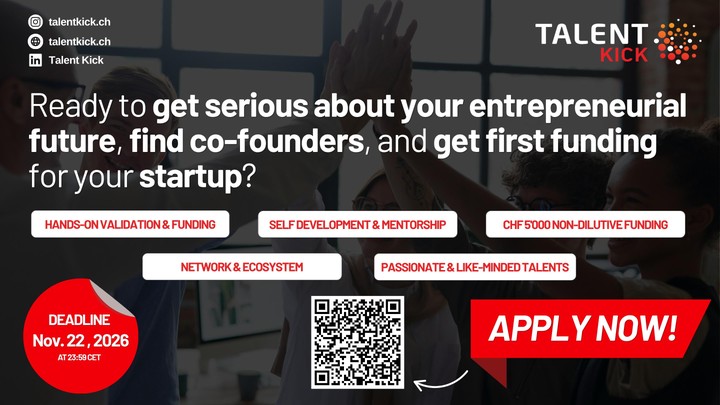
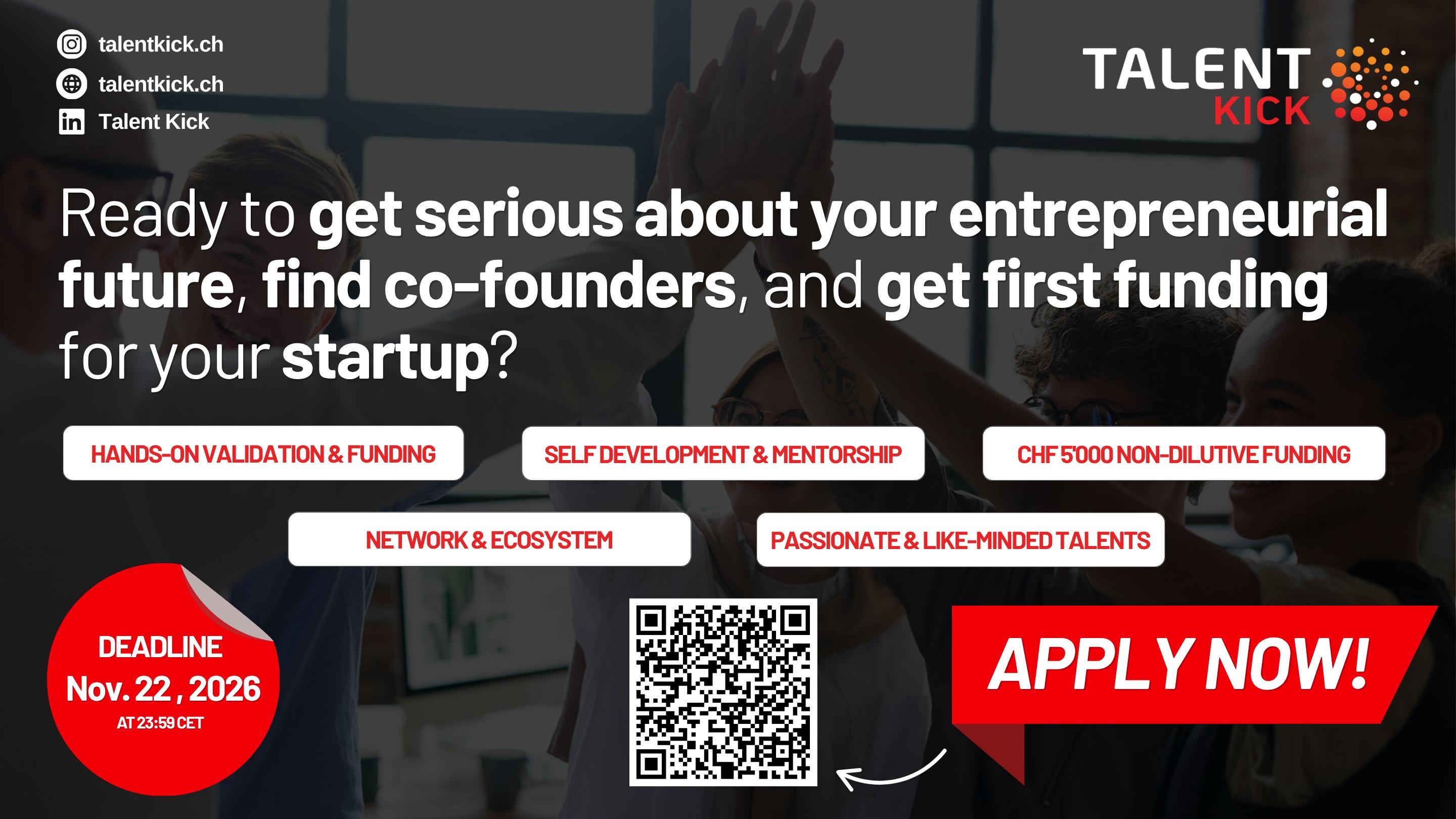
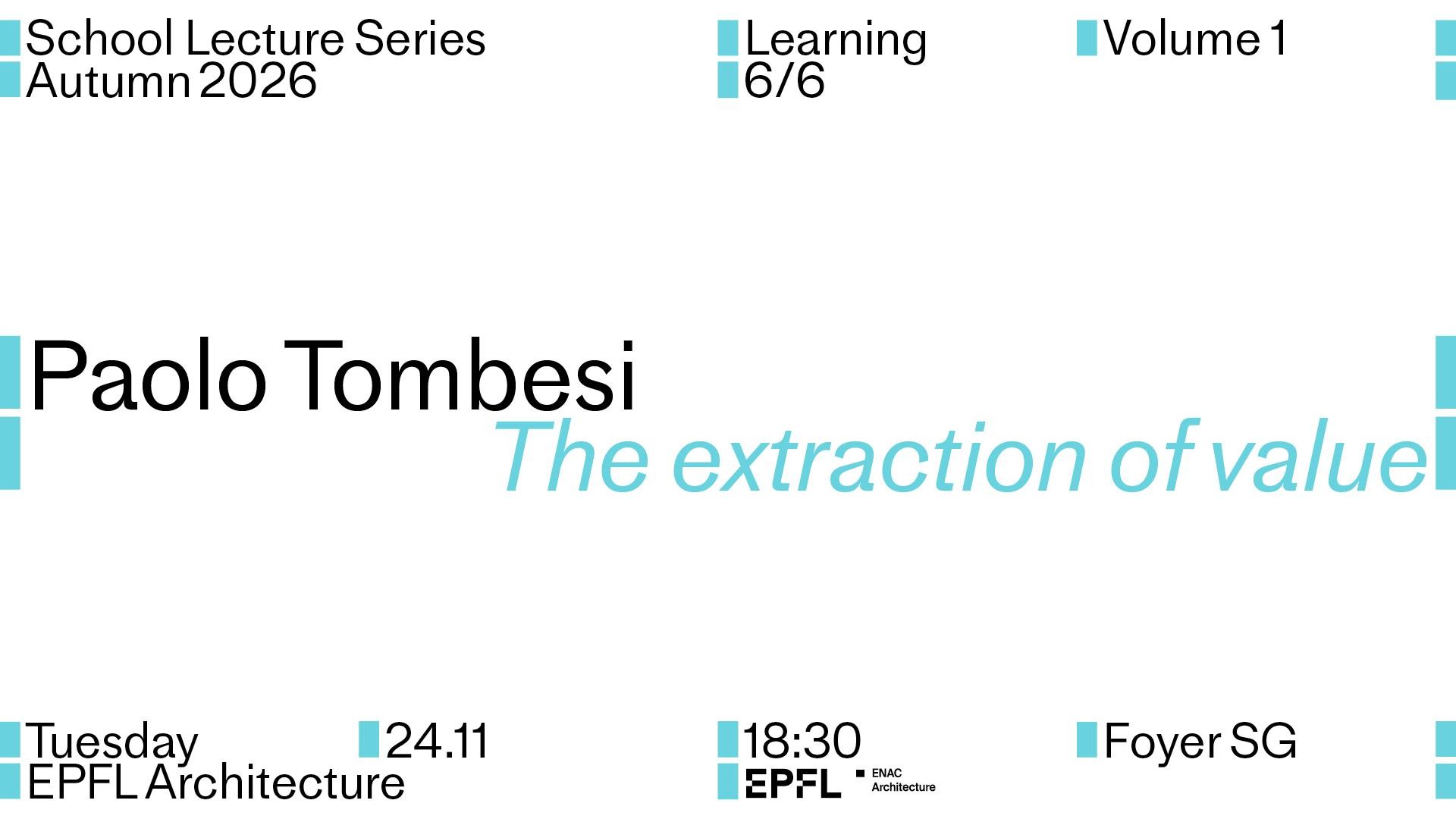
{ "count": 264, "next": "https://memento.epfl.ch/api/v1/events/?format=api&limit=10&offset=180&ordering=event__end_date", "previous": "https://memento.epfl.ch/api/v1/events/?format=api&limit=10&offset=160&ordering=event__end_date", "results": [ { "id": 72184, "title": "Journées d’information 2026", "slug": "journees-dinformation-2026", "event_url": "https://memento.epfl.ch/event/journees-dinformation-2026", "visual_url": "https://memento.epfl.ch/image/33466/200x112.jpg", "visual_large_url": "https://memento.epfl.ch/image/33466/720x405.jpg", "visual_maxsize_url": "https://memento.epfl.ch/image/33466/max-size.jpg", "lang": "en", "start_date": "2026-11-18", "end_date": "2026-11-20", "start_time": "09:30:00", "end_time": "17:15:00", "description": "<strong>Un événement d’envergure pour préparer son avenir</strong>.<br>\r\n<br>\r\nComme chaque année, l’EPFL, via son Service de promotion de l’éducation et en collaboration avec ses facultés, se réjouit d'accueillir les gymnasiennes et gymnasiens sur son campus. L’École propose de venir découvrir ses filières de formation, sa communauté estudiantine, son corps enseignant, ses équipes de recherche, les divers services dédiés aux étudiantes et étudiants débutant à l’EPFL, ainsi que les multiples associations chargées d’animer la vie sociale et culturelle du campus.", "image_description": "", "creation_date": "2026-06-26T14:12:22", "last_modification_date": "2026-06-26T14:19:28", "link_label": "Journées d'information", "link_url": "https://www.epfl.ch/education/bachelor/fr/journees-d-information/", "canceled": "False", "cancel_reason": "", "place_and_room": "STCC 2 9428", "url_place_and_room": "https://plan.epfl.ch/?room==STCC%202%209428", "url_online_room": "", "spoken_languages": [ "https://memento.epfl.ch/api/v1/spoken_languages/1/?format=api", "https://memento.epfl.ch/api/v1/spoken_languages/3/?format=api", "https://memento.epfl.ch/api/v1/spoken_languages/4/?format=api" ], "speaker": "", "organizer": "Service de promotion de l'éducation - SPE", "contact": "Kerstin Haack", "is_internal": "False", "theme": "", "vulgarization": { "id": 1, "fr_label": "Tout public", "en_label": "General public" }, "registration": { "id": 1, "fr_label": "Sur inscription", "en_label": "Registration required" }, "keywords": "", "file": null, "icalendar_url": "https://memento.epfl.ch/event/export/121194/", "category": { "id": 1, "code": "CONF", "fr_label": "Conférences - Séminaires", "en_label": "Conferences - Seminars", "activated": true }, "academic_calendar_category": null, "domains": [], "mementos": [ "https://memento.epfl.ch/api/v1/mementos/1/?format=api", "https://memento.epfl.ch/api/v1/mementos/3/?format=api", "https://memento.epfl.ch/api/v1/mementos/4/?format=api", "https://memento.epfl.ch/api/v1/mementos/5/?format=api", "https://memento.epfl.ch/api/v1/mementos/6/?format=api", "https://memento.epfl.ch/api/v1/mementos/8/?format=api", "https://memento.epfl.ch/api/v1/mementos/21/?format=api", "https://memento.epfl.ch/api/v1/mementos/22/?format=api", "https://memento.epfl.ch/api/v1/mementos/27/?format=api", "https://memento.epfl.ch/api/v1/mementos/79/?format=api", "https://memento.epfl.ch/api/v1/mementos/83/?format=api", "https://memento.epfl.ch/api/v1/mementos/145/?format=api" ] }, { "id": 72221, "title": "Formation continue: Intégration du photovoltaïque à l’enveloppe du bâtiment: Conception, caractéristiques des produits et cadre réglementaire. Microcredential (MC) de 3 jours", "slug": "formation-continue-integration-du-photovoltaique-3", "event_url": "https://memento.epfl.ch/event/formation-continue-integration-du-photovoltaique-3", "visual_url": "https://memento.epfl.ch/image/33501/200x112.jpg", "visual_large_url": "https://memento.epfl.ch/image/33501/720x405.jpg", "visual_maxsize_url": "https://memento.epfl.ch/image/33501/max-size.jpg", "lang": "en", "start_date": "2026-11-06", "end_date": "2026-11-20", "start_time": null, "end_time": null, "description": "<strong>A qui le cours s’adresse-t-il ? </strong><br>\r\nCette formation continue Microcredential (MC) en <strong>photovoltaïque intégré aux bâtiments (BIPV)</strong> s’adresse principalement aux architectes, ingénieur-es, professionnel-les de la construction, gestionnaires de projets, ainsi qu’aux représentants-es d’instances cantonales ou communales et de la communauté académique. Que vous soyez actif-ve dans un bureau d’architecture, une entreprise de construction.<br>\r\n <br>\r\n<strong>Qu’allez-vous apprendre ?</strong><br>\r\nLe cours vise à équiper les professionnel-les expérimenté-es avec les compétences requises pour appliquer cette technologie dès les premières phases de conception ou de rénovation d’un bâtiment. Elle offre l’opportunité d’optimiser ce projet afin qu’il réponde efficacement aux enjeux climatiques et énergétiques actuels.\r\n<ul>\r\n\t<li>Comprendre les méthodes et techniques d’intégration des composants photovoltaïques à l’enveloppe des bâtiments, tant pour le neuf que pour l’existant</li>\r\n\t<li>Identifier les caractéristiques techniques, physiques et commerciales des différents produits photovoltaïques</li>\r\n\t<li>Connaître la réglementation, les dispositifs de soutien institutionnel et les normes de certification relatives à l’intégration photovoltaïque dans les bâtiments neufs et existants</li>\r\n</ul>\r\n<strong>Le micro-credential (MC)</strong> d’1 crédit ECTS en <strong>photovoltaïque intégré aux bâtiments (BIPV)</strong> se déroule sur 3 jours.\r\n\r\n<ul>\r\n\t<li><strong>Vendredi 6 novembre 2026</strong>, de 8h00 à 17h00<br>\r\n\tCampus UNIL-EPFL, Lausanne<br>\r\n\tApéro dînatoire (optionnel): de 17h00 à 19h00</li>\r\n\t<li><strong>Vendredi 13 novembre 2026</strong>, de 8h00 à 17h00<br>\r\n\tWorb (BE)</li>\r\n\t<li><strong>Vendredi 20 novembre 2026</strong>, de 8h00 à 18h00<br>\r\n\tCampus UNIL-EPFL, Lausanne</li>\r\n</ul>\r\n<strong>Délai d’inscription</strong><br>\r\n7 septembre 2026<br>\r\n <br>\r\n<strong>Pour plus d’informations et pour vous inscrire, consultez notre site web :</strong> <a href=\"http://https/www.formation-continue-unil-epfl.ch/formation/integration-photovoltaique/\"><strong>https://www.formation-continue-unil-epfl.ch/formation/integration-photovoltaique/</strong></a><br>\r\n<strong>ou contactez-nous à : </strong><a href=\"mailto:[email protected]?subject=Formation%20BIPV\"><strong>[email protected]</strong></a>", "image_description": "", "creation_date": "2026-07-09T16:25:45", "last_modification_date": "2026-07-09T16:29:34", "link_label": "Webpage", "link_url": "https://www.formation-continue-unil-epfl.ch/formation/integration-photovoltaique/", "canceled": "False", "cancel_reason": "", "place_and_room": "", "url_place_and_room": "", "url_online_room": "", "spoken_languages": [ "https://memento.epfl.ch/api/v1/spoken_languages/1/?format=api", "https://memento.epfl.ch/api/v1/spoken_languages/2/?format=api" ], "speaker": "", "organizer": "<a href=\"https://www.formation-continue-unil-epfl.ch/formation/integration-photovoltaique/\">UNIL / EPFL Formation continue</a> <a href=\"mailto:[email protected]?subject=Formation%20Continue%20BIPV\">Energy Center</a>", "contact": "<a href=\"mailto:[email protected]?subject=Formation%20continue%3A%20Int%C3%A9gration%20du%20photovolta%C3%AFque%20%C3%A0%20l%E2%80%99enveloppe%20du%20b%C3%A2timent%3A%20Conception%2C%20caract%C3%A9ristiques%20des%20produits%20et%20cadre%20r%C3%A9glementaire\"><strong>[email protected]</strong></a>", "is_internal": "False", "theme": "", "vulgarization": { "id": 2, "fr_label": "Public averti", "en_label": "Informed public" }, "registration": { "id": 1, "fr_label": "Sur inscription", "en_label": "Registration required" }, "keywords": "formation continue BIPV, formation photovoltaïque intégrée au bâtiment, cours photovoltaïque bâtiment, énergie solaire dans le bâtiment, formation ingénierie, formation énergie solaire, formation pour architectes, formation façade solaire, architecture photovoltaïque", "file": "https://memento.epfl.ch/public/upload/files/FormationIntegrationphotovoltaiqueNov2026.pdf", "icalendar_url": "https://memento.epfl.ch/event/export/121246/", "category": { "id": 4, "code": "DIVERS", "fr_label": "Autres types d’événement", "en_label": "Miscellaneous", "activated": true }, "academic_calendar_category": null, "domains": [], "mementos": [ "https://memento.epfl.ch/api/v1/mementos/4/?format=api", "https://memento.epfl.ch/api/v1/mementos/105/?format=api", "https://memento.epfl.ch/api/v1/mementos/135/?format=api" ] }, { "id": 72232, "title": "REGARD Workshop: Pitching myself for industry: Honing my application skills", "slug": "regard-workshop-pitching-myself-for-industry-honin", "event_url": "https://memento.epfl.ch/event/regard-workshop-pitching-myself-for-industry-honin", "visual_url": "https://memento.epfl.ch/image/33511/200x112.jpg", "visual_large_url": "https://memento.epfl.ch/image/33511/720x405.jpg", "visual_maxsize_url": "https://memento.epfl.ch/image/33511/max-size.jpg", "lang": "en", "start_date": "2026-11-20", "end_date": "2026-11-20", "start_time": "09:00:00", "end_time": "17:00:00", "description": "<strong>Target audience: Women - PhD candidates, intermediate academic staff, professors</strong><br>\r\n <br>\r\nBridging the gap from academia to industry requires adapting our frame of mind, discourse and posture to a new and sometimes unfamiliar audience! We will together - in two stand-alone and complementary one-day workshops - build your road map for change from academia to industry.<br>\r\n In this Workshop, you will together: \r\n<ol>\r\n\t<li>Share application and networking successes and challenges</li>\r\n\t<li>Explore how to effectively communicate your uniqueness and talents</li>\r\n\t<li>Maximise your changes of securing that interview</li>\r\n\t<li>Role play the bilateral interview process : pitch and Q&A</li>\r\n\t<li>Decide on the next milestone of your roadmap for success</li>\r\n\t<li> Together we’ll refine your personalised strategy and action plan !</li>\r\n</ol>\r\n <br>\r\n<strong>Approach</strong><br>\r\nThis interactive workshop will, through a hands-on experiential learning approach, help you embrace your personal road map for change. You will explore the best practice approach to applying and networking and hone your pitch and interview skills as you bridge the gap from academia to industry. And build your network of peers in a safe and confidential framework.", "image_description": "", "creation_date": "2026-07-14T11:25:12", "last_modification_date": "2026-07-14T11:37:16", "link_label": "Website", "link_url": "https://www.unifr.ch/regard/fr/ateliers/descriptifs-des-ateliers.html#:~:text=Pitching%20myself%20for%20industry%3A%20Honing%20my%20application%20skills", "canceled": "False", "cancel_reason": "", "place_and_room": "ONLINE", "url_place_and_room": "", "url_online_room": "", "spoken_languages": [ "https://memento.epfl.ch/api/v1/spoken_languages/2/?format=api" ], "speaker": "<a href=\"https://www.johnstonebusinesscoaching.com/\"><strong>Romaine Johnstone</strong></a>, Coache Professionnelle certifiée ORSC™ - Formatrice - Consultante", "organizer": "<a href=\"https://www.unifr.ch/regard/fr/programme/equipe.html\">REGARD</a> ", "contact": "<a href=\"mailto:[email protected]\">Chantal Mellier</a>", "is_internal": "False", "theme": "", "vulgarization": { "id": 2, "fr_label": "Public averti", "en_label": "Informed public" }, "registration": { "id": 1, "fr_label": "Sur inscription", "en_label": "Registration required" }, "keywords": "", "file": null, "icalendar_url": "https://memento.epfl.ch/event/export/121262/", "category": { "id": 15, "code": "FORM", "fr_label": "Formations internes", "en_label": "Internal trainings", "activated": true }, "academic_calendar_category": null, "domains": [], "mementos": [ "https://memento.epfl.ch/api/v1/mementos/3/?format=api", "https://memento.epfl.ch/api/v1/mementos/4/?format=api", "https://memento.epfl.ch/api/v1/mementos/5/?format=api", "https://memento.epfl.ch/api/v1/mementos/6/?format=api", "https://memento.epfl.ch/api/v1/mementos/8/?format=api", "https://memento.epfl.ch/api/v1/mementos/21/?format=api" ] }, { "id": 72626, "title": "TBA", "slug": "tba-141", "event_url": "https://memento.epfl.ch/event/tba-141", "visual_url": "https://memento.epfl.ch/image/33870/200x112.jpg", "visual_large_url": "https://memento.epfl.ch/image/33870/720x405.jpg", "visual_maxsize_url": "https://memento.epfl.ch/image/33870/max-size.jpg", "lang": "en", "start_date": "2026-11-20", "end_date": "2026-11-20", "start_time": "15:15:00", "end_time": "16:45:00", "description": "<p>tba</p>", "image_description": "", "creation_date": "2026-09-20T13:23:48", "last_modification_date": "2026-09-20T13:27:02", "link_label": "", "link_url": "https://www.epfl.ch/schools/sb/research/math/statistics-seminars/", "canceled": "False", "cancel_reason": "", "place_and_room": "CM 1 517", "url_place_and_room": "https://plan.epfl.ch/?room==CM%201%20517", "url_online_room": "", "spoken_languages": [ "https://memento.epfl.ch/api/v1/spoken_languages/2/?format=api" ], "speaker": "Johannes Schmidt-Hieber, WIAS Berlin", "organizer": "Myrto Limnios", "contact": "Maroussia Schaffner", "is_internal": "False", "theme": "", "vulgarization": { "id": 2, "fr_label": "Public averti", "en_label": "Informed public" }, "registration": { "id": 3, "fr_label": "Entrée libre", "en_label": "Free" }, "keywords": "", "file": null, "icalendar_url": "https://memento.epfl.ch/event/export/121867/", "category": { "id": 1, "code": "CONF", "fr_label": "Conférences - Séminaires", "en_label": "Conferences - Seminars", "activated": true }, "academic_calendar_category": null, "domains": [], "mementos": [ "https://memento.epfl.ch/api/v1/mementos/1/?format=api", "https://memento.epfl.ch/api/v1/mementos/5/?format=api", "https://memento.epfl.ch/api/v1/mementos/6/?format=api", "https://memento.epfl.ch/api/v1/mementos/288/?format=api" ] }, { "id": 71803, "title": "Coding Club for Girls in Basel", "slug": "coding-club-for-girls-in-basel-9", "event_url": "https://memento.epfl.ch/event/coding-club-for-girls-in-basel-9", "visual_url": "https://memento.epfl.ch/image/33172/200x112.jpg", "visual_large_url": "https://memento.epfl.ch/image/33172/720x405.jpg", "visual_maxsize_url": "https://memento.epfl.ch/image/33172/max-size.jpg", "lang": "en", "start_date": "2026-10-31", "end_date": "2026-11-21", "start_time": "09:30:00", "end_time": "16:00:00", "description": "<p>Eine App programmieren? Ein Computerspiel erfinden? Eine Animation gestalten?<br>\r\nWenn dich eines dieser Dinge interessiert, bist du hier am richtigen Ort! Tausche und teile deine Ideen, lerne zu programmieren und entdecke Informatikberufe.<br>\r\n<br>\r\nDie <a href=\"https://www.epfl.ch/education/education-and-science-outreach/de/jugendliche/coding-club/\">Coding Club for Girls</a> Workshops sind für Mädchen im Alter von 11 bis 15 Jahren und die Teilnahme ist kostenlos. Ab der Teilnahme an vier Workshops pro Jahr wird eine Teilnahmebestätigung ausgehändigt. <br>\r\n<br>\r\n<strong>Ort:</strong> Brunnmatt - Schule, Basel<br>\r\n<br>\r\n<strong>Datum und Zeit:</strong><br>\r\n<strong>31. Oktober 2026 : 09:30 bis 12:00 oder 13:30 bis 16:00 Uhr // GameDesign<br>\r\n07. November 2026 : 09:30 bis 12:00 oder 13:30 bis 16:00 Uhr // Pixel Art<br>\r\n14. November 2026 : 09:30 bis 12:00 oder 13:30 bis 16:00 Uhr // Scratch-me<br>\r\n21. November 2026 : 09:30 bis 12:00 oder 13:30 bis 16:00 Uhr // Schildkröte in Python</strong><br>\r\nDie Inhalte der Workshops sind untenstehend beschrieben.<br>\r\n<br>\r\n<strong>Bedingungen</strong>\r\n</p><ul>\r\n\t<li>Gratis</li>\r\n\t<li><a href=\"https://forms.gle/RmtySRRtMtQrZRcMA\">Anmeldung unter diesem Link </a></li>\r\n\t<li><a href=\"https://www.epfl.ch/education/education-and-science-outreach/de/teilnahmebedingungen/\">Allgemeine Teilnahmebedingungen EPFL - SPS Aktivitäten</a> </li>\r\n</ul>\r\n<strong>Workshops:</strong><br>\r\n<strong>GameDesign - Samstag, 31. Oktober 2026</strong><br>\r\nErlebe neue Abenteuer mit unserem Lieblingskater! Egal ob du Anfängerin oder bereits Scratch-Expertin bist, es warten neuen Aufgaben auf dich! <br>\r\n<br>\r\n<strong>Pixel Art - Samstag, 07. November 2026</strong><br>\r\nEntdecke zwei neue Programmiersprachen, JavaScript und HTML, indem du deine eigenen pixelisierten Kunstwerke gestaltest. Du wirst mit deinem Zeichenprogramm auch ein Rätselspiel für zwei Spielerinnen entwickeln.<br>\r\n<br>\r\n<strong>Scratch-me - Samstag, 14. November 2026</strong><br>\r\nEinführung in die Programmierlogik mit der Konzeption von Animationen, Spielen und vieles mehr! Codieren ist wie eine neue Sprache lernen. Worte zu kennen bedeutet nicht unbedingt, die Sprache zu beherrschen. Man muss die Worte auch in der richtigen Reihenfolge platzieren können. Bei diesem Workshop lernt ihr Scratch, eine vereinfachte Programmiersprache, die sich in der Form von Blöcken präsentiert, die man richtig zusammenstellen muss.<br>\r\n<br>\r\n<strong>Schildkröte in Python - Samstag, 21. November 2026</strong><br>\r\nEinführung in die Programmierlogik mit der Konzeption von Animationen, Spielen und vieles mehr! Codieren ist wie eine neue Sprache lernen. Worte zu kennen bedeutet nicht unbedingt, die Sprache zu beherrschen. Man muss die Worte auch in der richtigen Reihenfolge platzieren können. Bei diesem Workshop lernt ihr Scratch, eine vereinfachte Programmiersprache, die sich in der Form von Blöcken präsentiert, die man richtig zusammenstellen muss.<br>\r\n<br>\r\n<a href=\"https://forms.gle/RmtySRRtMtQrZRcMA\"><strong>Anmeldung</strong></a><br>\r\n ", "image_description": "", "creation_date": "2026-05-05T13:26:11", "last_modification_date": "2026-08-04T10:11:43", "link_label": "Anmeldung", "link_url": "https://forms.gle/RmtySRRtMtQrZRcMA", "canceled": "False", "cancel_reason": "", "place_and_room": "Schule Brunnmatt, Ingelsteinweg 6 · 4053 Basel", "url_place_and_room": "https://www.bing.com/maps/search?mepi=0%7E%7EEmbedded%7EAddress_Link&ty=18&v=2&sV=1&FORM=MPSRPL&q=Brunnmatt-Schule&ss=id.ypid%3AYN47136F006BD8BCD1&ppois=47.53946304321289_7.592767715454102_Brunnmatt-Schule_YN47136F006BD8BCD1%7E&cp=47.539463%7E7.592768&lvl=11&style=r", "url_online_room": "", "spoken_languages": [ "https://memento.epfl.ch/api/v1/spoken_languages/3/?format=api" ], "speaker": "", "organizer": "<a href=\"https://www.epfl.ch/education/education-and-science-outreach/fr/index-fr-html/promotion-des-sciences/\">A</a><a href=\"https://www.epfl.ch/education/education-and-science-outreach/de/wissenschaftsfoerderung/\">bteilung für Wissenschaftsförderung (SPS) der EPFL</a> ", "contact": "[email protected] ", "is_internal": "False", "theme": "", "vulgarization": { "id": 1, "fr_label": "Tout public", "en_label": "General public" }, "registration": { "id": 1, "fr_label": "Sur inscription", "en_label": "Registration required" }, "keywords": "Coding Club for Girls, Deutsch, SPS, Jugendliche, Basel, BS, BL", "file": null, "icalendar_url": "https://memento.epfl.ch/event/export/120656/", "category": { "id": 18, "code": "YOUTHSCIENCE", "fr_label": "Activités scientifiques pour les jeunes", "en_label": "Sciences Activities for Youth", "activated": true }, "academic_calendar_category": null, "domains": [], "mementos": [ "https://memento.epfl.ch/api/v1/mementos/1/?format=api", "https://memento.epfl.ch/api/v1/mementos/6/?format=api", "https://memento.epfl.ch/api/v1/mementos/27/?format=api", "https://memento.epfl.ch/api/v1/mementos/170/?format=api" ] }, { "id": 72674, "title": "Talent Kick - Build your startup while studying", "slug": "talent-kick-build-your-startup-while-studying", "event_url": "https://memento.epfl.ch/event/talent-kick-build-your-startup-while-studying", "visual_url": "https://memento.epfl.ch/image/33900/200x112.jpg", "visual_large_url": "https://memento.epfl.ch/image/33900/720x405.jpg", "visual_maxsize_url": "https://memento.epfl.ch/image/33900/max-size.jpg", "lang": "en", "start_date": "2026-11-22", "end_date": "2026-11-22", "start_time": "11:00:00", "end_time": "12:00:00", "description": "<p>Are you a student or researcher interested in entrepreneurship? Whether you already have a technology or problem you want to explore, are looking for co-founders, or simply want to discover what building a startup could look like, Talent Kick can help you take the next step.<br>\r\n<br>\r\n<a href=\"https://www.talentkick.ch/\">Talent Kick</a> is a free, cross-university entrepreneurship program that supports students and researchers in exploring promising ideas and technologies, finding co-founders and developing a startup alongside their studies.<br>\r\n<br>\r\nParticipants can benefit from:\r\n</p><ul>\r\n\t<li>up to CHF 5,000 in non-dilutive funding to test and validate their ideas</li>\r\n\t<li>support to find co-founders with complementary skills</li>\r\n\t<li>individual leadership coaching and expert mentorship</li>\r\n\t<li>connections to Switzerland's entrepreneurship and startup ecosystem</li>\r\n</ul>\r\n<strong>Spring 2027 applications</strong><br>\r\n<br>\r\nApplications for the Spring 2027 batch are open until <strong>22 November 2026</strong>. <a href=\"https://www.talentkick.ch/apply?utm_campaign=tk_s27_partners&utm_source=email&utm_medium=link\">Learn more and apply</a><br>\r\n<br>\r\n<strong>Discover Talent Kick at Immersion Day</strong><br>\r\n<br>\r\nCurious about the program before applying? Talent Kick Immersion Day on 14 October 2026 in Zurich brings together students, researchers, founders, alumni and members of the community for a day of founder stories, discussions and networking. Application deadline: <strong>27 September 2026. </strong><a href=\"https://www.talentkick.ch/immersionday2026?utm_campaign=tk_s27_partners&utm_source=email&utm_medium=link\">Learn more about Immersion Day</a>", "image_description": "", "creation_date": "2026-09-25T07:44:50", "last_modification_date": "2026-09-25T07:45:20", "link_label": "Talent Kick", "link_url": "https://www.talentkick.ch/", "canceled": "False", "cancel_reason": "", "place_and_room": "", "url_place_and_room": "", "url_online_room": "", "spoken_languages": [ "https://memento.epfl.ch/api/v1/spoken_languages/2/?format=api" ], "speaker": "", "organizer": "<a href=\"https://www.talentkick.ch/\">Talent Kick</a>", "contact": "<a href=\"mailto:[email protected]\">Cécila Molina</a>", "is_internal": "False", "theme": "", "vulgarization": { "id": 2, "fr_label": "Public averti", "en_label": "Informed public" }, "registration": { "id": 3, "fr_label": "Entrée libre", "en_label": "Free" }, "keywords": "startup; entrepreneurship", "file": null, "icalendar_url": "https://memento.epfl.ch/event/export/121927/", "category": { "id": 16, "code": "PROP", "fr_label": "Appel à proposition", "en_label": "Call for proposal", "activated": true }, "academic_calendar_category": null, "domains": [], "mementos": [ "https://memento.epfl.ch/api/v1/mementos/3/?format=api", "https://memento.epfl.ch/api/v1/mementos/119/?format=api", "https://memento.epfl.ch/api/v1/mementos/422/?format=api" ] }, { "id": 70604, "title": "Marie Skłodovska-Curie Doctoral Networks", "slug": "marie-skodovska-curie-doctoral-networks", "event_url": "https://memento.epfl.ch/event/marie-skodovska-curie-doctoral-networks", "visual_url": "https://memento.epfl.ch/image/32038/200x112.jpg", "visual_large_url": "https://memento.epfl.ch/image/32038/720x405.jpg", "visual_maxsize_url": "https://memento.epfl.ch/image/32038/max-size.jpg", "lang": "en", "start_date": "2026-11-24", "end_date": "2026-11-24", "start_time": null, "end_time": null, "description": "<strong>Aim</strong><br>\r\nThe <a href=\"https://marie-sklodowska-curie-actions.ec.europa.eu/funding/msca-doctoral-networks-2026\">Marie Skłodovska-Curie Doctoral Networks (MSCA-DN)</a> implement doctoral programs for training in research and transferable skills by partnerships of universities, research institutions and research infrastructures, businesses including SMEs, and other socio-economic actors from different countries across Europe and beyond. Doctoral candidates are exposed to the academic and non-academic sector to develop competences for innovation and to enhance employability.<br>\r\n<br>\r\nThere are 3 sub schemes for the MSCA DNs:\r\n<ul>\r\n\t<li><strong>Standard</strong> → PhD students must be enrolled for doctoral studies, the doctoral program includes secondments to project partners.</li>\r\n\t<li><strong>Industrial</strong> → PhD students must be enrolled for doctoral studies; they must spend 50% of their time in the non-academic sector.</li>\r\n\t<li><strong>Joint Doctorates</strong> → PhD students must be enrolled for doctoral studies which lead to a “joint doctoral degree”. EPFL can only participate if the following institutions (other than EPFL) participate in the project: ENS Lyon, UCLouvain and ETHZ.</li>\r\n\t<li><strong>RAISE DN </strong>→ for MSCA-DNs with a sole focus on AI in science, please check document nr. 1.2 in <a href=\"https://drive.google.com/drive/folders/1PsMroA250LXIZv9fCBKRlw-oncIA00ND\">the toolkit</a> for more information.</li>\r\n</ul>\r\n<strong>Duration and Funding</strong><br>\r\nThe consortium applies for a project with a duration of 4 years (exception for Joint Doctorates, duration is 5 years). The financial contribution covers the salaries of doctoral candidates for the duration of 3 years (4 years for Joint Doctorates) and research, training and networking costs covering the whole project duration. Doctoral candidates (DCs) may not have lived or worked in the country of the host organization for more than 12 months within the last 3 years prior to the employment of the DC on the project.<br>\r\n<br>\r\n<strong>Call information</strong><br>\r\nOpening: 28 May 2026<br>\r\nDeadline: 24 November 2026, 17:00 CET<br>\r\n<br>\r\n<strong>Support and information</strong><br>\r\nThe <a href=\"https://drive.google.com/drive/folders/1PsMroA250LXIZv9fCBKRlw-oncIA00ND\">EPFL toolkit</a> provides useful information for the proposal preparation (will be updated upon call opening).<br>\r\nContact <a href=\"mailto:[email protected]\">[email protected]</a> for any question and assistance with the proposal preparation.<br>\r\nThe MSCA National Contact Points organize an <a href=\"https://www.euresearch.ch/en/our-services/inform/events/msca-spotlight-on-the-doctoral-networks-call-2026-1486.html?date=1067\">online information event on 09 June 2025, 09:00 – 09:45</a>.<br>\r\n ", "image_description": "", "creation_date": "2025-12-03T16:45:20", "last_modification_date": "2026-06-01T12:55:18", "link_label": "", "link_url": "", "canceled": "False", "cancel_reason": "", "place_and_room": "", "url_place_and_room": "", "url_online_room": "", "spoken_languages": [], "speaker": "", "organizer": "", "contact": "[email protected]", "is_internal": "False", "theme": "", "vulgarization": { "id": 1, "fr_label": "Tout public", "en_label": "General public" }, "registration": { "id": 3, "fr_label": "Entrée libre", "en_label": "Free" }, "keywords": "", "file": null, "icalendar_url": "https://memento.epfl.ch/event/export/118897/", "category": { "id": 16, "code": "PROP", "fr_label": "Appel à proposition", "en_label": "Call for proposal", "activated": true }, "academic_calendar_category": null, "domains": [], "mementos": [ "https://memento.epfl.ch/api/v1/mementos/140/?format=api" ] }, { "id": 72490, "title": "Velux Foundation: Challenges in Healthy Ageing", "slug": "velux-foundation-challenges-in-healthy-ageing", "event_url": "https://memento.epfl.ch/event/velux-foundation-challenges-in-healthy-ageing", "visual_url": "https://memento.epfl.ch/image/33756/200x112.jpg", "visual_large_url": "https://memento.epfl.ch/image/33756/720x405.jpg", "visual_maxsize_url": "https://memento.epfl.ch/image/33756/max-size.jpg", "lang": "en", "start_date": "2026-11-24", "end_date": "2026-11-24", "start_time": null, "end_time": null, "description": "<strong>IMPORTANT</strong>: As the call allows only a limited number of proposals per institution, candidates must first send an <strong><a href=\"https://drive.google.com/drive/folders/1pgftdmoRpZzNguYGx9Lh4jLMy3Ugy1JR\">Expression of Interest</a></strong> to the Research Office by <strong>28 September 2026</strong>.<br>\r\nAccess our internal toolkit and submission instructions <a href=\"https://drive.google.com/drive/folders/12FYfbEVAkXUPmL6zXRy5jntD1VVDoZ-L\"><strong>here</strong></a>:<br>\r\n<br>\r\n<strong>Goals</strong>\r\n<ul>\r\n\t<li>Understand how environments and context influence health and shape functional ability in older age.</li>\r\n\t<li>Examine how such factors affect whether healthy behaviours are easy or difficult, whether opportunities for participation exist, and whether older people can live independently.</li>\r\n\t<li>Support conditions that enable people to remain healthy, contribute to society, and pursue what matters to them for as long as possible.</li>\r\n</ul>\r\n<strong>Research Scope </strong>\r\n\r\n<ul>\r\n\t<li><strong>Go beyond single-cause thinking.</strong> Study how environmental and contextual factors interact to shape functional ability in later life.</li>\r\n\t<li><strong>Show the interaction, not just the factor.</strong> Capture pathways of risk and resilience, and identify which features are modifiable enough to act on.</li>\r\n\t<li><strong>Match method to ambition.</strong> Use systems thinking in established designs, or complex-systems methods directly and translate findings into scalable, context-sensitive solutions.</li>\r\n</ul>\r\n<strong>Priority Focus Areas </strong>\r\n\r\n<ul>\r\n\t<li>Changing the narrative of age and ageing</li>\r\n\t<li>Heat and out-of-home mobility & activity in later life</li>\r\n</ul>\r\n<strong>Out-of-scope topics</strong>\r\n\r\n<ul>\r\n\t<li>Research investigating the biology of ageing to slow, pause, or reverse the ageing process itself.</li>\r\n\t<li>Biomedical research on the aetiology, diagnosis, or therapy of specific age-related diseases.</li>\r\n</ul>\r\n<strong>Eligibility</strong>\r\n\r\n<ul>\r\n\t<li>At least <strong>two project partners (PI and co-PI)</strong> from different institutions.</li>\r\n\t<li><strong>PI</strong> must be a <strong>permanent employee </strong></li>\r\n\t<li>A maximum of 3 co-PIs is allowed. May be non-permanent employees.</li>\r\n\t<li>The number of collaborators is not limited.</li>\r\n\t<li>Co-PIs and collaborators from non-listed countries are permissible.</li>\r\n</ul>\r\n<strong>Funding and Duration </strong>\r\n\r\n<ul>\r\n\t<li><strong>CHF 75,000</strong>/year</li>\r\n\t<li>Projects can run for <strong>up to 4 years</strong></li>\r\n\t<li>Eligible budget categories include:\r\n\t<ul>\r\n\t\t<li>Salaries (for research staff – salaries for PI or other senior contributors to be covered through their employment)</li>\r\n\t\t<li>Consumables</li>\r\n\t\t<li>Knowledge transfer</li>\r\n\t\t<li>Stakeholder engagement</li>\r\n\t\t<li>Equipment</li>\r\n\t</ul>\r\n\t</li>\r\n\t<li><strong>Overhead is not Eligible</strong></li>\r\n</ul>\r\n<strong>Deadlines</strong>\r\n\r\n<ul>\r\n\t<li><strong>Internal deadline to express interest: </strong>28 September 2026</li>\r\n\t<li><strong>Submission deadline: </strong>24 November 2026, 23:59 CET</li>\r\n\t<li><strong>Final decision: </strong>June 2027</li>\r\n</ul>\r\n<strong>More Information</strong>\r\n\r\n<ul>\r\n\t<li><strong>Submission portal</strong>: <a href=\"https://portal.veluxstiftung.deskone.ch/login\" target=\"_new\">https://portal.veluxstiftung.deskone.ch/login</a></li>\r\n\t<li><strong>Full call document</strong>: <a href=\"https://veluxstiftung.ch/wp-content/uploads/HealthyAgeing-Call-for-proposals.pdf\">Call for proposals: Healthy Ageing PDF</a></li>\r\n\t<li><strong>Contact</strong>: <a href=\"mailto:[email protected]\">[email protected]</a></li>\r\n</ul>\r\n<br>\r\n ", "image_description": "", "creation_date": "2026-09-02T09:50:06", "last_modification_date": "2026-09-09T12:20:13", "link_label": "", "link_url": "", "canceled": "False", "cancel_reason": "", "place_and_room": "", "url_place_and_room": "", "url_online_room": "", "spoken_languages": [], "speaker": "", "organizer": "", "contact": "<a href=\"mailto:[email protected]\"><strong>[email protected]</strong></a><strong> </strong>", "is_internal": "False", "theme": "", "vulgarization": { "id": 1, "fr_label": "Tout public", "en_label": "General public" }, "registration": { "id": 3, "fr_label": "Entrée libre", "en_label": "Free" }, "keywords": "", "file": null, "icalendar_url": "https://memento.epfl.ch/event/export/121655/", "category": { "id": 16, "code": "PROP", "fr_label": "Appel à proposition", "en_label": "Call for proposal", "activated": true }, "academic_calendar_category": null, "domains": [], "mementos": [ "https://memento.epfl.ch/api/v1/mementos/1/?format=api", "https://memento.epfl.ch/api/v1/mementos/6/?format=api", "https://memento.epfl.ch/api/v1/mementos/140/?format=api" ] }, { "id": 72281, "title": "Do Robots Dream of Construction Sites? / ARCHIZOOM x CRCL", "slug": "do-robots-dream-of-construction-sites-archizoom--6", "event_url": "https://memento.epfl.ch/event/do-robots-dream-of-construction-sites-archizoom--6", "visual_url": "https://memento.epfl.ch/image/33549/200x112.jpg", "visual_large_url": "https://memento.epfl.ch/image/33549/720x405.jpg", "visual_maxsize_url": "https://memento.epfl.ch/image/33549/max-size.jpg", "lang": "en", "start_date": "2026-11-24", "end_date": "2026-11-24", "start_time": "17:30:00", "end_time": "18:15:00", "description": "<strong>Tuesday 24 November</strong><br>\r\n<strong>5.30pm –</strong> Guided tour of the exhibition by Stefana Parascho, director of the CRCL – Lab for Creative Computation at EPFL<br>\r\n<strong>6.30pm –</strong> Followed by the opening of the exhibition <em>The Extraction of Value</em> with Paolo Tombesi<br>\r\n<br>\r\nWhat if robots didn’t replace us, but worked alongside us? Robots are capable of assembling, analysing, experimenting and learning from their mistakes. Could they take on construction work without replacing human labour? Research carried out by the CRCL explores a form of collaboration between humans and machines that departs from the traditional promise of automation. It opens the way to more inclusive building sites and non-standardised, more environmentally friendly architecture that goes beyond the mere logic of replacement and productivity. <br>\r\n<br>\r\nCan we trust a robot on a building site? This guided tour explores what it means to build alongside increasingly capable machines, and how collaboration between humans and robots could affect our buildings, our trades and, by extension, our daily lives.<br>\r\n<br>\r\n<em>Robots in operation during guided tours !</em>", "image_description": "", "creation_date": "2026-07-27T16:15:08", "last_modification_date": "2026-07-27T16:16:15", "link_label": "Inscription", "link_url": "https://forms.gle/8mG39FYernNXnsJG6", "canceled": "False", "cancel_reason": "", "place_and_room": "Archizoom", "url_place_and_room": "https://plan.epfl.ch/?room==SG%201212", "url_online_room": "", "spoken_languages": [ "https://memento.epfl.ch/api/v1/spoken_languages/2/?format=api" ], "speaker": "Stefana Parascho", "organizer": "Archizoom ", "contact": "Cyril Veillon, Solène Hoffmann", "is_internal": "False", "theme": "", "vulgarization": { "id": 1, "fr_label": "Tout public", "en_label": "General public" }, "registration": { "id": 3, "fr_label": "Entrée libre", "en_label": "Free" }, "keywords": "Architecture, Technology, Construction, Robotic, Robots, Travail, Labor, Durability", "file": null, "icalendar_url": "https://memento.epfl.ch/event/export/121335/", "category": { "id": 9, "code": "MANIF", "fr_label": "Événements festifs et culturels", "en_label": "Cultural events", "activated": true }, "academic_calendar_category": null, "domains": [], "mementos": [ "https://memento.epfl.ch/api/v1/mementos/32/?format=api", "https://memento.epfl.ch/api/v1/mementos/1/?format=api", "https://memento.epfl.ch/api/v1/mementos/4/?format=api", "https://memento.epfl.ch/api/v1/mementos/6/?format=api", "https://memento.epfl.ch/api/v1/mementos/8/?format=api", "https://memento.epfl.ch/api/v1/mementos/45/?format=api", "https://memento.epfl.ch/api/v1/mementos/145/?format=api", "https://memento.epfl.ch/api/v1/mementos/22/?format=api", "https://memento.epfl.ch/api/v1/mementos/21/?format=api", "https://memento.epfl.ch/api/v1/mementos/417/?format=api" ] }, { "id": 72349, "title": "School Lecture Series: Paolo Tombesi / EPFL Architecture", "slug": "school-lecture-series-paolo-tombesi-epfl-architect", "event_url": "https://memento.epfl.ch/event/school-lecture-series-paolo-tombesi-epfl-architect", "visual_url": "https://memento.epfl.ch/image/33609/200x112.jpg", "visual_large_url": "https://memento.epfl.ch/image/33609/720x405.jpg", "visual_maxsize_url": "https://memento.epfl.ch/image/33609/max-size.jpg", "lang": "en", "start_date": "2026-11-24", "end_date": "2026-11-24", "start_time": "18:30:00", "end_time": "20:00:00", "description": "<strong>Exhibtion Opening Lecture</strong><br>\r\nThe extraction of value – Measurements, materials and craft<br>\r\n25.11.2026-24.04.2027<br>\r\nProduced in collaboration with the FAR<br>\r\n<br>\r\n<strong>The extraction of value – Measurements, materials and craft</strong><br>\r\nWhy and how do we take measurements across building? Does our professional identity determine our needs and methods? By comparing the measuring traditions of different actors, the lecture will clarify objectives and characteristics of the ruling tools in use. The idea is to show how measuring has always responded to multiple instrumental ideas of accuracy, which have in turn affected the production of information and the organization of work.<br>\r\n<br>\r\n<strong>Paolo Tombesi</strong><br>\r\nAn architect by training and a collector by nature, Paolo Tombesi has a long-nurtured interest in the relationship between the intellectual dimension of building and the socio-technical aspects of its construction. Several decades ago, upon the completion of a PhD on the distribution of technical knowledge in building, he started to collect rulers – a compulsion maintained while working at EPFL as professor of construction and architecture since 2016. Between 2017 and 2020, he directed the university’s Institute of Architecture and the City. Prior to his appointment in Lausanne, he held the Chair in Construction at Melbourne University. <br>\r\n<br>\r\n<strong>Part of School Lecture Series, Autumn 2026, Learning Vol.1</strong><br>\r\nWe are told that learning is no longer confined to the school or the university, but it has become a continuous process that involves the totality of life. Yet in accepting this reality, we take for granted several questions that loom large within the contemporary idea of learning. In a time when technology and information are ubiquitous, does it still make sense that for learning to happen or be confined within a place? Is learning still an asymmetrical relationship where there are teachers and a student? And above all, is learning accessible, or has it become too expensive a commodity? In this lecture series, we’ll attempt to answer these questions by investigating learning on different levels such as technology, construction systems, educational spaces, and above all, making architecture. Indeed, the question that is more than anything else crucial to us is whether architecture is still a place of learning and not only of empowering those who have capital to build it. We will look at schools, drawings, robots, and measuring devices. We will ponder whether these things are only ‘tools’ to achieve a result or can still be vital places for learning. <br>\r\n<br>\r\n<strong>Recordings available on YouTube</strong><br>\r\n@epflarchitectureschool<br>\r\n<br>\r\n<strong>Graphic Design</strong><br>\r\nRoman Karrer & Sandi Gazic", "image_description": "", "creation_date": "2026-08-14T16:47:31", "last_modification_date": "2026-08-17T13:20:45", "link_label": "Poster School Lecture Series Fall 2026", "link_url": "https://go.epfl.ch/school-lecture-series-fall-2026", "canceled": "False", "cancel_reason": "", "place_and_room": "Foyer SG", "url_place_and_room": "https://plan.epfl.ch/?room=%3DSG%20294.22&dim_floor=2&lang=fr&dim_lang=fr&tree_groups=centres_nevralgiques_grp%2Cmobilite_acces_grp%2Crestauration_et_commerces_grp%2Censeignement%2Cservices_campus_grp%2Cequipements_grp&tree_group_layers_centres_nevralgiques_grp=&tree_group_layers_mobilite_acces_grp=metro&tree_group_layers_restauration_et_commerces_grp=&tree_group_layers_enseignement=guichet_etudiants&tree_group_layers_services_campus_grp=information_epfl&tree_group_layers_equipements_grp=&baselayer_ref=grp_backgrounds&map_x=2532923&map_y=1152547&map_zoom=12", "url_online_room": "", "spoken_languages": [ "https://memento.epfl.ch/api/v1/spoken_languages/2/?format=api" ], "speaker": "Paolo Tombesi", "organizer": "<a href=\"http://[email protected]\" target=\"_blank\">EPFL Architecture</a>", "contact": "<a href=\"http://[email protected]\" target=\"_blank\">EPFL Architecture</a>", "is_internal": "False", "theme": "", "vulgarization": { "id": 1, "fr_label": "Tout public", "en_label": "General public" }, "registration": { "id": 3, "fr_label": "Entrée libre", "en_label": "Free" }, "keywords": "", "file": null, "icalendar_url": "https://memento.epfl.ch/event/export/121437/", "category": { "id": 1, "code": "CONF", "fr_label": "Conférences - Séminaires", "en_label": "Conferences - Seminars", "activated": true }, "academic_calendar_category": null, "domains": [], "mementos": [ "https://memento.epfl.ch/api/v1/mementos/4/?format=api", "https://memento.epfl.ch/api/v1/mementos/32/?format=api" ] } ] }