Event List
retrieve:
Return the details about the given Event id.
list:
List all Event objects.
GET /api/v1/events/?format=api&offset=20&ordering=-event__label_link
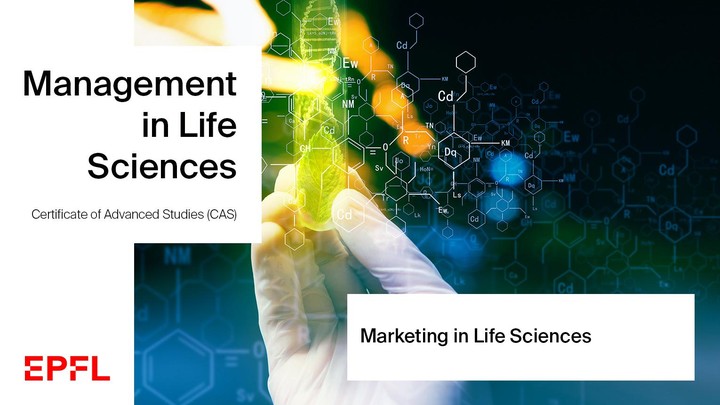
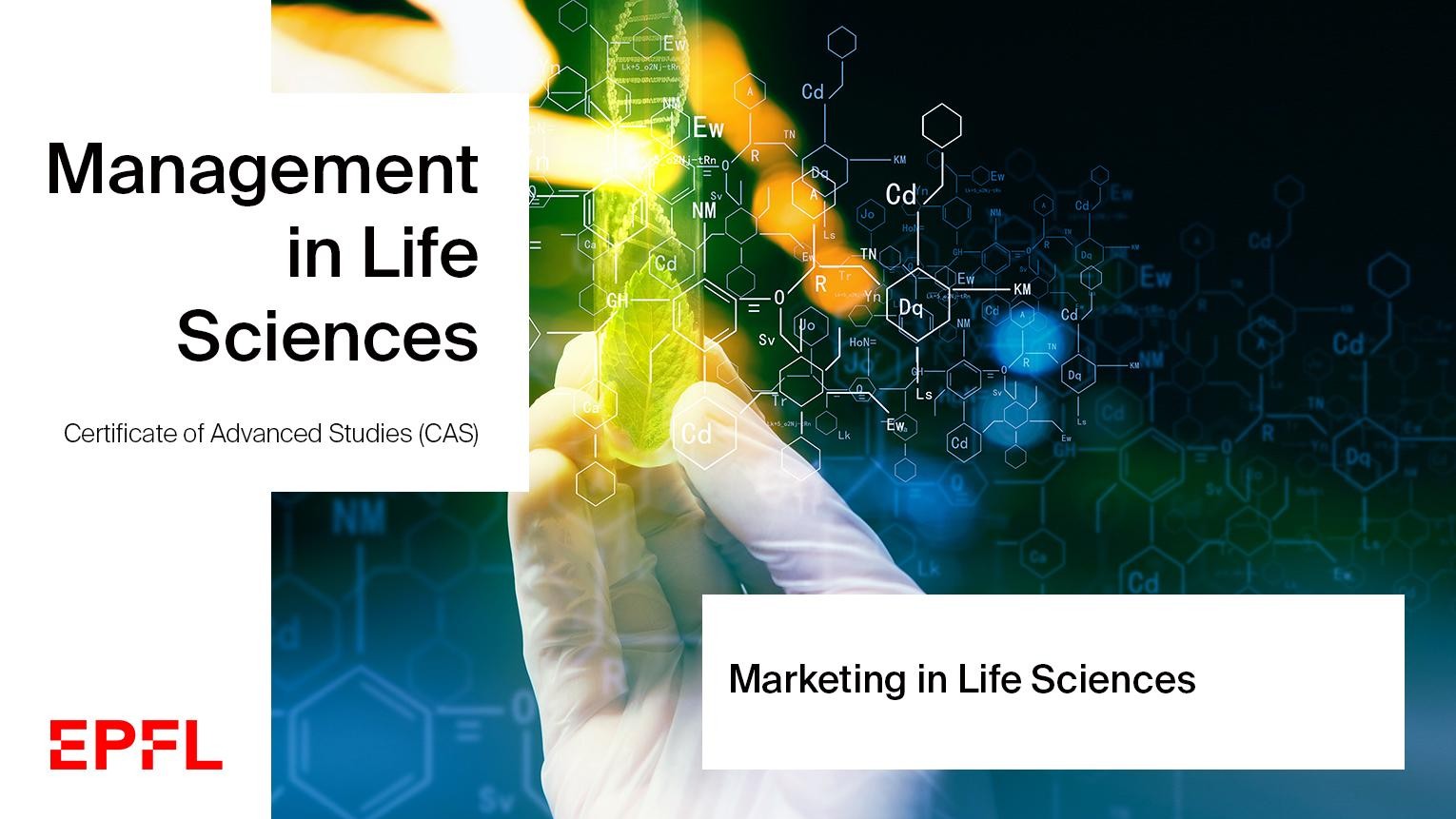
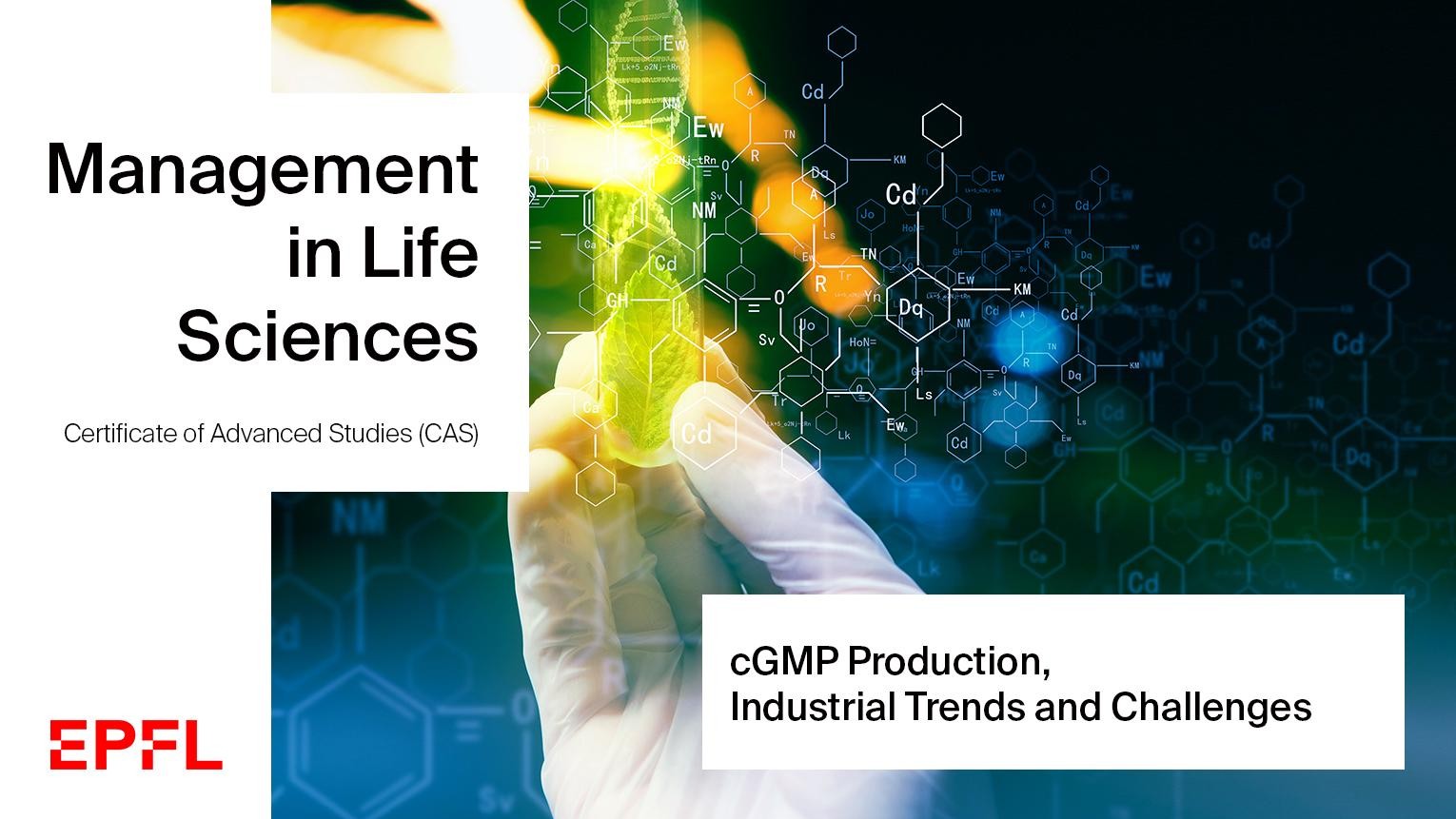
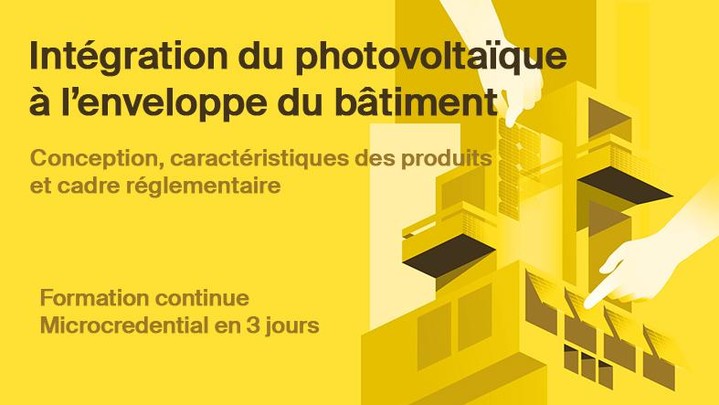
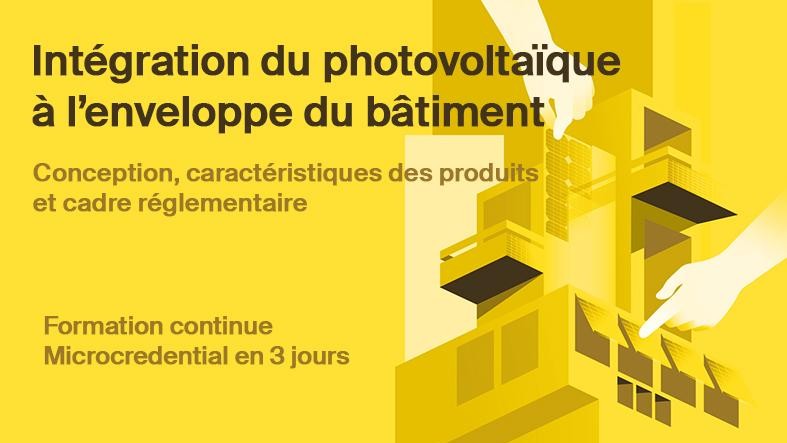
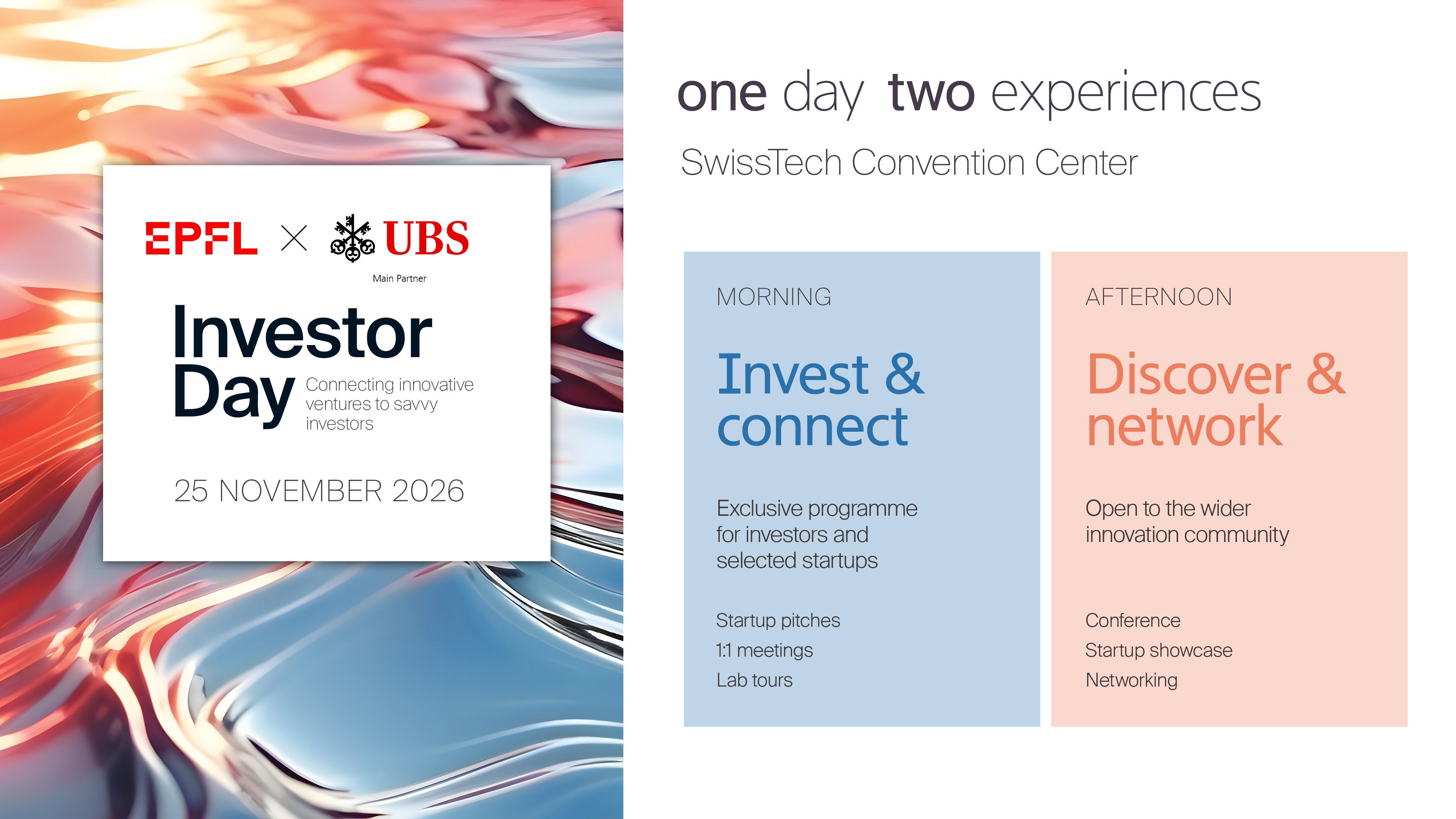
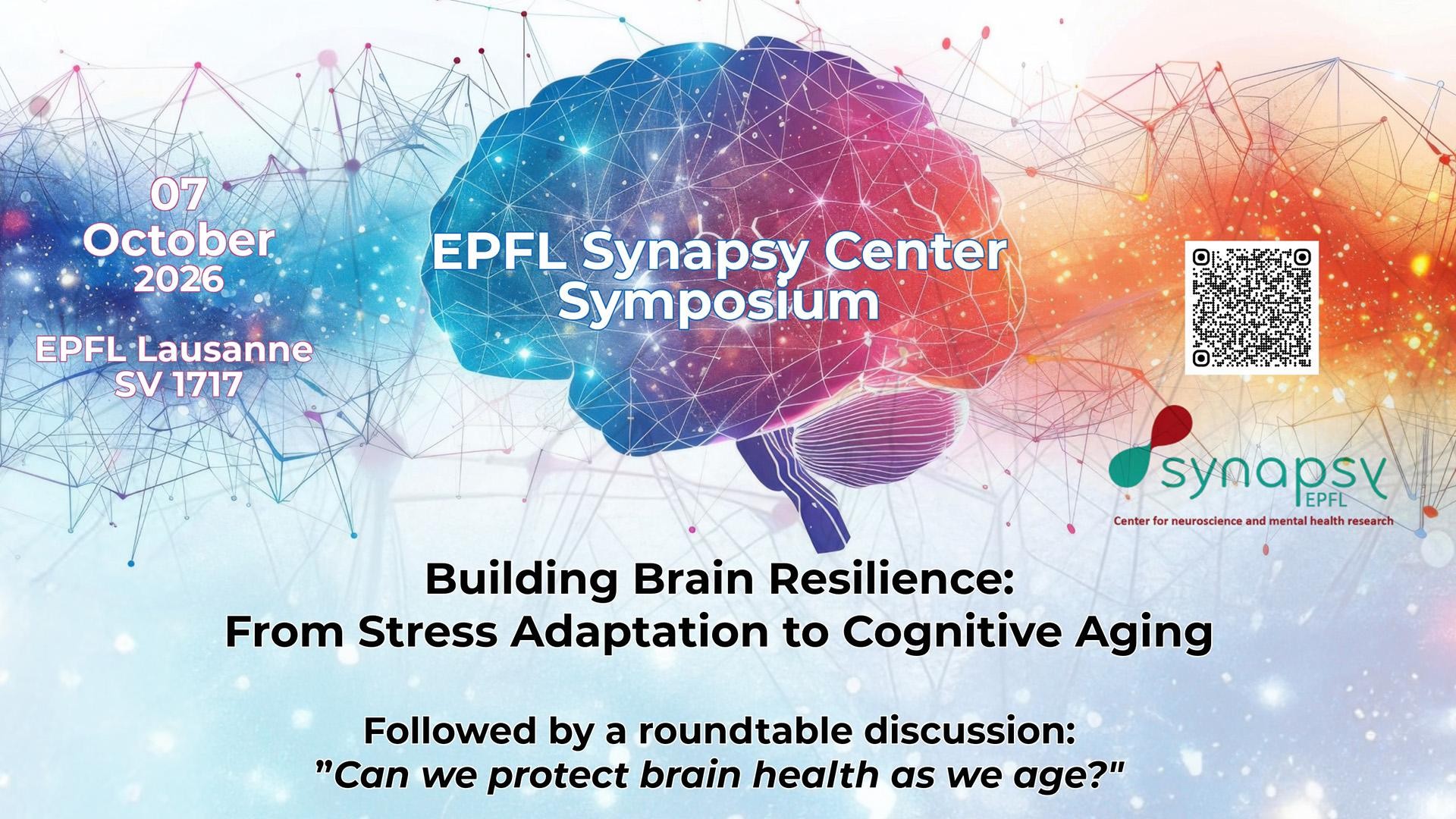
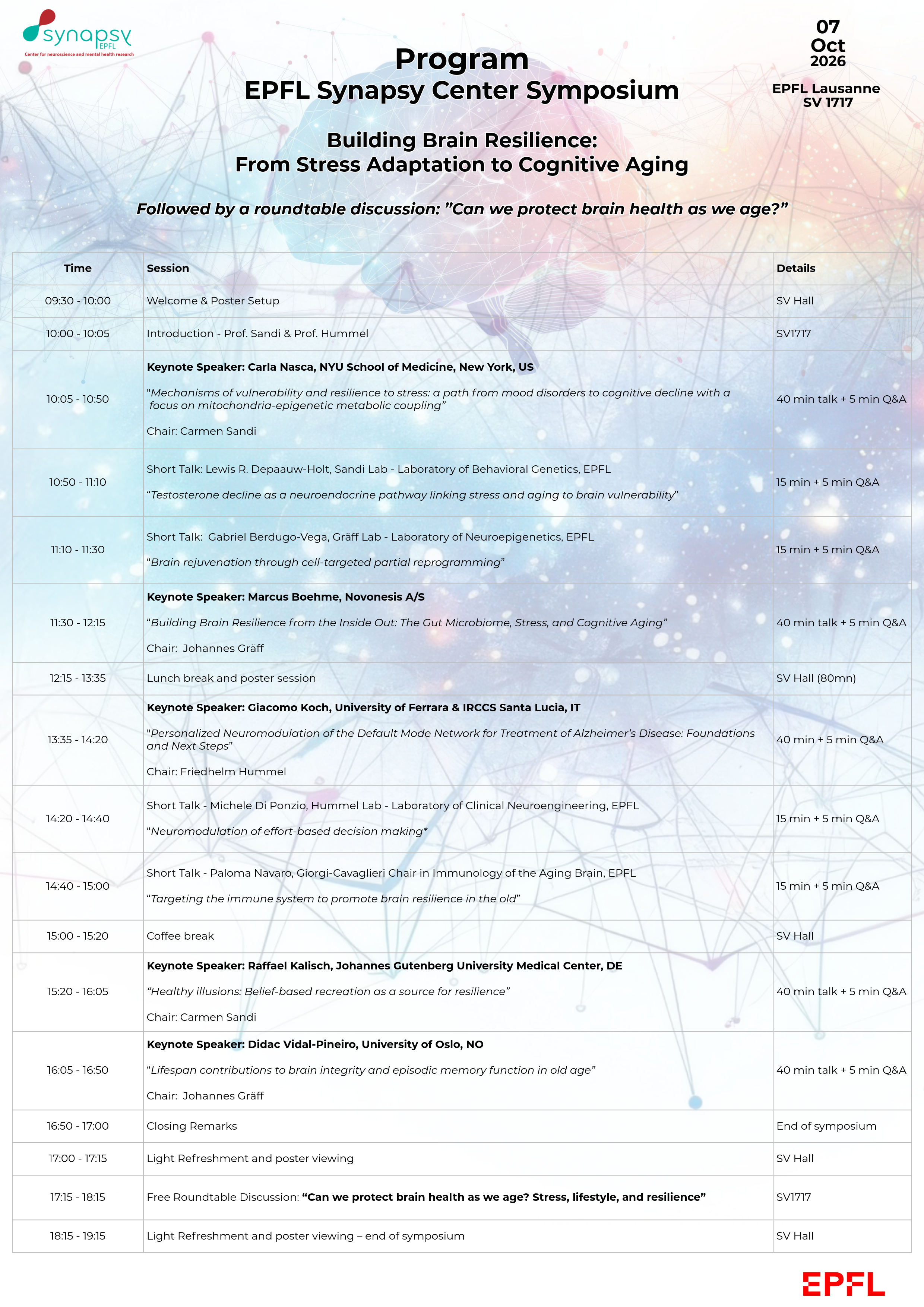
{ "count": 264, "next": "https://memento.epfl.ch/api/v1/events/?format=api&limit=10&offset=30&ordering=-event__label_link", "previous": "https://memento.epfl.ch/api/v1/events/?format=api&limit=10&offset=10&ordering=-event__label_link", "results": [ { "id": 72181, "title": "Marketing in Life Sciences [CAS Management in Life Sciences 2027]", "slug": "marketing-in-life-sciences-cas-management-in-lif-2", "event_url": "https://memento.epfl.ch/event/marketing-in-life-sciences-cas-management-in-lif-2", "visual_url": "https://memento.epfl.ch/image/33462/200x112.jpg", "visual_large_url": "https://memento.epfl.ch/image/33462/720x405.jpg", "visual_maxsize_url": "https://memento.epfl.ch/image/33462/max-size.jpg", "lang": "en", "start_date": "2027-05-11", "end_date": "2027-05-13", "start_time": null, "end_time": null, "description": "<strong>Module 5: Marketing in Life Sciences</strong><br>\r\n<br>\r\nThe key challenge in life sciences is growing the business in increasingly competitive and complex markets. In this module we examine the global market environment (access, customers, competitors, patient journeys, channels) and dive deep into the core methods for designing and implementing effective marketing strategies.<br>\r\n<br>\r\n*************<br>\r\n<br>\r\n<strong><u>About the CAS Managament in Life Sciences:</u><br>\r\nLeading multi-disciplinary projects in BioTech, MedTech and Pharma</strong><br>\r\n<br>\r\nThe world of therapeutic development is becoming increasingly complex. Competition is diversifying and innovating across industries, just as new regulations and multi-stakeholder engagements disrupt the competitive landscape. Challenge or opportunity? It is up to you!<br>\r\n<br>\r\nThis program explores the entire development process of therapeutic interventions, from initial planning all the way to commercialization, allowing our participants to deepen their expertise. They also learn the leadership qualities and management tools required to lead multi-disciplinary projects in Biotech, Medtech and Pharma ventures.<br>\r\n<br>\r\nThis Certificate of Advanced Studies (CAS) runs every year, from January to June at the EPFL Campus in Lausanne.\r\n<ul>\r\n\t<li>7 modules</li>\r\n\t<li>Flexible format</li>\r\n\t<li>Part-time</li>\r\n</ul>", "image_description": "", "creation_date": "2026-06-26T12:10:39", "last_modification_date": "2026-06-26T12:15:25", "link_label": "Webpage", "link_url": "http://go.epfl.ch/mls", "canceled": "False", "cancel_reason": "", "place_and_room": "ODY -1 0021", "url_place_and_room": "https://plan.epfl.ch/?room==ODY%20-1%200021", "url_online_room": "", "spoken_languages": [ "https://memento.epfl.ch/api/v1/spoken_languages/2/?format=api" ], "speaker": "", "organizer": "<a href=\"http://executive.epfl.ch\">EPFL Executive Education</a>", "contact": "[email protected]", "is_internal": "False", "theme": "", "vulgarization": { "id": 1, "fr_label": "Tout public", "en_label": "General public" }, "registration": { "id": 1, "fr_label": "Sur inscription", "en_label": "Registration required" }, "keywords": "Life Sciences", "file": null, "icalendar_url": "https://memento.epfl.ch/event/export/121190/", "category": { "id": 4, "code": "DIVERS", "fr_label": "Autres types d’événement", "en_label": "Miscellaneous", "activated": true }, "academic_calendar_category": null, "domains": [], "mementos": [ "https://memento.epfl.ch/api/v1/mementos/1/?format=api", "https://memento.epfl.ch/api/v1/mementos/3/?format=api", "https://memento.epfl.ch/api/v1/mementos/6/?format=api", "https://memento.epfl.ch/api/v1/mementos/9/?format=api", "https://memento.epfl.ch/api/v1/mementos/437/?format=api" ] }, { "id": 72182, "title": "Clinical Research & Product Development in Pharma and Biotech [CAS Management in Life Sciences 2027]", "slug": "clinical-research-product-development-in-pharma--2", "event_url": "https://memento.epfl.ch/event/clinical-research-product-development-in-pharma--2", "visual_url": "https://memento.epfl.ch/image/33463/200x112.jpg", "visual_large_url": "https://memento.epfl.ch/image/33463/720x405.jpg", "visual_maxsize_url": "https://memento.epfl.ch/image/33463/max-size.jpg", "lang": "en", "start_date": "2027-04-13", "end_date": "2027-04-15", "start_time": null, "end_time": null, "description": "<strong>Module 4: Clinical Research & Product Development in Pharma and Biotech</strong><br>\r\nOur Clinical Trial module addresses how to manage clinical trials within the appropriate legislative frameworks. We review the regulations that govern medical devices & therapeutics, and cover good practices in managing clinical trials.<br>\r\n<br>\r\n*************<br>\r\n<br>\r\n<strong><u>About the CAS Managament in Life Sciences:</u><br>\r\nLeading multi-disciplinary projects in BioTech, MedTech and Pharma</strong><br>\r\n<br>\r\nThe world of therapeutic development is becoming increasingly complex. Competition is diversifying and innovating across industries, just as new regulations and multi-stakeholder engagements disrupt the competitive landscape. Challenge or opportunity? It is up to you!<br>\r\n<br>\r\nThis program explores the entire development process of therapeutic interventions, from initial planning all the way to commercialization, allowing our participants to deepen their expertise. They also learn the leadership qualities and management tools required to lead multi-disciplinary projects in Biotech, Medtech and Pharma ventures.<br>\r\n<br>\r\nThis Certificate of Advanced Studies (CAS) runs every year, from January to June at the EPFL Campus in Lausanne.\r\n<ul>\r\n\t<li>7 modules</li>\r\n\t<li>Flexible format</li>\r\n\t<li>Part-time</li>\r\n</ul>", "image_description": "", "creation_date": "2026-06-26T12:16:26", "last_modification_date": "2026-06-26T12:17:00", "link_label": "Webpage", "link_url": "http://go.epfl.ch/mls", "canceled": "False", "cancel_reason": "", "place_and_room": "ODY -1 0021", "url_place_and_room": "https://plan.epfl.ch/?room==ODY%20-1%200021", "url_online_room": "", "spoken_languages": [ "https://memento.epfl.ch/api/v1/spoken_languages/2/?format=api" ], "speaker": "", "organizer": "<a href=\"http://executive.epfl.ch\">EPFL Executive Education</a>", "contact": "[email protected]", "is_internal": "False", "theme": "", "vulgarization": { "id": 1, "fr_label": "Tout public", "en_label": "General public" }, "registration": { "id": 1, "fr_label": "Sur inscription", "en_label": "Registration required" }, "keywords": "Life Sciences", "file": null, "icalendar_url": "https://memento.epfl.ch/event/export/121191/", "category": { "id": 4, "code": "DIVERS", "fr_label": "Autres types d’événement", "en_label": "Miscellaneous", "activated": true }, "academic_calendar_category": null, "domains": [], "mementos": [ "https://memento.epfl.ch/api/v1/mementos/1/?format=api", "https://memento.epfl.ch/api/v1/mementos/3/?format=api", "https://memento.epfl.ch/api/v1/mementos/6/?format=api", "https://memento.epfl.ch/api/v1/mementos/9/?format=api", "https://memento.epfl.ch/api/v1/mementos/437/?format=api" ] }, { "id": 72183, "title": "cGMP Production, Industrial Trends and Challenges [CAS Management in Life Sciences 2027]", "slug": "cgmp-production-industrial-trends-and-challenges-2", "event_url": "https://memento.epfl.ch/event/cgmp-production-industrial-trends-and-challenges-2", "visual_url": "https://memento.epfl.ch/image/33464/200x112.jpg", "visual_large_url": "https://memento.epfl.ch/image/33464/720x405.jpg", "visual_maxsize_url": "https://memento.epfl.ch/image/33464/max-size.jpg", "lang": "en", "start_date": "2027-06-01", "end_date": "2027-06-03", "start_time": null, "end_time": null, "description": "<strong>Module 6: cGMP Production, Industrial Trends and Challenges </strong><br>\r\n<br>\r\nManufacturing excellence in Pharma and Medtech contributes a growing share to an enterprise’s commercial success. In this module we address in a fully interactive and practical way how GMPs influence the development of products and the set up of Biomanufacturing and Medtech plants. During 3 intense days, we will go over Quality Systems, Process Development, facility set up and future trends in the industry that will also help to define what can be the facility of the future.<br>\r\n<br>\r\n*************<br>\r\n<br>\r\n<strong><u>About the CAS Managament in Life Sciences:</u><br>\r\nLeading multi-disciplinary projects in BioTech, MedTech and Pharma</strong><br>\r\n<br>\r\nThe world of therapeutic development is becoming increasingly complex. Competition is diversifying and innovating across industries, just as new regulations and multi-stakeholder engagements disrupt the competitive landscape. Challenge or opportunity? It is up to you!<br>\r\n<br>\r\nThis program explores the entire development process of therapeutic interventions, from initial planning all the way to commercialization, allowing our participants to deepen their expertise. They also learn the leadership qualities and management tools required to lead multi-disciplinary projects in Biotech, Medtech and Pharma ventures.<br>\r\n<br>\r\nThis Certificate of Advanced Studies (CAS) runs every year, from January to June at the EPFL Campus in Lausanne.\r\n<ul>\r\n\t<li>7 modules</li>\r\n\t<li>Flexible format</li>\r\n\t<li>Part-time</li>\r\n</ul>", "image_description": "", "creation_date": "2026-06-26T12:39:15", "last_modification_date": "2026-06-26T12:45:50", "link_label": "Webpage", "link_url": "http://go.epfl.ch/mls", "canceled": "False", "cancel_reason": "", "place_and_room": "ODY -1 0021", "url_place_and_room": "https://plan.epfl.ch/?room==ODY%20-1%200021", "url_online_room": "", "spoken_languages": [ "https://memento.epfl.ch/api/v1/spoken_languages/2/?format=api" ], "speaker": "", "organizer": "<a href=\"http://executive.epfl.ch\">EPFL Executive Education</a>", "contact": "[email protected]", "is_internal": "False", "theme": "", "vulgarization": { "id": 1, "fr_label": "Tout public", "en_label": "General public" }, "registration": { "id": 1, "fr_label": "Sur inscription", "en_label": "Registration required" }, "keywords": "Life Sciences", "file": null, "icalendar_url": "https://memento.epfl.ch/event/export/121192/", "category": { "id": 4, "code": "DIVERS", "fr_label": "Autres types d’événement", "en_label": "Miscellaneous", "activated": true }, "academic_calendar_category": null, "domains": [], "mementos": [ "https://memento.epfl.ch/api/v1/mementos/1/?format=api", "https://memento.epfl.ch/api/v1/mementos/3/?format=api", "https://memento.epfl.ch/api/v1/mementos/6/?format=api", "https://memento.epfl.ch/api/v1/mementos/9/?format=api", "https://memento.epfl.ch/api/v1/mementos/437/?format=api" ] }, { "id": 72221, "title": "Formation continue: Intégration du photovoltaïque à l’enveloppe du bâtiment: Conception, caractéristiques des produits et cadre réglementaire. Microcredential (MC) de 3 jours", "slug": "formation-continue-integration-du-photovoltaique-3", "event_url": "https://memento.epfl.ch/event/formation-continue-integration-du-photovoltaique-3", "visual_url": "https://memento.epfl.ch/image/33501/200x112.jpg", "visual_large_url": "https://memento.epfl.ch/image/33501/720x405.jpg", "visual_maxsize_url": "https://memento.epfl.ch/image/33501/max-size.jpg", "lang": "en", "start_date": "2026-11-06", "end_date": "2026-11-20", "start_time": null, "end_time": null, "description": "<strong>A qui le cours s’adresse-t-il ? </strong><br>\r\nCette formation continue Microcredential (MC) en <strong>photovoltaïque intégré aux bâtiments (BIPV)</strong> s’adresse principalement aux architectes, ingénieur-es, professionnel-les de la construction, gestionnaires de projets, ainsi qu’aux représentants-es d’instances cantonales ou communales et de la communauté académique. Que vous soyez actif-ve dans un bureau d’architecture, une entreprise de construction.<br>\r\n <br>\r\n<strong>Qu’allez-vous apprendre ?</strong><br>\r\nLe cours vise à équiper les professionnel-les expérimenté-es avec les compétences requises pour appliquer cette technologie dès les premières phases de conception ou de rénovation d’un bâtiment. Elle offre l’opportunité d’optimiser ce projet afin qu’il réponde efficacement aux enjeux climatiques et énergétiques actuels.\r\n<ul>\r\n\t<li>Comprendre les méthodes et techniques d’intégration des composants photovoltaïques à l’enveloppe des bâtiments, tant pour le neuf que pour l’existant</li>\r\n\t<li>Identifier les caractéristiques techniques, physiques et commerciales des différents produits photovoltaïques</li>\r\n\t<li>Connaître la réglementation, les dispositifs de soutien institutionnel et les normes de certification relatives à l’intégration photovoltaïque dans les bâtiments neufs et existants</li>\r\n</ul>\r\n<strong>Le micro-credential (MC)</strong> d’1 crédit ECTS en <strong>photovoltaïque intégré aux bâtiments (BIPV)</strong> se déroule sur 3 jours.\r\n\r\n<ul>\r\n\t<li><strong>Vendredi 6 novembre 2026</strong>, de 8h00 à 17h00<br>\r\n\tCampus UNIL-EPFL, Lausanne<br>\r\n\tApéro dînatoire (optionnel): de 17h00 à 19h00</li>\r\n\t<li><strong>Vendredi 13 novembre 2026</strong>, de 8h00 à 17h00<br>\r\n\tWorb (BE)</li>\r\n\t<li><strong>Vendredi 20 novembre 2026</strong>, de 8h00 à 18h00<br>\r\n\tCampus UNIL-EPFL, Lausanne</li>\r\n</ul>\r\n<strong>Délai d’inscription</strong><br>\r\n7 septembre 2026<br>\r\n <br>\r\n<strong>Pour plus d’informations et pour vous inscrire, consultez notre site web :</strong> <a href=\"http://https/www.formation-continue-unil-epfl.ch/formation/integration-photovoltaique/\"><strong>https://www.formation-continue-unil-epfl.ch/formation/integration-photovoltaique/</strong></a><br>\r\n<strong>ou contactez-nous à : </strong><a href=\"mailto:[email protected]?subject=Formation%20BIPV\"><strong>[email protected]</strong></a>", "image_description": "", "creation_date": "2026-07-09T16:25:45", "last_modification_date": "2026-07-09T16:29:34", "link_label": "Webpage", "link_url": "https://www.formation-continue-unil-epfl.ch/formation/integration-photovoltaique/", "canceled": "False", "cancel_reason": "", "place_and_room": "", "url_place_and_room": "", "url_online_room": "", "spoken_languages": [ "https://memento.epfl.ch/api/v1/spoken_languages/1/?format=api", "https://memento.epfl.ch/api/v1/spoken_languages/2/?format=api" ], "speaker": "", "organizer": "<a href=\"https://www.formation-continue-unil-epfl.ch/formation/integration-photovoltaique/\">UNIL / EPFL Formation continue</a> <a href=\"mailto:[email protected]?subject=Formation%20Continue%20BIPV\">Energy Center</a>", "contact": "<a href=\"mailto:[email protected]?subject=Formation%20continue%3A%20Int%C3%A9gration%20du%20photovolta%C3%AFque%20%C3%A0%20l%E2%80%99enveloppe%20du%20b%C3%A2timent%3A%20Conception%2C%20caract%C3%A9ristiques%20des%20produits%20et%20cadre%20r%C3%A9glementaire\"><strong>[email protected]</strong></a>", "is_internal": "False", "theme": "", "vulgarization": { "id": 2, "fr_label": "Public averti", "en_label": "Informed public" }, "registration": { "id": 1, "fr_label": "Sur inscription", "en_label": "Registration required" }, "keywords": "formation continue BIPV, formation photovoltaïque intégrée au bâtiment, cours photovoltaïque bâtiment, énergie solaire dans le bâtiment, formation ingénierie, formation énergie solaire, formation pour architectes, formation façade solaire, architecture photovoltaïque", "file": "https://memento.epfl.ch/public/upload/files/FormationIntegrationphotovoltaiqueNov2026.pdf", "icalendar_url": "https://memento.epfl.ch/event/export/121246/", "category": { "id": 4, "code": "DIVERS", "fr_label": "Autres types d’événement", "en_label": "Miscellaneous", "activated": true }, "academic_calendar_category": null, "domains": [], "mementos": [ "https://memento.epfl.ch/api/v1/mementos/4/?format=api", "https://memento.epfl.ch/api/v1/mementos/105/?format=api", "https://memento.epfl.ch/api/v1/mementos/135/?format=api" ] }, { "id": 72315, "title": "EPFL Investor Day 2026", "slug": "epfl-investor-day-2026-2", "event_url": "https://memento.epfl.ch/event/epfl-investor-day-2026-2", "visual_url": "https://memento.epfl.ch/image/33578/200x112.jpg", "visual_large_url": "https://memento.epfl.ch/image/33578/720x405.jpg", "visual_maxsize_url": "https://memento.epfl.ch/image/33578/max-size.jpg", "lang": "en", "start_date": "2026-11-25", "end_date": "2026-11-25", "start_time": "15:15:00", "end_time": "19:00:00", "description": "<p> <br>\r\nEPFL Investor Day 2026 brings together leading investors and ambitious deeptech startups from EPFL and across Western Switzerland.<br>\r\n<br>\r\nTaking place on Wednesday, <strong>25 November 2026</strong> at the SwissTech Convention Center, the event is structured in two parts:\r\n</p><ul>\r\n\t<li><u>A private morning session</u>: reserved for invited investors and selected entrepreneurs,\r\n\t<ul>\r\n\t\t<li>featuring startup pitches, curated one-on-one meetings and targeted networking opportunities.</li>\r\n\t</ul>\r\n\t</li>\r\n\t<li><u>An afternoon session:</u> open to everyone,\r\n\t<ul>\r\n\t\t<li>featuring inspiring keynotes, panel discussions and pitches from promising EPFL projects and startups in creation.</li>\r\n\t</ul>\r\n\t</li>\r\n</ul>\r\nWhether you are an investor, entrepreneur, researcher, student or innovation enthusiast, the afternoon programme offers a unique opportunity to discover emerging technologies and meet the people shaping tomorrow’s industries.<br>\r\n<br>\r\n<strong>Programme</strong><br>\r\nMorning session - By invitation only - Reserved for investors and selected entrepreneurs.\r\n<ul>\r\n\t<li>08:45 - Registration and welcome coffee</li>\r\n\t<li>09:30 - Opening address</li>\r\n\t<li>09:45 - Startup pitch sessions</li>\r\n\t<li>12:30 - Networking lunch</li>\r\n\t<li>From 13:00 - One-on-one meetings</li>\r\n\t<li>14:30 - Lab discovery tour for investors</li>\r\n</ul>\r\nAfternoon session - Open to everyone<br>\r\n<a href=\"https://www.b2match.com/e/investor-day-2026\">Registere here</a>, use this code: <strong>PlenaryID26</strong>\r\n\r\n<ul>\r\n\t<li>15:15 - Doors open</li>\r\n\t<li>15:30 - Conference: European Spinout Report</li>\r\n\t<li>16:00 - Keynotes and panel discussions</li>\r\n\t<li>17:30 - Startups in Creation pitch session</li>\r\n\t<li>18:00 - Closing remarks and networking aperitif</li>\r\n</ul>\r\n<br>\r\n<a href=\"https://www.epfl.ch/innovation/startup/community/events/investor-day/\">Programme and further information</a><br>\r\n<br>\r\nEPFL Investor Day 2026 is organised with <a href=\"https://www.ubs.com/ch/en/wealth-management/investment/products/private-investor-circle.html\">UBS </a>as main partner and with the support of <a href=\"https://ventures.swisscom.com/\">Swisscom Ventures</a> and the <a href=\"https://www.invest-vaud.ch/\">Canton of Vaud</a>.<br>\r\n<br>\r\n ", "image_description": "", "creation_date": "2026-08-07T16:24:50", "last_modification_date": "2026-09-23T09:16:06", "link_label": "Webpage", "link_url": "https://www.epfl.ch/innovation/startup/community/events/investor-day/", "canceled": "False", "cancel_reason": "", "place_and_room": "SwissTech Convention Center", "url_place_and_room": "https://plan.epfl.ch/?room==STCC%200%209407", "url_online_room": "", "spoken_languages": [ "https://memento.epfl.ch/api/v1/spoken_languages/2/?format=api" ], "speaker": "", "organizer": "Vice Presidency for Innovation and Impact", "contact": "<a href=\"mailto:[email protected]\">Aurelie Schick</a>", "is_internal": "False", "theme": "", "vulgarization": { "id": 2, "fr_label": "Public averti", "en_label": "Informed public" }, "registration": { "id": 1, "fr_label": "Sur inscription", "en_label": "Registration required" }, "keywords": "", "file": null, "icalendar_url": "https://memento.epfl.ch/event/export/121390/", "category": { "id": 1, "code": "CONF", "fr_label": "Conférences - Séminaires", "en_label": "Conferences - Seminars", "activated": true }, "academic_calendar_category": null, "domains": [], "mementos": [ "https://memento.epfl.ch/api/v1/mementos/1/?format=api", "https://memento.epfl.ch/api/v1/mementos/6/?format=api", "https://memento.epfl.ch/api/v1/mementos/119/?format=api", "https://memento.epfl.ch/api/v1/mementos/290/?format=api", "https://memento.epfl.ch/api/v1/mementos/416/?format=api", "https://memento.epfl.ch/api/v1/mementos/422/?format=api" ] }, { "id": 72610, "title": "Meet the TTO - October 2026", "slug": "meet-the-tto-october-2026", "event_url": "https://memento.epfl.ch/event/meet-the-tto-october-2026", "visual_url": "https://memento.epfl.ch/image/33855/200x112.jpg", "visual_large_url": "https://memento.epfl.ch/image/33855/720x405.jpg", "visual_maxsize_url": "https://memento.epfl.ch/image/33855/max-size.jpg", "lang": "en", "start_date": "2026-10-15", "end_date": "2026-10-15", "start_time": "11:30:00", "end_time": "12:15:00", "description": "<strong>A monthly gathering with the Technology Transfer Office team in a relaxed and informal setting.</strong><br>\r\n<br>\r\nConnect with the team to explore intellectual property, strategies for creating commercial value from your academic work, and technology transfer practices.<br>\r\n<br>\r\nDiscussions may cover\r\n<ul>\r\n\t<li>the inventive aspects of your research,</li>\r\n\t<li>patenting and commercial potential,</li>\r\n\t<li>software and AI/ML use,</li>\r\n\t<li>training data,</li>\r\n\t<li>and licensing terms for startups and companies.</li>\r\n</ul>\r\n<strong>Access:</strong> Open to the EPFL community (startup excluded)<br>\r\n<br>\r\n<strong>Upcoming dates</strong>: 12 November, and 10 December 2026", "image_description": "", "creation_date": "2026-09-17T14:35:33", "last_modification_date": "2026-09-17T15:07:31", "link_label": "webpage", "link_url": "https://www.epfl.ch/research/technology-transfer/explore-ask-learn-with-your-tto/", "canceled": "False", "cancel_reason": "", "place_and_room": "KNOVA, Building J, 2nd floor, EPFL Innovation Park", "url_place_and_room": "https://plan.epfl.ch/?room==QIJ%202%20138", "url_online_room": "", "spoken_languages": [ "https://memento.epfl.ch/api/v1/spoken_languages/2/?format=api" ], "speaker": "", "organizer": "<a href=\"https://www.epfl.ch/research/technology-transfer/\">EPFL TTO</a>", "contact": "<a href=\"mailto:[email protected]\">Bea Arnold</a> & <a href=\"mailto:[email protected]\">Lucia Pavan</a>", "is_internal": "True", "theme": "", "vulgarization": { "id": 2, "fr_label": "Public averti", "en_label": "Informed public" }, "registration": { "id": 3, "fr_label": "Entrée libre", "en_label": "Free" }, "keywords": "intellectual property; IP; commercial value; technology transfer", "file": null, "icalendar_url": "https://memento.epfl.ch/event/export/121846/", "category": { "id": 15, "code": "FORM", "fr_label": "Formations internes", "en_label": "Internal trainings", "activated": true }, "academic_calendar_category": null, "domains": [], "mementos": [ "https://memento.epfl.ch/api/v1/mementos/1/?format=api", "https://memento.epfl.ch/api/v1/mementos/3/?format=api", "https://memento.epfl.ch/api/v1/mementos/4/?format=api", "https://memento.epfl.ch/api/v1/mementos/5/?format=api", "https://memento.epfl.ch/api/v1/mementos/6/?format=api", "https://memento.epfl.ch/api/v1/mementos/8/?format=api", "https://memento.epfl.ch/api/v1/mementos/9/?format=api", "https://memento.epfl.ch/api/v1/mementos/119/?format=api" ] }, { "id": 72199, "title": "“Building Brain Resilience: From Stress Adaptation to Cognitive Aging” Symposium", "slug": "building-brain-resilience-from-stress-adaptation-t", "event_url": "https://memento.epfl.ch/event/building-brain-resilience-from-stress-adaptation-t", "visual_url": "https://memento.epfl.ch/image/33489/200x112.jpg", "visual_large_url": "https://memento.epfl.ch/image/33489/720x405.jpg", "visual_maxsize_url": "https://memento.epfl.ch/image/33489/max-size.jpg", "lang": "en", "start_date": "2026-10-07", "end_date": "2026-10-07", "start_time": "09:30:00", "end_time": "19:15:00", "description": "<p>This <a href=\"https://www.epfl.ch/research/domains/synapsy-research-center/synapsy-symposium-october-7-2026/building-brain-resilience-from-stress-adaptation-to-cognitive-aging-symposium/\">symposium</a>, taking place on <strong>October 7, 2026</strong> on the <strong>EPFL campus</strong>, aims to connect two rapidly advancing fields that too often remain separated: resilience to life stress (allostasis, plasticity and adaptation across body systems) and resilience to cognitive decline (cognitive reserve, brain maintenance and mechanisms relevant to dementia risk).<br>\r\n<br>\r\nThe <a href=\"https://www.epfl.ch/research/domains/synapsy-research-center/synapsy-symposium-october-7-2026/building-brain-resilience-from-stress-adaptation-to-cognitive-aging-symposium/registration/\">program</a> will combine a 1-day Scientific Symposium with internationally leading invited speakers alongside talks from the EPFL community.<br>\r\n<br>\r\nThe symposium will be followed by an early-evening <strong>roundtable</strong> intended to engage the broader campus community, including colleagues from the University of Lausanne and beyond – this roundtable will be part of the 2026 <a href=\"https://jours-sante.ch/en/\" rel=\"noopener\" target=\"_blank\">EPFL Jours Santé</a> program.\r\n</p><div><br>\r\n<a href=\"https://www.epfl.ch/research/domains/synapsy-research-center/synapsy-symposium-october-7-2026/building-brain-resilience-from-stress-adaptation-to-cognitive-aging-symposium/registration/\">Registration link</a>\r\n<figure class=\"image\"><img alt=\"\" height=\"976\" src=\"https://www.epfl.ch/research/domains/synapsy-research-center/wp-content/uploads/2026/06/Project-Poster-Sympo-Oct-7-2026.gif\" width=\"690\">\r\n<figcaption>© 2026 EPFL</figcaption>\r\n</figure>\r\n</div>", "image_description": "Symposium Program", "creation_date": "2026-07-03T21:21:41", "last_modification_date": "2026-08-26T13:03:54", "link_label": "Web Page", "link_url": "https://www.epfl.ch/research/domains/synapsy-research-center/synapsy-symposium-october-7-2026/building-brain-resilience-from-stress-adaptation-to-cognitive-aging-symposium/", "canceled": "False", "cancel_reason": "", "place_and_room": "SV 1717", "url_place_and_room": "https://plan.epfl.ch/?room==SV%201717", "url_online_room": "", "spoken_languages": [ "https://memento.epfl.ch/api/v1/spoken_languages/2/?format=api" ], "speaker": "Please see <a href=\"https://www.epfl.ch/research/domains/synapsy-research-center/program-2/\">Program</a>", "organizer": "Carmen Sandi, Johannes Gräff & Friedhelm Hummel", "contact": "[email protected] ", "is_internal": "False", "theme": "", "vulgarization": { "id": 2, "fr_label": "Public averti", "en_label": "Informed public" }, "registration": { "id": 1, "fr_label": "Sur inscription", "en_label": "Registration required" }, "keywords": "", "file": "https://memento.epfl.ch/public/upload/files/ProgramPosterSympoOct720263.png", "icalendar_url": "https://memento.epfl.ch/event/export/121212/", "category": { "id": 1, "code": "CONF", "fr_label": "Conférences - Séminaires", "en_label": "Conferences - Seminars", "activated": true }, "academic_calendar_category": null, "domains": [], "mementos": [ "https://memento.epfl.ch/api/v1/mementos/1/?format=api", "https://memento.epfl.ch/api/v1/mementos/6/?format=api", "https://memento.epfl.ch/api/v1/mementos/8/?format=api", "https://memento.epfl.ch/api/v1/mementos/9/?format=api", "https://memento.epfl.ch/api/v1/mementos/19/?format=api", "https://memento.epfl.ch/api/v1/mementos/392/?format=api" ] }, { "id": 72308, "title": "BMI Distinguished Seminar // Attila Losonczy", "slug": "bmi-distinguished-seminar-attila-losonczy", "event_url": "https://memento.epfl.ch/event/bmi-distinguished-seminar-attila-losonczy", "visual_url": "https://memento.epfl.ch/image/33572/200x112.jpg", "visual_large_url": "https://memento.epfl.ch/image/33572/720x405.jpg", "visual_maxsize_url": "https://memento.epfl.ch/image/33572/max-size.jpg", "lang": "en", "start_date": "2026-12-09", "end_date": "2026-12-09", "start_time": "12:15:00", "end_time": "13:15:00", "description": "<p>TBD</p>", "image_description": "", "creation_date": "2026-08-06T14:16:55", "last_modification_date": "2026-09-22T14:03:11", "link_label": "Web Page", "link_url": "https://zuckermaninstitute.columbia.edu/attila-losonczy-md-phd", "canceled": "False", "cancel_reason": "", "place_and_room": "SV 1717", "url_place_and_room": "https://plan.epfl.ch/?room==SV%201717", "url_online_room": "https://epfl.zoom.us/j/64813563657", "spoken_languages": [ "https://memento.epfl.ch/api/v1/spoken_languages/2/?format=api" ], "speaker": "Attila Losonczy, Columbia, US", "organizer": "SV BMI Host: J. Priestley", "contact": "[email protected]", "is_internal": "False", "theme": "", "vulgarization": { "id": 2, "fr_label": "Public averti", "en_label": "Informed public" }, "registration": { "id": 3, "fr_label": "Entrée libre", "en_label": "Free" }, "keywords": "", "file": null, "icalendar_url": "https://memento.epfl.ch/event/export/121378/", "category": { "id": 1, "code": "CONF", "fr_label": "Conférences - Séminaires", "en_label": "Conferences - Seminars", "activated": true }, "academic_calendar_category": null, "domains": [], "mementos": [ "https://memento.epfl.ch/api/v1/mementos/1/?format=api", "https://memento.epfl.ch/api/v1/mementos/6/?format=api", "https://memento.epfl.ch/api/v1/mementos/9/?format=api", "https://memento.epfl.ch/api/v1/mementos/19/?format=api", "https://memento.epfl.ch/api/v1/mementos/88/?format=api" ] }, { "id": 72622, "title": "BMI Distinguished Seminar // Gisella Vetere: From Memory Consolidation to Generalization: The Dynamic Evolution of Memory Engrams", "slug": "bmi-distinguished-seminar-gisella-vetere-from-memo", "event_url": "https://memento.epfl.ch/event/bmi-distinguished-seminar-gisella-vetere-from-memo", "visual_url": "https://memento.epfl.ch/image/33867/200x112.jpg", "visual_large_url": "https://memento.epfl.ch/image/33867/720x405.jpg", "visual_maxsize_url": "https://memento.epfl.ch/image/33867/max-size.jpg", "lang": "en", "start_date": "2026-10-28", "end_date": "2026-10-28", "start_time": "12:15:00", "end_time": "13:15:00", "description": "<p>Memories are not static representations but evolve over time through consolidation and their progressive reorganization across distributed brain networks. This process allows memories to remain persistent while also becoming sufficiently flexible to guide behavior in novel situations. In this seminar, Gisella Vetere will discuss how memory engrams are reorganized from learning to remote recall and how distinct neuronal ensembles contribute to the balance between memory specificity and generalization. Combining activity-dependent neuronal tagging, circuit manipulations, and brain-wide analyses, her research seeks to uncover how memories are transformed over time and how these transformations shape adaptive—and potentially maladaptive—behavior.<br>\r\n </p>", "image_description": "", "creation_date": "2026-09-18T13:21:09", "last_modification_date": "2026-09-22T14:03:25", "link_label": "Web page", "link_url": "https://veterelab.weebly.com/", "canceled": "False", "cancel_reason": "", "place_and_room": "SV 1717", "url_place_and_room": "https://plan.epfl.ch/?room==SV%201717", "url_online_room": "https://epfl.zoom.us/j/64813563657", "spoken_languages": [ "https://memento.epfl.ch/api/v1/spoken_languages/2/?format=api" ], "speaker": "Gisella Vetere, ESPCI, Paris, France", "organizer": "BMI SV Host: Johannes Gräff", "contact": "[email protected]", "is_internal": "False", "theme": "", "vulgarization": { "id": 2, "fr_label": "Public averti", "en_label": "Informed public" }, "registration": { "id": 3, "fr_label": "Entrée libre", "en_label": "Free" }, "keywords": "", "file": null, "icalendar_url": "https://memento.epfl.ch/event/export/121862/", "category": { "id": 1, "code": "CONF", "fr_label": "Conférences - Séminaires", "en_label": "Conferences - Seminars", "activated": true }, "academic_calendar_category": null, "domains": [], "mementos": [ "https://memento.epfl.ch/api/v1/mementos/1/?format=api", "https://memento.epfl.ch/api/v1/mementos/6/?format=api", "https://memento.epfl.ch/api/v1/mementos/9/?format=api", "https://memento.epfl.ch/api/v1/mementos/19/?format=api", "https://memento.epfl.ch/api/v1/mementos/88/?format=api" ] }, { "id": 72751, "title": "BMI Seminar // Peter Rupprecht: How to interpret neuronal calcium imaging data", "slug": "bmi-seminar-peter-rupprecht-how-to-interpret-neuro", "event_url": "https://memento.epfl.ch/event/bmi-seminar-peter-rupprecht-how-to-interpret-neuro", "visual_url": "https://memento.epfl.ch/image/33965/200x112.jpg", "visual_large_url": "https://memento.epfl.ch/image/33965/720x405.jpg", "visual_maxsize_url": "https://memento.epfl.ch/image/33965/max-size.jpg", "lang": "en", "start_date": "2026-10-23", "end_date": "2026-10-23", "start_time": "09:00:00", "end_time": "10:00:00", "description": "<p>How can we meaningfully interpret neuronal calcium imaging data? Calcium imaging is one of the key methods used to record neuronal activity from the brain of animals. I will outline why the interpretation of calcium signals remains a major bottleneck in understanding neuronal activity and plasticity. I will trace the origins of this problem and how partial solutions have been provided by my own and by others' work, and how these issues are affected by recording conditions and different calcium indicators (e.g., OGB-1, GCaMP6, GCaMP8). I will propose a conceptual path forward that could make calcium imaging a more powerful tool than it currently is.<br>\r\n </p>", "image_description": "", "creation_date": "2026-10-02T13:38:43", "last_modification_date": "2026-10-02T13:38:43", "link_label": "Web Page", "link_url": "https://www.hifo.uzh.ch/en/research/helmchen/Junior-Group-Peter-Rupprecht.html", "canceled": "False", "cancel_reason": "", "place_and_room": "SV 2510", "url_place_and_room": "https://plan.epfl.ch/?room==SV%202510", "url_online_room": "", "spoken_languages": [ "https://memento.epfl.ch/api/v1/spoken_languages/2/?format=api" ], "speaker": "Peter Rupprecht, University of Zürich, CH", "organizer": "LSENS, BMI, SV\r\n\r\nHost: Carl Petersen", "contact": "[email protected]", "is_internal": "False", "theme": "", "vulgarization": { "id": 2, "fr_label": "Public averti", "en_label": "Informed public" }, "registration": { "id": 3, "fr_label": "Entrée libre", "en_label": "Free" }, "keywords": "", "file": null, "icalendar_url": "https://memento.epfl.ch/event/export/122041/", "category": { "id": 1, "code": "CONF", "fr_label": "Conférences - Séminaires", "en_label": "Conferences - Seminars", "activated": true }, "academic_calendar_category": null, "domains": [], "mementos": [ "https://memento.epfl.ch/api/v1/mementos/1/?format=api", "https://memento.epfl.ch/api/v1/mementos/6/?format=api", "https://memento.epfl.ch/api/v1/mementos/9/?format=api", "https://memento.epfl.ch/api/v1/mementos/19/?format=api" ] } ] }