Event List
retrieve:
Return the details about the given Event id.
list:
List all Event objects.
GET /api/v1/events/?format=api&offset=20&ordering=-event__url_link
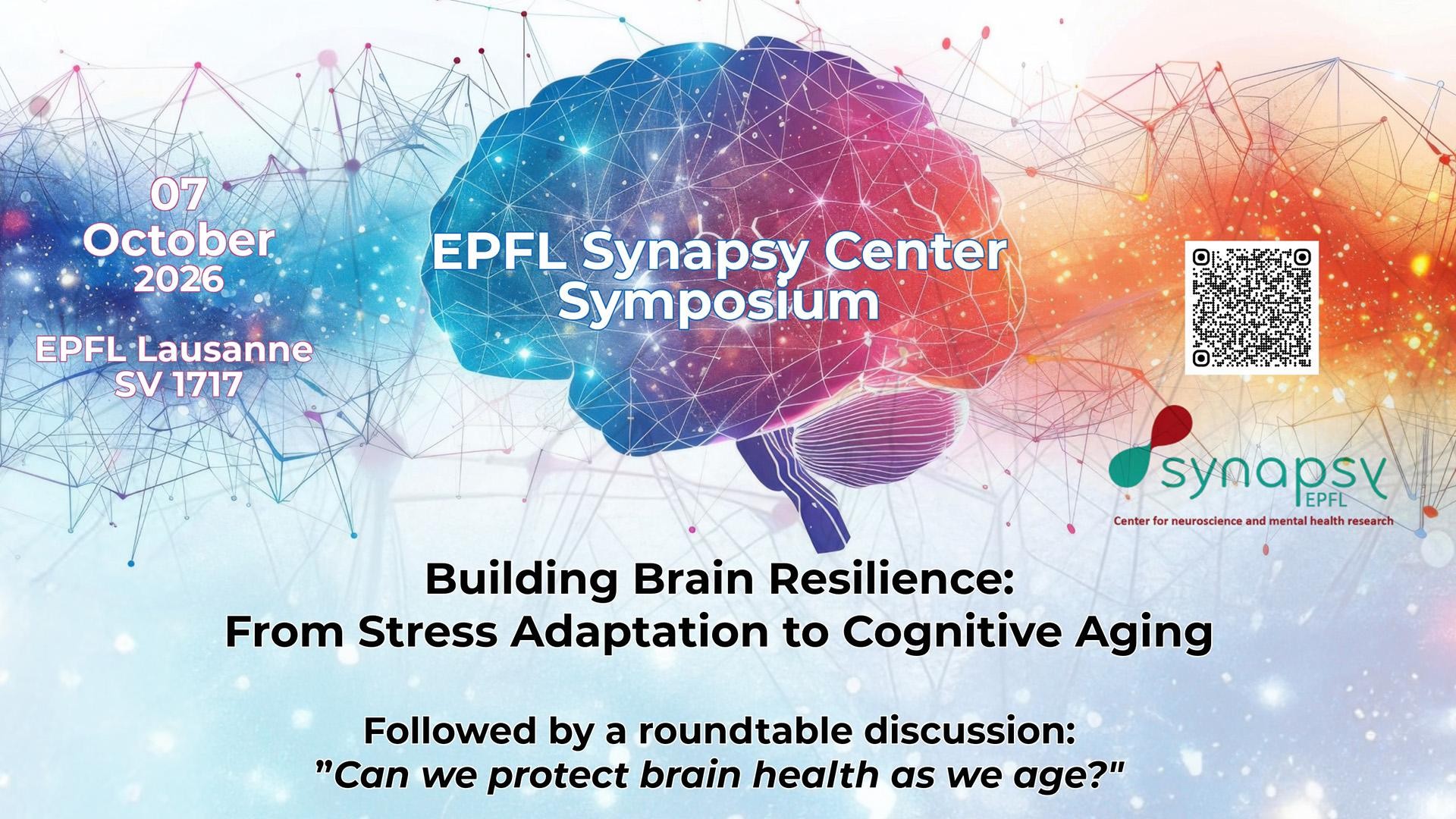
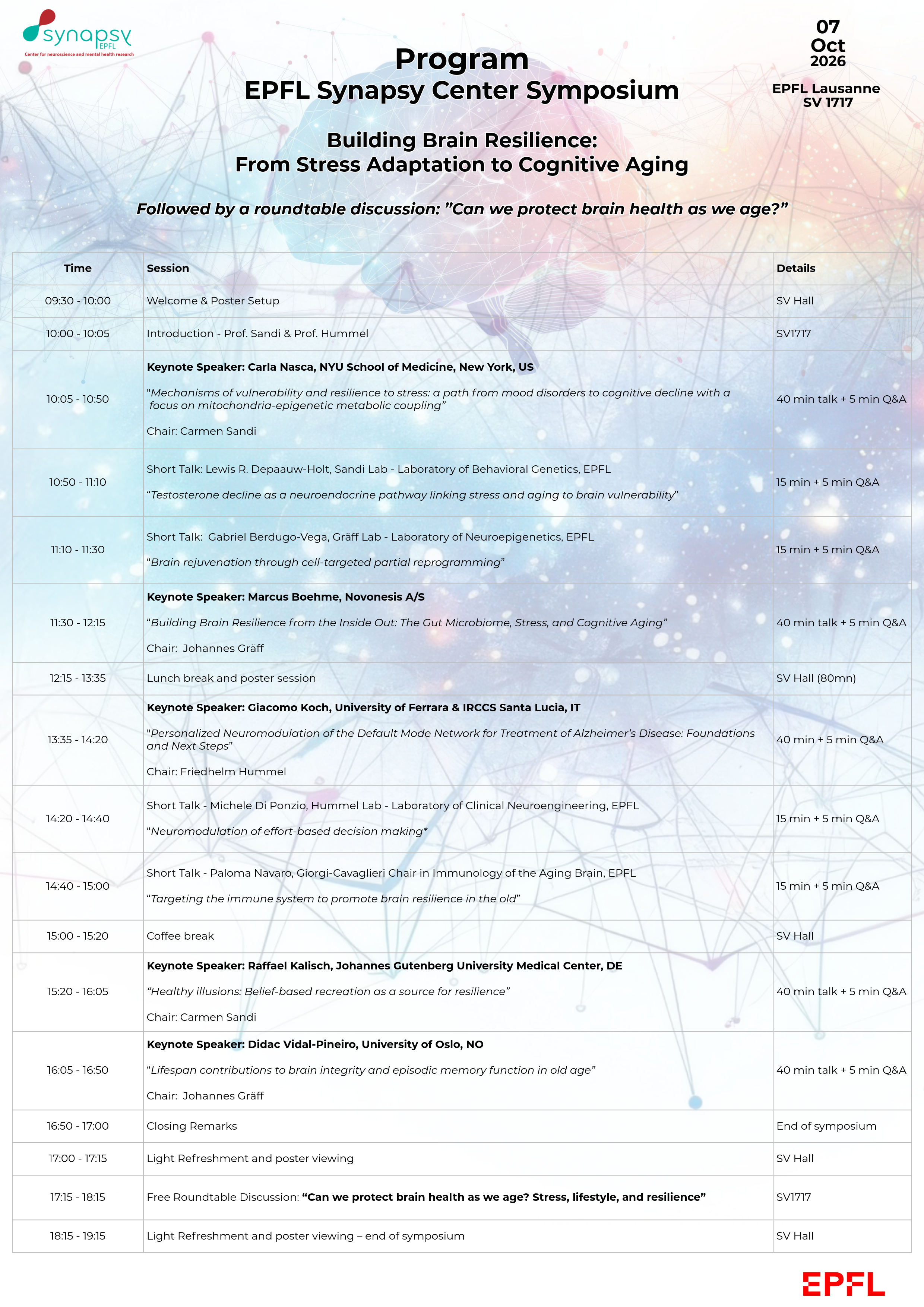
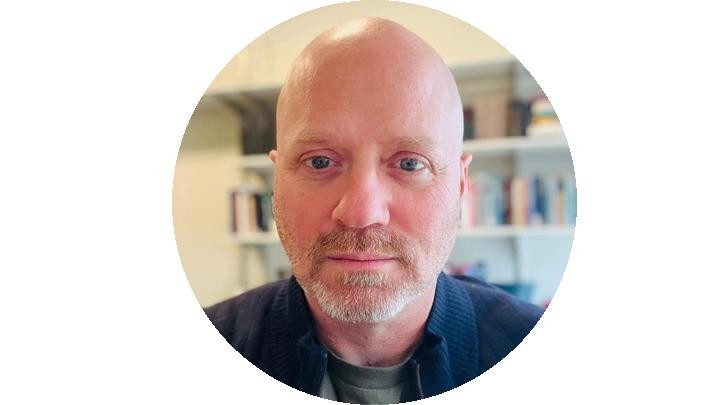
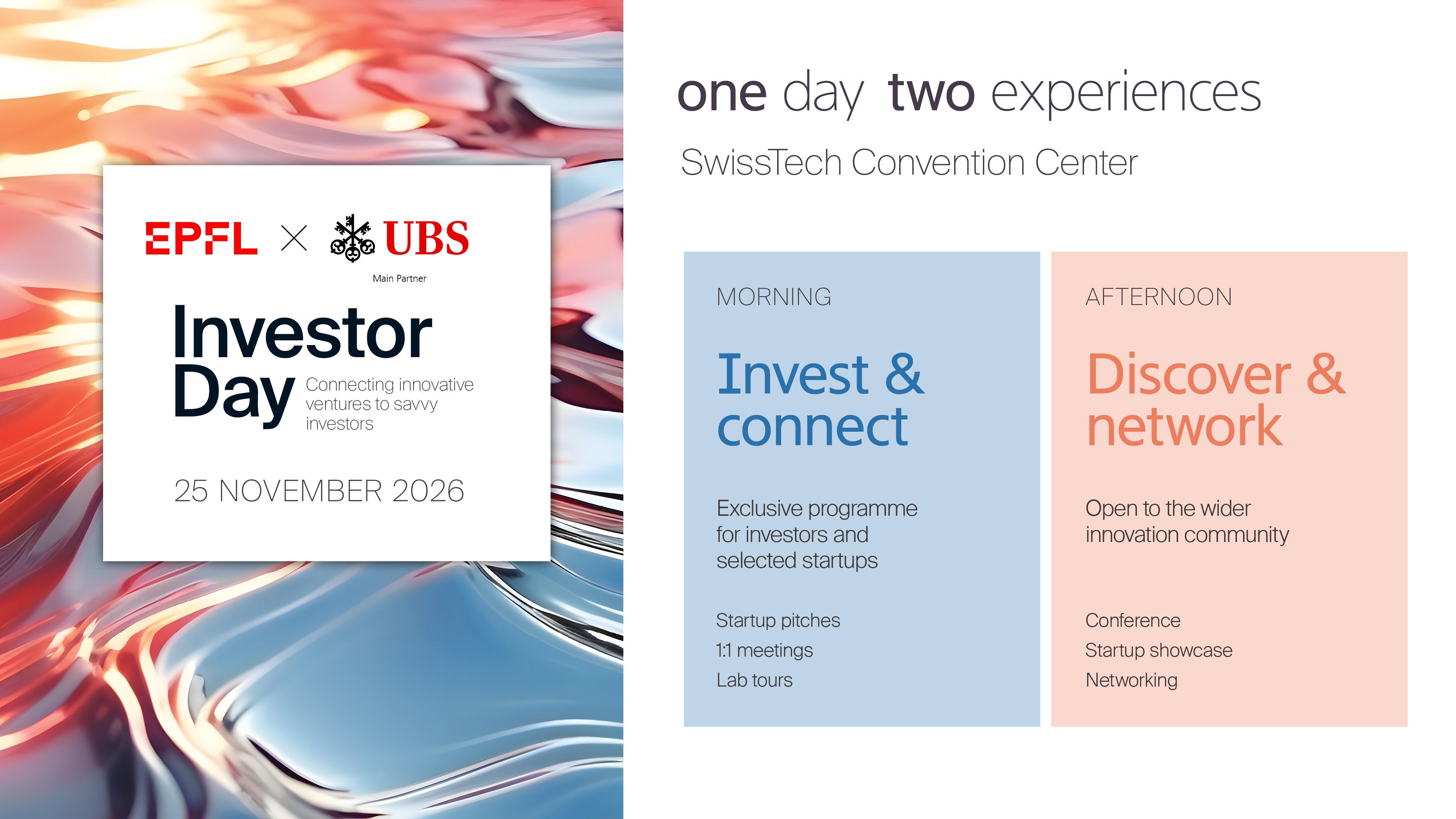
{ "count": 259, "next": "https://memento.epfl.ch/api/v1/events/?format=api&limit=10&offset=30&ordering=-event__url_link", "previous": "https://memento.epfl.ch/api/v1/events/?format=api&limit=10&offset=10&ordering=-event__url_link", "results": [ { "id": 72732, "title": "armasuisse – Research Program Security – Call for proposals", "slug": "armasuisse-research-program-security-call-for-pr-3", "event_url": "https://memento.epfl.ch/event/armasuisse-research-program-security-call-for-pr-3", "visual_url": "https://memento.epfl.ch/image/33949/200x112.jpg", "visual_large_url": "https://memento.epfl.ch/image/33949/720x405.jpg", "visual_maxsize_url": "https://memento.epfl.ch/image/33949/max-size.jpg", "lang": "en", "start_date": "2026-10-01", "end_date": "2026-11-30", "start_time": null, "end_time": "17:00:00", "description": "<a href=\"https://www.epfl.ch/en/\">EPFL</a> and <a href=\"https://www.ar.admin.ch/en/armasuisse-science-and-technology\">armasuisse S+T</a> have jointly launched the new <strong>Research Program Security</strong> in 2025. This program is open to all institutions within the ETH Domain through a series of calls for proposals. The goal is to identify and develop innovative ideas and solutions to address current and future security and defense challenges.<br>\r\n<br>\r\nThe <strong>2nd call</strong> will support research projects in the following thematic challenges: \r\n<ul>\r\n\t<li>Agent-agnostic Detection of unknown Biological and Chemical Agents</li>\r\n\t<li>Resilient Mobile Energy Supply and Decentralized Energy Logistics</li>\r\n</ul>\r\n<strong>Funding and duration:</strong>\r\n\r\n<ul>\r\n\t<li>Project duration: 12 to 18 months</li>\r\n\t<li>Maximum funding: CHF 250k (incl. overheads) per project</li>\r\n</ul>\r\n<strong>Who can apply:</strong><br>\r\nThe call for proposals is open to the <strong>ETH Domain community</strong> as follows:\r\n\r\n<ul>\r\n\t<li>Open to faculty members or unit head/ group leaders as main applicants. Other scientits (excl. PhDs) can apply as co-applicants.</li>\r\n\t<li>Projects must be hosted by an ETH Domain laboratory or research group and supported by at least one faculty member (Prof. tit., MER, PATT, PA or PO) or unit head/ group leader.</li>\r\n\t<li>There are no restrictions on the number of applicants involved; proposals may be submitted by individual applicants or consortia (collaboration between ETH Domain institutions is possible)</li>\r\n\t<li>Projects should not involve third parties (as main/co-applicant or project partner).</li>\r\n</ul>\r\n<strong>Deadline:</strong>\r\n\r\n<ul>\r\n\t<li>The application deadline for this call for proposals is<strong> Monday 30 November 2026 (17:00 CET).</strong></li>\r\n</ul>\r\n<strong>For further information</strong>, please have a look at the <a href=\"https://www.epfl.ch/research/funding/research-program-security-call-2/\">Research Program Security website</a>. <br>\r\n<br>\r\nAn <strong>online applicant workshop</strong> will take place on <strong>Tuesday 20 October 2026 from 11:00 to 12:00 CET</strong>. The registration form is available <a href=\"https://forms.gle/Cikqx9UBXj83D6GFA\">here</a>.<br>\r\n<br>\r\nFor additional questions, please contact the Research Office via [email protected]. <br>\r\n ", "image_description": "", "creation_date": "2026-10-01T16:03:46", "last_modification_date": "2026-10-01T16:09:05", "link_label": "", "link_url": "https://www.epfl.ch/research/funding/research-program-security-call-2/", "canceled": "False", "cancel_reason": "", "place_and_room": "", "url_place_and_room": "", "url_online_room": "", "spoken_languages": [], "speaker": "", "organizer": "", "contact": "[email protected]", "is_internal": "False", "theme": "", "vulgarization": { "id": 1, "fr_label": "Tout public", "en_label": "General public" }, "registration": { "id": 3, "fr_label": "Entrée libre", "en_label": "Free" }, "keywords": "", "file": null, "icalendar_url": "https://memento.epfl.ch/event/export/122016/", "category": { "id": 16, "code": "PROP", "fr_label": "Appel à proposition", "en_label": "Call for proposal", "activated": true }, "academic_calendar_category": null, "domains": [], "mementos": [ "https://memento.epfl.ch/api/v1/mementos/1/?format=api", "https://memento.epfl.ch/api/v1/mementos/3/?format=api", "https://memento.epfl.ch/api/v1/mementos/5/?format=api", "https://memento.epfl.ch/api/v1/mementos/6/?format=api", "https://memento.epfl.ch/api/v1/mementos/8/?format=api", "https://memento.epfl.ch/api/v1/mementos/9/?format=api" ] }, { "id": 72199, "title": "“Building Brain Resilience: From Stress Adaptation to Cognitive Aging” Symposium", "slug": "building-brain-resilience-from-stress-adaptation-t", "event_url": "https://memento.epfl.ch/event/building-brain-resilience-from-stress-adaptation-t", "visual_url": "https://memento.epfl.ch/image/33489/200x112.jpg", "visual_large_url": "https://memento.epfl.ch/image/33489/720x405.jpg", "visual_maxsize_url": "https://memento.epfl.ch/image/33489/max-size.jpg", "lang": "en", "start_date": "2026-10-07", "end_date": "2026-10-07", "start_time": "09:30:00", "end_time": "19:15:00", "description": "<p>This <a href=\"https://www.epfl.ch/research/domains/synapsy-research-center/synapsy-symposium-october-7-2026/building-brain-resilience-from-stress-adaptation-to-cognitive-aging-symposium/\">symposium</a>, taking place on <strong>October 7, 2026</strong> on the <strong>EPFL campus</strong>, aims to connect two rapidly advancing fields that too often remain separated: resilience to life stress (allostasis, plasticity and adaptation across body systems) and resilience to cognitive decline (cognitive reserve, brain maintenance and mechanisms relevant to dementia risk).<br>\r\n<br>\r\nThe <a href=\"https://www.epfl.ch/research/domains/synapsy-research-center/synapsy-symposium-october-7-2026/building-brain-resilience-from-stress-adaptation-to-cognitive-aging-symposium/registration/\">program</a> will combine a 1-day Scientific Symposium with internationally leading invited speakers alongside talks from the EPFL community.<br>\r\n<br>\r\nThe symposium will be followed by an early-evening <strong>roundtable</strong> intended to engage the broader campus community, including colleagues from the University of Lausanne and beyond – this roundtable will be part of the 2026 <a href=\"https://jours-sante.ch/en/\" rel=\"noopener\" target=\"_blank\">EPFL Jours Santé</a> program.\r\n</p><div><br>\r\n<a href=\"https://www.epfl.ch/research/domains/synapsy-research-center/synapsy-symposium-october-7-2026/building-brain-resilience-from-stress-adaptation-to-cognitive-aging-symposium/registration/\">Registration link</a>\r\n<figure class=\"image\"><img alt=\"\" height=\"976\" src=\"https://www.epfl.ch/research/domains/synapsy-research-center/wp-content/uploads/2026/06/Project-Poster-Sympo-Oct-7-2026.gif\" width=\"690\">\r\n<figcaption>© 2026 EPFL</figcaption>\r\n</figure>\r\n</div>", "image_description": "Symposium Program", "creation_date": "2026-07-03T21:21:41", "last_modification_date": "2026-08-26T13:03:54", "link_label": "Web Page", "link_url": "https://www.epfl.ch/research/domains/synapsy-research-center/synapsy-symposium-october-7-2026/building-brain-resilience-from-stress-adaptation-to-cognitive-aging-symposium/", "canceled": "False", "cancel_reason": "", "place_and_room": "SV 1717", "url_place_and_room": "https://plan.epfl.ch/?room==SV%201717", "url_online_room": "", "spoken_languages": [ "https://memento.epfl.ch/api/v1/spoken_languages/2/?format=api" ], "speaker": "Please see <a href=\"https://www.epfl.ch/research/domains/synapsy-research-center/program-2/\">Program</a>", "organizer": "Carmen Sandi, Johannes Gräff & Friedhelm Hummel", "contact": "[email protected] ", "is_internal": "False", "theme": "", "vulgarization": { "id": 2, "fr_label": "Public averti", "en_label": "Informed public" }, "registration": { "id": 1, "fr_label": "Sur inscription", "en_label": "Registration required" }, "keywords": "", "file": "https://memento.epfl.ch/public/upload/files/ProgramPosterSympoOct720263.png", "icalendar_url": "https://memento.epfl.ch/event/export/121212/", "category": { "id": 1, "code": "CONF", "fr_label": "Conférences - Séminaires", "en_label": "Conferences - Seminars", "activated": true }, "academic_calendar_category": null, "domains": [], "mementos": [ "https://memento.epfl.ch/api/v1/mementos/1/?format=api", "https://memento.epfl.ch/api/v1/mementos/6/?format=api", "https://memento.epfl.ch/api/v1/mementos/8/?format=api", "https://memento.epfl.ch/api/v1/mementos/9/?format=api", "https://memento.epfl.ch/api/v1/mementos/19/?format=api", "https://memento.epfl.ch/api/v1/mementos/392/?format=api" ] }, { "id": 72460, "title": "MechE Colloquium: Local Rheological Probes of Stress Heterogeneities in Active and Passive Fluids", "slug": "meche-colloquium-local-rheological-probes-of-stres", "event_url": "https://memento.epfl.ch/event/meche-colloquium-local-rheological-probes-of-stres", "visual_url": "https://memento.epfl.ch/image/33708/200x112.jpg", "visual_large_url": "https://memento.epfl.ch/image/33708/720x405.jpg", "visual_maxsize_url": "https://memento.epfl.ch/image/33708/max-size.jpg", "lang": "en", "start_date": "2026-10-27", "end_date": "2026-10-27", "start_time": "12:00:00", "end_time": "13:00:00", "description": "<strong>Abstract: </strong>In this talk I will discuss our recent results on the microscopic physical origins of shear thickening in two vastly different materials: colloidal suspensions and active gels. In the first part of my talk, I will introduce a method we have developed that allows us to resolve the spatial distribution of stresses in sheared soft-materials, known as Boundary Stress Microscopy. We have applied this technique to suspensions undergoing shear thickening. I will present our results on the existence of clearly defined dynamically localized regions of substantially increased stress that appear intermittently at stresses well above the applied stress. Surprisingly, we find that these spatially distinct and dynamic phases quantitatively account for the observed shear thickening seen in sheared colloidal dispersions (e.g. Oobleck). In the second part of my talk I will discuss our results on the rheology of active matter. Our system is composed of microtubules and kinesin motor proteins that self-assemble to form complexes that propel themselves through the fluid. What results is a dramatic alteration in the measured viscosity. I will provide a simple physical model that fits the rheological response with zero fitting parameters. <br>\r\n<br>\r\n<strong>Biography: </strong>Daniel Blair is a Professor of physics and a co-founding member of the Institute for Soft Matter Synthesis and Metrology I(SM)2 at Georgetown University. Prior to joining Georgetown in 2007, Professor Blair was a postdoctoral fellow at Harvard University in the Paulson School of Engineering and the Department of Physics. In 2009, he was awarded the NSF Career Award and has done pioneering work into the structure and rheology of soft and biological materials. His group has developed a variety of tools and techniques centered on quantitative 4D microscopy coupled with microfluidic and rheometric methods. ", "image_description": "Prof. Daniel Blair", "creation_date": "2026-08-27T16:32:32", "last_modification_date": "2026-09-29T12:28:07", "link_label": "Prof. Sangwoo Kim - MESOBIO", "link_url": "https://www.epfl.ch/labs/mesobio/", "canceled": "False", "cancel_reason": "", "place_and_room": "MED 0 1418", "url_place_and_room": "https://plan.epfl.ch/?room==MED%200%201418", "url_online_room": "https://epfl.zoom.us/j/61360740951", "spoken_languages": [ "https://memento.epfl.ch/api/v1/spoken_languages/2/?format=api" ], "speaker": "<a href=\"https://physics.georgetown.edu/daniel-blair/\">Prof. Daniel Blair</a>, <a href=\"https://physics.georgetown.edu/\">Department of Physics</a>, <a href=\"https://www.georgetown.edu/\">University of Georgetown</a>, USA", "organizer": "<a href=\"mailto:[email protected]?subject=MechE%20Colloquium%20-%20Daniel%20Blair\">MechE Colloquium</a>", "contact": "<a href=\"mailto:[email protected]?subject=MechE%20Colloquium%20-%20Daniel%20Blair\">Prof. Sangwoo Kim</a>", "is_internal": "False", "theme": "", "vulgarization": { "id": 1, "fr_label": "Tout public", "en_label": "General public" }, "registration": { "id": 3, "fr_label": "Entrée libre", "en_label": "Free" }, "keywords": "MechE Colloquium: Local Rheological Probes of Stress Heterogeneities in Active and Passive Fluids", "file": null, "icalendar_url": "https://memento.epfl.ch/event/export/121614/", "category": { "id": 1, "code": "CONF", "fr_label": "Conférences - Séminaires", "en_label": "Conferences - Seminars", "activated": true }, "academic_calendar_category": null, "domains": [], "mementos": [ "https://memento.epfl.ch/api/v1/mementos/1/?format=api", "https://memento.epfl.ch/api/v1/mementos/6/?format=api", "https://memento.epfl.ch/api/v1/mementos/8/?format=api", "https://memento.epfl.ch/api/v1/mementos/111/?format=api", "https://memento.epfl.ch/api/v1/mementos/232/?format=api", "https://memento.epfl.ch/api/v1/mementos/270/?format=api" ] }, { "id": 72342, "title": "Dynamics in Brain-inspired Neural Networks // 2-6 November 2026", "slug": "dynamics-in-brain-inspired-neural-networks-2-6-nov", "event_url": "https://memento.epfl.ch/event/dynamics-in-brain-inspired-neural-networks-2-6-nov", "visual_url": null, "visual_large_url": null, "visual_maxsize_url": null, "lang": "en", "start_date": "2026-11-02", "end_date": "2026-11-06", "start_time": "13:30:00", "end_time": "12:00:00", "description": "<p>The brain forms a large recurrent spiking neural network with extremely high connectivity making time-dependent mean-field approaches valuable tools to translate the microscopic level of single-neuron dynamics to the mesoscopic or macroscopic level. In recent years, experimental data as well as simulation studies have highlighted the importance of low-dimensional macroscopic dynamics in large recurrent spiking networks. On the theory side, the notion of low-rank connectivity has shifted into the focus of interest. <br>\r\nThis meeting will to bring together researchers in mathematical and theoretical neuroscience who address the above topics from different perspectives. <br>\r\n<br>\r\n<strong>Phase 1</strong><br>\r\nPublic lectures from Monday afternoon – Wednesday end of day<br>\r\n<br>\r\nPresentations will alternate between speakers with a physics and those with a math background so as to foster links between the two communities.<br>\r\n<br>\r\n<strong>Phase 2</strong><br>\r\nTutorials for PhD students on Thursday and Friday. </p>", "image_description": "", "creation_date": "2026-08-14T10:16:34", "last_modification_date": "2026-08-14T10:20:36", "link_label": "Event website", "link_url": "https://www.epfl.ch/labs/lcn/dynamics-in-brain-inspired-neural-networks-2-6-november-2026/", "canceled": "False", "cancel_reason": "", "place_and_room": "", "url_place_and_room": "", "url_online_room": "", "spoken_languages": [], "speaker": "", "organizer": "", "contact": "[email protected]", "is_internal": "False", "theme": "", "vulgarization": { "id": 2, "fr_label": "Public averti", "en_label": "Informed public" }, "registration": { "id": 1, "fr_label": "Sur inscription", "en_label": "Registration required" }, "keywords": "", "file": null, "icalendar_url": "https://memento.epfl.ch/event/export/121429/", "category": { "id": 1, "code": "CONF", "fr_label": "Conférences - Séminaires", "en_label": "Conferences - Seminars", "activated": true }, "academic_calendar_category": null, "domains": [], "mementos": [ "https://memento.epfl.ch/api/v1/mementos/43/?format=api", "https://memento.epfl.ch/api/v1/mementos/260/?format=api" ] }, { "id": 72315, "title": "EPFL Investor Day 2026", "slug": "epfl-investor-day-2026-2", "event_url": "https://memento.epfl.ch/event/epfl-investor-day-2026-2", "visual_url": "https://memento.epfl.ch/image/33578/200x112.jpg", "visual_large_url": "https://memento.epfl.ch/image/33578/720x405.jpg", "visual_maxsize_url": "https://memento.epfl.ch/image/33578/max-size.jpg", "lang": "en", "start_date": "2026-11-25", "end_date": "2026-11-25", "start_time": "15:15:00", "end_time": "19:00:00", "description": "<p> <br>\r\nEPFL Investor Day 2026 brings together leading investors and ambitious deeptech startups from EPFL and across Western Switzerland.<br>\r\n<br>\r\nTaking place on Wednesday, <strong>25 November 2026</strong> at the SwissTech Convention Center, the event is structured in two parts:\r\n</p><ul>\r\n\t<li><u>A private morning session</u>: reserved for invited investors and selected entrepreneurs,\r\n\t<ul>\r\n\t\t<li>featuring startup pitches, curated one-on-one meetings and targeted networking opportunities.</li>\r\n\t</ul>\r\n\t</li>\r\n\t<li><u>An afternoon session:</u> open to everyone,\r\n\t<ul>\r\n\t\t<li>featuring inspiring keynotes, panel discussions and pitches from promising EPFL projects and startups in creation.</li>\r\n\t</ul>\r\n\t</li>\r\n</ul>\r\nWhether you are an investor, entrepreneur, researcher, student or innovation enthusiast, the afternoon programme offers a unique opportunity to discover emerging technologies and meet the people shaping tomorrow’s industries.<br>\r\n<br>\r\n<strong>Programme</strong><br>\r\nMorning session - By invitation only - Reserved for investors and selected entrepreneurs.\r\n<ul>\r\n\t<li>08:45 - Registration and welcome coffee</li>\r\n\t<li>09:30 - Opening address</li>\r\n\t<li>09:45 - Startup pitch sessions</li>\r\n\t<li>12:30 - Networking lunch</li>\r\n\t<li>From 13:00 - One-on-one meetings</li>\r\n\t<li>14:30 - Lab discovery tour for investors</li>\r\n</ul>\r\nAfternoon session - Open to everyone<br>\r\n<a href=\"https://www.b2match.com/e/investor-day-2026\">Registere here</a>, use this code: <strong>PlenaryID26</strong>\r\n\r\n<ul>\r\n\t<li>15:15 - Doors open</li>\r\n\t<li>15:30 - Conference: European Spinout Report</li>\r\n\t<li>16:00 - Keynotes and panel discussions</li>\r\n\t<li>17:30 - Startups in Creation pitch session</li>\r\n\t<li>18:00 - Closing remarks and networking aperitif</li>\r\n</ul>\r\n<br>\r\n<a href=\"https://www.epfl.ch/innovation/startup/community/events/investor-day/\">Programme and further information</a><br>\r\n<br>\r\nEPFL Investor Day 2026 is organised with <a href=\"https://www.ubs.com/ch/en/wealth-management/investment/products/private-investor-circle.html\">UBS </a>as main partner and with the support of <a href=\"https://ventures.swisscom.com/\">Swisscom Ventures</a> and the <a href=\"https://www.invest-vaud.ch/\">Canton of Vaud</a>.<br>\r\n<br>\r\n ", "image_description": "", "creation_date": "2026-08-07T16:24:50", "last_modification_date": "2026-09-23T09:16:06", "link_label": "Webpage", "link_url": "https://www.epfl.ch/innovation/startup/community/events/investor-day/", "canceled": "False", "cancel_reason": "", "place_and_room": "SwissTech Convention Center", "url_place_and_room": "https://plan.epfl.ch/?room==STCC%200%209407", "url_online_room": "", "spoken_languages": [ "https://memento.epfl.ch/api/v1/spoken_languages/2/?format=api" ], "speaker": "", "organizer": "Vice Presidency for Innovation and Impact", "contact": "<a href=\"mailto:[email protected]\">Aurelie Schick</a>", "is_internal": "False", "theme": "", "vulgarization": { "id": 2, "fr_label": "Public averti", "en_label": "Informed public" }, "registration": { "id": 1, "fr_label": "Sur inscription", "en_label": "Registration required" }, "keywords": "", "file": null, "icalendar_url": "https://memento.epfl.ch/event/export/121390/", "category": { "id": 1, "code": "CONF", "fr_label": "Conférences - Séminaires", "en_label": "Conferences - Seminars", "activated": true }, "academic_calendar_category": null, "domains": [], "mementos": [ "https://memento.epfl.ch/api/v1/mementos/1/?format=api", "https://memento.epfl.ch/api/v1/mementos/6/?format=api", "https://memento.epfl.ch/api/v1/mementos/119/?format=api", "https://memento.epfl.ch/api/v1/mementos/290/?format=api", "https://memento.epfl.ch/api/v1/mementos/416/?format=api", "https://memento.epfl.ch/api/v1/mementos/422/?format=api" ] }, { "id": 72725, "title": "Photonics Day 2026", "slug": "photonics-day-2026", "event_url": "https://memento.epfl.ch/event/photonics-day-2026", "visual_url": "https://memento.epfl.ch/image/33942/200x112.jpg", "visual_large_url": "https://memento.epfl.ch/image/33942/720x405.jpg", "visual_maxsize_url": "https://memento.epfl.ch/image/33942/max-size.jpg", "lang": "en", "start_date": "2026-10-22", "end_date": "2026-10-22", "start_time": "09:00:00", "end_time": "17:00:00", "description": "<p>Photonics Day is a yearly event that aims to promote research discussions and networking among members of the EPFL photonics community, as well as researchers and industry players in the photonics sector. The program includes invited talks from world leaders in the field, a thesis presentation by the winner of the Best EDPO distinction, a scientific picture contest organised by EPC, as well as presentations by students in the Doctoral Program in Photonics, who will compete in the 180-Second Thesis Competition.<br>\r\n<br>\r\nThis year the Photonics Day will take place on Thursday October 22, 2026 at the EPFL Forum Rolex.<br>\r\n<br>\r\nParticipation is free and includes lunch. <strong>Registration opens in September and is mandatory by October 12, 2026</strong>. You’ll find both the <a href=\"http://www.epfl.ch/education/phd/edpo-photonics/edpo-news-and-events/\">registration form</a> and the full <a href=\"http://www.epfl.ch/education/phd/edpo-photonics/edpo-news-and-events/\">program </a>on the same page.</p>", "image_description": "", "creation_date": "2026-09-30T17:09:30", "last_modification_date": "2026-09-30T17:21:57", "link_label": "EDPO News and Events", "link_url": "https://www.epfl.ch/education/phd/edpo-photonics/edpo-news-and-events/", "canceled": "False", "cancel_reason": "", "place_and_room": "RLC E1 240", "url_place_and_room": "https://plan.epfl.ch/?room==RLC%20E1%20240", "url_online_room": "", "spoken_languages": [ "https://memento.epfl.ch/api/v1/spoken_languages/2/?format=api" ], "speaker": "", "organizer": "Doctoral Program in Photonics", "contact": "Prof. Camille Brès", "is_internal": "False", "theme": "", "vulgarization": { "id": 2, "fr_label": "Public averti", "en_label": "Informed public" }, "registration": { "id": 1, "fr_label": "Sur inscription", "en_label": "Registration required" }, "keywords": "", "file": null, "icalendar_url": "https://memento.epfl.ch/event/export/122005/", "category": { "id": 1, "code": "CONF", "fr_label": "Conférences - Séminaires", "en_label": "Conferences - Seminars", "activated": true }, "academic_calendar_category": null, "domains": [], "mementos": [ "https://memento.epfl.ch/api/v1/mementos/1/?format=api", "https://memento.epfl.ch/api/v1/mementos/5/?format=api", "https://memento.epfl.ch/api/v1/mementos/6/?format=api", "https://memento.epfl.ch/api/v1/mementos/8/?format=api" ] }, { "id": 72184, "title": "Journées d’information 2026", "slug": "journees-dinformation-2026", "event_url": "https://memento.epfl.ch/event/journees-dinformation-2026", "visual_url": "https://memento.epfl.ch/image/33466/200x112.jpg", "visual_large_url": "https://memento.epfl.ch/image/33466/720x405.jpg", "visual_maxsize_url": "https://memento.epfl.ch/image/33466/max-size.jpg", "lang": "en", "start_date": "2026-11-18", "end_date": "2026-11-20", "start_time": "09:30:00", "end_time": "17:15:00", "description": "<strong>Un événement d’envergure pour préparer son avenir</strong>.<br>\r\n<br>\r\nComme chaque année, l’EPFL, via son Service de promotion de l’éducation et en collaboration avec ses facultés, se réjouit d'accueillir les gymnasiennes et gymnasiens sur son campus. L’École propose de venir découvrir ses filières de formation, sa communauté estudiantine, son corps enseignant, ses équipes de recherche, les divers services dédiés aux étudiantes et étudiants débutant à l’EPFL, ainsi que les multiples associations chargées d’animer la vie sociale et culturelle du campus.", "image_description": "", "creation_date": "2026-06-26T14:12:22", "last_modification_date": "2026-06-26T14:19:28", "link_label": "Journées d'information", "link_url": "https://www.epfl.ch/education/bachelor/fr/journees-d-information/", "canceled": "False", "cancel_reason": "", "place_and_room": "STCC 2 9428", "url_place_and_room": "https://plan.epfl.ch/?room==STCC%202%209428", "url_online_room": "", "spoken_languages": [ "https://memento.epfl.ch/api/v1/spoken_languages/1/?format=api", "https://memento.epfl.ch/api/v1/spoken_languages/3/?format=api", "https://memento.epfl.ch/api/v1/spoken_languages/4/?format=api" ], "speaker": "", "organizer": "Service de promotion de l'éducation - SPE", "contact": "Kerstin Haack", "is_internal": "False", "theme": "", "vulgarization": { "id": 1, "fr_label": "Tout public", "en_label": "General public" }, "registration": { "id": 1, "fr_label": "Sur inscription", "en_label": "Registration required" }, "keywords": "", "file": null, "icalendar_url": "https://memento.epfl.ch/event/export/121194/", "category": { "id": 1, "code": "CONF", "fr_label": "Conférences - Séminaires", "en_label": "Conferences - Seminars", "activated": true }, "academic_calendar_category": null, "domains": [], "mementos": [ "https://memento.epfl.ch/api/v1/mementos/1/?format=api", "https://memento.epfl.ch/api/v1/mementos/3/?format=api", "https://memento.epfl.ch/api/v1/mementos/4/?format=api", "https://memento.epfl.ch/api/v1/mementos/5/?format=api", "https://memento.epfl.ch/api/v1/mementos/6/?format=api", "https://memento.epfl.ch/api/v1/mementos/8/?format=api", "https://memento.epfl.ch/api/v1/mementos/21/?format=api", "https://memento.epfl.ch/api/v1/mementos/22/?format=api", "https://memento.epfl.ch/api/v1/mementos/27/?format=api", "https://memento.epfl.ch/api/v1/mementos/79/?format=api", "https://memento.epfl.ch/api/v1/mementos/83/?format=api", "https://memento.epfl.ch/api/v1/mementos/145/?format=api" ] }, { "id": 72290, "title": "Technologies for Healthcare / ARCHIZOOM", "slug": "technologies-for-healthcare-archizoom", "event_url": "https://memento.epfl.ch/event/technologies-for-healthcare-archizoom", "visual_url": "https://memento.epfl.ch/image/33556/200x112.jpg", "visual_large_url": "https://memento.epfl.ch/image/33556/720x405.jpg", "visual_maxsize_url": "https://memento.epfl.ch/image/33556/max-size.jpg", "lang": "en", "start_date": "2026-11-07", "end_date": "2026-11-08", "start_time": "10:00:00", "end_time": "17:00:00", "description": "<strong>Saturday 7 & Sunday 8 November 2026</strong><br>\r\n<strong>10am-5pm –</strong> <strong>exhibition open continuously </strong><br>\r\n<br>\r\nOn the occasion of the next <a href=\"https://scientastic.epfl.ch/\">Scientastic</a> event, which takes place on the weekend of 7 and 8 November 2026 on the EPFL campus, with a focus on health technologies, Archizoom invites you to take part in a range of activities linked to the exhibition <a href=\"https://www.epfl.ch/campus/art-culture/museum-exhibitions/archizoom/do-robots-dream-of-construction-sites-2/\"><em>Do Robots Dream of Construction Sites? </em></a><br>\r\n<br>\r\n<strong><a href=\"https://forms.gle/8mG39FYernNXnsJG6\">GUIDED TOURS </a><br>\r\n11am / 4pm – </strong><strong><em>Do Robots Dream of Construction Sites? </em>in French</strong><br>\r\nCan we trust a robot on a building site? This guided tour explores what it means to build alongside increasingly capable machines, and how collaboration between humans and robots could affect our buildings, our trades and, by extension, our daily lives and health.<br>\r\n<br>\r\n<em><strong>SOCIAL CONTRACT 4.0, </strong></em><strong>MADELINE GANNON</strong><br>\r\n<strong>10am-5pm – an interactive robotic installation by the artist Madeline Gannon</strong><br>\r\nThe robots that build our world do exactly what they are told, when they are told, where they are told. But that relationship is ending: physical AI is giving our machines the intelligence to explore our world for themselves. What should they do with their newfound curiosity? This installation explores a new social contract with autonomous, intelligent systems (4.0) — one built on convincing, not controlling, machines. As you approach, the machine may choose to interact with you, or it may be too busy having fun on its own. It gets to decide. This work asks what it means to share a world with technology whose trust we may need to earn first.", "image_description": "", "creation_date": "2026-08-03T09:25:54", "last_modification_date": "2026-08-03T09:25:56", "link_label": "Plus d'informations", "link_url": "https://www.epfl.ch/campus/art-culture/museum-exhibitions/archizoom/fr/scientastic-2/", "canceled": "False", "cancel_reason": "", "place_and_room": "Archizoom", "url_place_and_room": "https://plan.epfl.ch/?room==SG%201212", "url_online_room": "", "spoken_languages": [ "https://memento.epfl.ch/api/v1/spoken_languages/1/?format=api", "https://memento.epfl.ch/api/v1/spoken_languages/2/?format=api" ], "speaker": "Madeline Gannon", "organizer": "Archizoom, Scientastic", "contact": "Cyril Veillon, Solène Hoffmann", "is_internal": "False", "theme": "", "vulgarization": { "id": 1, "fr_label": "Tout public", "en_label": "General public" }, "registration": { "id": 3, "fr_label": "Entrée libre", "en_label": "Free" }, "keywords": "architecture, science, techonology, health, robots, robotics, durability", "file": null, "icalendar_url": "https://memento.epfl.ch/event/export/121351/", "category": { "id": 9, "code": "MANIF", "fr_label": "Événements festifs et culturels", "en_label": "Cultural events", "activated": true }, "academic_calendar_category": null, "domains": [], "mementos": [ "https://memento.epfl.ch/api/v1/mementos/1/?format=api", "https://memento.epfl.ch/api/v1/mementos/4/?format=api", "https://memento.epfl.ch/api/v1/mementos/6/?format=api", "https://memento.epfl.ch/api/v1/mementos/8/?format=api", "https://memento.epfl.ch/api/v1/mementos/21/?format=api", "https://memento.epfl.ch/api/v1/mementos/22/?format=api", "https://memento.epfl.ch/api/v1/mementos/32/?format=api", "https://memento.epfl.ch/api/v1/mementos/45/?format=api", "https://memento.epfl.ch/api/v1/mementos/145/?format=api", "https://memento.epfl.ch/api/v1/mementos/417/?format=api" ] }, { "id": 72280, "title": "Do Robots Dream of Construction Sites? / ARCHIZOOM x CRCL", "slug": "do-robots-dream-of-construction-sites-archizoom--2", "event_url": "https://memento.epfl.ch/event/do-robots-dream-of-construction-sites-archizoom--2", "visual_url": "https://memento.epfl.ch/image/33548/200x112.jpg", "visual_large_url": "https://memento.epfl.ch/image/33548/720x405.jpg", "visual_maxsize_url": "https://memento.epfl.ch/image/33548/max-size.jpg", "lang": "en", "start_date": "2026-10-13", "end_date": "2026-10-24", "start_time": "17:30:00", "end_time": "18:30:00", "description": "<strong>Tuesday 13 October 2026 </strong><br>\r\n<strong>5.30pm –</strong> <a href=\"https://forms.gle/8mG39FYernNXnsJG6\">Guided tour</a> of the exhibition Do Robots Dream of Construction Sites?<br>\r\n<br>\r\nWhat if robots didn’t replace us, but worked alongside us? Robots are capable of assembling, analysing, experimenting and learning from their mistakes. Could they take on construction work without replacing human labour? Research carried out by the CRCL – Lab for Creative Computation at EPFL explores a form of collaboration between humans and machines that departs from the traditional promise of automation. It opens the way to more inclusive building sites and non-standardised, more environmentally friendly architecture that goes beyond the mere logic of replacement and productivity. <br>\r\n<br>\r\n<strong>This event will be followed by the opening of the installation NO/NC (Normally Open, Normally Closed) by the artists AATB, supported and organized in collaboration with Usinesonore and Pôle Culture (VPI).</strong>", "image_description": "", "creation_date": "2026-07-27T16:05:04", "last_modification_date": "2026-09-15T17:26:38", "link_label": "Vernissage Julian Sartorius x AATB", "link_url": "https://www.epfl.ch/campus/art-culture/museum-exhibitions/archizoom/fr/no-nc-normally-open-normally-closed-aatb-2/", "canceled": "False", "cancel_reason": "", "place_and_room": "Hall SG", "url_place_and_room": "https://plan.epfl.ch/?room==SG%20294.22", "url_online_room": "", "spoken_languages": [ "https://memento.epfl.ch/api/v1/spoken_languages/1/?format=api", "https://memento.epfl.ch/api/v1/spoken_languages/2/?format=api" ], "speaker": "Stefana Parascho", "organizer": "Archizoom", "contact": "Cyril Veillon, Solène Hoffmann", "is_internal": "False", "theme": "", "vulgarization": { "id": 1, "fr_label": "Tout public", "en_label": "General public" }, "registration": { "id": 3, "fr_label": "Entrée libre", "en_label": "Free" }, "keywords": "architecture, performance, technology, robotics", "file": null, "icalendar_url": "https://memento.epfl.ch/event/export/121333/", "category": { "id": 9, "code": "MANIF", "fr_label": "Événements festifs et culturels", "en_label": "Cultural events", "activated": true }, "academic_calendar_category": null, "domains": [], "mementos": [ "https://memento.epfl.ch/api/v1/mementos/1/?format=api", "https://memento.epfl.ch/api/v1/mementos/4/?format=api", "https://memento.epfl.ch/api/v1/mementos/6/?format=api", "https://memento.epfl.ch/api/v1/mementos/8/?format=api", "https://memento.epfl.ch/api/v1/mementos/22/?format=api", "https://memento.epfl.ch/api/v1/mementos/32/?format=api", "https://memento.epfl.ch/api/v1/mementos/145/?format=api" ] }, { "id": 72214, "title": "Do Robots Dream of Construction Sites? / ARCHIZOOM x CRCL", "slug": "do-robots-dream-of-construction-sites-archizoom--3", "event_url": "https://memento.epfl.ch/event/do-robots-dream-of-construction-sites-archizoom--3", "visual_url": "https://memento.epfl.ch/image/33494/200x112.jpg", "visual_large_url": "https://memento.epfl.ch/image/33494/720x405.jpg", "visual_maxsize_url": "https://memento.epfl.ch/image/33494/max-size.jpg", "lang": "en", "start_date": "2026-09-09", "end_date": "2026-12-05", "start_time": null, "end_time": null, "description": "<strong>DO ROBOTS DREAM OF CONSTRUCTION SITES?<br>\r\n09.09-05.12.2026<br>\r\n<br>\r\nOpening Tuesday 8 September<br>\r\n6.15pm – </strong>Discussion between Stefana Parascho and Aude Billard, moderated by Pier Vittorio Aureli<br>\r\n<strong>7.30pm –</strong> Opening doors and aperitive<br>\r\n<br>\r\nWhat if robots didn’t replace us, but worked alongside us? Robots are capable of assembling, analysing, experimenting and learning from their mistakes. Could they take on construction work without replacing human labour? Research carried out by the CRCL – Lab for Creative Computation at EPFL explores a form of collaboration between humans and machines that departs from the traditional promise of automation. It opens the way to more inclusive building sites and non-standardised, more environmentally friendly architecture that goes beyond the mere logic of replacement and productivity. <br>\r\n<br>\r\n<strong>An exhibition produced in collaboration with the <a href=\"https://www.crclcrclcrcl.org/\">CRCL – Lab for Creative Computation</a>, led by Stefana Parascho</strong>", "image_description": "", "creation_date": "2026-07-07T11:36:24", "last_modification_date": "2026-07-13T17:08:03", "link_label": "Do Robots Dream of Construction Sites", "link_url": "https://www.epfl.ch/campus/art-culture/museum-exhibitions/archizoom/fr/do-robots-dream-of-construction-sites/", "canceled": "False", "cancel_reason": "", "place_and_room": "Archizoom", "url_place_and_room": "https://plan.epfl.ch/?room==SG%201212", "url_online_room": "", "spoken_languages": [ "https://memento.epfl.ch/api/v1/spoken_languages/1/?format=api", "https://memento.epfl.ch/api/v1/spoken_languages/2/?format=api" ], "speaker": "CRCL - Lab for Creative Computation", "organizer": "Archizoom", "contact": "Cyril Veillon, Solène Hoffmann", "is_internal": "False", "theme": "", "vulgarization": { "id": 1, "fr_label": "Tout public", "en_label": "General public" }, "registration": { "id": 3, "fr_label": "Entrée libre", "en_label": "Free" }, "keywords": "Architecture, Technology, Construction, Robotic, Robots, Travail, Labor, Durability", "file": null, "icalendar_url": "https://memento.epfl.ch/event/export/121235/", "category": { "id": 5, "code": "EXPO", "fr_label": "Expositions", "en_label": "Exhibitions", "activated": true }, "academic_calendar_category": null, "domains": [], "mementos": [ "https://memento.epfl.ch/api/v1/mementos/1/?format=api", "https://memento.epfl.ch/api/v1/mementos/4/?format=api", "https://memento.epfl.ch/api/v1/mementos/6/?format=api", "https://memento.epfl.ch/api/v1/mementos/8/?format=api", "https://memento.epfl.ch/api/v1/mementos/22/?format=api", "https://memento.epfl.ch/api/v1/mementos/32/?format=api", "https://memento.epfl.ch/api/v1/mementos/45/?format=api", "https://memento.epfl.ch/api/v1/mementos/145/?format=api", "https://memento.epfl.ch/api/v1/mementos/417/?format=api" ] } ] }