Event List
retrieve:
Return the details about the given Event id.
list:
List all Event objects.
GET /api/v1/events/?format=api&offset=60&ordering=-event__end_date
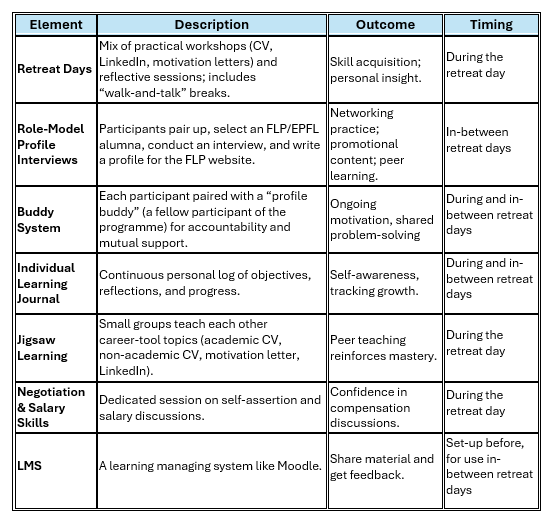
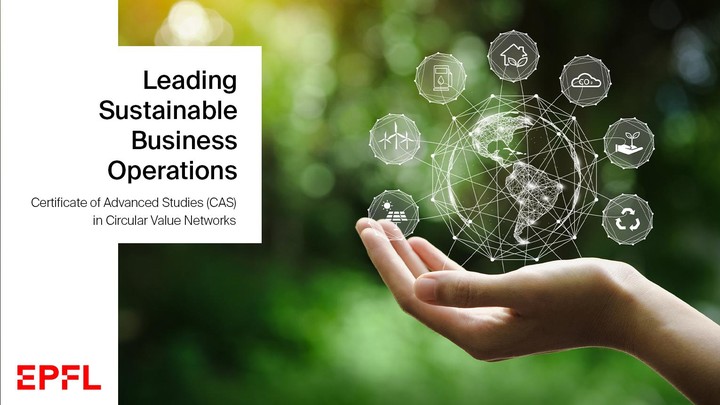
{ "count": 259, "next": "https://memento.epfl.ch/api/v1/events/?format=api&limit=10&offset=70&ordering=-event__end_date", "previous": "https://memento.epfl.ch/api/v1/events/?format=api&limit=10&offset=50&ordering=-event__end_date", "results": [ { "id": 72401, "title": "Training \"Reshaping Information Research with AI\"", "slug": "training-reshaping-information-research-with-ai-13", "event_url": "https://memento.epfl.ch/event/training-reshaping-information-research-with-ai-13", "visual_url": "https://memento.epfl.ch/image/33652/200x112.jpg", "visual_large_url": "https://memento.epfl.ch/image/33652/720x405.jpg", "visual_maxsize_url": "https://memento.epfl.ch/image/33652/max-size.jpg", "lang": "en", "start_date": "2026-12-01", "end_date": "2026-12-01", "start_time": "14:30:00", "end_time": "16:30:00", "description": "<strong>In the last few years, many AI-powered tools promise to change forever the way we look for information. During this workshop, which will be held in presence only, we will explore some of them, focusing on the so-called \"research assistants\" in order to understand how they work and how we can exploit them to make our research better.</strong><br>\r\n<br>\r\nAfter attending this workshop, you will be able to:\r\n<ul>\r\n\t<li>Identify the main challenges brought by AI to the information retrieval.</li>\r\n\t<li>Compare 4 AI-powered research assistants.</li>\r\n\t<li>Recognize the main difference with the traditional information retrieval strategy.</li>\r\n</ul>\r\n<a href=\"https://bookwhen.com/fr/epfl_library/e/ev-szbbx-20261201143000\">Registration</a><br>\r\n<br>\r\nMore information about <a href=\"https://www.epfl.ch/campus/library/training/\">EPFL Library Training offer</a>", "image_description": "", "creation_date": "2026-08-20T10:34:07", "last_modification_date": "2026-08-20T15:57:16", "link_label": "Registration", "link_url": "https://bookwhen.com/fr/epfl_library/e/ev-szbbx-20261201143000", "canceled": "False", "cancel_reason": "", "place_and_room": "MED 0 1618", "url_place_and_room": "https://plan.epfl.ch/?room==MED%200%201618", "url_online_room": "", "spoken_languages": [ "https://memento.epfl.ch/api/v1/spoken_languages/2/?format=api" ], "speaker": "EPFL Library Training Team", "organizer": "EPFL Library", "contact": "[email protected]", "is_internal": "False", "theme": "", "vulgarization": { "id": 1, "fr_label": "Tout public", "en_label": "General public" }, "registration": { "id": 1, "fr_label": "Sur inscription", "en_label": "Registration required" }, "keywords": "", "file": null, "icalendar_url": "https://memento.epfl.ch/event/export/121527/", "category": { "id": 15, "code": "FORM", "fr_label": "Formations internes", "en_label": "Internal trainings", "activated": true }, "academic_calendar_category": null, "domains": [], "mementos": [ "https://memento.epfl.ch/api/v1/mementos/1/?format=api", "https://memento.epfl.ch/api/v1/mementos/3/?format=api", "https://memento.epfl.ch/api/v1/mementos/5/?format=api", "https://memento.epfl.ch/api/v1/mementos/6/?format=api", "https://memento.epfl.ch/api/v1/mementos/8/?format=api", "https://memento.epfl.ch/api/v1/mementos/145/?format=api", "https://memento.epfl.ch/api/v1/mementos/269/?format=api", "https://memento.epfl.ch/api/v1/mementos/275/?format=api", "https://memento.epfl.ch/api/v1/mementos/291/?format=api", "https://memento.epfl.ch/api/v1/mementos/416/?format=api" ] }, { "id": 72478, "title": "Brown Bag Seminar in Finance", "slug": "brown-bag-seminar-in-finance-7", "event_url": "https://memento.epfl.ch/event/brown-bag-seminar-in-finance-7", "visual_url": "https://memento.epfl.ch/image/33723/200x112.jpg", "visual_large_url": "https://memento.epfl.ch/image/33723/720x405.jpg", "visual_maxsize_url": "https://memento.epfl.ch/image/33723/max-size.jpg", "lang": "en", "start_date": "2026-12-01", "end_date": "2026-12-01", "start_time": "12:15:00", "end_time": "13:15:00", "description": "", "image_description": "", "creation_date": "2026-08-31T15:07:00", "last_modification_date": "2026-08-31T15:07:00", "link_label": "", "link_url": "", "canceled": "False", "cancel_reason": "", "place_and_room": "UNIL, Extranef, room 126", "url_place_and_room": "", "url_online_room": "", "spoken_languages": [ "https://memento.epfl.ch/api/v1/spoken_languages/2/?format=api" ], "speaker": "<a href=\"https://www.rotman.utoronto.ca/the-rotman-experience/our-community/people/gopalakrishna-goutham-/\">Goutham Gopalakrishna - University of Toronto</a>", "organizer": "", "contact": "[email protected]", "is_internal": "False", "theme": "", "vulgarization": { "id": 2, "fr_label": "Public averti", "en_label": "Informed public" }, "registration": { "id": 2, "fr_label": "Sur invitation", "en_label": "Invitation required" }, "keywords": "", "file": null, "icalendar_url": "https://memento.epfl.ch/event/export/121639/", "category": { "id": 1, "code": "CONF", "fr_label": "Conférences - Séminaires", "en_label": "Conferences - Seminars", "activated": true }, "academic_calendar_category": null, "domains": [], "mementos": [ "https://memento.epfl.ch/api/v1/mementos/3/?format=api", "https://memento.epfl.ch/api/v1/mementos/39/?format=api", "https://memento.epfl.ch/api/v1/mementos/105/?format=api", "https://memento.epfl.ch/api/v1/mementos/116/?format=api" ] }, { "id": 72556, "title": "Swiss Federal Office of Energy - SOUR Call 1-2026: Supply Security on the Path to a Net-Zero Energy System", "slug": "swiss-federal-office-of-energy-sour-call-1-2026-su", "event_url": "https://memento.epfl.ch/event/swiss-federal-office-of-energy-sour-call-1-2026-su", "visual_url": "https://memento.epfl.ch/image/33806/200x112.jpg", "visual_large_url": "https://memento.epfl.ch/image/33806/720x405.jpg", "visual_maxsize_url": "https://memento.epfl.ch/image/33806/max-size.jpg", "lang": "en", "start_date": "2026-12-01", "end_date": "2026-12-01", "start_time": null, "end_time": null, "description": "<div><a href=\"https://www.bfe.admin.ch/sweet\"><strong>SWEET</strong></a> (Swiss Energy Research for the Energy Transition) is a funding programme of the <a href=\"https://www.bfe.admin.ch/en\">Swiss Federal Office of Energy (SFOE) </a>that supports research and innovation projects contributing to <a href=\"https://www.bfe.admin.ch/en/energystrategy2050\">Switzerland’s Energy Strategy 2050</a> and <a href=\"https://www.bafu.admin.ch/en/climate-strategy-2050\">climate objectives</a> through several funding instruments, including SWEET, SWEETER, and <a href=\"https://www.bfe.admin.ch/en/sour-call-1-2026-en\">SOUR</a>, the latter focusing on unconventional and potentially transformative approaches.</div>\r\n \r\n\r\n<div>The second <strong>SOUR</strong> call focuses on <strong>ensuring a secure and affordable energy supply during Switzerland’s transition to a net-zero energy system</strong>. The call is led by Prof. emeritus Marco Mazzotti, who oversees project evaluation, monitoring, and funding decisions, with support from SFOE experts. If milestones are not met, he may terminate projects and reallocate any funds that become available.<br>\r\n<br>\r\nThe <strong>guiding theme </strong>of<a href=\"https://www.bfe.admin.ch/en/sour-call-1-2026-en\"> the call</a> is <strong>“Supply Security on the Path to a Net-Zero Energy System.”</strong> It seeks <strong>high-risk, high-potential “game-changing” technologies</strong> that could substantially improve Switzerland’s energy security while advancing the transition to net-zero, e.g., by increasing renewable production, enabling better integration into the energy system, or reducing energy consumption. <br>\r\n<br>\r\nThe key idea is <strong>not incremental improvement</strong>: projects should aim for a <strong>major technological leap</strong>, starting around TRL 3–4 and reaching at least TRL 6, with <strong>commercialisation considered from the outset</strong>. In other words, SOUR is looking for unconventional technologies that could fundamentally shift the cost/performance frontier and eventually achieve significant market deployment in Switzerland.<br>\r\n<br>\r\n<strong><u>Funding duration:</u></strong> The total funding for this call is CHF 4 Mio., with which at most 4 projects will be supported. Each project may apply for up to CHF 1.33 million over a maximum period of three years. The start of the projects is planned for April 2027.<br>\r\n<br>\r\n<u><strong>Applications:</strong></u> Applications for SOUR funding proceed through a single proposal and require the formation of a team, a work programme, and a budget.<br>\r\n<br>\r\n<u><strong>Project Team:</strong></u> A team is led by one Principal Investigator (PI) and may contain one or more Co-PIs. Because SOUR funding is intended for small teams, the team size should be conducive to producing a major leap and enters into the evaluation. The PI and Co-PIs must be employees of a Swiss institution of higher education, a Swiss private sector company, or a Swiss non-commercial research organisation.<br>\r\n<br>\r\nApplicants are encouraged but not required to contribute own or third-party contributions, which are defined as:</div>\r\n\r\n<ul>\r\n\t<li>Own contributions are financial contributions (cash or in-kind) from applicants.</li>\r\n\t<li>Third-party contributions are financial contributions (cash or in-kind) from sources other than the applicants.</li>\r\n</ul>\r\n\r\n<div>The overhead rate for this call is 0%.</div>\r\n\r\n<div><br>\r\n<u><strong>Submission:</strong></u></div>\r\n\r\n<ul>\r\n\t<li>A complete application must contain a proposal and curricula vitae (CVs) for the PI and the Co-PIs.</li>\r\n\t<li>The PI must submit the proposal as Microsoft Word and pdf files via<a href=\"https://www.privasphere.com/e-uebermittlungBFE-Form\"> e-submission SFOE.</a></li>\r\n\t<li>The proposal must be prepared in English using the template that is available on the <a href=\"http://www.bfe.admin.ch/sweet\">SWEET website</a>.</li>\r\n</ul>\r\n\r\n<div><br>\r\n<strong>Dealine: 1 December 2026 at 12:00 noon CEST. </strong><br>\r\n<br>\r\nFor additional information please refer to the call <a href=\"https://www.bfe.admin.ch/en/sour-call-1-2026-en\">website</a> and <a href=\"https://pubdb.bfe.admin.ch/en/sammlungen/sour-call-1-2026\">guidelines</a>, or contact the <a href=\"mailto:[email protected]\">EPFL Research Office</a>.</div>\r\n ", "image_description": "", "creation_date": "2026-09-10T11:31:46", "last_modification_date": "2026-09-10T11:36:16", "link_label": "", "link_url": "", "canceled": "False", "cancel_reason": "", "place_and_room": "", "url_place_and_room": "", "url_online_room": "", "spoken_languages": [], "speaker": "", "organizer": "", "contact": "<a href=\"mailto:[email protected]\">EPFL Research Office</a>", "is_internal": "False", "theme": "", "vulgarization": { "id": 1, "fr_label": "Tout public", "en_label": "General public" }, "registration": { "id": 3, "fr_label": "Entrée libre", "en_label": "Free" }, "keywords": "", "file": null, "icalendar_url": "https://memento.epfl.ch/event/export/121762/", "category": { "id": 16, "code": "PROP", "fr_label": "Appel à proposition", "en_label": "Call for proposal", "activated": true }, "academic_calendar_category": null, "domains": [], "mementos": [ "https://memento.epfl.ch/api/v1/mementos/1/?format=api", "https://memento.epfl.ch/api/v1/mementos/3/?format=api", "https://memento.epfl.ch/api/v1/mementos/4/?format=api", "https://memento.epfl.ch/api/v1/mementos/5/?format=api", "https://memento.epfl.ch/api/v1/mementos/6/?format=api", "https://memento.epfl.ch/api/v1/mementos/8/?format=api", "https://memento.epfl.ch/api/v1/mementos/9/?format=api", "https://memento.epfl.ch/api/v1/mementos/79/?format=api", "https://memento.epfl.ch/api/v1/mementos/140/?format=api" ] }, { "id": 72584, "title": "Cancer Research Institute | Clinic and Laboratory Integration Program (CLIP)", "slug": "cancer-research-institute-clinic-and-laboratory--9", "event_url": "https://memento.epfl.ch/event/cancer-research-institute-clinic-and-laboratory--9", "visual_url": "https://memento.epfl.ch/image/33830/200x112.jpg", "visual_large_url": "https://memento.epfl.ch/image/33830/720x405.jpg", "visual_maxsize_url": "https://memento.epfl.ch/image/33830/max-size.jpg", "lang": "en", "start_date": "2026-12-01", "end_date": "2026-12-01", "start_time": null, "end_time": null, "description": "<strong>Aim: </strong>The CRI Clinic and Laboratory Integration Program (CLIP) supports innovative, team-based investigations at the intersection of laboratory discovery and clinical application in cancer immunology. CLIP is designed to<strong> accelerate the translation of scientific discoveries</strong> into approaches that can improve outcomes for patients with cancer.<br>\r\n<br>\r\nThe 2027 CLIP theme is <strong>Primary and Secondary Cancer Prevention and Interception. </strong>This multi-investigator team science project aims to bridge the gap between basic mechanistic discovery and clinical application of innovative immune prevention or interception of primary cancer development and cancer recurrence after successful primary cancer treatment. Topics of interest include:\r\n<ol>\r\n\t<li>Identification and validation of novel biological mechanisms driving early tumorigenesis and the progression of pre-malignant lesions for facilitating the development of targeted immune prevention therapies for both primary and secondary prevention.</li>\r\n\t<li>Integrating robust preclinical models with high-dimensional analysis of human tissue samples — including longitudinal samples from high-risk cohorts and pre-cancerous lesions or treated primary tumors — to elucidate key inflammatory pathways influencing antitumor immune responses, the role of the microenvironment, and mechanisms of immune evasion in early-stage disease.</li>\r\n</ol>\r\n<strong>Duration</strong>: 3 years<br>\r\n<br>\r\n<strong>Funding</strong>: up to $1,000,000<br>\r\n<br>\r\n<strong>Eligibility: </strong>Candidates for a CRI CLIP Grant must hold a faculty appointment as a tenure-track assistant professor (or higher rank) at the time of award activation. CRI has no citizenship restrictions, and research supported by the award may be conducted at medical schools and research centers in the United States or abroad. Because CLIP is intended to support <strong>team-based translational research</strong>, proposals should bring together complementary scientific and clinical expertise. One PI should be designated as the Lead PI, with the others acting as Co-investigators.<br>\r\n<br>\r\n<strong>How to Apply</strong>: The process for applying for a CLIP Grant consists of two parts: a Letter of Intent, and, if invited, a full application. Letters of intent and associated supporting documents must be submitted electronically through a special <a href=\"https://cri.us-1.smartsimple.com/\">submission portal</a>.<br>\r\n<br>\r\n<strong>Deadline, Letter of Intent: </strong>01 December 2026<br>\r\nDeadline, Full Application: 01 March 2027 (by invitation)<strong> </strong><br>\r\n <br>\r\n<strong>Further information</strong>\r\n\r\n<ul>\r\n\t<li>More information about the program is available <a href=\"https://www.cancerresearch.org/clip\">here</a>.</li>\r\n\t<li>The application portal can be found <a href=\"https://cri.us-1.smartsimple.com/\">here</a></li>\r\n\t<li>For any other questions, please contact the <a href=\"mailto:[email protected]\">Research Office</a></li>\r\n</ul>", "image_description": "", "creation_date": "2026-09-15T11:21:25", "last_modification_date": "2026-09-15T11:22:14", "link_label": "", "link_url": "", "canceled": "False", "cancel_reason": "", "place_and_room": "", "url_place_and_room": "", "url_online_room": "", "spoken_languages": [], "speaker": "", "organizer": "", "contact": "<a href=\"mailto:[email protected]?subject=CRI%20CLIP%20funding%20opportunity\">Research Office</a>", "is_internal": "False", "theme": "", "vulgarization": { "id": 1, "fr_label": "Tout public", "en_label": "General public" }, "registration": { "id": 3, "fr_label": "Entrée libre", "en_label": "Free" }, "keywords": "", "file": null, "icalendar_url": "https://memento.epfl.ch/event/export/121805/", "category": { "id": 16, "code": "PROP", "fr_label": "Appel à proposition", "en_label": "Call for proposal", "activated": true }, "academic_calendar_category": null, "domains": [], "mementos": [ "https://memento.epfl.ch/api/v1/mementos/140/?format=api" ] }, { "id": 72623, "title": "QSE Center Winter Apéro", "slug": "qse-center-winter-apero", "event_url": "https://memento.epfl.ch/event/qse-center-winter-apero", "visual_url": "https://memento.epfl.ch/image/33868/200x112.jpg", "visual_large_url": "https://memento.epfl.ch/image/33868/720x405.jpg", "visual_maxsize_url": "https://memento.epfl.ch/image/33868/max-size.jpg", "lang": "en", "start_date": "2026-12-01", "end_date": "2026-12-01", "start_time": "16:00:00", "end_time": "19:30:00", "description": "<p>An opportunity to celebrate the end of the year and share quantum research at EPFL with one another and the larger community. The event will include short lectures on topics in quantum for the general community, optional lab visits, and food and drinks!<br>\r\n<br>\r\n<strong>Full program and registration available in October</strong></p>", "image_description": "", "creation_date": "2026-09-18T13:38:13", "last_modification_date": "2026-09-18T13:43:46", "link_label": "", "link_url": "", "canceled": "False", "cancel_reason": "", "place_and_room": "Starling Hotel", "url_place_and_room": "https://www.starling-hotel-lausanne.com", "url_online_room": "", "spoken_languages": [], "speaker": "", "organizer": "QSE Center", "contact": "[email protected] ", "is_internal": "False", "theme": "", "vulgarization": { "id": 1, "fr_label": "Tout public", "en_label": "General public" }, "registration": { "id": 3, "fr_label": "Entrée libre", "en_label": "Free" }, "keywords": "", "file": null, "icalendar_url": "https://memento.epfl.ch/event/export/121863/", "category": { "id": 1, "code": "CONF", "fr_label": "Conférences - Séminaires", "en_label": "Conferences - Seminars", "activated": true }, "academic_calendar_category": null, "domains": [], "mementos": [ "https://memento.epfl.ch/api/v1/mementos/1/?format=api", "https://memento.epfl.ch/api/v1/mementos/2/?format=api", "https://memento.epfl.ch/api/v1/mementos/3/?format=api", "https://memento.epfl.ch/api/v1/mementos/5/?format=api", "https://memento.epfl.ch/api/v1/mementos/6/?format=api", "https://memento.epfl.ch/api/v1/mementos/8/?format=api", "https://memento.epfl.ch/api/v1/mementos/145/?format=api", "https://memento.epfl.ch/api/v1/mementos/191/?format=api", "https://memento.epfl.ch/api/v1/mementos/318/?format=api", "https://memento.epfl.ch/api/v1/mementos/389/?format=api", "https://memento.epfl.ch/api/v1/mementos/442/?format=api" ] }, { "id": 70633, "title": "Conduire le changement", "slug": "conduire-le-changement-5", "event_url": "https://memento.epfl.ch/event/conduire-le-changement-5", "visual_url": "https://memento.epfl.ch/image/32058/200x112.jpg", "visual_large_url": "https://memento.epfl.ch/image/32058/720x405.jpg", "visual_maxsize_url": "https://memento.epfl.ch/image/32058/max-size.jpg", "lang": "en", "start_date": "2026-11-18", "end_date": "2026-11-30", "start_time": "09:00:00", "end_time": "17:00:00", "description": "<p>Dans notre monde en constante évolution, le changement constitue l’une des seules constantes, qu’il s’agisse du changement au niveau de l’individu, de l’équipe ou de l’organisation dans son ensemble. Cet atelier vous fournit des outils et des techniques pour naviguer et diriger efficacement vos partenaires à travers le processus de changement, tout en soutenant la transformation organisationnelle.<br>\r\n<br>\r\nA la fin de cet atelier, vous serez en mesure de :\r\n</p><ul>\r\n\t<li>Construire une vision du changement et utiliser efficacement la narration</li>\r\n\t<li>Identifier et traiter les ‘tueurs du changement’</li>\r\n\t<li>Évaluer et prendre en compte les parties prenantes dans vos initiatives de changement transversal</li>\r\n\t<li>Comprendre la manière de surmonter la résistance au changement </li>\r\n\t<li>Établir la confiance et la crédibilité</li>\r\n\t<li>Écouter efficacement</li>\r\n\t<li>Améliorer vos compétences en matière de communication autour du changement transversal</li>\r\n</ul>\r\nDurée de la formation: 2 heures virtuelle + 2 jours présentiels<br>\r\nPublic cible: Project Managers", "image_description": "", "creation_date": "2025-12-08T11:58:05", "last_modification_date": "2025-12-08T11:58:50", "link_label": "Inscription", "link_url": "https://epfl.eu.crossknowledge.com/site/m/public_training/807", "canceled": "False", "cancel_reason": "", "place_and_room": "", "url_place_and_room": "", "url_online_room": "", "spoken_languages": [ "https://memento.epfl.ch/api/v1/spoken_languages/1/?format=api" ], "speaker": "Marie Nordling", "organizer": "KeepLearning", "contact": "[email protected]", "is_internal": "True", "theme": "", "vulgarization": { "id": 1, "fr_label": "Tout public", "en_label": "General public" }, "registration": { "id": 1, "fr_label": "Sur inscription", "en_label": "Registration required" }, "keywords": "", "file": null, "icalendar_url": "https://memento.epfl.ch/event/export/118939/", "category": { "id": 15, "code": "FORM", "fr_label": "Formations internes", "en_label": "Internal trainings", "activated": true }, "academic_calendar_category": null, "domains": [], "mementos": [ "https://memento.epfl.ch/api/v1/mementos/145/?format=api", "https://memento.epfl.ch/api/v1/mementos/431/?format=api", "https://memento.epfl.ch/api/v1/mementos/6/?format=api" ] }, { "id": 72212, "title": "FLP Coaching Group", "slug": "flp-coaching-group", "event_url": "https://memento.epfl.ch/event/flp-coaching-group", "visual_url": "https://memento.epfl.ch/image/33492/200x112.jpg", "visual_large_url": "https://memento.epfl.ch/image/33492/720x405.jpg", "visual_maxsize_url": "https://memento.epfl.ch/image/33492/max-size.jpg", "lang": "en", "start_date": "2026-09-25", "end_date": "2026-11-30", "start_time": null, "end_time": null, "description": "<ul>\r\n\t<li><strong>Purpose & Audience</strong><br>\r\n\tA structured,<strong> hybrid coaching</strong> programme for <strong>doctoral and postdoctoral researchers</strong> at EPFL, designed to boost both practical career skills and personal resilience. </li>\r\n\t<li> </li>\r\n\t<li><strong>Duration & Format</strong></li>\r\n</ul>\r\n\r\n<ul>\r\n\t<li><strong>Three months</strong> (June/September to October/November, depending on availabilities)</li>\r\n\t<li><strong>Three full‑day retreats</strong> (≈ 7 hrs each, plus lunch) spaced a month apart (or with the summer break, if start in June)</li>\r\n</ul>\r\n<strong>Interim work</strong>: team and individual assignments, role‑model interviews, reflective journaling<br>\r\nDates: Retreat days will take place on <strong>Friday, September 25, Friday October 30 and Friday November 27.</strong><br>\r\nOther dates and information soon\r\n<ul>\r\n\t<li><strong>Core elements</strong></li>\r\n</ul>\r\n<img alt=\"\" decoding=\"async\" height=\"522\" sizes=\"(min-width: 0px) and (max-width: 480px) 480px, (min-width: 481px) 550px, 100vw\" src=\"https://foster-lead-promote.ch/wp-content/uploads/2026/01/CG_EPFL_2026.png\" srcset=\"https://foster-lead-promote.ch/wp-content/uploads/2026/01/CG_EPFL_2026.png 550w, https://foster-lead-promote.ch/wp-content/uploads/2026/01/CG_EPFL_2026-480x456.png 480w\" width=\"550\">\r\n<ol>\r\n\t<li><strong>Deliverables & Benefits</strong></li>\r\n</ol>\r\n\r\n<ul>\r\n\t<li><strong>Concrete career artefacts</strong>: polished CVs, LinkedIn profiles, motivation letters.</li>\r\n\t<li><strong>Eight alumni portraits</strong> published on the FLP site, raising programme visibility.</li>\r\n\t<li><strong>Clear ROI for participants</strong>: venue, meals, professional development, and networking opportunities.</li>\r\n\t<li><strong>Team‑building outcomes</strong>: interview buddies, collaborative projects, shared reflections.</li>\r\n</ul>", "image_description": "", "creation_date": "2026-07-07T11:06:34", "last_modification_date": "2026-07-07T11:13:38", "link_label": "Website", "link_url": "https://foster-lead-promote.ch/our_services/coachinggroups/", "canceled": "False", "cancel_reason": "", "place_and_room": "EPFL", "url_place_and_room": "", "url_online_room": "", "spoken_languages": [ "https://memento.epfl.ch/api/v1/spoken_languages/2/?format=api" ], "speaker": "<strong><a href=\"https://foster-lead-promote.ch/coaches-and-trainers/#:~:text=About%20me-,Dr.%20Ingrid%20Le%20Duc,-%2C%20FLP%20Coach\">Dr. Ingrid Le Duc</a></strong> and <a href=\"https://foster-lead-promote.ch/coaches-and-trainers/#:~:text=Coaches%20%26%20Trainers-,Dr.%20Verity%20Elston,-%2C%20FLP%20Coach\">Dr. Verity Elston</a>", "organizer": "<a href=\"https://foster-lead-promote.ch/meet-our-experts/\">FLP</a> ", "contact": "<a href=\"mailto:[email protected]\">Chantal Mellier</a>", "is_internal": "False", "theme": "", "vulgarization": { "id": 2, "fr_label": "Public averti", "en_label": "Informed public" }, "registration": { "id": 1, "fr_label": "Sur inscription", "en_label": "Registration required" }, "keywords": "", "file": null, "icalendar_url": "https://memento.epfl.ch/event/export/121233/", "category": { "id": 15, "code": "FORM", "fr_label": "Formations internes", "en_label": "Internal trainings", "activated": true }, "academic_calendar_category": null, "domains": [], "mementos": [ "https://memento.epfl.ch/api/v1/mementos/3/?format=api", "https://memento.epfl.ch/api/v1/mementos/4/?format=api", "https://memento.epfl.ch/api/v1/mementos/5/?format=api", "https://memento.epfl.ch/api/v1/mementos/6/?format=api", "https://memento.epfl.ch/api/v1/mementos/8/?format=api", "https://memento.epfl.ch/api/v1/mementos/9/?format=api", "https://memento.epfl.ch/api/v1/mementos/21/?format=api", "https://memento.epfl.ch/api/v1/mementos/27/?format=api" ] }, { "id": 72465, "title": "EPFL BioEngineering Talks", "slug": "epfl-bioengineering-talks-3", "event_url": "https://memento.epfl.ch/event/epfl-bioengineering-talks-3", "visual_url": "https://memento.epfl.ch/image/33744/200x112.jpg", "visual_large_url": "https://memento.epfl.ch/image/33744/720x405.jpg", "visual_maxsize_url": "https://memento.epfl.ch/image/33744/max-size.jpg", "lang": "en", "start_date": "2026-11-30", "end_date": "2026-11-30", "start_time": "12:15:00", "end_time": "13:15:00", "description": "<p>Weekly BioEngineering Talks ( Lunch Provided)<br>\r\n<br>\r\n<strong>INVITED SPEAKER:</strong><br>\r\n<br>\r\n<strong>A full-stack viral toolkit for systems neuroscience</strong><br>\r\n<a href=\"https://dellmed.utexas.edu/directory/lief-fenno\">Prof. Lief Fenno</a>, University of Basel Biozentrum<br>\r\n<br>\r\n<u><strong>Abstract:</strong></u><br>\r\n Understanding and manipulating neural circuits requires technologies enabling access to specific cells, manipulation of genome structure, and delivery of increasingly complex genetic programs. I will describe viral technologies developed by my group that address each of these challenges. These include INTRSECT, a Boolean viral targeting strategy for cell-type- and circuit-specific access; VESPA, a novel split-AAV platform that enables efficient reassembly and expression of genetic payloads too large for a single AAV; and CRISPR/Cas9-based strategies for precise, cell-type- and circuit-specific gene knockdown. Together, these tools form an integrated viral toolkit for programmable access to and manipulation of neural circuits across multiple levels of biological complexity.<br>\r\n<br>\r\n<u><strong>Bio:</strong></u><br>\r\nDr. Lief Fenno is a physician-scientist at The University of Texas at Austin and Dell Medical School. His research integrates systems neuroscience, synthetic biology, and bioengineering to develop genetic, viral, and neuromodulation technologies for programmable control of neural circuits in vivo. His laboratory develops molecular and viral platforms for selectively accessing and manipulating defined neural populations, alongside approaches for neural stimulation and emerging therapeutic applications. His work spans fundamental circuit neuroscience, neurotechnology, and the translation of biological tools to treatment of brain disorders. Dr. Fenno is also a board-certified addiction psychiatrist, Chair of the American Psychiatric Association Council on Addiction Psychiatry, and is active in commercial scientific translation and biotechnology innovation.<br>\r\n<br>\r\n<strong>STUDENT SPEAKER:</strong><br>\r\n<br>\r\n<strong>TBD</strong><br>\r\n<br>\r\n-------------------------------------------------------------------------<br>\r\n<br>\r\n<strong>BioEngineering Talks mandatory EDBB Seminar Attendance (1st-Year PhD Students)</strong>\r\n</p><ul>\r\n\t<li> Attendance sheet to print <a href=\"https://docs.google.com/document/d/1kusGxCFPAvWaRD8eUGEBkSVzD1ppMf1g/edit\" target=\"_blank\">HERE </a></li>\r\n</ul>\r\nT<strong>he BioEngineering Student Seminar Series</strong> is an official course for which students can register and earn credits<br>\r\n \r\n<ul>\r\n\t<li>Register <a href=\"https://edu.epfl.ch/studyplan/fr/ecole_doctorale/biotechnologie-et-genie-biologique/coursebook/bioengineering-student-seminar-series-BIOENG-613\" target=\"_blank\">HERE</a></li>\r\n\t<li>Attendance sheet to print <a href=\"https://docs.google.com/document/d/1ZGrPnt8LlLuWOApzx32s6L5UPPH8Hyoo/edit\" target=\"_blank\">HERE</a></li>\r\n</ul>\r\n<strong>General information:</strong><br>\r\nIn-person attendance is preferred to support your fellow students. Zoom is mainly for students on remote campuses; please notify <a href=\"mailto:[email protected]\" target=\"_blank\">Fiorella Ghisays</a> in advance and join using your full name.<br>\r\nIf attending in person, have your sheet signed after the talk and keep the original, as no copy is retained.<br>\r\n ", "image_description": "", "creation_date": "2026-08-28T12:37:36", "last_modification_date": "2026-09-02T16:18:53", "link_label": "", "link_url": "", "canceled": "False", "cancel_reason": "", "place_and_room": "SV 1717", "url_place_and_room": "https://plan.epfl.ch/?room==SV%201717", "url_online_room": "https://epfl.zoom.us/j/68746410793", "spoken_languages": [ "https://memento.epfl.ch/api/v1/spoken_languages/2/?format=api" ], "speaker": "Invited Speaker and Student Speaker", "organizer": "Institute of Bioengineering", "contact": "<a href=\"mailto:[email protected]?subject=EPFL%20BioE%20Talks%20Series\">Fiorella Ghisays</a>, Institute of Bioengineering", "is_internal": "False", "theme": "", "vulgarization": { "id": 2, "fr_label": "Public averti", "en_label": "Informed public" }, "registration": { "id": 3, "fr_label": "Entrée libre", "en_label": "Free" }, "keywords": "", "file": null, "icalendar_url": "https://memento.epfl.ch/event/export/121620/", "category": { "id": 1, "code": "CONF", "fr_label": "Conférences - Séminaires", "en_label": "Conferences - Seminars", "activated": true }, "academic_calendar_category": null, "domains": [], "mementos": [ "https://memento.epfl.ch/api/v1/mementos/1/?format=api", "https://memento.epfl.ch/api/v1/mementos/6/?format=api", "https://memento.epfl.ch/api/v1/mementos/8/?format=api", "https://memento.epfl.ch/api/v1/mementos/9/?format=api", "https://memento.epfl.ch/api/v1/mementos/111/?format=api" ] }, { "id": 72732, "title": "armasuisse – Research Program Security – Call for proposals", "slug": "armasuisse-research-program-security-call-for-pr-3", "event_url": "https://memento.epfl.ch/event/armasuisse-research-program-security-call-for-pr-3", "visual_url": "https://memento.epfl.ch/image/33949/200x112.jpg", "visual_large_url": "https://memento.epfl.ch/image/33949/720x405.jpg", "visual_maxsize_url": "https://memento.epfl.ch/image/33949/max-size.jpg", "lang": "en", "start_date": "2026-10-01", "end_date": "2026-11-30", "start_time": null, "end_time": "17:00:00", "description": "<a href=\"https://www.epfl.ch/en/\">EPFL</a> and <a href=\"https://www.ar.admin.ch/en/armasuisse-science-and-technology\">armasuisse S+T</a> have jointly launched the new <strong>Research Program Security</strong> in 2025. This program is open to all institutions within the ETH Domain through a series of calls for proposals. The goal is to identify and develop innovative ideas and solutions to address current and future security and defense challenges.<br>\r\n<br>\r\nThe <strong>2nd call</strong> will support research projects in the following thematic challenges: \r\n<ul>\r\n\t<li>Agent-agnostic Detection of unknown Biological and Chemical Agents</li>\r\n\t<li>Resilient Mobile Energy Supply and Decentralized Energy Logistics</li>\r\n</ul>\r\n<strong>Funding and duration:</strong>\r\n\r\n<ul>\r\n\t<li>Project duration: 12 to 18 months</li>\r\n\t<li>Maximum funding: CHF 250k (incl. overheads) per project</li>\r\n</ul>\r\n<strong>Who can apply:</strong><br>\r\nThe call for proposals is open to the <strong>ETH Domain community</strong> as follows:\r\n\r\n<ul>\r\n\t<li>Open to faculty members or unit head/ group leaders as main applicants. Other scientits (excl. PhDs) can apply as co-applicants.</li>\r\n\t<li>Projects must be hosted by an ETH Domain laboratory or research group and supported by at least one faculty member (Prof. tit., MER, PATT, PA or PO) or unit head/ group leader.</li>\r\n\t<li>There are no restrictions on the number of applicants involved; proposals may be submitted by individual applicants or consortia (collaboration between ETH Domain institutions is possible)</li>\r\n\t<li>Projects should not involve third parties (as main/co-applicant or project partner).</li>\r\n</ul>\r\n<strong>Deadline:</strong>\r\n\r\n<ul>\r\n\t<li>The application deadline for this call for proposals is<strong> Monday 30 November 2026 (17:00 CET).</strong></li>\r\n</ul>\r\n<strong>For further information</strong>, please have a look at the <a href=\"https://www.epfl.ch/research/funding/research-program-security-call-2/\">Research Program Security website</a>. <br>\r\n<br>\r\nAn <strong>online applicant workshop</strong> will take place on <strong>Tuesday 20 October 2026 from 11:00 to 12:00 CET</strong>. The registration form is available <a href=\"https://forms.gle/Cikqx9UBXj83D6GFA\">here</a>.<br>\r\n<br>\r\nFor additional questions, please contact the Research Office via [email protected]. <br>\r\n ", "image_description": "", "creation_date": "2026-10-01T16:03:46", "last_modification_date": "2026-10-01T16:09:05", "link_label": "", "link_url": "https://www.epfl.ch/research/funding/research-program-security-call-2/", "canceled": "False", "cancel_reason": "", "place_and_room": "", "url_place_and_room": "", "url_online_room": "", "spoken_languages": [], "speaker": "", "organizer": "", "contact": "[email protected]", "is_internal": "False", "theme": "", "vulgarization": { "id": 1, "fr_label": "Tout public", "en_label": "General public" }, "registration": { "id": 3, "fr_label": "Entrée libre", "en_label": "Free" }, "keywords": "", "file": null, "icalendar_url": "https://memento.epfl.ch/event/export/122016/", "category": { "id": 16, "code": "PROP", "fr_label": "Appel à proposition", "en_label": "Call for proposal", "activated": true }, "academic_calendar_category": null, "domains": [], "mementos": [ "https://memento.epfl.ch/api/v1/mementos/1/?format=api", "https://memento.epfl.ch/api/v1/mementos/3/?format=api", "https://memento.epfl.ch/api/v1/mementos/5/?format=api", "https://memento.epfl.ch/api/v1/mementos/6/?format=api", "https://memento.epfl.ch/api/v1/mementos/8/?format=api", "https://memento.epfl.ch/api/v1/mementos/9/?format=api" ] }, { "id": 70156, "title": "CAS Circular Value Networks 2026", "slug": "cas-circular-value-networks-2026", "event_url": "https://memento.epfl.ch/event/cas-circular-value-networks-2026", "visual_url": "https://memento.epfl.ch/image/31616/200x112.jpg", "visual_large_url": "https://memento.epfl.ch/image/31616/720x405.jpg", "visual_maxsize_url": "https://memento.epfl.ch/image/31616/max-size.jpg", "lang": "en", "start_date": "2026-10-01", "end_date": "2026-11-28", "start_time": null, "end_time": null, "description": "<em><strong>Leading Sustainable Business Operations</strong></em><br>\r\n<br>\r\nThe ability to balance sustainability, agility and resilient value chains is quickly becoming the defining differentiator for business operations professionals. People who solve problems every day, armed with sustainable solutions toolkits, are the untapped changemakers. We will equip you to leverage your expertise to build a better future.<br>\r\nSustainability is a term that has been thrown around organizations for nearly 4 decades. And yet, it remains a largely untapped potential and term often misunderstood as a state, rather than a mindset that must continuously adjust to changing industry practice and innovation. <strong>Gain the mindset, knowledge and tools you need to accelerate the transition to NET-Zero.</strong><br>\r\n<br>\r\nThe Certificate of Advanced Studies in Circular Value Networks runs from October 1st to November 28th 2026 the EPFL Campus in Lausanne.<br>\r\n \r\n<ul>\r\n\t<li>12 days on Campus</li>\r\n\t<li>4 modules</li>\r\n\t<li>Flexible format</li>\r\n\t<li>Part-time</li>\r\n\t<li>15 ECTS</li>\r\n</ul>", "image_description": "", "creation_date": "2025-10-20T18:20:33", "last_modification_date": "2026-09-14T08:28:15", "link_label": "Webpage", "link_url": "https://www.epfl-executive-education.ch/srvc-cas-circular-value-networks/", "canceled": "False", "cancel_reason": "", "place_and_room": "", "url_place_and_room": "", "url_online_room": "", "spoken_languages": [ "https://memento.epfl.ch/api/v1/spoken_languages/2/?format=api" ], "speaker": "", "organizer": "<a href=\"http://go.epfl.ch/srvc\">EPFL Executive Education - Sustainable Resilient Value Chains</a>", "contact": "[email protected]", "is_internal": "False", "theme": "", "vulgarization": { "id": 1, "fr_label": "Tout public", "en_label": "General public" }, "registration": { "id": 1, "fr_label": "Sur inscription", "en_label": "Registration required" }, "keywords": "", "file": null, "icalendar_url": "https://memento.epfl.ch/event/export/118201/", "category": { "id": 4, "code": "DIVERS", "fr_label": "Autres types d’événement", "en_label": "Miscellaneous", "activated": true }, "academic_calendar_category": null, "domains": [], "mementos": [ "https://memento.epfl.ch/api/v1/mementos/1/?format=api", "https://memento.epfl.ch/api/v1/mementos/3/?format=api", "https://memento.epfl.ch/api/v1/mementos/6/?format=api", "https://memento.epfl.ch/api/v1/mementos/79/?format=api", "https://memento.epfl.ch/api/v1/mementos/437/?format=api", "https://memento.epfl.ch/api/v1/mementos/438/?format=api" ] } ] }