Event List
retrieve:
Return the details about the given Event id.
list:
List all Event objects.
GET /api/v1/events/?format=api&offset=70&ordering=title
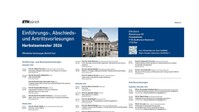
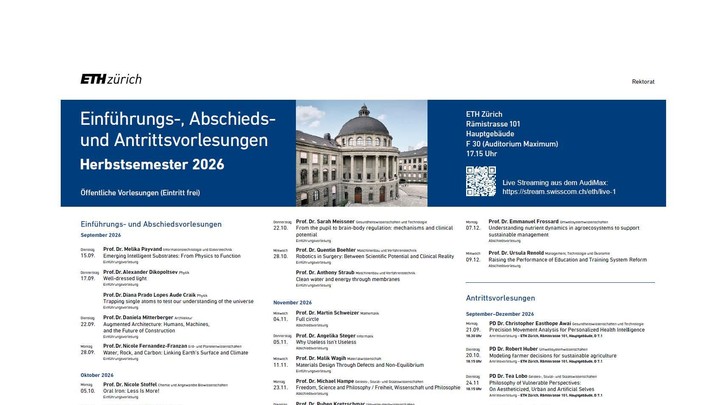
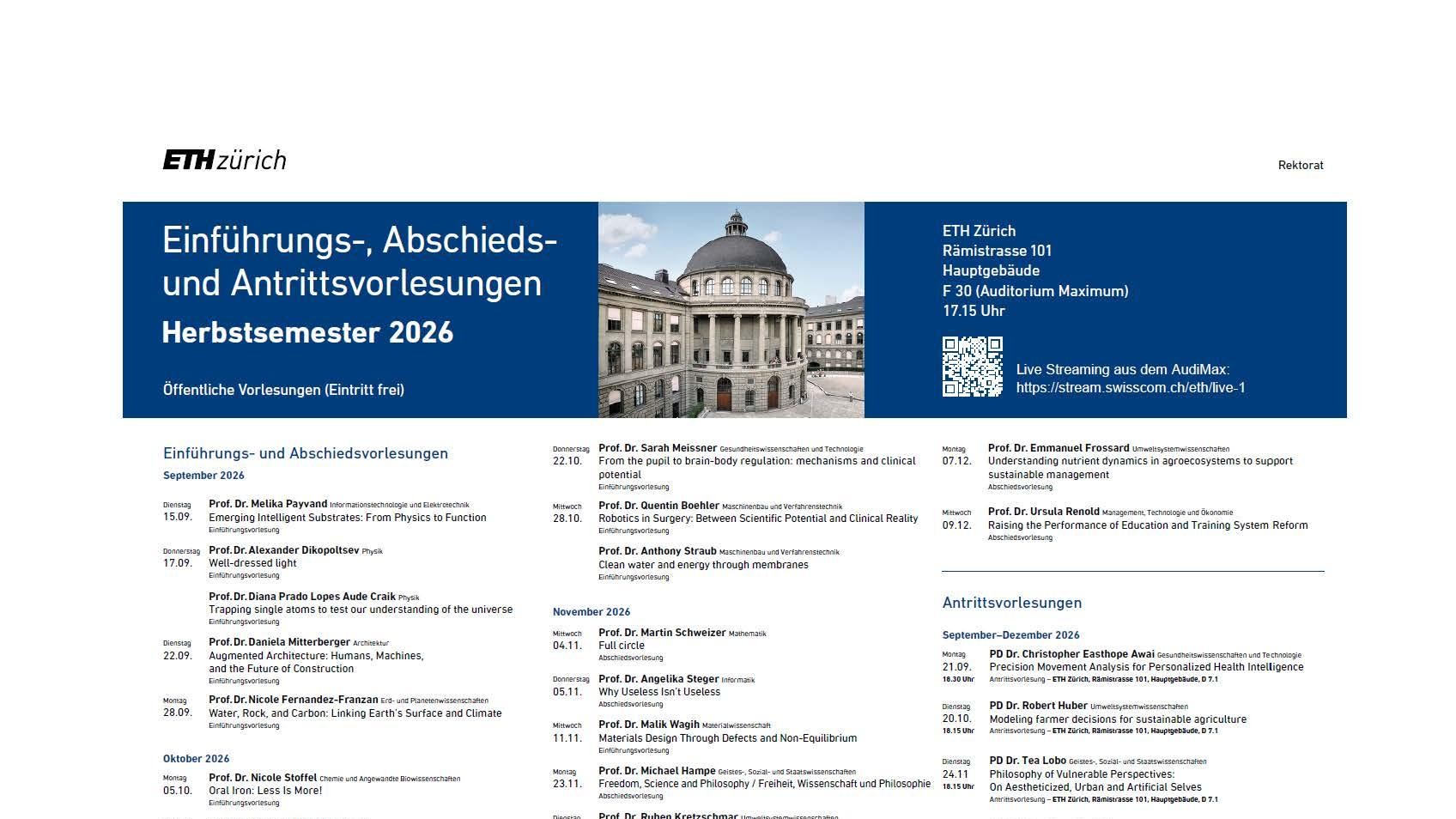
{ "count": 262, "next": "https://memento.epfl.ch/api/v1/events/?format=api&limit=10&offset=80&ordering=title", "previous": "https://memento.epfl.ch/api/v1/events/?format=api&limit=10&offset=60&ordering=title", "results": [ { "id": 71376, "title": "EPFL Latsis Symposium 2026: “Decoding the Cell: Modeling, Predicting, and Engineering Cellular States”", "slug": "epfl-latsis-symposium-2026-decoding-the-cell-model", "event_url": "https://memento.epfl.ch/event/epfl-latsis-symposium-2026-decoding-the-cell-model", "visual_url": "https://memento.epfl.ch/image/32724/200x112.jpg", "visual_large_url": "https://memento.epfl.ch/image/32724/720x405.jpg", "visual_maxsize_url": "https://memento.epfl.ch/image/32724/max-size.jpg", "lang": "en", "start_date": "2026-10-29", "end_date": "2026-10-30", "start_time": null, "end_time": null, "description": "<div class=\"ms-outlook-mobile-reference-message skipProofing\">The <strong>EPFL Latsis Symposium 2026<em>: “Decoding the Cell: Modeling, Predicting, and Engineering Cellular States”</em></strong> will be held on <strong>October 29-30, 2026</strong>, at the <strong>Olympic Museum in Lausanne</strong>.<br>\r\n<br>\r\nThis international gathering will bring together leading scientists in single-cell analysis, computational modeling, and cellular engineering to explore how recent breakthroughs in multi-omics technologies, predictive algorithms, and synthetic biology are reshaping our understanding of cellular function.<br>\r\n<br>\r\nThrough interdisciplinary talks and discussions, the symposium will spotlight advances in single-cell multi-modal data integration, predictive modeling of cell identity and behavior, and the engineering of synthetic cell states. By connecting researchers across experimental and computational domains, the event aims to establish new conceptual and technological frameworks for modeling and controlling cellular systems.<br>\r\n<br>\r\nHosted by EPFL, the symposium will foster scientific exchange, spark new collaborations, and accelerate progress toward next-generation cell-based therapies, disease models, and synthetic biological innovations.<br>\r\n<br>\r\nJoin us in Lausanne to connect with the global community shaping the future of cell understanding and engineering.<br>\r\n<br>\r\n<strong><a href=\"https://latsis2026.epfl.ch/event/1/\">Abstract submission deadline: September 15, 2026</a><br>\r\n<a href=\"https://latsis2026.epfl.ch/event/1/\">Registration deadline: September 30, 2026</a></strong><br>\r\n<br>\r\n<strong>CALL FOR ABSTRACTS IS OPEN</strong><br>\r\nA few reasons it is worth submitting an abstract:</div>\r\n\r\n<div>\r\n<ul>\r\n\t<li>Direct, in-depth conversations with attendees and our invited speakers</li>\r\n\t<li>A chance to network and spark new collaborations</li>\r\n\t<li>Ideal for sharing ongoing or preliminary results and getting early feedback</li>\r\n\t<li>Possibility to be selected for an abstract talk</li>\r\n\t<li>Eligible for our Best Poster Prize worth CHF 500, voted by symposium participants</li>\r\n</ul>\r\n</div>\r\n<strong>WHY ATTEND</strong>\r\n\r\n<ul>\r\n\t<li> World-class science - 11 invited experts, including speakers from Stanford, Cambridge, the Wellcome Sanger Institute, ETH Zurich, the Allen Institute, and other leading institutions</li>\r\n\t<li> Intimate format - a curated, discussion-driven programme with direct access to speakers</li>\r\n\t<li> Cross-disciplinary by design - connecting computational, experimental, and engineering approaches to cellular states</li>\r\n\t<li> Best poster prize - voted by participants</li>\r\n\t<li> A full conference experience - coffee breaks, lunches, dinner on Day 1, and complimentary access to the museum's exhibition at the close of the symposium</li>\r\n</ul>\r\n<strong>VENUE</strong><br>\r\nThe Olympic Museum is perched on the shores of Lake Geneva, with panoramic views of the Alps. It offers an exceptional setting for scientific exchange and networking.<br>\r\n<br>\r\n<strong>CONFIRMED SPEAKERS INCLUDE</strong>\r\n\r\n<ul>\r\n\t<li> <strong>Gray Camp </strong>- Roche Institute for Translational Bioengineering, Basel</li>\r\n\t<li> <strong> Barbara Engelhardt </strong>- Stanford University</li>\r\n\t<li> <strong>Jeremy Gunawardena</strong> - Pompeu Fabra University</li>\r\n\t<li> <strong>Muzlifah Haniffa </strong>- Wellcome Sanger Institute & University of Cambridge</li>\r\n\t<li><strong> Prisca Liberali</strong> - ETH Zurich & Friedrich Miescher Institute for Biomedical Research</li>\r\n\t<li> <strong> Steve Quake </strong>- Stanford University</li>\r\n\t<li> <strong>Susanne Rafelski</strong> - Allen Institute for Cell Science</li>\r\n\t<li> <strong> Kevin Tsia </strong>- University of Hong Kong</li>\r\n\t<li> <strong>Bo Wang </strong>- University Health Network & University of Toronto</li>\r\n</ul>\r\n<br>\r\n<em>We gratefully acknowledge the support of the Latsis International Foundation, Alithea Genomics, Cytosurge, 10x Genomics, and Stemcell Technologies, whose contributions help make this symposium possible.</em>", "image_description": "In a galaxy not so far, far away… Jakob J. Langer, Postdoctoral researcher, Lutolf Lab.", "creation_date": "2026-03-13T14:52:09", "last_modification_date": "2026-09-07T13:25:04", "link_label": "Registration & abstract submission", "link_url": "https://latsis2026.epfl.ch/event/1/", "canceled": "False", "cancel_reason": "", "place_and_room": "Olympic Museum", "url_place_and_room": "", "url_online_room": "", "spoken_languages": [ "https://memento.epfl.ch/api/v1/spoken_languages/2/?format=api" ], "speaker": "<a href=\"https://www.epfl.ch/labs/deplanckelab/latsis-symposium-2026/epfl-latsis-symposium-2026-invited-speakers/\">SPEAKERS</a>", "organizer": "LATSIS Symposium 2026 Organizing Committee:<br>\r\nProf. Bart Deplancke, Prof. Maria Brbić and Prof. Giovanni D’Angelo", "contact": "<a href=\"mailto:[email protected]\">[email protected]</a>", "is_internal": "False", "theme": "", "vulgarization": { "id": 2, "fr_label": "Public averti", "en_label": "Informed public" }, "registration": { "id": 1, "fr_label": "Sur inscription", "en_label": "Registration required" }, "keywords": "", "file": null, "icalendar_url": "https://memento.epfl.ch/event/export/120078/", "category": { "id": 1, "code": "CONF", "fr_label": "Conférences - Séminaires", "en_label": "Conferences - Seminars", "activated": true }, "academic_calendar_category": null, "domains": [], "mementos": [ "https://memento.epfl.ch/api/v1/mementos/8/?format=api", "https://memento.epfl.ch/api/v1/mementos/1/?format=api", "https://memento.epfl.ch/api/v1/mementos/111/?format=api", "https://memento.epfl.ch/api/v1/mementos/9/?format=api", "https://memento.epfl.ch/api/v1/mementos/416/?format=api", "https://memento.epfl.ch/api/v1/mementos/5/?format=api", "https://memento.epfl.ch/api/v1/mementos/6/?format=api", "https://memento.epfl.ch/api/v1/mementos/27/?format=api" ] }, { "id": 72774, "title": "EPFL Valais Wallis Health Day", "slug": "epfl-valais-wallis-health-day", "event_url": "https://memento.epfl.ch/event/epfl-valais-wallis-health-day", "visual_url": "https://memento.epfl.ch/image/33990/200x112.jpg", "visual_large_url": "https://memento.epfl.ch/image/33990/720x405.jpg", "visual_maxsize_url": "https://memento.epfl.ch/image/33990/max-size.jpg", "lang": "en", "start_date": "2026-11-10", "end_date": "2026-11-10", "start_time": "11:00:00", "end_time": "19:00:00", "description": "<p>Following the success of the Unil+EFPL Health Days on the Ecublens campus, the EPFL Valais Wallis campus will host its first Health Day in Sion, featuring health check-ups and tests, information booths, workshops, and an expert talk.<br>\r\n<br>\r\n<strong>11:00-14:30 – Health Check-ups & Tests, Innovation & Sports</strong>\r\n</p><ul>\r\n\t<li>Joint Mobility</li>\r\n\t<li>Cardiovascular</li>\r\n\t<li>Anthropometry</li>\r\n\t<li>The Secrets of Pendulum Exercises</li>\r\n</ul>\r\n<br>\r\n<strong>11:00-14:30 – Prevention, Resources & Support</strong>\r\n\r\n<ul>\r\n\t<li>Swiss Polar Institute</li>\r\n\t<li>EPFL Well-being and Inclusion</li>\r\n\t<li>Accident Prevention Module for Snow Sports</li>\r\n</ul>\r\n<br>\r\n<strong>11:00-14:00 – Interactive Sessions on Respect and Well-being (EN)</strong><br>\r\nby Ingrid Le Duc, ENAC Dean’s Delegate for Organizational Culture\r\n<ul>\r\n\t<li>Managing Stress in an Academic Environment</li>\r\n\t<li>Understanding and Responding to Powersplaining and Mansplaining</li>\r\n\t<li>Balancing Pressure and Productivity in Academia</li>\r\n\t<li>Repairing Interactions When Implicit Bias Shapes the Conversation</li>\r\n</ul>\r\n<br>\r\n<strong>16:00-17:00 –</strong> <strong>Workshop (EN): The Power of Effective Breaks</strong><br>\r\nby Diane Duperret, sophrologist<br>\r\n<br>\r\n<br>\r\n<strong>17:00-18:00 – Expert Talk (EN): The Stressed Brain, From Emotion to Performance</strong><br>\r\nby Prof. Chantal Martin Sölch (University of Fribourg)<br>\r\n<br>\r\nFollowed by a reception<br>\r\n<br>\r\n<br>\r\n<a href=\"https://www.epfl.ch/campus/security-safety/sante/sante-mentale-bien-etre/journees-sante-campus-associes/\">>> Details and registration</a>", "image_description": "", "creation_date": "2026-10-06T11:42:12", "last_modification_date": "2026-10-06T11:57:16", "link_label": "Details and registration", "link_url": "https://www.epfl.ch/campus/security-safety/en/health/mental-health-well-being/health-day-associated-campuses/", "canceled": "False", "cancel_reason": "", "place_and_room": "ALPOLE", "url_place_and_room": "", "url_online_room": "", "spoken_languages": [ "https://memento.epfl.ch/api/v1/spoken_languages/1/?format=api", "https://memento.epfl.ch/api/v1/spoken_languages/2/?format=api" ], "speaker": "Ingrid Le Duc, Diane Duperret, Chantal Martin Sölch", "organizer": "EPFL Valais Wallis, EPFL VPH-WINC", "contact": "<a href=\"mailto:[email protected]\">[email protected]</a>", "is_internal": "True", "theme": "", "vulgarization": { "id": 1, "fr_label": "Tout public", "en_label": "General public" }, "registration": { "id": 3, "fr_label": "Entrée libre", "en_label": "Free" }, "keywords": "", "file": null, "icalendar_url": "https://memento.epfl.ch/event/export/122078/", "category": { "id": 1, "code": "CONF", "fr_label": "Conférences - Séminaires", "en_label": "Conferences - Seminars", "activated": true }, "academic_calendar_category": null, "domains": [], "mementos": [ "https://memento.epfl.ch/api/v1/mementos/5/?format=api", "https://memento.epfl.ch/api/v1/mementos/8/?format=api", "https://memento.epfl.ch/api/v1/mementos/9/?format=api", "https://memento.epfl.ch/api/v1/mementos/425/?format=api", "https://memento.epfl.ch/api/v1/mementos/396/?format=api", "https://memento.epfl.ch/api/v1/mementos/110/?format=api", "https://memento.epfl.ch/api/v1/mementos/21/?format=api", "https://memento.epfl.ch/api/v1/mementos/6/?format=api" ] }, { "id": 70883, "title": "ERC Consolidator Grants", "slug": "erc-consolidator-grants", "event_url": "https://memento.epfl.ch/event/erc-consolidator-grants", "visual_url": "https://memento.epfl.ch/image/32273/200x112.jpg", "visual_large_url": "https://memento.epfl.ch/image/32273/720x405.jpg", "visual_maxsize_url": "https://memento.epfl.ch/image/32273/max-size.jpg", "lang": "en", "start_date": "2027-01-12", "end_date": "2027-01-12", "start_time": null, "end_time": null, "description": "<strong>Call opening announced for 24 September, 2026<br>\r\n<br>\r\nAim</strong><br>\r\nFor excellent scientists to consolidate their research career in the framework of an ambitious research project, allowing for major scientific advancements.<br>\r\n<br>\r\n<strong>Funding & duration</strong><br>\r\nMax. EUR 2 Mio (including 25% overhead) for a period of max. 5 years (pro rata temporis for shorter project duration). Additional funding of up to 1 mio EUR (including 25% overhead) can be requested for well justified reasons. For applicants relocating to the EU or an Horizon Europe associated country, additional funding for up to 2 mio EUR can be requested.<br>\r\n<br>\r\n<strong>Eligibility</strong>\r\n<ul>\r\n\t<li>Applicants must be 5 – 15 years after their successful PhD defense (eligibility window from 1 January 2012 to 31 December 2021).</li>\r\n\t<li>Principal Investigators must commit a minimum of 40% of their working time to the project and a minimum of 50% of their working time in a European Member State or Associated Country.</li>\r\n\t<li>For applicants without professorship restrictions apply, contact <a href=\"mailto:[email protected]\">[email protected]</a> as soon as possible.</li>\r\n\t<li>Applicants must submit an EPFL commitment letter together with their project proposal.</li>\r\n\t<li>Proposals are submitted via the <a href=\"https://ec.europa.eu/info/funding-tenders/opportunities/portal/screen/opportunities/topic-details-tr/ERC-2027-COG?order=DESC&pageNumber=1&pageSize=50&sortBy=startDate&isExactMatch=true&status=31094501,31094502,31094503&programmePart=43108406&frameworkProgramme=43108390\">EU Funding & Tenders portal</a>.</li>\r\n</ul>\r\n<strong>Deadline for proposal submissions</strong><br>\r\n12 January 2027, 17:00 CET<br>\r\n<br>\r\n<strong>Support and information</strong>\r\n\r\n<ul>\r\n\t<li><a href=\"https://drive.google.com/drive/folders/1lkShwV3jJXi-LyiMn3f53faponTgZ51n\">EPFL toolkit</a> for the proposal preparation, including instructions on how to obtain the EPFL commitment letter. The toolkit will be finalised once the call is published.</li>\r\n\t<li>EPFL Information Session: 15 October 2026, 11:00 – 12:30 – <a href=\"https://forms.gle/Vh45VGpyMcaPsfTw9\">register now</a>!</li>\r\n\t<li>For proposal writing services and administrative assistance with the proposal preparation please contact <a href=\"mailto:[email protected]\">[email protected]</a>.</li>\r\n</ul>", "image_description": "", "creation_date": "2026-01-15T14:45:18", "last_modification_date": "2026-09-24T13:18:29", "link_label": "", "link_url": "", "canceled": "False", "cancel_reason": "", "place_and_room": "", "url_place_and_room": "", "url_online_room": "", "spoken_languages": [], "speaker": "", "organizer": "", "contact": "[email protected]", "is_internal": "False", "theme": "", "vulgarization": { "id": 1, "fr_label": "Tout public", "en_label": "General public" }, "registration": { "id": 3, "fr_label": "Entrée libre", "en_label": "Free" }, "keywords": "", "file": null, "icalendar_url": "https://memento.epfl.ch/event/export/119338/", "category": { "id": 16, "code": "PROP", "fr_label": "Appel à proposition", "en_label": "Call for proposal", "activated": true }, "academic_calendar_category": null, "domains": [], "mementos": [ "https://memento.epfl.ch/api/v1/mementos/140/?format=api" ] }, { "id": 68772, "title": "ERC Starting Grants", "slug": "erc-starting-grants", "event_url": "https://memento.epfl.ch/event/erc-starting-grants", "visual_url": "https://memento.epfl.ch/image/30325/200x112.jpg", "visual_large_url": "https://memento.epfl.ch/image/30325/720x405.jpg", "visual_maxsize_url": "https://memento.epfl.ch/image/30325/max-size.jpg", "lang": "en", "start_date": "2027-10-14", "end_date": "2027-10-14", "start_time": null, "end_time": null, "description": "<br>\r\n<strong>Aim</strong><br>\r\nFor talented early-career scientists who have already produced excellent supervised work and have already shown evidence for research independence, for example by having produced at least one important publication as main author or without the participation of their PhD supervisor.<br>\r\n<br>\r\n<strong>Funding & duration</strong><br>\r\nMax. EUR 1.5 Mio for a period of max. 5 years (including 25% overhead; pro rata temporis for shorter project duration). Additional funding up to EUR 1 mio. (including 25% overhead), may be requested for well justified reasons; additional funding covers for example start-up costs for PIs moving to Switzerland as a consequence of receiving the ERC grant, purchase of major equipment, access to large facilities, other major experimental and field work costs including personnel costs. For applicants relocating to the EU or a Horizon Europe Associated country, additional funding for up to EUR 2 million can be requested.<br>\r\n<br>\r\n<strong>Eligibility</strong>\r\n<ul>\r\n\t<li>Applicants must have successfully defended their PhD not more than 10 years ago. For the call 2027, the eligibility window goes from 1 January 2019 to 31 December 2026.</li>\r\n\t<li>Principal Investigators must commit a minimum of 50% of their working time to the project and a minimum of 50% of their working time in a European Member State or Associated Country.</li>\r\n\t<li>For applicants without professorship EPFL requires the approval of the Faculty/Institute/supporting professor, hosting the ERC project in case granted. For information about the respective procedures and restrictions, please consult the information in the <a href=\"https://drive.google.com/drive/folders/16uv1JPnhNWpsNY70F3kXMoG_6NC38i0E\">EPFL Starting Grant toolkit.</a></li>\r\n\t<li>Applicants must submit the EPFL commitment letter together with their project-proposal, please consult the <a href=\"https://drive.google.com/drive/folders/16uv1JPnhNWpsNY70F3kXMoG_6NC38i0E\">EPFL Starting Grant toolkit </a>for instructions to obtain the EPFL commitment letter.</li>\r\n</ul>\r\nProposals are submitted via the EU Funding & Tenders portal the latest on 14 October 2026, 17:00 CET. Instructions for the online proposal preparation are in the <a href=\"https://drive.google.com/drive/folders/16uv1JPnhNWpsNY70F3kXMoG_6NC38i0E\">EPFL Starting Grant toolkit.</a><br>\r\n<br>\r\n<strong>Deadline for proposal submissions</strong><br>\r\n14 October 2026, 17:00 CET<br>\r\n<br>\r\n<strong>Support and information</strong>\r\n\r\n<ul>\r\n\t<li>The <a href=\"https://drive.google.com/drive/folders/16uv1JPnhNWpsNY70F3kXMoG_6NC38i0E\">EPFL toolkit</a> provides useful information for the proposal preparation.</li>\r\n\t<li>EPFL information event: Wed, 19 August 2026, 11:00 – 12:30 – <a href=\"https://forms.gle/95cAy2UW3xtfQ24N6\">register now</a>!</li>\r\n\t<li>For proposal writing services and administrative assistance with the proposal preparation please contact <a href=\"mailto:[email protected]\">[email protected]</a>.</li>\r\n</ul>", "image_description": "", "creation_date": "2025-03-26T14:02:46", "last_modification_date": "2026-08-12T17:20:38", "link_label": "", "link_url": "", "canceled": "False", "cancel_reason": "", "place_and_room": "", "url_place_and_room": "", "url_online_room": "", "spoken_languages": [], "speaker": "", "organizer": "", "contact": "[email protected]", "is_internal": "False", "theme": "", "vulgarization": { "id": 1, "fr_label": "Tout public", "en_label": "General public" }, "registration": { "id": 3, "fr_label": "Entrée libre", "en_label": "Free" }, "keywords": "", "file": null, "icalendar_url": "https://memento.epfl.ch/event/export/116131/", "category": { "id": 16, "code": "PROP", "fr_label": "Appel à proposition", "en_label": "Call for proposal", "activated": true }, "academic_calendar_category": null, "domains": [], "mementos": [ "https://memento.epfl.ch/api/v1/mementos/140/?format=api" ] }, { "id": 68778, "title": "ERC Synergy Grants", "slug": "erc-synergy-grants", "event_url": "https://memento.epfl.ch/event/erc-synergy-grants", "visual_url": "https://memento.epfl.ch/image/30331/200x112.jpg", "visual_large_url": "https://memento.epfl.ch/image/30331/720x405.jpg", "visual_maxsize_url": "https://memento.epfl.ch/image/30331/max-size.jpg", "lang": "en", "start_date": "2026-11-05", "end_date": "2026-11-05", "start_time": null, "end_time": null, "description": "<strong>Call closed<br>\r\n<br>\r\nAim</strong><br>\r\nFor a group of <strong>two to maximum four Principal Investigators (PIs) </strong>working together and bringing different skills and resources to tackle ambitious research problems. One will be designated as the corresponding PI (cPI). The synergistic element to solve important research challenges is the key element for successful project proposals.<br>\r\n<br>\r\n<strong>Funding</strong><br>\r\nMax. EUR 10 Mio for a period of max. 6 years (including 25% overhead; pro rata temporis for shorter project duration). However, an additional EUR 4 million can be made available to cover eligible “start-up” costs for researchers moving from a third country to the EU or an associated country and/or the purchase of major equipment and/or access to large facilities and/or other major experimental and field work costs, including personnel costs.<br>\r\n<br>\r\n<strong>Eligibility</strong><br>\r\nNo specific eligibility criteria regarding the academic training are foreseen for ERC Synergy Grants. PIs must present a competitive<strong> </strong>track record as appropriate to their career stage.<br>\r\n<br>\r\n<strong>Deadline for proposal submissions</strong><br>\r\nTBC<br>\r\nProposals are submitted via the <a href=\"https://ec.europa.eu/info/funding-tenders/opportunities/portal/screen/opportunities/calls-for-proposals?isExactMatch=true&status=31094501,31094502,31094503&order=DESC&pageNumber=1&pageSize=50&sortBy=startDate\">EU Funding & Tenders portal</a><br>\r\n<br>\r\n<strong>Support and information</strong>\r\n<ul>\r\n\t<li>EPFL toolkit , with budget calculator and useful information for the proposal preparation will be provided upon call opening.</li>\r\n\t<li>For proposal writing services and administrative assistance with the proposal preparation please contact <a href=\"mailto:[email protected]\">[email protected]</a>.</li>\r\n\t<li><a href=\"https://erc.europa.eu/apply-grant/synergy-grant\">ERC SyG webpage</a></li>\r\n</ul>", "image_description": "", "creation_date": "2025-03-26T17:32:18", "last_modification_date": "2025-11-17T14:28:11", "link_label": "", "link_url": "", "canceled": "False", "cancel_reason": "", "place_and_room": "", "url_place_and_room": "", "url_online_room": "", "spoken_languages": [], "speaker": "", "organizer": "", "contact": "[email protected]", "is_internal": "False", "theme": "", "vulgarization": { "id": 1, "fr_label": "Tout public", "en_label": "General public" }, "registration": { "id": 3, "fr_label": "Entrée libre", "en_label": "Free" }, "keywords": "", "file": null, "icalendar_url": "https://memento.epfl.ch/event/export/116139/", "category": { "id": 16, "code": "PROP", "fr_label": "Appel à proposition", "en_label": "Call for proposal", "activated": true }, "academic_calendar_category": null, "domains": [], "mementos": [ "https://memento.epfl.ch/api/v1/mementos/140/?format=api" ] }, { "id": 72506, "title": "Essays in Asset Pricing with Trading Frictions", "slug": "essays-in-asset-pricing-with-trading-frictions-2", "event_url": "https://memento.epfl.ch/event/essays-in-asset-pricing-with-trading-frictions-2", "visual_url": "https://memento.epfl.ch/image/33752/200x112.jpg", "visual_large_url": "https://memento.epfl.ch/image/33752/720x405.jpg", "visual_maxsize_url": "https://memento.epfl.ch/image/33752/max-size.jpg", "lang": "en", "start_date": "2026-10-06", "end_date": "2026-10-06", "start_time": "16:00:00", "end_time": null, "description": "<p>Thesis Directors: Prof. P. Collin-Dufresne, Prof. A. Fuster<br>\r\nFinance doctoral program<br>\r\nThesis Nr. 11152<br>\r\n<br>\r\nTo take part in the public defense, please contact directly the speaker</p>", "image_description": "", "creation_date": "2026-09-03T14:06:48", "last_modification_date": "2026-09-03T14:06:55", "link_label": "", "link_url": "", "canceled": "False", "cancel_reason": "", "place_and_room": "Extranef, UNIL", "url_place_and_room": "", "url_online_room": "", "spoken_languages": [], "speaker": "<a href=\"mailto:[email protected]\"><strong>Federico BALDI LANFRANCHI</strong></a>", "organizer": "", "contact": "<a href=\"mailto:[email protected]\"><strong>Federico BALDI LANFRANCHI</strong></a>", "is_internal": "False", "theme": "", "vulgarization": { "id": 1, "fr_label": "Tout public", "en_label": "General public" }, "registration": { "id": 3, "fr_label": "Entrée libre", "en_label": "Free" }, "keywords": "EDFI", "file": null, "icalendar_url": "https://memento.epfl.ch/event/export/121681/", "category": { "id": 12, "code": "SOUTE", "fr_label": "Soutenances de thèses", "en_label": "Thesis defenses", "activated": true }, "academic_calendar_category": null, "domains": [], "mementos": [ "https://memento.epfl.ch/api/v1/mementos/1/?format=api", "https://memento.epfl.ch/api/v1/mementos/6/?format=api" ] }, { "id": 67934, "title": "ETHZ Inaugural and Farewell Lectures - Autumn Semester 2026", "slug": "ethz-inaugural-and-farewell-lectures-autumn-semest", "event_url": "https://memento.epfl.ch/event/ethz-inaugural-and-farewell-lectures-autumn-semest", "visual_url": "https://memento.epfl.ch/image/29550/200x112.jpg", "visual_large_url": "https://memento.epfl.ch/image/29550/720x405.jpg", "visual_maxsize_url": "https://memento.epfl.ch/image/29550/max-size.jpg", "lang": "en", "start_date": "2026-09-16", "end_date": "2026-12-31", "start_time": null, "end_time": null, "description": "<p>The public lectures (inaugural and farewell lectures of professors as well as the introductory lectures of Privatdozentinnen und -dozenten) have been a long-standing tradition at ETH.<br>\r\nOnce again, an interesting and varied programme has been created for the coming semester. The selected topics promise stimulating insights into the wide range of research and teaching at ETH Zurich.<br>\r\n<br>\r\nAll lectures are published in the <a href=\"https://ethz.ch/en/news-and-events/events/inaugural-farewell-introductory-lectures.html\">ETH events calendar</a>.<br>\r\n <br>\r\nID Multimedia Production offers live streaming from the AudiMax:<br>\r\n<a href=\"https://event.swisscom.ch/v/eth-live-1\">https://event.swisscom.ch/v/eth-live-1</a><br>\r\n <br>\r\nThe inaugural and farewell lectures will also be recorded and can be accessed here:<br>\r\n<a href=\"https://video.ethz.ch/speakers/lecture.html\">https://video.ethz.ch/speakers/lecture.html</a><br>\r\n<br>\r\n </p>", "image_description": "", "creation_date": "2025-01-03T16:03:20", "last_modification_date": "2026-09-15T09:31:37", "link_label": "", "link_url": "", "canceled": "False", "cancel_reason": "", "place_and_room": "", "url_place_and_room": "", "url_online_room": "", "spoken_languages": [ "https://memento.epfl.ch/api/v1/spoken_languages/2/?format=api", "https://memento.epfl.ch/api/v1/spoken_languages/3/?format=api" ], "speaker": "", "organizer": "", "contact": "ETH Zurich<br>\r\nAndrea Heinzelmann: <a href=\"mailto:[email protected]\">[email protected]</a>", "is_internal": "False", "theme": "", "vulgarization": { "id": 1, "fr_label": "Tout public", "en_label": "General public" }, "registration": { "id": 3, "fr_label": "Entrée libre", "en_label": "Free" }, "keywords": "", "file": null, "icalendar_url": "https://memento.epfl.ch/event/export/114916/", "category": { "id": 8, "code": "LI", "fr_label": "Leçons inaugurales - Leçons d'honneur", "en_label": "Inaugural lectures - Honorary Lecture", "activated": true }, "academic_calendar_category": null, "domains": [], "mementos": [ "https://memento.epfl.ch/api/v1/mementos/1/?format=api", "https://memento.epfl.ch/api/v1/mementos/6/?format=api", "https://memento.epfl.ch/api/v1/mementos/145/?format=api" ] }, { "id": 72770, "title": "Exploiting Structure in Nonconvex Stochastic Optimization: Auxiliary Information, Second-Order Methods, and Compositional Objectives", "slug": "exploiting-structure-in-nonconvex-stochastic-opt-2", "event_url": "https://memento.epfl.ch/event/exploiting-structure-in-nonconvex-stochastic-opt-2", "visual_url": "https://memento.epfl.ch/image/33985/200x112.jpg", "visual_large_url": "https://memento.epfl.ch/image/33985/720x405.jpg", "visual_maxsize_url": "https://memento.epfl.ch/image/33985/max-size.jpg", "lang": "en", "start_date": "2026-10-16", "end_date": "2026-10-16", "start_time": "17:00:00", "end_time": null, "description": "<p>Thesis Director: Prof. M. Jaggi,<br>\r\nComputer and Communication Sciences doctoral program<br>\r\nThesis Nr. 10949<br>\r\n<br>\r\nTo take part in the public defense, please contact directly the speaker</p>", "image_description": "", "creation_date": "2026-10-05T16:13:36", "last_modification_date": "2026-10-05T16:13:38", "link_label": "", "link_url": "", "canceled": "False", "cancel_reason": "", "place_and_room": "BC 010", "url_place_and_room": "https://plan.epfl.ch/?room==BC%20010", "url_online_room": "https://epfl.zoom.us/j/62739766043?pwd=p8yKL25d1VSaj4yhpcgUFnOebdXI5p.1", "spoken_languages": [], "speaker": "<a href=\"mailto:[email protected]\"><strong>El Mahdi CHAYTI</strong></a>", "organizer": "", "contact": "<a href=\"mailto:[email protected]\"><strong>El Mahdi CHAYTI</strong></a><br>\r\n ", "is_internal": "False", "theme": "", "vulgarization": { "id": 1, "fr_label": "Tout public", "en_label": "General public" }, "registration": { "id": 3, "fr_label": "Entrée libre", "en_label": "Free" }, "keywords": "EDIC", "file": null, "icalendar_url": "https://memento.epfl.ch/event/export/122071/", "category": { "id": 12, "code": "SOUTE", "fr_label": "Soutenances de thèses", "en_label": "Thesis defenses", "activated": true }, "academic_calendar_category": null, "domains": [], "mementos": [ "https://memento.epfl.ch/api/v1/mementos/1/?format=api", "https://memento.epfl.ch/api/v1/mementos/6/?format=api" ] }, { "id": 72513, "title": "Exploration Journals - Reading the Texts", "slug": "exploration-journals-reading-the-texts", "event_url": "https://memento.epfl.ch/event/exploration-journals-reading-the-texts", "visual_url": "https://memento.epfl.ch/image/33784/200x112.jpg", "visual_large_url": "https://memento.epfl.ch/image/33784/720x405.jpg", "visual_maxsize_url": "https://memento.epfl.ch/image/33784/max-size.jpg", "lang": "en", "start_date": "2026-10-12", "end_date": "2026-10-12", "start_time": "12:00:00", "end_time": "13:00:00", "description": "<div class=\"BCX2 Ltr OutlineElement SCXW195098754\"><strong>THIS EVENT HAD TO BE CANCELED, UNFORTUNATELY<br>\r\n<br>\r\nBy and with the <a href=\"http://www.instagram.com/plume_epfl/\">Plume</a> Association<br>\r\nDuration: 1 hour</strong><br>\r\n<br>\r\n<a href=\"http://www.instagram.com/plume_epfl/\">PLUME</a> is the UNIL-EPFL literature association. Its mission is to promote writing and literary activities among students. As part of the Les Culturelles festival, Plume presents a reading of the final texts from its “Carnets d’exploration” project.<br>\r\n<br>\r\n<strong>THE PROJECT:</strong><br>\r\nStudents are invited to write a text or create an illustration on the theme of “exploration and travel,” whether real or fantastical. A jury selects six authors, who are invited to spend a weekend in the mountains to write the next chapter of the adventure. The texts are read aloud during a public reading as part of the Les Culturelles Festival and then published in a final anthology.<br>\r\n<br>\r\n<strong>Dates:</strong></div>\r\n\r\n<ul>\r\n\t<li>September 17: Deadline for submitting texts and illustrations</li>\r\n\t<li>September 20: Announcement of the 6 winners</li>\r\n\t<li>September 26–27: Exploration weekend in the Swiss Alps</li>\r\n\t<li>October 9: Presentation of the exploration texte</li>\r\n</ul>\r\n\r\n<div class=\"BCX2 Ltr OutlineElement SCXW195098754\"><strong>PUBLIC READING:<br>\r\nMonday, October 12, at 12:00 p.m. in the <a href=\"http://plan.epfl.ch/?room==MED%200%2094.22\">MED Hall</a></strong><br>\r\nAs part of the <a href=\"http://www.epfl.ch/campus/art-culture/fr/les-culturelles/les-culturelles-dautomne-2026/\">Les Culturelles</a> festival, the texts will be read publicly during a dedicated event, followed by a complimentary snack (registration required). A publication containing all the texts will be released in late 2026.<br>\r\n<br>\r\n<em>Carnets d’exploration</em> is a project that received support from the Pôle Culture (VPI) as part of a <a href=\"http://www.epfl.ch/campus/art-culture/fr/bourses-pour-projets-artistiques/\">competition</a> held twice a year for student organizations involved in campus culture.<br>\r\n<br>\r\n<strong>>>> Unfortunately, the event had to be canceled...</strong></div>\r\n \r\n\r\n<figure class=\"image\"><a href=\"https://www.epfl.ch/campus/art-culture/fr/les-culturelles/les-culturelles-dautomne-2026/\"><img alt=\"Programme complet des Culturelles\" height=\"182\" src=\"https://www.epfl.ch/campus/art-culture/wp-content/uploads/2026/09/LES_CULTURELLES_1920x1080_programme_complet.png\" width=\"600\"></a>\r\n\r\n<figcaption>© 2026 EPFL, Laura Persat</figcaption>\r\n</figure>\r\n<br>\r\n ", "image_description": "", "creation_date": "2026-09-03T15:35:35", "last_modification_date": "2026-09-24T13:52:39", "link_label": "Inscription à la collation", "link_url": "https://forms.cloud.microsoft/e/hbqyrFkvFR", "canceled": "True", "cancel_reason": "", "place_and_room": "Hall MED", "url_place_and_room": "https://plan.epfl.ch/?room==MED%200%2094.22", "url_online_room": "", "spoken_languages": [ "https://memento.epfl.ch/api/v1/spoken_languages/1/?format=api", "https://memento.epfl.ch/api/v1/spoken_languages/2/?format=api" ], "speaker": "Plume, association de littérature UNIL-EPFL", "organizer": "<a href=\"https://www.epfl.ch/campus/art-culture/fr/les-culturelles/\">Festival Les Culturelles</a> (Pôle Culture VPI)", "contact": "<a href=\"https://people.epfl.ch/veronique.mauron\">Véronique Mauron Layaz</a>", "is_internal": "False", "theme": "", "vulgarization": { "id": 1, "fr_label": "Tout public", "en_label": "General public" }, "registration": { "id": 3, "fr_label": "Entrée libre", "en_label": "Free" }, "keywords": "littérature, association étudiante EPFL, lecture, écriture", "file": null, "icalendar_url": "https://memento.epfl.ch/event/export/121695/", "category": { "id": 9, "code": "MANIF", "fr_label": "Événements festifs et culturels", "en_label": "Cultural events", "activated": true }, "academic_calendar_category": null, "domains": [], "mementos": [ "https://memento.epfl.ch/api/v1/mementos/1/?format=api", "https://memento.epfl.ch/api/v1/mementos/2/?format=api", "https://memento.epfl.ch/api/v1/mementos/5/?format=api", "https://memento.epfl.ch/api/v1/mementos/6/?format=api", "https://memento.epfl.ch/api/v1/mementos/8/?format=api", "https://memento.epfl.ch/api/v1/mementos/21/?format=api", "https://memento.epfl.ch/api/v1/mementos/22/?format=api", "https://memento.epfl.ch/api/v1/mementos/79/?format=api", "https://memento.epfl.ch/api/v1/mementos/145/?format=api" ] }, { "id": 72754, "title": "Exploring the ∞-categorical semantics of homotopy type theory", "slug": "exploring-the-categorical-semantics-of-homotopy--2", "event_url": "https://memento.epfl.ch/event/exploring-the-categorical-semantics-of-homotopy--2", "visual_url": "https://memento.epfl.ch/image/33968/200x112.jpg", "visual_large_url": "https://memento.epfl.ch/image/33968/720x405.jpg", "visual_maxsize_url": "https://memento.epfl.ch/image/33968/max-size.jpg", "lang": "en", "start_date": "2026-10-15", "end_date": "2026-10-15", "start_time": "10:00:00", "end_time": "11:00:00", "description": "<p>This talk is meant to give an overview of the semantics of HoTT in (∞,1)-categories, tackling the key challenge of rigidification: the process of bridging homotopy-coherent notions phrased in models of higher categories such as quasicategories, and their type-theoretical counterparts that must account for the inherent strictness of type theory.<br>\r\nAfter quickly recalling the usual categorical semantics of extensional Martin-Löf type theory within locally cartesian closed category, the plan is to present some useful ideas to carry over some of the argument to the higher setting. Specifically, I will discuss the process of turning an elementary higher topos into a model of HoTT, and sketch important ideas used to prove the internal language conjecture for locally cartesian closed (∞,1)-categories.<br>\r\n<br>\r\n </p>", "image_description": "", "creation_date": "2026-10-02T13:54:27", "last_modification_date": "2026-10-02T13:54:47", "link_label": "", "link_url": "", "canceled": "False", "cancel_reason": "", "place_and_room": "CM 1 517", "url_place_and_room": "https://plan.epfl.ch/?room==CM%201%20517", "url_online_room": "", "spoken_languages": [ "https://memento.epfl.ch/api/v1/spoken_languages/2/?format=api" ], "speaker": "El Mehdi Cherradi, IRIF", "organizer": "Virgile Constantin", "contact": "Maroussia Schaffner", "is_internal": "False", "theme": "", "vulgarization": { "id": 2, "fr_label": "Public averti", "en_label": "Informed public" }, "registration": { "id": 3, "fr_label": "Entrée libre", "en_label": "Free" }, "keywords": "", "file": null, "icalendar_url": "https://memento.epfl.ch/event/export/122047/", "category": { "id": 1, "code": "CONF", "fr_label": "Conférences - Séminaires", "en_label": "Conferences - Seminars", "activated": true }, "academic_calendar_category": null, "domains": [], "mementos": [ "https://memento.epfl.ch/api/v1/mementos/1/?format=api", "https://memento.epfl.ch/api/v1/mementos/5/?format=api", "https://memento.epfl.ch/api/v1/mementos/6/?format=api", "https://memento.epfl.ch/api/v1/mementos/7/?format=api", "https://memento.epfl.ch/api/v1/mementos/9/?format=api" ] } ] }