Event List
retrieve:
Return the details about the given Event id.
list:
List all Event objects.
GET /api/v1/events/?format=api&offset=90&ordering=-event__organizer
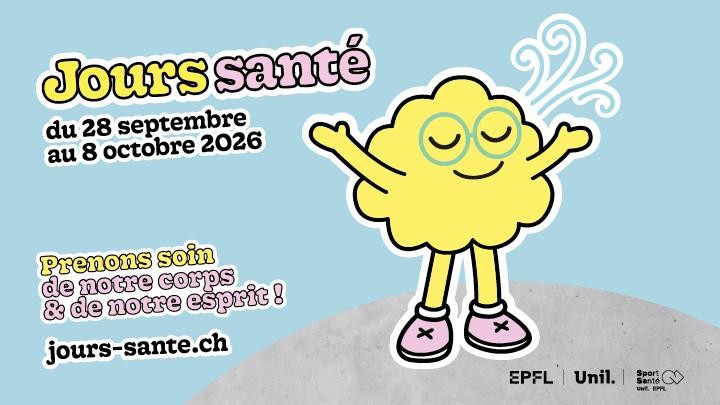
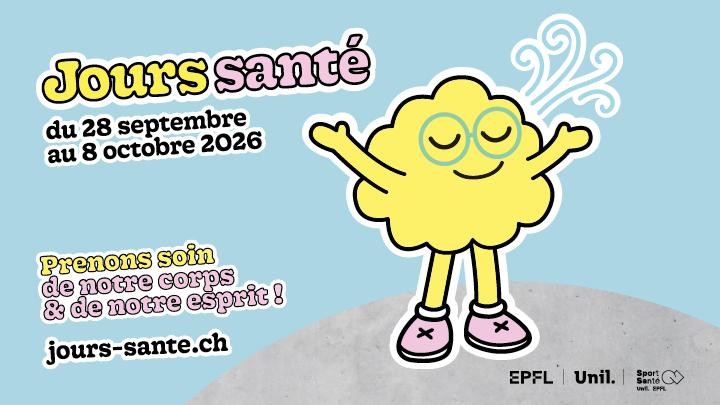
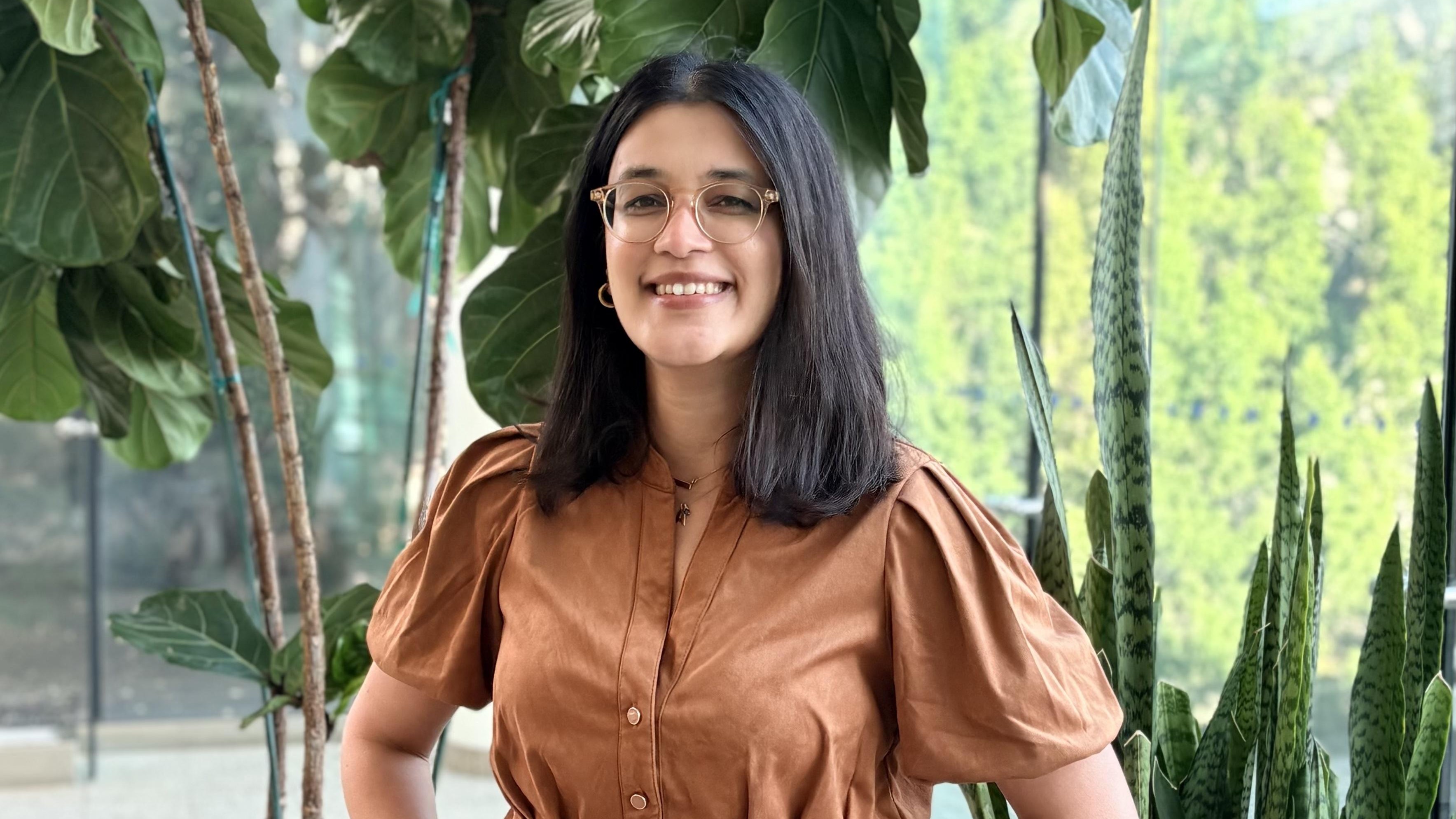
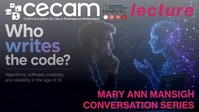
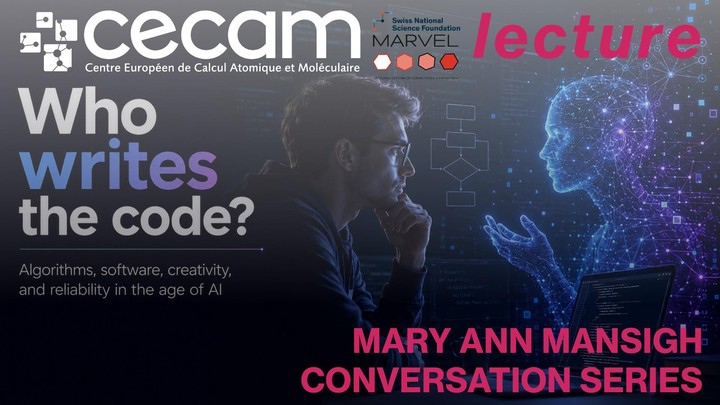
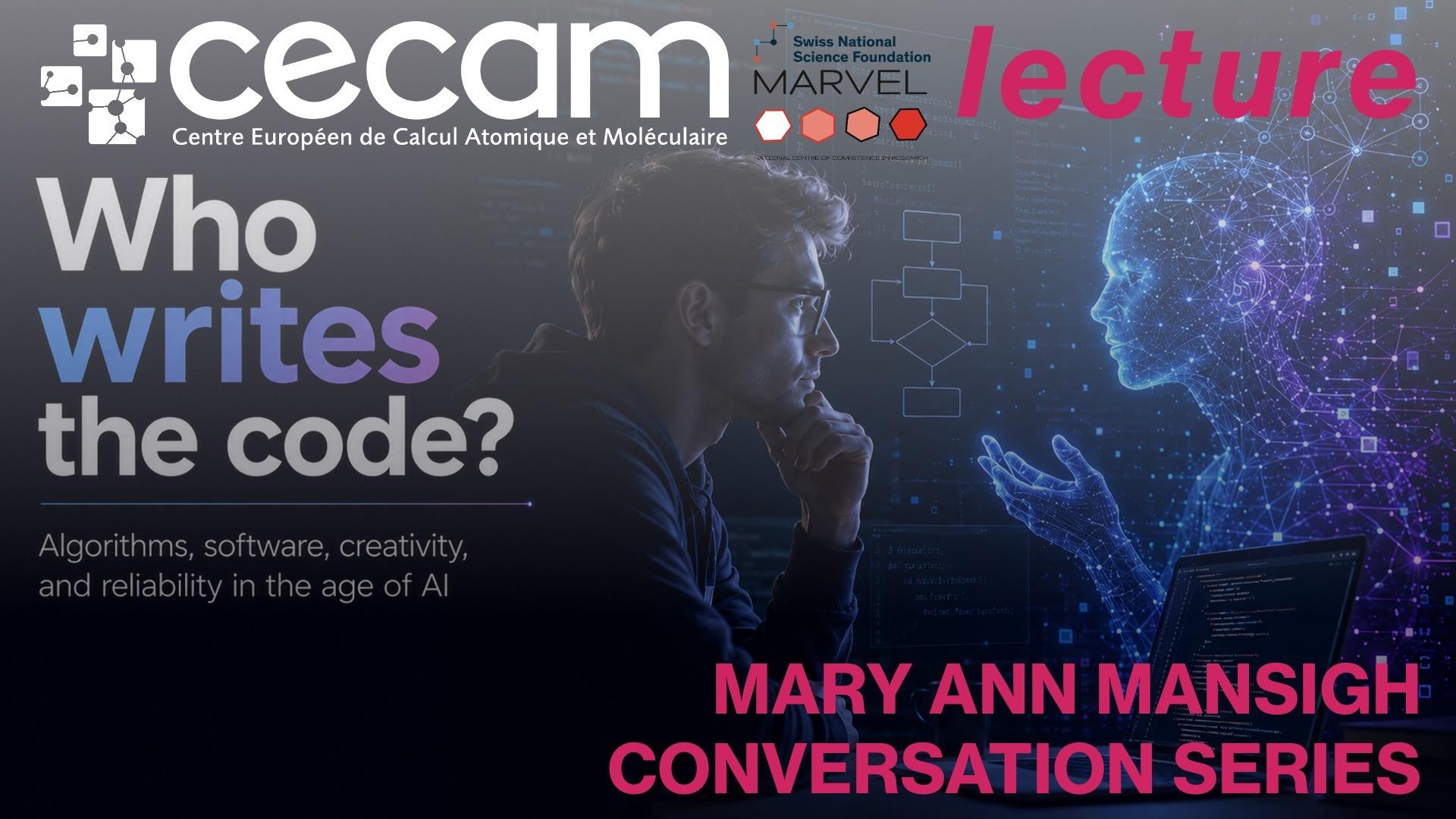
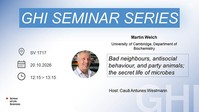
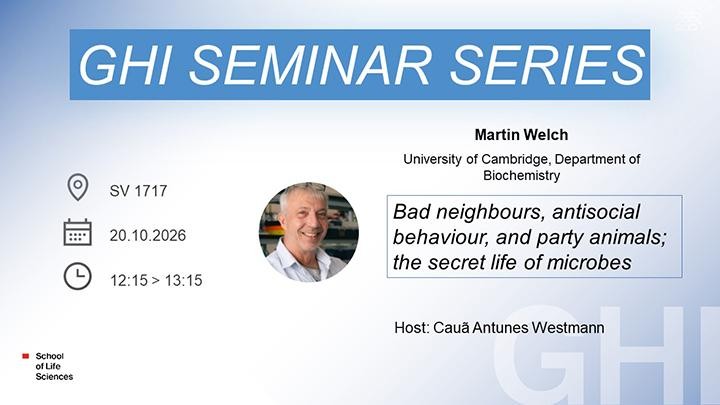
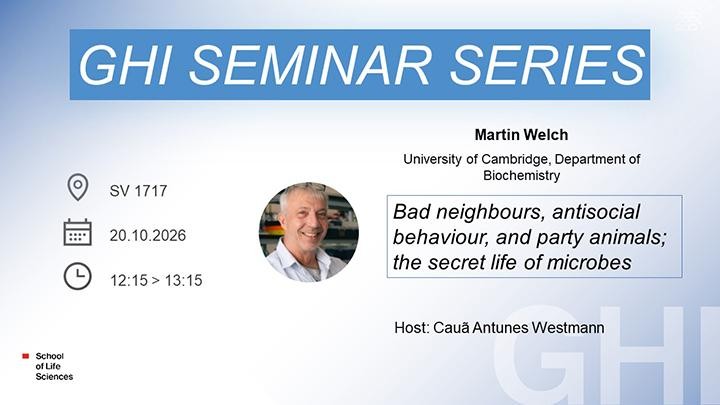
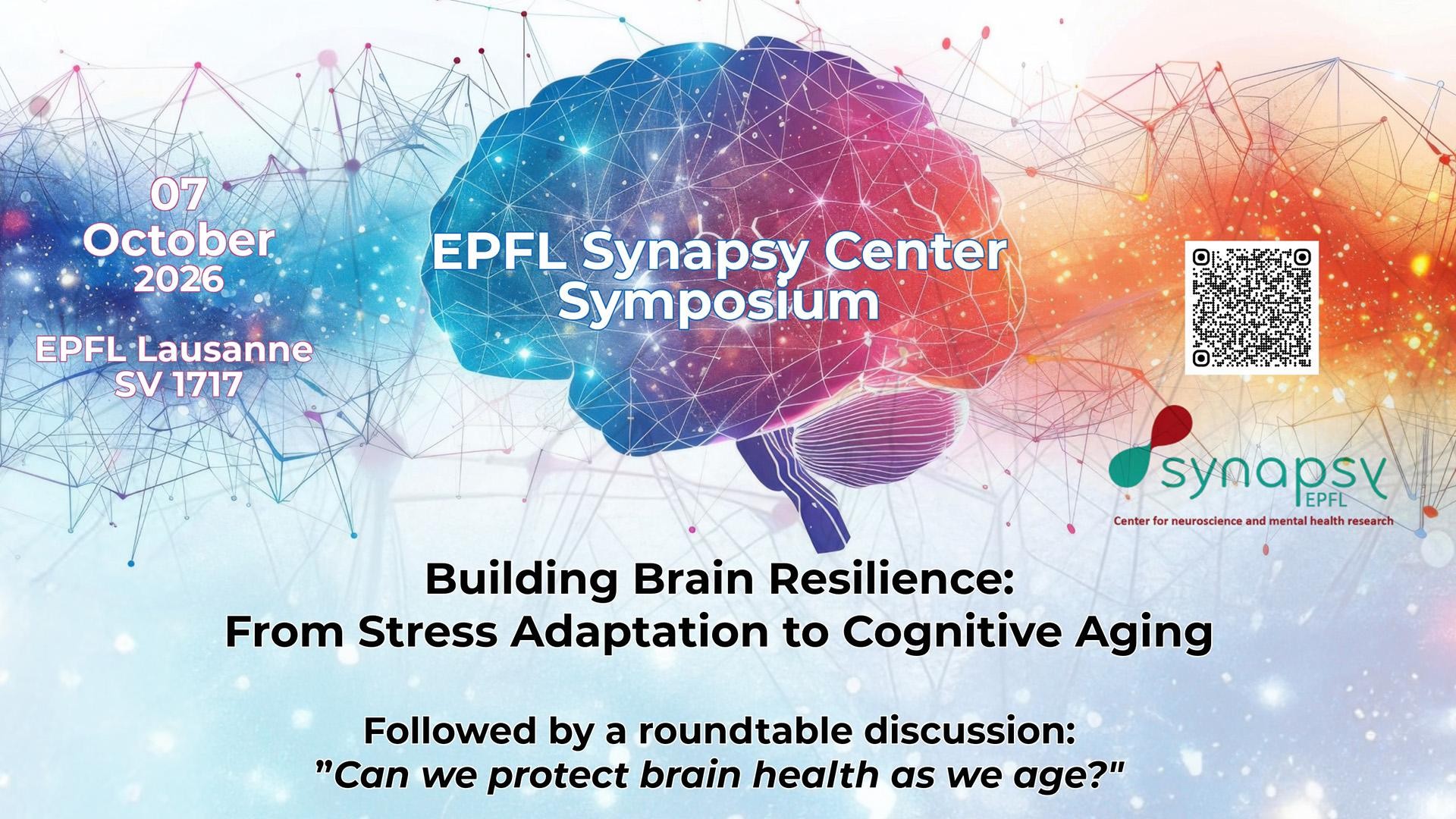
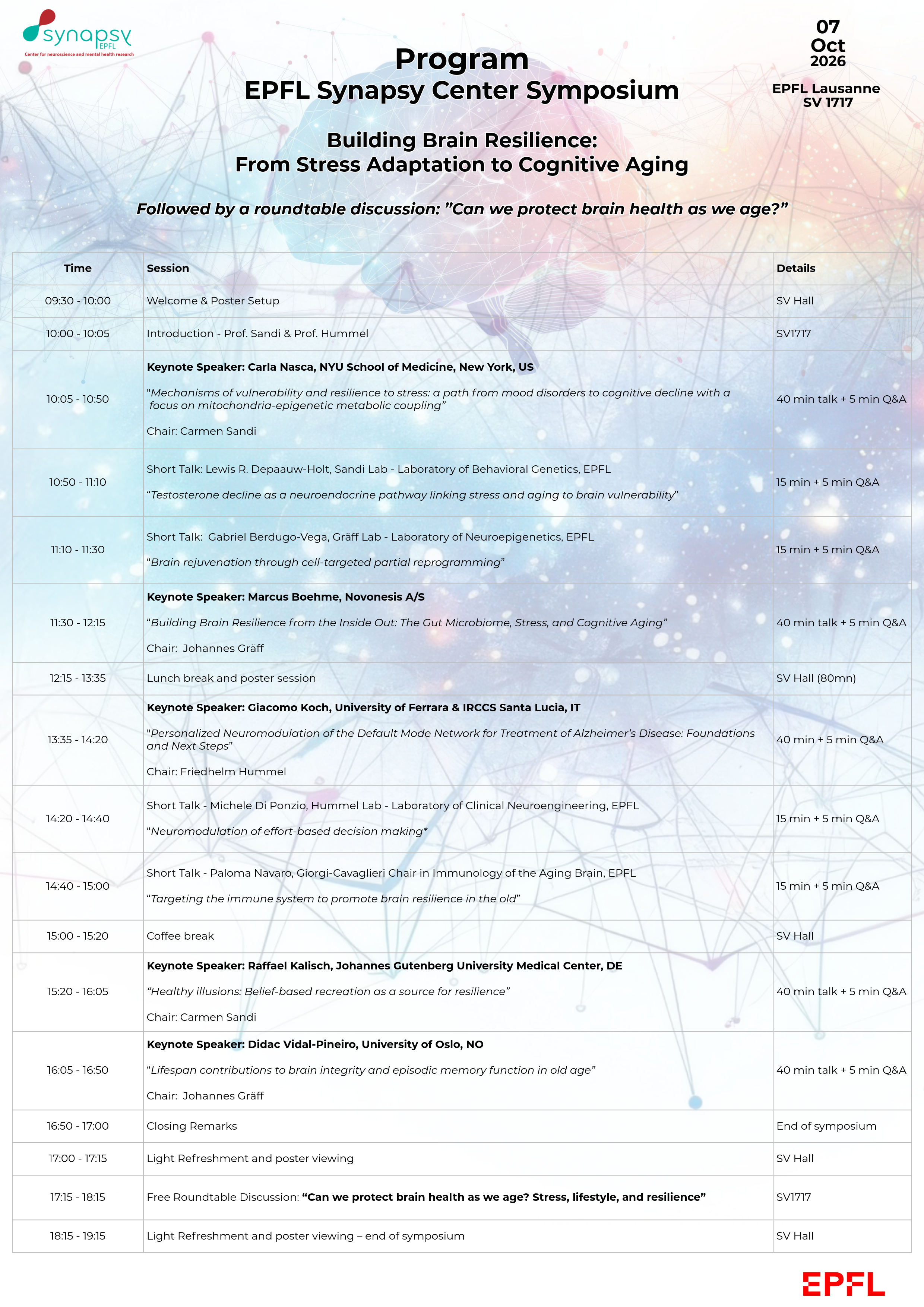
{ "count": 253, "next": "https://memento.epfl.ch/api/v1/events/?format=api&limit=10&offset=100&ordering=-event__organizer", "previous": "https://memento.epfl.ch/api/v1/events/?format=api&limit=10&offset=80&ordering=-event__organizer", "results": [ { "id": 72259, "title": "Health Days 2026", "slug": "health-days-2026", "event_url": "https://memento.epfl.ch/event/health-days-2026", "visual_url": "https://memento.epfl.ch/image/33530/200x112.jpg", "visual_large_url": "https://memento.epfl.ch/image/33530/720x405.jpg", "visual_maxsize_url": "https://memento.epfl.ch/image/33530/max-size.jpg", "lang": "en", "start_date": "2026-09-28", "end_date": "2026-10-08", "start_time": null, "end_time": null, "description": "<p>UNIL+EPFL Health Days 2026 invite you to dedicate some time to your physical and mental well-being from 28 September to 8 October. Over the course of these two weeks, a wide range of inspiring <strong>conferences, workshops and activities</strong> will take place at various times throughout the day. Some events will be open to the general public and offered in French and/or English.<br>\r\n<br>\r\nMembers of the university community will be able to take advantage of the <strong>health screenings and assessments</strong> available at the Health Village, hosted during the first week on the EPFL campus and during the second week on the University of Lausanne campus. They will also have access to <strong>information stands</strong> run by services and partners committed to promoting a comprehensive, 360-degree approach to health and well-being.<br>\r\n<br>\r\nThe programme will be available at the end of August on the dedicated website: <a href=\"https://jours-sante.ch/.\"><strong>https://jours-sante.ch/</strong></a>.</p>", "image_description": "", "creation_date": "2026-07-20T15:54:23", "last_modification_date": "2026-07-20T15:58:58", "link_label": "Jours Santé", "link_url": "https://jours-sante.ch/", "canceled": "False", "cancel_reason": "", "place_and_room": "Rolex Learning Center et Unil-Amphipôle", "url_place_and_room": "", "url_online_room": "", "spoken_languages": [ "https://memento.epfl.ch/api/v1/spoken_languages/1/?format=api", "https://memento.epfl.ch/api/v1/spoken_languages/2/?format=api" ], "speaker": "", "organizer": "EPFL (VPH-WINC), Service Sport Santé Unil+EPFL (SSUE), Université de Lausanne", "contact": "<a href=\"mailto:[email protected]\">[email protected]</a>", "is_internal": "False", "theme": "", "vulgarization": { "id": 1, "fr_label": "Tout public", "en_label": "General public" }, "registration": { "id": 3, "fr_label": "Entrée libre", "en_label": "Free" }, "keywords": "santé, health, santé mentale, mental health, emotions, psychology, sophrologie, self-hypnose, mindfulness, aging", "file": null, "icalendar_url": "https://memento.epfl.ch/event/export/121300/", "category": { "id": 4, "code": "DIVERS", "fr_label": "Autres types d’événement", "en_label": "Miscellaneous", "activated": true }, "academic_calendar_category": null, "domains": [], "mementos": [ "https://memento.epfl.ch/api/v1/mementos/1/?format=api", "https://memento.epfl.ch/api/v1/mementos/3/?format=api", "https://memento.epfl.ch/api/v1/mementos/4/?format=api", "https://memento.epfl.ch/api/v1/mementos/5/?format=api", "https://memento.epfl.ch/api/v1/mementos/6/?format=api", "https://memento.epfl.ch/api/v1/mementos/8/?format=api", "https://memento.epfl.ch/api/v1/mementos/9/?format=api", "https://memento.epfl.ch/api/v1/mementos/21/?format=api", "https://memento.epfl.ch/api/v1/mementos/79/?format=api", "https://memento.epfl.ch/api/v1/mementos/145/?format=api", "https://memento.epfl.ch/api/v1/mementos/396/?format=api", "https://memento.epfl.ch/api/v1/mementos/425/?format=api" ] }, { "id": 72369, "title": "Mechanical forces as long-range organizers of cellular physiology", "slug": "mechanical-forces-as-long-range-organizers-of-cell", "event_url": "https://memento.epfl.ch/event/mechanical-forces-as-long-range-organizers-of-cell", "visual_url": "https://memento.epfl.ch/image/33626/200x112.jpg", "visual_large_url": "https://memento.epfl.ch/image/33626/720x405.jpg", "visual_maxsize_url": "https://memento.epfl.ch/image/33626/max-size.jpg", "lang": "en", "start_date": "2026-10-16", "end_date": "2026-10-16", "start_time": "16:00:00", "end_time": "16:45:00", "description": "<p>In migrating cells, the GTPase Rac organizes a protrusive front, whereas Rho organizes a contractile back, yet how these GTPases segregate remains unclear. We leverage optogenetics, mechanical perturbations, and modeling to reveal a mechanochemical long-range mutual activation between front and back polarity programs that complements their known local mutual inhibition. Rac-driven protrusions increase membrane tension, triggering mTORC2-dependent Rho activation at the opposite side of the cell. Conversely, Rho-mediated contractility induces cortical-flow regulation of phosphoinositide signaling, promoting distal Rac activation. Our findings demonstrate how the actin cortex and plasma membrane interact as an integrated mechanochemical system for long-range Rac-Rho patterning. Efficient migration also requires polarized organization of the cell interior, with organelle positioning increasingly recognized as a key determinant of cell movement. Yet how this organization is established remains unclear. Building on our mechanochemical framework, we now investigate how actin-generated forces position organelles during migration and how disruption of this intracellular organization contributes to disease.<br>\r\n<br>\r\nWebsite of the De Belly lab: <a href=\"https://cri.utsw.edu/faculty/henry-de-belly/\">https://cri.utsw.edu/faculty/henry-de-belly/</a><br>\r\n<br>\r\nThis is part of the Physics of Living Systems monthly symposium: <a href=\"https://pols.epfl.ch/physics-of-living-systems-seminars/monthly-symposium/\">https://pols.epfl.ch/physics-of-living-systems-seminars/monthly-symposium/</a></p>", "image_description": "Dr. Henry De Belly, UTSW", "creation_date": "2026-08-19T11:02:03", "last_modification_date": "2026-08-19T12:10:32", "link_label": "", "link_url": "", "canceled": "False", "cancel_reason": "", "place_and_room": "SV 1717", "url_place_and_room": "https://plan.epfl.ch/?room==SV%201717", "url_online_room": "https://epfl.zoom.us/j/7467019292", "spoken_languages": [ "https://memento.epfl.ch/api/v1/spoken_languages/2/?format=api" ], "speaker": "Dr. Henry De Belly, UTSW", "organizer": "Dr. Juan Manuel García-Arcos, EPFL", "contact": "Dr. Juan Manuel García-Arcos, [email protected]", "is_internal": "False", "theme": "", "vulgarization": { "id": 2, "fr_label": "Public averti", "en_label": "Informed public" }, "registration": { "id": 3, "fr_label": "Entrée libre", "en_label": "Free" }, "keywords": "Mechanobiology, cell signalling, cell migration, mTORC2, Rho GTPases, cellular organization", "file": null, "icalendar_url": "https://memento.epfl.ch/event/export/121471/", "category": { "id": 1, "code": "CONF", "fr_label": "Conférences - Séminaires", "en_label": "Conferences - Seminars", "activated": true }, "academic_calendar_category": null, "domains": [], "mementos": [ "https://memento.epfl.ch/api/v1/mementos/9/?format=api", "https://memento.epfl.ch/api/v1/mementos/111/?format=api" ] }, { "id": 72373, "title": "Lysosomes at the nexus of cellular quality control and metabolism", "slug": "lysosomes-at-the-nexus-of-cellular-quality-control", "event_url": "https://memento.epfl.ch/event/lysosomes-at-the-nexus-of-cellular-quality-control", "visual_url": "https://memento.epfl.ch/image/33629/200x112.jpg", "visual_large_url": "https://memento.epfl.ch/image/33629/720x405.jpg", "visual_maxsize_url": "https://memento.epfl.ch/image/33629/max-size.jpg", "lang": "en", "start_date": "2026-10-15", "end_date": "2026-10-15", "start_time": "16:00:00", "end_time": "17:00:00", "description": "<p>Lysosomes sit at the crossroads of cellular catabolism and quality control, where they must dismantle chemically diverse cargo while preserving their own integrity. I will discuss two discoveries that reveal how lysosomes solve these complementary challenges and how their failure creates disease vulnerabilities. First, I will describe Lysosomal Leucine Aminopeptidase (LyLAP), an enzyme specialized to processively degrade the hydrophobic α-helices of transmembrane proteins. LyLAP is highly expressed in pancreatic ductal adenocarcinoma, where its loss causes hydrophobic peptides to accumulate, compromises lysosomal function, and ultimately leads to cancer cell death, revealing a potential vulnerability in tumors with elevated endocytic activity. I will then describe LASER, a damage-responsive protein assembly that couples lysosomal membrane injury to repair. At its core, the oligomeric protein TFG recognizes LC3/GABARAP proteins conjugated to damaged lysosomes and recruits the ESCRT machinery to restore membrane integrity. Neurodegenerative disease-associated mutations in TFG disrupt this process, linking defective lysosomal repair to human disease. Together, these findings reveal lysosomes as dynamic systems that coordinate cargo degradation with membrane surveillance and repair to maintain cellular homeostasis. <br>\r\n<br>\r\nMore about Dr. Aakriti Jain's lab at UTSW: <a href=\"https://aakritijainlab.com/\">https://aakritijainlab.com/</a></p>", "image_description": "Dr. Aakriti Jain", "creation_date": "2026-08-19T11:24:24", "last_modification_date": "2026-09-21T16:54:33", "link_label": "", "link_url": "", "canceled": "False", "cancel_reason": "", "place_and_room": "SV 1717", "url_place_and_room": "https://plan.epfl.ch/?room==SV%201717", "url_online_room": "https://epfl.zoom.us/j/7467019292", "spoken_languages": [ "https://memento.epfl.ch/api/v1/spoken_languages/2/?format=api" ], "speaker": "Dr. Aakriti Jain, UTSW", "organizer": "Dr. Juan Manuel García-Arcos", "contact": "Dr. Juan Manuel García-Arcos, [email protected]", "is_internal": "False", "theme": "", "vulgarization": { "id": 2, "fr_label": "Public averti", "en_label": "Informed public" }, "registration": { "id": 3, "fr_label": "Entrée libre", "en_label": "Free" }, "keywords": "ESCRT, Lysosomal repair, organelle dynamics, Lysosomal Leucine Aminopeptidase, transmembrane protein degradation", "file": null, "icalendar_url": "https://memento.epfl.ch/event/export/121477/", "category": { "id": 1, "code": "CONF", "fr_label": "Conférences - Séminaires", "en_label": "Conferences - Seminars", "activated": true }, "academic_calendar_category": null, "domains": [], "mementos": [ "https://memento.epfl.ch/api/v1/mementos/9/?format=api", "https://memento.epfl.ch/api/v1/mementos/111/?format=api" ] }, { "id": 72725, "title": "Photonics Day 2026", "slug": "photonics-day-2026", "event_url": "https://memento.epfl.ch/event/photonics-day-2026", "visual_url": "https://memento.epfl.ch/image/33942/200x112.jpg", "visual_large_url": "https://memento.epfl.ch/image/33942/720x405.jpg", "visual_maxsize_url": "https://memento.epfl.ch/image/33942/max-size.jpg", "lang": "en", "start_date": "2026-10-22", "end_date": "2026-10-22", "start_time": "09:00:00", "end_time": "17:00:00", "description": "<p>Photonics Day is a yearly event that aims to promote research discussions and networking among members of the EPFL photonics community, as well as researchers and industry players in the photonics sector. The program includes invited talks from world leaders in the field, a thesis presentation by the winner of the Best EDPO distinction, a scientific picture contest organised by EPC, as well as presentations by students in the Doctoral Program in Photonics, who will compete in the 180-Second Thesis Competition.<br>\r\n<br>\r\nThis year the Photonics Day will take place on Thursday October 22, 2026 at the EPFL Forum Rolex.<br>\r\n<br>\r\nParticipation is free and includes lunch. <strong>Registration opens in September and is mandatory by October 12, 2026</strong>. You’ll find both the <a href=\"http://www.epfl.ch/education/phd/edpo-photonics/edpo-news-and-events/\">registration form</a> and the full <a href=\"http://www.epfl.ch/education/phd/edpo-photonics/edpo-news-and-events/\">program </a>on the same page.</p>", "image_description": "", "creation_date": "2026-09-30T17:09:30", "last_modification_date": "2026-09-30T17:21:57", "link_label": "EDPO News and Events", "link_url": "https://www.epfl.ch/education/phd/edpo-photonics/edpo-news-and-events/", "canceled": "False", "cancel_reason": "", "place_and_room": "RLC E1 240", "url_place_and_room": "https://plan.epfl.ch/?room==RLC%20E1%20240", "url_online_room": "", "spoken_languages": [ "https://memento.epfl.ch/api/v1/spoken_languages/2/?format=api" ], "speaker": "", "organizer": "Doctoral Program in Photonics", "contact": "Prof. Camille Brès", "is_internal": "False", "theme": "", "vulgarization": { "id": 2, "fr_label": "Public averti", "en_label": "Informed public" }, "registration": { "id": 1, "fr_label": "Sur inscription", "en_label": "Registration required" }, "keywords": "", "file": null, "icalendar_url": "https://memento.epfl.ch/event/export/122005/", "category": { "id": 1, "code": "CONF", "fr_label": "Conférences - Séminaires", "en_label": "Conferences - Seminars", "activated": true }, "academic_calendar_category": null, "domains": [], "mementos": [ "https://memento.epfl.ch/api/v1/mementos/1/?format=api", "https://memento.epfl.ch/api/v1/mementos/5/?format=api", "https://memento.epfl.ch/api/v1/mementos/6/?format=api", "https://memento.epfl.ch/api/v1/mementos/8/?format=api" ] }, { "id": 72740, "title": "PChem Seminar - Tobias Lau", "slug": "pchem-seminar-tobias-lau", "event_url": "https://memento.epfl.ch/event/pchem-seminar-tobias-lau", "visual_url": null, "visual_large_url": null, "visual_maxsize_url": null, "lang": "en", "start_date": "2026-11-26", "end_date": "2026-11-26", "start_time": "17:00:00", "end_time": "19:00:00", "description": "<p>Title TBA</p>", "image_description": "", "creation_date": "2026-10-01T19:29:55", "last_modification_date": "2026-10-01T19:32:36", "link_label": "", "link_url": "", "canceled": "False", "cancel_reason": "", "place_and_room": "CH G1 495", "url_place_and_room": "https://plan.epfl.ch/?room==CH%20G1%20495", "url_online_room": "", "spoken_languages": [ "https://memento.epfl.ch/api/v1/spoken_languages/2/?format=api" ], "speaker": "Tobias Lau (Helmholtz-Zentrum Berlin) ", "organizer": "Christoph Bostedt", "contact": "[email protected]", "is_internal": "False", "theme": "", "vulgarization": { "id": 2, "fr_label": "Public averti", "en_label": "Informed public" }, "registration": { "id": 3, "fr_label": "Entrée libre", "en_label": "Free" }, "keywords": "pcseminar", "file": null, "icalendar_url": "https://memento.epfl.ch/event/export/122025/", "category": { "id": 1, "code": "CONF", "fr_label": "Conférences - Séminaires", "en_label": "Conferences - Seminars", "activated": true }, "academic_calendar_category": null, "domains": [], "mementos": [ "https://memento.epfl.ch/api/v1/mementos/5/?format=api", "https://memento.epfl.ch/api/v1/mementos/14/?format=api" ] }, { "id": 72742, "title": "PChem Seminar - Camila Bacellar", "slug": "pchem-seminar-camila-bacellar", "event_url": "https://memento.epfl.ch/event/pchem-seminar-camila-bacellar", "visual_url": "https://memento.epfl.ch/image/33957/200x112.jpg", "visual_large_url": "https://memento.epfl.ch/image/33957/720x405.jpg", "visual_maxsize_url": "https://memento.epfl.ch/image/33957/max-size.jpg", "lang": "en", "start_date": "2026-12-10", "end_date": "2026-12-10", "start_time": "17:00:00", "end_time": "19:00:00", "description": "<p>Title TBA</p>", "image_description": "", "creation_date": "2026-10-01T19:35:51", "last_modification_date": "2026-10-01T19:38:16", "link_label": "", "link_url": "", "canceled": "False", "cancel_reason": "", "place_and_room": "CH G1 495", "url_place_and_room": "https://plan.epfl.ch/?room==CH%20G1%20495", "url_online_room": "", "spoken_languages": [ "https://memento.epfl.ch/api/v1/spoken_languages/2/?format=api" ], "speaker": "Camila Bacellar (PSI, SwissFEL) ", "organizer": "Christoph Bostedt", "contact": "[email protected]", "is_internal": "False", "theme": "", "vulgarization": { "id": 2, "fr_label": "Public averti", "en_label": "Informed public" }, "registration": { "id": 3, "fr_label": "Entrée libre", "en_label": "Free" }, "keywords": "pcseminar", "file": null, "icalendar_url": "https://memento.epfl.ch/event/export/122027/", "category": { "id": 1, "code": "CONF", "fr_label": "Conférences - Séminaires", "en_label": "Conferences - Seminars", "activated": true }, "academic_calendar_category": null, "domains": [], "mementos": [ "https://memento.epfl.ch/api/v1/mementos/5/?format=api", "https://memento.epfl.ch/api/v1/mementos/14/?format=api" ] }, { "id": 72608, "title": "MAMCS : Who writes the code? Algorithms, software, creativity, and reliability in the age of AI", "slug": "mamcs-who-writes-the-code-algorithms-software-cr-2", "event_url": "https://memento.epfl.ch/event/mamcs-who-writes-the-code-algorithms-software-cr-2", "visual_url": "https://memento.epfl.ch/image/33852/200x112.jpg", "visual_large_url": "https://memento.epfl.ch/image/33852/720x405.jpg", "visual_maxsize_url": "https://memento.epfl.ch/image/33852/max-size.jpg", "lang": "en", "start_date": "2026-10-27", "end_date": "2026-10-27", "start_time": "15:00:00", "end_time": "18:00:00", "description": "<p>The Mary Ann Mansigh Conversation series focuses of non-strictly technical topics of cultural interest for the simulation and modelling community. The format reflects the informative and informal nature of these sessions, with talks introducing the subject followed by a conversation between the speakers and the audience.<br>\r\nThe lecture series \"<a href=\"https://www.cecam.org/lectures-categories/mary-ann-mansigh-series\">Mary Ann Mansigh Conversation series</a>\" is co-organized by CECAM (<a href=\"https://www.cecam.org/lectures-categories/www.cecam.org\">https://www.cecam.org</a>) and MARVEL (<a href=\"http://nccr-marvel.ch/\" target=\"_blank\">http://nccr-marvel.ch/</a>) at EPFL.<br>\r\n<br>\r\n<strong>Tuesday October 27, 2026, 15:00-18:00 CET</strong><br>\r\n<br>\r\nArtificial intelligence is changing how algorithms are conceived, how software is written, and how its outputs are verified. This conversation takes stock of where the field of simulation and modelling stands today and opens a discussion on future directions and best practices — how to safeguard reliability and scientific creativity, how to adapt notions of authorship and ownership for AI-assisted code, and how to preserve and ideally enhance the rich commercial and academic software ecosystem that has driven the growth of computational science in research and development.<br>\r\n<br>\r\n<strong>We invite submissions for contributed talks. If you would like to propose a contribution, please submit your abstract using this <a href=\"https://forms.gle/AXmRQWYvYY3g9wPWA\" rel=\"noopener noreferrer\" target=\"_blank\">form</a>. Deadline October 13, 2026.</strong><br>\r\n<br>\r\nThe conversation will take place at EPFL, in <a href=\"https://plan.epfl.ch/?room==BCH%202103\" target=\"_blank\">room BCH 2103</a> and online.<br>\r\n<br>\r\nZoom link <a href=\"https://epfl.zoom.us/j/68443642155?pwd=ZPjdZw2KmHzeQ9Pu376iLb0OyMXCV8.1\">https://epfl.zoom.us/j/68443642155?pwd=ZPjdZw2KmHzeQ9Pu376iLb0OyMXCV8.1</a><br>\r\n<br>\r\n<strong>Tentative program</strong><br>\r\n15:00 Welcome and introduction<br>\r\n15:10 Georg Kresse, University of Vienna, Austria<br>\r\n15:30 Miguel Marques Ruhr, University Bochum, Germany<br>\r\n15:50 Michele Ceriotti, EPFL, Switzerland<br>\r\n16:10 Short break<br>\r\n16:20 Contributed speaker 1<br>\r\n16:35 Contributed speaker 2<br>\r\n16:50 Contributed speaker 3<br>\r\n17:05 Discussion<br>\r\n17:30 Apero for in person participants<br>\r\n<br>\r\n<strong>Previous CECAM and MARVEL lectures can be found at</strong><br>\r\n<a contenteditable=\"false\" href=\"http://www.materialscloud.org/learn/sections/Btmngu/marvel-events\" target=\"_blank\" title=\"http://www.materialscloud.org/learn/sections/Btmngu/marvel-events\">https://www.materialscloud.org/learn/sections/Btmngu/marvel-events</a><br>\r\n<a contenteditable=\"false\" href=\"http://www.cecam.org/lectures\" target=\"_blank\" title=\"http://www.cecam.org/lectures\">https://www.cecam.org/lectures</a></p>", "image_description": "", "creation_date": "2026-09-17T11:29:02", "last_modification_date": "2026-09-17T11:39:28", "link_label": "Mary Ann Mansigh Conversation Series", "link_url": "https://www.cecam.org/lecture-details/who-writes-code-algorithms-software-creativity-and-reliability-age-ai", "canceled": "False", "cancel_reason": "", "place_and_room": "BCH 2103", "url_place_and_room": "https://plan.epfl.ch/?room==BCH%202103", "url_online_room": "https://epfl.zoom.us/j/68443642155?pwd=ZPjdZw2KmHzeQ9Pu376iLb0OyMXCV8.1", "spoken_languages": [ "https://memento.epfl.ch/api/v1/spoken_languages/2/?format=api" ], "speaker": "", "organizer": "CECAM ; MARVEL", "contact": "<a href=\"mailto:[email protected]\"><strong>Cornelia Bujenita</strong></a>, CECAM Events & Operations Manager", "is_internal": "False", "theme": "", "vulgarization": { "id": 2, "fr_label": "Public averti", "en_label": "Informed public" }, "registration": { "id": 3, "fr_label": "Entrée libre", "en_label": "Free" }, "keywords": "", "file": null, "icalendar_url": "https://memento.epfl.ch/event/export/121841/", "category": { "id": 1, "code": "CONF", "fr_label": "Conférences - Séminaires", "en_label": "Conferences - Seminars", "activated": true }, "academic_calendar_category": null, "domains": [], "mementos": [ "https://memento.epfl.ch/api/v1/mementos/1/?format=api", "https://memento.epfl.ch/api/v1/mementos/5/?format=api", "https://memento.epfl.ch/api/v1/mementos/6/?format=api", "https://memento.epfl.ch/api/v1/mementos/8/?format=api" ] }, { "id": 72726, "title": "Bad neighbours, antisocial behaviour, and party animals; the secret life of microbes", "slug": "bad-neighbours-antisocial-behaviour-and-party-anim", "event_url": "https://memento.epfl.ch/event/bad-neighbours-antisocial-behaviour-and-party-anim", "visual_url": "https://memento.epfl.ch/image/33944/200x112.jpg", "visual_large_url": "https://memento.epfl.ch/image/33944/720x405.jpg", "visual_maxsize_url": "https://memento.epfl.ch/image/33944/max-size.jpg", "lang": "en", "start_date": "2026-10-20", "end_date": "2026-10-20", "start_time": "12:15:00", "end_time": "13:15:00", "description": "<p>In this talk, I'll take a look at three \"microbial vignettes\". In the first, I'll examine how the presence of co-habiting microbes profoundly affects the biology of a human pathogen, Pseudomonas aeruginosa. This is important, because in diseased human airways - where P. aeruginosa is an unwelcome, but common inhabitant - the pathogen invariably shares the infection site with a variety of other microbes. It turns out that these microbial neighbours interact with one another and that these interactions are perturbed by the loss of a quorum sensing \"master regulator\" (LasR) in P. aeruginosa. In the second \"short\", I'll talk about how we are now able to manipulate the rate of evolution of the organism, either by \"stepping on the gas pedal\" or by \"slamming on the brakes\". The ability to do this, in an experimentally-controlled manner, is allowing us to access some novel evolutionary trajectories, and to address some truly fundamental biological questions. Finally, I'll take a fresh look at bacterial biofilms and in particular, examine whether the exopolysaccharide \"bioglue\" that holds these structures together might have additional - possibly more important roles. It turns out that it does, and that the exopolysaccharide matrix acts as a \"net\" to selectively sequester secreted proteins, potentially conferring novel functionalities on the biofilm.<br>\r\n<br>\r\nBrief Speaker Bio. <br>\r\nAfter reading for a degree in Biochemistry at the University of Oxford, Martin completed a PhD on bacterial chemotaxis at the Weizmann Institute of Science (Israel), where he was awarded the Wolf Prize for his contributions to the field. Leavuing Israel with a PhD and a [German] wife, he then moved to Toulouse (supported by a long-term EMBO fellowship) where he learned the dark art of x-ray crystallography and solved the structure of a signaling complex involved in bacterial chemotaxis. He then moved back to the UK to take up a post-doctoral position at the University of Cambridge working on quorum sensing in the fascinating plant pathogen, Pectobacterium atrosepticum. There, he developed skills in molecular genetics and demonstrated (for the first time) that quorum sensing molecules bind directly to their cognate LuxR homologs in a range of bacteria. This advance allowed him to secure a Royal Society University Research Fellowship to start his own group - where he learned the hard way that prospective students don't like any project with the word \"plant\" in, and when offered projects on the plant pathogen <em>versus </em>a mammalian pathogen, always went for the latter. Since around 2000, his team's focus has been on understanding better the link between metabolism and virulence in the opportunistic human pathogen, <em>Pseudomonas aeruginosa</em>. He is now Professor of Microbial Physiology and Metabolism at the University of Cambridge.</p>", "image_description": "Welch", "creation_date": "2026-10-01T10:27:10", "last_modification_date": "2026-10-01T10:27:10", "link_label": "", "link_url": "", "canceled": "False", "cancel_reason": "", "place_and_room": "SV 1717", "url_place_and_room": "https://plan.epfl.ch/?room==SV%201717", "url_online_room": "", "spoken_languages": [ "https://memento.epfl.ch/api/v1/spoken_languages/2/?format=api" ], "speaker": "<strong>Martin Welch</strong>, University of Cambridge, Department of Biochemistry", "organizer": "Cauã Antunes Westmann", "contact": "[email protected]", "is_internal": "False", "theme": "", "vulgarization": { "id": 2, "fr_label": "Public averti", "en_label": "Informed public" }, "registration": { "id": 3, "fr_label": "Entrée libre", "en_label": "Free" }, "keywords": "", "file": null, "icalendar_url": "https://memento.epfl.ch/event/export/122009/", "category": { "id": 1, "code": "CONF", "fr_label": "Conférences - Séminaires", "en_label": "Conferences - Seminars", "activated": true }, "academic_calendar_category": null, "domains": [], "mementos": [ "https://memento.epfl.ch/api/v1/mementos/1/?format=api", "https://memento.epfl.ch/api/v1/mementos/4/?format=api", "https://memento.epfl.ch/api/v1/mementos/5/?format=api", "https://memento.epfl.ch/api/v1/mementos/6/?format=api", "https://memento.epfl.ch/api/v1/mementos/8/?format=api", "https://memento.epfl.ch/api/v1/mementos/9/?format=api", "https://memento.epfl.ch/api/v1/mementos/53/?format=api" ] }, { "id": 72199, "title": "“Building Brain Resilience: From Stress Adaptation to Cognitive Aging” Symposium", "slug": "building-brain-resilience-from-stress-adaptation-t", "event_url": "https://memento.epfl.ch/event/building-brain-resilience-from-stress-adaptation-t", "visual_url": "https://memento.epfl.ch/image/33489/200x112.jpg", "visual_large_url": "https://memento.epfl.ch/image/33489/720x405.jpg", "visual_maxsize_url": "https://memento.epfl.ch/image/33489/max-size.jpg", "lang": "en", "start_date": "2026-10-07", "end_date": "2026-10-07", "start_time": "09:30:00", "end_time": "19:15:00", "description": "<p>This <a href=\"https://www.epfl.ch/research/domains/synapsy-research-center/synapsy-symposium-october-7-2026/building-brain-resilience-from-stress-adaptation-to-cognitive-aging-symposium/\">symposium</a>, taking place on <strong>October 7, 2026</strong> on the <strong>EPFL campus</strong>, aims to connect two rapidly advancing fields that too often remain separated: resilience to life stress (allostasis, plasticity and adaptation across body systems) and resilience to cognitive decline (cognitive reserve, brain maintenance and mechanisms relevant to dementia risk).<br>\r\n<br>\r\nThe <a href=\"https://www.epfl.ch/research/domains/synapsy-research-center/synapsy-symposium-october-7-2026/building-brain-resilience-from-stress-adaptation-to-cognitive-aging-symposium/registration/\">program</a> will combine a 1-day Scientific Symposium with internationally leading invited speakers alongside talks from the EPFL community.<br>\r\n<br>\r\nThe symposium will be followed by an early-evening <strong>roundtable</strong> intended to engage the broader campus community, including colleagues from the University of Lausanne and beyond – this roundtable will be part of the 2026 <a href=\"https://jours-sante.ch/en/\" rel=\"noopener\" target=\"_blank\">EPFL Jours Santé</a> program.\r\n</p><div><br>\r\n<a href=\"https://www.epfl.ch/research/domains/synapsy-research-center/synapsy-symposium-october-7-2026/building-brain-resilience-from-stress-adaptation-to-cognitive-aging-symposium/registration/\">Registration link</a>\r\n<figure class=\"image\"><img alt=\"\" height=\"976\" src=\"https://www.epfl.ch/research/domains/synapsy-research-center/wp-content/uploads/2026/06/Project-Poster-Sympo-Oct-7-2026.gif\" width=\"690\">\r\n<figcaption>© 2026 EPFL</figcaption>\r\n</figure>\r\n</div>", "image_description": "Symposium Program", "creation_date": "2026-07-03T21:21:41", "last_modification_date": "2026-08-26T13:03:54", "link_label": "Web Page", "link_url": "https://www.epfl.ch/research/domains/synapsy-research-center/synapsy-symposium-october-7-2026/building-brain-resilience-from-stress-adaptation-to-cognitive-aging-symposium/", "canceled": "False", "cancel_reason": "", "place_and_room": "SV 1717", "url_place_and_room": "https://plan.epfl.ch/?room==SV%201717", "url_online_room": "", "spoken_languages": [ "https://memento.epfl.ch/api/v1/spoken_languages/2/?format=api" ], "speaker": "Please see <a href=\"https://www.epfl.ch/research/domains/synapsy-research-center/program-2/\">Program</a>", "organizer": "Carmen Sandi, Johannes Gräff & Friedhelm Hummel", "contact": "[email protected] ", "is_internal": "False", "theme": "", "vulgarization": { "id": 2, "fr_label": "Public averti", "en_label": "Informed public" }, "registration": { "id": 1, "fr_label": "Sur inscription", "en_label": "Registration required" }, "keywords": "", "file": "https://memento.epfl.ch/public/upload/files/ProgramPosterSympoOct720263.png", "icalendar_url": "https://memento.epfl.ch/event/export/121212/", "category": { "id": 1, "code": "CONF", "fr_label": "Conférences - Séminaires", "en_label": "Conferences - Seminars", "activated": true }, "academic_calendar_category": null, "domains": [], "mementos": [ "https://memento.epfl.ch/api/v1/mementos/1/?format=api", "https://memento.epfl.ch/api/v1/mementos/6/?format=api", "https://memento.epfl.ch/api/v1/mementos/8/?format=api", "https://memento.epfl.ch/api/v1/mementos/9/?format=api", "https://memento.epfl.ch/api/v1/mementos/19/?format=api", "https://memento.epfl.ch/api/v1/mementos/392/?format=api" ] }, { "id": 72622, "title": "BMI Distinguished Seminar // Gisella Vetere: From Memory Consolidation to Generalization: The Dynamic Evolution of Memory Engrams", "slug": "bmi-distinguished-seminar-gisella-vetere-from-memo", "event_url": "https://memento.epfl.ch/event/bmi-distinguished-seminar-gisella-vetere-from-memo", "visual_url": "https://memento.epfl.ch/image/33867/200x112.jpg", "visual_large_url": "https://memento.epfl.ch/image/33867/720x405.jpg", "visual_maxsize_url": "https://memento.epfl.ch/image/33867/max-size.jpg", "lang": "en", "start_date": "2026-10-28", "end_date": "2026-10-28", "start_time": "12:15:00", "end_time": "13:15:00", "description": "<p>Memories are not static representations but evolve over time through consolidation and their progressive reorganization across distributed brain networks. This process allows memories to remain persistent while also becoming sufficiently flexible to guide behavior in novel situations. In this seminar, Gisella Vetere will discuss how memory engrams are reorganized from learning to remote recall and how distinct neuronal ensembles contribute to the balance between memory specificity and generalization. Combining activity-dependent neuronal tagging, circuit manipulations, and brain-wide analyses, her research seeks to uncover how memories are transformed over time and how these transformations shape adaptive—and potentially maladaptive—behavior.<br>\r\n </p>", "image_description": "", "creation_date": "2026-09-18T13:21:09", "last_modification_date": "2026-09-22T14:03:25", "link_label": "Web page", "link_url": "https://veterelab.weebly.com/", "canceled": "False", "cancel_reason": "", "place_and_room": "SV 1717", "url_place_and_room": "https://plan.epfl.ch/?room==SV%201717", "url_online_room": "https://epfl.zoom.us/j/64813563657", "spoken_languages": [ "https://memento.epfl.ch/api/v1/spoken_languages/2/?format=api" ], "speaker": "Gisella Vetere, ESPCI, Paris, France", "organizer": "BMI SV Host: Johannes Gräff", "contact": "[email protected]", "is_internal": "False", "theme": "", "vulgarization": { "id": 2, "fr_label": "Public averti", "en_label": "Informed public" }, "registration": { "id": 3, "fr_label": "Entrée libre", "en_label": "Free" }, "keywords": "", "file": null, "icalendar_url": "https://memento.epfl.ch/event/export/121862/", "category": { "id": 1, "code": "CONF", "fr_label": "Conférences - Séminaires", "en_label": "Conferences - Seminars", "activated": true }, "academic_calendar_category": null, "domains": [], "mementos": [ "https://memento.epfl.ch/api/v1/mementos/1/?format=api", "https://memento.epfl.ch/api/v1/mementos/6/?format=api", "https://memento.epfl.ch/api/v1/mementos/9/?format=api", "https://memento.epfl.ch/api/v1/mementos/19/?format=api", "https://memento.epfl.ch/api/v1/mementos/88/?format=api" ] } ] }