Event List
retrieve:
Return the details about the given Event id.
list:
List all Event objects.
GET /api/v1/events/?format=api&offset=90&ordering=event__place_and_room
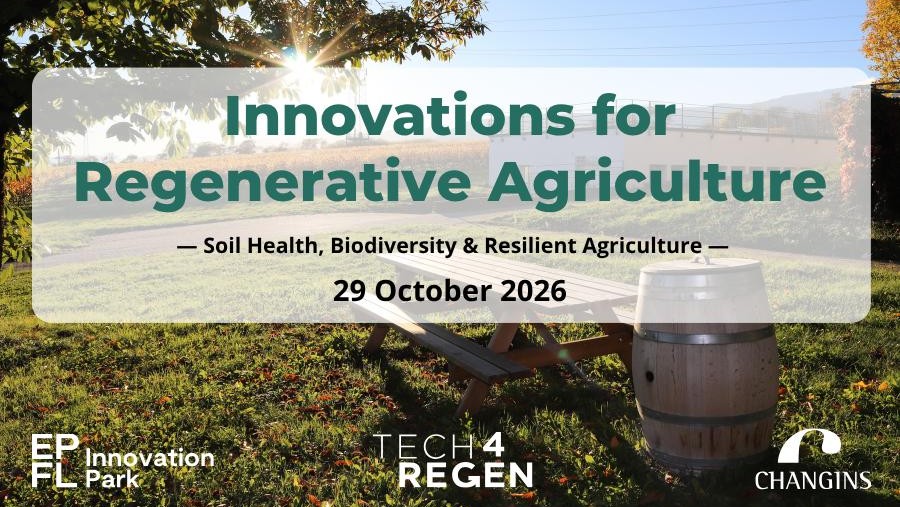
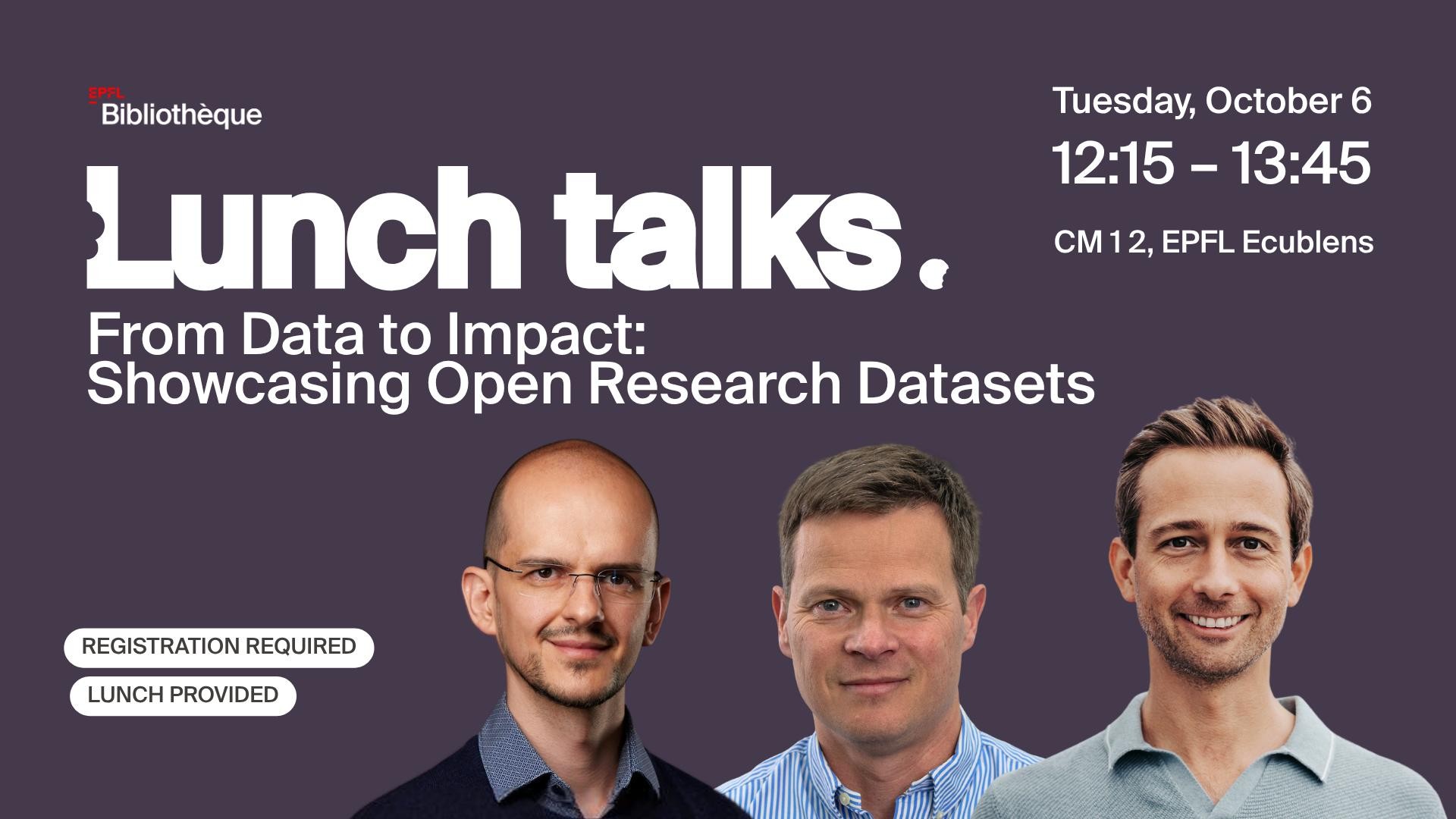
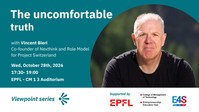
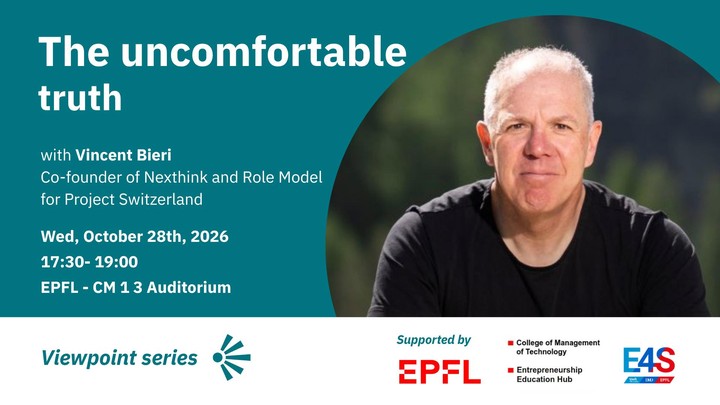
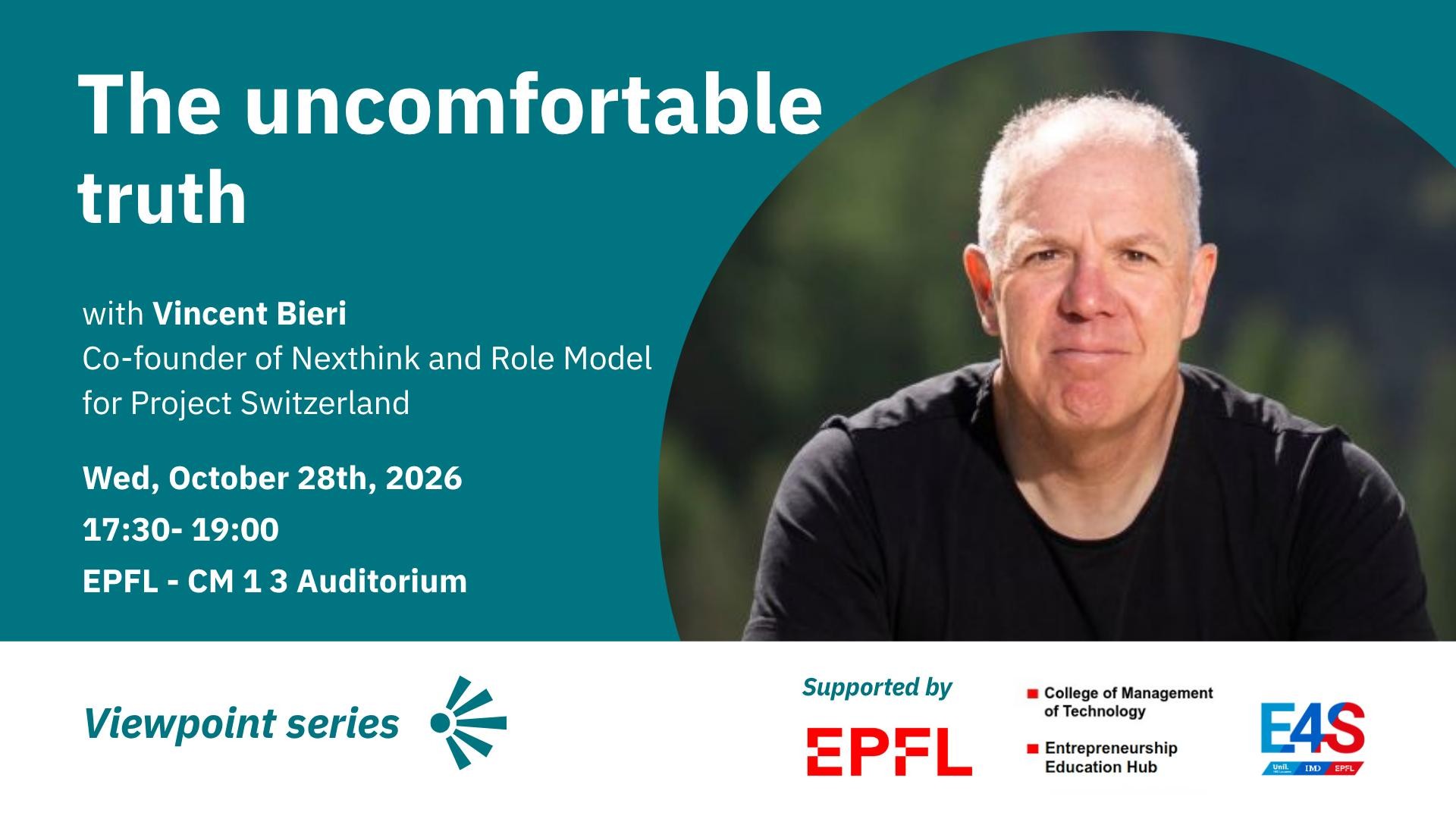
{ "count": 264, "next": "https://memento.epfl.ch/api/v1/events/?format=api&limit=10&offset=100&ordering=event__place_and_room", "previous": "https://memento.epfl.ch/api/v1/events/?format=api&limit=10&offset=80&ordering=event__place_and_room", "results": [ { "id": 72744, "title": "PChem Seminar - Adrien Noury", "slug": "pchem-seminar-adrien-noury", "event_url": "https://memento.epfl.ch/event/pchem-seminar-adrien-noury", "visual_url": null, "visual_large_url": null, "visual_maxsize_url": null, "lang": "en", "start_date": "2026-12-17", "end_date": "2026-12-17", "start_time": "17:00:00", "end_time": "19:00:00", "description": "<p>Title TBA</p>", "image_description": "", "creation_date": "2026-10-01T19:39:06", "last_modification_date": "2026-10-01T19:40:57", "link_label": "", "link_url": "", "canceled": "False", "cancel_reason": "", "place_and_room": "CH G1 495", "url_place_and_room": "https://plan.epfl.ch/?room==CH%20G1%20495", "url_online_room": "", "spoken_languages": [ "https://memento.epfl.ch/api/v1/spoken_languages/2/?format=api" ], "speaker": "Adrien Noury (CNRS, University of Montpellier, France) ", "organizer": "Nikita Kavokine", "contact": "[email protected]", "is_internal": "False", "theme": "", "vulgarization": { "id": 2, "fr_label": "Public averti", "en_label": "Informed public" }, "registration": { "id": 3, "fr_label": "Entrée libre", "en_label": "Free" }, "keywords": "pcseminar", "file": null, "icalendar_url": "https://memento.epfl.ch/event/export/122030/", "category": { "id": 1, "code": "CONF", "fr_label": "Conférences - Séminaires", "en_label": "Conferences - Seminars", "activated": true }, "academic_calendar_category": null, "domains": [], "mementos": [ "https://memento.epfl.ch/api/v1/mementos/5/?format=api", "https://memento.epfl.ch/api/v1/mementos/14/?format=api" ] }, { "id": 72265, "title": "Innovation for Regenerative Agriculture", "slug": "innovation-for-regenerative-agriculture-2", "event_url": "https://memento.epfl.ch/event/innovation-for-regenerative-agriculture-2", "visual_url": "https://memento.epfl.ch/image/33536/200x112.jpg", "visual_large_url": "https://memento.epfl.ch/image/33536/720x405.jpg", "visual_maxsize_url": "https://memento.epfl.ch/image/33536/max-size.jpg", "lang": "en", "start_date": "2026-10-29", "end_date": "2026-10-29", "start_time": "13:30:00", "end_time": "17:00:00", "description": "<p>Innovation Forum for Regenerative Agriculture & Viticulture is back for year 2, in collaboration with <a href=\"https://www.changins.ch/\" target=\"_blank\">Changins</a>.<br>\r\n<br>\r\n<strong>Measuring Nature at Work: </strong><strong></strong>From Soil Life to Regenerative and Resilient Agriculture<br>\r\n<br>\r\nThis event will spotlight innovative startup solutions and pilot projects accelerating the transition to regenerative agriculture.<br>\r\nIt will also ignite discussions on the financial, regulatory, and structural shifts required to scale these innovations and align stakeholders around shared economic and environmental goals.<br>\r\n<br>\r\nWhat to expect:\r\n</p><ul>\r\n\t<li>Showcases from leading <strong>agritech startups and labs</strong></li>\r\n\t<li>Presentation of <strong>pilot projects</strong> outcomes</li>\r\n\t<li><strong>Themed workshops and roundtable discussions with multidisciplinary experts</strong></li>\r\n\t<li><strong>Networking apéritif </strong>in a relaxed, scenic setting</li>\r\n</ul>\r\nWho Should Attend:\r\n\r\n<ul>\r\n\t<li><strong>Startups </strong>developing innovations for regenerative agriculture</li>\r\n\t<li><strong>Farmers </strong>and agricultural practitioners</li>\r\n\t<li><strong>Researchers </strong>and academic institutions</li>\r\n\t<li><strong>SMEs </strong>and <strong>corporate </strong>leaders</li>\r\n\t<li><strong>Policymakers </strong>and public institutions</li>\r\n\t<li><strong>Investors </strong>and ecosystem partners</li>\r\n\t<li><strong>NGOs </strong>and value chain stakeholders</li>\r\n</ul>\r\nThe event is free, but <strong>registration is required</strong>: <a href=\"https://luma.com/n03fl3vx\">REGISTER</a>", "image_description": "", "creation_date": "2026-07-22T13:44:51", "last_modification_date": "2026-07-22T13:45:00", "link_label": "Web", "link_url": "https://www.tech4regen.ch/event/innovations-for-regenerative-agriculture-viticulture", "canceled": "False", "cancel_reason": "", "place_and_room": "Changins, Route de Duillier 52, CH-1260 Nyon", "url_place_and_room": "", "url_online_room": "", "spoken_languages": [ "https://memento.epfl.ch/api/v1/spoken_languages/2/?format=api" ], "speaker": "", "organizer": "<a href=\"https://www.tech4regen.ch/\">Tech4Regen</a>", "contact": "<a href=\"mailto:[email protected]\">Pauline Pichard</a> - Communication manager, EPFL Innovation Park", "is_internal": "False", "theme": "", "vulgarization": { "id": 2, "fr_label": "Public averti", "en_label": "Informed public" }, "registration": { "id": 1, "fr_label": "Sur inscription", "en_label": "Registration required" }, "keywords": "Agritech; Naturetech", "file": null, "icalendar_url": "https://memento.epfl.ch/event/export/121310/", "category": { "id": 1, "code": "CONF", "fr_label": "Conférences - Séminaires", "en_label": "Conferences - Seminars", "activated": true }, "academic_calendar_category": null, "domains": [], "mementos": [ "https://memento.epfl.ch/api/v1/mementos/422/?format=api" ] }, { "id": 72559, "title": "Lunch Talks \"From Data to Impact: Showcasing Open Research Datasets\"", "slug": "lunch-talks-from-data-to-impact-showcasing-open-re", "event_url": "https://memento.epfl.ch/event/lunch-talks-from-data-to-impact-showcasing-open-re", "visual_url": "https://memento.epfl.ch/image/33809/200x112.jpg", "visual_large_url": "https://memento.epfl.ch/image/33809/720x405.jpg", "visual_maxsize_url": "https://memento.epfl.ch/image/33809/max-size.jpg", "lang": "en", "start_date": "2026-10-06", "end_date": "2026-10-06", "start_time": "12:15:00", "end_time": "13:45:00", "description": "<strong>Join the next Lunch Talks session, \"From Data to Impact: Showcasing Open Research Datasets\", on October 6th, from 12:15 to 13:45, in <a href=\"https://plan.epfl.ch/?room==CM%201%202\">CM 1 2</a>.</strong><br>\r\n<br>\r\nLanguage: English<br>\r\nDoors open from 12:05<br>\r\nFree lunch bag for registered participants. Water not included: please bring your reusable bottle to help reduce environmental impact.\r\n<div> </div>\r\n<strong>PROGRAM </strong><br>\r\n \r\n<ul>\r\n\t<li><strong>Welcome and introduction</strong></li>\r\n</ul>\r\nBy <a href=\"https://people.epfl.ch/chiara.gabella?lang=en\">Dr. Chiara Gabella</a><strong> </strong>– Head of team, Research data management, Academic and research support at EPFL Library.<br>\r\n<br>\r\n \r\n<ul>\r\n\t<li><strong>Talk 1 | Beyond the Dataset: Turning One Project into an Open Research Ecosystem</strong></li>\r\n</ul>\r\nBy <a href=\"https://people.epfl.ch/robert.fonod\">Dr. Róbert Fónod</a> – Machine Learning and Computer Vision Engineer at senseFly (an EPFL spin-off, now EagleNXT) in Lausanne. Formerly Research Associate at EPFL's Urban Transportation Systems Laboratory (LUTS) and an EPFL Data Champion.<br>\r\n<br>\r\n\"In October 2022, a fleet of ten drones spent four days filming traffic across the smart city of Songdo, South Korea, producing terabytes of 4K aerial video. This talk follows what happened next: how that raw footage became a connected set of openly available research outputs. The project released two datasets (vehicle trajectories and annotated aerial imagery), three reusable software tools, a ready-to-use machine learning model, an interactive online demo, and a peer-reviewed open access paper tying everything together, each one cross-linked, citable, and archived for the long term. Using this as a worked example, I will share practical lessons on making research outputs findable, reusable, properly licensed, and cited, including a few surprises about which parts the community valued most.\"<br>\r\n<br>\r\n \r\n<ul>\r\n\t<li><strong>Talk 2 |</strong> <strong>DISDRODB: a decentralized data base of drop size distribution observations, and much more</strong></li>\r\n</ul>\r\nBy <a href=\"https://people.epfl.ch/alexis.berne\">Prof. Alexis Berne</a> – Associate Professor, Head of Environmental Remote Sensing Laboratory, EPFL ENAC<br>\r\n<br>\r\n\"The raindrop size distribution is a crucial information for atmospheric sciences, remote sensing and communications. Its current observations (from disdrometers) are rather spread between countries and institutions with heterogeneous variables and formats, hampering easy and broad access to public analysis-ready data sets. DISDRODB is an infrastructure (with associated softwares) aiming to provide a unified framework for the systematic sharing, standardization, and processing of disdrometer data. I will introduce DISDRODB and discuss the challenges to develop such tools.\"<br>\r\n<br>\r\n \r\n<ul>\r\n\t<li><strong>Talk 3 | Open data for better science policy</strong></li>\r\n</ul>\r\nBy <a href=\"https://people.epfl.ch/gaetan.derassenfosse?lang=fr\">Prof. Gaétan de Rassenfosse</a> – Associate Professor, Science, Technology and Innovation Policy Laboratory, EPFL CDM<br>\r\n<br>\r\n\"This talk will present several Science,Technology and Innovation Policy Laboratory initiatives aimed at producing open datasets to support more evidence-based policymaking in science and innovation.\"<br>\r\n<br>\r\n \r\n<ul>\r\n\t<li><strong>Panel for Q&A, open discussion</strong></li>\r\n</ul>\r\nModeration by <a href=\"https://people.epfl.ch/francesco.varrato?lang=en\">Dr. Francesco Varrato</a> – Research data management specialist, Academic and research support at EPFL Library.", "image_description": "", "creation_date": "2026-09-10T12:30:13", "last_modification_date": "2026-09-11T08:45:45", "link_label": "Registration", "link_url": "https://bookwhen.com/fr/epfl_library/e/ev-sy7q5-20261006121500", "canceled": "False", "cancel_reason": "", "place_and_room": "CM 1 2", "url_place_and_room": "http://plan.epfl.ch/?room==CM%201%202", "url_online_room": "", "spoken_languages": [ "https://memento.epfl.ch/api/v1/spoken_languages/2/?format=api" ], "speaker": "<a href=\"https://people.epfl.ch/gaetan.derassenfosse?lang=fr\">Gaétan de Rassenfosse</a>; <a href=\"https://people.epfl.ch/alexis.berne\">Alexis Berne</a>; <a href=\"https://people.epfl.ch/robert.fonod\">Róbert Fónod</a>", "organizer": "EPFL Library", "contact": "<a href=\"mailto:[email protected]\">[email protected]</a>", "is_internal": "False", "theme": "", "vulgarization": { "id": 1, "fr_label": "Tout public", "en_label": "General public" }, "registration": { "id": 1, "fr_label": "Sur inscription", "en_label": "Registration required" }, "keywords": "", "file": null, "icalendar_url": "https://memento.epfl.ch/event/export/121766/", "category": { "id": 1, "code": "CONF", "fr_label": "Conférences - Séminaires", "en_label": "Conferences - Seminars", "activated": true }, "academic_calendar_category": null, "domains": [], "mementos": [ "https://memento.epfl.ch/api/v1/mementos/1/?format=api", "https://memento.epfl.ch/api/v1/mementos/3/?format=api", "https://memento.epfl.ch/api/v1/mementos/4/?format=api", "https://memento.epfl.ch/api/v1/mementos/5/?format=api", "https://memento.epfl.ch/api/v1/mementos/6/?format=api", "https://memento.epfl.ch/api/v1/mementos/8/?format=api", "https://memento.epfl.ch/api/v1/mementos/79/?format=api", "https://memento.epfl.ch/api/v1/mementos/269/?format=api", "https://memento.epfl.ch/api/v1/mementos/275/?format=api", "https://memento.epfl.ch/api/v1/mementos/291/?format=api" ] }, { "id": 72248, "title": "Quantum-Classical Synergies for Simulations of Quantum Systems", "slug": "quantum-classical-synergies-for-simulations-of-q-2", "event_url": "https://memento.epfl.ch/event/quantum-classical-synergies-for-simulations-of-q-2", "visual_url": "https://memento.epfl.ch/image/33519/200x112.jpg", "visual_large_url": "https://memento.epfl.ch/image/33519/720x405.jpg", "visual_maxsize_url": "https://memento.epfl.ch/image/33519/max-size.jpg", "lang": "en", "start_date": "2026-10-30", "end_date": "2026-10-30", "start_time": "15:00:00", "end_time": null, "description": "<p>Thesis Director: Prof. G. Carleo,<br>\r\nPhysics doctoral program<br>\r\nThesis Nr. 12057<br>\r\n<br>\r\nTo take part in the public defense, please contact directly the speaker</p>", "image_description": "", "creation_date": "2026-07-16T14:35:09", "last_modification_date": "2026-07-17T14:12:21", "link_label": "", "link_url": "", "canceled": "False", "cancel_reason": "", "place_and_room": "CM 1 3", "url_place_and_room": "https://plan.epfl.ch/?room==CM%201%203", "url_online_room": "", "spoken_languages": [], "speaker": "<strong>Gian Florin GENTINETTA</strong>", "organizer": "", "contact": "<strong>Gian Florin GENTINETTA</strong>", "is_internal": "False", "theme": "", "vulgarization": { "id": 1, "fr_label": "Tout public", "en_label": "General public" }, "registration": { "id": 3, "fr_label": "Entrée libre", "en_label": "Free" }, "keywords": "EDPY", "file": null, "icalendar_url": "https://memento.epfl.ch/event/export/121284/", "category": { "id": 12, "code": "SOUTE", "fr_label": "Soutenances de thèses", "en_label": "Thesis defenses", "activated": true }, "academic_calendar_category": null, "domains": [], "mementos": [ "https://memento.epfl.ch/api/v1/mementos/1/?format=api", "https://memento.epfl.ch/api/v1/mementos/5/?format=api", "https://memento.epfl.ch/api/v1/mementos/6/?format=api", "https://memento.epfl.ch/api/v1/mementos/389/?format=api" ] }, { "id": 72705, "title": "The uncomfortable truth", "slug": "the-uncomfortable-truth", "event_url": "https://memento.epfl.ch/event/the-uncomfortable-truth", "visual_url": "https://memento.epfl.ch/image/33930/200x112.jpg", "visual_large_url": "https://memento.epfl.ch/image/33930/720x405.jpg", "visual_maxsize_url": "https://memento.epfl.ch/image/33930/max-size.jpg", "lang": "en", "start_date": "2026-10-28", "end_date": "2026-10-28", "start_time": "17:30:00", "end_time": "19:00:00", "description": "<p>Behind every fast-growing startup lies a story of experimentation, setbacks, and continuous reinvention. Drawing on the experience of <a href=\"https://www.linkedin.com/in/vbieri/\"><strong>Vincent Bieri</strong></a><strong>, co-founder of Nexthink - the Swiss-born technology company that grew into a unicorn - </strong> this seminar will look beyond headlines and valuations to examine the challenges, tough decisions, and perseverance that shape the entrepreneurial journey.<br>\r\n<br>\r\nThe Viewpoint Series, is a new entrepreneurship seminar series designed to expose students and scientists to real-world perspectives from founders, operators, and investors.<br>\r\nSupported by <a href=\"e4s.center\">E4S </a>and organized by <a href=\"https://www.epfl.ch/schools/cdm/\">EPFL - College of Management of Technology</a>, and <a href=\"https://www.epfl.ch/schools/cdm/ehub/\">EPFL Entrepreneurship Education Hub</a>, it brings together experienced practitioners to share candid perspectives on:\r\n</p><ul>\r\n\t<li>Navigating uncertainty and key transitions</li>\r\n\t<li>Critical inflection points in building ventures</li>\r\n\t<li>Lessons learned along the entrepreneurial journey</li>\r\n</ul>\r\n <br>\r\nCombining inspirational talks with interactive discussions, the series encourages reflection and dialogue on what it truly means to build and scale ventures.<br>\r\n <br>\r\n<br>\r\n ", "image_description": "", "creation_date": "2026-09-29T10:04:56", "last_modification_date": "2026-10-01T09:54:12", "link_label": "Registration", "link_url": "https://forms.cloud.microsoft/Pages/DesignPageV2.aspx?origin=NeoPortalPage&subpage=design&id=alXC9vvEsUqix54iDfEcQ3T6XowngO9FnfVR8iOh7ptUNEJYQVhSS1pCNlg2Q0RDNUg1S1g4SVVFVC4u", "canceled": "False", "cancel_reason": "", "place_and_room": "CM 1 3", "url_place_and_room": "https://plan.epfl.ch/?room==CM%201%203", "url_online_room": "", "spoken_languages": [ "https://memento.epfl.ch/api/v1/spoken_languages/2/?format=api" ], "speaker": "<a href=\"https://www.linkedin.com/in/vbieri/\">Vincent Bieri, co-founder of Nexthink and Role Model for Project Switzerland</a>", "organizer": "", "contact": "Davide Bavato", "is_internal": "False", "theme": "", "vulgarization": { "id": 2, "fr_label": "Public averti", "en_label": "Informed public" }, "registration": { "id": 1, "fr_label": "Sur inscription", "en_label": "Registration required" }, "keywords": "", "file": null, "icalendar_url": "https://memento.epfl.ch/event/export/121981/", "category": { "id": 1, "code": "CONF", "fr_label": "Conférences - Séminaires", "en_label": "Conferences - Seminars", "activated": true }, "academic_calendar_category": null, "domains": [], "mementos": [ "https://memento.epfl.ch/api/v1/mementos/1/?format=api", "https://memento.epfl.ch/api/v1/mementos/3/?format=api", "https://memento.epfl.ch/api/v1/mementos/4/?format=api", "https://memento.epfl.ch/api/v1/mementos/5/?format=api", "https://memento.epfl.ch/api/v1/mementos/6/?format=api", "https://memento.epfl.ch/api/v1/mementos/8/?format=api", "https://memento.epfl.ch/api/v1/mementos/38/?format=api", "https://memento.epfl.ch/api/v1/mementos/145/?format=api" ] }, { "id": 72735, "title": "Nanomaterials and Device Engineering for Scalable Solar Fuels Production", "slug": "nanomaterials-and-device-engineering-for-scalabl-2", "event_url": "https://memento.epfl.ch/event/nanomaterials-and-device-engineering-for-scalabl-2", "visual_url": "https://memento.epfl.ch/image/33951/200x112.jpg", "visual_large_url": "https://memento.epfl.ch/image/33951/720x405.jpg", "visual_maxsize_url": "https://memento.epfl.ch/image/33951/max-size.jpg", "lang": "en", "start_date": "2026-10-14", "end_date": "2026-10-14", "start_time": "17:00:00", "end_time": null, "description": "<p>Thesis Director: Prof. K. Sivula,<br>\r\nChemistry and Chemical Engineering doctoral program<br>\r\nThesis Nr. 11708<br>\r\n<br>\r\nTo take part in the public defense, please contact directly the speaker</p>", "image_description": "", "creation_date": "2026-10-01T18:32:58", "last_modification_date": "2026-10-01T18:33:01", "link_label": "", "link_url": "", "canceled": "False", "cancel_reason": "", "place_and_room": "CM 1 4", "url_place_and_room": "https://plan.epfl.ch/?room==CM%201%204", "url_online_room": "https://epfl.zoom.us/j/66756994208?pwd=djaejEB0IObo1NCTZx2i7b9cQabbTc.1", "spoken_languages": [], "speaker": "<a href=\"mailto:[email protected]\"><strong>Nicolas Johannes DIERCKS</strong></a>", "organizer": "", "contact": "<a href=\"mailto:[email protected]\"><strong>Nicolas Johannes DIERCKS</strong></a><br>\r\n ", "is_internal": "False", "theme": "", "vulgarization": { "id": 1, "fr_label": "Tout public", "en_label": "General public" }, "registration": { "id": 3, "fr_label": "Entrée libre", "en_label": "Free" }, "keywords": "EDCH", "file": null, "icalendar_url": "https://memento.epfl.ch/event/export/122020/", "category": { "id": 12, "code": "SOUTE", "fr_label": "Soutenances de thèses", "en_label": "Thesis defenses", "activated": true }, "academic_calendar_category": null, "domains": [], "mementos": [ "https://memento.epfl.ch/api/v1/mementos/1/?format=api", "https://memento.epfl.ch/api/v1/mementos/5/?format=api", "https://memento.epfl.ch/api/v1/mementos/6/?format=api" ] }, { "id": 72745, "title": "Generative Artificial Intelligence for Accelerating Materials Discovery", "slug": "generative-artificial-intelligence-for-accelerat-2", "event_url": "https://memento.epfl.ch/event/generative-artificial-intelligence-for-accelerat-2", "visual_url": "https://memento.epfl.ch/image/33960/200x112.jpg", "visual_large_url": "https://memento.epfl.ch/image/33960/720x405.jpg", "visual_maxsize_url": "https://memento.epfl.ch/image/33960/max-size.jpg", "lang": "en", "start_date": "2026-11-27", "end_date": "2026-11-27", "start_time": "15:00:00", "end_time": null, "description": "<p>Thesis Director: Prof. Ph. Schwaller,<br>\r\nChemistry and Chemical Engineering doctoral program<br>\r\nThesis Nr. 11943<br>\r\n<br>\r\nTo take part in the public defense, please contact directly the speaker</p>", "image_description": "", "creation_date": "2026-10-01T19:43:58", "last_modification_date": "2026-10-01T19:43:59", "link_label": "", "link_url": "", "canceled": "False", "cancel_reason": "", "place_and_room": "CM 1 4", "url_place_and_room": "https://plan.epfl.ch/?room==CM%201%204", "url_online_room": "https://epfl.zoom.us/j/66541265867?pwd=7w9G38oGbpRC8F0eWZyRE9yhD8pvgW.1", "spoken_languages": [], "speaker": "<a href=\"mailto:[email protected]\"><strong>Junwu CHEN</strong></a>", "organizer": "", "contact": "<a href=\"mailto:[email protected]\"><strong>Junwu CHEN</strong></a>", "is_internal": "False", "theme": "", "vulgarization": { "id": 1, "fr_label": "Tout public", "en_label": "General public" }, "registration": { "id": 3, "fr_label": "Entrée libre", "en_label": "Free" }, "keywords": "EDCH", "file": null, "icalendar_url": "https://memento.epfl.ch/event/export/122032/", "category": { "id": 12, "code": "SOUTE", "fr_label": "Soutenances de thèses", "en_label": "Thesis defenses", "activated": true }, "academic_calendar_category": null, "domains": [], "mementos": [ "https://memento.epfl.ch/api/v1/mementos/1/?format=api", "https://memento.epfl.ch/api/v1/mementos/5/?format=api", "https://memento.epfl.ch/api/v1/mementos/6/?format=api" ] }, { "id": 72582, "title": "Chiraltronics: Exploring the interplay between spin and chirality", "slug": "chiraltronics-exploring-the-interplay-between-sp-2", "event_url": "https://memento.epfl.ch/event/chiraltronics-exploring-the-interplay-between-sp-2", "visual_url": "https://memento.epfl.ch/image/33943/200x112.jpg", "visual_large_url": "https://memento.epfl.ch/image/33943/720x405.jpg", "visual_maxsize_url": "https://memento.epfl.ch/image/33943/max-size.jpg", "lang": "en", "start_date": "2026-10-12", "end_date": "2026-10-12", "start_time": "16:15:00", "end_time": "17:15:00", "description": "<p>Chirality is omnipresent in nature through a fundamental coupling between chirality and angular momentum. Despite extensive experimental evidence, the underlying mechanisms of this coupling remain debated. Here, we will explore how chiral magnetic textures can be stabilized in altermagnets, a new class of magnetism. Turning to structurally chiral magnetic molecules, we will show that chirality is directly linked to their intrinsic magnetic moments. Bringing both together, we will discuss how molecular design can control spin phenomena at hybrid chiral molecule-magnet interfaces. Our findings pave a pathway towards functional \"chiraltronic\" devices – turning a fundamental puzzle into a technological opportunity.</p>", "image_description": "", "creation_date": "2026-10-01T09:59:25", "last_modification_date": "2026-10-01T10:00:49", "link_label": "", "link_url": "", "canceled": "False", "cancel_reason": "", "place_and_room": "CM 1 5", "url_place_and_room": "https://plan.epfl.ch/?room==CM%201%205", "url_online_room": "", "spoken_languages": [ "https://memento.epfl.ch/api/v1/spoken_languages/2/?format=api" ], "speaker": "Prof. Angela Wittmann, Johannes Gutenberg-Universität Mainz", "organizer": "Institut de Physique", "contact": "[email protected]", "is_internal": "False", "theme": "", "vulgarization": { "id": 1, "fr_label": "Tout public", "en_label": "General public" }, "registration": { "id": 3, "fr_label": "Entrée libre", "en_label": "Free" }, "keywords": "", "file": "https://memento.epfl.ch/public/upload/files/Wittmann12oct_Bl6EtiA.pdf", "icalendar_url": "https://memento.epfl.ch/event/export/122008/", "category": { "id": 1, "code": "CONF", "fr_label": "Conférences - Séminaires", "en_label": "Conferences - Seminars", "activated": true }, "academic_calendar_category": null, "domains": [], "mementos": [ "https://memento.epfl.ch/api/v1/mementos/1/?format=api", "https://memento.epfl.ch/api/v1/mementos/5/?format=api", "https://memento.epfl.ch/api/v1/mementos/6/?format=api", "https://memento.epfl.ch/api/v1/mementos/8/?format=api", "https://memento.epfl.ch/api/v1/mementos/81/?format=api", "https://memento.epfl.ch/api/v1/mementos/191/?format=api", "https://memento.epfl.ch/api/v1/mementos/389/?format=api" ] }, { "id": 72676, "title": "A Gaia-anchored Population-II route to the extragalactic distance scale", "slug": "a-gaia-anchored-population-ii-route-to-the-extraga", "event_url": "https://memento.epfl.ch/event/a-gaia-anchored-population-ii-route-to-the-extraga", "visual_url": "https://memento.epfl.ch/image/33902/200x112.jpg", "visual_large_url": "https://memento.epfl.ch/image/33902/720x405.jpg", "visual_maxsize_url": "https://memento.epfl.ch/image/33902/max-size.jpg", "lang": "en", "start_date": "2026-10-09", "end_date": "2026-10-09", "start_time": "16:30:00", "end_time": null, "description": "<p>Thesis Directors: Prof. J.-P. R. Kneib, Prof. R. I. Anderson<br>\r\nPhysics doctoral program<br>\r\nThesis Nr. 11973<br>\r\n<br>\r\nTo take part in the public defense, please contact directly the speaker</p>", "image_description": "", "creation_date": "2026-09-25T09:59:36", "last_modification_date": "2026-09-25T09:59:36", "link_label": "", "link_url": "", "canceled": "False", "cancel_reason": "", "place_and_room": "CM 1 5", "url_place_and_room": "https://plan.epfl.ch/?room==CM%201%205", "url_online_room": "https://epfl.zoom.us/j/9465000643?pwd=oucAk5VWcCrkHHiRfUEiNekyDTSWBO.1", "spoken_languages": [], "speaker": "<strong>Bastian Pierre LENGEN</strong>", "organizer": "", "contact": "<strong>Bastian Pierre LENGEN</strong>", "is_internal": "False", "theme": "", "vulgarization": { "id": 1, "fr_label": "Tout public", "en_label": "General public" }, "registration": { "id": 3, "fr_label": "Entrée libre", "en_label": "Free" }, "keywords": "EDPY", "file": null, "icalendar_url": "https://memento.epfl.ch/event/export/121930/", "category": { "id": 12, "code": "SOUTE", "fr_label": "Soutenances de thèses", "en_label": "Thesis defenses", "activated": true }, "academic_calendar_category": null, "domains": [], "mementos": [ "https://memento.epfl.ch/api/v1/mementos/1/?format=api", "https://memento.epfl.ch/api/v1/mementos/5/?format=api", "https://memento.epfl.ch/api/v1/mementos/6/?format=api" ] }, { "id": 72690, "title": "Electronic Prototyping 1", "slug": "electronic-prototyping-1", "event_url": "https://memento.epfl.ch/event/electronic-prototyping-1", "visual_url": "https://memento.epfl.ch/image/33916/200x112.jpg", "visual_large_url": "https://memento.epfl.ch/image/33916/720x405.jpg", "visual_maxsize_url": "https://memento.epfl.ch/image/33916/max-size.jpg", "lang": "en", "start_date": "2026-10-06", "end_date": "2026-10-06", "start_time": "18:15:00", "end_time": "20:00:00", "description": "<p>Components, measurements, wiring, and first circuit builds: everything you need to quickly go from idea to circuit!</p>", "image_description": "", "creation_date": "2026-09-28T13:16:59", "last_modification_date": "2026-09-28T13:57:34", "link_label": "", "link_url": "", "canceled": "False", "cancel_reason": "", "place_and_room": "CM 1 5", "url_place_and_room": "https://plan.epfl.ch/?room==CM%201%205", "url_online_room": "", "spoken_languages": [ "https://memento.epfl.ch/api/v1/spoken_languages/1/?format=api", "https://memento.epfl.ch/api/v1/spoken_languages/2/?format=api" ], "speaker": "Olive Petroff <br>\r\nRobin Arthur Guillaume-Gentil", "organizer": "RoboPoly", "contact": "[email protected]", "is_internal": "False", "theme": "", "vulgarization": { "id": 1, "fr_label": "Tout public", "en_label": "General public" }, "registration": { "id": 3, "fr_label": "Entrée libre", "en_label": "Free" }, "keywords": "", "file": null, "icalendar_url": "https://memento.epfl.ch/event/export/121955/", "category": { "id": 1, "code": "CONF", "fr_label": "Conférences - Séminaires", "en_label": "Conferences - Seminars", "activated": true }, "academic_calendar_category": null, "domains": [], "mementos": [ "https://memento.epfl.ch/api/v1/mementos/123/?format=api" ] } ] }