Events
retrieve:
Return the details about the given Memento id.
list:
List all Memento objects.
GET /api/v1/mementos/27/events/?format=api&offset=40&ordering=fr_label
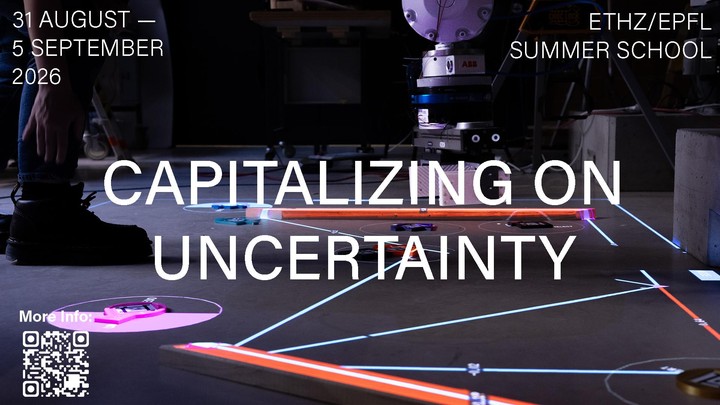
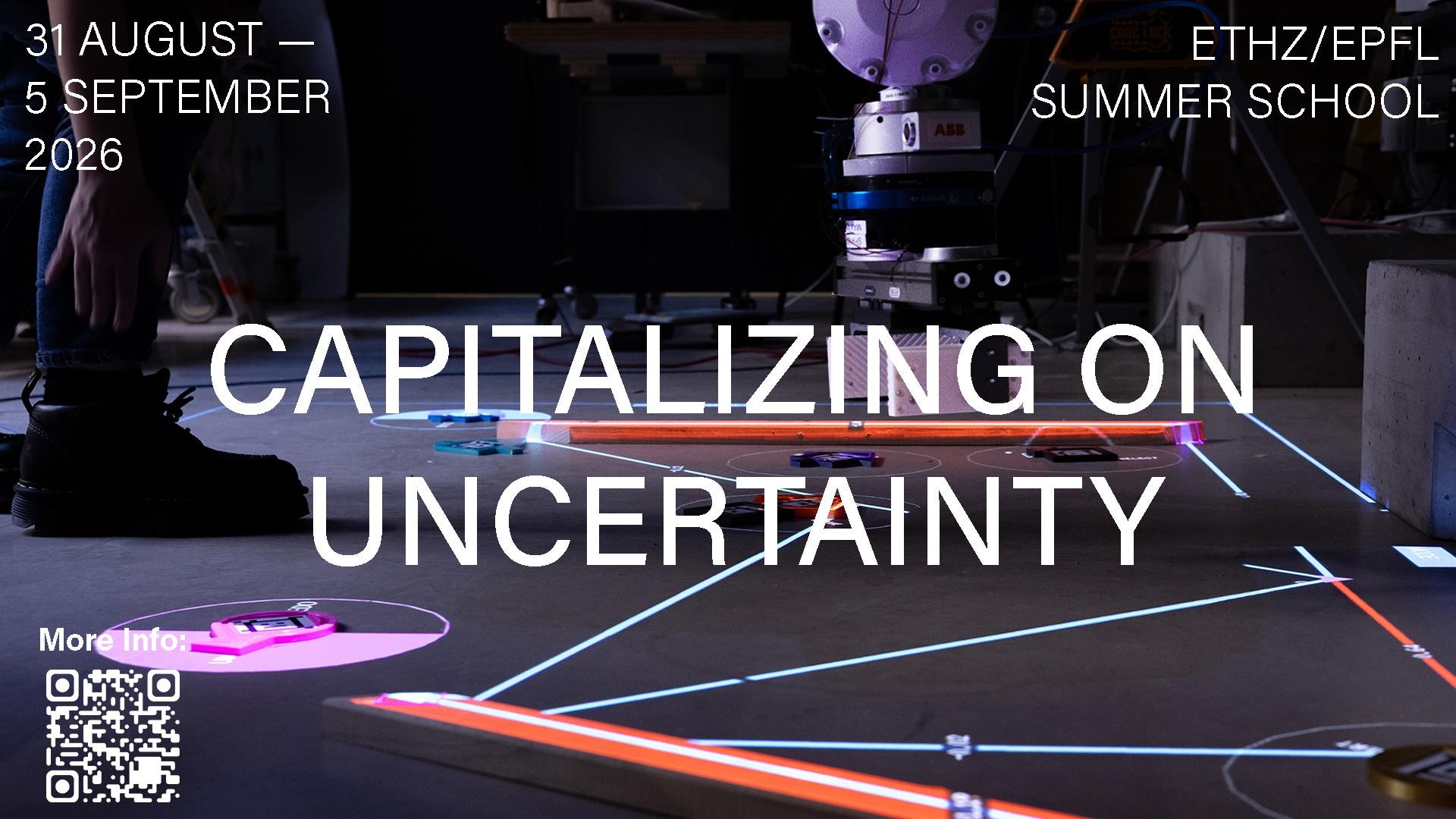
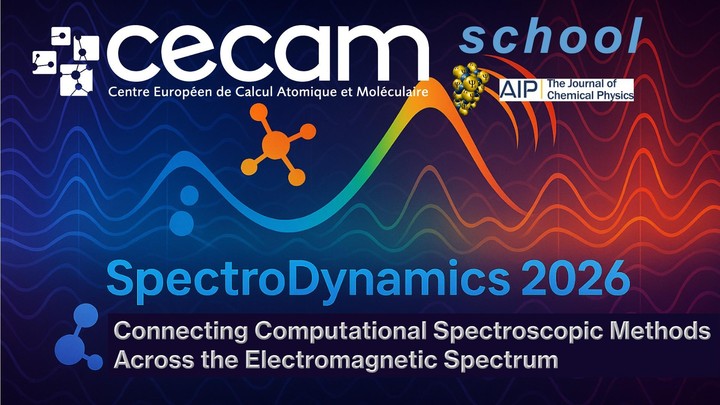
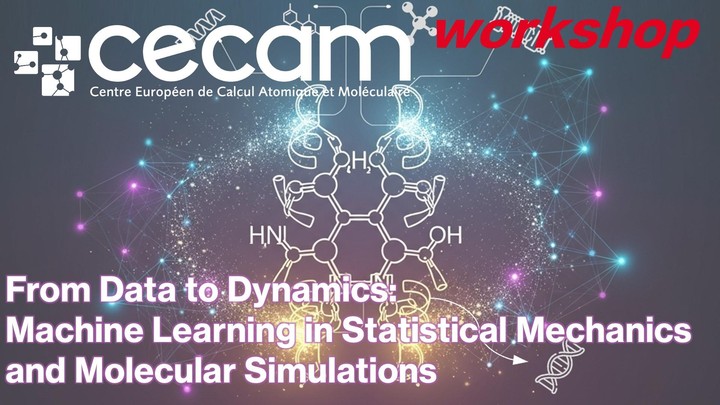
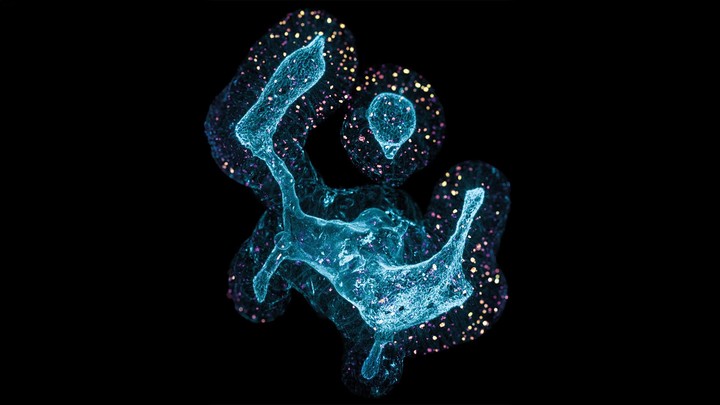
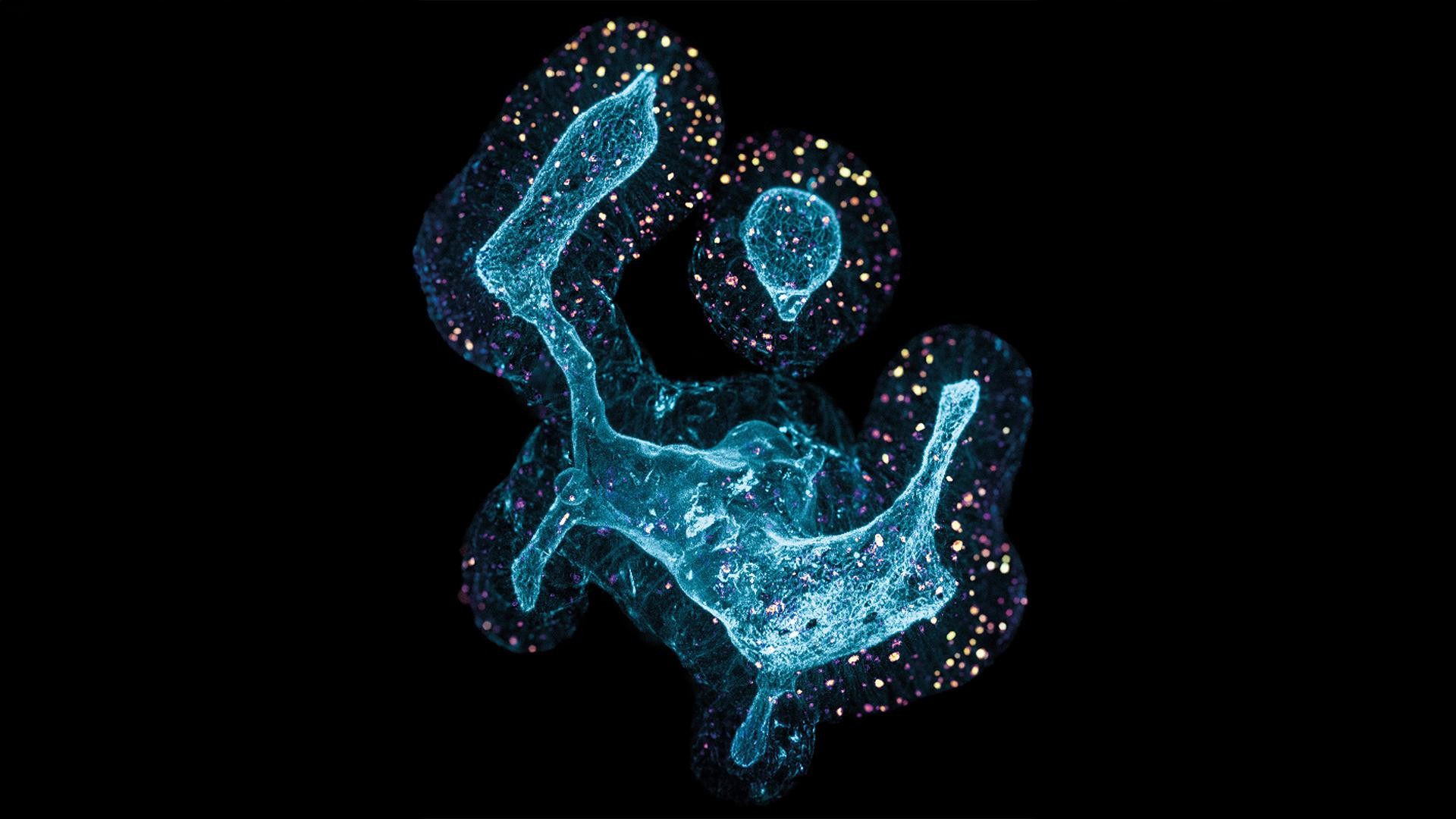
{ "count": 45, "next": null, "previous": "https://memento.epfl.ch/api/v1/mementos/27/events/?format=api&limit=10&offset=30&ordering=fr_label", "results": [ { "id": 71413, "title": "Summer School: Capitalizing on Uncertainty — Structures, Processes, Mindsets", "slug": "summer-school-capitalizing-on-uncertainty-struct-2", "event_url": "https://memento.epfl.ch/event/summer-school-capitalizing-on-uncertainty-struct-2", "visual_url": "https://memento.epfl.ch/image/32761/200x112.jpg", "visual_large_url": "https://memento.epfl.ch/image/32761/720x405.jpg", "visual_maxsize_url": "https://memento.epfl.ch/image/32761/max-size.jpg", "lang": "en", "start_date": "2026-08-31", "end_date": "2026-09-05", "start_time": "09:00:00", "end_time": "18:00:00", "description": "<p>A summer school taking place this September will bring together EPFL and ETH Zurich PhD students to explore how uncertainty can become a productive resource in design and fabrication through a hands-on construction robotics challenge.<br>\r\n<br>\r\nThe program combines lectures in architecture, robotics, and work psychology with the full-scale construction of a timber structure from irregular timber stock, using an ABB industrial robot in a human-robot fabrication workflow.<br>\r\n<br>\r\nNo previous experience in construction robotics is required, only curiosity.<br>\r\n<br>\r\nMore details, including the program, dates, and registration information, are available on the website: <a data-auth=\"NotApplicable\" data-linkindex=\"0\" href=\"https://cap-uncertainty.epfl.ch/\" id=\"OWAa905ab2b-2f22-4a32-d755-d21d9266332e\" rel=\"noopener noreferrer\" target=\"_blank\" title=\"https://cap-uncertainty.epfl.ch/\">https://cap-uncertainty.epfl.ch/</a><br>\r\n<br>\r\nFor questions, please contact: [email protected]</p>", "image_description": "", "creation_date": "2026-03-20T11:43:14", "last_modification_date": "2026-03-20T12:14:19", "link_label": "website", "link_url": "https://cap-uncertainty.epfl.ch/", "canceled": "False", "cancel_reason": "", "place_and_room": "GC B3 30", "url_place_and_room": "https://plan.epfl.ch/?room==GC%20B3%2030", "url_online_room": "", "spoken_languages": [ "https://memento.epfl.ch/api/v1/spoken_languages/2/?format=api" ], "speaker": "", "organizer": "", "contact": "[email protected]", "is_internal": "False", "theme": "", "vulgarization": { "id": 1, "fr_label": "Tout public", "en_label": "General public" }, "registration": { "id": 1, "fr_label": "Sur inscription", "en_label": "Registration required" }, "keywords": "", "file": null, "icalendar_url": "https://memento.epfl.ch/event/export/120132/", "category": { "id": 1, "code": "CONF", "fr_label": "Conférences - Séminaires", "en_label": "Conferences - Seminars", "activated": true }, "academic_calendar_category": null, "domains": [], "mementos": [ "https://memento.epfl.ch/api/v1/mementos/1/?format=api", "https://memento.epfl.ch/api/v1/mementos/3/?format=api", "https://memento.epfl.ch/api/v1/mementos/4/?format=api", "https://memento.epfl.ch/api/v1/mementos/5/?format=api", "https://memento.epfl.ch/api/v1/mementos/6/?format=api", "https://memento.epfl.ch/api/v1/mementos/8/?format=api", "https://memento.epfl.ch/api/v1/mementos/27/?format=api", "https://memento.epfl.ch/api/v1/mementos/32/?format=api" ] }, { "id": 70954, "title": "SpectroDynamics 2026: Connecting Computational Spectroscopic Methods Across the Electromagnetic Spectrum", "slug": "spectrodynamics-2026-connecting-computational-sp-2", "event_url": "https://memento.epfl.ch/event/spectrodynamics-2026-connecting-computational-sp-2", "visual_url": "https://memento.epfl.ch/image/32342/200x112.jpg", "visual_large_url": "https://memento.epfl.ch/image/32342/720x405.jpg", "visual_maxsize_url": "https://memento.epfl.ch/image/32342/max-size.jpg", "lang": "en", "start_date": "2026-09-07", "end_date": "2026-09-11", "start_time": null, "end_time": null, "description": "<p>You can apply to participate and find all the relevant information (speakers, abstracts, program,...) on the event website: <a href=\"https://www.cecam.org/workshop-details/spectrodynamics-2026-connecting-computational-spectroscopic-methods-across-the-electromagnetic-spectrum-1489\">https://www.cecam.org/workshop-details/spectrodynamics-2026-connecting-computational-spectroscopic-methods-across-the-electromagnetic-spectrum-1489</a>.<br>\r\n<br>\r\nRegistration is required to attend the full event, take part in the social activities and present a poster at the poster session (if any). However, the EPFL community is welcome to attend specific lectures without registration if the topic is of interest to their research. Do not hesitate to contact the <a href=\"mailto:[email protected]\">CECAM Event Manager</a> if you have any question.<br>\r\n<br>\r\n<strong>Description</strong><br>\r\n<br>\r\nLight provides one of the most detailed windows into molecules and matter. Modern light sources allow the probing of equilibrium and non-equilibrium phenomena with Å‐level spatial resolution and femto‐ to attosecond temporal precision. Advances in ultrafast laser technology, together with the rise of X-ray free‐electron lasers and next-generation synchrotron sources, have repeatedly pushed the boundaries of spectroscopic methods from low‐frequency collective modes in biomolecules to electronic and core‐level dynamics. An extensive toolbox of linear and multidimensional spectroscopic techniques now spans the entire electromagnetic spectrum. Terahertz (THz) pulses can coherently drive intermolecular and lattice vibrations in solids and soft matter [1], Mid‐IR and Raman methods map vibrational energy (re)distribution in liquids and vibrational signatures of individual modes in complex molecules [2]. Visible spectroscopy tracks ultrafast charge dynamics in chromophores [3] and photochemical molecular pathways [4], while X-ray sources from free-electron lasers and high-harmonic generation setups enabled time-resolved X-ray diffraction of gas‐phase [5] and condensed systems [6].<br>\r\nDespite sharing common scientific goals, the respective communities have traditionally operated in relative disconnection from each other, relying on different approximations, targeting different observables, and employing distinct numerical implementations. This disconnection manifests, among other symptoms, in the fact that schools, conferences, and workshops are often dedicated to a specific frequency window (e.g. IR spectroscopy) or to simulation methods targeting a class of specific processes (e.g. vibrational dynamics). Opportunities for dialogue and the building of a shared language are lacking. In fact, while preparing this proposal, it became evident that even foundational terms like ab initio or quantum dynamics carry different meanings across communities.<br>\r\nTo address this fragmentation, the proposed CECAM school brings together researchers from diverse backgrounds to foster mutual understanding and build lasting conceptual bridges. Over five days, participants will engage with both the theoretical foundations and practical implementations of spectroscopies across different communities. We will highlight the fact that despite their apparent differences, all spectroscopic methods can be traced back to a common starting point: a light–matter Hamiltonian that includes the quantum description of electronic, nuclear, and photonic degrees of freedom. From this unified framework, we will explore how different approximations—introduced at various stages—lead to the distinct theoretical approaches adopted in each field.<br>\r\nThe first part of the school will focus on approaches that solve the exact quantum molecular dynamics in reduced dimensionality. Within this framework, molecules are treated fully quantum-mechanically, while light is treated classically as an external perturbation within the dipole approximation. From the matter perspective, this means that the full electron + nuclear wavefunction is accessible, offering a great level of detail and information, and the accurate treatment of non-Born-Oppenheimer dynamics. From the light perspective, this means that spectroscopic signals are conveniently calculated via the response function approach (RFA) [7], which is however only valid in the weak field limit. Recently, the RFA has been used to design and simulate several spectroscopic signals of femtosecond molecular photochemistry using novel X-ray pulse sources [8], including stimulated X-ray Raman [9], transient X-ray absorption and transmission [10], and many others [11].<br>\r\nIn the second part, we will shift the focus to longer time scales with more degrees of freedom and study larger molecules in explicit environments (solvent, substrate, etc). In these cases, it is common practice to apply the Born-Oppenheimer approximation and take the classical limit for the nuclei, while keeping the electrons quantum, leading to (finite temperature) molecular dynamics (MD) approaches. To make these simulations computationally tractable, while retaining an explicit description of the electrons, electron–electron interactions are typically simplified using ground-state density functional theory (DFT). This approach, commonly referred to as ab initio molecular dynamics (AIMD), enables the simulation of vibrational spectroscopies such as infrared (IR) and Raman [12,13], as well as surface-specific techniques like sum-frequency generation (SFG) [14,15]. To access larger system sizes and longer simulation timescales, forces can be derived from classical interatomic potentials, facilitating the convergence of multidimensional spectroscopic observables such as THz-Raman spectra [16]. Alternatively, forces can be learned directly from first-principles data using machine-learning (ML) models, enabling ML-driven molecular dynamics and spectroscopy [17-21]. Through path integral techniques, the quantum nature of the nuclei can be recovered, which is particularly important for systems containing light atoms, such as hydrogen [22-24].<br>\r\nThe third part of the school will explore what happens when the primary interest shifts from vibrational to electronic dynamics. In this context, the electron dynamics at the DFT level can be incorporated by considering its time-dependent version (TDDFT), where the exchange-correlation functionals are usually adiabatic. With this method, UV-visible absorption [25], circular dichroism [26], inelastic X-ray scattering, and electron energy loss [27], and other spectroscopies can be computed. Finally, there are situations in which strong light-matter coupling demands an explicit treatment of the photons [28]. These can be reintroduced either by dressing the Kohn-Sham Hamiltonian with electron-photon exchange-correlation potentials (known as quantum-electrodynamics DFT, or QEDFT) [29] or by a semiclassical treatment of the photons solving Maxwell’s equations (the Maxwell-TDDFT method)[30]. These methods enable the calculation of spectra in cavities or arbitrary electromagnetic environments [31], and can account for polaritonic phenomena, radiative lifetimes, superradiance, and many more.<br>\r\nThis school brings together leading experts from exact quantum dynamics, ab initio MD, ML‐enabled simulations, and Maxwell–TDDFT to forge a common language and cross‐fertilize ideas. Lectures will cover both the fundamental principles and the latest advances in each area, highlighting current applications and open challenges. Complementing the lectures, hands-on tutorials will reinforce foundational concepts and provide important hands-on experience on several popular computational approaches (see hands-on section below).<br>\r\nBy spanning the electromagnetic spectrum and the hierarchy of theoretical methods, this school will equip PhD students and postdocs with a unified, multi‐scale, and inter-community perspective on quantum dynamics and spectroscopy. Participants will leave with both a solid grounding in foundational techniques and direct experience of the latest computational frontiers, ready to tackle open challenges in molecular and materials science.<br>\r\n<br>\r\n<strong>References</strong><br>\r\n<br>\r\n<a href=\"https://doi.org/10.1063/1.4901216\" target=\"_blank\">[1] P. Hamm, The Journal of Chemical Physics, <strong>141</strong>, (2014)</a><br>\r\n<a href=\"https://doi.org/10.1021/acs.jctc.3c00967\" target=\"_blank\">[2] M. Svendsen, K. Thygesen, A. Rubio, J. Flick, J. Chem. Theory Comput., <strong>20</strong>, 926-936 (2024)</a><br>\r\n<a href=\"https://doi.org/10.1103/physrevb.111.085114\" target=\"_blank\">[3] F. Bonafé, E. Albar, S. Ohlmann, V. Kosheleva, C. Bustamante, F. Troisi, A. Rubio, H. Appel, Phys. Rev. B, <strong>111</strong>, 085114 (2025)</a><br>\r\n<a href=\"https://doi.org/10.1103/physreva.90.012508\" target=\"_blank\">[4] M. Ruggenthaler, J. Flick, C. Pellegrini, H. Appel, I. Tokatly, A. Rubio, Phys. Rev. A, <strong>90</strong>, 012508 (2014)</a><br>\r\n<a href=\"https://doi.org/10.1021/acsphotonics.9b00768\" target=\"_blank\">[5] J. Flick, D. Welakuh, M. Ruggenthaler, H. Appel, A. Rubio, ACS Photonics, <strong>6</strong>, 2757-2778 (2019)</a><br>\r\n<a href=\"https://doi.org/10.1063/1.3503594\" target=\"_blank\">[6] A. Sakko, A. Rubio, M. Hakala, K. Hämäläinen, The Journal of Chemical Physics, <strong>133</strong>, (2010)</a><br>\r\n<a href=\"https://doi.org/10.1039/b903200b\" target=\"_blank\">[7] D. Varsano, L. Espinosa-Leal, X. Andrade, M. Marques, R. di Felice, A. Rubio, Phys. Chem. Chem. Phys., <strong>11</strong>, 4481 (2009)</a><br>\r\n<a href=\"https://doi.org/10.1103/physrevb.54.4484\" target=\"_blank\">[8] K. Yabana, G. Bertsch, Phys. Rev. B, <strong>54</strong>, 4484-4487 (1996)</a><br>\r\n<a href=\"https://doi.org/10.1039/c9fd00056a\" target=\"_blank\">[9] Y. Litman, J. Behler, M. Rossi, Faraday Discuss., <strong>221</strong>, 526-546 (2020)</a><br>\r\n<a href=\"https://doi.org/10.1146/annurev-physchem-090722-124705\" target=\"_blank\">[10] S. Althorpe, Annual Review of Physical Chemistry, <strong>75</strong>, 397-420 (2024)</a><br>\r\n<a href=\"https://doi.org/10.1021/acs.chemrev.5b00674\" target=\"_blank\">[11] M. Ceriotti, W. Fang, P. Kusalik, R. McKenzie, A. Michaelides, M. Morales, T. Markland, Chem. Rev., <strong>116</strong>, 7529-7550 (2016)</a><br>\r\n<a href=\"https://doi.org/10.1039/c7sc02267k\" target=\"_blank\">[12] M. Gastegger, J. Behler, P. Marquetand, Chem. Sci., <strong>8</strong>, 6924-6935 (2017)</a><br>\r\n<a href=\"https://doi.org/10.1021/acs.jpca.1c10417\" target=\"_blank\">[13] R. Han, R. Ketkaew, S. Luber, J. Phys. Chem. A, <strong>126</strong>, 801-812 (2022)</a><br>\r\n<a href=\"https://doi.org/10.1021/acs.jpclett.3c00398\" target=\"_blank\">[14] K. Inoue, Y. Litman, D. Wilkins, Y. Nagata, M. Okuno, J. Phys. Chem. Lett., <strong>14</strong>, 3063-3068 (2023)</a><br>\r\n<a href=\"https://doi.org/10.1021/acs.jpclett.8b00133\" target=\"_blank\">[15] T. Morawietz, O. Marsalek, S. Pattenaude, L. Streacker, D. Ben-Amotz, T. Markland, J. Phys. Chem. Lett., <strong>9</strong>, 851-857 (2018)</a><br>\r\n<a href=\"https://doi.org/10.1021/acs.jpclett.3c01989\" target=\"_blank\">[16] Y. Litman, J. Lan, Y. Nagata, D. Wilkins, J. Phys. Chem. Lett., <strong>14</strong>, 8175-8182 (2023)</a><br>\r\n<a href=\"https://doi.org/10.1364/aop.8.000401\" target=\"_blank\">[17] D. Nicoletti, A. Cavalleri, Adv. Opt. Photon., <strong>8</strong>, 401 (2016)</a><br>\r\n<a href=\"https://doi.org/10.1063/1.4931106\" target=\"_blank\">[18] T. Ohto, K. Usui, T. Hasegawa, M. Bonn, Y. Nagata, The Journal of Chemical Physics, <strong>143</strong>, (2015)</a><br>\r\n<a href=\"https://doi.org/10.1021/jz301858g\" target=\"_blank\">[19] M. Sulpizi, M. Salanne, M. Sprik, M. Gaigeot, J. Phys. Chem. Lett., <strong>4</strong>, 83-87 (2012)</a><br>\r\n<a href=\"https://doi.org/10.1021/acs.jpclett.7b00391\" target=\"_blank\">[20] O. Marsalek, T. Markland, J. Phys. Chem. Lett., <strong>8</strong>, 1545-1551 (2017)</a><br>\r\n<a href=\"https://doi.org/10.1021/ct2000952\" target=\"_blank\">[21] C. Zhang, D. Donadio, F. Gygi, G. Galli, J. Chem. Theory Comput., <strong>7</strong>, 1443-1449 (2011)</a><br>\r\n<a href=\"https://doi.org/10.1146/annurev-physchem-062322-051532\" target=\"_blank\">[22] D. Keefer, S. Cavaletto, J. Rouxel, M. Garavelli, H. Yong, S. Mukamel, Annu. Rev. Phys. Chem., <strong>74</strong>, 73-97 (2023)</a><br>\r\n<a href=\"https://doi.org/10.1021/acs.jctc.3c00062\" target=\"_blank\">[23] S. Cavaletto, Y. Nam, J. Rouxel, D. Keefer, H. Yong, S. Mukamel, J. Chem. Theory Comput., <strong>19</strong>, 2327-2339 (2023)</a><br>\r\n<a href=\"https://doi.org/10.1073/pnas.2015988117\" target=\"_blank\">[24] D. Keefer, T. Schnappinger, R. de Vivie-Riedle, S. Mukamel, Proc. Natl. Acad. Sci. U.S.A., <strong>117</strong>, 24069-24075 (2020)</a><br>\r\n<a href=\"https://doi.org/10.1021/acs.chemrev.7b00081\" target=\"_blank\">[25] M. Kowalewski, B. Fingerhut, K. Dorfman, K. Bennett, S. Mukamel, Chem. Rev., <strong>117</strong>, 12165-12226 (2017)</a><br>\r\n[26] Shaul Mukamel, Principles of nonlinear optical spectroscopy, Oxford University Press, New York 1995<br>\r\n<a href=\"https://doi.org/10.1038/s41586-020-2417-3\" target=\"_blank\">[27] J. Kim, S. Nozawa, H. Kim, E. Choi, T. Sato, T. Kim, K. Kim, H. Ki, J. Kim, M. Choi, Y. Lee, J. Heo, K. Oang, K. Ichiyanagi, R. Fukaya, J. Lee, J. Park, I. Eom, S. Chun, S. Kim, M. Kim, T. Katayama, T. Togashi, S. Owada, M. Yabashi, S. Lee, S. Lee, C. Ahn, D. Ahn, J. Moon, S. Choi, J. Kim, T. Joo, J. Kim, S. Adachi, H. Ihee, Nature, <strong>582</strong>, 520-524 (2020)</a><br>\r\n<a href=\"https://doi.org/10.1103/physrevlett.114.255501\" target=\"_blank\">[28] M. Minitti, J. Budarz, A. Kirrander, J. Robinson, D. Ratner, T. Lane, D. Zhu, J. Glownia, M. Kozina, H. Lemke, M. Sikorski, Y. Feng, S. Nelson, K. Saita, B. Stankus, T. Northey, J. Hastings, P. Weber, Phys. Rev. Lett., <strong>114</strong>, 255501 (2015)</a><br>\r\n<a href=\"https://doi.org/10.1038/nature09346\" target=\"_blank\">[29] D. Polli, P. Altoè, O. Weingart, K. Spillane, C. Manzoni, D. Brida, G. Tomasello, G. Orlandi, P. Kukura, R. Mathies, M. Garavelli, G. Cerullo, Nature, <strong>467</strong>, 440-443 (2010)</a><br>\r\n<a href=\"https://doi.org/10.1039/d2fd00014h\" target=\"_blank\">[30] D. Brey, R. Binder, R. Martinazzo, I. Burghardt, Faraday Discuss., <strong>237</strong>, 148-167 (2022)</a><br>\r\n<a href=\"https://doi.org/10.1021/acs.chemrev.9b00813\" target=\"_blank\">[31] C. Baiz, B. Błasiak, J. Bredenbeck, M. Cho, J. Choi, S. Corcelli, A. Dijkstra, C. Feng, S. Garrett-Roe, N. Ge, M. Hanson-Heine, J. Hirst, T. Jansen, K. Kwac, K. Kubarych, C. Londergan, H. Maekawa, M. Reppert, S. Saito, S. Roy, J. Skinner, G. Stock, J. Straub, M. Thielges, K. Tominaga, A. Tokmakoff, H. Torii, L. Wang, L. Webb, M. Zanni, Chem. Rev., <strong>120</strong>, 7152-7218 (2020)</a></p>", "image_description": "", "creation_date": "2026-01-26T15:20:44", "last_modification_date": "2026-01-26T16:44:05", "link_label": "SpectroDynamics 2026: Connecting Computational Spectroscopic Methods Across the Electromagnetic Spec", "link_url": "https://www.cecam.org/workshop-details/spectrodynamics-2026-connecting-computational-spectroscopic-methods-across-the-electromagnetic-spectrum-1489", "canceled": "False", "cancel_reason": "", "place_and_room": "BCH 2103", "url_place_and_room": "https://plan.epfl.ch/?room==BCH%202103", "url_online_room": "", "spoken_languages": [ "https://memento.epfl.ch/api/v1/spoken_languages/2/?format=api" ], "speaker": "", "organizer": "<strong>Franco Bonafé</strong>, Max Planck Institute for the Structure and Dynamics of Matter ; <strong>Daniel Keefer,</strong> Max Planck Institute for Polymer Research ; <strong>Yair Litman</strong>, Max Planck Institute for Polymer Research", "contact": "<a href=\"mailto:[email protected]\"><strong>Cornelia Bujenita</strong></a>, CECAM Events and Operations Manager", "is_internal": "False", "theme": "", "vulgarization": { "id": 2, "fr_label": "Public averti", "en_label": "Informed public" }, "registration": { "id": 1, "fr_label": "Sur inscription", "en_label": "Registration required" }, "keywords": "", "file": null, "icalendar_url": "https://memento.epfl.ch/event/export/119447/", "category": { "id": 1, "code": "CONF", "fr_label": "Conférences - Séminaires", "en_label": "Conferences - Seminars", "activated": true }, "academic_calendar_category": null, "domains": [], "mementos": [ "https://memento.epfl.ch/api/v1/mementos/1/?format=api", "https://memento.epfl.ch/api/v1/mementos/5/?format=api", "https://memento.epfl.ch/api/v1/mementos/6/?format=api", "https://memento.epfl.ch/api/v1/mementos/8/?format=api", "https://memento.epfl.ch/api/v1/mementos/27/?format=api" ] }, { "id": 70956, "title": "G protein-coupled receptors functional dynamics revealed by experimental and computational structural data", "slug": "g-protein-coupled-receptors-functional-dynamics-re", "event_url": "https://memento.epfl.ch/event/g-protein-coupled-receptors-functional-dynamics-re", "visual_url": "https://memento.epfl.ch/image/32345/200x112.jpg", "visual_large_url": "https://memento.epfl.ch/image/32345/720x405.jpg", "visual_maxsize_url": "https://memento.epfl.ch/image/32345/max-size.jpg", "lang": "en", "start_date": "2026-10-07", "end_date": "2026-10-09", "start_time": null, "end_time": null, "description": "<p>You can apply to participate and find all the relevant information (speakers, abstracts, program,...) on the event website: <a href=\"https://www.cecam.org/workshop-details/g-protein-coupled-receptors-functional-dynamics-revealed-by-experimental-and-computational-structural-data-1488\">https://www.cecam.org/workshop-details/g-protein-coupled-receptors-functional-dynamics-revealed-by-experimental-and-computational-structural-data-1488</a>.<br>\r\n<br>\r\nRegistration is required to attend the full event, take part in the social activities and present a poster at the poster session (if any). However, the EPFL community is welcome to attend specific lectures without registration if the topic is of interest to their research. Do not hesitate to contact the <a href=\"mailto:[email protected]\">CECAM Event Manager</a> if you have any question.<br>\r\n<br>\r\n<strong>Description</strong><br>\r\n<br>\r\nG protein-coupled receptors (GPCRs) represent a vast and diverse class of transmembrane proteins that orchestrate a wide range of physiological processes by responding to both endogenous and exogenous ligands [1,2]. These receptors are essential to critical functions such as metabolism, immune regulation, neuronal signaling, and sensory perception - including vision and olfaction. Due to their physiological relevance and membrane accessibility, GPCRs are the targets of approximately 34% of all prescribed medications, accounting for nearly 27% of the global pharmaceutical market [3]. <br>\r\nDespite their pharmaceutical importance, key aspects of GPCR function remain elusive. The canonical activation model posits that agonist binding to the extracellular orthosteric site triggers allosteric changes - most notably, the outward displacement of transmembrane helices 5 (TM5) and 6 (TM6) on the intracellular side - ultimately leading to receptor activation [2-4]. However, recent evidence suggests a more nuanced mechanism. In several GPCRs, activation appears to involve cooperative engagement between the agonist and the G protein. For example, the G protein may disrupt an \"inactivating ionic lock\" - a salt bridge between TM3 and TM6 - while the agonist stabilizes the active conformation. In some receptors, this is complemented by the formation of an “activating ionic lock” between TM5 and TM6 [5-8]. These dual contributions are considered thermodynamically essential for full activation [7].<br>\r\nAdding further complexity, GPCR activity is regulated by conformational microswitches and finely tuned intra-protein interaction networks. These dynamic rearrangements are difficult to capture and often elude direct correlation with functional outcomes. Moreover, allosteric ligands - which bind sites distinct from the orthosteric pocket - are being increasingly identified [9-12], along with small molecules capable of biased signaling, i.e., preferential activation of specific intracellular pathways [11-13, 16, 17]. These findings reveal a rich and underexplored conformational landscape that governs GPCR signaling. In addition, native membrane components—such as lipids and interacting proteins, including GPCR oligomers—are known to significantly modulate receptor function [11, 18-22].<br>\r\nTo disentangle these intricacies, computational modeling has become indispensable, offering atomistic insight into GPCR conformational dynamics and mechanistic understanding [1-2, 7, 11, 14, 16–21, 23]. Nevertheless, key questions remain - particularly regarding the structural basis of biased signaling, strategies for leveraging allosteric networks in pharmacology, and the modulatory role of the lipid environment. Addressing these gaps is crucial for both fundamental biology and the rational design of next-generation GPCR-targeting drugs with improved selectivity and safety profiles. <br>\r\nThese scientific challenges form the foundation of our upcoming workshop, which will focus on the latest experimental and computational approaches for studying the functional dynamics of GPCRs. Given the profound health, economic, and societal implications of modulating these receptors with precision, we aim to strengthen the interdisciplinary nature of the event by increasing the representation of experimental research and integrating cutting-edge artificial intelligence applications into the program.<br>\r\nBuilding upon the success of the 2022 and 2024 editions - which led to new collaborations and a landmark publication in <em>Nature Reviews Drug Discovery</em> [24] - our goal is to further enhance communication and collaboration between experimentalists and theoreticians. The workshop will serve as a reference point for young scientists and students, offering a platform to interact with leading international experts. We are confident that this initiative will foster insightful discussions and contribute meaningfully to advancing the field of GPCR pharmacology.<br>\r\n<br>\r\n<strong>References</strong><br>\r\n<br>\r\n<a href=\"https://doi.org/10.1038/nrd.2017.229\" target=\"_blank\">[1] J. Smith, R. Lefkowitz, S. Rajagopal, Nat. Rev. Drug. Discov., <strong>17</strong>, 243-260 (2018)</a><br>\r\n<a href=\"https://doi.org/10.1038/s41573-024-01083-3\" target=\"_blank\">[2] P. Conflitti, E. Lyman, M. Sansom, P. Hildebrand, H. Gutiérrez-de-Terán, P. Carloni, T. Ansell, S. Yuan, P. Barth, A. Robinson, C. Tate, D. Gloriam, S. Grzesiek, M. Eddy, S. Prosser, V. Limongelli, Nat. Rev. Drug. Discov., <strong>24</strong>, 251-275 (2025)</a><br>\r\n<a href=\"https://doi.org/10.1038/s41589-024-01682-6\" target=\"_blank\">[3] L. Picard, A. Orazietti, D. Tran, A. Tucs, S. Hagimoto, Z. Qi, S. Huang, K. Tsuda, A. Kitao, A. Sljoka, R. Prosser, Nat. Chem. Biol., <strong>21</strong>, 71-79 (2024)</a><br>\r\n<a href=\"https://doi.org/10.1016/j.drudis.2020.10.006\" target=\"_blank\">[4] B. Huang, C. St. Onge, H. Ma, Y. Zhang, Drug Discovery Today, <strong>26</strong>, 189-199 (2021)</a><br>\r\n<a href=\"https://doi.org/10.1038/s41467-023-42082-z\" target=\"_blank\">[5] D. Di Marino, P. Conflitti, S. Motta, V. Limongelli, Nat. Commun., <strong>14</strong>, 6439 (2023)</a><br>\r\n<a href=\"https://doi.org/10.1016/j.ceb.2018.10.007\" target=\"_blank\">[6] G. Milligan, R. Ward, S. Marsango, Current Opinion in Cell Biology, <strong>57</strong>, 40-47 (2019)</a><br>\r\n<a href=\"https://doi.org/10.7554/elife.73901\" target=\"_blank\">[7] S. Huang, O. Almurad, R. Pejana, Z. Morrison, A. Pandey, L. Picard, M. Nitz, A. Sljoka, R. Prosser, eLife, <strong>11</strong>, (2022)</a><br>\r\n<a href=\"https://doi.org/10.1146/annurev-pharmtox-010919-023411\" target=\"_blank\">[8] A. Duncan, W. Song, M. Sansom, Annu. Rev. Pharmacol. Toxicol., <strong>60</strong>, 31-50 (2020)</a><br>\r\n<a href=\"https://doi.org/10.1038/s41467-025-60003-0\" target=\"_blank\">[9] A. Morales-Pastor, T. Miljuš, M. Dieguez-Eceolaza, T. Stępniewski, V. Ledesma-Martin, F. Heydenreich, T. Flock, B. Plouffe, C. Le Gouill, J. Duchaine, D. Sykes, C. Nicholson, E. Koers, W. Guba, A. Rufer, U. Grether, M. Bouvier, D. Veprintsev, J. Selent, Nat. Commun., <strong>16</strong>, 5265 (2025)</a><br>\r\n<a href=\"https://doi.org/10.1038/s41586-022-05588-y\" target=\"_blank\">[10] A. Faouzi, H. Wang, S. Zaidi, J. DiBerto, T. Che, Q. Qu, M. Robertson, M. Madasu, A. El Daibani, B. Varga, T. Zhang, C. Ruiz, S. Liu, J. Xu, K. Appourchaux, S. Slocum, S. Eans, M. Cameron, R. Al-Hasani, Y. Pan, B. Roth, J. McLaughlin, G. Skiniotis, V. Katritch, B. Kobilka, S. Majumdar, Nature, <strong>613</strong>, 767-774 (2022)</a><br>\r\n<a href=\"https://doi.org/10.1038/s41467-022-31652-2\" target=\"_blank\">[11] M. Wall, E. Hill, R. Huckstepp, K. Barkan, G. Deganutti, M. Leuenberger, B. Preti, I. Winfield, S. Carvalho, A. Suchankova, H. Wei, D. Safitri, X. Huang, W. Imlach, C. La Mache, E. Dean, C. Hume, S. Hayward, J. Oliver, F. Zhao, D. Spanswick, C. Reynolds, M. Lochner, G. Ladds, B. Frenguelli, Nat. Commun., <strong>13</strong>, 4150 (2022)</a><br>\r\n<a href=\"https://doi.org/10.1038/s41580-018-0049-3\" target=\"_blank\">[12] D. Wootten, A. Christopoulos, M. Marti-Solano, M. Babu, P. Sexton, Nat. Rev. Mol. Cell. Biol., <strong>19</strong>, 638-653 (2018)</a><br>\r\n<a href=\"https://doi.org/10.1038/s41594-017-0011-7\" target=\"_blank\">[13] D. Hilger, M. Masureel, B. Kobilka, Nat. Struct. Mol. Biol., <strong>25</strong>, 4-12 (2018)</a><br>\r\n<a href=\"https://doi.org/10.1038/s41467-025-57034-y\" target=\"_blank\">[14] D. Aranda-García, T. Stepniewski, M. Torrens-Fontanals, A. García-Recio, M. Lopez-Balastegui, B. Medel-Lacruz, A. Morales-Pastor, A. Peralta-García, M. Dieguez-Eceolaza, D. Sotillo-Nuñez, T. Ding, M. Drabek, C. Jacquemard, J. Jakowiecki, W. Jespers, M. Jiménez-Rosés, V. Jun-Yu-Lim, A. Nicoli, U. Orzel, A. Shahraki, J. Tiemann, V. Ledesma-Martin, F. Nerín-Fonz, S. Suárez-Dou, O. Canal, G. Pándy-Szekeres, J. Mao, D. Gloriam, E. Kellenberger, D. Latek, R. Guixà-González, H. Gutiérrez-de-Terán, I. Tikhonova, P. Hildebrand, M. Filizola, M. Babu, A. Di Pizio, S. Filipek, P. Kolb, A. Cordomi, T. Giorgino, M. Marti-Solano, J. Selent, Nat. Commun., <strong>16</strong>, 2020 (2025)</a><br>\r\n<a href=\"https://doi.org/10.1038/s41586-018-0259-z\" target=\"_blank\">[15] D. Thal, A. Glukhova, P. Sexton, A. Christopoulos, Nature, <strong>559</strong>, 45-53 (2018)</a><br>\r\n<a href=\"https://doi.org/10.1016/j.tips.2020.12.005\" target=\"_blank\">[16] L. Slosky, M. Caron, L. Barak, Trends in Pharmacological Sciences, <strong>42</strong>, 283-299 (2021)</a><br>\r\n<a href=\"https://doi.org/10.1016/j.apsb.2023.07.020\" target=\"_blank\">[17] C. Zhu, X. Lan, Z. Wei, J. Yu, J. Zhang, Acta Pharmaceutica Sinica B, <strong>14</strong>, 67-86 (2024)</a><br>\r\n<a href=\"https://doi.org/10.1016/j.chempr.2024.08.004\" target=\"_blank\">[18] V. D’Amore, P. Conflitti, L. Marinelli, V. Limongelli, Chem, <strong>10</strong>, 3678-3698 (2024)</a><br>\r\n<a href=\"https://doi.org/10.1038/s41557-023-01238-6\" target=\"_blank\">[19] A. Mafi, S. Kim, W. Goddard, Nat. Chem., <strong>15</strong>, 1127-1137 (2023)</a><br>\r\n<a href=\"https://doi.org/10.1038/s41594-024-01334-2\" target=\"_blank\">[20] H. Batebi, G. Pérez-Hernández, S. Rahman, B. Lan, A. Kamprad, M. Shi, D. Speck, J. Tiemann, R. Guixà-González, F. Reinhardt, P. Stadler, M. Papasergi-Scott, G. Skiniotis, P. Scheerer, B. Kobilka, J. Mathiesen, X. Liu, P. Hildebrand, Nat. Struct. Mol. Biol., <strong>31</strong>, 1692-1701 (2024)</a><br>\r\n<a href=\"https://doi.org/10.1016/j.cell.2015.04.043\" target=\"_blank\">[21] A. Manglik, T. Kim, M. Masureel, C. Altenbach, Z. Yang, D. Hilger, M. Lerch, T. Kobilka, F. Thian, W. Hubbell, R. Prosser, B. Kobilka, Cell, <strong>161</strong>, 1101-1111 (2015)</a><br>\r\n<a href=\"https://doi.org/10.1016/j.cell.2020.03.003\" target=\"_blank\">[22] M. Congreve, C. de Graaf, N. Swain, C. Tate, Cell, <strong>181</strong>, 81-91 (2020)</a><br>\r\n<a href=\"https://doi.org/10.1038/s41573-025-01139-y\" target=\"_blank\">[23] J. Lorente, A. Sokolov, G. Ferguson, H. Schiöth, A. Hauser, D. Gloriam, Nat. Rev. Drug. Discov., <strong>24</strong>, 458-479 (2025)</a><br>\r\n<a href=\"https://doi.org/10.1111/bph.16495\" target=\"_blank\">[24] M. Lopez‐Balastegui, T. Stepniewski, M. Kogut‐Günthel, A. Di Pizio, M. Rosenkilde, J. Mao, J. Selent, British. J. Pharmacology., <strong>182</strong>, 3211-3224 (2024)</a>\r\n</p><div class=\"active tab-pane\"> </div>", "image_description": "", "creation_date": "2026-01-26T16:00:31", "last_modification_date": "2026-01-26T16:45:08", "link_label": "G protein-coupled receptors functional dynamics revealed by experimental and computational structura", "link_url": "https://www.cecam.org/workshop-details/g-protein-coupled-receptors-functional-dynamics-revealed-by-experimental-and-computational-structural-data-1488", "canceled": "False", "cancel_reason": "", "place_and_room": "Aula Magna, USI Lugano", "url_place_and_room": "https://www.desk.usi.ch/en/lugano-campus-map-access-facilities", "url_online_room": "", "spoken_languages": [ "https://memento.epfl.ch/api/v1/spoken_languages/2/?format=api" ], "speaker": "", "organizer": "<strong>Vittorio Limongelli</strong>, Università della Svizzera Italiana USI Lugano ; <strong>Scott Prosser</strong>, University of Toronto ; <strong>Stefano Raniolo</strong>, Università della Svizzera Italiana ; <strong>Jana Selent</strong>, Hospital Del Mar Medical Research Institute", "contact": "<a href=\"mailto:[email protected]\"><strong>Cornelia Bujenita</strong></a>, CECAM Events and Operations Manager", "is_internal": "False", "theme": "", "vulgarization": { "id": 2, "fr_label": "Public averti", "en_label": "Informed public" }, "registration": { "id": 1, "fr_label": "Sur inscription", "en_label": "Registration required" }, "keywords": "", "file": null, "icalendar_url": "https://memento.epfl.ch/event/export/119453/", "category": { "id": 1, "code": "CONF", "fr_label": "Conférences - Séminaires", "en_label": "Conferences - Seminars", "activated": true }, "academic_calendar_category": null, "domains": [], "mementos": [ "https://memento.epfl.ch/api/v1/mementos/1/?format=api", "https://memento.epfl.ch/api/v1/mementos/5/?format=api", "https://memento.epfl.ch/api/v1/mementos/6/?format=api", "https://memento.epfl.ch/api/v1/mementos/8/?format=api", "https://memento.epfl.ch/api/v1/mementos/27/?format=api" ] }, { "id": 70957, "title": "From Data to Dynamics: Machine Learning in Statistical Mechanics and Molecular Simulations", "slug": "from-data-to-dynamics-machine-learning-in-statis-2", "event_url": "https://memento.epfl.ch/event/from-data-to-dynamics-machine-learning-in-statis-2", "visual_url": "https://memento.epfl.ch/image/32346/200x112.jpg", "visual_large_url": "https://memento.epfl.ch/image/32346/720x405.jpg", "visual_maxsize_url": "https://memento.epfl.ch/image/32346/max-size.jpg", "lang": "en", "start_date": "2026-10-14", "end_date": "2026-10-16", "start_time": null, "end_time": null, "description": "<p>You can apply to participate and find all the relevant information (speakers, abstracts, program,...) on the event website: <a href=\"https://www.cecam.org/workshop-details/from-data-to-dynamics-machine-learning-in-statistical-mechanics-and-molecular-simulations-1487\">https://www.cecam.org/workshop-details/from-data-to-dynamics-machine-learning-in-statistical-mechanics-and-molecular-simulations-1487</a>.<br>\r\n<br>\r\nRegistration is required to attend the full event, take part in the social activities and present a poster at the poster session (if any). However, the EPFL community is welcome to attend specific lectures without registration if the topic is of interest to their research. Do not hesitate to contact the <a href=\"mailto:[email protected]\">CECAM Event Manager</a> if you have any question.<br>\r\n<br>\r\n<strong>Description</strong><br>\r\nSince its introduction in the 1970s, molecular dynamics (MD) has become an indispensable computational microscope for studying complex biological systems at atomic resolution. It has enabled detailed investigations into protein folding, conformational dynamics, and ligand binding and unbinding. Over the past decade, increasing computational power has made microsecond-scale simulations routine, producing massive datasets that demand sophisticated analysis strategies [1]. Despite these advances, conventional MD simulations still face a fundamental limitation: many biologically relevant events occur over milliseconds to seconds—timescales largely inaccessible to standard MD.<br>\r\nTo bridge this gap, researchers increasingly turn to enhanced sampling techniques—such as metadynamics and umbrella sampling [2,3]—and coarse-grained (CG) modeling approaches [4]. These methods enable more comprehensive exploration of the system’s free energy landscape, yet their success critically depends on the selection of appropriate reaction coordinates or collective variables (CVs). CVs must capture the slowest, most functionally relevant motions to accurately reflect thermodynamic and kinetic behavior. However, identifying suitable CVs remains one of the field’s most challenging tasks, typically requiring domain expertise and iterative refinement [5, 6].<br>\r\nThis complexity has fueled growing interest in machine learning (ML) techniques, which are now transforming how MD simulations are analyzed, interpreted, and even conducted. ML methods have been applied to automate CV discovery, perform dimensionality reduction, build thermodynamic and kinetic models, and enhance sampling efficiency [7]. These models often employ artificial neural networks or graph neural networks to map high-dimensional molecular configurations—such as Cartesian coordinates or molecular descriptors—into low-dimensional representations suitable for analysis [8].<br>\r\nDepending on the structure and type of data, ML algorithms can be broadly categorized into supervised, unsupervised, and reinforcement learning paradigms [9]. Supervised learning uses labeled input-output pairs to predict properties such as molecular energies or binding affinities [10], while unsupervised learning enables the identification of latent features, such as CVs, directly from data [11].<br>\r\nA cornerstone of modern ML-driven simulation is the development of symmetry-aware molecular representations. The predictive power of ML models hinges on encoding physical symmetries—like rotation and translation—directly into the model. E(3)-equivariant neural networks have emerged as powerful tools for this purpose, significantly improving data efficiency and generalization in learning potential energy surfaces [12]. Ongoing research continues to explore the optimal balance between enforcing strict symmetry and retaining model flexibility.<br>\r\nMeanwhile, breakthroughs in structural prediction—most notably the advent of AlphaFold 3—have revolutionized how researchers obtain initial molecular configurations. AlphaFold now provides remarkably accurate models of not only proteins but also their complexes with nucleic acids, ions, and small-molecule ligands [13]. However, these are static snapshots. They cannot capture dynamic behaviors, allosteric transitions, or binding kinetics—areas where physics-based simulations remain indispensable. Initial benchmarks suggest that even state-of-the-art predictors still fall short in modeling protein dynamics and ranking ligand binding affinities, further emphasizing the role of MD [14].<br>\r\nTo address the dimensionality and sampling bottlenecks, unsupervised ML approaches such as time-lagged autoencoders have reframed CV identification as a data-driven task. More recently, generative models—including diffusion models and variational autoencoders—have emerged as a new frontier. These models can learn the full conformational landscape of biomolecules and enable enhanced sampling, in some cases eliminating the need for predefined CVs altogether [15].<br>\r\nOnce accurate structural models and CVs are established, ML can significantly improve the estimation of thermodynamic and kinetic properties. In drug discovery, for instance, predicting protein–ligand binding affinity remains a central challenge. ML potentials trained on quantum mechanical data can be combined with enhanced sampling to yield highly accurate free energy landscapes and binding kinetics—results previously unattainable due to computational limitations [16]. However, challenges in data quality, model interpretability, and transferability remain critical areas of ongoing investigation [17].<br>\r\nFinally, ML is driving a renaissance in CG modeling. Deep neural networks can now learn many-body CG potentials directly from all-atom simulations, capturing emergent properties and enhancing transferability [18]. These models open the door to longer, larger-scale simulations with greater physical accuracy.<br>\r\nIn this rapidly evolving context, it becomes imperative to critically assess both the promise and limitations of ML in biomolecular simulation. The excitement surrounding these developments must be tempered by careful validation and benchmarking. This workshop thus serves as a timely opportunity—especially for early-career researchers—to explore these cutting-edge methods, engage in constructive dialogue, and chart new directions in the application of machine learning to molecular dynamics and drug discovery.<br>\r\n <br>\r\n<strong>References</strong><br>\r\n<br>\r\n<a href=\"https://doi.org/10.1103/physrevlett.98.146401\" target=\"_blank\">[1] J. Behler, M. Parrinello, Phys. Rev. Lett., <strong>98</strong>, 146401 (2007)</a><br>\r\n<a href=\"https://doi.org/10.1016/j.sbi.2024.102972\" target=\"_blank\">[2] P. Sahrmann, G. Voth, Current Opinion in Structural Biology, <strong>90</strong>, 102972 (2025)</a><br>\r\n<a href=\"https://doi.org/10.1021/acs.jcim.2c01127\" target=\"_blank\">[3] K. Kříž, L. Schmidt, A. Andersson, M. Walz, D. van der Spoel, J. Chem. Inf. Model., <strong>63</strong>, 412-431 (2023)</a><br>\r\n<a href=\"https://doi.org/10.3389/fmolb.2022.899805\" target=\"_blank\">[4] K. Ahmad, A. Rizzi, R. Capelli, D. Mandelli, W. Lyu, P. Carloni, Front. Mol. Biosci., <strong>9</strong>, (2022)</a><br>\r\n<a href=\"https://doi.org/10.1146/annurev-physchem-083122-125941\" target=\"_blank\">[5] S. Mehdi, Z. Smith, L. Herron, Z. Zou, P. Tiwary, Annual Review of Physical Chemistry, <strong>75</strong>, 347-370 (2024)</a><br>\r\n<a href=\"https://doi.org/10.1101/2025.04.07.647682\" target=\"_blank\">[6] H. Zheng, H. Lin, A. Alade, J. Chen, E. Monroy, M. Zhang, J. Wang, AlphaFold3 in Drug Discovery: A Comprehensive Assessment of Capabilities, Limitations, and Applications, 2025</a><br>\r\n<a href=\"https://doi.org/10.1038/s41586-024-07487-w\" target=\"_blank\">[7] J. Abramson, J. Adler, J. Dunger, R. Evans, T. Green, A. Pritzel, O. Ronneberger, L. Willmore, A. Ballard, J. Bambrick, S. Bodenstein, D. Evans, C. Hung, M. O’Neill, D. Reiman, K. Tunyasuvunakool, Z. Wu, A. Žemgulytė, E. Arvaniti, C. Beattie, O. Bertolli, A. Bridgland, A. Cherepanov, M. Congreve, A. Cowen-Rivers, A. Cowie, M. Figurnov, F. Fuchs, H. Gladman, R. Jain, Y. Khan, C. Low, K. Perlin, A. Potapenko, P. Savy, S. Singh, A. Stecula, A. Thillaisundaram, C. Tong, S. Yakneen, E. Zhong, M. Zielinski, A. Žídek, V. Bapst, P. Kohli, M. Jaderberg, D. Hassabis, J. Jumper, Nature, <strong>630</strong>, 493-500 (2024)</a><br>\r\n[8] Fabian B. Fuchs, Daniel E. Worrall, Volker Fischer, Max Welling, NIPS'20: Proceedings of the 34th International Conference on Neural Information Processing Systems, Article No.: 166, Pages 1970 - 1981 (2020)<br>\r\n<a href=\"https://doi.org/10.1080/00268976.2020.1737742\" target=\"_blank\">[9] H. Sidky, W. Chen, A. Ferguson, Molecular Physics, <strong>118</strong>, (2020)</a><br>\r\n<a href=\"https://doi.org/10.1016/j.sbi.2019.12.016\" target=\"_blank\">[10] Y. Wang, J. Lamim Ribeiro, P. Tiwary, Current Opinion in Structural Biology, <strong>61</strong>, 139-145 (2020)</a><br>\r\n<a href=\"https://doi.org/10.1038/s41586-018-0337-2\" target=\"_blank\">[11] K. Butler, D. Davies, H. Cartwright, O. Isayev, A. Walsh, Nature, <strong>559</strong>, 547-555 (2018)</a><br>\r\n<a href=\"https://doi.org/10.1146/annurev-physchem-042018-052331\" target=\"_blank\">[12] F. Noé, A. Tkatchenko, K. Müller, C. Clementi, Annu. Rev. Phys. Chem., <strong>71</strong>, 361-390 (2020)</a><br>\r\n<a href=\"https://doi.org/10.1080/23746149.2021.2006080\" target=\"_blank\">[13] S. Kaptan, I. Vattulainen, Advances in Physics: X, <strong>7</strong>, (2022)</a><br>\r\n<a href=\"https://doi.org/10.1002/wcms.1455\" target=\"_blank\">[14] V. Limongelli, WIREs. Comput. Mol. Sci., <strong>10</strong>, (2020)</a><br>\r\n<a href=\"https://doi.org/10.1021/acs.chemrev.0c01195\" target=\"_blank\">[15] A. Glielmo, B. Husic, A. Rodriguez, C. Clementi, F. Noé, A. Laio, Chem. Rev., <strong>121</strong>, 9722-9758 (2021)</a><br>\r\n<a href=\"https://doi.org/10.1016/j.sbi.2018.11.005\" target=\"_blank\">[16] A. Pak, G. Voth, Current Opinion in Structural Biology, <strong>52</strong>, 119-126 (2018)</a><br>\r\n<a href=\"https://doi.org/10.1021/jacs.6b05602\" target=\"_blank\">[17] M. Lelimousin, V. Limongelli, M. Sansom, J. Am. Chem. Soc., <strong>138</strong>, 10611-10622 (2016)</a><br>\r\n<a href=\"https://doi.org/10.3390/e16010163\" target=\"_blank\">[18] C. Abrams, G. Bussi, Entropy, <strong>16</strong>, 163-199 (2013)</a>\r\n</p><div class=\"active tab-pane\"> </div>", "image_description": "", "creation_date": "2026-01-26T16:07:22", "last_modification_date": "2026-01-26T16:45:31", "link_label": "From Data to Dynamics: Machine Learning in Statistical Mechanics and Molecular Simulations", "link_url": "https://www.cecam.org/workshop-details/from-data-to-dynamics-machine-learning-in-statistical-mechanics-and-molecular-simulations-1487", "canceled": "False", "cancel_reason": "", "place_and_room": "Aula Magna, USI Lugano", "url_place_and_room": "https://www.desk.usi.ch/en/lugano-campus-map-access-facilities", "url_online_room": "", "spoken_languages": [ "https://memento.epfl.ch/api/v1/spoken_languages/2/?format=api" ], "speaker": "", "organizer": "<strong>Daniele Angioletti, </strong>Università della Svizzera Italiana (USI) ; <strong>Vincenzo Maria D'Amore, </strong>University of Naples \"Federico II\" ; <strong>Marco De Vivo, </strong>Istituto Italiano di Tecnologia ; <strong>Francesco Saverio Di Leva, </strong>University of Naples Federico II ; <strong>Vittorio Limongelli, </strong>Università della Svizzera Italiana USI Lugano ; <strong>Gregory Voth, </strong>University of Chicago", "contact": "<a href=\"mailto:[email protected]\"><strong>Cornelia Bujenita</strong></a>, CECAM Events and Operations Manager", "is_internal": "False", "theme": "", "vulgarization": { "id": 2, "fr_label": "Public averti", "en_label": "Informed public" }, "registration": { "id": 1, "fr_label": "Sur inscription", "en_label": "Registration required" }, "keywords": "", "file": null, "icalendar_url": "https://memento.epfl.ch/event/export/119454/", "category": { "id": 1, "code": "CONF", "fr_label": "Conférences - Séminaires", "en_label": "Conferences - Seminars", "activated": true }, "academic_calendar_category": null, "domains": [], "mementos": [ "https://memento.epfl.ch/api/v1/mementos/1/?format=api", "https://memento.epfl.ch/api/v1/mementos/5/?format=api", "https://memento.epfl.ch/api/v1/mementos/6/?format=api", "https://memento.epfl.ch/api/v1/mementos/8/?format=api", "https://memento.epfl.ch/api/v1/mementos/27/?format=api" ] }, { "id": 71376, "title": "EPFL Latsis Symposium 2026: “Decoding the Cell: Modeling, Predicting, and Engineering Cellular States”", "slug": "epfl-latsis-symposium-2026-decoding-the-cell-model", "event_url": "https://memento.epfl.ch/event/epfl-latsis-symposium-2026-decoding-the-cell-model", "visual_url": "https://memento.epfl.ch/image/32724/200x112.jpg", "visual_large_url": "https://memento.epfl.ch/image/32724/720x405.jpg", "visual_maxsize_url": "https://memento.epfl.ch/image/32724/max-size.jpg", "lang": "en", "start_date": "2026-10-29", "end_date": "2026-10-30", "start_time": null, "end_time": null, "description": "<p>The <strong>EPFL Latsis Symposium 2026<em>: “Decoding the Cell: Modeling, Predicting, and Engineering Cellular States”</em></strong> will be held on <strong>October 29-30, 2026</strong>, at the <strong>Olympic Museum in Lausanne</strong>.<br>\r\n<br>\r\nThis international gathering will bring together leading scientists in single-cell analysis, computational modeling, and cellular engineering to explore how recent breakthroughs in multi-omics technologies, predictive algorithms, and synthetic biology are reshaping our understanding of cellular function.<br>\r\n<br>\r\nThrough interdisciplinary talks and discussions, the symposium will spotlight advances in single-cell multi-modal data integration, predictive modeling of cell identity and behavior, and the engineering of synthetic cell states. By connecting researchers across experimental and computational domains, the event aims to establish new conceptual and technological frameworks for modeling and controlling cellular systems.<br>\r\n<br>\r\nHosted by <strong>EPFL</strong>, the symposium will foster scientific exchange, spark new collaborations, and accelerate progress toward next-generation cell-based therapies, disease models, and synthetic biological innovations.<br>\r\n<br>\r\nJoin us in Lausanne to connect with the global community shaping the future of cell understanding and engineering.<br>\r\n<br>\r\n<strong>SPEAKERS:</strong><br>\r\n• <strong>Gray Camp</strong> – Research Group Leader at the Roche Institute for Translational Bioengineering (ITB) in Basel<br>\r\n• <strong>Barbara Engelhardt</strong> – Senior Investigator, Gladstone Institutes & Professor, Department of Biomedical Data Science at Stanford University<br>\r\n• <strong>Jeremy Gunawardena</strong> – Professor, Department of Medicine and Life Sciences (MELIS), Pompeu Fabra University, Barcelona<br>\r\n• <strong>Muzlifah Haniffa</strong> – Head of the Cellular Genomics Programme and Deputy Director of the Wellcome Sanger Institute and Professor of Clinical Dermatology at the University of Cambridge<br>\r\n• <strong>Anshul Kundaje</strong> – Associate Professor of Genetics and Computer Science at Stanford University<br>\r\n• <strong>Prisca Liberali </strong>– Professor at the Department of Biosystems Science and Engineering, ETHZ & Senior Group Leader at the Friedrich Miescher Institute for Biomedical Research<br>\r\n• <strong>Ewa Paluch</strong> – Professor of Anatomy in the Department of Physiology, Development and Neuroscience and Fellow of Trinity College at the University of Cambridge<br>\r\n• <strong>Steve Quake</strong> – Professor of Bioengineering and Applied Physics, Stanford University<br>\r\n• <strong>Sussane Rafelski</strong> – Sr. Director, Quantitative Biology at the Allen Institute for Cell Science<br>\r\n• <strong>Kevin Tsia</strong> – Professor in the Department of Electrical and Electronic Engineering and the Program Director of the Biomedical Engineering Program at the University of Hong Kong<br>\r\n• <strong>Bo Wang</strong> – Chief AI Scientist, Vector Institute & Assistant Professor, University of Toronto<br>\r\n<br>\r\nGenerously supported by\r\n</p><div class=\"wp-block-image\"><img alt=\"\" decoding=\"async\" height=\"147\" sizes=\"(max-width: 343px) 100vw, 343px\" src=\"https://www.epfl.ch/labs/deplanckelab/wp-content/uploads/2025/11/Fondation-Latsis-logo.png\" srcset=\"https://www.epfl.ch/labs/deplanckelab/wp-content/uploads/2025/11/Fondation-Latsis-logo.png 343w, https://www.epfl.ch/labs/deplanckelab/wp-content/uploads/2025/11/Fondation-Latsis-logo-300x129.png 300w\" width=\"343\"></div>", "image_description": "In a galaxy not so far, far away… Jakob J. Langer, Postdoctoral researcher, Lutolf Lab.", "creation_date": "2026-03-13T14:52:09", "last_modification_date": "2026-03-17T10:49:51", "link_label": "Registration link", "link_url": "https://latsis2026.epfl.ch/event/1/", "canceled": "False", "cancel_reason": "", "place_and_room": "Olympic Museum", "url_place_and_room": "", "url_online_room": "", "spoken_languages": [ "https://memento.epfl.ch/api/v1/spoken_languages/2/?format=api" ], "speaker": "<a href=\"https://www.epfl.ch/labs/deplanckelab/latsis-symposium-2026/epfl-latsis-symposium-2026-invited-speakers/\">SPEAKERS</a>", "organizer": "LATSIS Symposium 2026 Organizing Committee:<br>\r\nProf. Bart Deplancke, Prof. Maria Brbić and Prof. Giovanni D’Angelo", "contact": "<a href=\"mailto:[email protected]\">[email protected]</a>", "is_internal": "False", "theme": "", "vulgarization": { "id": 2, "fr_label": "Public averti", "en_label": "Informed public" }, "registration": { "id": 1, "fr_label": "Sur inscription", "en_label": "Registration required" }, "keywords": "", "file": null, "icalendar_url": "https://memento.epfl.ch/event/export/120078/", "category": { "id": 1, "code": "CONF", "fr_label": "Conférences - Séminaires", "en_label": "Conferences - Seminars", "activated": true }, "academic_calendar_category": null, "domains": [], "mementos": [ "https://memento.epfl.ch/api/v1/mementos/8/?format=api", "https://memento.epfl.ch/api/v1/mementos/1/?format=api", "https://memento.epfl.ch/api/v1/mementos/111/?format=api", "https://memento.epfl.ch/api/v1/mementos/9/?format=api", "https://memento.epfl.ch/api/v1/mementos/416/?format=api", "https://memento.epfl.ch/api/v1/mementos/5/?format=api", "https://memento.epfl.ch/api/v1/mementos/6/?format=api", "https://memento.epfl.ch/api/v1/mementos/27/?format=api" ] } ] }