Events
retrieve:
Return the details about the given Memento id.
list:
List all Memento objects.
GET /api/v1/mementos/6/events/?format=api&offset=100&ordering=slug
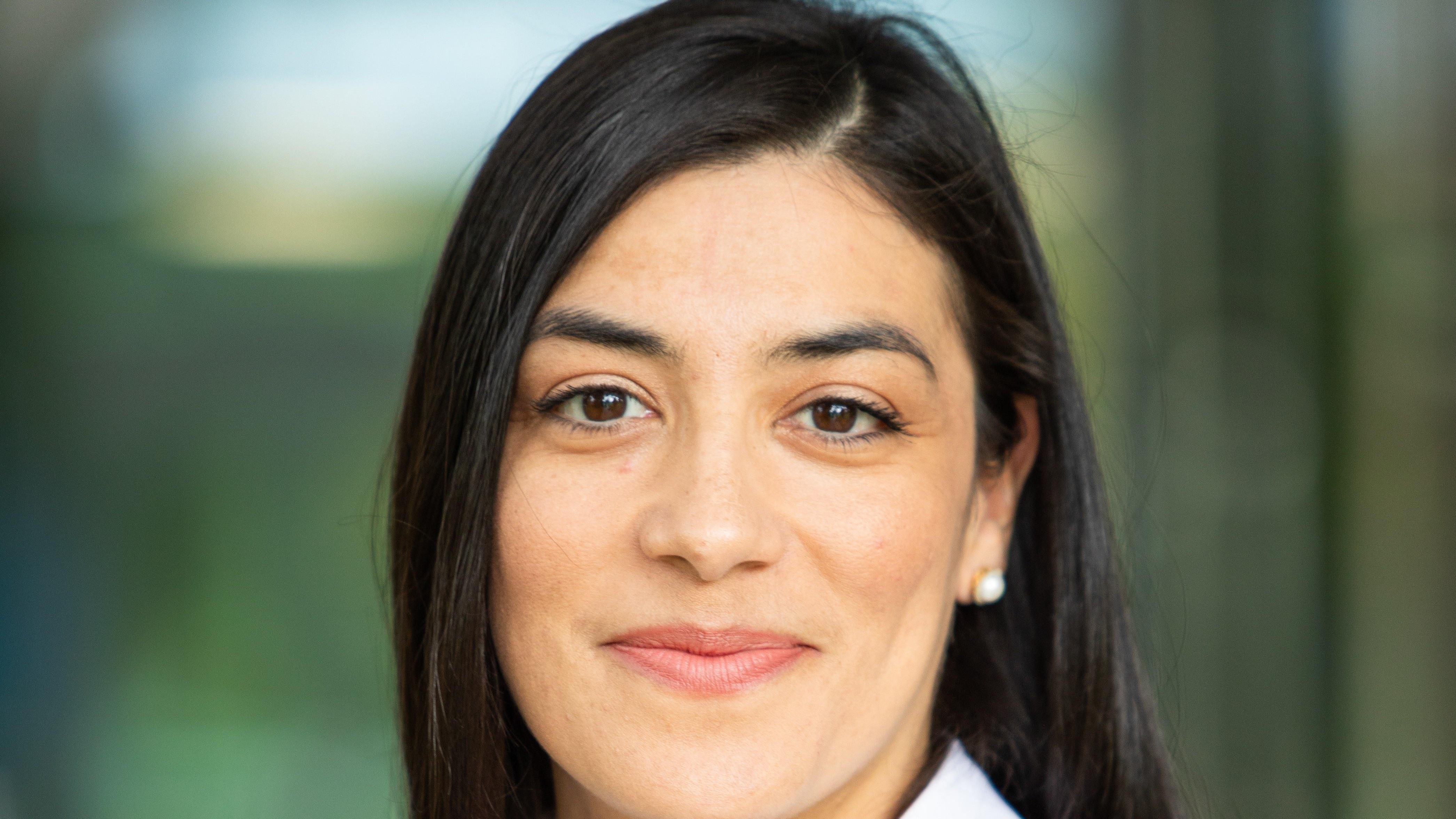
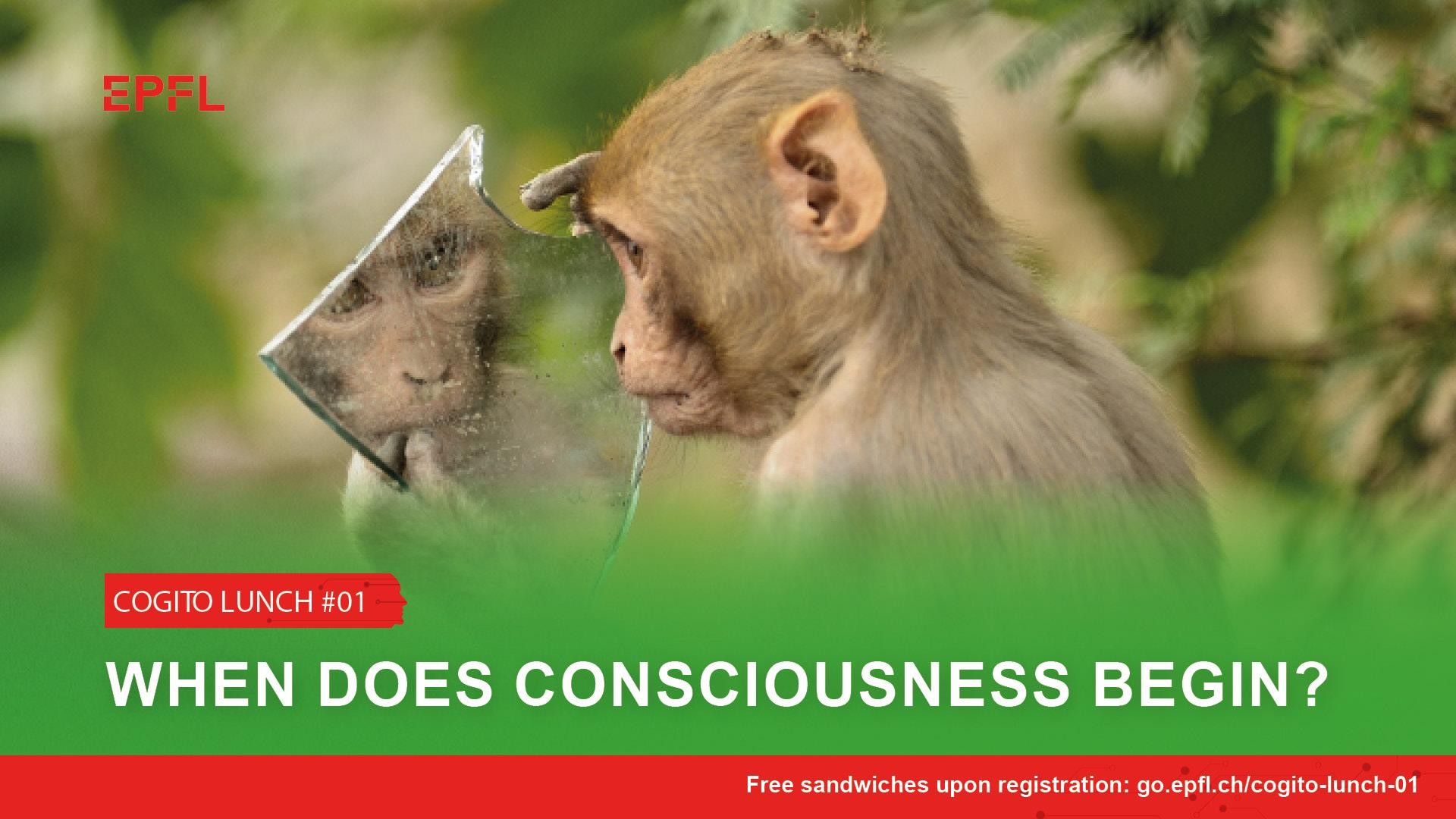
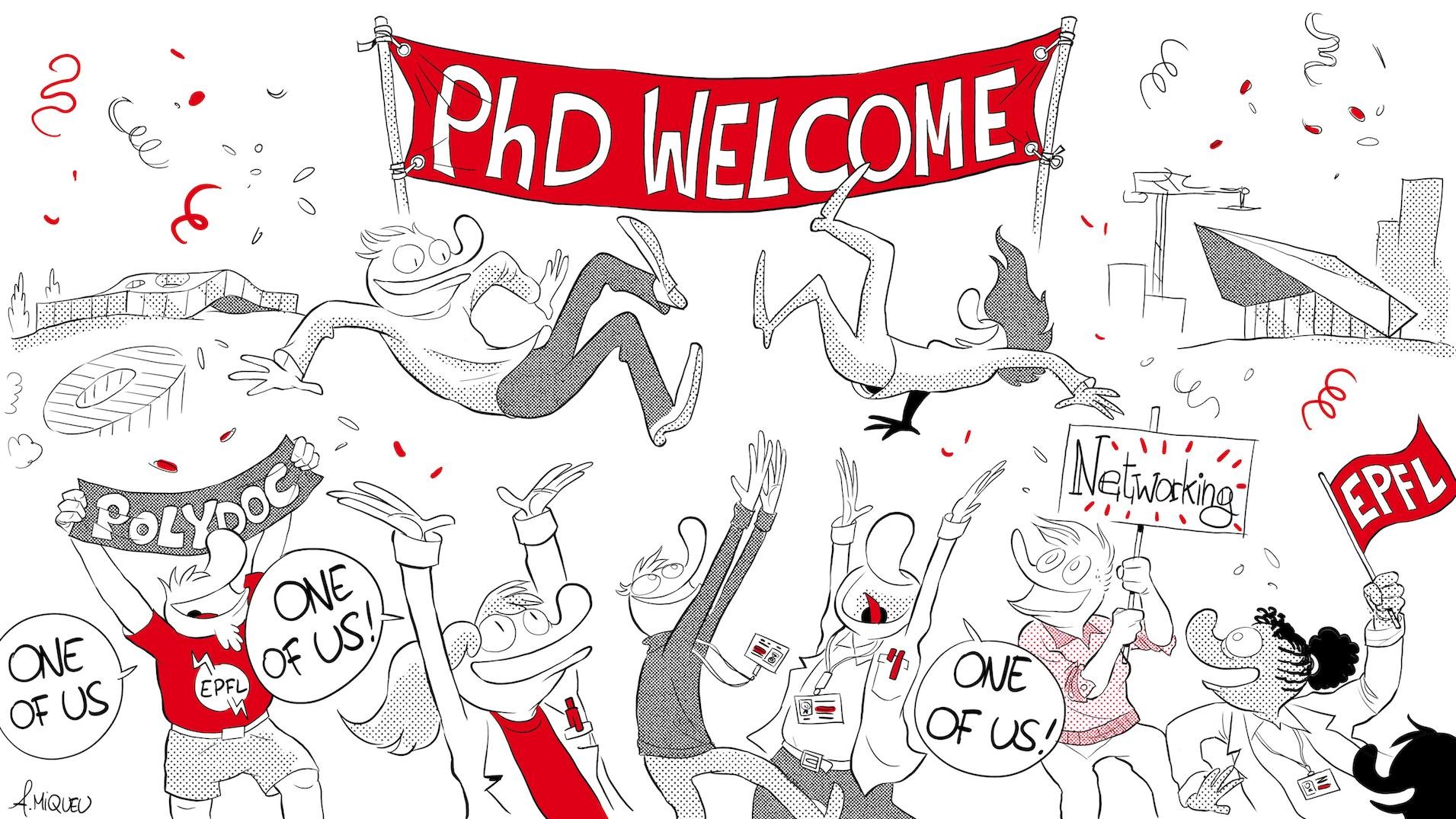
{ "count": 171, "next": "https://memento.epfl.ch/api/v1/mementos/6/events/?format=api&limit=10&offset=110&ordering=slug", "previous": "https://memento.epfl.ch/api/v1/mementos/6/events/?format=api&limit=10&offset=90&ordering=slug", "results": [ { "id": 72720, "title": "MechE Colloquium: Biomechanics and fluid dynamics of freshwater insects across walking, swimming, and flight", "slug": "meche-colloquium-biomechanics-and-fluid-dynamics-o", "event_url": "https://memento.epfl.ch/event/meche-colloquium-biomechanics-and-fluid-dynamics-o", "visual_url": "https://memento.epfl.ch/image/33937/200x112.jpg", "visual_large_url": "https://memento.epfl.ch/image/33937/720x405.jpg", "visual_maxsize_url": "https://memento.epfl.ch/image/33937/max-size.jpg", "lang": "en", "start_date": "2026-11-03", "end_date": "2026-11-03", "start_time": "12:00:00", "end_time": "13:00:00", "description": "<strong>Abstract: </strong>Many animals, including humans, can transition between multiple modes of locomotion between diverse environments (e.g., the transition from walking to swimming). Bimodality is common, but trimodality—that is, the ability to successfully navigate between aerial, aquatic, and terrestrial environments—is relatively rare. Multimodality is also challenging to achieve in engineered devices, vehicles, and robots; however, several animals are capable of regularly (and easily) traversing environmental boundaries. In this talk, we will outline several of the general adaptations that living organisms use to locomote between land, air, and water. We will then present recent work on the biomechanics and fluid dynamics of trimodal aquatic insects. These insects exhibit hybrid walking-swimming gaits when transitioning from land to shallow water; they also leverage surface tension, buoyancy, fluid drag, and aerodynamic forces to take off into flight directly from the water surface. They also display underwater agility, using their legs as paddles to propel themselves rapidly as they seek prey and/or escape from predators. They also have interesting morphological features to enable these transitions, including superhydrophobic wings and hemelytra, as well as dense setae lining the metathoracic legs. These bristle-like features create shape-morphing appendages for efficient swimming, and are also used to lever the insect’s body off the deforming water surface during takeoff. In this talk, we will present data from all three locomotor modes and discuss their implications for both fundamental biology and ecology as well as bioinspired engineering and technology development.<br>\r\n<br>\r\n<br>\r\n<strong>Biography: </strong>Dr. Margaret L. Byron is currently the Martin W. Trethewey Early Career Professor in Mechanical Engineering at Penn State University, and is a recipient of the NSF CAREER Award, the Beckman Young Investigator Award, and the American Chemical Society Doctoral New Investigator Award. She earned her B.S. in Mechanical and Aerospace Engineering from Princeton University in 2010 and her MS/PhD in Civil and Environmental Engineering from the University of California Berkeley in 2012/2015. She works at the interface of biology, physics, and engineering, with interests including the fluid dynamics of animal locomotion and the transport of irregularly shaped inertial particles in turbulent flows (including sediment, aggregates, and microplastics). She is currently on sabbatical at EPFL as a Visiting Professor in the UNFoLD lab.", "image_description": "", "creation_date": "2026-09-29T15:49:49", "last_modification_date": "2026-09-29T15:54:40", "link_label": "", "link_url": "", "canceled": "False", "cancel_reason": "", "place_and_room": "MED 0 1418", "url_place_and_room": "https://plan.epfl.ch/?room==MED%200%201418", "url_online_room": "https://epfl.zoom.us/j/61360740951", "spoken_languages": [ "https://memento.epfl.ch/api/v1/spoken_languages/2/?format=api" ], "speaker": "<a href=\"https://iee.psu.edu/people/margaret-byron\">Prof. Margaret Byron</a>, <a href=\"https://iee.psu.edu/home\">Institute of Energy and the Environment</a>, <a href=\"https://www.psu.edu/\">The Pennsylvania State University</a>", "organizer": "<a href=\"https://people.epfl.ch/karen.mulleners?lang=en\">Prof. Karen Mulleners</a>", "contact": "<a href=\"mailto:[email protected]\">Institute of Mechanical Engineering</a>", "is_internal": "False", "theme": "", "vulgarization": { "id": 1, "fr_label": "Tout public", "en_label": "General public" }, "registration": { "id": 3, "fr_label": "Entrée libre", "en_label": "Free" }, "keywords": "MechE Colloquium: Biomechanics and fluid dynamics of freshwater insects across walking, swimming, and flight", "file": null, "icalendar_url": "https://memento.epfl.ch/event/export/122000/", "category": { "id": 1, "code": "CONF", "fr_label": "Conférences - Séminaires", "en_label": "Conferences - Seminars", "activated": true }, "academic_calendar_category": null, "domains": [], "mementos": [ "https://memento.epfl.ch/api/v1/mementos/1/?format=api", "https://memento.epfl.ch/api/v1/mementos/6/?format=api", "https://memento.epfl.ch/api/v1/mementos/232/?format=api", "https://memento.epfl.ch/api/v1/mementos/270/?format=api" ] }, { "id": 72701, "title": "The New Nature of Business: The Path to Prosperity and Sustainability", "slug": "the-new-nature-of-business-the-path-to-prosperit-2", "event_url": "https://memento.epfl.ch/event/the-new-nature-of-business-the-path-to-prosperit-2", "visual_url": "https://memento.epfl.ch/image/33925/200x112.jpg", "visual_large_url": "https://memento.epfl.ch/image/33925/720x405.jpg", "visual_maxsize_url": "https://memento.epfl.ch/image/33925/max-size.jpg", "lang": "en", "start_date": "2026-11-03", "end_date": "2026-11-03", "start_time": "17:15:00", "end_time": "19:00:00", "description": "<em>How can we reconcile economic value creation, the preservation of nature and collective prosperity? What transformations are needed for businesses to have a positive and lasting impact?</em><br>\r\n<br>\r\nTo explore these questions, EPFL is pleased to invite you to a special Campus Lecture with Mr André Hoffmann, Vice-Chairman of the Board of Directors of Roche, Co-Chair of the World Economic Forum and former Vice-President of WWF. To mark the publication of his book <em>The New Nature of Business: The Path to Prosperity & Sustainability</em>, André Hoffmann will share his thoughts on how capitalism is evolving in the face of the climate, environmental and societal challenges of our time, and on how businesses can respond to them. This Campus Lecture will offer an opportunity to explore the transformations the business world must undergo to tackle climate change and preserve biodiversity.<br>\r\n<br>\r\n<strong>About André Hoffmann</strong><br>\r\nMr André Hoffmann is a Swiss businessman. A member of the Board of Directors of Roche since 1996 and Vice-Chairman of the group, he is also Co-Chair of the World Economic Forum alongside Laurence D. Fink. The son of ornithologist and WWF co-founder Luc Hoffmann, André Hoffmann served for many years as Vice-President of WWF and is an active investor in projects related to sustainability and the energy transition. In 2024, together with journalist Peter Vanham, he published <em>The New Nature of Business</em>, a case for a form of capitalism that places natural, social and human capital alongside financial capital.", "image_description": "Portrait de André Hoffmann", "creation_date": "2026-09-28T19:52:01", "last_modification_date": "2026-09-28T19:55:20", "link_label": "REGISTRATION", "link_url": "https://forms.cloud.microsoft/e/YS89Pr1f55", "canceled": "False", "cancel_reason": "", "place_and_room": "Forum Rolex", "url_place_and_room": "https://plan.epfl.ch/?room==RLC%20E1%20240", "url_online_room": "", "spoken_languages": [ "https://memento.epfl.ch/api/v1/spoken_languages/2/?format=api" ], "speaker": "", "organizer": "", "contact": "Nicolas Hocq", "is_internal": "False", "theme": "", "vulgarization": { "id": 1, "fr_label": "Tout public", "en_label": "General public" }, "registration": { "id": 3, "fr_label": "Entrée libre", "en_label": "Free" }, "keywords": "Sustainability", "file": null, "icalendar_url": "https://memento.epfl.ch/event/export/121976/", "category": { "id": 1, "code": "CONF", "fr_label": "Conférences - Séminaires", "en_label": "Conferences - Seminars", "activated": true }, "academic_calendar_category": null, "domains": [], "mementos": [ "https://memento.epfl.ch/api/v1/mementos/1/?format=api", "https://memento.epfl.ch/api/v1/mementos/3/?format=api", "https://memento.epfl.ch/api/v1/mementos/6/?format=api", "https://memento.epfl.ch/api/v1/mementos/79/?format=api", "https://memento.epfl.ch/api/v1/mementos/145/?format=api" ] }, { "id": 67104, "title": "SNSF Ambizione 2026: Call now open", "slug": "snsf-ambizione-2026-call-now-open", "event_url": "https://memento.epfl.ch/event/snsf-ambizione-2026-call-now-open", "visual_url": "https://memento.epfl.ch/image/28792/200x112.jpg", "visual_large_url": "https://memento.epfl.ch/image/28792/720x405.jpg", "visual_maxsize_url": "https://memento.epfl.ch/image/28792/max-size.jpg", "lang": "en", "start_date": "2026-11-03", "end_date": "2026-11-03", "start_time": null, "end_time": null, "description": "<ul>\r\n\t<li>The Swiss National Science Foundation (SNSF) awards <a href=\"https://www.snf.ch/en/N18L3oGWomTSSGkF/funding/careers/ambizione\">Ambizione</a> grants to outstanding <strong>postdoctoral researchers</strong> who intend to pursue a scientific or an academic career at a <strong>Swiss research institution</strong>. The purpose of the Ambizione grant is to help researchers build their scientific profile and become scientifically self-reliant at an early stage with an <strong>independent research project</strong>. Ambizione grants are open to researchers from <strong>all disciplines</strong>.<br>\r\n\t </li>\r\n\t<li><strong>Eligibility: </strong>1-4 years after doctoral exam + min. 1 year of postdoctoral research; <strong>Professors </strong>in permanent or temporary employment, with or without tenure track, are <strong>not eligible</strong>.</li>\r\n</ul>\r\n<strong> Important change in 2026: </strong><br>\r\n <strong>> </strong>Candidates must have a <strong>link with Switzerland</strong>: they must be of Swiss nationality, OR hold a degree from a Swiss higher education institution (master's degree, doctorate, medical diploma, FMH specialist title or equivalent), OR <strong>have carried out research or clinical work in a Swiss research institution for at least 12 months between the completion of their doctorate or medical diploma and the submission deadline.</strong><br>\r\n<br>\r\n<strong> > Each contact person</strong> (e.g. a professor at the selected research institution) <strong>can only support one applicant</strong>.<br>\r\n \r\n<ul>\r\n\t<li><strong>Funding:</strong> max.<strong> CHF 250K </strong>for max.<strong> 4 years </strong>(PhD or Postdoc salaries are not eligible costs) + applicant's salary.</li>\r\n</ul>\r\n<br>\r\n<br>\r\n<strong>Two upcoming infosessions: </strong>\r\n\r\n<ul>\r\n\t<li>SNSF infosession: 13 August 2026, 10:00-11:30am, register <a href=\"https://events.teams.microsoft.com/event/e83e9af0-fa72-4274-a505-e79ff22fbfca@d3df0f6b-32ad-4977-a262-b7727bdb4257\">here</a>.</li>\r\n\t<li>EPFL applicant Workshop: 15 September 2026, 11-12am, register <a href=\"https://forms.gle/WEdhTwJVxX3rMVoA9\">here</a>.</li>\r\n</ul>\r\n<br>\r\n<strong>How to get EPFL support?</strong><br>\r\nThe SNSF requires two separate letters from the research institution: a detailed confirmation letter and a general confirmation letter. These are obtained through an EPFL pre-application process:\r\n<ul>\r\n\t<li><strong>Identify a host professor</strong> who is ready to support and host you for the entire duration of the project;</li>\r\n\t<li><strong>Read the <a href=\"https://drive.google.com/drive/folders/1nCNLxzLc4qJ49mRafdomEgG1OceqvStW?usp=sharing\">EPFL toolkit</a></strong>: (with particular attention for the <strong><em>SNSF Call document</em></strong> and the document \"<strong><em>EPFL instructions</em></strong>\")</li>\r\n\t<li><strong>Contact your host institute and school</strong> to inquire about their internal deadlines and requirements if no information is available in \"<strong><em>EPFL instructions</em></strong>\";</li>\r\n\t<li><strong>Submit a pre-application</strong> to the EPFL Research Office (Note that internal deadlines are School/ Institute specific. The link to the EPFL pre-application platform is provided in the toolkit's document \"<em><strong>EPFL instructions</strong></em>\").</li>\r\n</ul>\r\n<strong>How to apply </strong>\r\n\r\n<ul>\r\n\t<li>1. Create an account now on <a href=\"https://www.mysnf.ch/login.aspx?returnurl=%2fdefault.aspx\">mySNF</a> and prepare your SNSF-format CV</li>\r\n\t<li>2. Obtain both signed support letters through the EPFL pre-application step</li>\r\n\t<li>3. Submit your SNSF application on mySNF, including both support letters.</li>\r\n</ul>\r\n<strong>Timeline of the call</strong>\r\n\r\n<ul>\r\n\t<li>Launch: 3 August 2026</li>\r\n\t<li>Deadline: 3 November 2026 at 17:00 C.E.T.</li>\r\n\t<li>Earliest start: 1 September 2027</li>\r\n\t<li>Latest start: 1 September 2028</li>\r\n</ul>\r\n<br>\r\n<strong>ReO Services</strong>\r\n\r\n<ul>\r\n\t<li>EPFL Toolkit</li>\r\n\t<li>EPFL applicant workshop (registration link higher up on this page)</li>\r\n\t<li><strong>Grant Writing</strong> services offered on a first-come-first-served basis.</li>\r\n\t<li>Mock interviews</li>\r\n</ul>\r\nFor any questions please contact <a href=\"mailto:[email protected]\">[email protected]</a>", "image_description": "", "creation_date": "2024-10-01T08:22:36", "last_modification_date": "2026-08-25T13:01:20", "link_label": "", "link_url": "", "canceled": "False", "cancel_reason": "", "place_and_room": "", "url_place_and_room": "", "url_online_room": "", "spoken_languages": [], "speaker": "", "organizer": "", "contact": "<a href=\"http://[email protected]\">Research Office</a>", "is_internal": "False", "theme": "", "vulgarization": { "id": 1, "fr_label": "Tout public", "en_label": "General public" }, "registration": { "id": 3, "fr_label": "Entrée libre", "en_label": "Free" }, "keywords": "", "file": null, "icalendar_url": "https://memento.epfl.ch/event/export/113668/", "category": { "id": 16, "code": "PROP", "fr_label": "Appel à proposition", "en_label": "Call for proposal", "activated": true }, "academic_calendar_category": null, "domains": [], "mementos": [ "https://memento.epfl.ch/api/v1/mementos/1/?format=api", "https://memento.epfl.ch/api/v1/mementos/3/?format=api", "https://memento.epfl.ch/api/v1/mementos/4/?format=api", "https://memento.epfl.ch/api/v1/mementos/5/?format=api", "https://memento.epfl.ch/api/v1/mementos/6/?format=api", "https://memento.epfl.ch/api/v1/mementos/8/?format=api", "https://memento.epfl.ch/api/v1/mementos/9/?format=api", "https://memento.epfl.ch/api/v1/mementos/140/?format=api", "https://memento.epfl.ch/api/v1/mementos/145/?format=api" ] }, { "id": 72658, "title": "Sustainable Labs: Get Involved", "slug": "sustainable-labs-get-involved-9", "event_url": "https://memento.epfl.ch/event/sustainable-labs-get-involved-9", "visual_url": "https://memento.epfl.ch/image/33911/200x112.jpg", "visual_large_url": "https://memento.epfl.ch/image/33911/720x405.jpg", "visual_maxsize_url": "https://memento.epfl.ch/image/33911/max-size.jpg", "lang": "en", "start_date": "2026-11-03", "end_date": "2027-01-12", "start_time": "12:15:00", "end_time": "13:00:00", "description": "<br>\r\nThe <strong>EPFL Sustainable Labs team</strong> is pleased to welcome you to its recurring <strong>\"Sustainable Labs: Get Involved\"</strong> sessions. Held every week, alternating between <strong>Tuesdays and Thursdays</strong>, these sessions provide an opportunity for laboratories, platforms, centers, and units to receive guidance and support on implementing more sustainable laboratory practices.<br>\r\n<br>\r\nThe <strong>Sustainable Labs initiative</strong> is part of EPFL's <em>Climate & Sustainability Strategy 2030</em>, which aims to reduce greenhouse gas emissions by an average of <strong>40% compared to 2006/2019 levels</strong> and achieve <strong>climate neutrality by 2040</strong>.<br>\r\n<br>\r\n→<a href=\"https://www.epfl.ch/about/sustainability/sustainability/green-labs_draft_ag/\"> </a><strong><a href=\"https://www.epfl.ch/about/sustainability/sustainability/green-labs_draft_ag/\">Learn more about the EPFL Sustainable Labs initiative</a>.</strong><br>\r\n<br>\r\nResearch activities are a key lever for achieving these ambitious goals. However, while cutting-edge research drives innovation, it also carries a significant environmental footprint. Laboratories consume large amounts of energy, generate substantial quantities of plastic, chemical, and biological waste, and contribute considerably to greenhouse gas emissions. At EPFL, we are committed to understanding and reducing this impact. Through the development and deployment of the <strong>EPFL CO₂ Calculator</strong>, we help researchers measure, understand, and improve the environmental performance of their activities.<br>\r\n<br>\r\nFrom <strong>October 8 to December 17, 2026</strong>, the <strong>Sustainable Labs: Get Involved</strong> sessions will focus on training and supporting users in the use of the <strong>EPFL CO₂ Calculator</strong>. This tool enables laboratories, platforms, centers, and central units to estimate their carbon footprint, identify major emission hotspots, and support informed decision-making to reduce their environmental impact through targeted actions.<br>\r\n<br>\r\nHere are the planned sessions : \r\n<ul>\r\n\t<li>Thursday October 8th 12:15-13:00 (online) </li>\r\n\t<li>Tuesday October 13th 12:15-13:00 (MA A0 364)</li>\r\n\t<li>Thursday October 22th 12:15-13:00 (online) </li>\r\n\t<li>Tuesday October 27th 12:15-13:00 (MA A0 364)</li>\r\n\t<li>Thursday November 5th 12:15-13:00(online) </li>\r\n\t<li>Tuesday November 10th 12:15-13:00 (MA A0 364)</li>\r\n\t<li>Thursday November 19th 12:15-13:00 (online) </li>\r\n\t<li>Tuesday November 24th 12:15-13:00 (MA A0 364)</li>\r\n\t<li>Thursday December 3rd 12:15-13:00 (online) </li>\r\n\t<li>Tuesday December 8th 12:15-13:00 (MA A0 364)</li>\r\n\t<li>Thursday December 17th 12:15-13:00 (online) </li>\r\n</ul>\r\nSessions can be held in English and/ or French depending on the participants. <br>\r\n<br>\r\n→ Please register <a href=\"https://docs.google.com/forms/d/e/1FAIpQLSd7Cp6LevgtBLtsWIsKr2Ec_HPGjJgimmwEaGAN5U4M4-2rrg/viewform\">here</a>. For physical sessions, standing lunch will be provided!<br>\r\n<br>\r\nWhether you have questions about the EPFL CO₂ Calculator, need help interpreting your results, or would like advice on implementing more sustainable laboratory practices, our team will be happy to support you and answer your questions! <br>\r\n ", "image_description": "", "creation_date": "2026-09-23T10:53:52", "last_modification_date": "2026-09-23T10:53:51", "link_label": "", "link_url": "", "canceled": "True", "cancel_reason": "", "place_and_room": "MA A0 364", "url_place_and_room": "", "url_online_room": "https://epfl.zoom.us/j/63013630338", "spoken_languages": [ "https://memento.epfl.ch/api/v1/spoken_languages/1/?format=api", "https://memento.epfl.ch/api/v1/spoken_languages/2/?format=api" ], "speaker": "", "organizer": "Mai-Phuong Dinh", "contact": "[email protected] ", "is_internal": "True", "theme": "", "vulgarization": { "id": 1, "fr_label": "Tout public", "en_label": "General public" }, "registration": { "id": 3, "fr_label": "Entrée libre", "en_label": "Free" }, "keywords": "", "file": null, "icalendar_url": "https://memento.epfl.ch/event/export/121906/", "category": { "id": 15, "code": "FORM", "fr_label": "Formations internes", "en_label": "Internal trainings", "activated": true }, "academic_calendar_category": null, "domains": [], "mementos": [ "https://memento.epfl.ch/api/v1/mementos/1/?format=api", "https://memento.epfl.ch/api/v1/mementos/4/?format=api", "https://memento.epfl.ch/api/v1/mementos/5/?format=api", "https://memento.epfl.ch/api/v1/mementos/6/?format=api", "https://memento.epfl.ch/api/v1/mementos/8/?format=api", "https://memento.epfl.ch/api/v1/mementos/9/?format=api", "https://memento.epfl.ch/api/v1/mementos/79/?format=api" ] }, { "id": 72469, "title": "Trust, Sensing, and Learning for Provable Multi-Robot Performance", "slug": "trust-sensing-and-learning-for-provable-multi-robo", "event_url": "https://memento.epfl.ch/event/trust-sensing-and-learning-for-provable-multi-robo", "visual_url": "https://memento.epfl.ch/image/33717/200x112.jpg", "visual_large_url": "https://memento.epfl.ch/image/33717/720x405.jpg", "visual_maxsize_url": "https://memento.epfl.ch/image/33717/max-size.jpg", "lang": "en", "start_date": "2026-11-05", "end_date": "2026-11-05", "start_time": "11:00:00", "end_time": "12:00:00", "description": "<p>Multi-robot systems are physically embodied networks — they sense, move, and communicate through the physical world. The bar for safe decision-making rises as these systems enter safety-critical, real-world settings where they must perform well under uncertainty. Our work shows that physicality is a resource against the two kinds of uncertainty they face: intentional (or adversarial), where data is manipulated by malicious agents, and natural, where aspects of the environment are simply unknown. Most of this talk concerns intentional uncertainty. Here, one way to exploit physicality is by using communication as a sensor. Because the signals robots exchange are difficult to forge, they carry evidence that can be cross-validated to yield a quantifiable likelihood that an agent's data is trustworthy. This is the foundation of cy-trust, in which stochastic observations of trust model an agent's trustworthiness probabilistically from physical rather than cryptographic evidence. Each neighbor's contribution is then weighted by its trust value. Under this framework, we show that consensus, distributed optimization, and other core coordination tasks admit almost-sure convergence with bounded deviation from their nominal performance, even when malicious agents exceed half of a node's connectivity, past the classical Byzantine bound. We support this finding with both theory and hardware experiments under adversarial attack. Against natural uncertainty, we show that real-time sensing can be folded into rollout-based reinforcement learning, where the same machinery reweights futures rather than neighbors. We apply this idea to routing a fleet of robots to stochastically appearing demand and, with Project CETI, to the first autonomous robotic rendezvous with sperm whales at sea. Finally, we preview some of our future work combining trust with long-horizon sequential decision-making, targeting planning that stays provably resilient when the data informing the plan may itself be corrupted.<br>\r\n<br>\r\n<em>Stephanie Gil is the John L. Loeb Associate Professor of Engineering and Applied Sciences at Harvard University and an Associate Faculty member of the Kempner Institute. Her research focuses on trust and coordination in multi-robot systems, at the intersection of robotics, communication, and learning. Her contributions have been recognized through the DARPA Young Faculty Award (2024), the Office of Naval Research Young Investigator Award (2021), and the National Science Foundation CAREER Award (2019). She was named a 2020 Sloan Research Fellow for her work at the intersection of robotics and communication. She earned her Ph.D. at CSAIL at MIT, specializing in multi-robot coordination and control, and her B.S. at Cornell University.</em></p>", "image_description": "", "creation_date": "2026-08-31T09:19:27", "last_modification_date": "2026-09-03T18:05:52", "link_label": "", "link_url": "", "canceled": "False", "cancel_reason": "", "place_and_room": "MED 2 1124", "url_place_and_room": "https://plan.epfl.ch/?room==MED%202%201124", "url_online_room": "https://epfl.zoom.us/j/64474989189", "spoken_languages": [ "https://memento.epfl.ch/api/v1/spoken_languages/2/?format=api" ], "speaker": "<a href=\"https://www.linkedin.com/in/stephanie-gil/\">Stephanie Gil</a>", "organizer": "<a href=\"https://www.epfl.ch/research/domains/robotics/\">EPFL Robotics Center</a>", "contact": "<a href=\"https://people.epfl.ch/anca.rusu\">Anca Rusu</a>", "is_internal": "False", "theme": "", "vulgarization": { "id": 2, "fr_label": "Public averti", "en_label": "Informed public" }, "registration": { "id": 3, "fr_label": "Entrée libre", "en_label": "Free" }, "keywords": "", "file": null, "icalendar_url": "https://memento.epfl.ch/event/export/121626/", "category": { "id": 1, "code": "CONF", "fr_label": "Conférences - Séminaires", "en_label": "Conferences - Seminars", "activated": true }, "academic_calendar_category": null, "domains": [], "mementos": [ "https://memento.epfl.ch/api/v1/mementos/1/?format=api", "https://memento.epfl.ch/api/v1/mementos/6/?format=api", "https://memento.epfl.ch/api/v1/mementos/8/?format=api", "https://memento.epfl.ch/api/v1/mementos/417/?format=api" ] }, { "id": 69614, "title": "Cogito Lunch #01: When Does Consciousness Begin?", "slug": "cogito-lunch-01-when-does-consciousness-begin", "event_url": "https://memento.epfl.ch/event/cogito-lunch-01-when-does-consciousness-begin", "visual_url": "https://memento.epfl.ch/image/31112/200x112.jpg", "visual_large_url": "https://memento.epfl.ch/image/31112/720x405.jpg", "visual_maxsize_url": "https://memento.epfl.ch/image/31112/max-size.jpg", "lang": "en", "start_date": "2026-11-05", "end_date": "2026-11-05", "start_time": "12:15:00", "end_time": "13:15:00", "description": "<p>We are pleased to invite you to the first Cogito Lunch event, a new series building on the tradition of LUNCHenPHILO / L’heure H, those philosophical interludes that have been part of some of our lunch breaks since 2021.<br>\r\n<br>\r\nOrganized by the Vice-Presidency for Education (VPE), these sessions aim to foster dialogue between experts from various disciplines and the campus community, particularly students. We hope, therefore, to explore ideas and questions that stimulate our imagination, challenge our sensibilities, and shed light on our fears and expectations. The discussions will be moderated by journalist Anne Laure Gannac. <br>\r\n<br>\r\n<strong>For the session on Thursday, November 5</strong>, we’ll tackle a question that is as fascinating as it is mind-boggling: “When does consciousness begin?” Neuroscience, machine learning, and the humanities will come together to try to answer it.<br>\r\n<br>\r\n<strong>The discussion is open with:</strong>\r\n</p><ul>\r\n\t<li><strong><a href=\"https://www.epfl.ch/labs/lpsy/team/herzog/\">Michael Herzog</a></strong>, Professor in behavioral and cognitive neuroscience, EPFL</li>\r\n\t<li><strong><a href=\"https://people.epfl.ch/amir.zamir\">Amir Zamir</a></strong>, Professor in AI and machine Learning, EPFL</li>\r\n\t<li><strong><a href=\"https://people.epfl.ch/andre.ourednik\">André Ourednik</a></strong>, Geographer, fiction writer, and lecturer at EPFL</li>\r\n</ul>\r\n<strong>Moderation:</strong> <a href=\"https://people.epfl.ch/anne-laure.gannac/?lang=fr\">Anne Laure Gannac</a>, journalist at the RTS.<br>\r\n<br>\r\nThis event can also be followed live or recorded on our <strong>YouTube</strong> channel.<br>\r\n<br>\r\n<iframe allow=\";\" allowfullscreen=\"\" frameborder=\"0\" height=\"360\" src=\"https://www.youtube.com/embed/rRbMx6qgTFE?rel=0\" width=\"640\"></iframe><br>\r\n<br>\r\n<a href=\"https://docs.google.com/forms/d/e/1FAIpQLSd2dMMm1l72aWl6XOmO2mFeXU9WRBAvafNVQdO6_USkCBNo-w/viewform?usp=header\"><strong>> Free lunch on registration</strong></a>", "image_description": "", "creation_date": "2025-08-20T16:41:38", "last_modification_date": "2026-10-06T17:02:13", "link_label": "Registration form", "link_url": "http://docs.google.com/forms/d/e/1FAIpQLScwbk8Www4ZqIXHyDpJW3iJ3GbNlDTTKVw8ZkyM_4w-PfyoLQ/viewform?usp=publish-editor", "canceled": "False", "cancel_reason": "", "place_and_room": "Rolex Learning Center", "url_place_and_room": "https://plan.epfl.ch/?room==RLC%20G1%20350", "url_online_room": "", "spoken_languages": [ "https://memento.epfl.ch/api/v1/spoken_languages/1/?format=api", "https://memento.epfl.ch/api/v1/spoken_languages/2/?format=api" ], "speaker": "<a href=\"https://www.epfl.ch/labs/lpsy/team/herzog/\">Michael Herzog</a>, Professor in behavioral and cognitive neuroscience, EPFL; <a href=\"https://people.epfl.ch/amir.zamir\">Amir Zamir</a>, Professor in AI and machine Learning, EPFL and <a href=\"https://people.epfl.ch/andre.ourednik\">André Ourednik</a>, Geographer, fiction writer, and lecturer at EPFL.", "organizer": "<a href=\"https://www.epfl.ch/education/programme-shs/\">EPFL Social Science and Humanities (SHS) Program</a>", "contact": "<a href=\"https://people.epfl.ch/virginie.martin-nunez\">Virginie Martin</a>", "is_internal": "False", "theme": "", "vulgarization": { "id": 1, "fr_label": "Tout public", "en_label": "General public" }, "registration": { "id": 1, "fr_label": "Sur inscription", "en_label": "Registration required" }, "keywords": "Philosophy, ethics, AI, humanities, machine learning", "file": null, "icalendar_url": "https://memento.epfl.ch/event/export/117350/", "category": { "id": 1, "code": "CONF", "fr_label": "Conférences - Séminaires", "en_label": "Conferences - Seminars", "activated": true }, "academic_calendar_category": null, "domains": [], "mementos": [ "https://memento.epfl.ch/api/v1/mementos/1/?format=api", "https://memento.epfl.ch/api/v1/mementos/2/?format=api", "https://memento.epfl.ch/api/v1/mementos/3/?format=api", "https://memento.epfl.ch/api/v1/mementos/6/?format=api", "https://memento.epfl.ch/api/v1/mementos/8/?format=api", "https://memento.epfl.ch/api/v1/mementos/21/?format=api", "https://memento.epfl.ch/api/v1/mementos/22/?format=api", "https://memento.epfl.ch/api/v1/mementos/27/?format=api", "https://memento.epfl.ch/api/v1/mementos/123/?format=api", "https://memento.epfl.ch/api/v1/mementos/140/?format=api", "https://memento.epfl.ch/api/v1/mementos/145/?format=api", "https://memento.epfl.ch/api/v1/mementos/162/?format=api", "https://memento.epfl.ch/api/v1/mementos/175/?format=api" ] }, { "id": 72397, "title": "Training \"Ethics in Research Data Management: Anonymization and Best Practices\"", "slug": "training-ethics-in-research-data-management-anon-5", "event_url": "https://memento.epfl.ch/event/training-ethics-in-research-data-management-anon-5", "visual_url": "https://memento.epfl.ch/image/33648/200x112.jpg", "visual_large_url": "https://memento.epfl.ch/image/33648/720x405.jpg", "visual_maxsize_url": "https://memento.epfl.ch/image/33648/max-size.jpg", "lang": "en", "start_date": "2026-11-05", "end_date": "2026-11-05", "start_time": "15:00:00", "end_time": "16:30:00", "description": "<div class=\"all_text\">\r\n<div class=\"all_text\"><strong>Ethical-driven practices in data management are crucial for maintaining research integrity, protecting privacy, and collaborate with research partners, and fostering trust in research outputs. </strong><br>\r\n<br>\r\nThis short training focuses on the practices of ethical data management and the adoption of anonymization techniques for compliance with data protection laws.<br>\r\nThrough interactive discussions and case studies, participants will learn to:\r\n<ul>\r\n\t<li>Address ethical challenges in data collection and management in compliance with Swiss and European laws</li>\r\n\t<li>Understand how anonymization techniques and responsible data handling can protect subjects’ privacy</li>\r\n\t<li>Strengthen research integrity by applying best practices in everyday data management workflows.</li>\r\n</ul>\r\nWith a dedicated Q&A session featuring the EPFL Research Ethics Compliance Officer<strong> </strong>and Senior Legal Counsel for Education and Research, you will also have the occasion to discuss the ethical and related technical dimensions of managing your research data.<br>\r\nWhile not mandatory, basic knowledge of Research Data Management is recommended: for an introductory training, please register for the workshop <a href=\"https://bookwhen.com/fr/epfl_library/e/ev-s9esg-20260903150000\">ABC of Research Data Management.</a><br>\r\n<br>\r\n<a href=\"https://bookwhen.com/fr/epfl_library/e/ev-swksv-20261105150000\">Registration</a><br>\r\n<br>\r\nMore information about <a href=\"https://www.epfl.ch/campus/library/training/\">EPFL Library Training offer</a></div>\r\n</div>", "image_description": "", "creation_date": "2026-08-20T10:18:36", "last_modification_date": "2026-08-27T16:22:39", "link_label": "Registration", "link_url": "https://bookwhen.com/fr/epfl_library/e/ev-swksv-20261105150000", "canceled": "False", "cancel_reason": "", "place_and_room": "AAC 0 08", "url_place_and_room": "https://plan.epfl.ch/?room==AAC%200%2008", "url_online_room": "", "spoken_languages": [ "https://memento.epfl.ch/api/v1/spoken_languages/2/?format=api" ], "speaker": "EPFL Library Research Data Team", "organizer": "EPFL Library", "contact": "[email protected]", "is_internal": "False", "theme": "", "vulgarization": { "id": 1, "fr_label": "Tout public", "en_label": "General public" }, "registration": { "id": 1, "fr_label": "Sur inscription", "en_label": "Registration required" }, "keywords": "", "file": null, "icalendar_url": "https://memento.epfl.ch/event/export/121518/", "category": { "id": 15, "code": "FORM", "fr_label": "Formations internes", "en_label": "Internal trainings", "activated": true }, "academic_calendar_category": null, "domains": [], "mementos": [ "https://memento.epfl.ch/api/v1/mementos/1/?format=api", "https://memento.epfl.ch/api/v1/mementos/3/?format=api", "https://memento.epfl.ch/api/v1/mementos/5/?format=api", "https://memento.epfl.ch/api/v1/mementos/6/?format=api", "https://memento.epfl.ch/api/v1/mementos/8/?format=api", "https://memento.epfl.ch/api/v1/mementos/145/?format=api", "https://memento.epfl.ch/api/v1/mementos/269/?format=api", "https://memento.epfl.ch/api/v1/mementos/275/?format=api", "https://memento.epfl.ch/api/v1/mementos/291/?format=api" ] }, { "id": 72014, "title": "PhD Candidates: Welcome to EPFL!", "slug": "phd-candidates-welcome-to-epfl-3", "event_url": "https://memento.epfl.ch/event/phd-candidates-welcome-to-epfl-3", "visual_url": "https://memento.epfl.ch/image/33308/200x112.jpg", "visual_large_url": "https://memento.epfl.ch/image/33308/720x405.jpg", "visual_maxsize_url": "https://memento.epfl.ch/image/33308/max-size.jpg", "lang": "en", "start_date": "2026-11-05", "end_date": "2026-11-05", "start_time": "16:00:00", "end_time": "19:00:00", "description": "<p>The Doctoral School is glad to invite all first-year PhD candidates to join the annual <a href=\"https://www.epfl.ch/education/phd/events/phd-welcome-event/\">PhD Welcome Event</a>!<br>\r\n<br>\r\nWhat to expect:<br>\r\n- Meet the EPFL doctoral community, the administrators of the doctoral school and programs, the PhD associations<br>\r\n- Discover the many EPFL services dedicated to supporting and counseling students and researchers<br>\r\n- Get useful insights about your doctoral journey at EPFL, and the resources available to help you<br>\r\n- Enjoy free food & drinks, and connect with PhD candidates from all our programs and campuses!<br>\r\n<br>\r\nWho is it for?<br>\r\n- The event is open to EPFL PhD candidates who enrolled after November 2025. Registration is required.<br>\r\n<br>\r\nPhD candidates working outside Lausanne are especially encouraged to join. This event is a golden opportunity to discover the Lausanne campus and meet your peers! You may request travel support: please contact us via the registration form.<br>\r\n<br>\r\n<a href=\"https://forms.office.com/e/f2HkZ7HHAK\">Direct link to the registration form</a><br>\r\n<br>\r\nWe look forward to meeting you on November 5th!<br>\r\n<br>\r\nThe Doctoral School Administration Team (EDOC)<br>\r\n </p>", "image_description": "", "creation_date": "2026-06-02T15:06:45", "last_modification_date": "2026-06-09T11:31:23", "link_label": "REGISTRATION FORM", "link_url": "https://forms.office.com/e/f2HkZ7HHAK", "canceled": "False", "cancel_reason": "", "place_and_room": "RLC E1 240", "url_place_and_room": "https://plan.epfl.ch/?room==RLC%20E1%20240", "url_online_room": "", "spoken_languages": [ "https://memento.epfl.ch/api/v1/spoken_languages/2/?format=api" ], "speaker": "", "organizer": "The EPFL Doctoral School", "contact": "<a href=\"mailto:[email protected]?subject=Question%20about%20the%20PhD%20Welcome%20event\">Lucia Baldi</a>", "is_internal": "True", "theme": "", "vulgarization": { "id": 2, "fr_label": "Public averti", "en_label": "Informed public" }, "registration": { "id": 1, "fr_label": "Sur inscription", "en_label": "Registration required" }, "keywords": "PhD Welcome", "file": null, "icalendar_url": "https://memento.epfl.ch/event/export/120952/", "category": { "id": 20, "code": "convention", "fr_label": "Congrès", "en_label": "Convention", "activated": true }, "academic_calendar_category": null, "domains": [], "mementos": [ "https://memento.epfl.ch/api/v1/mementos/1/?format=api", "https://memento.epfl.ch/api/v1/mementos/3/?format=api", "https://memento.epfl.ch/api/v1/mementos/4/?format=api", "https://memento.epfl.ch/api/v1/mementos/5/?format=api", "https://memento.epfl.ch/api/v1/mementos/6/?format=api", "https://memento.epfl.ch/api/v1/mementos/8/?format=api", "https://memento.epfl.ch/api/v1/mementos/9/?format=api", "https://memento.epfl.ch/api/v1/mementos/21/?format=api", "https://memento.epfl.ch/api/v1/mementos/27/?format=api", "https://memento.epfl.ch/api/v1/mementos/110/?format=api", "https://memento.epfl.ch/api/v1/mementos/145/?format=api", "https://memento.epfl.ch/api/v1/mementos/275/?format=api", "https://memento.epfl.ch/api/v1/mementos/318/?format=api", "https://memento.epfl.ch/api/v1/mementos/396/?format=api", "https://memento.epfl.ch/api/v1/mementos/425/?format=api" ] }, { "id": 72651, "title": "Sustainable Labs: Get Involved", "slug": "sustainable-labs-get-involved-8", "event_url": "https://memento.epfl.ch/event/sustainable-labs-get-involved-8", "visual_url": "https://memento.epfl.ch/image/33911/200x112.jpg", "visual_large_url": "https://memento.epfl.ch/image/33911/720x405.jpg", "visual_maxsize_url": "https://memento.epfl.ch/image/33911/max-size.jpg", "lang": "en", "start_date": "2026-11-05", "end_date": "2027-01-14", "start_time": "12:15:00", "end_time": "13:00:00", "description": "<br>\r\nThe <strong>EPFL Sustainable Labs team</strong> is pleased to welcome you to its recurring <strong>\"Sustainable Labs: Get Involved\"</strong> sessions. Held every week, alternating between <strong>Tuesdays and Thursdays</strong>, these sessions provide an opportunity for laboratories, platforms, centers, and units to receive guidance and support on implementing more sustainable laboratory practices.<br>\r\n<br>\r\nThe <strong>Sustainable Labs initiative</strong> is part of EPFL's <em>Climate & Sustainability Strategy 2030</em>, which aims to reduce greenhouse gas emissions by an average of <strong>40% compared to 2006/2019 levels</strong> and achieve <strong>climate neutrality by 2040</strong>.<br>\r\n<br>\r\n→<a href=\"https://www.epfl.ch/about/sustainability/sustainability/green-labs_draft_ag/\"> </a><strong><a href=\"https://www.epfl.ch/about/sustainability/sustainability/green-labs_draft_ag/\">Learn more about the EPFL Sustainable Labs initiative</a>.</strong><br>\r\n<br>\r\nResearch activities are a key lever for achieving these ambitious goals. However, while cutting-edge research drives innovation, it also carries a significant environmental footprint. Laboratories consume large amounts of energy, generate substantial quantities of plastic, chemical, and biological waste, and contribute considerably to greenhouse gas emissions. At EPFL, we are committed to understanding and reducing this impact. Through the development and deployment of the <strong>EPFL CO₂ Calculator</strong>, we help researchers measure, understand, and improve the environmental performance of their activities.<br>\r\n<br>\r\nFrom <strong>October 8 to December 17, 2026</strong>, the <strong>Sustainable Labs: Get Involved</strong> sessions will focus on training and supporting users in the use of the <strong>EPFL CO₂ Calculator</strong>. This tool enables laboratories, platforms, centers, and central units to estimate their carbon footprint, identify major emission hotspots, and support informed decision-making to reduce their environmental impact through targeted actions.<br>\r\n<br>\r\nHere are the planned sessions : \r\n<ul>\r\n\t<li>Thursday October 8th 12:15-13:00 (online) </li>\r\n\t<li>Tuesday October 13th 12:15-13:00 (MA A0 364)</li>\r\n\t<li>Thursday October 22th 12:15-13:00 (online) </li>\r\n\t<li>Tuesday October 27th 12:15-13:00 (MA A0 364)</li>\r\n\t<li>Thursday November 5th 12:15-13:00(online) </li>\r\n\t<li>Tuesday November 10th 12:15-13:00 (MA A0 364)</li>\r\n\t<li>Thursday November 19th 12:15-13:00 (online) </li>\r\n\t<li>Tuesday November 24th 12:15-13:00 (MA A0 364)</li>\r\n\t<li>Thursday December 3rd 12:15-13:00 (online) </li>\r\n\t<li>Tuesday December 8th 12:15-13:00 (MA A0 364)</li>\r\n\t<li>Thursday December 17th 12:15-13:00 (online) </li>\r\n</ul>\r\nSessions can be held in English and/ or French depending on the participants. <br>\r\n<br>\r\n→ Please register <a href=\"https://docs.google.com/forms/d/e/1FAIpQLSd7Cp6LevgtBLtsWIsKr2Ec_HPGjJgimmwEaGAN5U4M4-2rrg/viewform\">here</a>. For physical sessions, standing lunch will be provided!<br>\r\n<br>\r\nWhether you have questions about the EPFL CO₂ Calculator, need help interpreting your results, or would like advice on implementing more sustainable laboratory practices, our team will be happy to support you and answer your questions! <br>\r\n ", "image_description": "", "creation_date": "2026-09-23T10:53:52", "last_modification_date": "2026-09-23T10:53:51", "link_label": "", "link_url": "", "canceled": "False", "cancel_reason": "", "place_and_room": "MA A0 364", "url_place_and_room": "", "url_online_room": "https://epfl.zoom.us/j/63013630338", "spoken_languages": [ "https://memento.epfl.ch/api/v1/spoken_languages/1/?format=api", "https://memento.epfl.ch/api/v1/spoken_languages/2/?format=api" ], "speaker": "", "organizer": "Mai-Phuong Dinh", "contact": "[email protected] ", "is_internal": "True", "theme": "", "vulgarization": { "id": 1, "fr_label": "Tout public", "en_label": "General public" }, "registration": { "id": 3, "fr_label": "Entrée libre", "en_label": "Free" }, "keywords": "", "file": null, "icalendar_url": "https://memento.epfl.ch/event/export/121899/", "category": { "id": 15, "code": "FORM", "fr_label": "Formations internes", "en_label": "Internal trainings", "activated": true }, "academic_calendar_category": null, "domains": [], "mementos": [ "https://memento.epfl.ch/api/v1/mementos/1/?format=api", "https://memento.epfl.ch/api/v1/mementos/4/?format=api", "https://memento.epfl.ch/api/v1/mementos/5/?format=api", "https://memento.epfl.ch/api/v1/mementos/6/?format=api", "https://memento.epfl.ch/api/v1/mementos/8/?format=api", "https://memento.epfl.ch/api/v1/mementos/9/?format=api", "https://memento.epfl.ch/api/v1/mementos/79/?format=api" ] }, { "id": 72753, "title": "Probing the Role of ALK4/ACVR1B in Melanoma Immune Evasion", "slug": "probing-the-role-of-alk4acvr1b-in-melanoma-immun-2", "event_url": "https://memento.epfl.ch/event/probing-the-role-of-alk4acvr1b-in-melanoma-immun-2", "visual_url": "https://memento.epfl.ch/image/33967/200x112.jpg", "visual_large_url": "https://memento.epfl.ch/image/33967/720x405.jpg", "visual_maxsize_url": "https://memento.epfl.ch/image/33967/max-size.jpg", "lang": "en", "start_date": "2026-11-06", "end_date": "2026-11-06", "start_time": "18:00:00", "end_time": null, "description": "<p>Thesis Director: Prof. D. Constam,<br>\r\nMolecular Life Sciences doctoral program<br>\r\nThesis Nr. 11220<br>\r\n<br>\r\nTo take part in the public defense, please contact directly the speaker</p>", "image_description": "", "creation_date": "2026-10-02T13:49:31", "last_modification_date": "2026-10-02T13:49:33", "link_label": "", "link_url": "", "canceled": "False", "cancel_reason": "", "place_and_room": "SV 1717", "url_place_and_room": "https://plan.epfl.ch/?room==SV%201717", "url_online_room": "", "spoken_languages": [], "speaker": "<strong>Lei HUANG</strong>", "organizer": "", "contact": "<strong>Lei HUANG</strong>", "is_internal": "False", "theme": "", "vulgarization": { "id": 1, "fr_label": "Tout public", "en_label": "General public" }, "registration": { "id": 3, "fr_label": "Entrée libre", "en_label": "Free" }, "keywords": "EDMS", "file": null, "icalendar_url": "https://memento.epfl.ch/event/export/122045/", "category": { "id": 12, "code": "SOUTE", "fr_label": "Soutenances de thèses", "en_label": "Thesis defenses", "activated": true }, "academic_calendar_category": null, "domains": [], "mementos": [ "https://memento.epfl.ch/api/v1/mementos/1/?format=api", "https://memento.epfl.ch/api/v1/mementos/6/?format=api", "https://memento.epfl.ch/api/v1/mementos/9/?format=api" ] } ] }