Events
retrieve:
Return the details about the given Memento id.
list:
List all Memento objects.
GET /api/v1/mementos/9/events/?format=api&offset=10
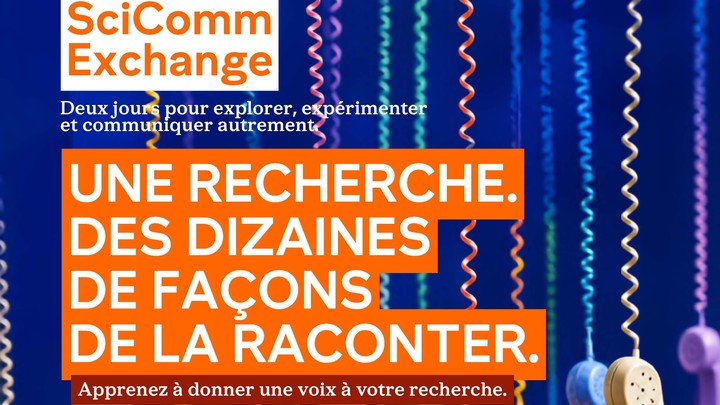
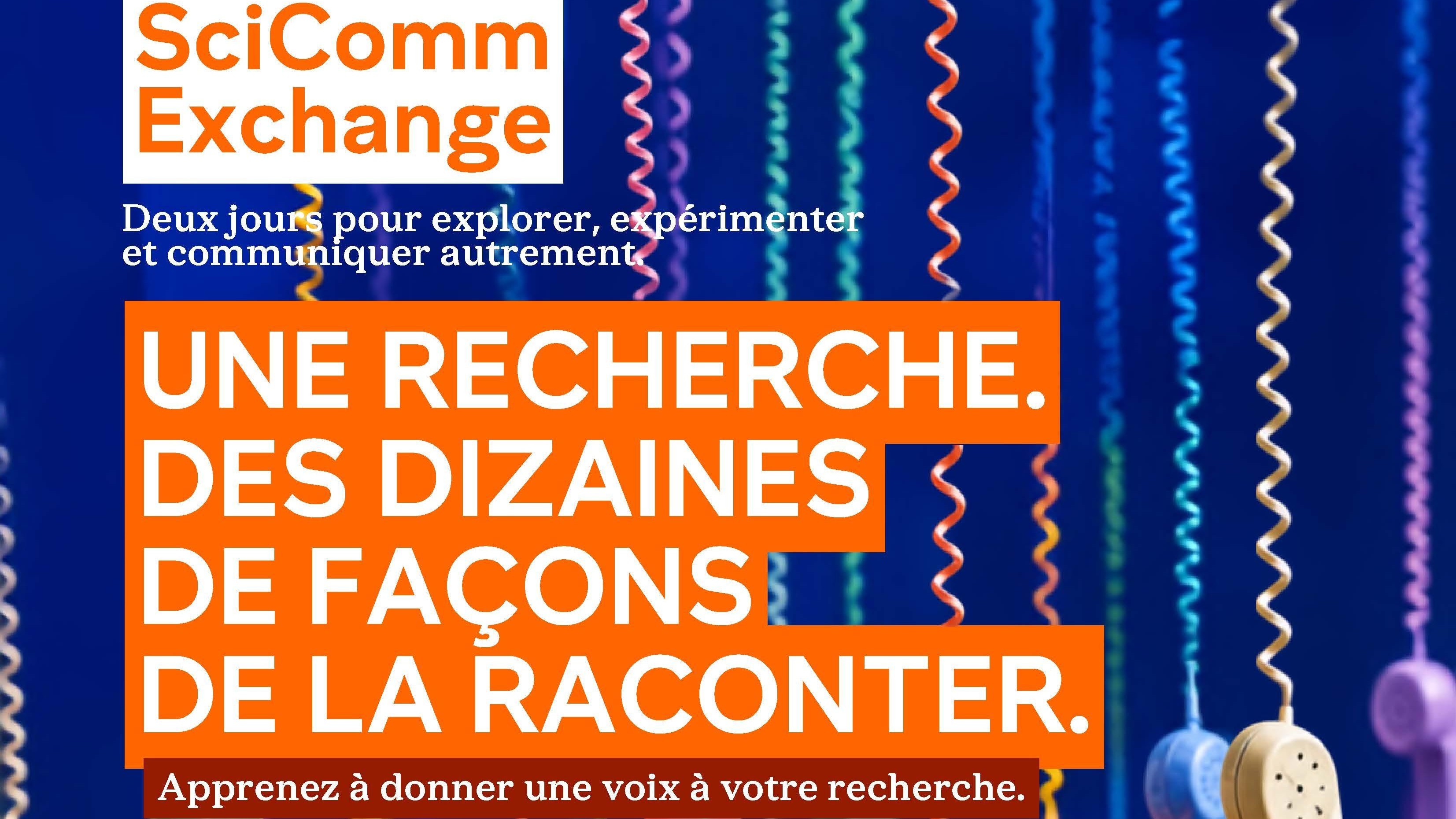
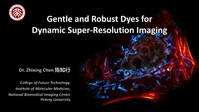
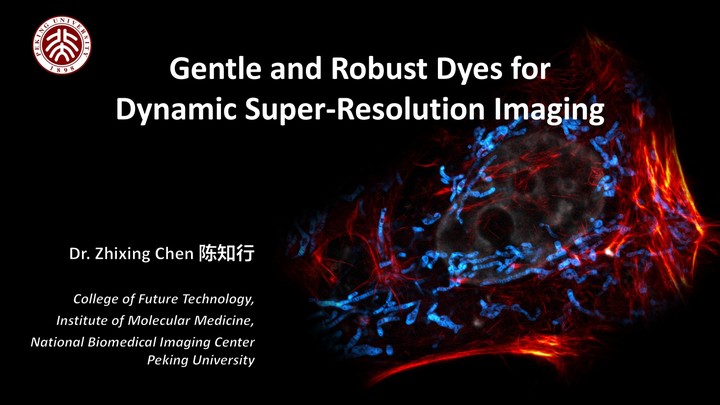
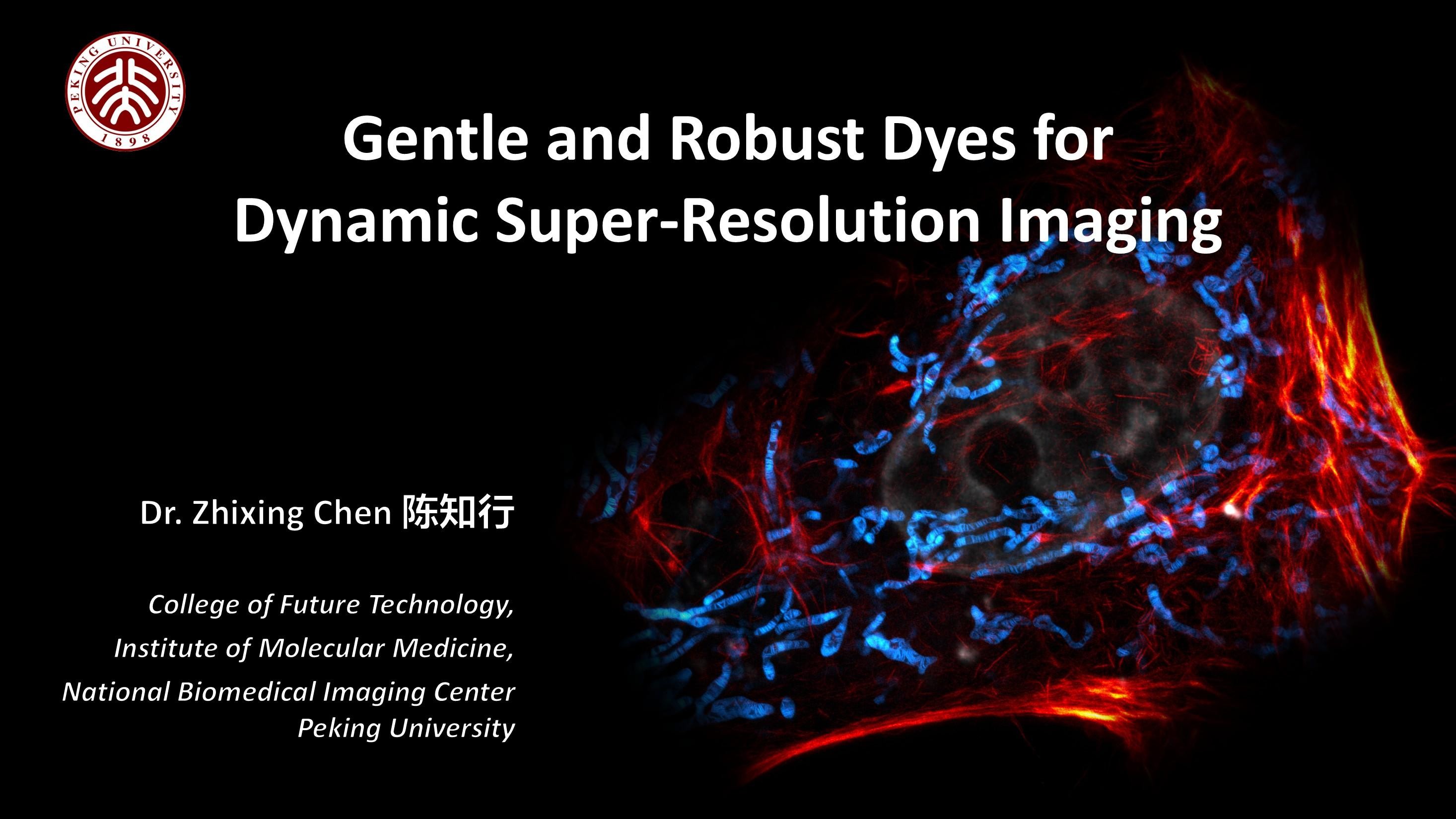
{ "count": 59, "next": "https://memento.epfl.ch/api/v1/mementos/9/events/?format=api&limit=10&offset=20", "previous": "https://memento.epfl.ch/api/v1/mementos/9/events/?format=api&limit=10", "results": [ { "id": 72698, "title": "SciComm Exchange | Training in science communication and outreach", "slug": "scicomm-exchange-training-in-science-communicati-2", "event_url": "https://memento.epfl.ch/event/scicomm-exchange-training-in-science-communicati-2", "visual_url": "https://memento.epfl.ch/image/33923/200x112.jpg", "visual_large_url": "https://memento.epfl.ch/image/33923/720x405.jpg", "visual_maxsize_url": "https://memento.epfl.ch/image/33923/max-size.jpg", "lang": "en", "start_date": "2026-10-07", "end_date": "2026-10-08", "start_time": null, "end_time": null, "description": "<p>SciComm Exchange is a two-day hands-on training program dedicated to science communication and outreach.<br>\r\nJointly organized by the University of Lausanne (Unil) and the Université Libre de Bruxelles (ULB), it offers early career researchers the opportunity to reflect on their communication and outreach practice, explore a wide variety of formats, engage with experts in the field, and develop their skills in knowledge dissemination. <br>\r\n<br>\r\n<strong>One research. Dozens of ways to tell its story.</strong> <br>\r\n<strong>It’s up to you to choose which ones you’d like to explore.</strong> <br>\r\n <br>\r\nOn <strong>7 and 8 October 2026, </strong><a data-outlook-id=\"64920850-7997-4a4b-a2ce-3caeac1023bd\" href=\"https://www.unil.ch/unil/en/home/menuinst/recherche/formations-et-conseils/scicomm-exchange.html\"><strong>SciComm Exchange</strong></a> invites PhD and postdoctoral researchers from all facultiesto explore new ways of communicating research through hands-on workshops, round-table discussions and meetings with specialists in the field. <br>\r\n<strong>New for this edition: the Video Hackathon.</strong> <br>\r\nOver two days, a group of participants will be guided by audiovisual professionals to create short videos centered on a key question: <em>why do we communicatescience, and to whom?</em> <br>\r\nParticipants from previous editions sum up their experience as follows: \r\n</p><ul>\r\n\t<li>“Really practical – we came away with the tools to take the plunge! ” </li>\r\n\t<li>“Probably the most useful workshop for my PhD defence!” </li>\r\n\t<li>“This course enabled me to make initial contact with the media and gave me plenty of tools for thisexperience. ” </li>\r\n\t<li>“Talking to people from both the humanities and social sciences and the natural sciences, fromSwitzerland and Belgium, was above all a chance to meet some wonderful people.” </li>\r\n</ul>\r\n <br>\r\n<strong>Now it’s your turn to shape your own journey.</strong> <br>\r\n <br>\r\nPlaces on each workshop are limited. \r\n<ul>\r\n\t<li>Take a look at the programme and choose the formats you’d like to explore:<a data-outlook-id=\"bc1a0d23-2193-4b61-bd50-08911ef63713\" href=\"https://go.unil.ch/scicomm-exchange\" target=\"_blank\">https://go.unil.ch/scicomm-exchange</a> </li>\r\n\t<li>Submit your registration application<strong> by 30 September</strong>. </li>\r\n</ul>\r\n<strong>Two days to explore, experiment and communicate differently.</strong> ", "image_description": "", "creation_date": "2026-09-28T17:47:59", "last_modification_date": "2026-09-28T17:49:36", "link_label": "More info", "link_url": "https://go.unil.ch/scicomm-exchange", "canceled": "False", "cancel_reason": "", "place_and_room": "University of Lausanne, Dorigny campus", "url_place_and_room": "", "url_online_room": "", "spoken_languages": [ "https://memento.epfl.ch/api/v1/spoken_languages/1/?format=api", "https://memento.epfl.ch/api/v1/spoken_languages/2/?format=api" ], "speaker": "", "organizer": "Jointly organized by the University of Lausanne (Unil) and the Université Libre de Bruxelles (ULB)", "contact": "[email protected]", "is_internal": "False", "theme": "", "vulgarization": { "id": 2, "fr_label": "Public averti", "en_label": "Informed public" }, "registration": { "id": 1, "fr_label": "Sur inscription", "en_label": "Registration required" }, "keywords": "", "file": "https://memento.epfl.ch/public/upload/files/FlyerSciCommExchangelight.pdf", "icalendar_url": "https://memento.epfl.ch/event/export/121970/", "category": { "id": 1, "code": "CONF", "fr_label": "Conférences - Séminaires", "en_label": "Conferences - Seminars", "activated": true }, "academic_calendar_category": null, "domains": [], "mementos": [ "https://memento.epfl.ch/api/v1/mementos/3/?format=api", "https://memento.epfl.ch/api/v1/mementos/4/?format=api", "https://memento.epfl.ch/api/v1/mementos/5/?format=api", "https://memento.epfl.ch/api/v1/mementos/6/?format=api", "https://memento.epfl.ch/api/v1/mementos/8/?format=api", "https://memento.epfl.ch/api/v1/mementos/9/?format=api", "https://memento.epfl.ch/api/v1/mementos/318/?format=api" ] }, { "id": 72376, "title": "SUPER SANDWICH SEMINAR", "slug": "super-sandwich-seminar-380", "event_url": "https://memento.epfl.ch/event/super-sandwich-seminar-380", "visual_url": "https://memento.epfl.ch/image/33632/200x112.jpg", "visual_large_url": "https://memento.epfl.ch/image/33632/720x405.jpg", "visual_maxsize_url": "https://memento.epfl.ch/image/33632/max-size.jpg", "lang": "en", "start_date": "2026-10-08", "end_date": "2026-10-08", "start_time": "12:00:00", "end_time": "13:00:00", "description": "<p>Triple S (Super Sandwich Seminar) will feature three speakers per week, each giving a 15-minute presentation followed by a 5-minute Q&A session.</p>", "image_description": "", "creation_date": "2026-08-19T11:41:26", "last_modification_date": "2026-08-19T14:19:10", "link_label": "", "link_url": "", "canceled": "False", "cancel_reason": "", "place_and_room": "SV 1717", "url_place_and_room": "https://plan.epfl.ch/?room==SV%201717", "url_online_room": "", "spoken_languages": [ "https://memento.epfl.ch/api/v1/spoken_languages/2/?format=api" ], "speaker": "Lei Huang<em>, Constam Lab</em>; Nika Gorsek <em>D'Angelo Lab;</em> <strong><em>free slot</em></strong>", "organizer": "Prof. Pierre Gönczy", "contact": "Lisa Smith, ISREC Administrative Assistant", "is_internal": "True", "theme": "", "vulgarization": { "id": 2, "fr_label": "Public averti", "en_label": "Informed public" }, "registration": { "id": 3, "fr_label": "Entrée libre", "en_label": "Free" }, "keywords": "Super Sandwich, cancer", "file": null, "icalendar_url": "https://memento.epfl.ch/event/export/121483/", "category": { "id": 1, "code": "CONF", "fr_label": "Conférences - Séminaires", "en_label": "Conferences - Seminars", "activated": true }, "academic_calendar_category": null, "domains": [], "mementos": [ "https://memento.epfl.ch/api/v1/mementos/1/?format=api", "https://memento.epfl.ch/api/v1/mementos/6/?format=api", "https://memento.epfl.ch/api/v1/mementos/8/?format=api", "https://memento.epfl.ch/api/v1/mementos/9/?format=api", "https://memento.epfl.ch/api/v1/mementos/26/?format=api" ] }, { "id": 72621, "title": "ADSV Happy Hour", "slug": "adsv-happy-hour", "event_url": "https://memento.epfl.ch/event/adsv-happy-hour", "visual_url": "https://memento.epfl.ch/image/33970/200x112.jpg", "visual_large_url": "https://memento.epfl.ch/image/33970/720x405.jpg", "visual_maxsize_url": "https://memento.epfl.ch/image/33970/max-size.jpg", "lang": "en", "start_date": "2026-10-08", "end_date": "2026-10-08", "start_time": "17:00:00", "end_time": "22:00:00", "description": "<div class=\"elementToProof\">\r\n<div class=\"elementToProof\">Hi everyone!</div>\r\n</div>\r\n\r\n<div class=\"elementToProof\"><br>\r\nFall is here, and so is our next happy hour! <br>\r\n </div>\r\n\r\n<div class=\"elementToProof\">Join us on Thursday, 8th of October at 17:00 in the SV Hall for a fall-themed evening hosted by the Paoli Lab, filled with seasonal drinks, cold beers and delicious autumn snacks! </div>\r\n\r\n<div class=\"elementToProof\"><br>\r\nSo bring your best autumn mood and come enjoy the season with us! <br>\r\n </div>\r\n\r\n<div class=\"elementToProof\">Looking forward to a lovely evening with all of you!</div>\r\n\r\n<div class=\"elementToProof\">Your ADSV Team</div>", "image_description": "ADSV Logo", "creation_date": "2026-09-18T11:38:41", "last_modification_date": "2026-10-02T14:28:17", "link_label": "", "link_url": "", "canceled": "False", "cancel_reason": "", "place_and_room": "SV Hall", "url_place_and_room": "", "url_online_room": "", "spoken_languages": [], "speaker": "", "organizer": "ADSV", "contact": "Eliane Duperrex ([email protected]) & Dominic Dall'Osto ([email protected])", "is_internal": "False", "theme": "", "vulgarization": { "id": 1, "fr_label": "Tout public", "en_label": "General public" }, "registration": { "id": 3, "fr_label": "Entrée libre", "en_label": "Free" }, "keywords": "ADSV Happy Hour", "file": null, "icalendar_url": "https://memento.epfl.ch/event/export/121861/", "category": { "id": 9, "code": "MANIF", "fr_label": "Événements festifs et culturels", "en_label": "Cultural events", "activated": true }, "academic_calendar_category": null, "domains": [], "mementos": [ "https://memento.epfl.ch/api/v1/mementos/9/?format=api" ] }, { "id": 72648, "title": "Sustainable Labs: Get Involved", "slug": "sustainable-labs-get-involved-2", "event_url": "https://memento.epfl.ch/event/sustainable-labs-get-involved-2", "visual_url": "https://memento.epfl.ch/image/33911/200x112.jpg", "visual_large_url": "https://memento.epfl.ch/image/33911/720x405.jpg", "visual_maxsize_url": "https://memento.epfl.ch/image/33911/max-size.jpg", "lang": "en", "start_date": "2026-10-08", "end_date": "2026-12-17", "start_time": "12:15:00", "end_time": "13:00:00", "description": "<br>\r\nThe <strong>EPFL Sustainable Labs team</strong> is pleased to welcome you to its recurring <strong>\"Sustainable Labs: Get Involved\"</strong> sessions. Held every week, alternating between <strong>Tuesdays and Thursdays</strong>, these sessions provide an opportunity for laboratories, platforms, centers, and units to receive guidance and support on implementing more sustainable laboratory practices.<br>\r\n<br>\r\nThe <strong>Sustainable Labs initiative</strong> is part of EPFL's <em>Climate & Sustainability Strategy 2030</em>, which aims to reduce greenhouse gas emissions by an average of <strong>40% compared to 2006/2019 levels</strong> and achieve <strong>climate neutrality by 2040</strong>.<br>\r\n<br>\r\n→<a href=\"https://www.epfl.ch/about/sustainability/sustainability/green-labs_draft_ag/\"> </a><strong><a href=\"https://www.epfl.ch/about/sustainability/sustainability/green-labs_draft_ag/\">Learn more about the EPFL Sustainable Labs initiative</a>.</strong><br>\r\n<br>\r\nResearch activities are a key lever for achieving these ambitious goals. However, while cutting-edge research drives innovation, it also carries a significant environmental footprint. Laboratories consume large amounts of energy, generate substantial quantities of plastic, chemical, and biological waste, and contribute considerably to greenhouse gas emissions. At EPFL, we are committed to understanding and reducing this impact. Through the development and deployment of the <strong>EPFL CO₂ Calculator</strong>, we help researchers measure, understand, and improve the environmental performance of their activities.<br>\r\n<br>\r\nFrom <strong>October 8 to December 17, 2026</strong>, the <strong>Sustainable Labs: Get Involved</strong> sessions will focus on training and supporting users in the use of the <strong>EPFL CO₂ Calculator</strong>. This tool enables laboratories, platforms, centers, and central units to estimate their carbon footprint, identify major emission hotspots, and support informed decision-making to reduce their environmental impact through targeted actions.<br>\r\n<br>\r\nHere are the planned sessions : \r\n<ul>\r\n\t<li>Thursday October 8th 12:15-13:00 (online) </li>\r\n\t<li>Tuesday October 13th 12:15-13:00 (MA A0 364)</li>\r\n\t<li>Thursday October 22th 12:15-13:00 (online) </li>\r\n\t<li>Tuesday October 27th 12:15-13:00 (MA A0 364)</li>\r\n\t<li>Thursday November 5th 12:15-13:00(online) </li>\r\n\t<li>Tuesday November 10th 12:15-13:00 (MA A0 364)</li>\r\n\t<li>Thursday November 19th 12:15-13:00 (online) </li>\r\n\t<li>Tuesday November 24th 12:15-13:00 (MA A0 364)</li>\r\n\t<li>Thursday December 3rd 12:15-13:00 (online) </li>\r\n\t<li>Tuesday December 8th 12:15-13:00 (MA A0 364)</li>\r\n\t<li>Thursday December 17th 12:15-13:00 (online) </li>\r\n</ul>\r\nSessions can be held in English and/ or French depending on the participants. <br>\r\n<br>\r\n→ Please register <a href=\"https://docs.google.com/forms/d/e/1FAIpQLSd7Cp6LevgtBLtsWIsKr2Ec_HPGjJgimmwEaGAN5U4M4-2rrg/viewform\">here</a>. For physical sessions, standing lunch will be provided!<br>\r\n<br>\r\nWhether you have questions about the EPFL CO₂ Calculator, need help interpreting your results, or would like advice on implementing more sustainable laboratory practices, our team will be happy to support you and answer your questions! <br>\r\n ", "image_description": "", "creation_date": "2026-09-23T10:53:51", "last_modification_date": "2026-09-23T10:54:00", "link_label": "", "link_url": "", "canceled": "False", "cancel_reason": "", "place_and_room": "MA A0 364", "url_place_and_room": "", "url_online_room": "https://epfl.zoom.us/j/63013630338", "spoken_languages": [ "https://memento.epfl.ch/api/v1/spoken_languages/1/?format=api", "https://memento.epfl.ch/api/v1/spoken_languages/2/?format=api" ], "speaker": "", "organizer": "Mai-Phuong Dinh", "contact": "[email protected] ", "is_internal": "True", "theme": "", "vulgarization": { "id": 1, "fr_label": "Tout public", "en_label": "General public" }, "registration": { "id": 3, "fr_label": "Entrée libre", "en_label": "Free" }, "keywords": "", "file": null, "icalendar_url": "https://memento.epfl.ch/event/export/121896/", "category": { "id": 15, "code": "FORM", "fr_label": "Formations internes", "en_label": "Internal trainings", "activated": true }, "academic_calendar_category": null, "domains": [], "mementos": [ "https://memento.epfl.ch/api/v1/mementos/1/?format=api", "https://memento.epfl.ch/api/v1/mementos/4/?format=api", "https://memento.epfl.ch/api/v1/mementos/5/?format=api", "https://memento.epfl.ch/api/v1/mementos/6/?format=api", "https://memento.epfl.ch/api/v1/mementos/8/?format=api", "https://memento.epfl.ch/api/v1/mementos/9/?format=api", "https://memento.epfl.ch/api/v1/mementos/79/?format=api" ] }, { "id": 72640, "title": "EPFL BioEngineering Talks", "slug": "epfl-bioengineering-talks-11", "event_url": "https://memento.epfl.ch/event/epfl-bioengineering-talks-11", "visual_url": "https://memento.epfl.ch/image/33885/200x112.jpg", "visual_large_url": "https://memento.epfl.ch/image/33885/720x405.jpg", "visual_maxsize_url": "https://memento.epfl.ch/image/33885/max-size.jpg", "lang": "en", "start_date": "2026-10-12", "end_date": "2026-10-12", "start_time": "12:15:00", "end_time": "13:00:00", "description": "<p>Weekly BioEngineering Talks (Lunch Provided)<br>\r\n<br>\r\n<strong>INVITED SPEAKER:</strong><br>\r\n<br>\r\n<strong>De novo design of light-responsive proteins</strong><br>\r\n<a href=\"https://people.epfl.ch/alexander.hilditch?lang=en\"><strong>Dr. Alexander Hilditch</strong>,</a> EPFL Laboratory of Protein Design & Immunoengineering <br>\r\nHost: <a href=\"https://people.epfl.ch/bruno.correia?lang=en\">Prof. Bruno Correia</a><br>\r\n<br>\r\n<br>\r\n------------------------------------------------------------------------------<br>\r\n<br>\r\n<strong>BioEngineering Talks mandatory EDBB Seminar Attendance (1st-Year PhD Students)</strong>\r\n</p><ul>\r\n\t<li> Attendance sheet to print <a class=\"text-link\" href=\"https://docs.google.com/document/d/1kusGxCFPAvWaRD8eUGEBkSVzD1ppMf1g/edit\" target=\"_blank\">HERE </a></li>\r\n</ul>\r\n<strong>The BioEngineering Student Seminar Series</strong> is an official course for which students can register and earn credits.<br>\r\n \r\n<ul>\r\n\t<li>Register <a class=\"text-link\" href=\"https://edu.epfl.ch/studyplan/fr/ecole_doctorale/biotechnologie-et-genie-biologique/coursebook/bioengineering-student-seminar-series-BIOENG-613\" target=\"_blank\">HERE</a></li>\r\n\t<li>Attendance sheet to print <a class=\"text-link\" href=\"https://docs.google.com/document/d/1ZGrPnt8LlLuWOApzx32s6L5UPPH8Hyoo/edit\" target=\"_blank\">HERE</a></li>\r\n</ul>\r\n<strong>General information:</strong><br>\r\nIn-person attendance is preferred to support your fellow students. Zoom is mainly for students on remote campuses; please notify <a class=\"text-link\" href=\"mailto:[email protected]\" target=\"_blank\">Fiorella Ghisays</a> in advance and join using your full name.<br>\r\nIf attending in person, have your sheet signed after the talk and keep the original, as no copy is retained.<br>\r\n ", "image_description": "", "creation_date": "2026-09-22T15:48:04", "last_modification_date": "2026-09-29T15:50:23", "link_label": "", "link_url": "", "canceled": "False", "cancel_reason": "", "place_and_room": "SV 1717", "url_place_and_room": "https://plan.epfl.ch/?room==SV%201717", "url_online_room": "https://epfl.zoom.us/j/68746410793", "spoken_languages": [ "https://memento.epfl.ch/api/v1/spoken_languages/2/?format=api" ], "speaker": "Invited Speaker and Student Speaker", "organizer": "Institute of Bioengineering", "contact": "<a href=\"mailto:[email protected]?subject=EPFL%20BioE%20Talks%20Series\">Fiorella Ghisays</a>, Institute of Bioengineering", "is_internal": "False", "theme": "", "vulgarization": { "id": 2, "fr_label": "Public averti", "en_label": "Informed public" }, "registration": { "id": 3, "fr_label": "Entrée libre", "en_label": "Free" }, "keywords": "", "file": "https://memento.epfl.ch/public/upload/files/BioEngineeringTalkMemento_u0lzmcg.jpg", "icalendar_url": "https://memento.epfl.ch/event/export/121882/", "category": { "id": 1, "code": "CONF", "fr_label": "Conférences - Séminaires", "en_label": "Conferences - Seminars", "activated": true }, "academic_calendar_category": null, "domains": [], "mementos": [ "https://memento.epfl.ch/api/v1/mementos/1/?format=api", "https://memento.epfl.ch/api/v1/mementos/5/?format=api", "https://memento.epfl.ch/api/v1/mementos/6/?format=api", "https://memento.epfl.ch/api/v1/mementos/8/?format=api", "https://memento.epfl.ch/api/v1/mementos/9/?format=api", "https://memento.epfl.ch/api/v1/mementos/111/?format=api", "https://memento.epfl.ch/api/v1/mementos/434/?format=api" ] }, { "id": 72685, "title": "IMX Colloquium - Towards life-inspired soft matter dynamics and functionalities", "slug": "imx-colloquium-towards-life-inspired-soft-matter-d", "event_url": "https://memento.epfl.ch/event/imx-colloquium-towards-life-inspired-soft-matter-d", "visual_url": "https://memento.epfl.ch/image/33987/200x112.jpg", "visual_large_url": "https://memento.epfl.ch/image/33987/720x405.jpg", "visual_maxsize_url": "https://memento.epfl.ch/image/33987/max-size.jpg", "lang": "en", "start_date": "2026-10-12", "end_date": "2026-10-12", "start_time": "13:15:00", "end_time": "14:15:00", "description": "<p>Biological systems have already paved several routes for bioinspired materials, e.g., for structural colours, wetting, adhesion, and mechanical properties. They have largely involved equilibrium or kinetically trapped properties. By contrast, biological systems allowing multifunctional properties are characteristically dissipatively and dynamically adaptive and incorporate homeostatic feedback mechanisms to regulate the dynamic states. They also typically use signal transduction to mediate the signal from the sensory elements to the responsive sites, unlike the classic man-made stimuli responsive materials. These concept suggest avenues towards more complex life-like functions in soft matter. Herein, optically driven hydrogel systems are presented to drive homeostatically controlled thermal oscillations and to mediate signal transduction via thermal intermediate signalling (1). On the other hand, biological magnetoreception in elasmobranch organisms involves electromagnetic induction (EMI) and suggests avenues for bioinspired electrical signal transductions. We show magnetic profile recognition of translocated magnetically encoded soft matter objects using electrical intermediate signaling by EMI and decoding the magnetic information with machine learning (2). Combination of high stiffness and promoted dynamics for self-healing has turned challenging to combine. Self-healing hydrogels, still combining high tensile stiffness close to that of skin were shown by using polymers upon nanoconfinement in 2D-nanosheet layered confinements (3). Finally, we show trainable actuations in bilayer gel actuators (4). Ever more complex responses can be created, such as mimicking the Pavlovian classical conditioning (5), all paving ways for growingly life-like functions for soft robotics and interfacing with biology.<br>\r\n<br>\r\n1. H. Zhang, H. Zeng, A. Eklund, H. Guo, A. Priimagi, O. Ikkala, Feedback-controlled hydrogels with homeostatic oscillations and dissipative signal transduction, <em>Nat. Nano</em>, <strong>17</strong>, 1303 (2022).<br>\r\n2. Z. Miao, X. Hu, K. Liu, S. Hu, G. Yan, H. Tan, O. Ikkala, Z. P. Lv, B. Peng, Bioinspired sensory transduction for magnetic profile recognition and encryption, <em>Adv. Mat.</em> <strong>38</strong> e15994 (2026).<br>\r\n3. C. Liang, V. Dudko, O. Khoruzhenko, X. Hong, Z.-P. Lv, J. Breu, O. Ikkala, H. Zhang, Stiff and self-healing hydrogels by polymer entanglements in co-planar nanoconfinement, <em>Nat. Mater.</em> <strong>24</strong>, 599 (2025).<br>\r\n4. S. Hu, Y. Fang, C. Liang, M. Turunen, O. Ikkala, H. Zhang, Thermally trainable dual network hydrogels, <em>Nat. Commun.</em>, <strong>14</strong>, 3717 (2023).<br>\r\n5. H. Zhang, H. Zeng, A. Priimagi, O. Ikkala, Programmable responsive hydrogels with classical conditioning algorithm, <em>Nat. Commun.</em>, <strong>10</strong>, 3267 (2019).</p>", "image_description": "", "creation_date": "2026-09-28T09:13:29", "last_modification_date": "2026-10-06T10:29:12", "link_label": "", "link_url": "", "canceled": "False", "cancel_reason": "", "place_and_room": "MXF 1", "url_place_and_room": "https://plan.epfl.ch/?room==MXF%201", "url_online_room": "", "spoken_languages": [ "https://memento.epfl.ch/api/v1/spoken_languages/2/?format=api" ], "speaker": "Prof. Olli Ikkala, Aalto University, Department of Applied Physics, Espoo, Finland", "organizer": "Prof. Gregor Jotzu, Prof. Esther Amstad & Prof. Fabien Sorin", "contact": "Prof. Gregor Jotzu, Prof. Esther Amstad & Prof. Fabien Sorin", "is_internal": "False", "theme": "", "vulgarization": { "id": 1, "fr_label": "Tout public", "en_label": "General public" }, "registration": { "id": 3, "fr_label": "Entrée libre", "en_label": "Free" }, "keywords": "", "file": null, "icalendar_url": "https://memento.epfl.ch/event/export/121946/", "category": { "id": 1, "code": "CONF", "fr_label": "Conférences - Séminaires", "en_label": "Conferences - Seminars", "activated": true }, "academic_calendar_category": null, "domains": [], "mementos": [ "https://memento.epfl.ch/api/v1/mementos/5/?format=api", "https://memento.epfl.ch/api/v1/mementos/8/?format=api", "https://memento.epfl.ch/api/v1/mementos/9/?format=api", "https://memento.epfl.ch/api/v1/mementos/314/?format=api" ] }, { "id": 72749, "title": "Gentle and Robust Dyes for Dynamic Super-Resolution Imaging", "slug": "gentle-and-robust-dyes-for-dynamic-super-resolutio", "event_url": "https://memento.epfl.ch/event/gentle-and-robust-dyes-for-dynamic-super-resolutio", "visual_url": "https://memento.epfl.ch/image/33977/200x112.jpg", "visual_large_url": "https://memento.epfl.ch/image/33977/720x405.jpg", "visual_maxsize_url": "https://memento.epfl.ch/image/33977/max-size.jpg", "lang": "en", "start_date": "2026-10-12", "end_date": "2026-10-12", "start_time": "14:15:00", "end_time": "15:15:00", "description": "<strong>Abstract:</strong><br>\r\n<br>\r\nLive-cell imaging technology is advancing into the era of dynamic super-resolution imaging of organelles and specific proteins, placing new demands on the optical properties of fluorescent probes. Traditional live-cell fluorescent probes face two critical technical challenges:\r\n<ol>\r\n\t<li>How to make fluorescent probes brighter and more photostable.</li>\r\n\t<li>How to make fluorescent probes gentler to minimize the photodamage of organelles.</li>\r\n</ol>\r\nBased on the fundamental principles of photochemistry and biochemistry, we have developed a new generation of live-cell imaging probes that far surpass traditional probes in brightness, photostability, and biocompatibility. These probes enable long-term super-resolution imaging of mitochondria, insulin vesicle secretion, plasma membrane dynamics, lysosomes, and more. Our representative achievements include: The PK Mito and PK Zinc dye series, widely used in mitochondrial and insulin secretion imaging. The BD series of novel fluorophores, in conjunction with self-labeling tags, offer general protein labeling strategies with superior optical properties compared to fluorescent proteins.<br>\r\n<br>\r\n==================================================<br>\r\n<br>\r\n<strong>Brief Biography:<br>\r\n<br>\r\nDr. Zhixing Chen, Associate Professor</strong><br>\r\n<strong>College of Future Technology</strong><br>\r\n<strong>Peking University</strong><br>\r\n<br>\r\nDr. Zhixing Chen is a tenured associate professor at the College of Future Technology, Peking University. He received his BS from Tsinghua University in 2008 and his PhD from Columbia University in 2014. He subsequently completed postdoctoral training at Columbia University in 2015 and at Stanford University from 2016 to 2018.<br>\r\nThe Chen Lab at Peking University was established in 2018. The lab endeavors to integrate chemistry and biochemistry to develop new imaging tools with high brightness, specificity, and biocompatibility, with the goal of advancing bioimaging technologies and enabling new approaches in cell biology, metabolism, and biophysics.<br>\r\n<br>\r\n<strong>Website: </strong><a href=\"https://zhixingchenlab.mysxl.cn/\"><strong>https://zhixingchenlab.mysxl.cn/</strong></a>", "image_description": "", "creation_date": "2026-10-02T11:35:36", "last_modification_date": "2026-10-05T09:25:14", "link_label": "", "link_url": "", "canceled": "False", "cancel_reason": "", "place_and_room": "BM 5202", "url_place_and_room": "https://plan.epfl.ch/?baselayer_ref=grp_backgrounds&dim_floor=5&dim_lang=fr&lang=fr&map_x=2532981&map_y=1152490&map_zoom=12&room=%3DBM%205202&tree_group_layers_centres_nevralgiques=information_epfl%2Cguichet_etudiants&tree_group_layers_commerces_et_services=&tree_group_layers_enseignement=&tree_group_layers_mobilite_acces_grp=metro&tree_groups=centres_nevralgiques_grp%2Cmobilite_acces_grp%2Crestauration_et_commerces_grp%2Censeignement%2Cservices_campus_grp%2Cequipements_grp&tree_group_layers_centres_nevralgiques_grp=&tree_group_layers_restauration_et_commerces_grp=&tree_group_layers_services_campus_grp=information_epfl&tree_group_layers_equipements_grp=", "url_online_room": "", "spoken_languages": [ "https://memento.epfl.ch/api/v1/spoken_languages/2/?format=api" ], "speaker": "<strong><a href=\"https://zhixingchenlab.mysxl.cn/\">Dr. Zhixing Chen, Associate Professor,</a> College of Future Technology, Peking University</strong>", "organizer": "<a href=\"https://www.epfl.ch/labs/leb/professor-manley/\">Prof. Suliana Manley</a>, <a href=\"https://www.epfl.ch/labs/leb/\">Laboratory of Experimental Biophysics</a>", "contact": "<a href=\"mailto:[email protected]\">Qian Wang, Administrative Assistant for LEB</a>", "is_internal": "False", "theme": "", "vulgarization": { "id": 1, "fr_label": "Tout public", "en_label": "General public" }, "registration": { "id": 3, "fr_label": "Entrée libre", "en_label": "Free" }, "keywords": "", "file": null, "icalendar_url": "https://memento.epfl.ch/event/export/122038/", "category": { "id": 1, "code": "CONF", "fr_label": "Conférences - Séminaires", "en_label": "Conferences - Seminars", "activated": true }, "academic_calendar_category": null, "domains": [], "mementos": [ "https://memento.epfl.ch/api/v1/mementos/5/?format=api", "https://memento.epfl.ch/api/v1/mementos/8/?format=api", "https://memento.epfl.ch/api/v1/mementos/9/?format=api" ] }, { "id": 72680, "title": "Novel modulators of paracrine activin signaling and their roles in mouse melanoma models", "slug": "novel-modulators-of-paracrine-activin-signaling--2", "event_url": "https://memento.epfl.ch/event/novel-modulators-of-paracrine-activin-signaling--2", "visual_url": "https://memento.epfl.ch/image/33906/200x112.jpg", "visual_large_url": "https://memento.epfl.ch/image/33906/720x405.jpg", "visual_maxsize_url": "https://memento.epfl.ch/image/33906/max-size.jpg", "lang": "en", "start_date": "2026-10-12", "end_date": "2026-10-12", "start_time": "18:00:00", "end_time": null, "description": "<p>Thesis Director: Prof. D. Constam,<br>\r\nMolecular Life Sciences doctoral program<br>\r\nThesis Nr. 11085<br>\r\n<br>\r\nTo take part in the public defense, please contact directly the speaker</p>", "image_description": "", "creation_date": "2026-09-25T15:00:29", "last_modification_date": "2026-09-25T15:00:31", "link_label": "", "link_url": "", "canceled": "False", "cancel_reason": "", "place_and_room": "SV 1717", "url_place_and_room": "https://plan.epfl.ch/?room==SV%201717", "url_online_room": "", "spoken_languages": [], "speaker": "<strong>Olga EGOROVA</strong>", "organizer": "", "contact": "<strong>Olga EGOROVA</strong>", "is_internal": "False", "theme": "", "vulgarization": { "id": 1, "fr_label": "Tout public", "en_label": "General public" }, "registration": { "id": 3, "fr_label": "Entrée libre", "en_label": "Free" }, "keywords": "EDMS", "file": null, "icalendar_url": "https://memento.epfl.ch/event/export/121939/", "category": { "id": 12, "code": "SOUTE", "fr_label": "Soutenances de thèses", "en_label": "Thesis defenses", "activated": true }, "academic_calendar_category": null, "domains": [], "mementos": [ "https://memento.epfl.ch/api/v1/mementos/1/?format=api", "https://memento.epfl.ch/api/v1/mementos/6/?format=api", "https://memento.epfl.ch/api/v1/mementos/9/?format=api" ] }, { "id": 72650, "title": "Sustainable Labs: Get Involved", "slug": "sustainable-labs-get-involved-11", "event_url": "https://memento.epfl.ch/event/sustainable-labs-get-involved-11", "visual_url": "https://memento.epfl.ch/image/33911/200x112.jpg", "visual_large_url": "https://memento.epfl.ch/image/33911/720x405.jpg", "visual_maxsize_url": "https://memento.epfl.ch/image/33911/max-size.jpg", "lang": "en", "start_date": "2026-10-13", "end_date": "2026-12-22", "start_time": "12:15:00", "end_time": "13:00:00", "description": "<br>\r\nThe <strong>EPFL Sustainable Labs team</strong> is pleased to welcome you to its recurring <strong>\"Sustainable Labs: Get Involved\"</strong> sessions. Held every week, alternating between <strong>Tuesdays and Thursdays</strong>, these sessions provide an opportunity for laboratories, platforms, centers, and units to receive guidance and support on implementing more sustainable laboratory practices.<br>\r\n<br>\r\nThe <strong>Sustainable Labs initiative</strong> is part of EPFL's <em>Climate & Sustainability Strategy 2030</em>, which aims to reduce greenhouse gas emissions by an average of <strong>40% compared to 2006/2019 levels</strong> and achieve <strong>climate neutrality by 2040</strong>.<br>\r\n<br>\r\n→<a href=\"https://www.epfl.ch/about/sustainability/sustainability/green-labs_draft_ag/\"> </a><strong><a href=\"https://www.epfl.ch/about/sustainability/sustainability/green-labs_draft_ag/\">Learn more about the EPFL Sustainable Labs initiative</a>.</strong><br>\r\n<br>\r\nResearch activities are a key lever for achieving these ambitious goals. However, while cutting-edge research drives innovation, it also carries a significant environmental footprint. Laboratories consume large amounts of energy, generate substantial quantities of plastic, chemical, and biological waste, and contribute considerably to greenhouse gas emissions. At EPFL, we are committed to understanding and reducing this impact. Through the development and deployment of the <strong>EPFL CO₂ Calculator</strong>, we help researchers measure, understand, and improve the environmental performance of their activities.<br>\r\n<br>\r\nFrom <strong>October 8 to December 17, 2026</strong>, the <strong>Sustainable Labs: Get Involved</strong> sessions will focus on training and supporting users in the use of the <strong>EPFL CO₂ Calculator</strong>. This tool enables laboratories, platforms, centers, and central units to estimate their carbon footprint, identify major emission hotspots, and support informed decision-making to reduce their environmental impact through targeted actions.<br>\r\n<br>\r\nHere are the planned sessions : \r\n<ul>\r\n\t<li>Thursday October 8th 12:15-13:00 (online) </li>\r\n\t<li>Tuesday October 13th 12:15-13:00 (MA A0 364)</li>\r\n\t<li>Thursday October 22th 12:15-13:00 (online) </li>\r\n\t<li>Tuesday October 27th 12:15-13:00 (MA A0 364)</li>\r\n\t<li>Thursday November 5th 12:15-13:00(online) </li>\r\n\t<li>Tuesday November 10th 12:15-13:00 (MA A0 364)</li>\r\n\t<li>Thursday November 19th 12:15-13:00 (online) </li>\r\n\t<li>Tuesday November 24th 12:15-13:00 (MA A0 364)</li>\r\n\t<li>Thursday December 3rd 12:15-13:00 (online) </li>\r\n\t<li>Tuesday December 8th 12:15-13:00 (MA A0 364)</li>\r\n\t<li>Thursday December 17th 12:15-13:00 (online) </li>\r\n</ul>\r\nSessions can be held in English and/ or French depending on the participants. <br>\r\n<br>\r\n→ Please register <a href=\"https://docs.google.com/forms/d/e/1FAIpQLSd7Cp6LevgtBLtsWIsKr2Ec_HPGjJgimmwEaGAN5U4M4-2rrg/viewform\">here</a>. For physical sessions, standing lunch will be provided!<br>\r\n<br>\r\nWhether you have questions about the EPFL CO₂ Calculator, need help interpreting your results, or would like advice on implementing more sustainable laboratory practices, our team will be happy to support you and answer your questions! <br>\r\n ", "image_description": "", "creation_date": "2026-09-23T10:53:52", "last_modification_date": "2026-09-28T09:54:43", "link_label": "", "link_url": "", "canceled": "False", "cancel_reason": "", "place_and_room": "MA A0 364", "url_place_and_room": "", "url_online_room": "https://epfl.zoom.us/j/63013630338", "spoken_languages": [ "https://memento.epfl.ch/api/v1/spoken_languages/1/?format=api", "https://memento.epfl.ch/api/v1/spoken_languages/2/?format=api" ], "speaker": "", "organizer": "Mai-Phuong Dinh", "contact": "[email protected] ", "is_internal": "True", "theme": "", "vulgarization": { "id": 1, "fr_label": "Tout public", "en_label": "General public" }, "registration": { "id": 3, "fr_label": "Entrée libre", "en_label": "Free" }, "keywords": "", "file": null, "icalendar_url": "https://memento.epfl.ch/event/export/121898/", "category": { "id": 15, "code": "FORM", "fr_label": "Formations internes", "en_label": "Internal trainings", "activated": true }, "academic_calendar_category": null, "domains": [], "mementos": [ "https://memento.epfl.ch/api/v1/mementos/1/?format=api", "https://memento.epfl.ch/api/v1/mementos/4/?format=api", "https://memento.epfl.ch/api/v1/mementos/5/?format=api", "https://memento.epfl.ch/api/v1/mementos/6/?format=api", "https://memento.epfl.ch/api/v1/mementos/8/?format=api", "https://memento.epfl.ch/api/v1/mementos/9/?format=api", "https://memento.epfl.ch/api/v1/mementos/79/?format=api" ] }, { "id": 72754, "title": "Exploring the ∞-categorical semantics of homotopy type theory", "slug": "exploring-the-categorical-semantics-of-homotopy--2", "event_url": "https://memento.epfl.ch/event/exploring-the-categorical-semantics-of-homotopy--2", "visual_url": "https://memento.epfl.ch/image/33968/200x112.jpg", "visual_large_url": "https://memento.epfl.ch/image/33968/720x405.jpg", "visual_maxsize_url": "https://memento.epfl.ch/image/33968/max-size.jpg", "lang": "en", "start_date": "2026-10-15", "end_date": "2026-10-15", "start_time": "10:00:00", "end_time": "11:00:00", "description": "<p>This talk is meant to give an overview of the semantics of HoTT in (∞,1)-categories, tackling the key challenge of rigidification: the process of bridging homotopy-coherent notions phrased in models of higher categories such as quasicategories, and their type-theoretical counterparts that must account for the inherent strictness of type theory.<br>\r\nAfter quickly recalling the usual categorical semantics of extensional Martin-Löf type theory within locally cartesian closed category, the plan is to present some useful ideas to carry over some of the argument to the higher setting. Specifically, I will discuss the process of turning an elementary higher topos into a model of HoTT, and sketch important ideas used to prove the internal language conjecture for locally cartesian closed (∞,1)-categories.<br>\r\n<br>\r\n </p>", "image_description": "", "creation_date": "2026-10-02T13:54:27", "last_modification_date": "2026-10-02T13:54:47", "link_label": "", "link_url": "", "canceled": "False", "cancel_reason": "", "place_and_room": "CM 1 517", "url_place_and_room": "https://plan.epfl.ch/?room==CM%201%20517", "url_online_room": "", "spoken_languages": [ "https://memento.epfl.ch/api/v1/spoken_languages/2/?format=api" ], "speaker": "El Mehdi Cherradi, IRIF", "organizer": "Virgile Constantin", "contact": "Maroussia Schaffner", "is_internal": "False", "theme": "", "vulgarization": { "id": 2, "fr_label": "Public averti", "en_label": "Informed public" }, "registration": { "id": 3, "fr_label": "Entrée libre", "en_label": "Free" }, "keywords": "", "file": null, "icalendar_url": "https://memento.epfl.ch/event/export/122047/", "category": { "id": 1, "code": "CONF", "fr_label": "Conférences - Séminaires", "en_label": "Conferences - Seminars", "activated": true }, "academic_calendar_category": null, "domains": [], "mementos": [ "https://memento.epfl.ch/api/v1/mementos/1/?format=api", "https://memento.epfl.ch/api/v1/mementos/5/?format=api", "https://memento.epfl.ch/api/v1/mementos/6/?format=api", "https://memento.epfl.ch/api/v1/mementos/7/?format=api", "https://memento.epfl.ch/api/v1/mementos/9/?format=api" ] } ] }