Event List
retrieve:
Return the details about the given Event id.
list:
List all Event objects.
GET /api/v1/events/?format=api&offset=120&ordering=event__organizer
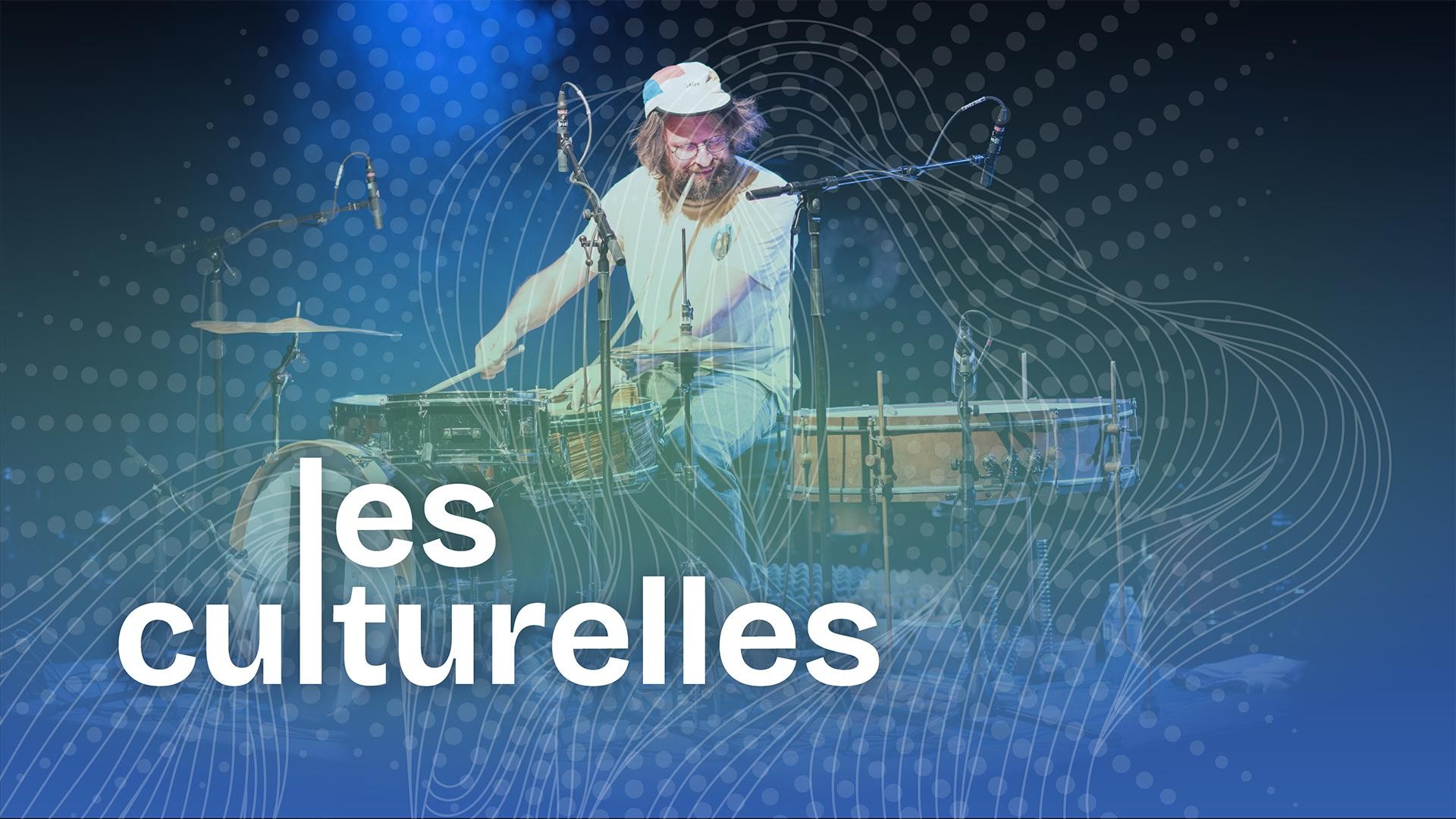
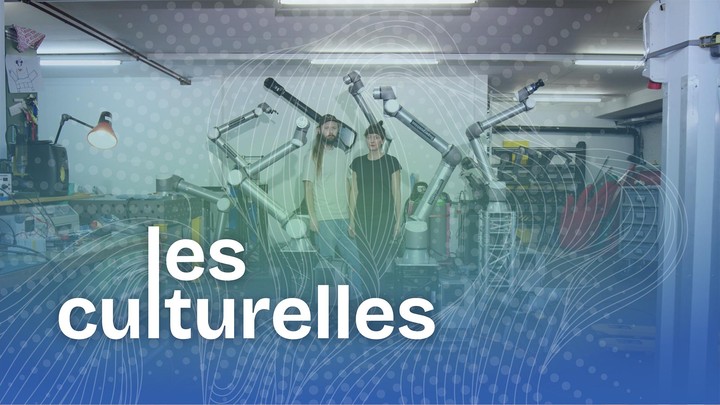
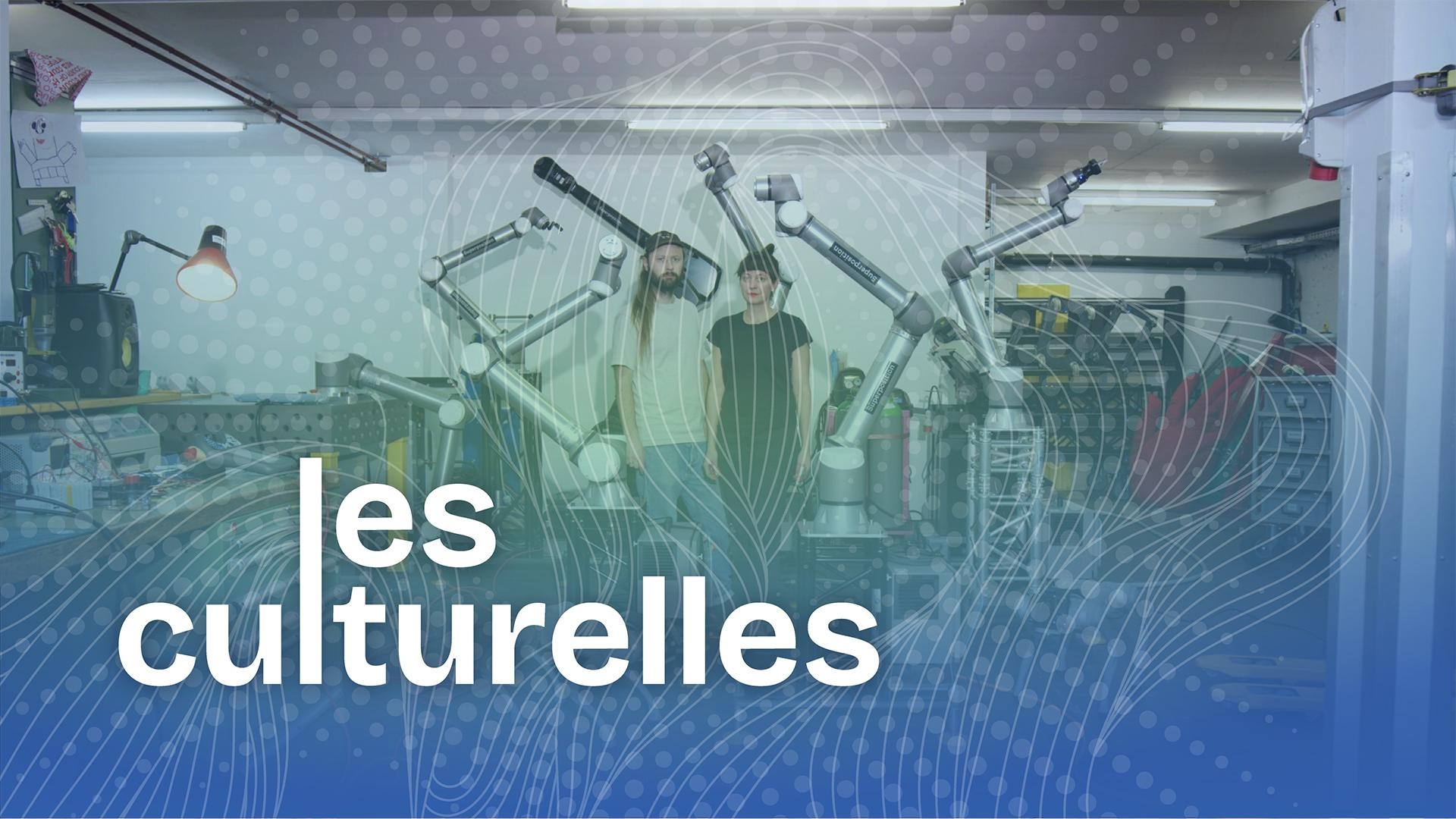
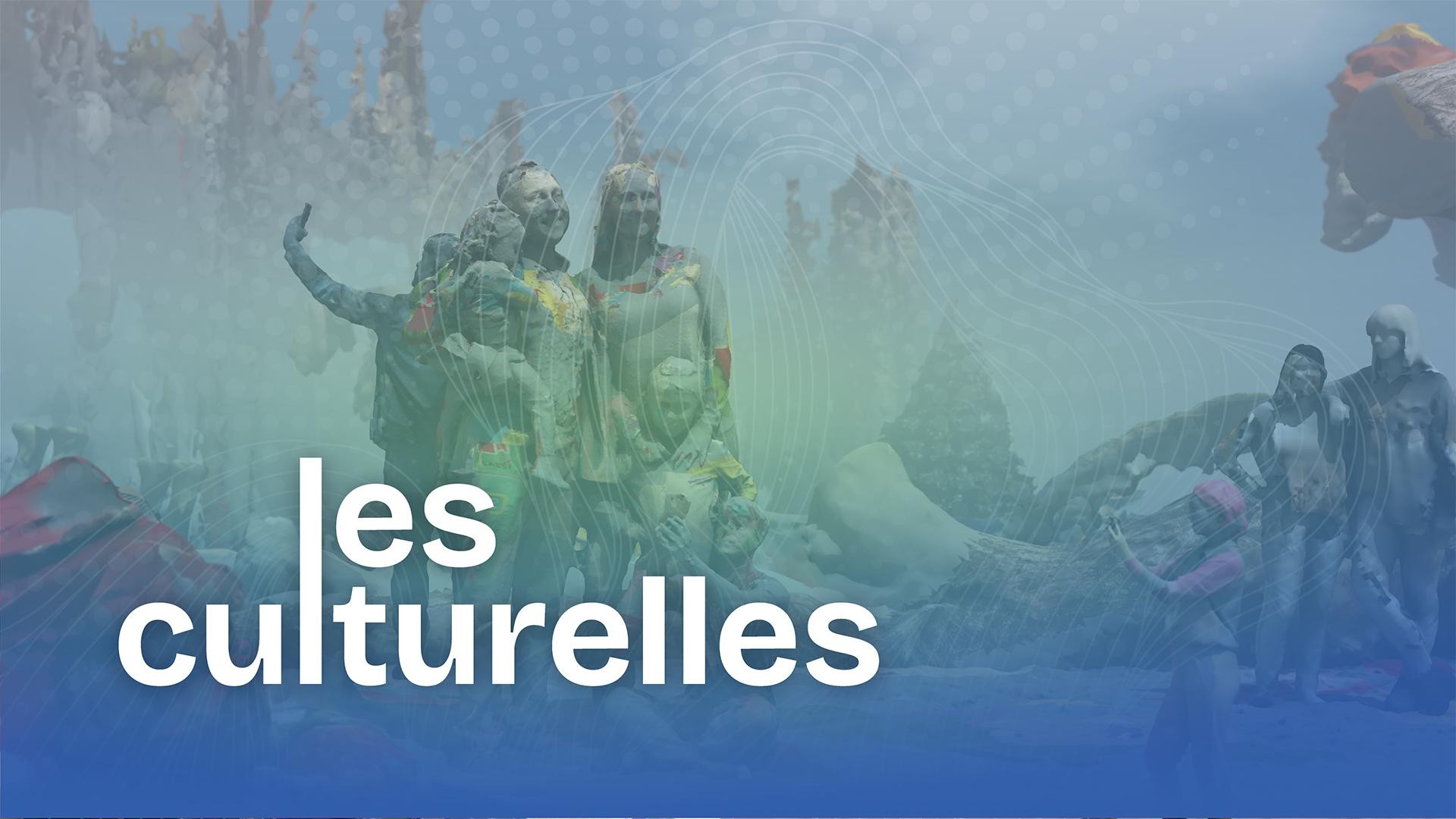
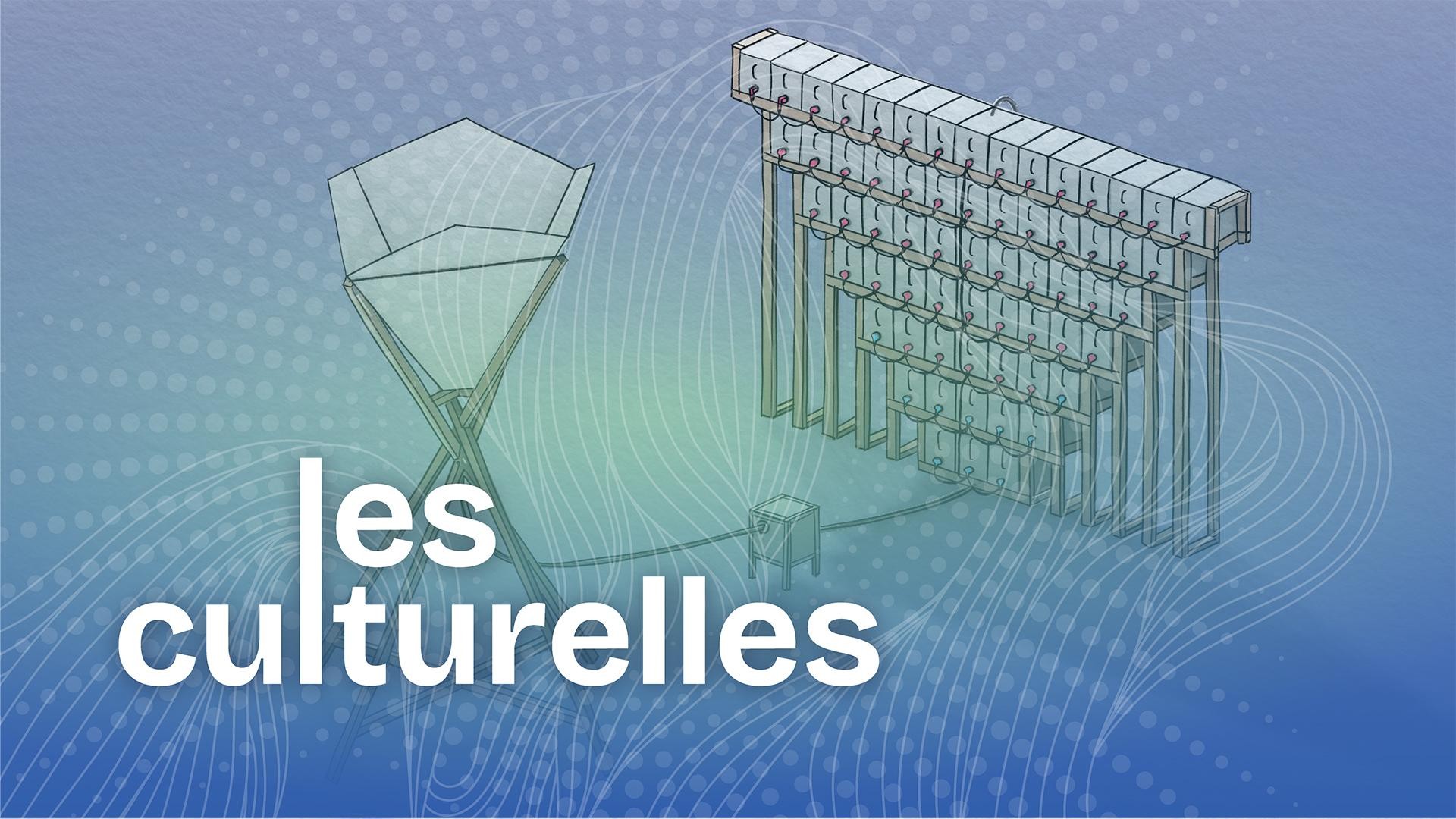
{ "count": 266, "next": "https://memento.epfl.ch/api/v1/events/?format=api&limit=10&offset=130&ordering=event__organizer", "previous": "https://memento.epfl.ch/api/v1/events/?format=api&limit=10&offset=110&ordering=event__organizer", "results": [ { "id": 72516, "title": "Julian Sartorius Concert - RLLRLRLLRRLRLRLRLLRLRLR", "slug": "julian-sartorius-concert-rllrlrllrrlrlrlrllrlrlr-2", "event_url": "https://memento.epfl.ch/event/julian-sartorius-concert-rllrlrllrrlrlrlrllrlrlr-2", "visual_url": "https://memento.epfl.ch/image/33782/200x112.jpg", "visual_large_url": "https://memento.epfl.ch/image/33782/720x405.jpg", "visual_maxsize_url": "https://memento.epfl.ch/image/33782/max-size.jpg", "lang": "en", "start_date": "2026-10-13", "end_date": "2026-10-13", "start_time": "12:00:00", "end_time": "13:00:00", "description": "<div class=\"BCX2 Ltr OutlineElement SCXW167897111\"><strong>Two concerts:</strong></div>\r\n\r\n<ul>\r\n\t<li><strong>Tuesday, October 13,</strong> <strong>at noon: <a href=\"https://juliansartorius.bandcamp.com/album/rllrlrllrrlrlrlrllrlrlr\">RLLRLRLLRRLRLRLRLLRLRLR </a></strong><br>\r\n\tDuration: 1 hour.<br>\r\n\tWith: Julian Sartorius, Romane Bouffioux, Jeanne Larrouturou, Julien Mégroz et Julien Annoni<br>\r\n\t </li>\r\n\t<li><strong>Tuesday, October 13,</strong> <strong>at 7:00 p.m.: solo </strong><br>\r\n\tDuration: 30 minutes<br>\r\n\tAs part of the opening for <a href=\"https://memento.epfl.ch/event/nonc-normally-open-normally-close-installation/\">NO/NC</a></li>\r\n</ul>\r\n\r\n<div class=\"BCX2 Ltr OutlineElement SCXW167897111\"><br>\r\nKnown for his unique, playful, and highly virtuosic approach to his instrument, internationally renowned drummer <a href=\"http://www.juliansartorius.com/\">Julian Sartorius</a> will present RLLRLRLLRRLRLRLRLLRLRLR, a score composed for a percussion ensemble in which “R” stands for right hand and “L” stands for left hand. Played continuously by the ensemble throughout the piece, the motif evolves under Julian Sartorius’s direction as he adapts the instrumentation (adding, substituting, or removing objects or instruments).<br>\r\n<br>\r\nA journey through minimalism, repetition, musical progression, and a deluge of sound. The concert stems from an experiment in which the addition, removal, or modification of basic elements generates new content. It also incorporates playfulness, the freedom to assemble elements, and the surprise of unexpected sound combinations. Much like many scientific protocols, this method—here applied to music—suggests avenues of convergence between scientific and creative practices.<br>\r\n<br>\r\n<iframe allow=\"accelerometer; autoplay; clipboard-write; encrypted-media; gyroscope; picture-in-picture; web-share\" allowfullscreen=\"\" frameborder=\"0\" height=\"315\" src=\"https://www.youtube.com/embed/hZ4HRiNTQC4?si=RXzPTogaFJIKH2dK\" width=\"560\"></iframe><br>\r\nAt 7 p.m. that evening, as part of the opening reception for the installation <strong>NO/NC (Normally Open/Normally Closed)</strong>, co-created with Archizoom, Julian Sartorius will give a solo concert.<br>\r\n---<br>\r\n<strong>Biography of <a href=\"http://www.juliansartorius.com/\">Julian Sartorius</a></strong><br>\r\nDrummer, percussionist, and artist Julian Sartorius shapes sounds into unique forms. His precise and rich rhythmic patterns are true explorations of the hidden sounds of found objects and prepared instruments, bridging the gap between organic timbres and the language of electronic music. Julian Sartorius has released numerous solo albums, created audiovisual works, collaborated with musicians, writers, and artists, and performed in everything from intimate venues to festival stages.</div>\r\n\r\n<div class=\"BCX2 Ltr OutlineElement SCXW167897111\"><br>\r\nTrained at the jazz schools in Bern and Lucerne under the guidance of musicians such as Fabian Kuratli, Pierre Favre, and Norbert Pfammatter, Julian Sartorius developed a unique musical approach at a very early age. Fascinated by small-scale variations, the interplay of tension and release, density, and vibration, he has created projects such as the 12-vinyl box set *Beat Diary* (Everest Records, 2012), comprising 365 rhythmic pieces accompanied by a book of photographs; the daily series of eight-second loops “Morphblog” (2013–2019); and “Depot,” an audiovisual installation for 16 speakers and 16 screens, presented at the Kunstmuseum in Thun. For his album “Hidden Tracks: Basel – Geneva” (Everest Records, 2017), Julian walked more than 200 kilometers with his drumsticks and recording equipment, playing and capturing a multitude of sounds and textures from objects he encountered along the way.<br>\r\n </div>\r\n\r\n<div class=\"BCX2 Ltr OutlineElement SCXW167897111\">In recent years, Julian Sartorius has collaborated with numerous musicians, including Sophie Hunger, Sylvie Courvoisier, Gyda Valtysdottir, Dimlite, Shahzad Ismaily, and Dan Carey. His instantly recognizable percussion work also appears on recent albums by Kate Tempest, Matthew Herbert, and James Zoo. Julian Sartorius has toured and performed in North and South America, Asia, and Europe, sharing the stage with artists such as Marc Ribot, Deerhoof, Faust, Jaki Liebezeit, and Arto Lindsay.<br>\r\n<br>\r\n--- <br>\r\n<a href=\"http://usinesonore.ch/\"><strong>Usinesonore</strong></a><br>\r\nThe Usinesonore association shares its passion for music by promoting it through various activities in the Canton of Bern and beyond. It was previously invited to EPFL in 2017.<br>\r\nFounded in 2006 by Julien Annoni and Olivier Membrez, two young Bernese Jura natives passionate about contemporary music, the Usinesonore association organizes events centered on today’s music.<br>\r\n<br>\r\nThe association’s activities focus on three main areas: organizing the Usinesonore Festival, the Ensemble We Spoke, and organizing parallel events (traveling concerts, custom-designed events, outreach activities, etc.).<br>\r\n<br>\r\nEach event is shaped by careful consideration of how to share it with the audience. Usinesonore devotes all its energy to ensuring that the audience can experience the artistic moment, that they do not leave indifferent, and that they feel heard and supported throughout their experience.<br>\r\n<br>\r\n<strong>Partner: <a href=\"http://usinesonore.ch/\">Usinesonore</a></strong><br>\r\n \r\n<figure class=\"image\"><a href=\"https://www.epfl.ch/campus/art-culture/fr/les-culturelles/les-culturelles-dautomne-2026/\"><img alt=\"Programme complet des Culturelles\" height=\"182\" src=\"https://www.epfl.ch/campus/art-culture/wp-content/uploads/2026/09/LES_CULTURELLES_1920x1080_programme_complet.png\" width=\"600\"></a>\r\n\r\n<figcaption>© 2026 EPFL, Laura Persat</figcaption>\r\n</figure>\r\n</div>", "image_description": "", "creation_date": "2026-09-03T16:34:42", "last_modification_date": "2026-09-28T15:15:03", "link_label": "Programme complet des Culturelles", "link_url": "https://www.epfl.ch/campus/art-culture/fr/les-culturelles/les-culturelles-dautomne-2026/", "canceled": "False", "cancel_reason": "", "place_and_room": "Hall SG", "url_place_and_room": "https://plan.epfl.ch/?room==SG%20094.11", "url_online_room": "", "spoken_languages": [ "https://memento.epfl.ch/api/v1/spoken_languages/1/?format=api", "https://memento.epfl.ch/api/v1/spoken_languages/2/?format=api" ], "speaker": "<a href=\"https://www.juliansartorius.com/\">Julian Sartorius</a>, batteur<strong> ; </strong><a href=\"https://usinesonore.ch/\">Usinesonore</a>", "organizer": "<a href=\"https://www.epfl.ch/campus/art-culture/fr/les-culturelles/\">Festival Les Culturelles</a> (Pôle Culture VPI)", "contact": "<a href=\"https://people.epfl.ch/veronique.mauron\">Véronique Mauron Layaz</a>", "is_internal": "False", "theme": "", "vulgarization": { "id": 1, "fr_label": "Tout public", "en_label": "General public" }, "registration": { "id": 3, "fr_label": "Entrée libre", "en_label": "Free" }, "keywords": "musique, concert, batterie", "file": null, "icalendar_url": "https://memento.epfl.ch/event/export/121701/", "category": { "id": 9, "code": "MANIF", "fr_label": "Événements festifs et culturels", "en_label": "Cultural events", "activated": true }, "academic_calendar_category": null, "domains": [], "mementos": [ "https://memento.epfl.ch/api/v1/mementos/1/?format=api", "https://memento.epfl.ch/api/v1/mementos/2/?format=api", "https://memento.epfl.ch/api/v1/mementos/5/?format=api", "https://memento.epfl.ch/api/v1/mementos/6/?format=api", "https://memento.epfl.ch/api/v1/mementos/8/?format=api", "https://memento.epfl.ch/api/v1/mementos/21/?format=api", "https://memento.epfl.ch/api/v1/mementos/22/?format=api", "https://memento.epfl.ch/api/v1/mementos/79/?format=api", "https://memento.epfl.ch/api/v1/mementos/145/?format=api" ] }, { "id": 72517, "title": "NO/NC (Normally open/ Normally closed) - Installation", "slug": "nonc-normally-open-normally-closed-installation", "event_url": "https://memento.epfl.ch/event/nonc-normally-open-normally-closed-installation", "visual_url": "https://memento.epfl.ch/image/33783/200x112.jpg", "visual_large_url": "https://memento.epfl.ch/image/33783/720x405.jpg", "visual_maxsize_url": "https://memento.epfl.ch/image/33783/max-size.jpg", "lang": "en", "start_date": "2026-10-13", "end_date": "2026-10-13", "start_time": "18:30:00", "end_time": null, "description": "<div class=\"BCX2 Ltr OutlineElement SCXW57136668\"><strong>Opening reception on October 13 at 6:30 p.m. (<a href=\"https://memento.epfl.ch/event/julian-sartorius-concert-rllrlrllrrlrlrlrllrlrlr/\">with a concert at 7pm</a>)<br>\r\nExhibition on view October 13–24</strong><br>\r\n<br>\r\nThe Pôle Culture (VPI) and <a href=\"http://www.epfl.ch/campus/art-culture/museum-exhibitions/archizoom/fr/accueil/\">Archizoom </a>are collaborating on an installation by the artist duo <a href=\"http://aatb.ch/about/\">Andrea Anner & Thibault Brevet (AATB)</a> that extends Archizoom’s exhibition <a href=\"http://www.epfl.ch/campus/art-culture/museum-exhibitions/archizoom/fr/do-robots-dream-of-construction-sites/\">Do Robots Dream of Construction Sites?</a> and is part of the Les Culturelles festival.<br>\r\n<br>\r\nNO/NC is a new work by AATB featuring <strong>a swarm of inflatable barriers</strong> that move autonomously through the space to form temporary structures and barricades, preventing visitors from moving about and crossing the space freely.<br>\r\n<br>\r\nWhoever controls and decides where and for whom to build walls also decides how we form a cohesive society—a society cemented by fictitious boundaries—while fragmenting and dissolving those deemed undesirable.<br>\r\n<br>\r\nThe walls of the installation take on an almost ghostly quality. They are constantly changing, continually shifting. It seems as though today they possess a will of their own, a form of autonomy, their own logic, and their own survival instinct.<br>\r\n<br>\r\n<a href=\"http://www.aatb.ch/\">> AATB website</a><br>\r\n<br>\r\n<strong>Co-organized</strong> <strong>with <a href=\"http://www.epfl.ch/campus/art-culture/museum-exhibitions/archizoom/fr/accueil/\">Archizoom</a></strong><br>\r\nAs part of the exhibition <a href=\"http://www.epfl.ch/campus/art-culture/museum-exhibitions/archizoom/fr/do-robots-dream-of-construction-sites/\">*Do Robots Dream of Construction Sites?*</a> at Archizoom (guided tour of the exhibition at 5:30 p.m.)</div>\r\n\r\n<div class=\"BCX2 Ltr OutlineElement SCXW57136668\"> \r\n<figure class=\"image\"><a href=\"https://www.epfl.ch/campus/art-culture/fr/les-culturelles/les-culturelles-dautomne-2026/\"><img alt=\"Programme complet des Culturelles\" height=\"182\" src=\"https://www.epfl.ch/campus/art-culture/wp-content/uploads/2026/09/LES_CULTURELLES_1920x1080_programme_complet.png\" width=\"600\"></a>\r\n\r\n<figcaption>© 2026 EPFL, Laura Persat</figcaption>\r\n</figure>\r\n</div>", "image_description": "", "creation_date": "2026-09-03T16:46:06", "last_modification_date": "2026-09-23T15:40:42", "link_label": "Programme complet des Culturelles", "link_url": "https://www.epfl.ch/campus/art-culture/fr/les-culturelles/les-culturelles-dautomne-2026/", "canceled": "False", "cancel_reason": "", "place_and_room": "Hall SG", "url_place_and_room": "https://plan.epfl.ch/?room==SG%20094.11", "url_online_room": "", "spoken_languages": [ "https://memento.epfl.ch/api/v1/spoken_languages/1/?format=api", "https://memento.epfl.ch/api/v1/spoken_languages/2/?format=api" ], "speaker": "<a href=\"https://aatb.ch/about/\">Andrea Anner & Thibault Brevet (AATB)</a>", "organizer": "<a href=\"https://www.epfl.ch/campus/art-culture/fr/les-culturelles/\">Festival Les Culturelles</a> (Pôle Culture VPI)", "contact": "<a href=\"https://people.epfl.ch/veronique.mauron\">Véronique Mauron Layaz</a> ; <a href=\"https://www.epfl.ch/campus/art-culture/museum-exhibitions/archizoom/fr/accueil/\">Archizoom</a>", "is_internal": "False", "theme": "", "vulgarization": { "id": 1, "fr_label": "Tout public", "en_label": "General public" }, "registration": { "id": 3, "fr_label": "Entrée libre", "en_label": "Free" }, "keywords": "Installation artistique, robot, exposition", "file": null, "icalendar_url": "https://memento.epfl.ch/event/export/121703/", "category": { "id": 5, "code": "EXPO", "fr_label": "Expositions", "en_label": "Exhibitions", "activated": true }, "academic_calendar_category": null, "domains": [], "mementos": [ "https://memento.epfl.ch/api/v1/mementos/1/?format=api", "https://memento.epfl.ch/api/v1/mementos/2/?format=api", "https://memento.epfl.ch/api/v1/mementos/4/?format=api", "https://memento.epfl.ch/api/v1/mementos/5/?format=api", "https://memento.epfl.ch/api/v1/mementos/6/?format=api", "https://memento.epfl.ch/api/v1/mementos/8/?format=api", "https://memento.epfl.ch/api/v1/mementos/21/?format=api", "https://memento.epfl.ch/api/v1/mementos/22/?format=api", "https://memento.epfl.ch/api/v1/mementos/79/?format=api", "https://memento.epfl.ch/api/v1/mementos/145/?format=api" ] }, { "id": 72518, "title": "Secouons-nous les eaux - Performance", "slug": "secouons-nous-les-eaux-performance-2", "event_url": "https://memento.epfl.ch/event/secouons-nous-les-eaux-performance-2", "visual_url": "https://memento.epfl.ch/image/33780/200x112.jpg", "visual_large_url": "https://memento.epfl.ch/image/33780/720x405.jpg", "visual_maxsize_url": "https://memento.epfl.ch/image/33780/max-size.jpg", "lang": "en", "start_date": "2026-10-14", "end_date": "2026-10-14", "start_time": "12:00:00", "end_time": "13:00:00", "description": "<div class=\"BCX2 Ltr OutlineElement SCXW196505929\">The <a href=\"http://hydromondes.org/\">Hydromondes</a> collective invites the EPFL community <strong>to explore the relationship between science and the bodies of water</strong> that surround us, in an artistic and festive setting.<br>\r\n<br>\r\nOn stage: </div>\r\n\r\n<ul>\r\n\t<li>Marin Schaffner, ethnologist</li>\r\n\t<li>Jeanne Mermet, engineer </li>\r\n\t<li>Gabriel Cotte, hydrologist </li>\r\n\t<li>Clémence Mathieu, illustrator </li>\r\n</ul>\r\n\r\n<div class=\"BCX2 Ltr OutlineElement SCXW196505929\"><br>\r\nThe event, which could be called a “festive gathering,” is a mix of performance, lecture, and debate. It consists of three parts: <br>\r\n </div>\r\n\r\n<ol>\r\n\t<li>The first part presents <strong>the scientific, artistic, and sensory content</strong> developed by the Hydromondes collective to put ourselves in the shoes of Lake Geneva—a living entity—in order to understand the paths water takes through our bodies, through the pipes and faucets at EPFL, and more broadly throughout the region.<br>\r\n\t </li>\r\n\t<li>The second part is an opened <strong>discussion</strong> with the audience to gather testimonies, questions, and reflections on the issue of water stewardship, particularly in light of current and future socioeconomic challenges and climate disruptions.<br>\r\n\t </li>\r\n\t<li>The third part gets us <strong>moving</strong> to “stir up our waters,” drawing our attention to the health of Lake Geneva and all bodies of water. A mix of texts, live drawings (using water from Lake Geneva), and music turns this moment into a festive gathering.</li>\r\n</ol>\r\n\r\n<div class=\"BCX2 Ltr OutlineElement SCXW196505929\">---<br>\r\n<strong>The <a href=\"http://hydromondes.org/\">Hydromondes</a> Collective</strong><br>\r\nFor the past two years, the Hydromondes collective has been developing a research-creation project on Lake Geneva as a living entity, engaging with scientists, managers, activists, and artists from the Lake Geneva region to attempt to paint a dynamic portrait of this lake on which we depend—particularly through the waters that flow through us. The collective employs sensory cartography, creates drawings and texts, and composes music. On June 12 and 13, 2026, the Lake Geneva Bioregional Assemblies took place at the Vidy Theater, during which Hydromondes brought together a myriad of Franco-Swiss collectives to create a cross-border community dedicated to the care of the waters.<br>\r\n<br>\r\nThe collaboration between the collective and <a href=\"http://applicationspub.unil.ch/interpub/noauth/php/Un/UnPers.php?PerNum=1277309&LanCode=37\">Nathalia Capellini,</a> a historian at the University of Lausanne (UNIL) and instructor in the EPFL’s SHS program, gave rise to the performance *Le Léman Cyborg*, presented on May 7, 2026, as part of the *Culturelles de printemps* festival. Nathalia Capellini’s course titled “Infrastructures” had fueled the project. This collaboration between the collective and the academic community will therefore continue for the Culturelles in October 2026, with a more participatory format—somewhere between an artistic presentation and a town hall meeting—in a playful atmosphere.<br>\r\n<br>\r\n<strong>>>> Free admission; <a href=\"http://forms.cloud.microsoft/e/ffSBMqP21Y\">light refreshments provided upon registration</a></strong></div>\r\n\r\n<div class=\"BCX2 Ltr OutlineElement SCXW196505929\"> \r\n<figure class=\"image\"><a href=\"https://www.epfl.ch/campus/art-culture/fr/les-culturelles/les-culturelles-dautomne-2026/\"><img alt=\"Programme complet des Culturelles\" height=\"182\" src=\"https://www.epfl.ch/campus/art-culture/wp-content/uploads/2026/09/LES_CULTURELLES_1920x1080_programme_complet.png\" width=\"600\"></a>\r\n\r\n<figcaption>© 2026 EPFL, Laura Persat</figcaption>\r\n</figure>\r\n</div>", "image_description": "", "creation_date": "2026-09-03T16:58:47", "last_modification_date": "2026-09-29T18:00:01", "link_label": "Inscription à la collation", "link_url": "https://forms.cloud.microsoft/e/ffSBMqP21Y", "canceled": "False", "cancel_reason": "", "place_and_room": "Hall MED", "url_place_and_room": "https://plan.epfl.ch/?room==MED%200%2094.22", "url_online_room": "", "spoken_languages": [ "https://memento.epfl.ch/api/v1/spoken_languages/1/?format=api" ], "speaker": "Collectif <a href=\"https://hydromondes.org/\">Hydromondes</a> ; Marin Schaffner, ethnologue ; Jeanne Mermet, ingénieure ; Gabriel Cotte, hydrologue et Clémence Mathieu, dessinatrice ", "organizer": "<a href=\"https://www.epfl.ch/campus/art-culture/fr/les-culturelles/\">Festival Les Culturelles</a> (Pôle Culture VPI)", "contact": "<a href=\"https://people.epfl.ch/veronique.mauron\">Véronique Mauron Layaz</a>", "is_internal": "False", "theme": "", "vulgarization": { "id": 1, "fr_label": "Tout public", "en_label": "General public" }, "registration": { "id": 3, "fr_label": "Entrée libre", "en_label": "Free" }, "keywords": "Léman, corps aquatique, performance", "file": null, "icalendar_url": "https://memento.epfl.ch/event/export/121705/", "category": { "id": 9, "code": "MANIF", "fr_label": "Événements festifs et culturels", "en_label": "Cultural events", "activated": true }, "academic_calendar_category": null, "domains": [], "mementos": [ "https://memento.epfl.ch/api/v1/mementos/1/?format=api", "https://memento.epfl.ch/api/v1/mementos/2/?format=api", "https://memento.epfl.ch/api/v1/mementos/4/?format=api", "https://memento.epfl.ch/api/v1/mementos/5/?format=api", "https://memento.epfl.ch/api/v1/mementos/6/?format=api", "https://memento.epfl.ch/api/v1/mementos/8/?format=api", "https://memento.epfl.ch/api/v1/mementos/21/?format=api", "https://memento.epfl.ch/api/v1/mementos/22/?format=api", "https://memento.epfl.ch/api/v1/mementos/79/?format=api", "https://memento.epfl.ch/api/v1/mementos/145/?format=api" ] }, { "id": 72519, "title": "White Shadow - Exhibition", "slug": "white-shadow-exhibition", "event_url": "https://memento.epfl.ch/event/white-shadow-exhibition", "visual_url": "https://memento.epfl.ch/image/33781/200x112.jpg", "visual_large_url": "https://memento.epfl.ch/image/33781/720x405.jpg", "visual_maxsize_url": "https://memento.epfl.ch/image/33781/max-size.jpg", "lang": "en", "start_date": "2026-10-14", "end_date": "2026-10-14", "start_time": "18:30:00", "end_time": "20:00:00", "description": "<div class=\"BCX2 Ltr OutlineElement SCXW254063798\"><strong>Opening Reception: Wednesday, October 14 at 6:30 p.m.<br>\r\nExhibition on view from October 14, 2026, through February 9, 2027</strong><br>\r\n<br>\r\nWhat if, one day, all our photographs suddenly transformed and became the very objects they depict? They would flood our living spaces with landscapes, selfies, cats, vehicles, and meals scattered as far as the eye can see.<br>\r\n<br>\r\nEvery day, we produce images, messages, and data that we store on servers and in the cloud. But what becomes of this digital output?<br>\r\n<em>White Shadow</em> is a series of photographs created by <a href=\"http://collectif-fact.ch/\">collectif_fact</a> (Annelore Schneider and Claude Piguet). It was produced using photogrammetry, a technology that transforms photographs into 3D models. The images are generated from data sourced from online libraries. The result is a dizzying architecture so pervasive that it erects barriers and isolates individuals from one another. A society is emerging, grappling with media saturation, sensory overload, and a crushing ecological impact. A world is emerging where images have taken over, colonizing and transforming space until they become the only reality still visible.<br>\r\nThis narrative is a metaphor that prompts reflection on our responsibility regarding our daily digital output and its consequences for the environment.<br>\r\n<br>\r\n<a href=\"http://collectif-fact.ch/\">collectif_fact</a><br>\r\ncollectif_fact, founded by Annelore Schneider (1979, Neuchâtel) and Claude Piguet (1977, Neuchâtel), explores the economics of the contemporary image through video and photography, drawing on speculative narratives and fiction. Their works have been exhibited at institutions such as the Maison européenne de la photographie (Paris), the Centre d’art contemporain (Geneva), the Swiss Cultural Center (Paris), the Hiroshima Museum of Contemporary Art, the Lianzhou Foto Festival, the Metropolis Art Center (Beijing), and the Fotomuseum Winterthur. They recently received the Landis & Gyr residency in London, the New Point of View Award from This is Short (European Short Film Network), and the Best Short Film Award at the International Festival of Films on Art (FIFA). They are represented by Galerie Wilde in Geneva.<br>\r\n<br>\r\nTheir works—videos, photographs, and installations—are part of the following collections: the City of Paris Municipal Contemporary Art Fund, Haus der Elektronischen Künste, Basel; the Lyon Museum of Contemporary Art; the Federal Office of Culture, Bern; the Fotomuseum Winterthur; the Neuchâtel Museum of Art and History; La Chaux-de-Fonds Museum of Fine Arts, Geneva Municipal Contemporary Art Collection, Geneva Cantonal Contemporary Art Collection, Museum of Communication, Bern, Visual Arts Collection, City of Biel, and Sion Art Museum.<br>\r\n<br>\r\n<a href=\"http://collectif-fact.ch/\">> Collectif-Fact website</a><br>\r\n \r\n<figure class=\"image\"><a href=\"https://www.epfl.ch/campus/art-culture/fr/les-culturelles/les-culturelles-dautomne-2026/\"><img alt=\"Programme complet des Culturelles\" height=\"182\" src=\"https://www.epfl.ch/campus/art-culture/wp-content/uploads/2026/09/LES_CULTURELLES_1920x1080_programme_complet.png\" width=\"600\"></a>\r\n<figcaption>© 2026 EPFL, Laura Persat</figcaption>\r\n</figure>\r\n</div>", "image_description": "", "creation_date": "2026-09-03T17:54:09", "last_modification_date": "2026-09-07T14:13:26", "link_label": "", "link_url": "", "canceled": "False", "cancel_reason": "", "place_and_room": "Hall du Rolex Learning Center", "url_place_and_room": "https://plan.epfl.ch/?room==RLC%20G1%2094.12", "url_online_room": "", "spoken_languages": [], "speaker": "<a href=\"https://collectif-fact.ch/\">collectif_fact</a> (Annelore Schneider et Claude Piguet)", "organizer": "<a href=\"https://www.epfl.ch/campus/art-culture/fr/les-culturelles/\">Festival Les Culturelles</a> (Pôle Culture VPI)", "contact": "<a href=\"https://people.epfl.ch/veronique.mauron\">Véronique Mauron Layaz</a>", "is_internal": "False", "theme": "", "vulgarization": { "id": 1, "fr_label": "Tout public", "en_label": "General public" }, "registration": { "id": 3, "fr_label": "Entrée libre", "en_label": "Free" }, "keywords": "", "file": null, "icalendar_url": "https://memento.epfl.ch/event/export/121707/", "category": { "id": 5, "code": "EXPO", "fr_label": "Expositions", "en_label": "Exhibitions", "activated": true }, "academic_calendar_category": null, "domains": [], "mementos": [ "https://memento.epfl.ch/api/v1/mementos/1/?format=api", "https://memento.epfl.ch/api/v1/mementos/2/?format=api", "https://memento.epfl.ch/api/v1/mementos/5/?format=api", "https://memento.epfl.ch/api/v1/mementos/6/?format=api", "https://memento.epfl.ch/api/v1/mementos/8/?format=api", "https://memento.epfl.ch/api/v1/mementos/21/?format=api", "https://memento.epfl.ch/api/v1/mementos/22/?format=api", "https://memento.epfl.ch/api/v1/mementos/145/?format=api" ] }, { "id": 72520, "title": "Pétrichor - Sculptures", "slug": "petrichor-sculptures-2", "event_url": "https://memento.epfl.ch/event/petrichor-sculptures-2", "visual_url": "https://memento.epfl.ch/image/33776/200x112.jpg", "visual_large_url": "https://memento.epfl.ch/image/33776/720x405.jpg", "visual_maxsize_url": "https://memento.epfl.ch/image/33776/max-size.jpg", "lang": "en", "start_date": "2026-10-15", "end_date": "2026-10-15", "start_time": "12:00:00", "end_time": "13:00:00", "description": "<strong>Opening: Thursday, October 15, at 12:00 p.m.<br>\r\nExhibition on view through December 10, 2026<br>\r\n<br>\r\nBy and in collaboration with the AAIE </strong>(Association of Artist-Engineers at EPFL)<br>\r\n<br>\r\nRain is essential to the cycle of life, and we sometimes forget how important it is. The Petrichor installation aims to restore rain’s central role and encourage reflection on its presence. <br>\r\n<br>\r\nThe installation consists of two parts:<br>\r\n \r\n<ul>\r\n\t<li><strong>A 1-square-meter funnel </strong>that collects rainwater while amplifying its sound. The funnel is modeled after a flower—the bromeliad—which naturally collects rainwater. The water is then channeled into the second part of the installation.<br>\r\n\t.</li>\r\n\t<li><strong>A wooden cabinet containing 63 plastic containers, each holding 5 liters.</strong> All the containers are connected to one another by a system of pipes; the rainwater fills the containers from the bottom up. The 10 containers at the bottom of the cabinet are marked in blue; this corresponds to the minimum daily water intake for one person, as defined by the WHO, which is 50 liters. The containers above them—totaling 265 liters—represent the average water consumption of a person in Switzerland, as reported by the Federal Statistical Office. This cabinet highlights the contrast between these two volumes. By relating these figures to the collected rainwater, the installation demonstrates that water remains a limited resource and is therefore a major challenge for the world today and in the future.</li>\r\n</ul>\r\n\r\n<div class=\"BCX2 Ltr OutlineElement SCXW43647999\">The installation has aesthetic and auditory elements designed to enliven the campus and demonstrate a commitment to sustainability. Its goal is to encourage students to reflect on water usage and spark new ideas for managing this resource.<br>\r\n<br>\r\nLaunched in 2025, Petrichor is a project developed by the <strong>AAIE (Association of Artist-Engineers at EPFL),</strong> which aims to build a community around contemporary art on campus by organizing meetings with artists and museum outings. The association also provides students with opportunities to develop their own artistic creations.<br>\r\n<br>\r\nThis project received support from the Pôle Culture (VPI) as part of a <strong><a href=\"http://www.epfl.ch/campus/art-culture/fr/bourses-pour-projets-artistiques/\">competition</a></strong> held twice a year for student associations involved in campus culture.<br>\r\n \r\n<figure class=\"image\"><a href=\"https://www.epfl.ch/campus/art-culture/fr/les-culturelles/les-culturelles-dautomne-2026/\"><img alt=\"Programme complet des Culturelles\" height=\"182\" src=\"https://www.epfl.ch/campus/art-culture/wp-content/uploads/2026/09/LES_CULTURELLES_1920x1080_programme_complet.png\" width=\"600\"></a>\r\n\r\n<figcaption>© 2026 EPFL, Laura Persat</figcaption>\r\n</figure>\r\n</div>", "image_description": "", "creation_date": "2026-09-03T18:08:50", "last_modification_date": "2026-09-23T16:49:40", "link_label": "", "link_url": "", "canceled": "False", "cancel_reason": "", "place_and_room": "La Diagonale (en face du bâtiment MX)", "url_place_and_room": "", "url_online_room": "", "spoken_languages": [], "speaker": "<strong>AAIE</strong> (Association des Artistes Ingénieurs de l’EPFL)", "organizer": "<a href=\"https://www.epfl.ch/campus/art-culture/fr/les-culturelles/\">Festival Les Culturelles</a> (Pôle Culture VPI)", "contact": "<a href=\"https://people.epfl.ch/veronique.mauron\">Véronique Mauron Layaz</a>", "is_internal": "False", "theme": "", "vulgarization": { "id": 1, "fr_label": "Tout public", "en_label": "General public" }, "registration": { "id": 3, "fr_label": "Entrée libre", "en_label": "Free" }, "keywords": "installation, ressources, durabilité", "file": null, "icalendar_url": "https://memento.epfl.ch/event/export/121709/", "category": { "id": 5, "code": "EXPO", "fr_label": "Expositions", "en_label": "Exhibitions", "activated": true }, "academic_calendar_category": null, "domains": [], "mementos": [ "https://memento.epfl.ch/api/v1/mementos/1/?format=api", "https://memento.epfl.ch/api/v1/mementos/2/?format=api", "https://memento.epfl.ch/api/v1/mementos/4/?format=api", "https://memento.epfl.ch/api/v1/mementos/5/?format=api", "https://memento.epfl.ch/api/v1/mementos/6/?format=api", "https://memento.epfl.ch/api/v1/mementos/8/?format=api", "https://memento.epfl.ch/api/v1/mementos/10/?format=api", "https://memento.epfl.ch/api/v1/mementos/21/?format=api", "https://memento.epfl.ch/api/v1/mementos/22/?format=api", "https://memento.epfl.ch/api/v1/mementos/79/?format=api", "https://memento.epfl.ch/api/v1/mementos/145/?format=api" ] }, { "id": 72521, "title": "Le Chantier - Film screening and discussion with director Jean-Stéphane Bron", "slug": "le-chantier-film-screening-and-discussion-with-dir", "event_url": "https://memento.epfl.ch/event/le-chantier-film-screening-and-discussion-with-dir", "visual_url": "https://memento.epfl.ch/image/33779/200x112.jpg", "visual_large_url": "https://memento.epfl.ch/image/33779/720x405.jpg", "visual_maxsize_url": "https://memento.epfl.ch/image/33779/max-size.jpg", "lang": "en", "start_date": "2026-10-15", "end_date": "2026-10-15", "start_time": "18:15:00", "end_time": "20:15:00", "description": "<div class=\"BCX2 Ltr OutlineElement SCXW74632052\"><strong>France / Switzerland, August 2025<br>\r\nFilm, documentary, 94 min. / VOSTEN<br>\r\nFollowing the film, <a href=\"http://www.visionsdureel.ch/anne-delseth-nouvelle-directrice-artistique-de-visions-du-reel/\">Anne Delseth</a>, artistic director of <a href=\"http://www.visionsdureel.ch/\">Visions du Réel</a>, will lead a discussion with director <a href=\"http://en.wikipedia.org/wiki/Jean-St%C3%A9phane_Bron\">Jean-Stéphane Bron</a> and the audience.</strong><br>\r\n<br>\r\nBehind the closed doors of an extraordinary construction site, filmmaker <a href=\"http://en.wikipedia.org/wiki/Jean-St%C3%A9phane_Bron\">Jean-Stéphane Bron</a> spent four years documenting the construction in Paris of the <a href=\"http://fr.wikipedia.org/wiki/Path%C3%A9_Palace_(Paris)\">Pathé Palace cinema</a>, a luxury theater designed by Italian architect Renzo Piano for the group led by producer Jérôme Seydoux, one of the most influential figures in French cinema.<br>\r\n<br>\r\nHis documentary <a href=\"http://www.swissfilms.ch/fr/movie/le-chantier/4d8f6696d1d740e392cf73c68db29f15\">Le Chantier</a> chronicles an extraordinary architectural adventure by offering a real-time portrait of a society in miniature, driven by a common goal: the construction of movie theaters for the coming century. From the architect to the master carpenters, from the construction foreman to the head of the Pathé Group, from the sound system designer to the future projectionists, the documentary paints a vivid, human-scale portrait of this community.<br>\r\n<br>\r\nLe Chantier premiered in 2025 at the Locarno Film Festival and was released in theaters in the spring of 2026. This film, screened at EPFL, echoes the Double Deck construction project currently underway in plain view of everyone. It raises questions about how to tell the story of complex realities. Ultimately, it also symbolizes a world yet to be built. Following the screening, there will be a discussion with director Jean-Stéphane Bron.<br>\r\n---</div>\r\n\r\n<div class=\"BCX2 Ltr OutlineElement SCXW74632052\"><strong><a href=\"https://en.wikipedia.org/wiki/Jean-St%C3%A9phane_Bron\">Jean-Stéphane Bron</a> </strong><br>\r\nJean-Stéphane Bron (born 1969 in Lausanne) is a graduate of the École Cantonale d’Art de Lausanne (ECAL). His documentaries address contemporary issues such as the crisis of democracy, the economic crisis, and the rise of populism, using dramatic techniques similar to those found in fiction. Among them, *Connu de nos services* (1997) addresses the scandal surrounding the political dossiers compiled by the Federal Police in the 1970s and 1980s. *Mais im Bundeshuus / Le Génie helvétique* (2003), one of Swiss cinema’s major box-office hits, follows the work of a parliamentary commission tasked with drafting a law on genetic engineering. *The Blocher Experiment* (2013) sparked intense controversy. *Cleveland vs. Wall Street* (2010), about the subprime mortgage crisis, was presented at the Cannes Film Festival (Directors’ Fortnight) and nominated for a César Award in France. His film *The Paris Opera* (2017) was subsequently widely distributed around the world. With this film, which drew more than 200,000 viewers to theaters, Jean-Stéphane Bron won the Swiss Film Award in the Best Documentary category for the third time in 2018. In 2021, Jean-Stéphane Bron released *Cinq nouvelles du cerveau*, a feature-length film that explores various mind-boggling questions related to advances in the fields of neuroscience and artificial intelligence. Between December 2021 and May 2022, he filmed the series *Ma rue de l’Ale* for RTS on his own street in Lausanne; the series was a huge hit with audiences.<br>\r\n<br>\r\nExploring reality through the eyes of those who shape it. Jean-Stéphane Bron’s unique art lies not merely in presenting the facts, but in understanding both the people involved and the systems within which they operate—systems that shape their actions.<br>\r\n<br>\r\n<strong>Partner: <a href=\"http://www.visionsdureel.ch/\">Visions du réel</a></strong><br>\r\n \r\n<figure class=\"image\"><a href=\"https://www.epfl.ch/campus/art-culture/fr/les-culturelles/les-culturelles-dautomne-2026/\"><img alt=\"Programme complet des Culturelles\" height=\"182\" src=\"https://www.epfl.ch/campus/art-culture/wp-content/uploads/2026/09/LES_CULTURELLES_1920x1080_programme_complet.png\" width=\"600\"></a>\r\n\r\n<figcaption>© 2026 EPFL, Laura Persat</figcaption>\r\n</figure>\r\n</div>", "image_description": "", "creation_date": "2026-09-03T18:19:57", "last_modification_date": "2026-09-22T13:55:33", "link_label": "Programme complet des Culturelles", "link_url": "https://www.epfl.ch/campus/art-culture/fr/les-culturelles/les-culturelles-dautomne-2026/", "canceled": "False", "cancel_reason": "", "place_and_room": "Forum Rolex", "url_place_and_room": "https://plan.epfl.ch/?room==RLC%20E1%20240", "url_online_room": "", "spoken_languages": [ "https://memento.epfl.ch/api/v1/spoken_languages/1/?format=api", "https://memento.epfl.ch/api/v1/spoken_languages/2/?format=api", "https://memento.epfl.ch/api/v1/spoken_languages/3/?format=api" ], "speaker": "<a href=\"https://en.wikipedia.org/wiki/Jean-St%C3%A9phane_Bron\">Jean-Stéphane Bron</a>, réalisateur ", "organizer": "<a href=\"https://www.epfl.ch/campus/art-culture/fr/les-culturelles/\">Festival Les Culturelles</a> (Pôle Culture VPI)", "contact": "<a href=\"https://people.epfl.ch/veronique.mauron\">Véronique Mauron Layaz</a>", "is_internal": "False", "theme": "", "vulgarization": { "id": 1, "fr_label": "Tout public", "en_label": "General public" }, "registration": { "id": 3, "fr_label": "Entrée libre", "en_label": "Free" }, "keywords": "cinéma, documentaire, jean-stéphane bron", "file": null, "icalendar_url": "https://memento.epfl.ch/event/export/121711/", "category": { "id": 9, "code": "MANIF", "fr_label": "Événements festifs et culturels", "en_label": "Cultural events", "activated": true }, "academic_calendar_category": null, "domains": [], "mementos": [ "https://memento.epfl.ch/api/v1/mementos/1/?format=api", "https://memento.epfl.ch/api/v1/mementos/2/?format=api", "https://memento.epfl.ch/api/v1/mementos/4/?format=api", "https://memento.epfl.ch/api/v1/mementos/5/?format=api", "https://memento.epfl.ch/api/v1/mementos/6/?format=api", "https://memento.epfl.ch/api/v1/mementos/8/?format=api", "https://memento.epfl.ch/api/v1/mementos/21/?format=api", "https://memento.epfl.ch/api/v1/mementos/22/?format=api", "https://memento.epfl.ch/api/v1/mementos/32/?format=api", "https://memento.epfl.ch/api/v1/mementos/145/?format=api" ] }, { "id": 66923, "title": "Unlearning Assembly", "slug": "unlearning-assembly-4", "event_url": "https://memento.epfl.ch/event/unlearning-assembly-4", "visual_url": "https://memento.epfl.ch/image/28629/200x112.jpg", "visual_large_url": "https://memento.epfl.ch/image/28629/720x405.jpg", "visual_maxsize_url": "https://memento.epfl.ch/image/28629/max-size.jpg", "lang": "en", "start_date": "2027-03-08", "end_date": "2027-03-08", "start_time": "09:00:00", "end_time": "12:30:00", "description": "<p>The Unlearning Center workshop is the result of a collaboration between different entities and negotiations already initiated with the administration to free up working hours for workshop activities, allowing as many students as possible to participate.<br>\r\n<br>\r\nThe workshop creates a dedicated time and space to discuss everyday campus conditions, aiming to share, document, and make visible a range of experiences and lived realities. It is also an opportunity to exchange ideas and put common concerns into perspective. By occupying the SG Foyer in the architecture building for a period of time, the workshop establishes a special moment among students — a visible, exclusive, and introspective occupation.<br>\r\n \r\n<figure class=\"image\"><img alt=\"\" height=\"849\" src=\"//memento.epfl.ch/public/upload/fckeditorimage/53/ad/37db442e.jpg\" width=\"600\">\r\n<figcaption>© TNT</figcaption>\r\n</figure>\r\n<br>\r\n<br>\r\nMore information<br>\r\n<br>\r\n<a href=\"https://www.epfl.ch/campus/associations/asar/index-fr-html/tnt-transition-pour-une-nouvelle-culture-du-travail/\">TNT (Transition pour une Nouvelle culture du Travail)</a> ↗︎<br>\r\n<br>\r\n<a href=\"https://www.instagram.com/tnt_epfl/\">Instagram TNT</a> ↗︎</p>", "image_description": "", "creation_date": "2024-09-13T10:35:17", "last_modification_date": "2026-02-25T12:01:12", "link_label": "", "link_url": "", "canceled": "False", "cancel_reason": "", "place_and_room": "Foyer SG", "url_place_and_room": "https://plan.epfl.ch/?room==SG%20294.22", "url_online_room": "", "spoken_languages": [], "speaker": "", "organizer": "<a href=\"https://www.epfl.ch/campus/associations/asar/index-fr-html/tnt-transition-pour-une-nouvelle-culture-du-travail/\">TNT</a>", "contact": "<a href=\"https://www.epfl.ch/campus/associations/asar/index-fr-html/tnt-transition-pour-une-nouvelle-culture-du-travail/\">TNT</a>", "is_internal": "False", "theme": "", "vulgarization": { "id": 1, "fr_label": "Tout public", "en_label": "General public" }, "registration": { "id": 3, "fr_label": "Entrée libre", "en_label": "Free" }, "keywords": "associations", "file": null, "icalendar_url": "https://memento.epfl.ch/event/export/113412/", "category": { "id": 4, "code": "DIVERS", "fr_label": "Autres types d’événement", "en_label": "Miscellaneous", "activated": true }, "academic_calendar_category": null, "domains": [], "mementos": [ "https://memento.epfl.ch/api/v1/mementos/391/?format=api" ] }, { "id": 71803, "title": "Coding Club for Girls in Basel", "slug": "coding-club-for-girls-in-basel-9", "event_url": "https://memento.epfl.ch/event/coding-club-for-girls-in-basel-9", "visual_url": "https://memento.epfl.ch/image/33172/200x112.jpg", "visual_large_url": "https://memento.epfl.ch/image/33172/720x405.jpg", "visual_maxsize_url": "https://memento.epfl.ch/image/33172/max-size.jpg", "lang": "en", "start_date": "2026-10-31", "end_date": "2026-11-21", "start_time": "09:30:00", "end_time": "16:00:00", "description": "<p>Eine App programmieren? Ein Computerspiel erfinden? Eine Animation gestalten?<br>\r\nWenn dich eines dieser Dinge interessiert, bist du hier am richtigen Ort! Tausche und teile deine Ideen, lerne zu programmieren und entdecke Informatikberufe.<br>\r\n<br>\r\nDie <a href=\"https://www.epfl.ch/education/education-and-science-outreach/de/jugendliche/coding-club/\">Coding Club for Girls</a> Workshops sind für Mädchen im Alter von 11 bis 15 Jahren und die Teilnahme ist kostenlos. Ab der Teilnahme an vier Workshops pro Jahr wird eine Teilnahmebestätigung ausgehändigt. <br>\r\n<br>\r\n<strong>Ort:</strong> Brunnmatt - Schule, Basel<br>\r\n<br>\r\n<strong>Datum und Zeit:</strong><br>\r\n<strong>31. Oktober 2026 : 09:30 bis 12:00 oder 13:30 bis 16:00 Uhr // GameDesign<br>\r\n07. November 2026 : 09:30 bis 12:00 oder 13:30 bis 16:00 Uhr // Pixel Art<br>\r\n14. November 2026 : 09:30 bis 12:00 oder 13:30 bis 16:00 Uhr // Scratch-me<br>\r\n21. November 2026 : 09:30 bis 12:00 oder 13:30 bis 16:00 Uhr // Schildkröte in Python</strong><br>\r\nDie Inhalte der Workshops sind untenstehend beschrieben.<br>\r\n<br>\r\n<strong>Bedingungen</strong>\r\n</p><ul>\r\n\t<li>Gratis</li>\r\n\t<li><a href=\"https://forms.gle/RmtySRRtMtQrZRcMA\">Anmeldung unter diesem Link </a></li>\r\n\t<li><a href=\"https://www.epfl.ch/education/education-and-science-outreach/de/teilnahmebedingungen/\">Allgemeine Teilnahmebedingungen EPFL - SPS Aktivitäten</a> </li>\r\n</ul>\r\n<strong>Workshops:</strong><br>\r\n<strong>GameDesign - Samstag, 31. Oktober 2026</strong><br>\r\nErlebe neue Abenteuer mit unserem Lieblingskater! Egal ob du Anfängerin oder bereits Scratch-Expertin bist, es warten neuen Aufgaben auf dich! <br>\r\n<br>\r\n<strong>Pixel Art - Samstag, 07. November 2026</strong><br>\r\nEntdecke zwei neue Programmiersprachen, JavaScript und HTML, indem du deine eigenen pixelisierten Kunstwerke gestaltest. Du wirst mit deinem Zeichenprogramm auch ein Rätselspiel für zwei Spielerinnen entwickeln.<br>\r\n<br>\r\n<strong>Scratch-me - Samstag, 14. November 2026</strong><br>\r\nEinführung in die Programmierlogik mit der Konzeption von Animationen, Spielen und vieles mehr! Codieren ist wie eine neue Sprache lernen. Worte zu kennen bedeutet nicht unbedingt, die Sprache zu beherrschen. Man muss die Worte auch in der richtigen Reihenfolge platzieren können. Bei diesem Workshop lernt ihr Scratch, eine vereinfachte Programmiersprache, die sich in der Form von Blöcken präsentiert, die man richtig zusammenstellen muss.<br>\r\n<br>\r\n<strong>Schildkröte in Python - Samstag, 21. November 2026</strong><br>\r\nEinführung in die Programmierlogik mit der Konzeption von Animationen, Spielen und vieles mehr! Codieren ist wie eine neue Sprache lernen. Worte zu kennen bedeutet nicht unbedingt, die Sprache zu beherrschen. Man muss die Worte auch in der richtigen Reihenfolge platzieren können. Bei diesem Workshop lernt ihr Scratch, eine vereinfachte Programmiersprache, die sich in der Form von Blöcken präsentiert, die man richtig zusammenstellen muss.<br>\r\n<br>\r\n<a href=\"https://forms.gle/RmtySRRtMtQrZRcMA\"><strong>Anmeldung</strong></a><br>\r\n ", "image_description": "", "creation_date": "2026-05-05T13:26:11", "last_modification_date": "2026-08-04T10:11:43", "link_label": "Anmeldung", "link_url": "https://forms.gle/RmtySRRtMtQrZRcMA", "canceled": "False", "cancel_reason": "", "place_and_room": "Schule Brunnmatt, Ingelsteinweg 6 · 4053 Basel", "url_place_and_room": "https://www.bing.com/maps/search?mepi=0%7E%7EEmbedded%7EAddress_Link&ty=18&v=2&sV=1&FORM=MPSRPL&q=Brunnmatt-Schule&ss=id.ypid%3AYN47136F006BD8BCD1&ppois=47.53946304321289_7.592767715454102_Brunnmatt-Schule_YN47136F006BD8BCD1%7E&cp=47.539463%7E7.592768&lvl=11&style=r", "url_online_room": "", "spoken_languages": [ "https://memento.epfl.ch/api/v1/spoken_languages/3/?format=api" ], "speaker": "", "organizer": "<a href=\"https://www.epfl.ch/education/education-and-science-outreach/fr/index-fr-html/promotion-des-sciences/\">A</a><a href=\"https://www.epfl.ch/education/education-and-science-outreach/de/wissenschaftsfoerderung/\">bteilung für Wissenschaftsförderung (SPS) der EPFL</a> ", "contact": "[email protected] ", "is_internal": "False", "theme": "", "vulgarization": { "id": 1, "fr_label": "Tout public", "en_label": "General public" }, "registration": { "id": 1, "fr_label": "Sur inscription", "en_label": "Registration required" }, "keywords": "Coding Club for Girls, Deutsch, SPS, Jugendliche, Basel, BS, BL", "file": null, "icalendar_url": "https://memento.epfl.ch/event/export/120656/", "category": { "id": 18, "code": "YOUTHSCIENCE", "fr_label": "Activités scientifiques pour les jeunes", "en_label": "Sciences Activities for Youth", "activated": true }, "academic_calendar_category": null, "domains": [], "mementos": [ "https://memento.epfl.ch/api/v1/mementos/1/?format=api", "https://memento.epfl.ch/api/v1/mementos/6/?format=api", "https://memento.epfl.ch/api/v1/mementos/27/?format=api", "https://memento.epfl.ch/api/v1/mementos/170/?format=api" ] }, { "id": 71686, "title": "Coding Club for Girls in Schaffhausen", "slug": "coding-club-for-girls-in-schaffhausen-11", "event_url": "https://memento.epfl.ch/event/coding-club-for-girls-in-schaffhausen-11", "visual_url": "https://memento.epfl.ch/image/33016/200x112.jpg", "visual_large_url": "https://memento.epfl.ch/image/33016/720x405.jpg", "visual_maxsize_url": "https://memento.epfl.ch/image/33016/max-size.jpg", "lang": "en", "start_date": "2026-12-02", "end_date": "2026-12-09", "start_time": "13:30:00", "end_time": "16:00:00", "description": "<p>Eine App programmieren? Ein Computerspiel erfinden? Eine Animation gestalten?<br>\r\nWenn dich eines dieser Dinge interessiert, bist du hier am richtigen Ort! Tausche und teile deine Ideen, lerne zu programmieren und entdecke Informatikberufe. Die <a href=\"https://www.epfl.ch/education/education-and-science-outreach/de/jugendliche/coding-club/\">Coding Club for Girls</a> Workshops sind für Mädchen im Alter von 11 bis 15 Jahren.<br>\r\n<br>\r\nDie Workshops werden in Zusammenarbeit mit go tec! organisiert. Die Workshops können individuell besucht werden und die Teilnahme ist kostenlos.<br>\r\nAb der Teilnahme an vier Workshops pro Jahr wird eine Teilnahmebestätigung ausgehändigt. <br>\r\n <br>\r\n<strong>Ort:</strong> go tec! Labor, Neuhausen am Rheinfall<br>\r\n<br>\r\n<strong>Datum und Zeit:</strong><br>\r\n<strong>02. Dezember 2026 : Mittwoch von 13:30 bis 16:00 Uhr // Scratch-me<br>\r\n09. Dezember 2026</strong><strong> : Mittwoch von 13:30 bis 16:00 Uhr // GameDesign</strong><br>\r\nDie Inhalte der Workshops sind untenstehend beschrieben.<br>\r\n<br>\r\n<strong>Scratch-me - Mittwoch, 02. Dezember 2026</strong><br>\r\nEinführung in die Programmierlogik mit der Konzeption von Animationen, Spielen und vieles mehr! Codieren ist wie eine neue Sprache lernen. Worte zu kennen bedeutet nicht unbedingt, die Sprache zu beherrschen. Man muss die Worte auch in der richtigen Reihenfolge platzieren können. Bei diesem Workshop lernt ihr Scratch, eine vereinfachte Programmiersprache, die sich in der Form von Blöcken präsentiert, die man richtig zusammenstellen muss.<br>\r\n<br>\r\n<br>\r\n<strong>GameDesign - Mittwoch, 09. Dezember 2026</strong><br>\r\nErlebe neue Abenteuer mit unserem Lieblingskater! Egal ob du Anfängerin oder bereits Scratch-Expertin bist, es warten neuen Aufgaben auf dich! <br>\r\n<br>\r\n<br>\r\n<strong>Bedingungen</strong>\r\n</p><ul>\r\n\t<li>Gratis</li>\r\n\t<li><a href=\"https://forms.gle/MyxricscPXZugpmu5\">Anmeldung unter diesem Link </a></li>\r\n\t<li><a href=\"https://www.epfl.ch/education/education-and-science-outreach/de/teilnahmebedingungen/\">Allgemeine Teilnahmebedingungen EPFL - SPS Aktivitäten</a> </li>\r\n</ul>", "image_description": "", "creation_date": "2026-04-23T13:41:13", "last_modification_date": "2026-07-09T14:22:56", "link_label": "Anmeldung", "link_url": "https://forms.gle/MyxricscPXZugpmu5", "canceled": "False", "cancel_reason": "", "place_and_room": "go tec! Labor, Neuhausen am Rheinfall", "url_place_and_room": "https://go-tec.ch/", "url_online_room": "", "spoken_languages": [ "https://memento.epfl.ch/api/v1/spoken_languages/3/?format=api" ], "speaker": "", "organizer": "<a href=\"https://www.epfl.ch/education/education-and-science-outreach/fr/index-fr-html/promotion-des-sciences/\">A</a><a href=\"https://www.epfl.ch/education/education-and-science-outreach/de/wissenschaftsfoerderung/\">bteilung für Wissenschaftsförderung (SPS) der EPFL</a> ", "contact": "[email protected] ", "is_internal": "False", "theme": "", "vulgarization": { "id": 1, "fr_label": "Tout public", "en_label": "General public" }, "registration": { "id": 1, "fr_label": "Sur inscription", "en_label": "Registration required" }, "keywords": "Coding Club for Girls, Deutsch, SPS, Jugendliche, Schaffhausen, go tec, Neuhausen, Schaffhausen, SH", "file": null, "icalendar_url": "https://memento.epfl.ch/event/export/120500/", "category": { "id": 18, "code": "YOUTHSCIENCE", "fr_label": "Activités scientifiques pour les jeunes", "en_label": "Sciences Activities for Youth", "activated": true }, "academic_calendar_category": null, "domains": [], "mementos": [ "https://memento.epfl.ch/api/v1/mementos/1/?format=api", "https://memento.epfl.ch/api/v1/mementos/6/?format=api", "https://memento.epfl.ch/api/v1/mementos/27/?format=api", "https://memento.epfl.ch/api/v1/mementos/170/?format=api" ] }, { "id": 71800, "title": "Coding Club for Girls in Bern", "slug": "coding-club-for-girls-in-bern-14", "event_url": "https://memento.epfl.ch/event/coding-club-for-girls-in-bern-14", "visual_url": "https://memento.epfl.ch/image/33171/200x112.jpg", "visual_large_url": "https://memento.epfl.ch/image/33171/720x405.jpg", "visual_maxsize_url": "https://memento.epfl.ch/image/33171/max-size.jpg", "lang": "en", "start_date": "2026-09-05", "end_date": "2026-10-24", "start_time": "09:30:00", "end_time": "16:00:00", "description": "<p>Eine App programmieren? Ein Computerspiel erfinden? Eine Animation gestalten?<br>\r\nWenn dich eines dieser Dinge interessiert, bist du hier am richtigen Ort! Tausche und teile deine Ideen, lerne zu programmieren und entdecke Informatikberufe.<br>\r\n<br>\r\nDie <a href=\"https://www.epfl.ch/education/education-and-science-outreach/de/jugendliche/coding-club/\">Coding Club for Girls</a> Workshops sind für Mädchen im Alter von 11 bis 15 Jahren und die Teilnahme ist kostenlos. Ab der Teilnahme an vier Workshops pro Jahr wird eine Teilnahmebestätigung ausgehändigt. <br>\r\n<br>\r\n<strong>Ort:</strong> Benedict Schule<strong>, </strong>Bern<br>\r\n<br>\r\n<strong>Datum und Zeit:</strong><br>\r\n<strong>05. September 2026 : 09:30 bis 12:00 oder 13:30 bis 16:00 Uhr</strong> <strong>// Scratch-me</strong><br>\r\n<strong>12. September 2026 : 09:30 bis 12:00 oder 13:30 bis 16:00 Uhr // Minitel<br>\r\n17. Oktober 2026 : 09:30 bis 12:00 oder 13:30 bis 16:00 Uhr // Snake-it<br>\r\n24. Oktober 2026 : 09:30 bis 12:00 oder 13:30 bis 16:00 Uhr // Webdesignerin</strong><br>\r\n<br>\r\nDie Inhalte der Workshops sind untenstehend beschrieben.<br>\r\n<br>\r\n<strong>Bedingungen</strong>\r\n</p><ul>\r\n\t<li>Gratis</li>\r\n\t<li><a href=\"https://forms.gle/9BzTgtaAvcLRQPwP7\">Anmeldung unter diesem Link </a></li>\r\n\t<li><a href=\"https://www.epfl.ch/education/education-and-science-outreach/de/teilnahmebedingungen/\">Allgemeine Teilnahmebedingungen EPFL - SPS Aktivitäten</a> </li>\r\n</ul>\r\n<strong>Workshops:</strong><br>\r\n<strong>Scratch-me - 05. September 2026</strong><br>\r\nEinführung in die Programmierlogik mit der Konzeption von Animationen, Spielen und vieles mehr! Codieren ist wie eine neue Sprache lernen. Worte zu kennen bedeutet nicht unbedingt, die Sprache zu beherrschen. Man muss die Worte auch in der richtigen Reihenfolge platzieren können. Bei diesem Workshop lernt ihr Scratch, eine vereinfachte Programmiersprache, die sich in der Form von Blöcken präsentiert, die man richtig zusammenstellen muss.<br>\r\n<br>\r\n<strong>Minitel - 12. September 2026</strong><br>\r\nBeschleunigungsmesser, elektromagnetische Wellen, Knöpfe, Bildschirm, … aber wie funktioniert eigentlich ein Handy? In diesem Workshop beantworten wir alle deine Fragen zu Smartphones und du wirst selber ein Spiel auf einem Mikrocomputer programmieren.<br>\r\n<br>\r\n<strong>Snake-it - 17. Oktober 2026</strong><br>\r\nJeder kennt die berühmte Snake, die vor Jahren als Handyspiel begonnen hat. Aber nur Wenige wissen, wie sie ihr persönliches Spiel gestalten können. Dank dieses Workshops wirst du zu diesen Leuten gehören. Programmiere mit uns deine eigene Apfelfresser-Schlange<br>\r\n<br>\r\n<strong>Webdesignerin t - 24. Oktober 2026</strong><br>\r\nEntdecke den Hintergrund einer Webseite und entwerfe deine eigene von A bis Z mit derselben Sprache wie die Profis! An diesem Workshop wirst du mit HTML vertraut und wirst verstehen, wie Webseiten gestaltet wurden und wie weit du selbst gehen kannst.<br>\r\n<br>\r\n<a href=\"https://forms.gle/9BzTgtaAvcLRQPwP7\"><strong>Anmeldung</strong></a><br>\r\n ", "image_description": "", "creation_date": "2026-05-05T13:13:16", "last_modification_date": "2026-05-19T08:48:49", "link_label": "Anmeldung", "link_url": "https://forms.gle/9BzTgtaAvcLRQPwP7", "canceled": "False", "cancel_reason": "", "place_and_room": "Benedict Schule Bern, Aarbergergasse 5", "url_place_and_room": "https://www.benedict.ch/standorte/bern/", "url_online_room": "", "spoken_languages": [ "https://memento.epfl.ch/api/v1/spoken_languages/3/?format=api" ], "speaker": "", "organizer": "<a href=\"https://www.epfl.ch/education/education-and-science-outreach/fr/index-fr-html/promotion-des-sciences/\">A</a><a href=\"https://www.epfl.ch/education/education-and-science-outreach/de/wissenschaftsfoerderung/\">bteilung für Wissenschaftsförderung (SPS) der EPFL</a> ", "contact": "[email protected] ", "is_internal": "False", "theme": "", "vulgarization": { "id": 1, "fr_label": "Tout public", "en_label": "General public" }, "registration": { "id": 1, "fr_label": "Sur inscription", "en_label": "Registration required" }, "keywords": "Coding Club for Girls, Deutsch, SPS, Jugendliche, Bern, BE", "file": null, "icalendar_url": "https://memento.epfl.ch/event/export/120652/", "category": { "id": 18, "code": "YOUTHSCIENCE", "fr_label": "Activités scientifiques pour les jeunes", "en_label": "Sciences Activities for Youth", "activated": true }, "academic_calendar_category": null, "domains": [], "mementos": [ "https://memento.epfl.ch/api/v1/mementos/1/?format=api", "https://memento.epfl.ch/api/v1/mementos/6/?format=api", "https://memento.epfl.ch/api/v1/mementos/27/?format=api", "https://memento.epfl.ch/api/v1/mementos/170/?format=api" ] } ] }