Event List
retrieve:
Return the details about the given Event id.
list:
List all Event objects.
GET /api/v1/events/?format=api&offset=130&ordering=event__start_date
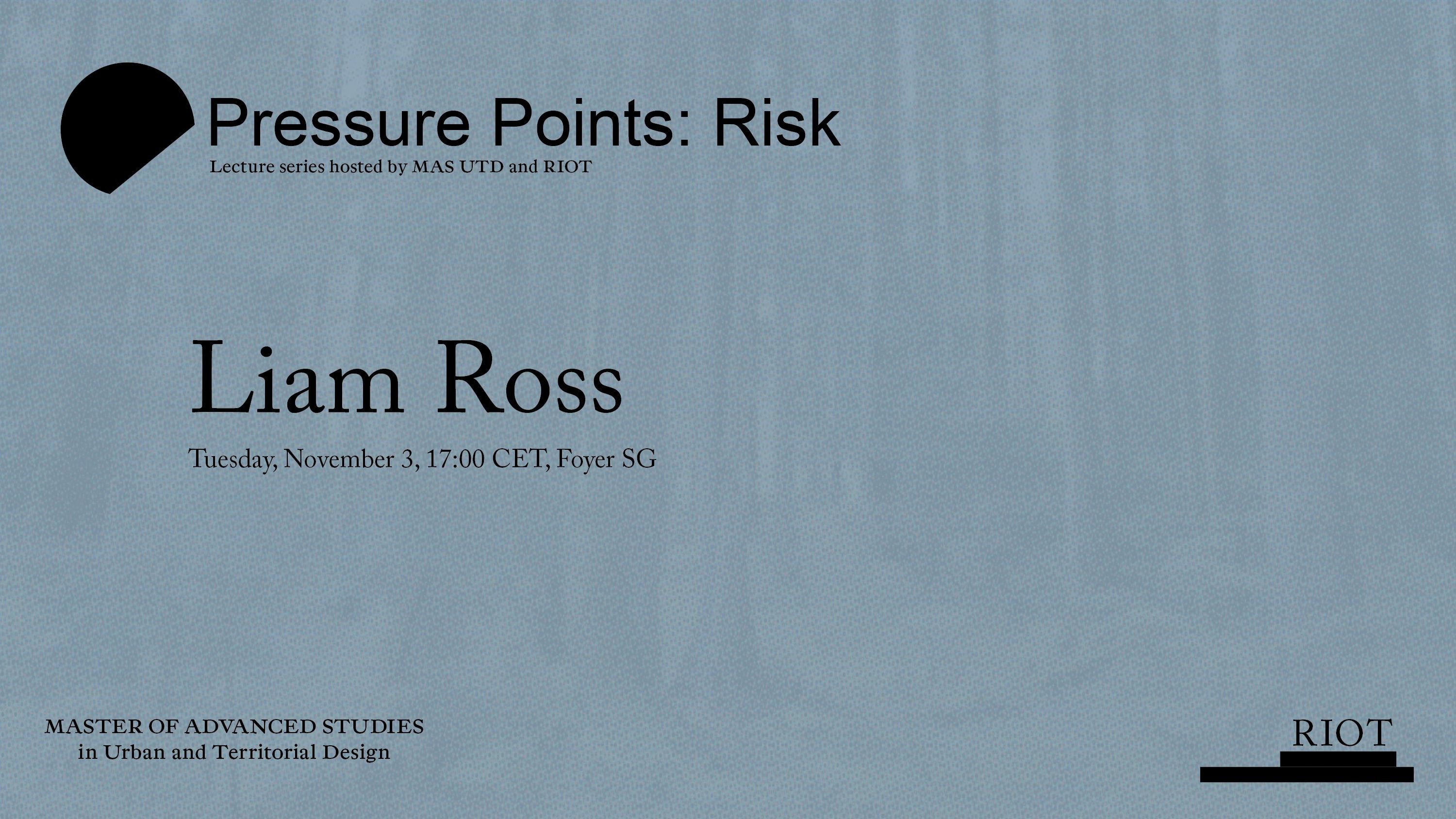
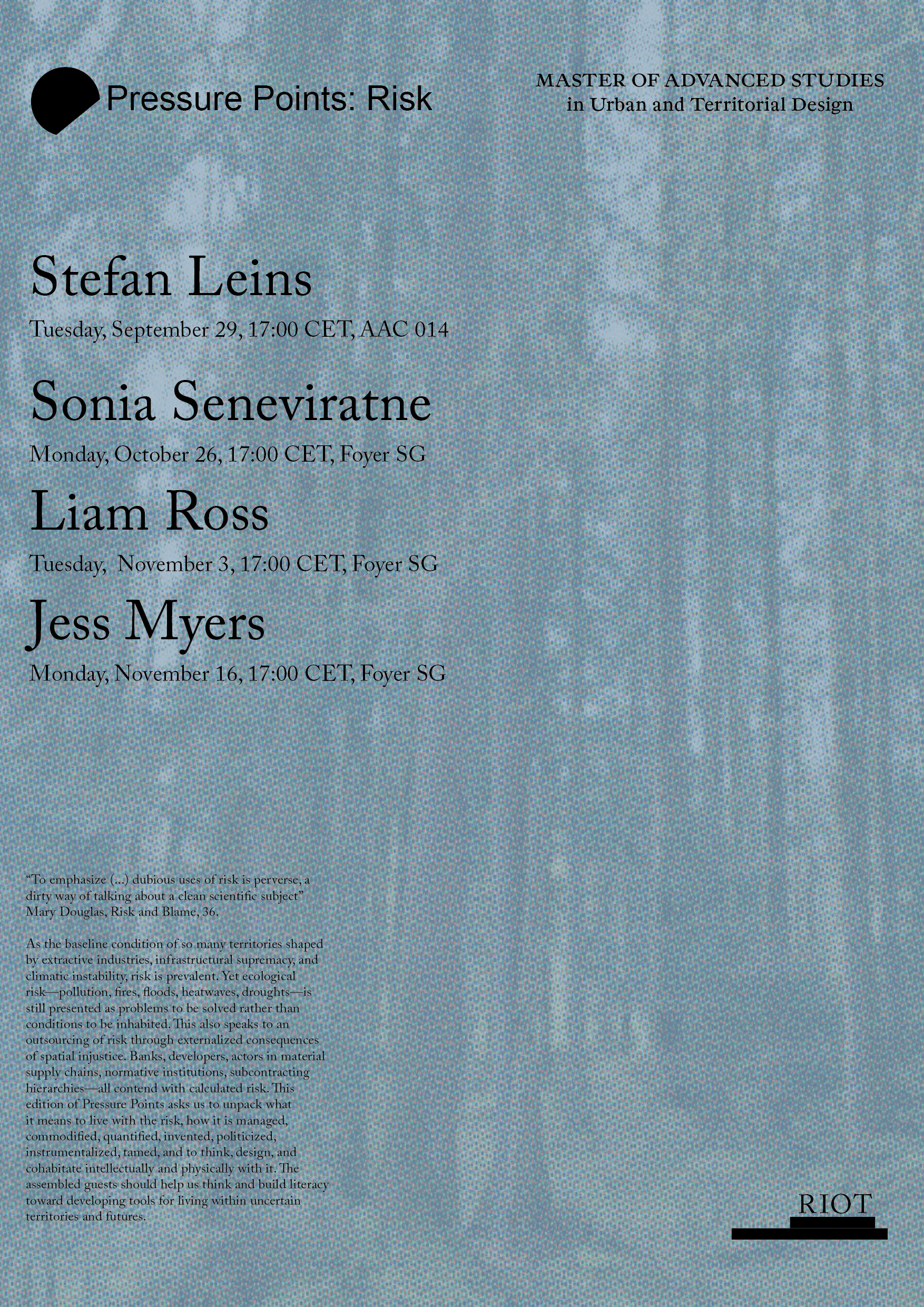
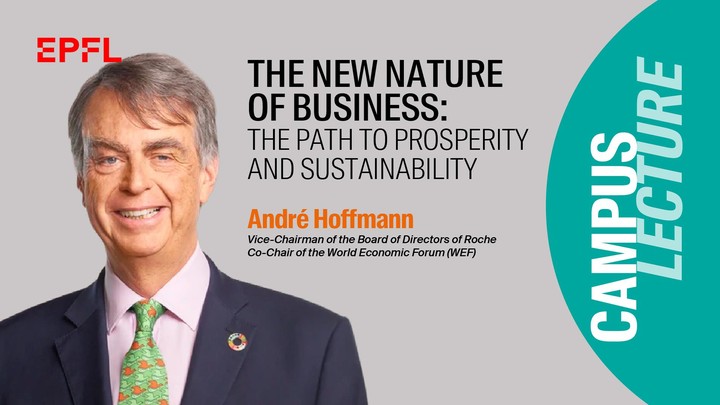
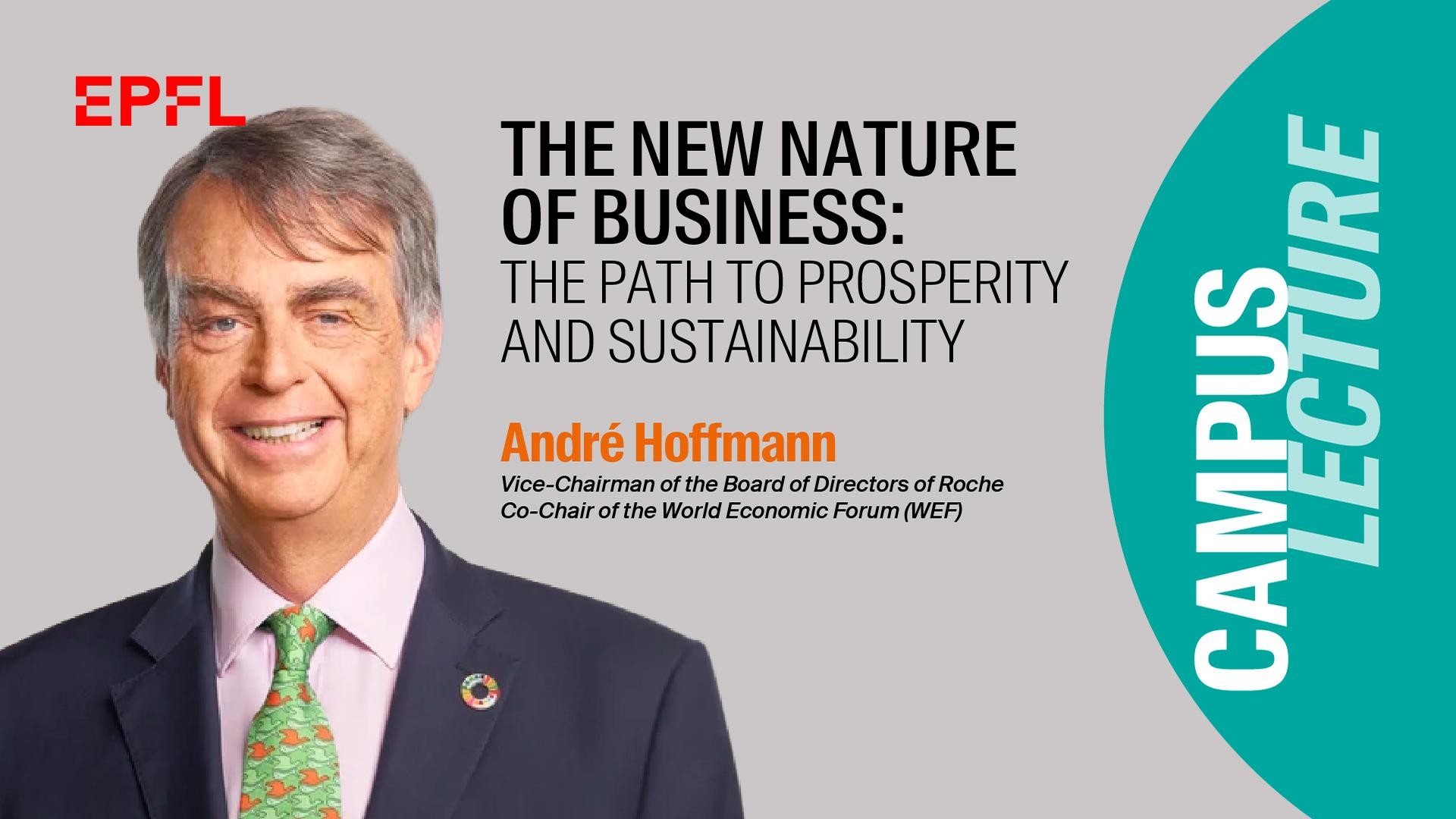
{ "count": 253, "next": "https://memento.epfl.ch/api/v1/events/?format=api&limit=10&offset=140&ordering=event__start_date", "previous": "https://memento.epfl.ch/api/v1/events/?format=api&limit=10&offset=120&ordering=event__start_date", "results": [ { "id": 67104, "title": "SNSF Ambizione 2026: Call now open", "slug": "snsf-ambizione-2026-call-now-open", "event_url": "https://memento.epfl.ch/event/snsf-ambizione-2026-call-now-open", "visual_url": "https://memento.epfl.ch/image/28792/200x112.jpg", "visual_large_url": "https://memento.epfl.ch/image/28792/720x405.jpg", "visual_maxsize_url": "https://memento.epfl.ch/image/28792/max-size.jpg", "lang": "en", "start_date": "2026-11-03", "end_date": "2026-11-03", "start_time": null, "end_time": null, "description": "<ul>\r\n\t<li>The Swiss National Science Foundation (SNSF) awards <a href=\"https://www.snf.ch/en/N18L3oGWomTSSGkF/funding/careers/ambizione\">Ambizione</a> grants to outstanding <strong>postdoctoral researchers</strong> who intend to pursue a scientific or an academic career at a <strong>Swiss research institution</strong>. The purpose of the Ambizione grant is to help researchers build their scientific profile and become scientifically self-reliant at an early stage with an <strong>independent research project</strong>. Ambizione grants are open to researchers from <strong>all disciplines</strong>.<br>\r\n\t </li>\r\n\t<li><strong>Eligibility: </strong>1-4 years after doctoral exam + min. 1 year of postdoctoral research; <strong>Professors </strong>in permanent or temporary employment, with or without tenure track, are <strong>not eligible</strong>.</li>\r\n</ul>\r\n<strong> Important change in 2026: </strong><br>\r\n <strong>> </strong>Candidates must have a <strong>link with Switzerland</strong>: they must be of Swiss nationality, OR hold a degree from a Swiss higher education institution (master's degree, doctorate, medical diploma, FMH specialist title or equivalent), OR <strong>have carried out research or clinical work in a Swiss research institution for at least 12 months between the completion of their doctorate or medical diploma and the submission deadline.</strong><br>\r\n<br>\r\n<strong> > Each contact person</strong> (e.g. a professor at the selected research institution) <strong>can only support one applicant</strong>.<br>\r\n \r\n<ul>\r\n\t<li><strong>Funding:</strong> max.<strong> CHF 250K </strong>for max.<strong> 4 years </strong>(PhD or Postdoc salaries are not eligible costs) + applicant's salary.</li>\r\n</ul>\r\n<br>\r\n<br>\r\n<strong>Two upcoming infosessions: </strong>\r\n\r\n<ul>\r\n\t<li>SNSF infosession: 13 August 2026, 10:00-11:30am, register <a href=\"https://events.teams.microsoft.com/event/e83e9af0-fa72-4274-a505-e79ff22fbfca@d3df0f6b-32ad-4977-a262-b7727bdb4257\">here</a>.</li>\r\n\t<li>EPFL applicant Workshop: 15 September 2026, 11-12am, register <a href=\"https://forms.gle/WEdhTwJVxX3rMVoA9\">here</a>.</li>\r\n</ul>\r\n<br>\r\n<strong>How to get EPFL support?</strong><br>\r\nThe SNSF requires two separate letters from the research institution: a detailed confirmation letter and a general confirmation letter. These are obtained through an EPFL pre-application process:\r\n<ul>\r\n\t<li><strong>Identify a host professor</strong> who is ready to support and host you for the entire duration of the project;</li>\r\n\t<li><strong>Read the <a href=\"https://drive.google.com/drive/folders/1nCNLxzLc4qJ49mRafdomEgG1OceqvStW?usp=sharing\">EPFL toolkit</a></strong>: (with particular attention for the <strong><em>SNSF Call document</em></strong> and the document \"<strong><em>EPFL instructions</em></strong>\")</li>\r\n\t<li><strong>Contact your host institute and school</strong> to inquire about their internal deadlines and requirements if no information is available in \"<strong><em>EPFL instructions</em></strong>\";</li>\r\n\t<li><strong>Submit a pre-application</strong> to the EPFL Research Office (Note that internal deadlines are School/ Institute specific. The link to the EPFL pre-application platform is provided in the toolkit's document \"<em><strong>EPFL instructions</strong></em>\").</li>\r\n</ul>\r\n<strong>How to apply </strong>\r\n\r\n<ul>\r\n\t<li>1. Create an account now on <a href=\"https://www.mysnf.ch/login.aspx?returnurl=%2fdefault.aspx\">mySNF</a> and prepare your SNSF-format CV</li>\r\n\t<li>2. Obtain both signed support letters through the EPFL pre-application step</li>\r\n\t<li>3. Submit your SNSF application on mySNF, including both support letters.</li>\r\n</ul>\r\n<strong>Timeline of the call</strong>\r\n\r\n<ul>\r\n\t<li>Launch: 3 August 2026</li>\r\n\t<li>Deadline: 3 November 2026 at 17:00 C.E.T.</li>\r\n\t<li>Earliest start: 1 September 2027</li>\r\n\t<li>Latest start: 1 September 2028</li>\r\n</ul>\r\n<br>\r\n<strong>ReO Services</strong>\r\n\r\n<ul>\r\n\t<li>EPFL Toolkit</li>\r\n\t<li>EPFL applicant workshop (registration link higher up on this page)</li>\r\n\t<li><strong>Grant Writing</strong> services offered on a first-come-first-served basis.</li>\r\n\t<li>Mock interviews</li>\r\n</ul>\r\nFor any questions please contact <a href=\"mailto:[email protected]\">[email protected]</a>", "image_description": "", "creation_date": "2024-10-01T08:22:36", "last_modification_date": "2026-08-25T13:01:20", "link_label": "", "link_url": "", "canceled": "False", "cancel_reason": "", "place_and_room": "", "url_place_and_room": "", "url_online_room": "", "spoken_languages": [], "speaker": "", "organizer": "", "contact": "<a href=\"http://[email protected]\">Research Office</a>", "is_internal": "False", "theme": "", "vulgarization": { "id": 1, "fr_label": "Tout public", "en_label": "General public" }, "registration": { "id": 3, "fr_label": "Entrée libre", "en_label": "Free" }, "keywords": "", "file": null, "icalendar_url": "https://memento.epfl.ch/event/export/113668/", "category": { "id": 16, "code": "PROP", "fr_label": "Appel à proposition", "en_label": "Call for proposal", "activated": true }, "academic_calendar_category": null, "domains": [], "mementos": [ "https://memento.epfl.ch/api/v1/mementos/1/?format=api", "https://memento.epfl.ch/api/v1/mementos/3/?format=api", "https://memento.epfl.ch/api/v1/mementos/4/?format=api", "https://memento.epfl.ch/api/v1/mementos/5/?format=api", "https://memento.epfl.ch/api/v1/mementos/6/?format=api", "https://memento.epfl.ch/api/v1/mementos/8/?format=api", "https://memento.epfl.ch/api/v1/mementos/9/?format=api", "https://memento.epfl.ch/api/v1/mementos/140/?format=api", "https://memento.epfl.ch/api/v1/mementos/145/?format=api" ] }, { "id": 72599, "title": "Pressure Points: Risk - Liam Ross / RIOT, MAS UTD", "slug": "pressure-points-risk-liam-ross-riot-mas-utd", "event_url": "https://memento.epfl.ch/event/pressure-points-risk-liam-ross-riot-mas-utd", "visual_url": "https://memento.epfl.ch/image/33843/200x112.jpg", "visual_large_url": "https://memento.epfl.ch/image/33843/720x405.jpg", "visual_maxsize_url": "https://memento.epfl.ch/image/33843/max-size.jpg", "lang": "en", "start_date": "2026-11-03", "end_date": "2026-11-03", "start_time": "17:00:00", "end_time": "19:00:00", "description": "<p>“To emphasize (...) dubious uses of risk is perverse, a dirty way of talking about a<br>\r\nclean scientific subject”<br>\r\nMary Douglas, <em>Risk and Blame,</em> 36.<br>\r\n<br>\r\nAs the baseline condition of so many territories shaped by extractive industries, administrative delay, and climatic instability, risk is prevalent. Yet ecological risk—pollution, fires, floods, heatwaves, droughts—is still presented as problems to be solved rather than conditions to be inhabited. This also speaks to an outsourcing of risk through externalized consequences of spatial injustice. Banks, developers, material supply chains, normative institutions, subcontracting hierarchies —all contend with calculated risk. This edition of <u>Pressure Points</u> asks us to unpack what it means to live with the risk, how it is managed, commodified, quantified, invented, politicized, instrumentalized, tamed, and to think, design, cohabitate intellectually and physically with it. The assembled guests should help us think and build literacy toward developing tools for living within uncertain territories and futures. <br>\r\n<br>\r\n<u>Liam Ross </u><br>\r\nTuesday, November 3, 17:00 CET<br>\r\n<br>\r\n<a href=\"https://www.eca.ed.ac.uk/profile/dr-liam-ross\"><u>Liam Ross</u></a> is an architect and senior lecturer in Architectural Design at the University of Edinburgh, with a focus on building standardisation as a mode of architectural design, and in particular on fire-safety regulation. He also examines how those standards produce surprising side-effects as they are reinterpreted in practice. His book Pyrotechnic Cities: Architecture, Fire-Safety and Standardisation was published by Routledge in 2022, and describes the way that architectural design is an instrument of political agency. <br>\r\nHis work has been exhibited and published widely, including in Architectural Research Quarterly (arq), Arch+, and journalistic outlets such as Blueprint, Prospect, and Volume.<br>\r\nRoss has experience of practice in the UK and US, including a period of 5 years with Malcolm Fraser Architects, and maintains a relationship with professional practice as co-founder of ESALA Projects, a consultancy offering pro-bono and for-fee design services to public and third-sector clients. His most recent work, published in January 2026 in Architectural Research Quarterly, includes a co-authored article with Jon Goodbun entitled ‘Design and the extended building site: Ecologies of production and the production of ecologies’, which reframes the building site as an 'extended' socioecological system reaching across the global supply chains, material extraction, and labour that construction depends on, arguing that building is an ecological and political process rather than a purely material one.<br>\r\n<br>\r\n<a href=\"https://www.riot.today/\">RIOT (Research and Innovation on Territory)</a> is a laboratory engaged in pedagogy and research within the Institute of Architecture (ENAC) at the Swiss Federal Institute of Technology–EPFL, led by Charlotte Malterre-Barthes with Elif Erez, Flore Guichot, Jeremy Ratib, Summer Islam, Antoine Iweins, Kathy Kao, Nathalie Marj, Romain Dubetier-Grenier, Sylvie Clavel, and Saira Mohammed. Believing that the construction sector and design disciplines must pivot and wholeheartedly engage in the current social and climatic urgencies by rewiring themselves to face and repair the harm, RIOT utilizes tactics and strategies to decarbonize, decolonize, and depatriarchalize space production–by design. <br>\r\n </p>", "image_description": "Event poster", "creation_date": "2026-09-16T14:54:57", "last_modification_date": "2026-09-25T13:42:02", "link_label": "", "link_url": "", "canceled": "False", "cancel_reason": "", "place_and_room": "Foyer SG", "url_place_and_room": "", "url_online_room": "", "spoken_languages": [ "https://memento.epfl.ch/api/v1/spoken_languages/2/?format=api" ], "speaker": "<a href=\"https://www.eca.ed.ac.uk/profile/dr-liam-ross\"><u>Liam Ross</u></a> is an architect and senior lecturer in Architectural Design at the University of Edinburgh, with a focus on building standardisation as a mode of architectural design, and in particular on fire-safety regulation. He also examines how those standards produce surprising side-effects as they are reinterpreted in practice. His book Pyrotechnic Cities: Architecture, Fire-Safety and Standardisation was published by Routledge in 2022, and describes the way that architectural design is an instrument of political agency. His work has been exhibited and published widely, including in Architectural Research Quarterly (arq), Arch+, and journalistic outlets such as Blueprint, Prospect, and Volume. Ross has experience of practice in the UK and US, including a period of 5 years with Malcolm Fraser Architects, and maintains a relationship with professional practice as co-founder of ESALA Projects, a consultancy offering pro-bono and for-fee design services to public and third-sector clients. His most recent work, published in January 2026 in Architectural Research Quarterly, includes a co-authored article with Jon Goodbun entitled ‘Design and the extended building site: Ecologies of production and the production of ecologies’, which reframes the building site as an 'extended' socioecological system reaching across the global supply chains, material extraction, and labour that construction depends on, arguing that building is an ecological and political process rather than a purely material one.", "organizer": "RIOT, MAS UTD", "contact": "Elif Erez, [email protected]", "is_internal": "False", "theme": "", "vulgarization": { "id": 2, "fr_label": "Public averti", "en_label": "Informed public" }, "registration": { "id": 3, "fr_label": "Entrée libre", "en_label": "Free" }, "keywords": "risk, territory, ecology, architecture, spatial justice, material supply chains, extraction", "file": "https://memento.epfl.ch/public/upload/files/2026PressurePointsPosterA3UPDATED_a2BW9qX.jpg", "icalendar_url": "https://memento.epfl.ch/event/export/121826/", "category": { "id": 1, "code": "CONF", "fr_label": "Conférences - Séminaires", "en_label": "Conferences - Seminars", "activated": true }, "academic_calendar_category": null, "domains": [], "mementos": [ "https://memento.epfl.ch/api/v1/mementos/4/?format=api", "https://memento.epfl.ch/api/v1/mementos/32/?format=api" ] }, { "id": 72658, "title": "Sustainable Labs: Get Involved", "slug": "sustainable-labs-get-involved-9", "event_url": "https://memento.epfl.ch/event/sustainable-labs-get-involved-9", "visual_url": "https://memento.epfl.ch/image/33911/200x112.jpg", "visual_large_url": "https://memento.epfl.ch/image/33911/720x405.jpg", "visual_maxsize_url": "https://memento.epfl.ch/image/33911/max-size.jpg", "lang": "en", "start_date": "2026-11-03", "end_date": "2027-01-12", "start_time": "12:15:00", "end_time": "13:00:00", "description": "<br>\r\nThe <strong>EPFL Sustainable Labs team</strong> is pleased to welcome you to its recurring <strong>\"Sustainable Labs: Get Involved\"</strong> sessions. Held every week, alternating between <strong>Tuesdays and Thursdays</strong>, these sessions provide an opportunity for laboratories, platforms, centers, and units to receive guidance and support on implementing more sustainable laboratory practices.<br>\r\n<br>\r\nThe <strong>Sustainable Labs initiative</strong> is part of EPFL's <em>Climate & Sustainability Strategy 2030</em>, which aims to reduce greenhouse gas emissions by an average of <strong>40% compared to 2006/2019 levels</strong> and achieve <strong>climate neutrality by 2040</strong>.<br>\r\n<br>\r\n→<a href=\"https://www.epfl.ch/about/sustainability/sustainability/green-labs_draft_ag/\"> </a><strong><a href=\"https://www.epfl.ch/about/sustainability/sustainability/green-labs_draft_ag/\">Learn more about the EPFL Sustainable Labs initiative</a>.</strong><br>\r\n<br>\r\nResearch activities are a key lever for achieving these ambitious goals. However, while cutting-edge research drives innovation, it also carries a significant environmental footprint. Laboratories consume large amounts of energy, generate substantial quantities of plastic, chemical, and biological waste, and contribute considerably to greenhouse gas emissions. At EPFL, we are committed to understanding and reducing this impact. Through the development and deployment of the <strong>EPFL CO₂ Calculator</strong>, we help researchers measure, understand, and improve the environmental performance of their activities.<br>\r\n<br>\r\nFrom <strong>October 8 to December 17, 2026</strong>, the <strong>Sustainable Labs: Get Involved</strong> sessions will focus on training and supporting users in the use of the <strong>EPFL CO₂ Calculator</strong>. This tool enables laboratories, platforms, centers, and central units to estimate their carbon footprint, identify major emission hotspots, and support informed decision-making to reduce their environmental impact through targeted actions.<br>\r\n<br>\r\nHere are the planned sessions : \r\n<ul>\r\n\t<li>Thursday October 8th 12:15-13:00 (online) </li>\r\n\t<li>Tuesday October 13th 12:15-13:00 (MA A0 364)</li>\r\n\t<li>Thursday October 22th 12:15-13:00 (online) </li>\r\n\t<li>Tuesday October 27th 12:15-13:00 (MA A0 364)</li>\r\n\t<li>Thursday November 5th 12:15-13:00(online) </li>\r\n\t<li>Tuesday November 10th 12:15-13:00 (MA A0 364)</li>\r\n\t<li>Thursday November 19th 12:15-13:00 (online) </li>\r\n\t<li>Tuesday November 24th 12:15-13:00 (MA A0 364)</li>\r\n\t<li>Thursday December 3rd 12:15-13:00 (online) </li>\r\n\t<li>Tuesday December 8th 12:15-13:00 (MA A0 364)</li>\r\n\t<li>Thursday December 17th 12:15-13:00 (online) </li>\r\n</ul>\r\nSessions can be held in English and/ or French depending on the participants. <br>\r\n<br>\r\n→ Please register <a href=\"https://docs.google.com/forms/d/e/1FAIpQLSd7Cp6LevgtBLtsWIsKr2Ec_HPGjJgimmwEaGAN5U4M4-2rrg/viewform\">here</a>. For physical sessions, standing lunch will be provided!<br>\r\n<br>\r\nWhether you have questions about the EPFL CO₂ Calculator, need help interpreting your results, or would like advice on implementing more sustainable laboratory practices, our team will be happy to support you and answer your questions! <br>\r\n ", "image_description": "", "creation_date": "2026-09-23T10:53:52", "last_modification_date": "2026-09-23T10:53:51", "link_label": "", "link_url": "", "canceled": "True", "cancel_reason": "", "place_and_room": "MA A0 364", "url_place_and_room": "", "url_online_room": "https://epfl.zoom.us/j/63013630338", "spoken_languages": [ "https://memento.epfl.ch/api/v1/spoken_languages/1/?format=api", "https://memento.epfl.ch/api/v1/spoken_languages/2/?format=api" ], "speaker": "", "organizer": "Mai-Phuong Dinh", "contact": "[email protected] ", "is_internal": "True", "theme": "", "vulgarization": { "id": 1, "fr_label": "Tout public", "en_label": "General public" }, "registration": { "id": 3, "fr_label": "Entrée libre", "en_label": "Free" }, "keywords": "", "file": null, "icalendar_url": "https://memento.epfl.ch/event/export/121906/", "category": { "id": 15, "code": "FORM", "fr_label": "Formations internes", "en_label": "Internal trainings", "activated": true }, "academic_calendar_category": null, "domains": [], "mementos": [ "https://memento.epfl.ch/api/v1/mementos/1/?format=api", "https://memento.epfl.ch/api/v1/mementos/4/?format=api", "https://memento.epfl.ch/api/v1/mementos/5/?format=api", "https://memento.epfl.ch/api/v1/mementos/6/?format=api", "https://memento.epfl.ch/api/v1/mementos/8/?format=api", "https://memento.epfl.ch/api/v1/mementos/9/?format=api", "https://memento.epfl.ch/api/v1/mementos/79/?format=api" ] }, { "id": 72701, "title": "The New Nature of Business: The Path to Prosperity and Sustainability", "slug": "the-new-nature-of-business-the-path-to-prosperit-2", "event_url": "https://memento.epfl.ch/event/the-new-nature-of-business-the-path-to-prosperit-2", "visual_url": "https://memento.epfl.ch/image/33925/200x112.jpg", "visual_large_url": "https://memento.epfl.ch/image/33925/720x405.jpg", "visual_maxsize_url": "https://memento.epfl.ch/image/33925/max-size.jpg", "lang": "en", "start_date": "2026-11-03", "end_date": "2026-11-03", "start_time": "17:15:00", "end_time": "19:00:00", "description": "<em>How can we reconcile economic value creation, the preservation of nature and collective prosperity? What transformations are needed for businesses to have a positive and lasting impact?</em><br>\r\n<br>\r\nTo explore these questions, EPFL is pleased to invite you to a special Campus Lecture with Mr André Hoffmann, Vice-Chairman of the Board of Directors of Roche, Co-Chair of the World Economic Forum and former Vice-President of WWF. To mark the publication of his book <em>The New Nature of Business: The Path to Prosperity & Sustainability</em>, André Hoffmann will share his thoughts on how capitalism is evolving in the face of the climate, environmental and societal challenges of our time, and on how businesses can respond to them. This Campus Lecture will offer an opportunity to explore the transformations the business world must undergo to tackle climate change and preserve biodiversity.<br>\r\n<br>\r\n<strong>About André Hoffmann</strong><br>\r\nMr André Hoffmann is a Swiss businessman. A member of the Board of Directors of Roche since 1996 and Vice-Chairman of the group, he is also Co-Chair of the World Economic Forum alongside Laurence D. Fink. The son of ornithologist and WWF co-founder Luc Hoffmann, André Hoffmann served for many years as Vice-President of WWF and is an active investor in projects related to sustainability and the energy transition. In 2024, together with journalist Peter Vanham, he published <em>The New Nature of Business</em>, a case for a form of capitalism that places natural, social and human capital alongside financial capital.", "image_description": "Portrait de André Hoffmann", "creation_date": "2026-09-28T19:52:01", "last_modification_date": "2026-09-28T19:55:20", "link_label": "REGISTRATION", "link_url": "https://forms.cloud.microsoft/e/YS89Pr1f55", "canceled": "False", "cancel_reason": "", "place_and_room": "Forum Rolex", "url_place_and_room": "https://plan.epfl.ch/?room==RLC%20E1%20240", "url_online_room": "", "spoken_languages": [ "https://memento.epfl.ch/api/v1/spoken_languages/2/?format=api" ], "speaker": "", "organizer": "", "contact": "Nicolas Hocq", "is_internal": "False", "theme": "", "vulgarization": { "id": 1, "fr_label": "Tout public", "en_label": "General public" }, "registration": { "id": 3, "fr_label": "Entrée libre", "en_label": "Free" }, "keywords": "Sustainability", "file": null, "icalendar_url": "https://memento.epfl.ch/event/export/121976/", "category": { "id": 1, "code": "CONF", "fr_label": "Conférences - Séminaires", "en_label": "Conferences - Seminars", "activated": true }, "academic_calendar_category": null, "domains": [], "mementos": [ "https://memento.epfl.ch/api/v1/mementos/1/?format=api", "https://memento.epfl.ch/api/v1/mementos/3/?format=api", "https://memento.epfl.ch/api/v1/mementos/6/?format=api", "https://memento.epfl.ch/api/v1/mementos/79/?format=api", "https://memento.epfl.ch/api/v1/mementos/145/?format=api" ] }, { "id": 72720, "title": "MechE Colloquium: Biomechanics and fluid dynamics of freshwater insects across walking, swimming, and flight", "slug": "meche-colloquium-biomechanics-and-fluid-dynamics-o", "event_url": "https://memento.epfl.ch/event/meche-colloquium-biomechanics-and-fluid-dynamics-o", "visual_url": "https://memento.epfl.ch/image/33937/200x112.jpg", "visual_large_url": "https://memento.epfl.ch/image/33937/720x405.jpg", "visual_maxsize_url": "https://memento.epfl.ch/image/33937/max-size.jpg", "lang": "en", "start_date": "2026-11-03", "end_date": "2026-11-03", "start_time": "12:00:00", "end_time": "13:00:00", "description": "<strong>Abstract: </strong>Many animals, including humans, can transition between multiple modes of locomotion between diverse environments (e.g., the transition from walking to swimming). Bimodality is common, but trimodality—that is, the ability to successfully navigate between aerial, aquatic, and terrestrial environments—is relatively rare. Multimodality is also challenging to achieve in engineered devices, vehicles, and robots; however, several animals are capable of regularly (and easily) traversing environmental boundaries. In this talk, we will outline several of the general adaptations that living organisms use to locomote between land, air, and water. We will then present recent work on the biomechanics and fluid dynamics of trimodal aquatic insects. These insects exhibit hybrid walking-swimming gaits when transitioning from land to shallow water; they also leverage surface tension, buoyancy, fluid drag, and aerodynamic forces to take off into flight directly from the water surface. They also display underwater agility, using their legs as paddles to propel themselves rapidly as they seek prey and/or escape from predators. They also have interesting morphological features to enable these transitions, including superhydrophobic wings and hemelytra, as well as dense setae lining the metathoracic legs. These bristle-like features create shape-morphing appendages for efficient swimming, and are also used to lever the insect’s body off the deforming water surface during takeoff. In this talk, we will present data from all three locomotor modes and discuss their implications for both fundamental biology and ecology as well as bioinspired engineering and technology development.<br>\r\n<br>\r\n<br>\r\n<strong>Biography: </strong>Dr. Margaret L. Byron is currently the Martin W. Trethewey Early Career Professor in Mechanical Engineering at Penn State University, and is a recipient of the NSF CAREER Award, the Beckman Young Investigator Award, and the American Chemical Society Doctoral New Investigator Award. She earned her B.S. in Mechanical and Aerospace Engineering from Princeton University in 2010 and her MS/PhD in Civil and Environmental Engineering from the University of California Berkeley in 2012/2015. She works at the interface of biology, physics, and engineering, with interests including the fluid dynamics of animal locomotion and the transport of irregularly shaped inertial particles in turbulent flows (including sediment, aggregates, and microplastics). She is currently on sabbatical at EPFL as a Visiting Professor in the UNFoLD lab.", "image_description": "", "creation_date": "2026-09-29T15:49:49", "last_modification_date": "2026-09-29T15:54:40", "link_label": "", "link_url": "", "canceled": "False", "cancel_reason": "", "place_and_room": "MED 0 1418", "url_place_and_room": "https://plan.epfl.ch/?room==MED%200%201418", "url_online_room": "https://epfl.zoom.us/j/61360740951", "spoken_languages": [ "https://memento.epfl.ch/api/v1/spoken_languages/2/?format=api" ], "speaker": "<a href=\"https://iee.psu.edu/people/margaret-byron\">Prof. Margaret Byron</a>, <a href=\"https://iee.psu.edu/home\">Institute of Energy and the Environment</a>, <a href=\"https://www.psu.edu/\">The Pennsylvania State University</a>", "organizer": "<a href=\"https://people.epfl.ch/karen.mulleners?lang=en\">Prof. Karen Mulleners</a>", "contact": "<a href=\"mailto:[email protected]\">Institute of Mechanical Engineering</a>", "is_internal": "False", "theme": "", "vulgarization": { "id": 1, "fr_label": "Tout public", "en_label": "General public" }, "registration": { "id": 3, "fr_label": "Entrée libre", "en_label": "Free" }, "keywords": "MechE Colloquium: Biomechanics and fluid dynamics of freshwater insects across walking, swimming, and flight", "file": null, "icalendar_url": "https://memento.epfl.ch/event/export/122000/", "category": { "id": 1, "code": "CONF", "fr_label": "Conférences - Séminaires", "en_label": "Conferences - Seminars", "activated": true }, "academic_calendar_category": null, "domains": [], "mementos": [ "https://memento.epfl.ch/api/v1/mementos/1/?format=api", "https://memento.epfl.ch/api/v1/mementos/6/?format=api", "https://memento.epfl.ch/api/v1/mementos/232/?format=api", "https://memento.epfl.ch/api/v1/mementos/270/?format=api" ] }, { "id": 71505, "title": "Gräff & ... Labs", "slug": "graff-labs", "event_url": "https://memento.epfl.ch/event/graff-labs", "visual_url": "https://memento.epfl.ch/image/32844/200x112.jpg", "visual_large_url": "https://memento.epfl.ch/image/32844/720x405.jpg", "visual_maxsize_url": "https://memento.epfl.ch/image/32844/max-size.jpg", "lang": "en", "start_date": "2026-11-04", "end_date": "2026-11-04", "start_time": "12:15:00", "end_time": "13:15:00", "description": "<em>Hybrid - By invitation only</em><br>\r\n<br>\r\nGräff Lab: Gabriel Berdugo-Vega <br>\r\n<br>\r\nTitle:<br>\r\n<br>\r\n ", "image_description": "", "creation_date": "2026-03-31T15:20:29", "last_modification_date": "2026-05-15T13:16:13", "link_label": "", "link_url": "", "canceled": "False", "cancel_reason": "", "place_and_room": "SV 1717", "url_place_and_room": "https://plan.epfl.ch/?room==SV%201717", "url_online_room": "", "spoken_languages": [ "https://memento.epfl.ch/api/v1/spoken_languages/2/?format=api" ], "speaker": "Gabriel Berdugo-Vega & ...", "organizer": "SV BMI", "contact": "[email protected]", "is_internal": "False", "theme": "", "vulgarization": { "id": 2, "fr_label": "Public averti", "en_label": "Informed public" }, "registration": { "id": 3, "fr_label": "Entrée libre", "en_label": "Free" }, "keywords": "", "file": null, "icalendar_url": "https://memento.epfl.ch/event/export/120250/", "category": { "id": 1, "code": "CONF", "fr_label": "Conférences - Séminaires", "en_label": "Conferences - Seminars", "activated": true }, "academic_calendar_category": null, "domains": [], "mementos": [ "https://memento.epfl.ch/api/v1/mementos/19/?format=api" ] }, { "id": 72421, "title": "Molecular Surgery: One C–H Bond at a Time, Wherever Selectivity Leads", "slug": "molecular-surgery-one-ch-bond-at-a-time-wherever-s", "event_url": "https://memento.epfl.ch/event/molecular-surgery-one-ch-bond-at-a-time-wherever-s", "visual_url": null, "visual_large_url": null, "visual_maxsize_url": null, "lang": "en", "start_date": "2026-11-04", "end_date": "2026-11-04", "start_time": "17:15:00", "end_time": "18:30:00", "description": "<p>Prof. Emilio Carlos de Lucca Junior - Associate Professor at Institute of Chemistry – University of Campinas</p>", "image_description": "", "creation_date": "2026-08-24T15:40:53", "last_modification_date": "2026-09-15T11:14:45", "link_label": "", "link_url": "http://www.researcherid.com/rid/B-9203-2017", "canceled": "False", "cancel_reason": "", "place_and_room": "Salle Génopode", "url_place_and_room": "", "url_online_room": "", "spoken_languages": [ "https://memento.epfl.ch/api/v1/spoken_languages/2/?format=api" ], "speaker": "Prof Emilio C de Lucca, Jr. (University of Campinas, Brazil) ", "organizer": "Prof. Jieping Zhu", "contact": "Jieping Zhu, Souad Di Meo", "is_internal": "False", "theme": "", "vulgarization": { "id": 1, "fr_label": "Tout public", "en_label": "General public" }, "registration": { "id": 3, "fr_label": "Entrée libre", "en_label": "Free" }, "keywords": "ocseminar", "file": null, "icalendar_url": "https://memento.epfl.ch/event/export/121557/", "category": { "id": 1, "code": "CONF", "fr_label": "Conférences - Séminaires", "en_label": "Conferences - Seminars", "activated": true }, "academic_calendar_category": null, "domains": [], "mementos": [ "https://memento.epfl.ch/api/v1/mementos/5/?format=api", "https://memento.epfl.ch/api/v1/mementos/14/?format=api" ] }, { "id": 72564, "title": "CIFAR Global Scholars Program", "slug": "cifar-global-scholars-program", "event_url": "https://memento.epfl.ch/event/cifar-global-scholars-program", "visual_url": "https://memento.epfl.ch/image/33815/200x112.jpg", "visual_large_url": "https://memento.epfl.ch/image/33815/720x405.jpg", "visual_maxsize_url": "https://memento.epfl.ch/image/33815/max-size.jpg", "lang": "en", "start_date": "2026-11-04", "end_date": "2026-11-04", "start_time": null, "end_time": null, "description": "<strong>Aim: </strong>The CIFAR Global Scholars Program offers early-career researchers the opportunity to develop and lead high-risk, high-reward interdisciplinary research, expand their professional networks and receive focused leadership training in their pivotal first years as independent investigators.<br>\r\nCIFAR welcomes applications from candidates across the natural, biomedical, and social sciences, as well as the humanities. Successful applicants join one of CIFAR’s interdisciplinary research programs, collaborating with global research leaders to advance transformative knowledge and address some of the most important questions facing science and humanity<br>\r\n<br>\r\nFor the 2027-2029 cohort, the following CIFAR research programs are accepting applications:\r\n<ul>\r\n\t<li><a href=\"https://cifar.ca/research-programs/boundaries-membership-belonging/\" target=\"_blank\">Boundaries, Membership & Belonging</a></li>\r\n\t<li><a href=\"https://cifar.ca/research-programs/brain-mind-consciousness/\" target=\"_blank\">Brain, Mind & Consciousness</a></li>\r\n\t<li><a href=\"https://cifar.ca/research-programs/fungal-kingdom/\" target=\"_blank\">Fungal Kingdom: Threats & Opportunities</a></li>\r\n\t<li><a href=\"https://cifar.ca/research-programs/healthy-microbiomes/\" target=\"_blank\">Healthy Microbiomes in a Changing World</a></li>\r\n\t<li><a href=\"https://cifar.ca/research-programs/innovation-equity-the-future-of-prosperity/\" target=\"_blank\">Innovation, Equity & the Future of Prosperity</a></li>\r\n</ul>\r\n<br>\r\n<strong>Funding</strong>: CAD $100,000<br>\r\n(+ opportunity to apply for additional seed funds)<br>\r\n<br>\r\n<strong>Duration</strong>: 2 years<br>\r\n<br>\r\n<strong>Eligibility: </strong>Applicants may be based anywhere in the world, must hold a PhD (or equivalent) and must hold a full-time position at an institution of higher education or research as a principal investigator. At institutions with a tenure-track system (like EPFL), applicants are expected to hold a tenure-track position. Applicants must have started their first PI position no earlier than July 1, 2022 and no later than December 31, 2026.<br>\r\n<br>\r\n<strong>How to Apply</strong>: Applications are made through an <a href=\"https://cifarportal.smapply.io/prog/cifar_global_scholars_program/\">online application portal</a>, and include a Summary section, a Detailed section, academic and narrative CV, and two Letters of recommendation. Further instructions are available <a href=\"https://docs.google.com/document/d/1ZgIiIXNZRkCF1nhYPvnerQWUEOAbtOeVpqUuY3dDJNs/edit?tab=t.0\">here</a>.<br>\r\n<br>\r\n<strong>Deadline: </strong>4 November 2026 (12 noon EST)<br>\r\n<br>\r\n<strong>Further information</strong>\r\n\r\n<ul>\r\n\t<li>More information about the program is available <a href=\"https://cifar.ca/next-generation/global-scholars/\">here</a></li>\r\n\t<li>The application portal can be found <a href=\"https://cifarportal.smapply.io/prog/cifar_global_scholars_program/\">here</a></li>\r\n\t<li>For any other questions, please contact the <a href=\"mailto:[email protected]\">Research Office</a></li>\r\n</ul>", "image_description": "", "creation_date": "2026-09-11T14:21:54", "last_modification_date": "2026-09-11T14:23:03", "link_label": "", "link_url": "", "canceled": "False", "cancel_reason": "", "place_and_room": "", "url_place_and_room": "", "url_online_room": "", "spoken_languages": [], "speaker": "", "organizer": "", "contact": "<a href=\"mailto:[email protected]?subject=CIFAR%20Global%20Scholars\">Research Office</a>", "is_internal": "False", "theme": "", "vulgarization": { "id": 1, "fr_label": "Tout public", "en_label": "General public" }, "registration": { "id": 3, "fr_label": "Entrée libre", "en_label": "Free" }, "keywords": "", "file": null, "icalendar_url": "https://memento.epfl.ch/event/export/121774/", "category": { "id": 16, "code": "PROP", "fr_label": "Appel à proposition", "en_label": "Call for proposal", "activated": true }, "academic_calendar_category": null, "domains": [], "mementos": [ "https://memento.epfl.ch/api/v1/mementos/140/?format=api" ] }, { "id": 72722, "title": "Kissick Family Foundation | Frontotemporal Dementia (FTD) Grant Program 2026–2027", "slug": "kissick-family-foundation-frontotemporal-dementia", "event_url": "https://memento.epfl.ch/event/kissick-family-foundation-frontotemporal-dementia", "visual_url": "https://memento.epfl.ch/image/33939/200x112.jpg", "visual_large_url": "https://memento.epfl.ch/image/33939/720x405.jpg", "visual_maxsize_url": "https://memento.epfl.ch/image/33939/max-size.jpg", "lang": "en", "start_date": "2026-11-04", "end_date": "2026-11-04", "start_time": null, "end_time": null, "description": "<strong>Aim: </strong>This call for proposals solicits basic or early-stage translational research addressing the fundamental aetiologies and mechanisms of sporadic FTD. For this RFP, sporadic FTD is defined as FTD that develops without an identified known causal gene mutation. Projects must have clear relevance to sporadic FTD; studies using <em>GRN</em>, <em>MAPT</em>, or <em>C9orf72</em> models must explain how their findings will inform sporadic FTD beyond known genetic causes.<br>\r\n<br>\r\nThe program will fund its fourth annual cohort and seeks bold, rigorous, collaborative, and catalytic projects that broaden foundational knowledge of FTD and spur diagnostic and therapeutic advances. Responsive topics include basic biology; computational, AI, and data-driven approaches; biomarker discovery and validation; neuroimaging; proteinopathies; neuroinflammation and non-neuronal cells; environmental factors; novel risk factors and disease pathways; and innovative experimental models. Investigators from outside traditional FTD research fields are encouraged to apply, provided the team includes sufficient expertise in FTD biology.<br>\r\n<br>\r\n<strong>Duration</strong>: 2 years<br>\r\n<br>\r\n<strong>Funding</strong>: up to $500,000<br>\r\n<br>\r\n<strong>Eligibility: </strong>Applicants can be based at eligible nonprofit academic or research institutions worldwide, including public or private universities and related research institutions; certain governmental agencies with active biomedical research programs may also apply. The PI must hold a PhD, MD, or related research doctorate and be an <strong>independent investigator </strong>as defined by the host institution. Early-career and newly independent investigators are strongly encouraged. Multidisciplinary collaborations are welcome, but one corresponding PI and one submitting institution must be designated. Institutions may submit multiple proposals, provided each is led by a different PI. Current Kissick Family Foundation FTD grantees may not apply as PIs or co-investigators.<br>\r\n<br>\r\n<strong>How to Apply</strong>: Applicants must first submit a letter of intent through the <a href=\"https://milken.smapply.io/prog/ftd_grant_program/\">SPARC</a> online grant portal. <strong>LOIs can be maximum 750 words</strong> and should include the project title and PI name, indicate the scientific priority area, and present a succinct description of the proposed research approach. LOIs must be single-spaced, use a legible font of at least 11 points, and have one-inch margins.. Projects that are in scope and that propose rigorous, innovative research studies with significant potential to further our understanding of sporadic FTD may be invited to submit a full proposal; notifications will be sent around mid-December. Full proposals would be due in February and require an institutional letter of commitment; for this letter, please contact the <a href=\"mailto:[email protected]?subject=Kissick%20Family%20Foundation%20FTD%20request%20for%20proposals\">Research Office</a>. Eventual awardees may be notified as early as June 2027.<br>\r\n<br>\r\n<strong>Deadline, Letter of Intent: </strong>04 November 2026, 11:59 p.m. ET<br>\r\n<br>\r\n<strong>Further information</strong>\r\n<ul>\r\n\t<li>An <strong>online information session</strong> will be held on 13 October 2026 at 17:00 Swiss time; <a href=\"https://milkeninstitute-org.zoom.us/meeting/register/pkUaoNaURZujsWbcjIQ-uQ\">registration</a> is required.</li>\r\n\t<li>More information about the call is available <a href=\"https://sciencephilanthropy.org/wp-content/uploads/2026/09/MI-KissickFamilyFoundationRFP-2.pdf\">here</a></li>\r\n\t<li>The online portal can be found <a href=\"https://milken.smapply.io/prog/ftd_grant_program/\">here</a></li>\r\n</ul>\r\nFor any other questions, please contact the <a href=\"mailto:[email protected]\">Research Office</a>", "image_description": "", "creation_date": "2026-09-30T15:42:19", "last_modification_date": "2026-09-30T15:43:02", "link_label": "", "link_url": "", "canceled": "False", "cancel_reason": "", "place_and_room": "", "url_place_and_room": "", "url_online_room": "", "spoken_languages": [], "speaker": "", "organizer": "", "contact": "<a href=\"mailto:[email protected]?subject=Kissick%20Family%20Foundation%20-%20FTD%20request%20for%20proposals\">Research Office</a>", "is_internal": "False", "theme": "", "vulgarization": { "id": 1, "fr_label": "Tout public", "en_label": "General public" }, "registration": { "id": 3, "fr_label": "Entrée libre", "en_label": "Free" }, "keywords": "", "file": null, "icalendar_url": "https://memento.epfl.ch/event/export/122002/", "category": { "id": 16, "code": "PROP", "fr_label": "Appel à proposition", "en_label": "Call for proposal", "activated": true }, "academic_calendar_category": null, "domains": [], "mementos": [ "https://memento.epfl.ch/api/v1/mementos/140/?format=api" ] }, { "id": 68778, "title": "ERC Synergy Grants", "slug": "erc-synergy-grants", "event_url": "https://memento.epfl.ch/event/erc-synergy-grants", "visual_url": "https://memento.epfl.ch/image/30331/200x112.jpg", "visual_large_url": "https://memento.epfl.ch/image/30331/720x405.jpg", "visual_maxsize_url": "https://memento.epfl.ch/image/30331/max-size.jpg", "lang": "en", "start_date": "2026-11-05", "end_date": "2026-11-05", "start_time": null, "end_time": null, "description": "<strong>Call closed<br>\r\n<br>\r\nAim</strong><br>\r\nFor a group of <strong>two to maximum four Principal Investigators (PIs) </strong>working together and bringing different skills and resources to tackle ambitious research problems. One will be designated as the corresponding PI (cPI). The synergistic element to solve important research challenges is the key element for successful project proposals.<br>\r\n<br>\r\n<strong>Funding</strong><br>\r\nMax. EUR 10 Mio for a period of max. 6 years (including 25% overhead; pro rata temporis for shorter project duration). However, an additional EUR 4 million can be made available to cover eligible “start-up” costs for researchers moving from a third country to the EU or an associated country and/or the purchase of major equipment and/or access to large facilities and/or other major experimental and field work costs, including personnel costs.<br>\r\n<br>\r\n<strong>Eligibility</strong><br>\r\nNo specific eligibility criteria regarding the academic training are foreseen for ERC Synergy Grants. PIs must present a competitive<strong> </strong>track record as appropriate to their career stage.<br>\r\n<br>\r\n<strong>Deadline for proposal submissions</strong><br>\r\nTBC<br>\r\nProposals are submitted via the <a href=\"https://ec.europa.eu/info/funding-tenders/opportunities/portal/screen/opportunities/calls-for-proposals?isExactMatch=true&status=31094501,31094502,31094503&order=DESC&pageNumber=1&pageSize=50&sortBy=startDate\">EU Funding & Tenders portal</a><br>\r\n<br>\r\n<strong>Support and information</strong>\r\n<ul>\r\n\t<li>EPFL toolkit , with budget calculator and useful information for the proposal preparation will be provided upon call opening.</li>\r\n\t<li>For proposal writing services and administrative assistance with the proposal preparation please contact <a href=\"mailto:[email protected]\">[email protected]</a>.</li>\r\n\t<li><a href=\"https://erc.europa.eu/apply-grant/synergy-grant\">ERC SyG webpage</a></li>\r\n</ul>", "image_description": "", "creation_date": "2025-03-26T17:32:18", "last_modification_date": "2025-11-17T14:28:11", "link_label": "", "link_url": "", "canceled": "False", "cancel_reason": "", "place_and_room": "", "url_place_and_room": "", "url_online_room": "", "spoken_languages": [], "speaker": "", "organizer": "", "contact": "[email protected]", "is_internal": "False", "theme": "", "vulgarization": { "id": 1, "fr_label": "Tout public", "en_label": "General public" }, "registration": { "id": 3, "fr_label": "Entrée libre", "en_label": "Free" }, "keywords": "", "file": null, "icalendar_url": "https://memento.epfl.ch/event/export/116139/", "category": { "id": 16, "code": "PROP", "fr_label": "Appel à proposition", "en_label": "Call for proposal", "activated": true }, "academic_calendar_category": null, "domains": [], "mementos": [ "https://memento.epfl.ch/api/v1/mementos/140/?format=api" ] } ] }