Event List
retrieve:
Return the details about the given Event id.
list:
List all Event objects.
GET /api/v1/events/?format=api&offset=140&ordering=-event__url_online_room
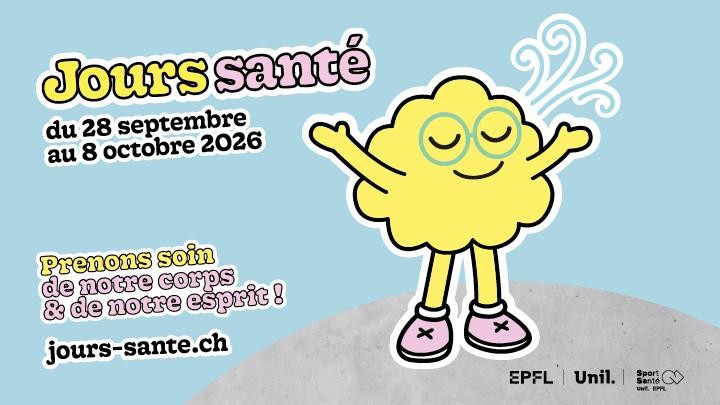
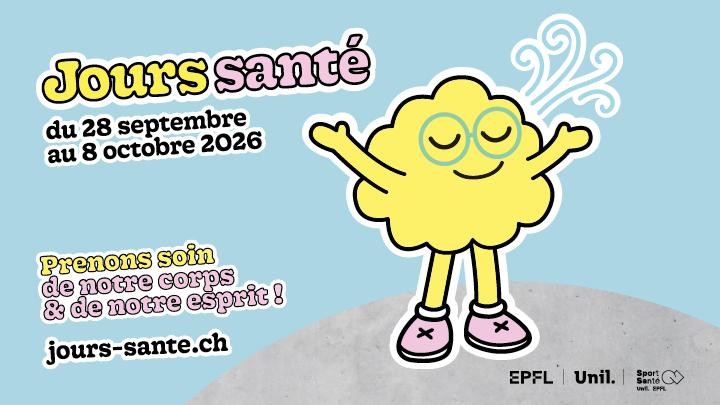
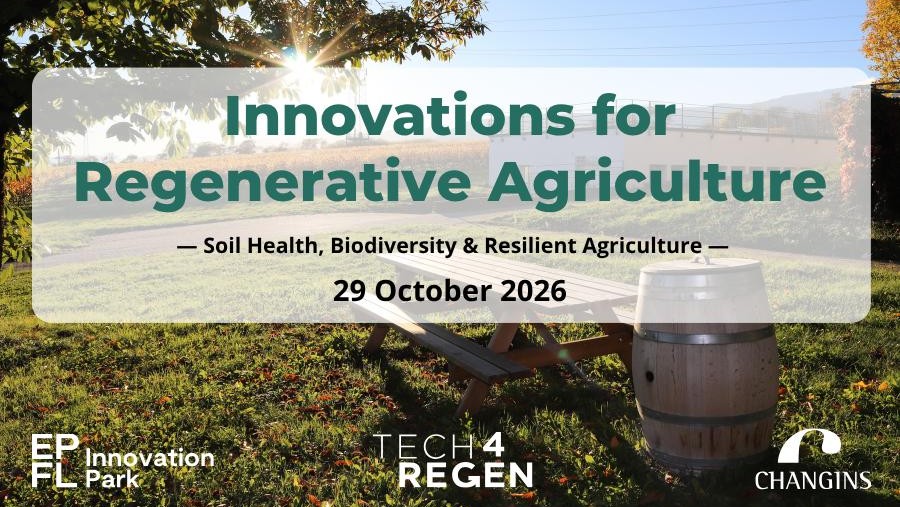
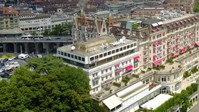
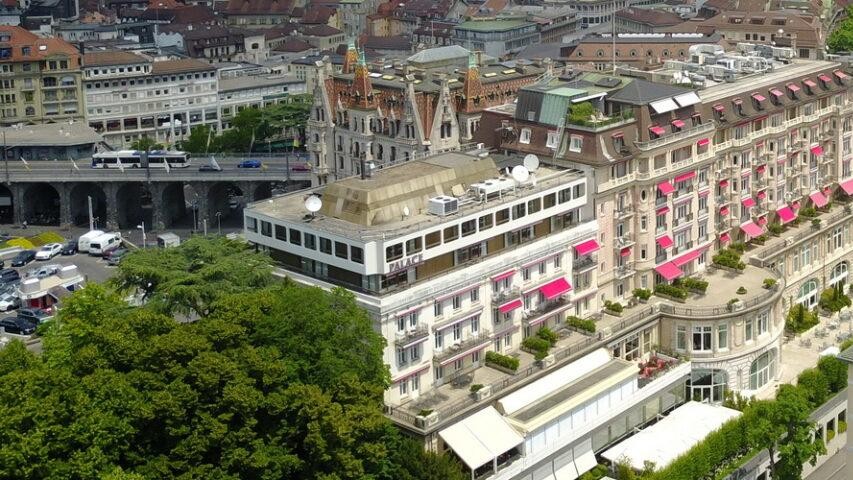
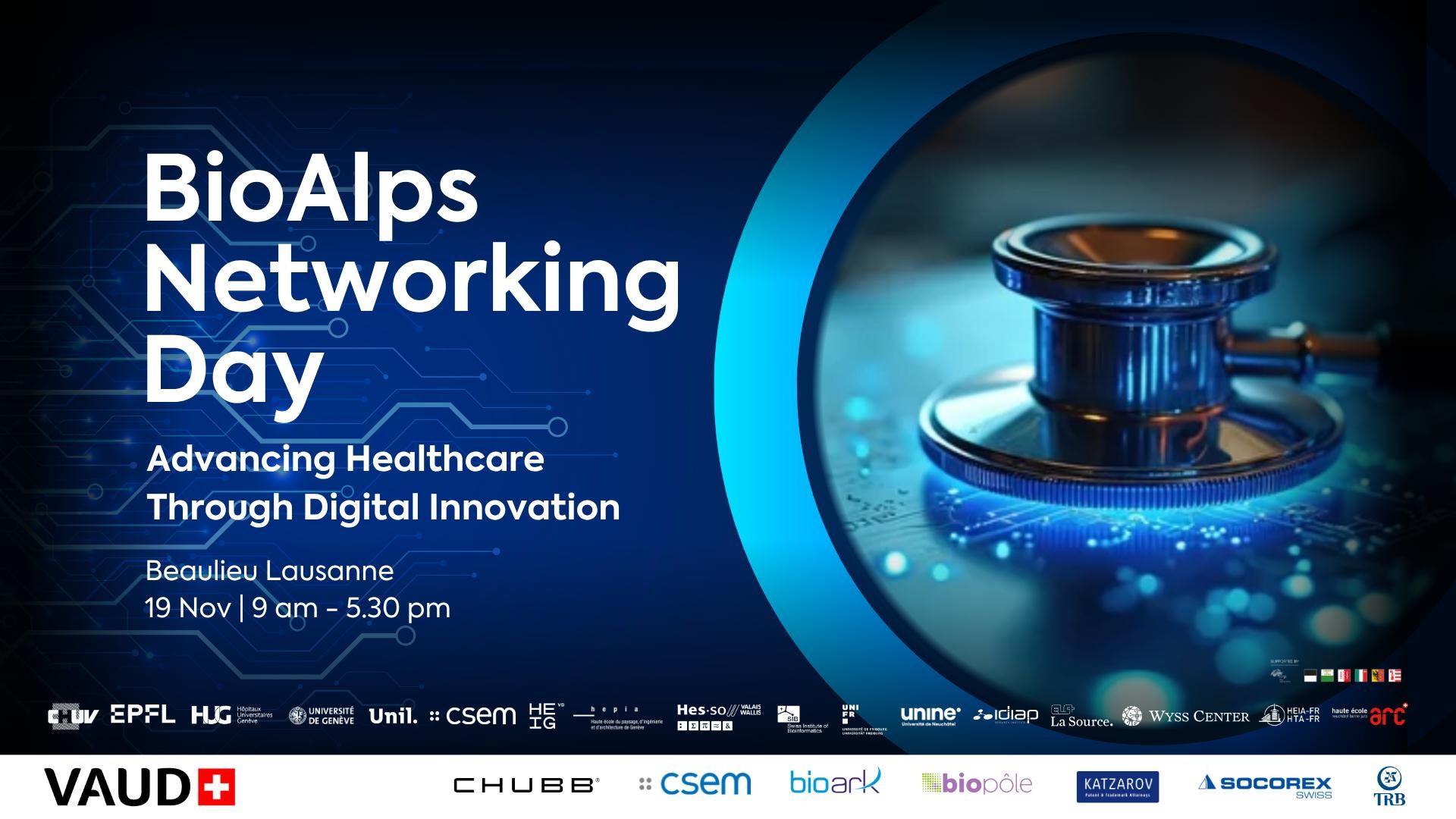
{ "count": 265, "next": "https://memento.epfl.ch/api/v1/events/?format=api&limit=10&offset=150&ordering=-event__url_online_room", "previous": "https://memento.epfl.ch/api/v1/events/?format=api&limit=10&offset=130&ordering=-event__url_online_room", "results": [ { "id": 72259, "title": "Health Days 2026", "slug": "health-days-2026", "event_url": "https://memento.epfl.ch/event/health-days-2026", "visual_url": "https://memento.epfl.ch/image/33530/200x112.jpg", "visual_large_url": "https://memento.epfl.ch/image/33530/720x405.jpg", "visual_maxsize_url": "https://memento.epfl.ch/image/33530/max-size.jpg", "lang": "en", "start_date": "2026-09-28", "end_date": "2026-10-08", "start_time": null, "end_time": null, "description": "<p>UNIL+EPFL Health Days 2026 invite you to dedicate some time to your physical and mental well-being from 28 September to 8 October. Over the course of these two weeks, a wide range of inspiring <strong>conferences, workshops and activities</strong> will take place at various times throughout the day. Some events will be open to the general public and offered in French and/or English.<br>\r\n<br>\r\nMembers of the university community will be able to take advantage of the <strong>health screenings and assessments</strong> available at the Health Village, hosted during the first week on the EPFL campus and during the second week on the University of Lausanne campus. They will also have access to <strong>information stands</strong> run by services and partners committed to promoting a comprehensive, 360-degree approach to health and well-being.<br>\r\n<br>\r\nThe programme will be available at the end of August on the dedicated website: <a href=\"https://jours-sante.ch/.\"><strong>https://jours-sante.ch/</strong></a>.</p>", "image_description": "", "creation_date": "2026-07-20T15:54:23", "last_modification_date": "2026-07-20T15:58:58", "link_label": "Jours Santé", "link_url": "https://jours-sante.ch/", "canceled": "False", "cancel_reason": "", "place_and_room": "Rolex Learning Center et Unil-Amphipôle", "url_place_and_room": "", "url_online_room": "", "spoken_languages": [ "https://memento.epfl.ch/api/v1/spoken_languages/1/?format=api", "https://memento.epfl.ch/api/v1/spoken_languages/2/?format=api" ], "speaker": "", "organizer": "EPFL (VPH-WINC), Service Sport Santé Unil+EPFL (SSUE), Université de Lausanne", "contact": "<a href=\"mailto:[email protected]\">[email protected]</a>", "is_internal": "False", "theme": "", "vulgarization": { "id": 1, "fr_label": "Tout public", "en_label": "General public" }, "registration": { "id": 3, "fr_label": "Entrée libre", "en_label": "Free" }, "keywords": "santé, health, santé mentale, mental health, emotions, psychology, sophrologie, self-hypnose, mindfulness, aging", "file": null, "icalendar_url": "https://memento.epfl.ch/event/export/121300/", "category": { "id": 4, "code": "DIVERS", "fr_label": "Autres types d’événement", "en_label": "Miscellaneous", "activated": true }, "academic_calendar_category": null, "domains": [], "mementos": [ "https://memento.epfl.ch/api/v1/mementos/1/?format=api", "https://memento.epfl.ch/api/v1/mementos/3/?format=api", "https://memento.epfl.ch/api/v1/mementos/4/?format=api", "https://memento.epfl.ch/api/v1/mementos/5/?format=api", "https://memento.epfl.ch/api/v1/mementos/6/?format=api", "https://memento.epfl.ch/api/v1/mementos/8/?format=api", "https://memento.epfl.ch/api/v1/mementos/9/?format=api", "https://memento.epfl.ch/api/v1/mementos/21/?format=api", "https://memento.epfl.ch/api/v1/mementos/79/?format=api", "https://memento.epfl.ch/api/v1/mementos/145/?format=api", "https://memento.epfl.ch/api/v1/mementos/396/?format=api", "https://memento.epfl.ch/api/v1/mementos/425/?format=api" ] }, { "id": 72265, "title": "Innovation for Regenerative Agriculture", "slug": "innovation-for-regenerative-agriculture-2", "event_url": "https://memento.epfl.ch/event/innovation-for-regenerative-agriculture-2", "visual_url": "https://memento.epfl.ch/image/33536/200x112.jpg", "visual_large_url": "https://memento.epfl.ch/image/33536/720x405.jpg", "visual_maxsize_url": "https://memento.epfl.ch/image/33536/max-size.jpg", "lang": "en", "start_date": "2026-10-29", "end_date": "2026-10-29", "start_time": "13:30:00", "end_time": "17:00:00", "description": "<p>Innovation Forum for Regenerative Agriculture & Viticulture is back for year 2, in collaboration with <a href=\"https://www.changins.ch/\" target=\"_blank\">Changins</a>.<br>\r\n<br>\r\n<strong>Measuring Nature at Work: </strong><strong></strong>From Soil Life to Regenerative and Resilient Agriculture<br>\r\n<br>\r\nThis event will spotlight innovative startup solutions and pilot projects accelerating the transition to regenerative agriculture.<br>\r\nIt will also ignite discussions on the financial, regulatory, and structural shifts required to scale these innovations and align stakeholders around shared economic and environmental goals.<br>\r\n<br>\r\nWhat to expect:\r\n</p><ul>\r\n\t<li>Showcases from leading <strong>agritech startups and labs</strong></li>\r\n\t<li>Presentation of <strong>pilot projects</strong> outcomes</li>\r\n\t<li><strong>Themed workshops and roundtable discussions with multidisciplinary experts</strong></li>\r\n\t<li><strong>Networking apéritif </strong>in a relaxed, scenic setting</li>\r\n</ul>\r\nWho Should Attend:\r\n\r\n<ul>\r\n\t<li><strong>Startups </strong>developing innovations for regenerative agriculture</li>\r\n\t<li><strong>Farmers </strong>and agricultural practitioners</li>\r\n\t<li><strong>Researchers </strong>and academic institutions</li>\r\n\t<li><strong>SMEs </strong>and <strong>corporate </strong>leaders</li>\r\n\t<li><strong>Policymakers </strong>and public institutions</li>\r\n\t<li><strong>Investors </strong>and ecosystem partners</li>\r\n\t<li><strong>NGOs </strong>and value chain stakeholders</li>\r\n</ul>\r\nThe event is free, but <strong>registration is required</strong>: <a href=\"https://luma.com/n03fl3vx\">REGISTER</a>", "image_description": "", "creation_date": "2026-07-22T13:44:51", "last_modification_date": "2026-07-22T13:45:00", "link_label": "Web", "link_url": "https://www.tech4regen.ch/event/innovations-for-regenerative-agriculture-viticulture", "canceled": "False", "cancel_reason": "", "place_and_room": "Changins, Route de Duillier 52, CH-1260 Nyon", "url_place_and_room": "", "url_online_room": "", "spoken_languages": [ "https://memento.epfl.ch/api/v1/spoken_languages/2/?format=api" ], "speaker": "", "organizer": "<a href=\"https://www.tech4regen.ch/\">Tech4Regen</a>", "contact": "<a href=\"mailto:[email protected]\">Pauline Pichard</a> - Communication manager, EPFL Innovation Park", "is_internal": "False", "theme": "", "vulgarization": { "id": 2, "fr_label": "Public averti", "en_label": "Informed public" }, "registration": { "id": 1, "fr_label": "Sur inscription", "en_label": "Registration required" }, "keywords": "Agritech; Naturetech", "file": null, "icalendar_url": "https://memento.epfl.ch/event/export/121310/", "category": { "id": 1, "code": "CONF", "fr_label": "Conférences - Séminaires", "en_label": "Conferences - Seminars", "activated": true }, "academic_calendar_category": null, "domains": [], "mementos": [ "https://memento.epfl.ch/api/v1/mementos/422/?format=api" ] }, { "id": 72271, "title": "EcoCloud Annual Event", "slug": "ecocloud-annual-event-8", "event_url": "https://memento.epfl.ch/event/ecocloud-annual-event-8", "visual_url": "https://memento.epfl.ch/image/33542/200x112.jpg", "visual_large_url": "https://memento.epfl.ch/image/33542/720x405.jpg", "visual_maxsize_url": "https://memento.epfl.ch/image/33542/max-size.jpg", "lang": "en", "start_date": "2026-10-08", "end_date": "2026-10-08", "start_time": "08:15:00", "end_time": "18:30:00", "description": "<p>The EPFL EcoCloud Center is proud to invite you to the <a data-auth=\"NotApplicable\" data-linkindex=\"2\" href=\"https://ecocloud.epfl.ch/ecocloud-annual-event-program/\" title=\"https://ecocloud.epfl.ch/ecocloud-annual-event-program/\">Annual Event 2026</a>.<br>\r\n<br>\r\nOnce again we will be welcoming you to <a data-auth=\"NotApplicable\" data-linkindex=\"3\" href=\"https://www.lausanne-palace.ch/en/hotel/access/\" title=\"https://www.lausanne-palace.ch/en/hotel/access/\">Lausanne Palace</a>.<br>\r\n<br>\r\nThe Event will feature a keynote presentation:\r\n</p><ul>\r\n\t<li>Prof. Ayse K. Coskun Mitra (Boston University):<br>\r\n\t<a data-auth=\"NotApplicable\" data-linkindex=\"4\" href=\"https://ecocloud.epfl.ch/mcevents/keynote-ayse/\" title=\"https://ecocloud.epfl.ch/mcevents/keynote-ayse/\">AI Data Centers as Flexible Loads. Rethinking Power and Performance</a></li>\r\n</ul>\r\nThere will then be the three following sessions:\r\n\r\n<ul>\r\n\t<li>Hardware and software sustainable co-design</li>\r\n\t<li>Technologies for sustainable systems</li>\r\n\t<li>EcoCloud Experimental Data Center Facility</li>\r\n</ul>\r\nThe day will conclude with a poster session and a networking event.<br>\r\n<br>\r\nUseful links:<br>\r\n<a href=\"https://ecocloud.epfl.ch/ecocloud-annual-event-program/\">Program</a><br>\r\n<a href=\"https://indico.epfl.ch/event/28/registrations/19/\">Registration</a>", "image_description": "", "creation_date": "2026-07-24T08:46:12", "last_modification_date": "2026-07-24T08:46:12", "link_label": "Official Page", "link_url": "https://ecocloud.epfl.ch/event/ecocloud-annual-event/", "canceled": "False", "cancel_reason": "", "place_and_room": "Lausanne Palace", "url_place_and_room": "https://www.lausanne-palace.ch/en/welcome-page", "url_online_room": "", "spoken_languages": [ "https://memento.epfl.ch/api/v1/spoken_languages/2/?format=api" ], "speaker": "Prof. Giovanni De Micheli, Prof. Ayse K. Coskun (Boston University), Dr. Javier Picorel (Huawei), Dr. William Simon (IBM, alumnus IEL/ESL), Dr. Eugene van Rooyen (Eaton), Dr. Dimitri Voisin (BladeSENSE), Maurizio Miozza (GemaTEG), Frank Michaud (Cisco), Dr. Xavier Ouvrard (EcoCloud).", "organizer": "<a href=\"mailto:[email protected]?subject=EcoCloud%20Annual%20Event%202026\">Valérie Locca</a>", "contact": "<a href=\"mailto:[email protected]?subject=EcoCloud%20Annual%20Event%202026\">Valérie Locca</a>", "is_internal": "False", "theme": "", "vulgarization": { "id": 2, "fr_label": "Public averti", "en_label": "Informed public" }, "registration": { "id": 1, "fr_label": "Sur inscription", "en_label": "Registration required" }, "keywords": "", "file": null, "icalendar_url": "https://memento.epfl.ch/event/export/121321/", "category": { "id": 1, "code": "CONF", "fr_label": "Conférences - Séminaires", "en_label": "Conferences - Seminars", "activated": true }, "academic_calendar_category": null, "domains": [], "mementos": [ "https://memento.epfl.ch/api/v1/mementos/1/?format=api", "https://memento.epfl.ch/api/v1/mementos/6/?format=api", "https://memento.epfl.ch/api/v1/mementos/8/?format=api", "https://memento.epfl.ch/api/v1/mementos/247/?format=api", "https://memento.epfl.ch/api/v1/mementos/345/?format=api", "https://memento.epfl.ch/api/v1/mementos/416/?format=api" ] }, { "id": 72276, "title": "SiDoQu-2027 Conference", "slug": "sidoqu-2027-conference-2", "event_url": "https://memento.epfl.ch/event/sidoqu-2027-conference-2", "visual_url": "https://memento.epfl.ch/image/33544/200x112.jpg", "visual_large_url": "https://memento.epfl.ch/image/33544/720x405.jpg", "visual_maxsize_url": "https://memento.epfl.ch/image/33544/max-size.jpg", "lang": "en", "start_date": "2027-02-22", "end_date": "2027-02-25", "start_time": null, "end_time": null, "description": "<p>The <strong>SiDoQu 2027</strong> <em>Conference on Precision Doping for Quantum and Nanoelectronic Devices</em> aims to bring together researchers across disciplines to explore emerging strategies for controlling dopants at the nanoscale, with the long-term vision of enabling silicon-based quantum technologies.</p>", "image_description": "Monte-Verità, © Alessandro Della Bella", "creation_date": "2026-07-24T11:08:26", "last_modification_date": "2026-07-28T11:24:47", "link_label": "SiDoQu-2027 website", "link_url": "https://sidoqu-2027.epfl.ch", "canceled": "False", "cancel_reason": "", "place_and_room": "Monte-Verità", "url_place_and_room": "", "url_online_room": "", "spoken_languages": [ "https://memento.epfl.ch/api/v1/spoken_languages/2/?format=api" ], "speaker": "", "organizer": "", "contact": "Arnaud Bertsch, Juergen Brugger", "is_internal": "False", "theme": "", "vulgarization": { "id": 2, "fr_label": "Public averti", "en_label": "Informed public" }, "registration": { "id": 1, "fr_label": "Sur inscription", "en_label": "Registration required" }, "keywords": "", "file": null, "icalendar_url": "https://memento.epfl.ch/event/export/121327/", "category": { "id": 1, "code": "CONF", "fr_label": "Conférences - Séminaires", "en_label": "Conferences - Seminars", "activated": true }, "academic_calendar_category": null, "domains": [], "mementos": [ "https://memento.epfl.ch/api/v1/mementos/5/?format=api", "https://memento.epfl.ch/api/v1/mementos/8/?format=api", "https://memento.epfl.ch/api/v1/mementos/296/?format=api", "https://memento.epfl.ch/api/v1/mementos/377/?format=api", "https://memento.epfl.ch/api/v1/mementos/389/?format=api" ] }, { "id": 72280, "title": "Do Robots Dream of Construction Sites? / ARCHIZOOM x CRCL", "slug": "do-robots-dream-of-construction-sites-archizoom--2", "event_url": "https://memento.epfl.ch/event/do-robots-dream-of-construction-sites-archizoom--2", "visual_url": "https://memento.epfl.ch/image/33548/200x112.jpg", "visual_large_url": "https://memento.epfl.ch/image/33548/720x405.jpg", "visual_maxsize_url": "https://memento.epfl.ch/image/33548/max-size.jpg", "lang": "en", "start_date": "2026-10-13", "end_date": "2026-10-24", "start_time": "17:30:00", "end_time": "18:30:00", "description": "<strong>Tuesday 13 October 2026 </strong><br>\r\n<strong>5.30pm –</strong> <a href=\"https://forms.gle/8mG39FYernNXnsJG6\">Guided tour</a> of the exhibition Do Robots Dream of Construction Sites?<br>\r\n<br>\r\nWhat if robots didn’t replace us, but worked alongside us? Robots are capable of assembling, analysing, experimenting and learning from their mistakes. Could they take on construction work without replacing human labour? Research carried out by the CRCL – Lab for Creative Computation at EPFL explores a form of collaboration between humans and machines that departs from the traditional promise of automation. It opens the way to more inclusive building sites and non-standardised, more environmentally friendly architecture that goes beyond the mere logic of replacement and productivity. <br>\r\n<br>\r\n<strong>This event will be followed by the opening of the installation NO/NC (Normally Open, Normally Closed) by the artists AATB, supported and organized in collaboration with Usinesonore and Pôle Culture (VPI).</strong>", "image_description": "", "creation_date": "2026-07-27T16:05:04", "last_modification_date": "2026-09-15T17:26:38", "link_label": "Vernissage Julian Sartorius x AATB", "link_url": "https://www.epfl.ch/campus/art-culture/museum-exhibitions/archizoom/fr/no-nc-normally-open-normally-closed-aatb-2/", "canceled": "False", "cancel_reason": "", "place_and_room": "Hall SG", "url_place_and_room": "https://plan.epfl.ch/?room==SG%20294.22", "url_online_room": "", "spoken_languages": [ "https://memento.epfl.ch/api/v1/spoken_languages/1/?format=api", "https://memento.epfl.ch/api/v1/spoken_languages/2/?format=api" ], "speaker": "Stefana Parascho", "organizer": "Archizoom", "contact": "Cyril Veillon, Solène Hoffmann", "is_internal": "False", "theme": "", "vulgarization": { "id": 1, "fr_label": "Tout public", "en_label": "General public" }, "registration": { "id": 3, "fr_label": "Entrée libre", "en_label": "Free" }, "keywords": "architecture, performance, technology, robotics", "file": null, "icalendar_url": "https://memento.epfl.ch/event/export/121333/", "category": { "id": 9, "code": "MANIF", "fr_label": "Événements festifs et culturels", "en_label": "Cultural events", "activated": true }, "academic_calendar_category": null, "domains": [], "mementos": [ "https://memento.epfl.ch/api/v1/mementos/1/?format=api", "https://memento.epfl.ch/api/v1/mementos/4/?format=api", "https://memento.epfl.ch/api/v1/mementos/6/?format=api", "https://memento.epfl.ch/api/v1/mementos/8/?format=api", "https://memento.epfl.ch/api/v1/mementos/22/?format=api", "https://memento.epfl.ch/api/v1/mementos/32/?format=api", "https://memento.epfl.ch/api/v1/mementos/145/?format=api" ] }, { "id": 72281, "title": "Do Robots Dream of Construction Sites? / ARCHIZOOM x CRCL", "slug": "do-robots-dream-of-construction-sites-archizoom--6", "event_url": "https://memento.epfl.ch/event/do-robots-dream-of-construction-sites-archizoom--6", "visual_url": "https://memento.epfl.ch/image/33549/200x112.jpg", "visual_large_url": "https://memento.epfl.ch/image/33549/720x405.jpg", "visual_maxsize_url": "https://memento.epfl.ch/image/33549/max-size.jpg", "lang": "en", "start_date": "2026-11-24", "end_date": "2026-11-24", "start_time": "17:30:00", "end_time": "18:15:00", "description": "<strong>Tuesday 24 November</strong><br>\r\n<strong>5.30pm –</strong> Guided tour of the exhibition by Stefana Parascho, director of the CRCL – Lab for Creative Computation at EPFL<br>\r\n<strong>6.30pm –</strong> Followed by the opening of the exhibition <em>The Extraction of Value</em> with Paolo Tombesi<br>\r\n<br>\r\nWhat if robots didn’t replace us, but worked alongside us? Robots are capable of assembling, analysing, experimenting and learning from their mistakes. Could they take on construction work without replacing human labour? Research carried out by the CRCL explores a form of collaboration between humans and machines that departs from the traditional promise of automation. It opens the way to more inclusive building sites and non-standardised, more environmentally friendly architecture that goes beyond the mere logic of replacement and productivity. <br>\r\n<br>\r\nCan we trust a robot on a building site? This guided tour explores what it means to build alongside increasingly capable machines, and how collaboration between humans and robots could affect our buildings, our trades and, by extension, our daily lives.<br>\r\n<br>\r\n<em>Robots in operation during guided tours !</em>", "image_description": "", "creation_date": "2026-07-27T16:15:08", "last_modification_date": "2026-07-27T16:16:15", "link_label": "Inscription", "link_url": "https://forms.gle/8mG39FYernNXnsJG6", "canceled": "False", "cancel_reason": "", "place_and_room": "Archizoom", "url_place_and_room": "https://plan.epfl.ch/?room==SG%201212", "url_online_room": "", "spoken_languages": [ "https://memento.epfl.ch/api/v1/spoken_languages/2/?format=api" ], "speaker": "Stefana Parascho", "organizer": "Archizoom ", "contact": "Cyril Veillon, Solène Hoffmann", "is_internal": "False", "theme": "", "vulgarization": { "id": 1, "fr_label": "Tout public", "en_label": "General public" }, "registration": { "id": 3, "fr_label": "Entrée libre", "en_label": "Free" }, "keywords": "Architecture, Technology, Construction, Robotic, Robots, Travail, Labor, Durability", "file": null, "icalendar_url": "https://memento.epfl.ch/event/export/121335/", "category": { "id": 9, "code": "MANIF", "fr_label": "Événements festifs et culturels", "en_label": "Cultural events", "activated": true }, "academic_calendar_category": null, "domains": [], "mementos": [ "https://memento.epfl.ch/api/v1/mementos/32/?format=api", "https://memento.epfl.ch/api/v1/mementos/1/?format=api", "https://memento.epfl.ch/api/v1/mementos/4/?format=api", "https://memento.epfl.ch/api/v1/mementos/6/?format=api", "https://memento.epfl.ch/api/v1/mementos/8/?format=api", "https://memento.epfl.ch/api/v1/mementos/45/?format=api", "https://memento.epfl.ch/api/v1/mementos/145/?format=api", "https://memento.epfl.ch/api/v1/mementos/22/?format=api", "https://memento.epfl.ch/api/v1/mementos/21/?format=api", "https://memento.epfl.ch/api/v1/mementos/417/?format=api" ] }, { "id": 72290, "title": "Technologies for Healthcare / ARCHIZOOM", "slug": "technologies-for-healthcare-archizoom", "event_url": "https://memento.epfl.ch/event/technologies-for-healthcare-archizoom", "visual_url": "https://memento.epfl.ch/image/33556/200x112.jpg", "visual_large_url": "https://memento.epfl.ch/image/33556/720x405.jpg", "visual_maxsize_url": "https://memento.epfl.ch/image/33556/max-size.jpg", "lang": "en", "start_date": "2026-11-07", "end_date": "2026-11-08", "start_time": "10:00:00", "end_time": "17:00:00", "description": "<strong>Saturday 7 & Sunday 8 November 2026</strong><br>\r\n<strong>10am-5pm –</strong> <strong>exhibition open continuously </strong><br>\r\n<br>\r\nOn the occasion of the next <a href=\"https://scientastic.epfl.ch/\">Scientastic</a> event, which takes place on the weekend of 7 and 8 November 2026 on the EPFL campus, with a focus on health technologies, Archizoom invites you to take part in a range of activities linked to the exhibition <a href=\"https://www.epfl.ch/campus/art-culture/museum-exhibitions/archizoom/do-robots-dream-of-construction-sites-2/\"><em>Do Robots Dream of Construction Sites? </em></a><br>\r\n<br>\r\n<strong><a href=\"https://forms.gle/8mG39FYernNXnsJG6\">GUIDED TOURS </a><br>\r\n11am / 4pm – </strong><strong><em>Do Robots Dream of Construction Sites? </em>in French</strong><br>\r\nCan we trust a robot on a building site? This guided tour explores what it means to build alongside increasingly capable machines, and how collaboration between humans and robots could affect our buildings, our trades and, by extension, our daily lives and health.<br>\r\n<br>\r\n<em><strong>SOCIAL CONTRACT 4.0, </strong></em><strong>MADELINE GANNON</strong><br>\r\n<strong>10am-5pm – an interactive robotic installation by the artist Madeline Gannon</strong><br>\r\nThe robots that build our world do exactly what they are told, when they are told, where they are told. But that relationship is ending: physical AI is giving our machines the intelligence to explore our world for themselves. What should they do with their newfound curiosity? This installation explores a new social contract with autonomous, intelligent systems (4.0) — one built on convincing, not controlling, machines. As you approach, the machine may choose to interact with you, or it may be too busy having fun on its own. It gets to decide. This work asks what it means to share a world with technology whose trust we may need to earn first.", "image_description": "", "creation_date": "2026-08-03T09:25:54", "last_modification_date": "2026-08-03T09:25:56", "link_label": "Plus d'informations", "link_url": "https://www.epfl.ch/campus/art-culture/museum-exhibitions/archizoom/fr/scientastic-2/", "canceled": "False", "cancel_reason": "", "place_and_room": "Archizoom", "url_place_and_room": "https://plan.epfl.ch/?room==SG%201212", "url_online_room": "", "spoken_languages": [ "https://memento.epfl.ch/api/v1/spoken_languages/1/?format=api", "https://memento.epfl.ch/api/v1/spoken_languages/2/?format=api" ], "speaker": "Madeline Gannon", "organizer": "Archizoom, Scientastic", "contact": "Cyril Veillon, Solène Hoffmann", "is_internal": "False", "theme": "", "vulgarization": { "id": 1, "fr_label": "Tout public", "en_label": "General public" }, "registration": { "id": 3, "fr_label": "Entrée libre", "en_label": "Free" }, "keywords": "architecture, science, techonology, health, robots, robotics, durability", "file": null, "icalendar_url": "https://memento.epfl.ch/event/export/121351/", "category": { "id": 9, "code": "MANIF", "fr_label": "Événements festifs et culturels", "en_label": "Cultural events", "activated": true }, "academic_calendar_category": null, "domains": [], "mementos": [ "https://memento.epfl.ch/api/v1/mementos/32/?format=api", "https://memento.epfl.ch/api/v1/mementos/1/?format=api", "https://memento.epfl.ch/api/v1/mementos/4/?format=api", "https://memento.epfl.ch/api/v1/mementos/6/?format=api", "https://memento.epfl.ch/api/v1/mementos/8/?format=api", "https://memento.epfl.ch/api/v1/mementos/45/?format=api", "https://memento.epfl.ch/api/v1/mementos/145/?format=api", "https://memento.epfl.ch/api/v1/mementos/21/?format=api", "https://memento.epfl.ch/api/v1/mementos/22/?format=api", "https://memento.epfl.ch/api/v1/mementos/417/?format=api" ] }, { "id": 72294, "title": "Volkswagen Stiftung | “Dual Use” of Ideas and Concepts from the Humanities and Social Sciences", "slug": "volkswagen-stiftung-dual-use-of-ideas-and-concepts", "event_url": "https://memento.epfl.ch/event/volkswagen-stiftung-dual-use-of-ideas-and-concepts", "visual_url": "https://memento.epfl.ch/image/33561/200x112.jpg", "visual_large_url": "https://memento.epfl.ch/image/33561/720x405.jpg", "visual_maxsize_url": "https://memento.epfl.ch/image/33561/max-size.jpg", "lang": "en", "start_date": "2026-10-06", "end_date": "2026-10-06", "start_time": null, "end_time": null, "description": "<strong>Aim: </strong>Concepts from the humanities and social sciences often have an impact far beyond academia. But what happens when theories and conceptual frameworks are de-contextualised and used for purposes other than those originally intended? Through this call for proposals, the Foundation supports research on such “dual use” effects and explores how the transfer of ideas from academia into political and ideological contexts takes place.<br>\r\n<br>\r\nResearch on the following topics is eligible for funding:\r\n<ul>\r\n\t<li>The occurrence, nature and manifestations of a specific ‘dual use’ of concepts and theories in the humanities and social sciences, which differs from deliberate disinformation or merely a simplified reception. What are its characteristic practices?</li>\r\n\t<li>Characteristics of theories and concepts in the humanities and social sciences that facilitate their ideologically motivated repurposing. What might a reception-sensitive approach to theory-building look like without restricting the freedom of research and teaching?</li>\r\n\t<li>Pathways of transfer and networks of actors through which ideas from the humanities and social sciences move from academic contexts into political, ideological or digital public spheres.</li>\r\n\t<li>Conditions under which such reinterpretations have a particular impact – for example, in the interplay of academic debates, media dynamics and political interests.</li>\r\n\t<li>Consequences arising from this for science communication in the humanities and social sciences. How can complex or critical concepts be communicated without them being easily oversimplified, misunderstood or ideologically exploited in public debates?</li>\r\n</ul>\r\n<br>\r\nFunding is available for (interdisciplinary) project teams from the humanities, cultural studies and social sciences, consisting of two to three researchers (one PI and up to two Co-PIs).<br>\r\n<br>\r\n<strong>Funding</strong>: up to EUR 650K<br>\r\n<br>\r\n<strong>Duration</strong>: max. 2 years<br>\r\n<br>\r\n<strong>Eligibility:</strong> The call for proposals is aimed at researchers with a PhD who are employed at German universities and research institutions. Researchers with a PhD <strong>from international research institutions may participate as Co-PIs.</strong><br>\r\n<br>\r\n<strong>How to Apply</strong>: Applicants must submit their application through the <a href=\"https://portal.volkswagenstiftung.de/\">online platform</a>. Applications should include a project description, expenditure plan, and CVs for all PIs. EPFL applicants should include 10% overhead in the budget, as allowed for academic institutions abroad.<br>\r\n<br>\r\n<strong>Deadline:</strong> 06 October 2026, 2pm CET<br>\r\n<br>\r\n<strong>Further information</strong>\r\n\r\n<ul>\r\n\t<li>More information about the program is available <a href=\"https://www.volkswagenstiftung.de/en/funding/funding-offer/next-dual-use-ideas-and-concepts-humanities-and-social-sciences\">here</a></li>\r\n\t<li>An online Q&A session in English is scheduled for <strong>08 Sep 2026 </strong>at 10am</li>\r\n\t<li>For any other questions, please contact the <a href=\"mailto:[email protected]\">Research Office</a></li>\r\n</ul>", "image_description": "", "creation_date": "2026-08-04T07:52:14", "last_modification_date": "2026-08-04T08:03:31", "link_label": "", "link_url": "", "canceled": "False", "cancel_reason": "", "place_and_room": "", "url_place_and_room": "", "url_online_room": "", "spoken_languages": [], "speaker": "", "organizer": "", "contact": "<a href=\"mailto:[email protected]?subject=Volkswagen%20Stiftung%20NEXT\">Research Office</a>", "is_internal": "False", "theme": "", "vulgarization": { "id": 1, "fr_label": "Tout public", "en_label": "General public" }, "registration": { "id": 3, "fr_label": "Entrée libre", "en_label": "Free" }, "keywords": "", "file": null, "icalendar_url": "https://memento.epfl.ch/event/export/121357/", "category": { "id": 16, "code": "PROP", "fr_label": "Appel à proposition", "en_label": "Call for proposal", "activated": true }, "academic_calendar_category": null, "domains": [], "mementos": [ "https://memento.epfl.ch/api/v1/mementos/140/?format=api" ] }, { "id": 72296, "title": "Innovate Cities & Infrastructure Program", "slug": "innovate-cities-infrastructure-program", "event_url": "https://memento.epfl.ch/event/innovate-cities-infrastructure-program", "visual_url": "https://memento.epfl.ch/image/33563/200x112.jpg", "visual_large_url": "https://memento.epfl.ch/image/33563/720x405.jpg", "visual_maxsize_url": "https://memento.epfl.ch/image/33563/max-size.jpg", "lang": "en", "start_date": "2026-11-15", "end_date": "2026-11-15", "start_time": null, "end_time": null, "description": "<p>The <strong>Innovate Cities & Infrastructure </strong>programme supports project-based research between researchers and practice partners to develop innovative solutions for sustainable urban development and resilient infrastructure.<br>\r\n<br>\r\nIt is a collaboration between the<strong> Swiss State Secretariat for Economic Affairs</strong> (SECO) and<strong> ETH Zurich</strong>, with three objectives: \r\n</p><ol>\r\n\t<li><strong>developing research-informed </strong>urban technologies, strategies and policies</li>\r\n\t<li><strong>empowering institutions</strong> to deliver effective services</li>\r\n\t<li><strong>facilitating bilateral knowledge transfer</strong> between researchers and practitioners.</li>\r\n</ol>\r\nProjects are conducted by consortia of ETH-Domain researchers and practice partners in eligible countries, fostering co-creation, practical application, scalability, and lasting<br>\r\nlocal impact.<br>\r\n<br>\r\n<a href=\"https://eth4d.ethz.ch/funding-opportunities/eth4d-research-grants/innovative_cities.html\"><strong><u>Research Grants: Competitive Call for Proposals</u></strong></a><br>\r\nResearch projects are selected through a <strong>competitive Call for Proposal process</strong>. Applications are made by the ETH domain researcher together with the practice partner(s). Consortia can apply for two different types of grants:\r\n\r\n<ol>\r\n\t<li><strong>Urban Research Grants</strong> (Max. 24months, up to CHF 350,000): Supports collaborative project-based research between researchers at institutions in the ETH-Domain and practice partners from eligible countries to develop effective solutions to urban development and infrastructure challenges.</li>\r\n\t<li><strong>Urban Pilot Grants</strong> (Max.12 months, up to CHF 30,000): Supports initial ideation to explore, prepare or design new collaborations and pilot a new applied research project with practice partners from eligible countries.</li>\r\n</ol>\r\n<strong><u>Webinar: Innovate Cities and Infrastructure</u></strong><br>\r\nPlease register <a href=\"https://eth4d.ethz.ch/funding-opportunities/eth4d-research-grants/innovative_cities/webinar_registration.html\">here</a> for our information webinars on the Innovate Cities & Infrastructure programme.<br>\r\nPossible dates are:\r\n<ul>\r\n\t<li>31 August 2026: 2-3:30 pm (CEST)</li>\r\n\t<li><u><strong>3 September 2026: 10-11:30 am (CEST)</strong></u></li>\r\n</ul>\r\n<u><strong>No research partner yet?</strong> </u> Reach out to ETH4D programme manager <a href=\"mailto:[email protected]\">Dr. Churchill Agutu</a><br>\r\n<br>\r\n<strong><u>For further informaiton</u></strong><u>:</u><br>\r\n<a href=\"mailto:[email protected]\">EPFL Resarch Office</a>", "image_description": "Research Funding", "creation_date": "2026-08-04T12:18:18", "last_modification_date": "2026-08-04T14:35:50", "link_label": "Call for Proposals to Innovate Cities and Infrastructure", "link_url": "https://www.seco-cooperation.admin.ch/en/new-at-eth4d-introducing-innovate-cities-und-infrastructure-inci", "canceled": "False", "cancel_reason": "", "place_and_room": "", "url_place_and_room": "", "url_online_room": "", "spoken_languages": [ "https://memento.epfl.ch/api/v1/spoken_languages/2/?format=api" ], "speaker": "", "organizer": "", "contact": "<a href=\"mailto:[email protected]\">Research Office</a>", "is_internal": "False", "theme": "", "vulgarization": { "id": 1, "fr_label": "Tout public", "en_label": "General public" }, "registration": { "id": 3, "fr_label": "Entrée libre", "en_label": "Free" }, "keywords": "sustainable urban development, infrastructure, climate resilience, AI, mobility, energy, governance, and digital transformation in partner countries", "file": null, "icalendar_url": "https://memento.epfl.ch/event/export/121360/", "category": { "id": 16, "code": "PROP", "fr_label": "Appel à proposition", "en_label": "Call for proposal", "activated": true }, "academic_calendar_category": null, "domains": [], "mementos": [ "https://memento.epfl.ch/api/v1/mementos/4/?format=api", "https://memento.epfl.ch/api/v1/mementos/79/?format=api", "https://memento.epfl.ch/api/v1/mementos/140/?format=api" ] }, { "id": 72313, "title": "BioAlps Networking Day 2026", "slug": "bioalps-networking-day-2026", "event_url": "https://memento.epfl.ch/event/bioalps-networking-day-2026", "visual_url": "https://memento.epfl.ch/image/33576/200x112.jpg", "visual_large_url": "https://memento.epfl.ch/image/33576/720x405.jpg", "visual_maxsize_url": "https://memento.epfl.ch/image/33576/max-size.jpg", "lang": "en", "start_date": "2026-11-19", "end_date": "2026-11-19", "start_time": "09:00:00", "end_time": "19:00:00", "description": "<p>The Swiss Health Valley community comes together once a year to connect, exchange ideas and advance life sciences. In 2026, the BioAlps Networking Day will take place in Lausanne on 19 November at the Palais de Beaulieu.<br>\r\n<br>\r\nThe morning programme will showcase the strength and diversity of the Canton of Vaud’s life sciences innovation ecosystem. In the afternoon, discussions will focus on this year’s theme: <strong>Advancing Healthcare Through Digital Innovation</strong>.<br>\r\n<br>\r\nResearchers, entrepreneurs, investors and industry leaders are invited to explore emerging trends, build new partnerships and help shape the future of healthcare.\r\n</p><ul>\r\n\t<li><strong>Early-bird rate:</strong> CHF 120 until 1 September 2026</li>\r\n\t<li><strong>Regular rate:</strong> CHF 150</li>\r\n\t<li>Tickets are non-refundable but may be transferred to another participant until 11 November 2026.</li>\r\n</ul>\r\nFor further information, contact the BioAlps team at <a data-end=\"939\" data-start=\"890\" href=\"mailto:[email protected]\" rel=\"noopener\">[email protected]</a> or call <a data-end=\"984\" data-start=\"948\" href=\"tel:+41225451291\" rel=\"noopener\">+41 22 545 12 91</a>.<br>\r\n<strong>Please note:</strong> 11 November 2026 falls on a Wednesday, not a Friday. The transfer deadline should therefore be verified.<br>\r\n<br>\r\n<strong>BioAlps Networking Day Partners</strong><br>\r\n<a href=\"https://www.chubb.com/\">CHUBB</a> | <a href=\"https://www.csem.ch/Home\" rel=\"noreferrer noopener\" target=\"_blank\">CSEM</a> | <a href=\"https://bioark.ch/\">BIOARK</a> | <a href=\"https://www.biopole.ch/\">BIOPÔLE</a> | <a href=\"https://katzarov.com/\">KATZAROV</a> | <a href=\"http://socorex.com/en/\">SOCOREX</a> | <a href=\"https://www.trbchemedica.ch/fr/\">TRB CHEMEDICA</a><br>\r\n<br>\r\n<strong>Institutional Members</strong><br>\r\n<a href=\"https://www.chuv.ch/fr/chuv-home\" rel=\"noreferrer noopener\" target=\"_blank\">CHUV</a> | <a href=\"https://www.epfl.ch/en/\" rel=\"noreferrer noopener\" target=\"_blank\">EPFL</a> | <a href=\"https://www.hug.ch/en\" rel=\"noreferrer noopener\" target=\"_blank\">HUG</a> | <a href=\"https://www.unige.ch/\" rel=\"noreferrer noopener\" target=\"_blank\">UNIGE</a> | <a href=\"https://www.unil.ch/index.html\" rel=\"noreferrer noopener\" target=\"_blank\">UNIL</a> | <a href=\"https://www.csem.ch/Home\" rel=\"noreferrer noopener\" target=\"_blank\">CSEM</a> | <a href=\"https://heig-vd.ch/\" rel=\"noreferrer noopener\" target=\"_blank\">HEIG-VD</a> | <a href=\"https://www.hesge.ch/hepia/\" rel=\"noreferrer noopener\" target=\"_blank\">HEPIA</a> | <a href=\"https://www.hevs.ch/en/intro\" rel=\"noreferrer noopener\" target=\"_blank\">HES-SO Valais Wallis</a> | <a href=\"https://www.sib.swiss/\" rel=\"noreferrer noopener\" target=\"_blank\">SIB</a> | <a href=\"https://www.unifr.ch/home/fr/\" rel=\"noreferrer noopener\" target=\"_blank\">UNIFR</a> | <a href=\"https://www.unine.ch/\" rel=\"noreferrer noopener\" target=\"_blank\">UNINE</a> | <a href=\"https://www.idiap.ch/fr\" rel=\"noreferrer noopener\" target=\"_blank\">Idiap</a> | <a href=\"https://www.ecolelasource.ch/\" rel=\"noreferrer noopener\" target=\"_blank\">Institut et Haute Ecole de Santé La Source</a> | <a href=\"https://wysscenter.ch/\">Wyss Center for Bio and Neuroengineering</a> | <a href=\"https://www.heia-fr.ch/\">HEIA-FR | </a><a href=\"https://www.he-arc.ch/domaine/ingenierie/\" rel=\"noopener\" target=\"_blank\">HE-Arc Ingénierie</a>", "image_description": "", "creation_date": "2026-08-07T15:54:23", "last_modification_date": "2026-08-07T16:06:13", "link_label": "Web", "link_url": "", "canceled": "False", "cancel_reason": "", "place_and_room": "", "url_place_and_room": "", "url_online_room": "", "spoken_languages": [ "https://memento.epfl.ch/api/v1/spoken_languages/2/?format=api" ], "speaker": "", "organizer": "<a href=\"https://bioalps.org/\">BioAlps Association</a>", "contact": "<a href=\"http://[email protected]\">Organising team</a>", "is_internal": "False", "theme": "", "vulgarization": { "id": 2, "fr_label": "Public averti", "en_label": "Informed public" }, "registration": { "id": 1, "fr_label": "Sur inscription", "en_label": "Registration required" }, "keywords": "", "file": null, "icalendar_url": "https://memento.epfl.ch/event/export/121384/", "category": { "id": 1, "code": "CONF", "fr_label": "Conférences - Séminaires", "en_label": "Conferences - Seminars", "activated": true }, "academic_calendar_category": null, "domains": [], "mementos": [ "https://memento.epfl.ch/api/v1/mementos/9/?format=api", "https://memento.epfl.ch/api/v1/mementos/422/?format=api" ] } ] }