Event List
retrieve:
Return the details about the given Event id.
list:
List all Event objects.
GET /api/v1/events/?format=api&offset=150&ordering=event__spoken_languages
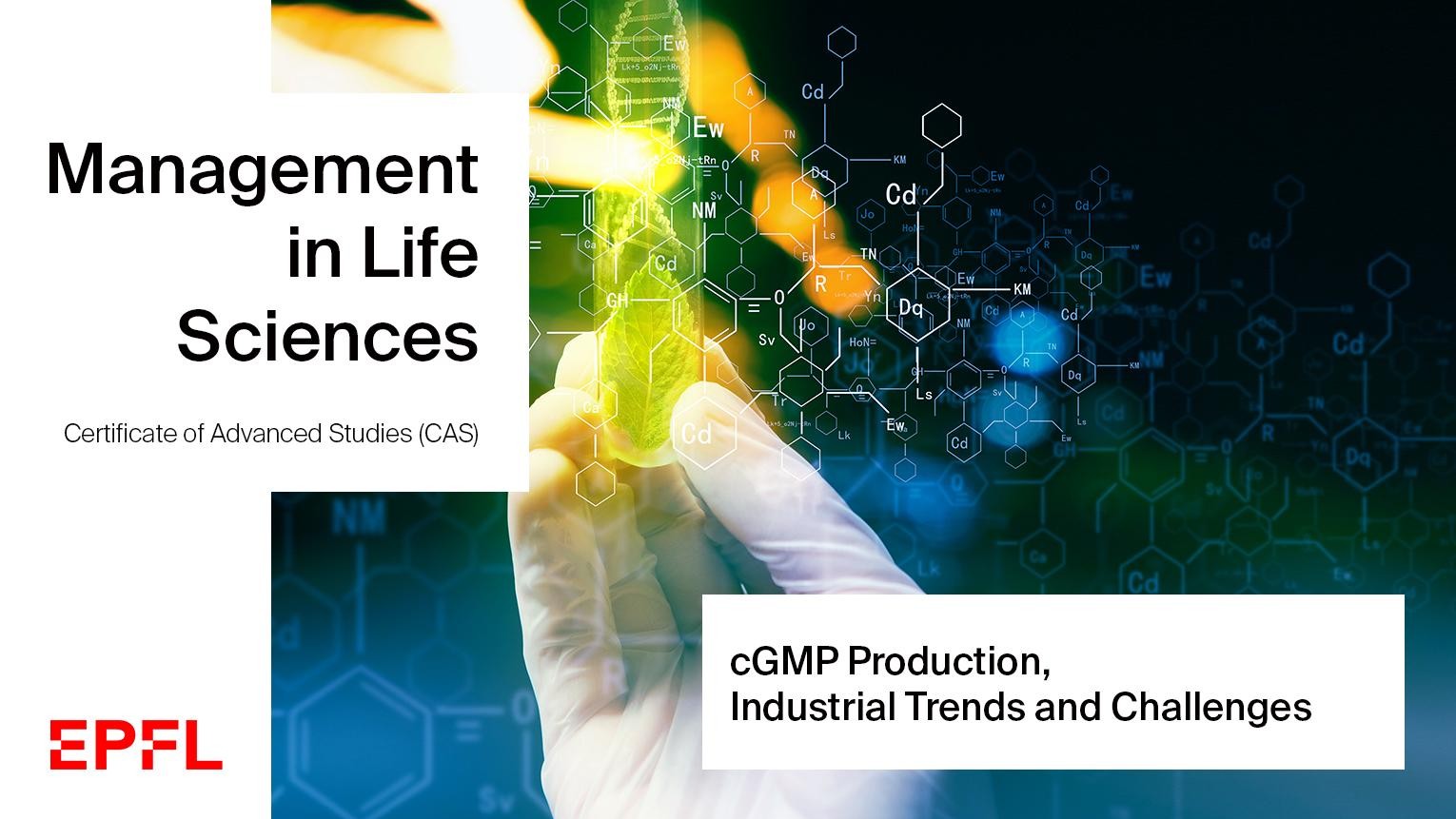
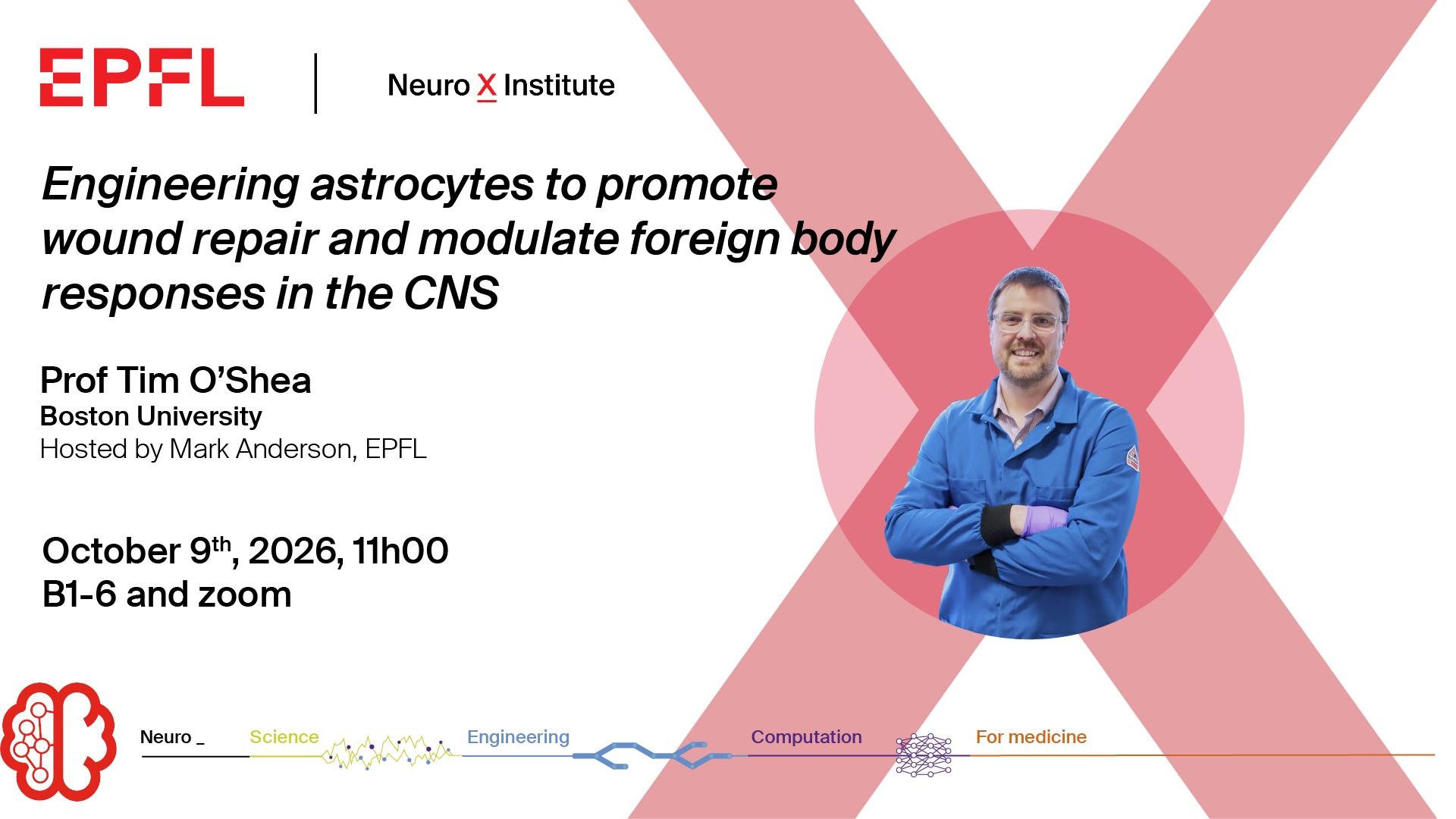
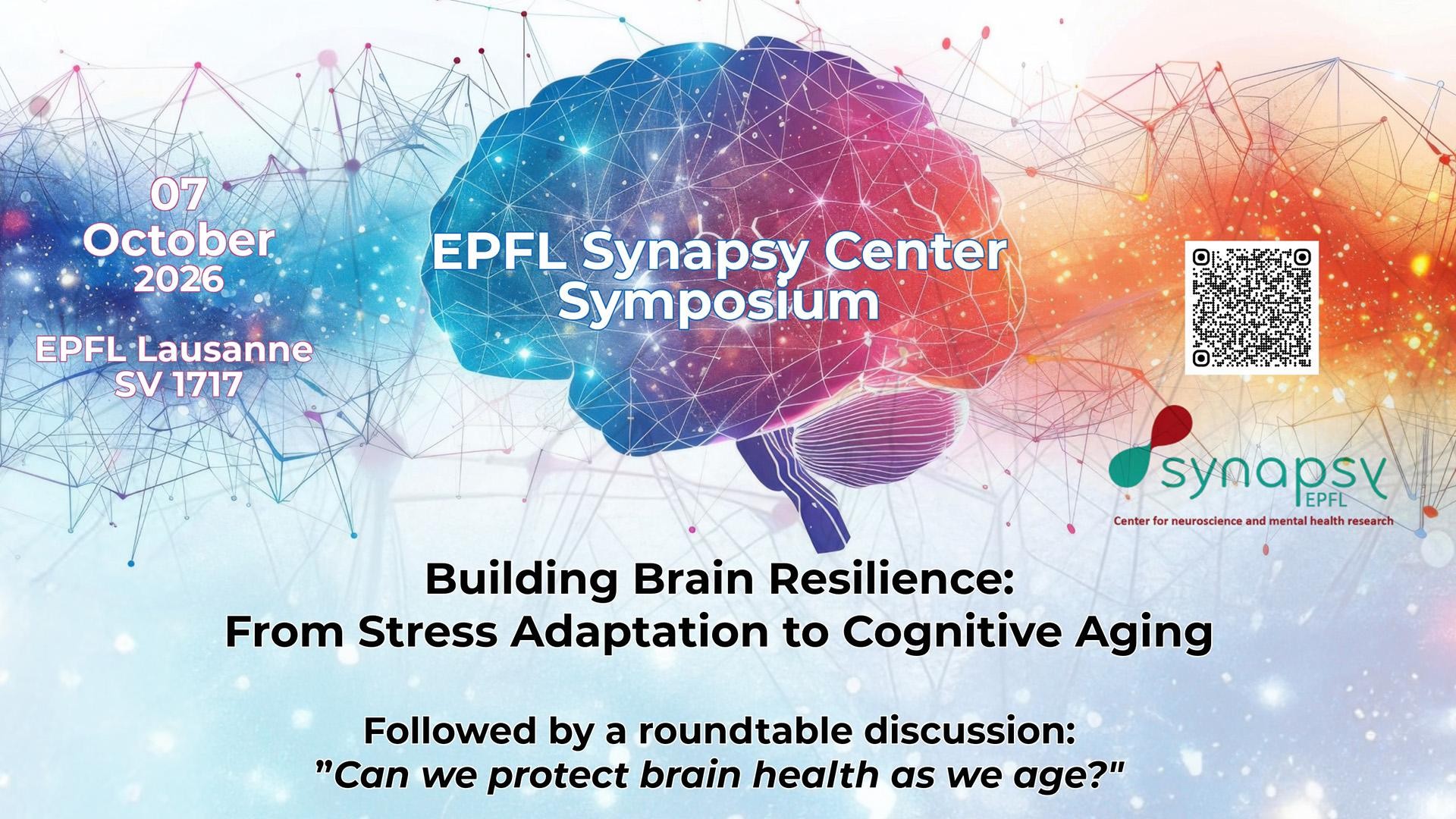
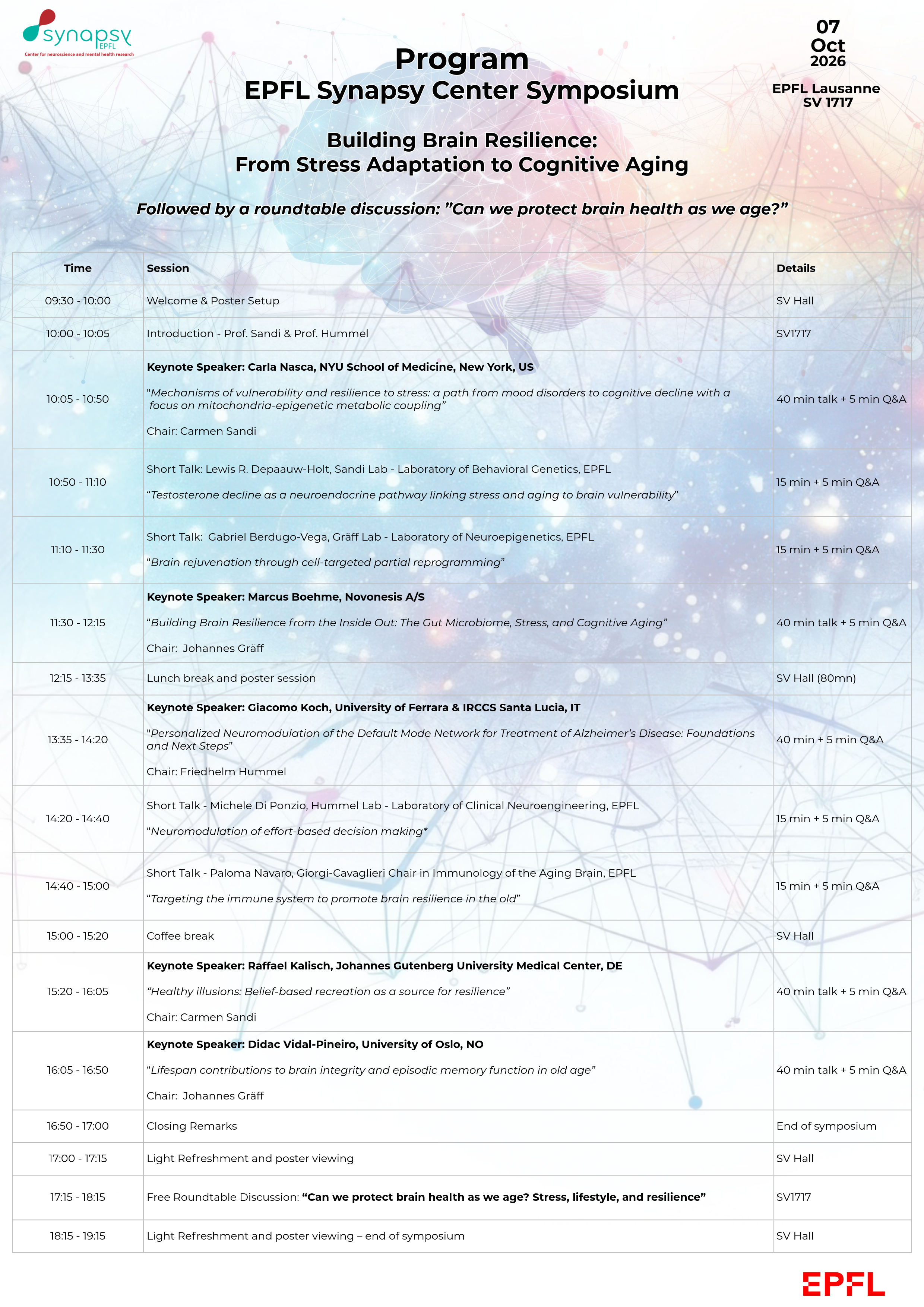
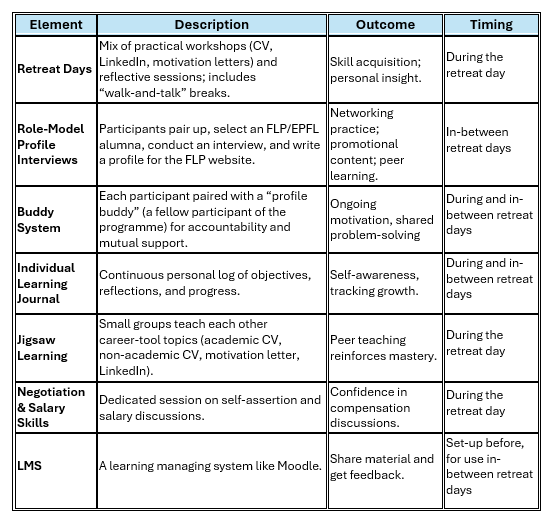
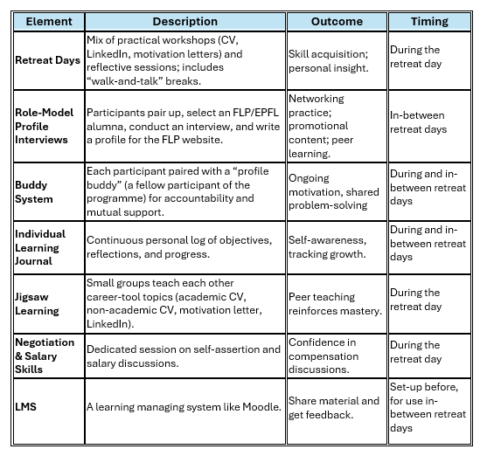
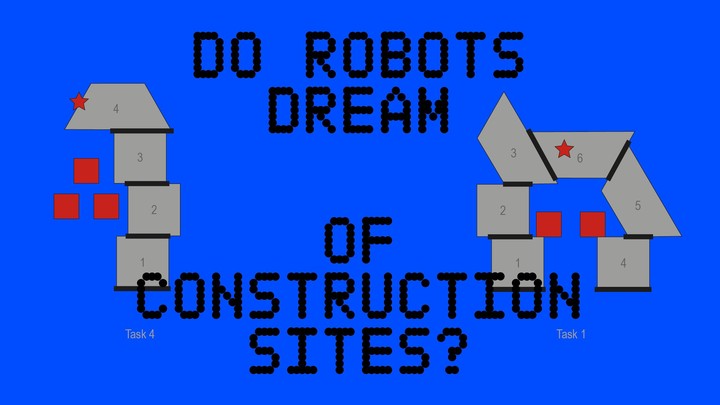
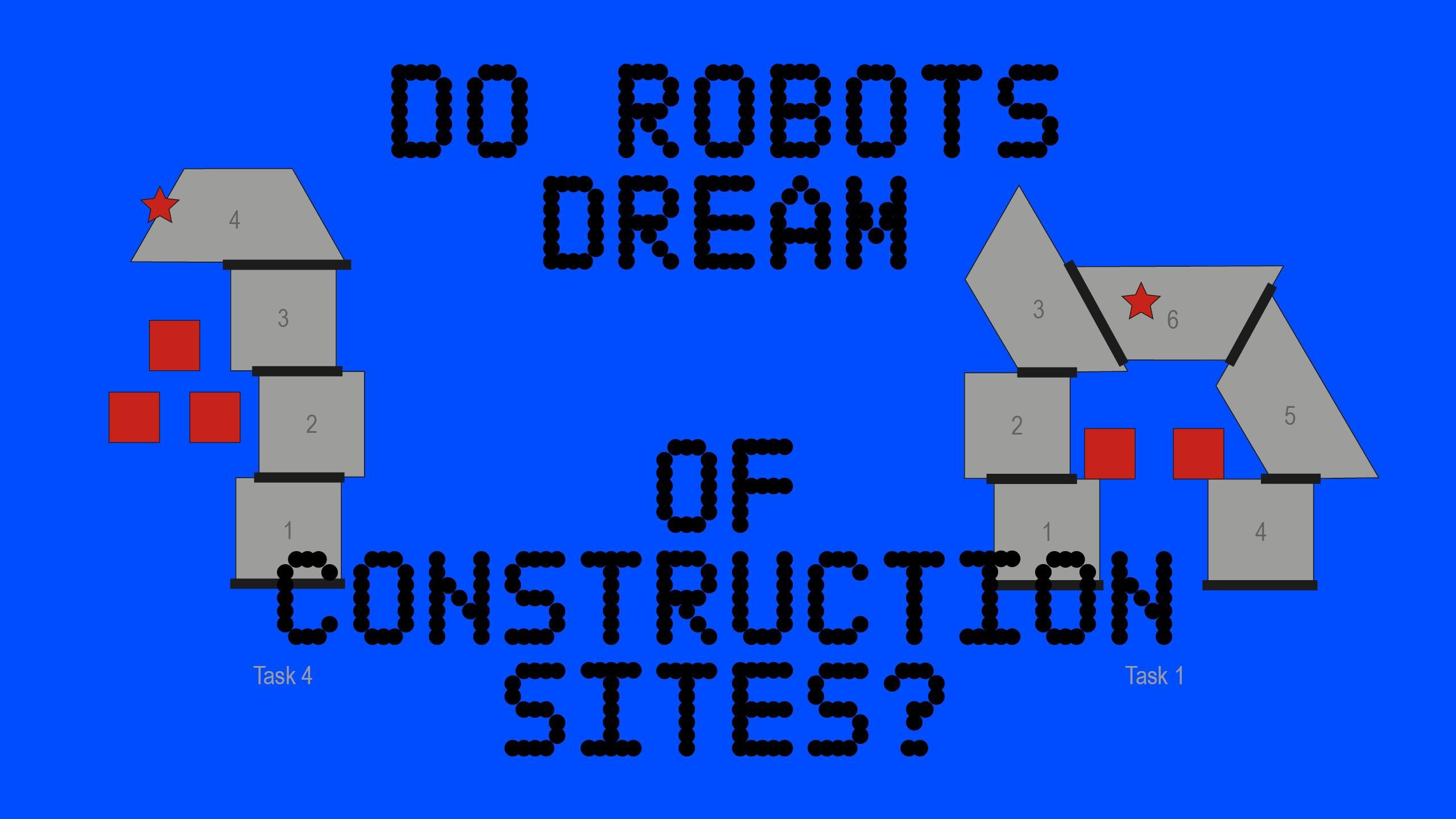
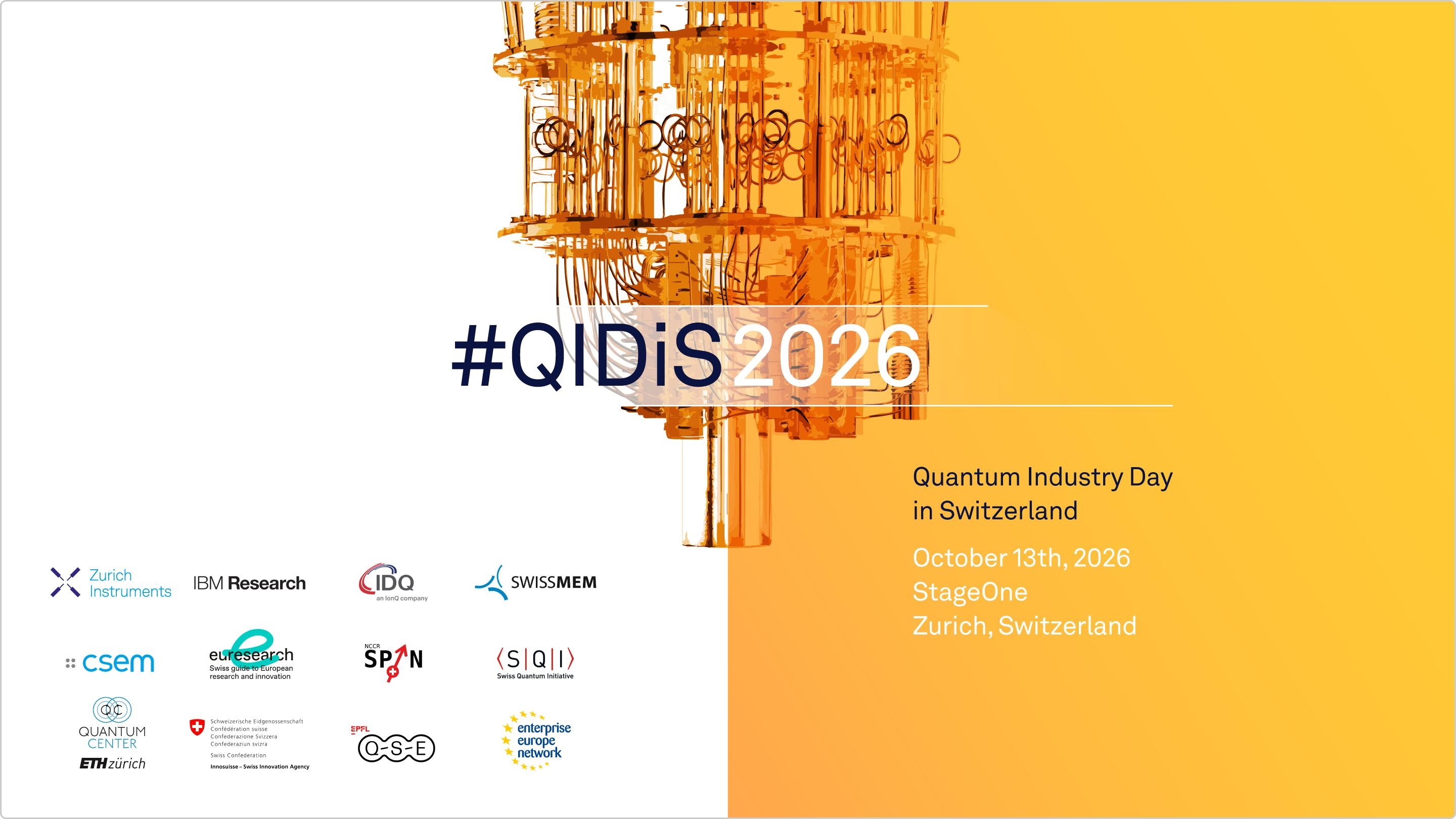
{ "count": 264, "next": "https://memento.epfl.ch/api/v1/events/?format=api&limit=10&offset=160&ordering=event__spoken_languages", "previous": "https://memento.epfl.ch/api/v1/events/?format=api&limit=10&offset=140&ordering=event__spoken_languages", "results": [ { "id": 72183, "title": "cGMP Production, Industrial Trends and Challenges [CAS Management in Life Sciences 2027]", "slug": "cgmp-production-industrial-trends-and-challenges-2", "event_url": "https://memento.epfl.ch/event/cgmp-production-industrial-trends-and-challenges-2", "visual_url": "https://memento.epfl.ch/image/33464/200x112.jpg", "visual_large_url": "https://memento.epfl.ch/image/33464/720x405.jpg", "visual_maxsize_url": "https://memento.epfl.ch/image/33464/max-size.jpg", "lang": "en", "start_date": "2027-06-01", "end_date": "2027-06-03", "start_time": null, "end_time": null, "description": "<strong>Module 6: cGMP Production, Industrial Trends and Challenges </strong><br>\r\n<br>\r\nManufacturing excellence in Pharma and Medtech contributes a growing share to an enterprise’s commercial success. In this module we address in a fully interactive and practical way how GMPs influence the development of products and the set up of Biomanufacturing and Medtech plants. During 3 intense days, we will go over Quality Systems, Process Development, facility set up and future trends in the industry that will also help to define what can be the facility of the future.<br>\r\n<br>\r\n*************<br>\r\n<br>\r\n<strong><u>About the CAS Managament in Life Sciences:</u><br>\r\nLeading multi-disciplinary projects in BioTech, MedTech and Pharma</strong><br>\r\n<br>\r\nThe world of therapeutic development is becoming increasingly complex. Competition is diversifying and innovating across industries, just as new regulations and multi-stakeholder engagements disrupt the competitive landscape. Challenge or opportunity? It is up to you!<br>\r\n<br>\r\nThis program explores the entire development process of therapeutic interventions, from initial planning all the way to commercialization, allowing our participants to deepen their expertise. They also learn the leadership qualities and management tools required to lead multi-disciplinary projects in Biotech, Medtech and Pharma ventures.<br>\r\n<br>\r\nThis Certificate of Advanced Studies (CAS) runs every year, from January to June at the EPFL Campus in Lausanne.\r\n<ul>\r\n\t<li>7 modules</li>\r\n\t<li>Flexible format</li>\r\n\t<li>Part-time</li>\r\n</ul>", "image_description": "", "creation_date": "2026-06-26T12:39:15", "last_modification_date": "2026-06-26T12:45:50", "link_label": "Webpage", "link_url": "http://go.epfl.ch/mls", "canceled": "False", "cancel_reason": "", "place_and_room": "ODY -1 0021", "url_place_and_room": "https://plan.epfl.ch/?room==ODY%20-1%200021", "url_online_room": "", "spoken_languages": [ "https://memento.epfl.ch/api/v1/spoken_languages/2/?format=api" ], "speaker": "", "organizer": "<a href=\"http://executive.epfl.ch\">EPFL Executive Education</a>", "contact": "[email protected]", "is_internal": "False", "theme": "", "vulgarization": { "id": 1, "fr_label": "Tout public", "en_label": "General public" }, "registration": { "id": 1, "fr_label": "Sur inscription", "en_label": "Registration required" }, "keywords": "Life Sciences", "file": null, "icalendar_url": "https://memento.epfl.ch/event/export/121192/", "category": { "id": 4, "code": "DIVERS", "fr_label": "Autres types d’événement", "en_label": "Miscellaneous", "activated": true }, "academic_calendar_category": null, "domains": [], "mementos": [ "https://memento.epfl.ch/api/v1/mementos/1/?format=api", "https://memento.epfl.ch/api/v1/mementos/3/?format=api", "https://memento.epfl.ch/api/v1/mementos/6/?format=api", "https://memento.epfl.ch/api/v1/mementos/9/?format=api", "https://memento.epfl.ch/api/v1/mementos/437/?format=api" ] }, { "id": 72194, "title": "Neuro-X seminar: Prof Tim O'Shea - Engineering astrocytes to promote wound repair and modulate foreign body responses in the CNS", "slug": "neuro-x-seminar-prof-tim-o-shea-engineering-astroc", "event_url": "https://memento.epfl.ch/event/neuro-x-seminar-prof-tim-o-shea-engineering-astroc", "visual_url": "https://memento.epfl.ch/image/33474/200x112.jpg", "visual_large_url": "https://memento.epfl.ch/image/33474/720x405.jpg", "visual_maxsize_url": "https://memento.epfl.ch/image/33474/max-size.jpg", "lang": "en", "start_date": "2026-10-09", "end_date": "2026-10-09", "start_time": "11:00:00", "end_time": "12:00:00", "description": "<p>Astrocytes are the predominant glial cells in the mammalian central nervous system (CNS) and play essential roles in maintaining neural circuit activity and tissue homeostasis. In response to CNS insult, including traumatic injury or implantation of a medical device, astrocytes undergo a conserved, temporally regulated reprogramming that reshapes their prioritized functions to protect adjacent neural tissue. The nature and extent of astrocyte reprogramming critically influences outcomes after CNS insult. For example, regeneration after traumatic CNS injury in adult mammals is limited by local responding astrocytes lacking sufficient self-renewal capacity. By contrast, the CNS of neonate (newborn) mammals possesses exceptional parenchymal repair capacity owing to immature astrocytes with elevated proliferative and migratory potential. In the context of an implanted medical device, the spatial extent of astrocyte reprogramming and how impacted astrocytes respond to any further device micromotion, latent infection, or other persistent device-derived stimuli, dictates device performance and longevity. Engineering astrocyte responses to promote targeted functional gains while preserving key capabilities of healthy neural tissue astrocytes will be critical to enabling effective neural regeneration therapies and improving long-term performance of implanted devices. In this talk, I will outline our emerging understanding of how adult astrocytes adaptively reprogram in response to CNS injury and implanted foreign bodies, drawing insights from innovative astrocyte-specific transcriptomic bioassays. I will also provide an overview of biomaterial and cell-grafting strategies that we are exploring to direct astrocyte responses in preclinical models of stroke, spinal cord injury, and foreign body responses.<br>\r\n<br>\r\n<strong>Bio:</strong><br>\r\n<strong>Dr. Timothy O’Shea, PhD</strong> is an Assistant Professor in the Biomedical Engineering department at Boston University (BU). Tim grew up in Brisbane, Australia and completed a Bachelor of Medical Engineering (First Class Honours) and a Masters in Engineering Management at Queensland University of Technology (QUT) before moving to the US for graduate school. He completed his PhD study in Medical Engineering and Medical Physics within the collaborative Health Sciences and Technology program of the Harvard Medical School and the Massachusetts Institute of Technology where we conducted PhD thesis research with Institute Professor Robert Langer. As a Postdoctoral Fellow in Neurobiology at UCLA, he worked with Professors Michael Sofroniew (Neurobiology) and Timothy Deming (Bioengineering) developing and testing novel bioengineering tools to study biological mechanisms involved in CNS injury and repair as well as the CNS foreign body response to implants. Since Fall 2020 he has been leading the Glia Engineering Lab at BU where he has received numerous awards including the Maximizing Investigators' Research Award (MIRA) from NIH and grants from several spinal cord injury research foundations such as Craig H Neilsen, Paralyzed Veterans of America, Bryon Reisch, and Wings for Life.</p>", "image_description": "", "creation_date": "2026-07-01T12:06:17", "last_modification_date": "2026-09-29T15:26:49", "link_label": "", "link_url": "", "canceled": "False", "cancel_reason": "", "place_and_room": "B1-6", "url_place_and_room": "https://plan.epfl.ch/?room==B1%206%20272.043", "url_online_room": "https://epfl.zoom.us/j/62394730036?pwd=jz0K4NPrEtbqswaGBRIOJ0Kf64PwYm.1", "spoken_languages": [ "https://memento.epfl.ch/api/v1/spoken_languages/2/?format=api" ], "speaker": "<a href=\"https://www.bu.edu/eng/profile/timothy-oshea-ph-d/\">Tim O'Shea</a>", "organizer": "<a href=\"http://people.epfl.ch/mark.anderson\">Mark Anderson</a>", "contact": "<a href=\"https://people.epfl.ch/niels.lion?lang=en\">Niels Lion</a>", "is_internal": "False", "theme": "", "vulgarization": { "id": 2, "fr_label": "Public averti", "en_label": "Informed public" }, "registration": { "id": 3, "fr_label": "Entrée libre", "en_label": "Free" }, "keywords": "", "file": null, "icalendar_url": "https://memento.epfl.ch/event/export/121206/", "category": { "id": 1, "code": "CONF", "fr_label": "Conférences - Séminaires", "en_label": "Conferences - Seminars", "activated": true }, "academic_calendar_category": null, "domains": [], "mementos": [ "https://memento.epfl.ch/api/v1/mementos/19/?format=api", "https://memento.epfl.ch/api/v1/mementos/111/?format=api", "https://memento.epfl.ch/api/v1/mementos/392/?format=api" ] }, { "id": 72199, "title": "“Building Brain Resilience: From Stress Adaptation to Cognitive Aging” Symposium", "slug": "building-brain-resilience-from-stress-adaptation-t", "event_url": "https://memento.epfl.ch/event/building-brain-resilience-from-stress-adaptation-t", "visual_url": "https://memento.epfl.ch/image/33489/200x112.jpg", "visual_large_url": "https://memento.epfl.ch/image/33489/720x405.jpg", "visual_maxsize_url": "https://memento.epfl.ch/image/33489/max-size.jpg", "lang": "en", "start_date": "2026-10-07", "end_date": "2026-10-07", "start_time": "09:30:00", "end_time": "19:15:00", "description": "<p>This <a href=\"https://www.epfl.ch/research/domains/synapsy-research-center/synapsy-symposium-october-7-2026/building-brain-resilience-from-stress-adaptation-to-cognitive-aging-symposium/\">symposium</a>, taking place on <strong>October 7, 2026</strong> on the <strong>EPFL campus</strong>, aims to connect two rapidly advancing fields that too often remain separated: resilience to life stress (allostasis, plasticity and adaptation across body systems) and resilience to cognitive decline (cognitive reserve, brain maintenance and mechanisms relevant to dementia risk).<br>\r\n<br>\r\nThe <a href=\"https://www.epfl.ch/research/domains/synapsy-research-center/synapsy-symposium-october-7-2026/building-brain-resilience-from-stress-adaptation-to-cognitive-aging-symposium/registration/\">program</a> will combine a 1-day Scientific Symposium with internationally leading invited speakers alongside talks from the EPFL community.<br>\r\n<br>\r\nThe symposium will be followed by an early-evening <strong>roundtable</strong> intended to engage the broader campus community, including colleagues from the University of Lausanne and beyond – this roundtable will be part of the 2026 <a href=\"https://jours-sante.ch/en/\" rel=\"noopener\" target=\"_blank\">EPFL Jours Santé</a> program.\r\n</p><div><br>\r\n<a href=\"https://www.epfl.ch/research/domains/synapsy-research-center/synapsy-symposium-october-7-2026/building-brain-resilience-from-stress-adaptation-to-cognitive-aging-symposium/registration/\">Registration link</a>\r\n<figure class=\"image\"><img alt=\"\" height=\"976\" src=\"https://www.epfl.ch/research/domains/synapsy-research-center/wp-content/uploads/2026/06/Project-Poster-Sympo-Oct-7-2026.gif\" width=\"690\">\r\n<figcaption>© 2026 EPFL</figcaption>\r\n</figure>\r\n</div>", "image_description": "Symposium Program", "creation_date": "2026-07-03T21:21:41", "last_modification_date": "2026-08-26T13:03:54", "link_label": "Web Page", "link_url": "https://www.epfl.ch/research/domains/synapsy-research-center/synapsy-symposium-october-7-2026/building-brain-resilience-from-stress-adaptation-to-cognitive-aging-symposium/", "canceled": "False", "cancel_reason": "", "place_and_room": "SV 1717", "url_place_and_room": "https://plan.epfl.ch/?room==SV%201717", "url_online_room": "", "spoken_languages": [ "https://memento.epfl.ch/api/v1/spoken_languages/2/?format=api" ], "speaker": "Please see <a href=\"https://www.epfl.ch/research/domains/synapsy-research-center/program-2/\">Program</a>", "organizer": "Carmen Sandi, Johannes Gräff & Friedhelm Hummel", "contact": "[email protected] ", "is_internal": "False", "theme": "", "vulgarization": { "id": 2, "fr_label": "Public averti", "en_label": "Informed public" }, "registration": { "id": 1, "fr_label": "Sur inscription", "en_label": "Registration required" }, "keywords": "", "file": "https://memento.epfl.ch/public/upload/files/ProgramPosterSympoOct720263.png", "icalendar_url": "https://memento.epfl.ch/event/export/121212/", "category": { "id": 1, "code": "CONF", "fr_label": "Conférences - Séminaires", "en_label": "Conferences - Seminars", "activated": true }, "academic_calendar_category": null, "domains": [], "mementos": [ "https://memento.epfl.ch/api/v1/mementos/1/?format=api", "https://memento.epfl.ch/api/v1/mementos/6/?format=api", "https://memento.epfl.ch/api/v1/mementos/8/?format=api", "https://memento.epfl.ch/api/v1/mementos/9/?format=api", "https://memento.epfl.ch/api/v1/mementos/19/?format=api", "https://memento.epfl.ch/api/v1/mementos/392/?format=api" ] }, { "id": 72212, "title": "FLP Coaching Group", "slug": "flp-coaching-group", "event_url": "https://memento.epfl.ch/event/flp-coaching-group", "visual_url": "https://memento.epfl.ch/image/33492/200x112.jpg", "visual_large_url": "https://memento.epfl.ch/image/33492/720x405.jpg", "visual_maxsize_url": "https://memento.epfl.ch/image/33492/max-size.jpg", "lang": "en", "start_date": "2026-09-25", "end_date": "2026-11-30", "start_time": null, "end_time": null, "description": "<ul>\r\n\t<li><strong>Purpose & Audience</strong><br>\r\n\tA structured,<strong> hybrid coaching</strong> programme for <strong>doctoral and postdoctoral researchers</strong> at EPFL, designed to boost both practical career skills and personal resilience. </li>\r\n\t<li> </li>\r\n\t<li><strong>Duration & Format</strong></li>\r\n</ul>\r\n\r\n<ul>\r\n\t<li><strong>Three months</strong> (June/September to October/November, depending on availabilities)</li>\r\n\t<li><strong>Three full‑day retreats</strong> (≈ 7 hrs each, plus lunch) spaced a month apart (or with the summer break, if start in June)</li>\r\n</ul>\r\n<strong>Interim work</strong>: team and individual assignments, role‑model interviews, reflective journaling<br>\r\nDates: Retreat days will take place on <strong>Friday, September 25, Friday October 30 and Friday November 27.</strong><br>\r\nOther dates and information soon\r\n<ul>\r\n\t<li><strong>Core elements</strong></li>\r\n</ul>\r\n<img alt=\"\" decoding=\"async\" height=\"522\" sizes=\"(min-width: 0px) and (max-width: 480px) 480px, (min-width: 481px) 550px, 100vw\" src=\"https://foster-lead-promote.ch/wp-content/uploads/2026/01/CG_EPFL_2026.png\" srcset=\"https://foster-lead-promote.ch/wp-content/uploads/2026/01/CG_EPFL_2026.png 550w, https://foster-lead-promote.ch/wp-content/uploads/2026/01/CG_EPFL_2026-480x456.png 480w\" width=\"550\">\r\n<ol>\r\n\t<li><strong>Deliverables & Benefits</strong></li>\r\n</ol>\r\n\r\n<ul>\r\n\t<li><strong>Concrete career artefacts</strong>: polished CVs, LinkedIn profiles, motivation letters.</li>\r\n\t<li><strong>Eight alumni portraits</strong> published on the FLP site, raising programme visibility.</li>\r\n\t<li><strong>Clear ROI for participants</strong>: venue, meals, professional development, and networking opportunities.</li>\r\n\t<li><strong>Team‑building outcomes</strong>: interview buddies, collaborative projects, shared reflections.</li>\r\n</ul>", "image_description": "", "creation_date": "2026-07-07T11:06:34", "last_modification_date": "2026-07-07T11:13:38", "link_label": "Website", "link_url": "https://foster-lead-promote.ch/our_services/coachinggroups/", "canceled": "False", "cancel_reason": "", "place_and_room": "EPFL", "url_place_and_room": "", "url_online_room": "", "spoken_languages": [ "https://memento.epfl.ch/api/v1/spoken_languages/2/?format=api" ], "speaker": "<strong><a href=\"https://foster-lead-promote.ch/coaches-and-trainers/#:~:text=About%20me-,Dr.%20Ingrid%20Le%20Duc,-%2C%20FLP%20Coach\">Dr. Ingrid Le Duc</a></strong> and <a href=\"https://foster-lead-promote.ch/coaches-and-trainers/#:~:text=Coaches%20%26%20Trainers-,Dr.%20Verity%20Elston,-%2C%20FLP%20Coach\">Dr. Verity Elston</a>", "organizer": "<a href=\"https://foster-lead-promote.ch/meet-our-experts/\">FLP</a> ", "contact": "<a href=\"mailto:[email protected]\">Chantal Mellier</a>", "is_internal": "False", "theme": "", "vulgarization": { "id": 2, "fr_label": "Public averti", "en_label": "Informed public" }, "registration": { "id": 1, "fr_label": "Sur inscription", "en_label": "Registration required" }, "keywords": "", "file": null, "icalendar_url": "https://memento.epfl.ch/event/export/121233/", "category": { "id": 15, "code": "FORM", "fr_label": "Formations internes", "en_label": "Internal trainings", "activated": true }, "academic_calendar_category": null, "domains": [], "mementos": [ "https://memento.epfl.ch/api/v1/mementos/3/?format=api", "https://memento.epfl.ch/api/v1/mementos/4/?format=api", "https://memento.epfl.ch/api/v1/mementos/5/?format=api", "https://memento.epfl.ch/api/v1/mementos/6/?format=api", "https://memento.epfl.ch/api/v1/mementos/8/?format=api", "https://memento.epfl.ch/api/v1/mementos/9/?format=api", "https://memento.epfl.ch/api/v1/mementos/21/?format=api", "https://memento.epfl.ch/api/v1/mementos/27/?format=api" ] }, { "id": 72214, "title": "Do Robots Dream of Construction Sites? / ARCHIZOOM x CRCL", "slug": "do-robots-dream-of-construction-sites-archizoom--3", "event_url": "https://memento.epfl.ch/event/do-robots-dream-of-construction-sites-archizoom--3", "visual_url": "https://memento.epfl.ch/image/33494/200x112.jpg", "visual_large_url": "https://memento.epfl.ch/image/33494/720x405.jpg", "visual_maxsize_url": "https://memento.epfl.ch/image/33494/max-size.jpg", "lang": "en", "start_date": "2026-09-09", "end_date": "2026-12-05", "start_time": null, "end_time": null, "description": "<strong>DO ROBOTS DREAM OF CONSTRUCTION SITES?<br>\r\n09.09-05.12.2026<br>\r\n<br>\r\nOpening Tuesday 8 September<br>\r\n6.15pm – </strong>Discussion between Stefana Parascho and Aude Billard, moderated by Pier Vittorio Aureli<br>\r\n<strong>7.30pm –</strong> Opening doors and aperitive<br>\r\n<br>\r\nWhat if robots didn’t replace us, but worked alongside us? Robots are capable of assembling, analysing, experimenting and learning from their mistakes. Could they take on construction work without replacing human labour? Research carried out by the CRCL – Lab for Creative Computation at EPFL explores a form of collaboration between humans and machines that departs from the traditional promise of automation. It opens the way to more inclusive building sites and non-standardised, more environmentally friendly architecture that goes beyond the mere logic of replacement and productivity. <br>\r\n<br>\r\n<strong>An exhibition produced in collaboration with the <a href=\"https://www.crclcrclcrcl.org/\">CRCL – Lab for Creative Computation</a>, led by Stefana Parascho</strong>", "image_description": "", "creation_date": "2026-07-07T11:36:24", "last_modification_date": "2026-07-13T17:08:03", "link_label": "Do Robots Dream of Construction Sites", "link_url": "https://www.epfl.ch/campus/art-culture/museum-exhibitions/archizoom/fr/do-robots-dream-of-construction-sites/", "canceled": "False", "cancel_reason": "", "place_and_room": "Archizoom", "url_place_and_room": "https://plan.epfl.ch/?room==SG%201212", "url_online_room": "", "spoken_languages": [ "https://memento.epfl.ch/api/v1/spoken_languages/1/?format=api", "https://memento.epfl.ch/api/v1/spoken_languages/2/?format=api" ], "speaker": "CRCL - Lab for Creative Computation", "organizer": "Archizoom", "contact": "Cyril Veillon, Solène Hoffmann", "is_internal": "False", "theme": "", "vulgarization": { "id": 1, "fr_label": "Tout public", "en_label": "General public" }, "registration": { "id": 3, "fr_label": "Entrée libre", "en_label": "Free" }, "keywords": "Architecture, Technology, Construction, Robotic, Robots, Travail, Labor, Durability", "file": null, "icalendar_url": "https://memento.epfl.ch/event/export/121235/", "category": { "id": 5, "code": "EXPO", "fr_label": "Expositions", "en_label": "Exhibitions", "activated": true }, "academic_calendar_category": null, "domains": [], "mementos": [ "https://memento.epfl.ch/api/v1/mementos/1/?format=api", "https://memento.epfl.ch/api/v1/mementos/4/?format=api", "https://memento.epfl.ch/api/v1/mementos/6/?format=api", "https://memento.epfl.ch/api/v1/mementos/8/?format=api", "https://memento.epfl.ch/api/v1/mementos/22/?format=api", "https://memento.epfl.ch/api/v1/mementos/32/?format=api", "https://memento.epfl.ch/api/v1/mementos/45/?format=api", "https://memento.epfl.ch/api/v1/mementos/145/?format=api", "https://memento.epfl.ch/api/v1/mementos/417/?format=api" ] }, { "id": 72219, "title": "Quantum Industry Day in Switzerland (QIDiS) 2026", "slug": "quantum-industry-day-in-switzerland-qidis-2026", "event_url": "https://memento.epfl.ch/event/quantum-industry-day-in-switzerland-qidis-2026", "visual_url": "https://memento.epfl.ch/image/33499/200x112.jpg", "visual_large_url": "https://memento.epfl.ch/image/33499/720x405.jpg", "visual_maxsize_url": "https://memento.epfl.ch/image/33499/max-size.jpg", "lang": "en", "start_date": "2026-10-13", "end_date": "2026-10-13", "start_time": "08:15:00", "end_time": "19:30:00", "description": "<a href=\"https://www.qidis26.com\">The Quantum Industry Day in Switzerland (QIDiS)</a> gathers academic and industrial R&D to foster exchange and accelerate the development of new quantum products through inspiring keynote talks, panel discussions, and networking opportunities. Large private and public investments are rapidly pushing quantum technologies out of labs and into real-world applications. Industrial actors are playing a key role: they provide the <em>enabling technologies</em> as well as <em>the commercialization know-how</em> driving this development. The program covers the areas of quantum computing, quantum sensing, quantum instrumentation and quantum communication.<br>\r\n<br>\r\nThis event is part of the <a href=\"https://swissquantumweek.ch\">Swiss Quantum Week</a>.<br>\r\n<br>\r\n<strong>HIGHLIGHTS OF THE EVENT</strong>\r\n<ul>\r\n\t<li>Stay up-to-date with industry trends: The event showcases the latest products, services, innovations and trends in a particular industry or field. By attending it, participants can stay informed about what's new and what's on the horizon.</li>\r\n\t<li>Networking opportunities: Meet and connect with like-minded individuals, as well as experts in your field. You can make valuable connections that can help you grow your career or business.</li>\r\n\t<li>Build brand awareness: Publish and showcase your products, projects, services or business needs to event participants.</li>\r\n\t<li>Access to experts and thought leaders: Gain access to these individuals and learn from their experiences and insights.</li>\r\n</ul>\r\n<strong>REGISTRATION</strong><br>\r\nThis is a free event. Registration is required and participation must be confirmed by organizers. <br>\r\n<br>\r\n<strong>MORE INFORMATION </strong><br>\r\n<a href=\"https://www.qidis26.com\">QIDiS 2026 website</a><br>\r\n<br>\r\n<strong>ORGANIZERS</strong><br>\r\nIBM Research, ID Quantique, Zurich Instruments, CSEM, NCCR SPIN, Euresearch, the Quantum Center at ETH Zurich, the QSE Center at EPFL, Innosuisse and Swissmem ", "image_description": "", "creation_date": "2026-07-09T15:07:58", "last_modification_date": "2026-07-09T15:08:30", "link_label": "QIDis 2026", "link_url": "https://www.qidis26.com", "canceled": "False", "cancel_reason": "", "place_and_room": "StageOne, Zurich", "url_place_and_room": "https://stage-one.ch", "url_online_room": "", "spoken_languages": [ "https://memento.epfl.ch/api/v1/spoken_languages/2/?format=api" ], "speaker": "", "organizer": "", "contact": "[email protected]", "is_internal": "False", "theme": "", "vulgarization": { "id": 1, "fr_label": "Tout public", "en_label": "General public" }, "registration": { "id": 1, "fr_label": "Sur inscription", "en_label": "Registration required" }, "keywords": "", "file": null, "icalendar_url": "https://memento.epfl.ch/event/export/121243/", "category": { "id": 20, "code": "convention", "fr_label": "Congrès", "en_label": "Convention", "activated": true }, "academic_calendar_category": null, "domains": [], "mementos": [ "https://memento.epfl.ch/api/v1/mementos/1/?format=api", "https://memento.epfl.ch/api/v1/mementos/3/?format=api", "https://memento.epfl.ch/api/v1/mementos/5/?format=api", "https://memento.epfl.ch/api/v1/mementos/6/?format=api", "https://memento.epfl.ch/api/v1/mementos/8/?format=api", "https://memento.epfl.ch/api/v1/mementos/145/?format=api", "https://memento.epfl.ch/api/v1/mementos/191/?format=api", "https://memento.epfl.ch/api/v1/mementos/290/?format=api", "https://memento.epfl.ch/api/v1/mementos/318/?format=api", "https://memento.epfl.ch/api/v1/mementos/389/?format=api", "https://memento.epfl.ch/api/v1/mementos/442/?format=api" ] }, { "id": 72221, "title": "Formation continue: Intégration du photovoltaïque à l’enveloppe du bâtiment: Conception, caractéristiques des produits et cadre réglementaire. Microcredential (MC) de 3 jours", "slug": "formation-continue-integration-du-photovoltaique-3", "event_url": "https://memento.epfl.ch/event/formation-continue-integration-du-photovoltaique-3", "visual_url": "https://memento.epfl.ch/image/33501/200x112.jpg", "visual_large_url": "https://memento.epfl.ch/image/33501/720x405.jpg", "visual_maxsize_url": "https://memento.epfl.ch/image/33501/max-size.jpg", "lang": "en", "start_date": "2026-11-06", "end_date": "2026-11-20", "start_time": null, "end_time": null, "description": "<strong>A qui le cours s’adresse-t-il ? </strong><br>\r\nCette formation continue Microcredential (MC) en <strong>photovoltaïque intégré aux bâtiments (BIPV)</strong> s’adresse principalement aux architectes, ingénieur-es, professionnel-les de la construction, gestionnaires de projets, ainsi qu’aux représentants-es d’instances cantonales ou communales et de la communauté académique. Que vous soyez actif-ve dans un bureau d’architecture, une entreprise de construction.<br>\r\n <br>\r\n<strong>Qu’allez-vous apprendre ?</strong><br>\r\nLe cours vise à équiper les professionnel-les expérimenté-es avec les compétences requises pour appliquer cette technologie dès les premières phases de conception ou de rénovation d’un bâtiment. Elle offre l’opportunité d’optimiser ce projet afin qu’il réponde efficacement aux enjeux climatiques et énergétiques actuels.\r\n<ul>\r\n\t<li>Comprendre les méthodes et techniques d’intégration des composants photovoltaïques à l’enveloppe des bâtiments, tant pour le neuf que pour l’existant</li>\r\n\t<li>Identifier les caractéristiques techniques, physiques et commerciales des différents produits photovoltaïques</li>\r\n\t<li>Connaître la réglementation, les dispositifs de soutien institutionnel et les normes de certification relatives à l’intégration photovoltaïque dans les bâtiments neufs et existants</li>\r\n</ul>\r\n<strong>Le micro-credential (MC)</strong> d’1 crédit ECTS en <strong>photovoltaïque intégré aux bâtiments (BIPV)</strong> se déroule sur 3 jours.\r\n\r\n<ul>\r\n\t<li><strong>Vendredi 6 novembre 2026</strong>, de 8h00 à 17h00<br>\r\n\tCampus UNIL-EPFL, Lausanne<br>\r\n\tApéro dînatoire (optionnel): de 17h00 à 19h00</li>\r\n\t<li><strong>Vendredi 13 novembre 2026</strong>, de 8h00 à 17h00<br>\r\n\tWorb (BE)</li>\r\n\t<li><strong>Vendredi 20 novembre 2026</strong>, de 8h00 à 18h00<br>\r\n\tCampus UNIL-EPFL, Lausanne</li>\r\n</ul>\r\n<strong>Délai d’inscription</strong><br>\r\n7 septembre 2026<br>\r\n <br>\r\n<strong>Pour plus d’informations et pour vous inscrire, consultez notre site web :</strong> <a href=\"http://https/www.formation-continue-unil-epfl.ch/formation/integration-photovoltaique/\"><strong>https://www.formation-continue-unil-epfl.ch/formation/integration-photovoltaique/</strong></a><br>\r\n<strong>ou contactez-nous à : </strong><a href=\"mailto:[email protected]?subject=Formation%20BIPV\"><strong>[email protected]</strong></a>", "image_description": "", "creation_date": "2026-07-09T16:25:45", "last_modification_date": "2026-07-09T16:29:34", "link_label": "Webpage", "link_url": "https://www.formation-continue-unil-epfl.ch/formation/integration-photovoltaique/", "canceled": "False", "cancel_reason": "", "place_and_room": "", "url_place_and_room": "", "url_online_room": "", "spoken_languages": [ "https://memento.epfl.ch/api/v1/spoken_languages/1/?format=api", "https://memento.epfl.ch/api/v1/spoken_languages/2/?format=api" ], "speaker": "", "organizer": "<a href=\"https://www.formation-continue-unil-epfl.ch/formation/integration-photovoltaique/\">UNIL / EPFL Formation continue</a> <a href=\"mailto:[email protected]?subject=Formation%20Continue%20BIPV\">Energy Center</a>", "contact": "<a href=\"mailto:[email protected]?subject=Formation%20continue%3A%20Int%C3%A9gration%20du%20photovolta%C3%AFque%20%C3%A0%20l%E2%80%99enveloppe%20du%20b%C3%A2timent%3A%20Conception%2C%20caract%C3%A9ristiques%20des%20produits%20et%20cadre%20r%C3%A9glementaire\"><strong>[email protected]</strong></a>", "is_internal": "False", "theme": "", "vulgarization": { "id": 2, "fr_label": "Public averti", "en_label": "Informed public" }, "registration": { "id": 1, "fr_label": "Sur inscription", "en_label": "Registration required" }, "keywords": "formation continue BIPV, formation photovoltaïque intégrée au bâtiment, cours photovoltaïque bâtiment, énergie solaire dans le bâtiment, formation ingénierie, formation énergie solaire, formation pour architectes, formation façade solaire, architecture photovoltaïque", "file": "https://memento.epfl.ch/public/upload/files/FormationIntegrationphotovoltaiqueNov2026.pdf", "icalendar_url": "https://memento.epfl.ch/event/export/121246/", "category": { "id": 4, "code": "DIVERS", "fr_label": "Autres types d’événement", "en_label": "Miscellaneous", "activated": true }, "academic_calendar_category": null, "domains": [], "mementos": [ "https://memento.epfl.ch/api/v1/mementos/4/?format=api", "https://memento.epfl.ch/api/v1/mementos/105/?format=api", "https://memento.epfl.ch/api/v1/mementos/135/?format=api" ] }, { "id": 72231, "title": "FLP Workshop: Design your future – Planning a fulfilling work and self-realisation experience", "slug": "flp-workshop-design-your-future-planning-a-fulfill", "event_url": "https://memento.epfl.ch/event/flp-workshop-design-your-future-planning-a-fulfill", "visual_url": "https://memento.epfl.ch/image/33510/200x112.jpg", "visual_large_url": "https://memento.epfl.ch/image/33510/720x405.jpg", "visual_maxsize_url": "https://memento.epfl.ch/image/33510/max-size.jpg", "lang": "en", "start_date": "2026-11-09", "end_date": "2026-11-16", "start_time": "09:00:00", "end_time": "17:00:00", "description": "<p>In all professions including academic careers, satisfaction and a sense of fulfillment are not always at hand, leading sometimes to questioning professional choices. Have you experienced not being completely sure of what is professionally right for you? Have you wondered how you could find it out? Do you feel you might be not well equipped to decide on the next step in your career, or to lack orientation? In this workshop, you will be provided with tools and orientation models that will guide you in your career decisions, and implement them. These are based on an authenticity-oriented perspective aiming at a fulfilling work and self-realization experience.</p>", "image_description": "", "creation_date": "2026-07-14T11:21:21", "last_modification_date": "2026-07-14T11:23:17", "link_label": "Website", "link_url": "https://foster-lead-promote.ch/our_services/coachinggroups/", "canceled": "False", "cancel_reason": "", "place_and_room": "EPFL", "url_place_and_room": "", "url_online_room": "", "spoken_languages": [ "https://memento.epfl.ch/api/v1/spoken_languages/2/?format=api" ], "speaker": "<a href=\"https://www.fix-the-leaky-pipeline.ch/our_team/afi-sika-kuzeawu/\">Afi Sika Kuzeawu</a><br>\r\nWith a passion for creation, and a motivation for true fulfilment in life, I help people figure out what would be the right ingredients for them to experience an inspired and brilliant professional life. I draw on my knowledge and my personal experience to coach students, doctoral candidates and professionals in the course of their career decisions. As a creative consultant, I also work with entrepreneurs and public institutions to help them design and develop concepts out of their ideas, so that these can be implemented in the real world.", "organizer": "<a href=\"https://foster-lead-promote.ch/meet-our-experts/\">FLP</a> ", "contact": "<a href=\"mailto:[email protected]\">Chantal Mellier</a>", "is_internal": "False", "theme": "", "vulgarization": { "id": 2, "fr_label": "Public averti", "en_label": "Informed public" }, "registration": { "id": 1, "fr_label": "Sur inscription", "en_label": "Registration required" }, "keywords": "", "file": "https://memento.epfl.ch/public/upload/files/DescriptionDesignYourFuture.pdf", "icalendar_url": "https://memento.epfl.ch/event/export/121261/", "category": { "id": 15, "code": "FORM", "fr_label": "Formations internes", "en_label": "Internal trainings", "activated": true }, "academic_calendar_category": null, "domains": [], "mementos": [ "https://memento.epfl.ch/api/v1/mementos/3/?format=api", "https://memento.epfl.ch/api/v1/mementos/4/?format=api", "https://memento.epfl.ch/api/v1/mementos/5/?format=api", "https://memento.epfl.ch/api/v1/mementos/6/?format=api", "https://memento.epfl.ch/api/v1/mementos/8/?format=api", "https://memento.epfl.ch/api/v1/mementos/21/?format=api" ] }, { "id": 72232, "title": "REGARD Workshop: Pitching myself for industry: Honing my application skills", "slug": "regard-workshop-pitching-myself-for-industry-honin", "event_url": "https://memento.epfl.ch/event/regard-workshop-pitching-myself-for-industry-honin", "visual_url": "https://memento.epfl.ch/image/33511/200x112.jpg", "visual_large_url": "https://memento.epfl.ch/image/33511/720x405.jpg", "visual_maxsize_url": "https://memento.epfl.ch/image/33511/max-size.jpg", "lang": "en", "start_date": "2026-11-20", "end_date": "2026-11-20", "start_time": "09:00:00", "end_time": "17:00:00", "description": "<strong>Target audience: Women - PhD candidates, intermediate academic staff, professors</strong><br>\r\n <br>\r\nBridging the gap from academia to industry requires adapting our frame of mind, discourse and posture to a new and sometimes unfamiliar audience! We will together - in two stand-alone and complementary one-day workshops - build your road map for change from academia to industry.<br>\r\n In this Workshop, you will together: \r\n<ol>\r\n\t<li>Share application and networking successes and challenges</li>\r\n\t<li>Explore how to effectively communicate your uniqueness and talents</li>\r\n\t<li>Maximise your changes of securing that interview</li>\r\n\t<li>Role play the bilateral interview process : pitch and Q&A</li>\r\n\t<li>Decide on the next milestone of your roadmap for success</li>\r\n\t<li> Together we’ll refine your personalised strategy and action plan !</li>\r\n</ol>\r\n <br>\r\n<strong>Approach</strong><br>\r\nThis interactive workshop will, through a hands-on experiential learning approach, help you embrace your personal road map for change. You will explore the best practice approach to applying and networking and hone your pitch and interview skills as you bridge the gap from academia to industry. And build your network of peers in a safe and confidential framework.", "image_description": "", "creation_date": "2026-07-14T11:25:12", "last_modification_date": "2026-07-14T11:37:16", "link_label": "Website", "link_url": "https://www.unifr.ch/regard/fr/ateliers/descriptifs-des-ateliers.html#:~:text=Pitching%20myself%20for%20industry%3A%20Honing%20my%20application%20skills", "canceled": "False", "cancel_reason": "", "place_and_room": "ONLINE", "url_place_and_room": "", "url_online_room": "", "spoken_languages": [ "https://memento.epfl.ch/api/v1/spoken_languages/2/?format=api" ], "speaker": "<a href=\"https://www.johnstonebusinesscoaching.com/\"><strong>Romaine Johnstone</strong></a>, Coache Professionnelle certifiée ORSC™ - Formatrice - Consultante", "organizer": "<a href=\"https://www.unifr.ch/regard/fr/programme/equipe.html\">REGARD</a> ", "contact": "<a href=\"mailto:[email protected]\">Chantal Mellier</a>", "is_internal": "False", "theme": "", "vulgarization": { "id": 2, "fr_label": "Public averti", "en_label": "Informed public" }, "registration": { "id": 1, "fr_label": "Sur inscription", "en_label": "Registration required" }, "keywords": "", "file": null, "icalendar_url": "https://memento.epfl.ch/event/export/121262/", "category": { "id": 15, "code": "FORM", "fr_label": "Formations internes", "en_label": "Internal trainings", "activated": true }, "academic_calendar_category": null, "domains": [], "mementos": [ "https://memento.epfl.ch/api/v1/mementos/3/?format=api", "https://memento.epfl.ch/api/v1/mementos/4/?format=api", "https://memento.epfl.ch/api/v1/mementos/5/?format=api", "https://memento.epfl.ch/api/v1/mementos/6/?format=api", "https://memento.epfl.ch/api/v1/mementos/8/?format=api", "https://memento.epfl.ch/api/v1/mementos/21/?format=api" ] }, { "id": 72233, "title": "REGARD Workshop: Self-empowerment: discover how to build your power to act", "slug": "regard-workshop-self-empowerment-discover-how-to-8", "event_url": "https://memento.epfl.ch/event/regard-workshop-self-empowerment-discover-how-to-8", "visual_url": "https://memento.epfl.ch/image/33512/200x112.jpg", "visual_large_url": "https://memento.epfl.ch/image/33512/720x405.jpg", "visual_maxsize_url": "https://memento.epfl.ch/image/33512/max-size.jpg", "lang": "en", "start_date": "2026-10-07", "end_date": "2026-10-08", "start_time": "09:00:00", "end_time": "17:00:00", "description": "<strong>Target audience: gender mixed, PhD candidates. intermediate academic staff</strong><br>\r\n <br>\r\n<strong>Description and objectives</strong>\r\n<ul>\r\n\t<li>How could you feel more competent, worthy, valuable, and capable of doing things? What would enable you to address adversity with calm and resolve?</li>\r\n\t<li>How could you create conditions around you that would foster your ideas and projects?</li>\r\n\t<li>How could you develop courage to fight for what is important to you and to say No to what is not?</li>\r\n</ul>\r\nAlthough these questions seem very personal, they are actually widely shared and universal. Most people have doubts and struggle at times with their self-image, self-acceptance and confidence. Research shows consistently that developing these aspects is highly correlated to coping with life challenges, and emotional well-being.<br>\r\nThis workshop is designed to help you identify ways to foster positive self-image, to transform limiting beliefs into self-compassion, and to increase your “power to act”.<br>\r\n<br>\r\n<strong>Approach</strong><br>\r\nThrough experience sharing, discovery of tools like cultivating self-care and mindfulness, as well as via the analysis of concrete situations, each participant will be able to make another step on her/his path of professional and personal growth.", "image_description": "", "creation_date": "2026-07-14T11:38:03", "last_modification_date": "2026-07-14T11:41:03", "link_label": "Website", "link_url": "https://www.unifr.ch/regard/fr/ateliers/descriptifs-des-ateliers.html#:~:text=and%20teacher%20feedback.-,Self%2Dempowerment,-%3A%20discover%20how%20to", "canceled": "False", "cancel_reason": "", "place_and_room": "EPFL", "url_place_and_room": "", "url_online_room": "", "spoken_languages": [ "https://memento.epfl.ch/api/v1/spoken_languages/2/?format=api" ], "speaker": "<a href=\"https://www.linkedin.com/in/nir-zalts-11786835/\"><strong>Nir Zalts</strong></a>, Leadership development & Team coaching", "organizer": "<a href=\"https://www.unifr.ch/regard/fr/programme/equipe.html\">REGARD</a> ", "contact": "<a href=\"mailto:[email protected]\">Chantal Mellier</a>", "is_internal": "False", "theme": "", "vulgarization": { "id": 2, "fr_label": "Public averti", "en_label": "Informed public" }, "registration": { "id": 1, "fr_label": "Sur inscription", "en_label": "Registration required" }, "keywords": "", "file": null, "icalendar_url": "https://memento.epfl.ch/event/export/121263/", "category": { "id": 15, "code": "FORM", "fr_label": "Formations internes", "en_label": "Internal trainings", "activated": true }, "academic_calendar_category": null, "domains": [], "mementos": [ "https://memento.epfl.ch/api/v1/mementos/3/?format=api", "https://memento.epfl.ch/api/v1/mementos/4/?format=api", "https://memento.epfl.ch/api/v1/mementos/5/?format=api", "https://memento.epfl.ch/api/v1/mementos/6/?format=api", "https://memento.epfl.ch/api/v1/mementos/8/?format=api", "https://memento.epfl.ch/api/v1/mementos/21/?format=api" ] } ] }