Event List
retrieve:
Return the details about the given Event id.
list:
List all Event objects.
GET /api/v1/events/?format=api&offset=170&ordering=event__label_link
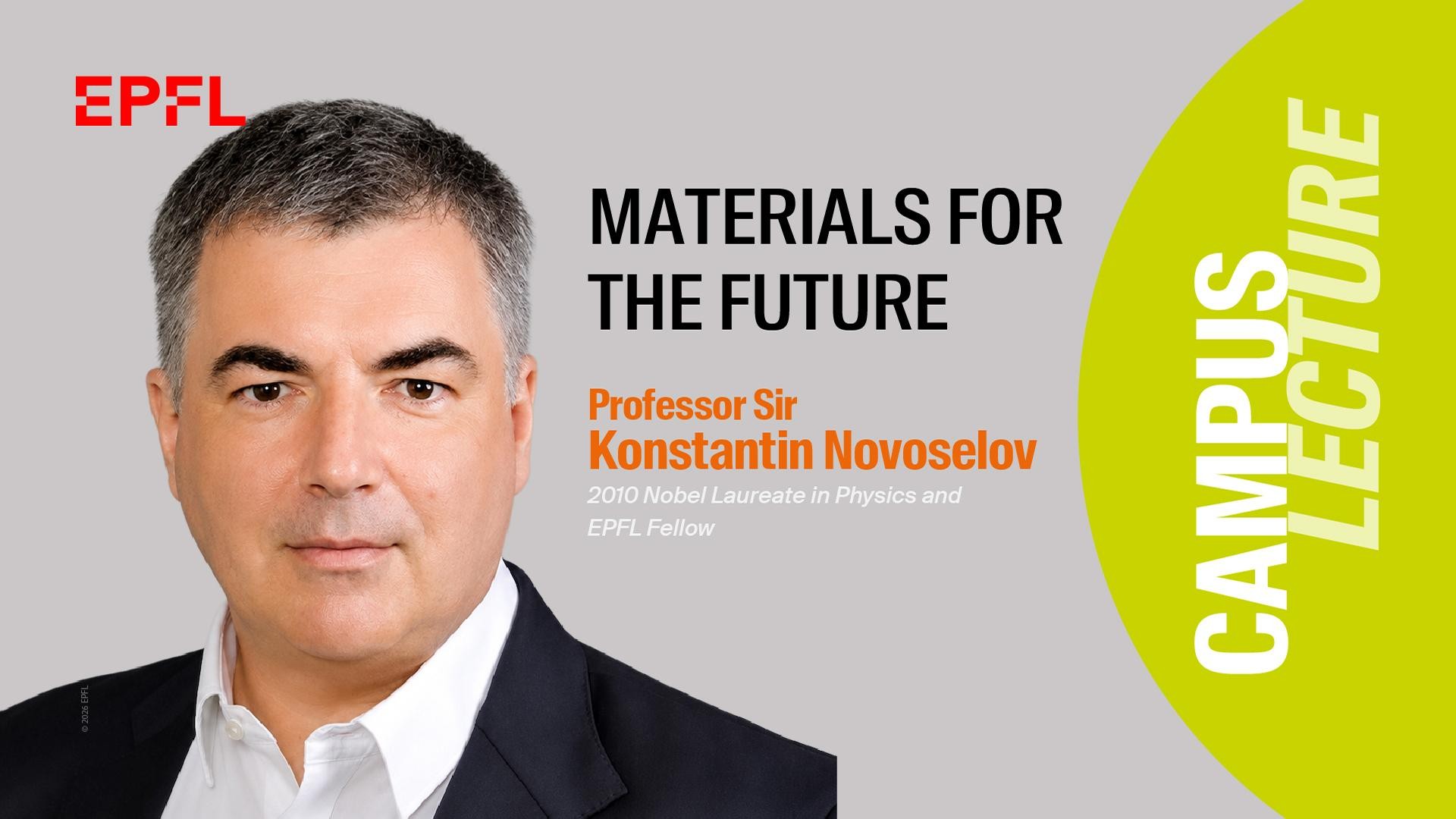
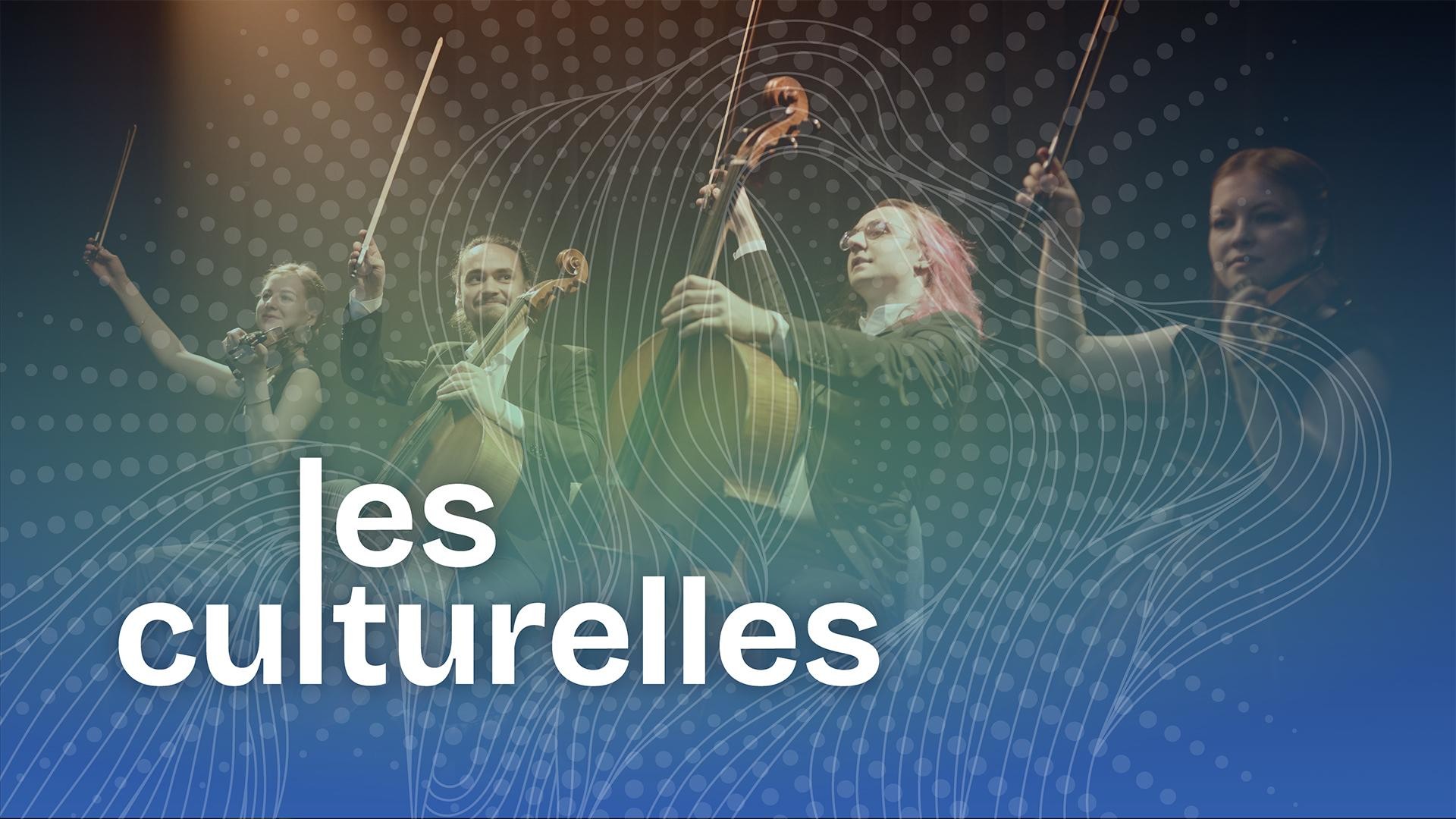
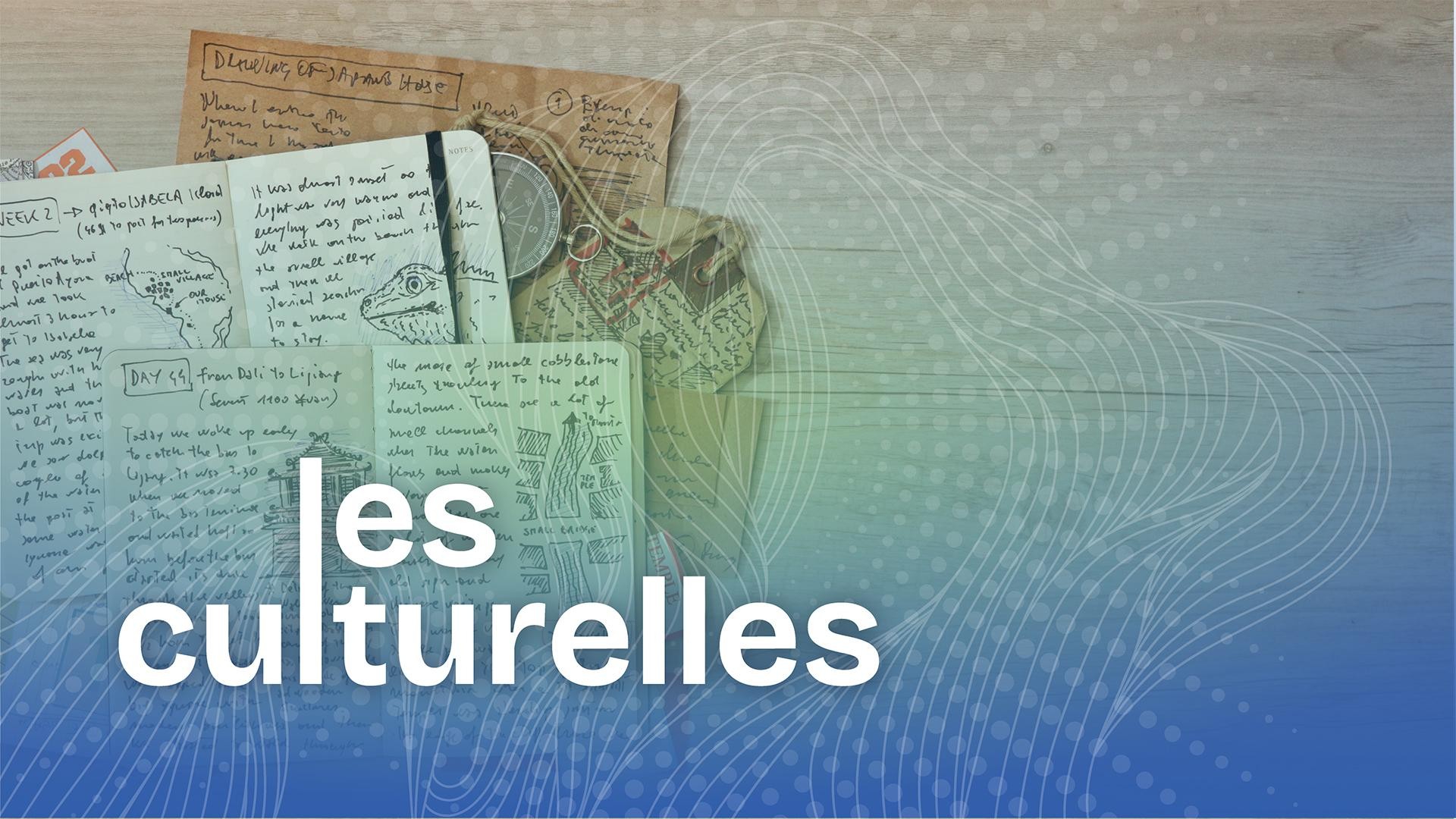
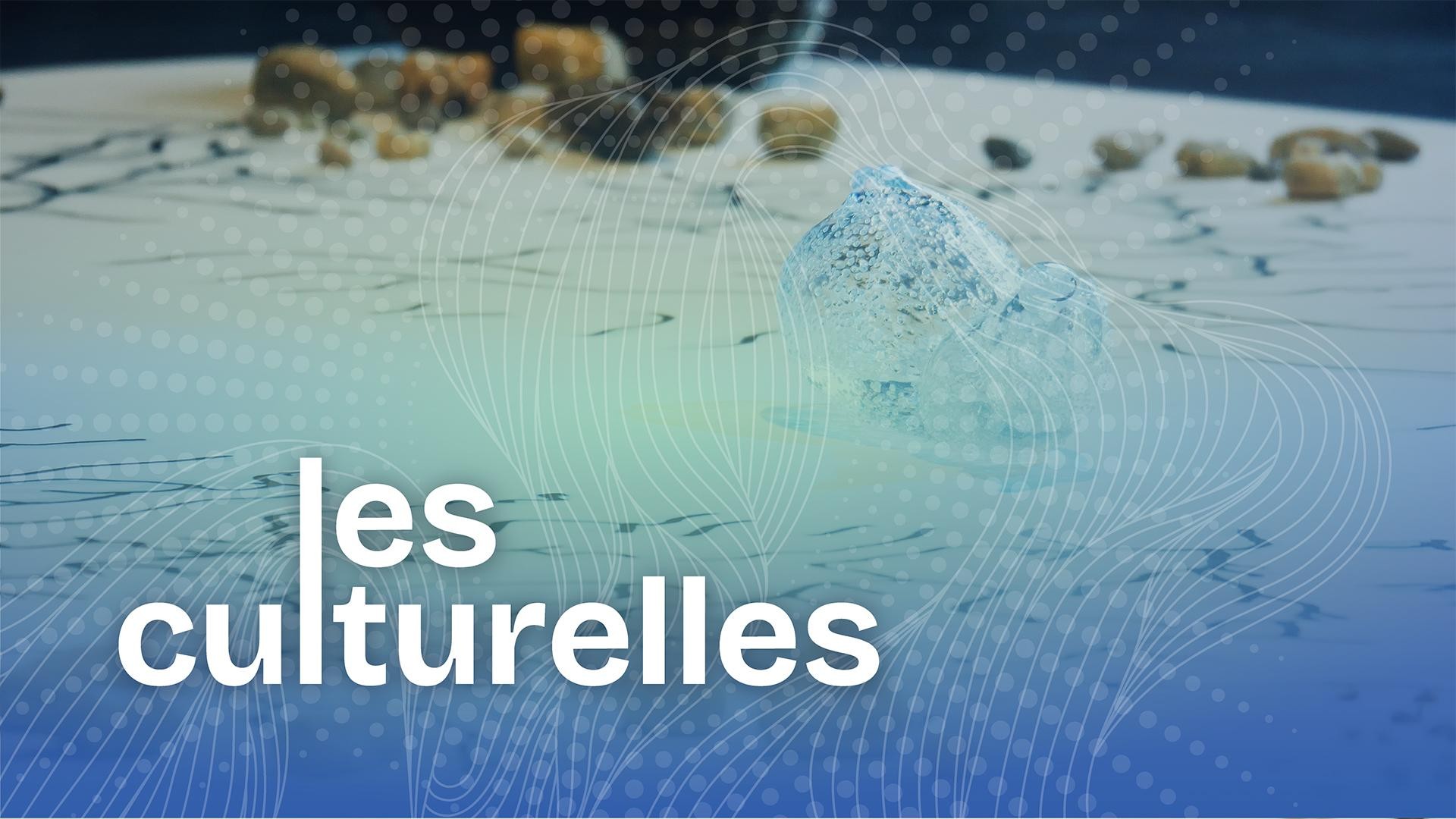
{ "count": 262, "next": "https://memento.epfl.ch/api/v1/events/?format=api&limit=10&offset=180&ordering=event__label_link", "previous": "https://memento.epfl.ch/api/v1/events/?format=api&limit=10&offset=160&ordering=event__label_link", "results": [ { "id": 70490, "title": "Manager : Pilotez les objectifs et accompagnez la progression de vos équipes", "slug": "manager-pilotez-les-objectifs-et-accompagnez-la--5", "event_url": "https://memento.epfl.ch/event/manager-pilotez-les-objectifs-et-accompagnez-la--5", "visual_url": "https://memento.epfl.ch/image/31940/200x112.jpg", "visual_large_url": "https://memento.epfl.ch/image/31940/720x405.jpg", "visual_maxsize_url": "https://memento.epfl.ch/image/31940/max-size.jpg", "lang": "en", "start_date": "2026-12-07", "end_date": "2026-12-07", "start_time": "09:00:00", "end_time": "17:00:00", "description": "<p>La performance en entreprise ne se mesure pas seulement aux résultats, mais à la manière dont les objectifs sont fixés, suivis et ajustés. Cette formation vous offre les outils essentiels pour gérer la performance de votre équipe avec précision et bienveillance.<br>\r\n<br>\r\nÀ travers des méthodes concrètes, des échanges en sous-groupes et des mises en situation, vous apprendrez à accompagner pertinemment votre collaborateur.trice durant tout le cycle de sa performance, de la fixation des objectifs à leur évaluation.<br>\r\n<br>\r\nA la fin de cette formation vous saurez comment rédiger des objectifs efficaces, réaliser des suivis motivants, donner des feedbacks constructifs et conduire des entretiens d’évaluation structurés. Rejoignez-nous pour maîtriser l'art de la gestion de la performance et accompagner vos collaborateurs.trices vers l’excellence !</p>", "image_description": "", "creation_date": "2025-11-18T11:06:39", "last_modification_date": "2025-11-18T11:07:21", "link_label": "Inscription", "link_url": "https://epfl.eu.crossknowledge.com/site/m/public_training/828", "canceled": "True", "cancel_reason": "Changement de date", "place_and_room": "", "url_place_and_room": "", "url_online_room": "", "spoken_languages": [ "https://memento.epfl.ch/api/v1/spoken_languages/1/?format=api" ], "speaker": "Corinne Martino", "organizer": "KeepLearning", "contact": "[email protected]", "is_internal": "True", "theme": "", "vulgarization": { "id": 1, "fr_label": "Tout public", "en_label": "General public" }, "registration": { "id": 1, "fr_label": "Sur inscription", "en_label": "Registration required" }, "keywords": "", "file": null, "icalendar_url": "https://memento.epfl.ch/event/export/118730/", "category": { "id": 15, "code": "FORM", "fr_label": "Formations internes", "en_label": "Internal trainings", "activated": true }, "academic_calendar_category": null, "domains": [], "mementos": [ "https://memento.epfl.ch/api/v1/mementos/6/?format=api", "https://memento.epfl.ch/api/v1/mementos/145/?format=api", "https://memento.epfl.ch/api/v1/mementos/431/?format=api" ] }, { "id": 70542, "title": "Gestion des achats à l'EPFL - Procédures marchés publics", "slug": "gestion-des-achats-a-l-epfl-procedures-marches--14", "event_url": "https://memento.epfl.ch/event/gestion-des-achats-a-l-epfl-procedures-marches--14", "visual_url": "https://memento.epfl.ch/image/31986/200x112.jpg", "visual_large_url": "https://memento.epfl.ch/image/31986/720x405.jpg", "visual_maxsize_url": "https://memento.epfl.ch/image/31986/max-size.jpg", "lang": "en", "start_date": "2026-10-06", "end_date": "2026-10-06", "start_time": "14:00:00", "end_time": "16:00:00", "description": "<p>Cette formation de 2 heures a pour but d'informer les collaborateurs.trices potentiellement engagé(e)s dans des projets d’acquisitions supérieurs à 150 kCHF des règles et des procédures à suivre.<br>\r\n<br>\r\nVue synthétique de la formation:\r\n</p><ul>\r\n\t<li>Présentation de la fonction Achats à l’EPFL</li>\r\n\t<li>Contexte légal</li>\r\n\t<li>Procédures marchés publics</li>\r\n</ul>\r\nPublic cible: Tout.e collaborateur.trice impliqué.e dans un projet d’acquisition de biens ou services dont le montant global est supérieur à 150 kCHF (Chef(e)s de projets, Professeur(e)s, Assistant(e)s Admin etc.).", "image_description": "", "creation_date": "2025-11-24T12:14:26", "last_modification_date": "2026-08-27T15:30:56", "link_label": "Inscription", "link_url": "https://epfl.eu.crossknowledge.com/site/m/public_training/833", "canceled": "True", "cancel_reason": "Lack of participant", "place_and_room": "", "url_place_and_room": "", "url_online_room": "", "spoken_languages": [ "https://memento.epfl.ch/api/v1/spoken_languages/1/?format=api" ], "speaker": "Binôme d'acheteurs du Service Achats", "organizer": "KeepLearning", "contact": "[email protected]", "is_internal": "True", "theme": "", "vulgarization": { "id": 1, "fr_label": "Tout public", "en_label": "General public" }, "registration": { "id": 1, "fr_label": "Sur inscription", "en_label": "Registration required" }, "keywords": "", "file": null, "icalendar_url": "https://memento.epfl.ch/event/export/118813/", "category": { "id": 15, "code": "FORM", "fr_label": "Formations internes", "en_label": "Internal trainings", "activated": true }, "academic_calendar_category": null, "domains": [], "mementos": [ "https://memento.epfl.ch/api/v1/mementos/6/?format=api", "https://memento.epfl.ch/api/v1/mementos/145/?format=api", "https://memento.epfl.ch/api/v1/mementos/431/?format=api" ] }, { "id": 70633, "title": "Conduire le changement", "slug": "conduire-le-changement-5", "event_url": "https://memento.epfl.ch/event/conduire-le-changement-5", "visual_url": "https://memento.epfl.ch/image/32058/200x112.jpg", "visual_large_url": "https://memento.epfl.ch/image/32058/720x405.jpg", "visual_maxsize_url": "https://memento.epfl.ch/image/32058/max-size.jpg", "lang": "en", "start_date": "2026-11-18", "end_date": "2026-11-30", "start_time": "09:00:00", "end_time": "17:00:00", "description": "<p>Dans notre monde en constante évolution, le changement constitue l’une des seules constantes, qu’il s’agisse du changement au niveau de l’individu, de l’équipe ou de l’organisation dans son ensemble. Cet atelier vous fournit des outils et des techniques pour naviguer et diriger efficacement vos partenaires à travers le processus de changement, tout en soutenant la transformation organisationnelle.<br>\r\n<br>\r\nA la fin de cet atelier, vous serez en mesure de :\r\n</p><ul>\r\n\t<li>Construire une vision du changement et utiliser efficacement la narration</li>\r\n\t<li>Identifier et traiter les ‘tueurs du changement’</li>\r\n\t<li>Évaluer et prendre en compte les parties prenantes dans vos initiatives de changement transversal</li>\r\n\t<li>Comprendre la manière de surmonter la résistance au changement </li>\r\n\t<li>Établir la confiance et la crédibilité</li>\r\n\t<li>Écouter efficacement</li>\r\n\t<li>Améliorer vos compétences en matière de communication autour du changement transversal</li>\r\n</ul>\r\nDurée de la formation: 2 heures virtuelle + 2 jours présentiels<br>\r\nPublic cible: Project Managers", "image_description": "", "creation_date": "2025-12-08T11:58:05", "last_modification_date": "2025-12-08T11:58:50", "link_label": "Inscription", "link_url": "https://epfl.eu.crossknowledge.com/site/m/public_training/807", "canceled": "False", "cancel_reason": "", "place_and_room": "", "url_place_and_room": "", "url_online_room": "", "spoken_languages": [ "https://memento.epfl.ch/api/v1/spoken_languages/1/?format=api" ], "speaker": "Marie Nordling", "organizer": "KeepLearning", "contact": "[email protected]", "is_internal": "True", "theme": "", "vulgarization": { "id": 1, "fr_label": "Tout public", "en_label": "General public" }, "registration": { "id": 1, "fr_label": "Sur inscription", "en_label": "Registration required" }, "keywords": "", "file": null, "icalendar_url": "https://memento.epfl.ch/event/export/118939/", "category": { "id": 15, "code": "FORM", "fr_label": "Formations internes", "en_label": "Internal trainings", "activated": true }, "academic_calendar_category": null, "domains": [], "mementos": [ "https://memento.epfl.ch/api/v1/mementos/145/?format=api", "https://memento.epfl.ch/api/v1/mementos/431/?format=api", "https://memento.epfl.ch/api/v1/mementos/6/?format=api" ] }, { "id": 70762, "title": "Agir sur le stress et l'anxiété: des clés pour le quotidien", "slug": "agir-sur-le-stress-et-l-anxiete-des-cles-pour-le-4", "event_url": "https://memento.epfl.ch/event/agir-sur-le-stress-et-l-anxiete-des-cles-pour-le-4", "visual_url": "https://memento.epfl.ch/image/32174/200x112.jpg", "visual_large_url": "https://memento.epfl.ch/image/32174/720x405.jpg", "visual_maxsize_url": "https://memento.epfl.ch/image/32174/max-size.jpg", "lang": "en", "start_date": "2026-10-07", "end_date": "2026-10-07", "start_time": "09:00:00", "end_time": "17:00:00", "description": "<p>Le stress et l’anxiété font aujourd’hui partie intégrante du quotidien, d’autant plus dans un cadre professionnel. Pression de performance, surcharge d’informations, incertitudes et distractions digitales, nous affectent toutes et tous. Lorsqu’ils deviennent chroniques, ces états impactent la santé mentale, le sommeil, la concentration, la motivation, les relations sociales et la qualité du travail.<br>\r\n<br>\r\nComprendre ces mécanismes, apprendre à les réguler, et surtout identifier ses propres déclencheurs et ressources devient alors essentiel pour évoluer dans un cadre professionnel et promouvoir un travail stable et une qualité de vie plus saine.<br>\r\n<br>\r\nCette formation vise à renforcer votre résilience, vous permettre d’identifier vos déclencheurs personnels, et d’activer des ressources internes et externes pour retrouver calme, clarté mentale et stabilité au quotidien.</p>", "image_description": "", "creation_date": "2026-01-05T10:27:31", "last_modification_date": "2026-01-12T09:12:58", "link_label": "Inscription", "link_url": "https://epfl.eu.crossknowledge.com/site/m/public_training/856", "canceled": "False", "cancel_reason": "", "place_and_room": "", "url_place_and_room": "", "url_online_room": "", "spoken_languages": [ "https://memento.epfl.ch/api/v1/spoken_languages/1/?format=api" ], "speaker": "Forrest van Uchelen", "organizer": "KeepLearning", "contact": "[email protected]", "is_internal": "True", "theme": "", "vulgarization": { "id": 1, "fr_label": "Tout public", "en_label": "General public" }, "registration": { "id": 1, "fr_label": "Sur inscription", "en_label": "Registration required" }, "keywords": "", "file": null, "icalendar_url": "https://memento.epfl.ch/event/export/119157/", "category": { "id": 15, "code": "FORM", "fr_label": "Formations internes", "en_label": "Internal trainings", "activated": true }, "academic_calendar_category": null, "domains": [], "mementos": [ "https://memento.epfl.ch/api/v1/mementos/145/?format=api", "https://memento.epfl.ch/api/v1/mementos/431/?format=api", "https://memento.epfl.ch/api/v1/mementos/6/?format=api" ] }, { "id": 71001, "title": "Gestion de projet européen - Projets ERC et MSCA", "slug": "gestion-de-projet-europeen-projets-erc-et-msca-2", "event_url": "https://memento.epfl.ch/event/gestion-de-projet-europeen-projets-erc-et-msca-2", "visual_url": "https://memento.epfl.ch/image/32389/200x112.jpg", "visual_large_url": "https://memento.epfl.ch/image/32389/720x405.jpg", "visual_maxsize_url": "https://memento.epfl.ch/image/32389/max-size.jpg", "lang": "en", "start_date": "2026-11-26", "end_date": "2026-11-26", "start_time": "09:30:00", "end_time": "12:00:00", "description": "<p>Programmes-cadres européens de la recherche et de l’innovation.<br>\r\n<br>\r\nVotre laboratoire participe à un ou plusieurs projets européens et une de vos missions est d’en assurer une gestion efficace au niveaux administratif, financier et celui des ressources humaines ? Pour cela, il est important de prendre le temps de vous familiariser avec la structure de ces projets et avec certaines règles de gestion qui leurs sont spécifiques.<br>\r\n<br>\r\nCette formation vous propose de prendre connaissance des documents contractuels et de leur contenu qui est utile pour votre gestion. Les règles de gestion administrative, financière et RH seront présentées et discutées en se basant sur des cas pratiques.<br>\r\nLa formation permettra aussi aux participants de se familiariser avec le portail européen et la plateforme de reporting du SEFRI.<br>\r\n<br>\r\nIl est recommandé de suivre cette formation le plus tôt possible, idéalement vers le commencement du projet.</p>", "image_description": "", "creation_date": "2026-01-30T10:11:14", "last_modification_date": "2026-01-30T10:12:40", "link_label": "Inscription", "link_url": "https://epfl.eu.crossknowledge.com/site/m/public_training/565", "canceled": "False", "cancel_reason": "", "place_and_room": "", "url_place_and_room": "", "url_online_room": "", "spoken_languages": [ "https://memento.epfl.ch/api/v1/spoken_languages/1/?format=api" ], "speaker": "EU-Funding Team of the Research Office", "organizer": "KeepLearning", "contact": "[email protected]", "is_internal": "True", "theme": "", "vulgarization": { "id": 1, "fr_label": "Tout public", "en_label": "General public" }, "registration": { "id": 1, "fr_label": "Sur inscription", "en_label": "Registration required" }, "keywords": "", "file": null, "icalendar_url": "https://memento.epfl.ch/event/export/119525/", "category": { "id": 15, "code": "FORM", "fr_label": "Formations internes", "en_label": "Internal trainings", "activated": true }, "academic_calendar_category": null, "domains": [], "mementos": [ "https://memento.epfl.ch/api/v1/mementos/145/?format=api", "https://memento.epfl.ch/api/v1/mementos/431/?format=api", "https://memento.epfl.ch/api/v1/mementos/6/?format=api" ] }, { "id": 72281, "title": "Do Robots Dream of Construction Sites? / ARCHIZOOM x CRCL", "slug": "do-robots-dream-of-construction-sites-archizoom--6", "event_url": "https://memento.epfl.ch/event/do-robots-dream-of-construction-sites-archizoom--6", "visual_url": "https://memento.epfl.ch/image/33549/200x112.jpg", "visual_large_url": "https://memento.epfl.ch/image/33549/720x405.jpg", "visual_maxsize_url": "https://memento.epfl.ch/image/33549/max-size.jpg", "lang": "en", "start_date": "2026-11-24", "end_date": "2026-11-24", "start_time": "17:30:00", "end_time": "18:15:00", "description": "<strong>Tuesday 24 November</strong><br>\r\n<strong>5.30pm –</strong> Guided tour of the exhibition by Stefana Parascho, director of the CRCL – Lab for Creative Computation at EPFL<br>\r\n<strong>6.30pm –</strong> Followed by the opening of the exhibition <em>The Extraction of Value</em> with Paolo Tombesi<br>\r\n<br>\r\nWhat if robots didn’t replace us, but worked alongside us? Robots are capable of assembling, analysing, experimenting and learning from their mistakes. Could they take on construction work without replacing human labour? Research carried out by the CRCL explores a form of collaboration between humans and machines that departs from the traditional promise of automation. It opens the way to more inclusive building sites and non-standardised, more environmentally friendly architecture that goes beyond the mere logic of replacement and productivity. <br>\r\n<br>\r\nCan we trust a robot on a building site? This guided tour explores what it means to build alongside increasingly capable machines, and how collaboration between humans and robots could affect our buildings, our trades and, by extension, our daily lives.<br>\r\n<br>\r\n<em>Robots in operation during guided tours !</em>", "image_description": "", "creation_date": "2026-07-27T16:15:08", "last_modification_date": "2026-07-27T16:16:15", "link_label": "Inscription", "link_url": "https://forms.gle/8mG39FYernNXnsJG6", "canceled": "False", "cancel_reason": "", "place_and_room": "Archizoom", "url_place_and_room": "https://plan.epfl.ch/?room==SG%201212", "url_online_room": "", "spoken_languages": [ "https://memento.epfl.ch/api/v1/spoken_languages/2/?format=api" ], "speaker": "Stefana Parascho", "organizer": "Archizoom ", "contact": "Cyril Veillon, Solène Hoffmann", "is_internal": "False", "theme": "", "vulgarization": { "id": 1, "fr_label": "Tout public", "en_label": "General public" }, "registration": { "id": 3, "fr_label": "Entrée libre", "en_label": "Free" }, "keywords": "Architecture, Technology, Construction, Robotic, Robots, Travail, Labor, Durability", "file": null, "icalendar_url": "https://memento.epfl.ch/event/export/121335/", "category": { "id": 9, "code": "MANIF", "fr_label": "Événements festifs et culturels", "en_label": "Cultural events", "activated": true }, "academic_calendar_category": null, "domains": [], "mementos": [ "https://memento.epfl.ch/api/v1/mementos/1/?format=api", "https://memento.epfl.ch/api/v1/mementos/4/?format=api", "https://memento.epfl.ch/api/v1/mementos/6/?format=api", "https://memento.epfl.ch/api/v1/mementos/8/?format=api", "https://memento.epfl.ch/api/v1/mementos/21/?format=api", "https://memento.epfl.ch/api/v1/mementos/22/?format=api", "https://memento.epfl.ch/api/v1/mementos/32/?format=api", "https://memento.epfl.ch/api/v1/mementos/45/?format=api", "https://memento.epfl.ch/api/v1/mementos/145/?format=api", "https://memento.epfl.ch/api/v1/mementos/417/?format=api" ] }, { "id": 72357, "title": "Materials for the Future", "slug": "materials-for-the-future", "event_url": "https://memento.epfl.ch/event/materials-for-the-future", "visual_url": "https://memento.epfl.ch/image/33729/200x112.jpg", "visual_large_url": "https://memento.epfl.ch/image/33729/720x405.jpg", "visual_maxsize_url": "https://memento.epfl.ch/image/33729/max-size.jpg", "lang": "en", "start_date": "2026-10-09", "end_date": "2026-10-09", "start_time": "18:00:00", "end_time": "19:30:00", "description": "<p>In 2026, EPFL named Professor Konstantin Novoselov its first-ever EPFL Fellow, a newly created honorary title recognising scientific personalities of exceptional international stature.<br>\r\n<br>\r\nEPFL is delighted to host a public lecture to celebrate this nomination of one of the most influential physicists of our time.<br>\r\n<br>\r\nKonstantin Novoselov was awarded the Nobel Prize in Physics in 2010 and is globally renowned for his pioneering work on graphene and two-dimensional materials. By isolating graphene for the first time, a sheet of carbon just one atom thick, he opened an entirely new field of research, with profound implications for electronics, energy and quantum technologies.<br>\r\n<br>\r\n<em>Picture this: it was from the graphite of an ordinary pencil lead that this \"super-material\" was first isolated. Using nothing more than a piece of adhesive tape to peel away a layer a single atom thick, Konstantin Novoselov revealed to the world a material with extraordinary properties. A million times thinner than a human hair, 200 times stronger than steel and remarkably conductive, graphene pushes every limit. From the lead of your pencil to the batteries of tomorrow, join us to discover how a deceptively simple gesture set off a genuine technological revolution.</em><br>\r\n<br>\r\nThis Campus Lecture offers an introduction to that revolution: how a two-dimensional material is transforming our understanding of matter and how today's fundamental discoveries become tomorrow's technologies.<br>\r\n<br>\r\n<strong>About Konstantin Novoselov</strong><br>\r\nKonstantin Novoselov is a physicist specialising in condensed matter and nanotechnology. He conducted his Nobel Prize–winning research at the University of Manchester, where, together with Professor Andre Geim, he isolated graphene for the first time. He has held academic positions in the United Kingdom as well as internationally and is currently based at the National University of Singapore. Widely recognised as a leading figure in the study and application of two-dimensional materials, he has received numerous honours for his contributions to science.</p>", "image_description": "", "creation_date": "2026-08-18T11:48:33", "last_modification_date": "2026-09-01T09:58:59", "link_label": "Inscription", "link_url": "https://forms.cloud.microsoft/e/8wFYA27p68", "canceled": "False", "cancel_reason": "", "place_and_room": "RLC E1 240", "url_place_and_room": "https://plan.epfl.ch/?room==RLC%20E1%20240", "url_online_room": "", "spoken_languages": [ "https://memento.epfl.ch/api/v1/spoken_languages/2/?format=api" ], "speaker": "Prof. Konstantin Novoselov", "organizer": "MédiaCom", "contact": "Nicolas Hocq", "is_internal": "False", "theme": "", "vulgarization": { "id": 1, "fr_label": "Tout public", "en_label": "General public" }, "registration": { "id": 1, "fr_label": "Sur inscription", "en_label": "Registration required" }, "keywords": "", "file": null, "icalendar_url": "https://memento.epfl.ch/event/export/121450/", "category": { "id": 1, "code": "CONF", "fr_label": "Conférences - Séminaires", "en_label": "Conferences - Seminars", "activated": true }, "academic_calendar_category": null, "domains": [], "mementos": [ "https://memento.epfl.ch/api/v1/mementos/1/?format=api", "https://memento.epfl.ch/api/v1/mementos/5/?format=api", "https://memento.epfl.ch/api/v1/mementos/6/?format=api", "https://memento.epfl.ch/api/v1/mementos/145/?format=api", "https://memento.epfl.ch/api/v1/mementos/389/?format=api", "https://memento.epfl.ch/api/v1/mementos/417/?format=api" ] }, { "id": 72499, "title": "Musical Composition: Playing with the Verbier Festival Archives", "slug": "musical-composition-playing-with-the-verbier-festi", "event_url": "https://memento.epfl.ch/event/musical-composition-playing-with-the-verbier-festi", "visual_url": "https://memento.epfl.ch/image/33787/200x112.jpg", "visual_large_url": "https://memento.epfl.ch/image/33787/720x405.jpg", "visual_maxsize_url": "https://memento.epfl.ch/image/33787/max-size.jpg", "lang": "en", "start_date": "2026-10-10", "end_date": "2026-10-10", "start_time": "16:00:00", "end_time": "20:00:00", "description": "<p>Thanks to a donation from the Claude Latour Foundation, the Pôle Culture (VPI) is organizing a master class followed by a public concert based on the Verbier Festival archives, which are being digitized at <a href=\"http://www.epfl.ch/research/domains/centre-innovation-patrimoines-culturels/\">EPFL by the EPFL Cultural Heritage & Conservation Platform (CHC)</a>.<br>\r\n<br>\r\nDuring the masterclass, the selected students are invited to create a musical piece lasting no more than 5 minutes in the style, aesthetic, and genre of their choice (jazz, rap, rock, metal, classical, etc.). At the end of the day, the pieces will be presented to the public, accompanied by comments from a panel of experts. <br>\r\n<br>\r\n<strong>PROGRAM:</strong>\r\n</p><ul>\r\n\t<li><strong>10:00–16:00: Masterclass</strong> (<a href=\"https://forms.cloud.microsoft/e/A0FMYfPjg1\">registration required</a>)<br>\r\n\t </li>\r\n\t<li><strong>16:00–16:15: Welcome for the audience</strong></li>\r\n\t<li>16:15–17:45: Listening to the compositions with commentary from experts</li>\r\n\t<li>17:45–18:15: Submit a music sample of your composition (max. 5 min, in MP3 format)</li>\r\n\t<li><strong>18:30: Aperitif with the audience</strong> (<a href=\"http://forms.cloud.microsoft/e/z8TTfURvwX\">registration required</a>)</li>\r\n</ul>\r\n---<br>\r\n<strong>MASTERCLASS:</strong><br>\r\nThe Verbier Festival is opening its archives and making audio tracks from classical music concerts available. Participants will be able to transform, reinterpret, and reinvent these tracks to create a personal, original 5-minute piece in any musical style.<br>\r\n<br>\r\nThroughout the process, four experts will guide the participants, sharing their advice and helping each person bring their project to life.<br>\r\n<br>\r\n<strong>The Experts:</strong><br>\r\n<a href=\"http://people.epfl.ch/alain.dufaux\">Alain Dufaux</a>, Director of the EPFL CHC Platform—Cultural Heritage & Conservation<br>\r\n<a href=\"https://edpub.unil.ch/interpub/noauth/php/Un/UnPers.php?PerNum=64542&LanCode=37\">Constance Frei</a>, musicologist, professor at UNIL/EPFL<br>\r\n<a href=\"http://hem.hesge.ch/la-hem/alumniae/portrait-alumniae/charlotte-graber-musicologue-bibliothecaire\">Charlotte Graber</a>, musicologist at HEM, Geneva <br>\r\n<a href=\"http://verbierfestival.com/musician/mcholm-stephen/\">Stephen McHolm</a>, Director of the Verbier Festival Academy <br>\r\n<br>\r\n<strong>Practical Information:</strong>\r\n\r\n<ul>\r\n\t<li>Open to a maximum of 6 EPFL students</li>\r\n\t<li>Saturday, October 10, from 10 a.m. to 8 p.m. at the Montreux Jazz Café</li>\r\n\t<li>Prerequisites: Submit a music sample of your composition (max. 5 min, in MP3 format)</li>\r\n\t<li>Technical requirements: bring your own computer and headphones</li>\r\n</ul>\r\n<a href=\"https://forms.cloud.microsoft/e/A0FMYfPjg1\"><strong>>>> Register for the Masterclass</strong></a> (deadline: October 5, at noon)<br>\r\n<br>\r\n---<br>\r\n<strong>EPFL CHC and the Verbier Festival:</strong><br>\r\nThe EPFL Cultural Heritage Conservation Platform (CHC) was established at EPFL in 2010 under the name “Metamedia Center.” For the past 16 years, it has pursued a dual mission: to digitize and preserve audiovisual collections and heritage of major significance in Switzerland and around the world, and to enrich and bring them to life through research and innovation projects conducted in EPFL’s laboratories, startups, and in collaboration with EPFL partners. The collections thus assembled become true research infrastructures: they provide a unique resource for education and research, accessible to students as well as to innovation communities at EPFL and around the world.<br>\r\n<br>\r\nIt was with this goal in mind that EPFL and the <a href=\"http://verbierfestival.com/\">Verbier Festival</a> launched the Verbier Festival Collection project in 2021. The project aims to preserve and promote the festival’s heritage, with the goal of rekindling younger generations’ interest in classical music.<br>\r\n<br>\r\nA pioneer since 1994, the Verbier Festival is the first festival in the world to have recorded all of its concerts. This exceptional collection now includes 3,000 hours of audio recordings, more than 1,000 hours of video, 12,000 historical photographs, archival documents, and a collection of annotated sheet music. It serves as a unique resource for research, innovation, and cultural transmission. As part of this collaboration, EPFL students are invited—upon registration and following a selection process—to participate in a master class during which they will draw on part of this heritage to create a musical work, which they will then present to an audience and a jury.<br>\r\n<br>\r\n---<br>\r\n<strong>Partners: </strong>Claude Latour Foundation, Verbier Festival, CHC Platform—Cultural Heritage & Conservation at EPFL, UNIL, Montreux Jazz Café, NAGRA <br>\r\n<br>\r\n<strong>>>> Free admission; <a href=\"http://forms.cloud.microsoft/e/z8TTfURvwX\">aperitif available with registration</a></strong><br>\r\n \r\n<figure class=\"image\"><a href=\"https://www.epfl.ch/campus/art-culture/fr/les-culturelles/les-culturelles-dautomne-2026/\"><img alt=\"Programme complet des Culturelles\" height=\"182\" src=\"https://www.epfl.ch/campus/art-culture/wp-content/uploads/2026/09/LES_CULTURELLES_1920x1080_programme_complet.png\" width=\"600\"></a>\r\n\r\n<figcaption>© 2026 EPFL, Laura Persat</figcaption>\r\n</figure>", "image_description": "", "creation_date": "2026-09-03T14:13:52", "last_modification_date": "2026-09-10T14:13:58", "link_label": "Inscription à l'apéritif", "link_url": "http://forms.cloud.microsoft/e/z8TTfURvwX", "canceled": "False", "cancel_reason": "", "place_and_room": "Montreux Jazz Café", "url_place_and_room": "https://plan.epfl.ch/?room==ART%20C0%20100", "url_online_room": "", "spoken_languages": [ "https://memento.epfl.ch/api/v1/spoken_languages/1/?format=api", "https://memento.epfl.ch/api/v1/spoken_languages/2/?format=api" ], "speaker": "<a href=\"https://people.epfl.ch/alain.dufaux\">Alain Dufaux</a>, directeur de la Plateforme EPFL CHC - Cultural Heritage & Conservation ; <a href=\"https://applicationspub.unil.ch/interpub/noauth/php/Un/UnPers.php?PerNum=64542&LanCode=37\">Constance Frei</a>, musicologue, professeure UNIL/EPFL ; <a href=\"https://hem.hesge.ch/la-hem/alumniae/portrait-alumniae/charlotte-graber-musicologue-bibliothecaire\">Charlotte Graber</a>, musicologue HEM, Genève ; <a href=\"https://verbierfestival.com/musician/mcholm-stephen/\">Stephen McHolm</a>, directeur de la Verbier Festival Academy ", "organizer": "<a href=\"https://www.epfl.ch/campus/art-culture/fr/les-culturelles/\">Festival Les Culturelles</a> (Pôle Culture VPI)", "contact": "<a href=\"https://people.epfl.ch/veronique.mauron\">Véronique Mauron Layaz</a>", "is_internal": "False", "theme": "", "vulgarization": { "id": 1, "fr_label": "Tout public", "en_label": "General public" }, "registration": { "id": 3, "fr_label": "Entrée libre", "en_label": "Free" }, "keywords": "", "file": null, "icalendar_url": "https://memento.epfl.ch/event/export/121682/", "category": { "id": 9, "code": "MANIF", "fr_label": "Événements festifs et culturels", "en_label": "Cultural events", "activated": true }, "academic_calendar_category": null, "domains": [], "mementos": [ "https://memento.epfl.ch/api/v1/mementos/1/?format=api", "https://memento.epfl.ch/api/v1/mementos/2/?format=api", "https://memento.epfl.ch/api/v1/mementos/4/?format=api", "https://memento.epfl.ch/api/v1/mementos/5/?format=api", "https://memento.epfl.ch/api/v1/mementos/6/?format=api", "https://memento.epfl.ch/api/v1/mementos/8/?format=api", "https://memento.epfl.ch/api/v1/mementos/21/?format=api", "https://memento.epfl.ch/api/v1/mementos/22/?format=api", "https://memento.epfl.ch/api/v1/mementos/79/?format=api", "https://memento.epfl.ch/api/v1/mementos/145/?format=api" ] }, { "id": 72513, "title": "Exploration Journals - Reading the Texts", "slug": "exploration-journals-reading-the-texts", "event_url": "https://memento.epfl.ch/event/exploration-journals-reading-the-texts", "visual_url": "https://memento.epfl.ch/image/33784/200x112.jpg", "visual_large_url": "https://memento.epfl.ch/image/33784/720x405.jpg", "visual_maxsize_url": "https://memento.epfl.ch/image/33784/max-size.jpg", "lang": "en", "start_date": "2026-10-12", "end_date": "2026-10-12", "start_time": "12:00:00", "end_time": "13:00:00", "description": "<div class=\"BCX2 Ltr OutlineElement SCXW195098754\"><strong>THIS EVENT HAD TO BE CANCELED, UNFORTUNATELY<br>\r\n<br>\r\nBy and with the <a href=\"http://www.instagram.com/plume_epfl/\">Plume</a> Association<br>\r\nDuration: 1 hour</strong><br>\r\n<br>\r\n<a href=\"http://www.instagram.com/plume_epfl/\">PLUME</a> is the UNIL-EPFL literature association. Its mission is to promote writing and literary activities among students. As part of the Les Culturelles festival, Plume presents a reading of the final texts from its “Carnets d’exploration” project.<br>\r\n<br>\r\n<strong>THE PROJECT:</strong><br>\r\nStudents are invited to write a text or create an illustration on the theme of “exploration and travel,” whether real or fantastical. A jury selects six authors, who are invited to spend a weekend in the mountains to write the next chapter of the adventure. The texts are read aloud during a public reading as part of the Les Culturelles Festival and then published in a final anthology.<br>\r\n<br>\r\n<strong>Dates:</strong></div>\r\n\r\n<ul>\r\n\t<li>September 17: Deadline for submitting texts and illustrations</li>\r\n\t<li>September 20: Announcement of the 6 winners</li>\r\n\t<li>September 26–27: Exploration weekend in the Swiss Alps</li>\r\n\t<li>October 9: Presentation of the exploration texte</li>\r\n</ul>\r\n\r\n<div class=\"BCX2 Ltr OutlineElement SCXW195098754\"><strong>PUBLIC READING:<br>\r\nMonday, October 12, at 12:00 p.m. in the <a href=\"http://plan.epfl.ch/?room==MED%200%2094.22\">MED Hall</a></strong><br>\r\nAs part of the <a href=\"http://www.epfl.ch/campus/art-culture/fr/les-culturelles/les-culturelles-dautomne-2026/\">Les Culturelles</a> festival, the texts will be read publicly during a dedicated event, followed by a complimentary snack (registration required). A publication containing all the texts will be released in late 2026.<br>\r\n<br>\r\n<em>Carnets d’exploration</em> is a project that received support from the Pôle Culture (VPI) as part of a <a href=\"http://www.epfl.ch/campus/art-culture/fr/bourses-pour-projets-artistiques/\">competition</a> held twice a year for student organizations involved in campus culture.<br>\r\n<br>\r\n<strong>>>> Unfortunately, the event had to be canceled...</strong></div>\r\n \r\n\r\n<figure class=\"image\"><a href=\"https://www.epfl.ch/campus/art-culture/fr/les-culturelles/les-culturelles-dautomne-2026/\"><img alt=\"Programme complet des Culturelles\" height=\"182\" src=\"https://www.epfl.ch/campus/art-culture/wp-content/uploads/2026/09/LES_CULTURELLES_1920x1080_programme_complet.png\" width=\"600\"></a>\r\n\r\n<figcaption>© 2026 EPFL, Laura Persat</figcaption>\r\n</figure>\r\n<br>\r\n ", "image_description": "", "creation_date": "2026-09-03T15:35:35", "last_modification_date": "2026-09-24T13:52:39", "link_label": "Inscription à la collation", "link_url": "https://forms.cloud.microsoft/e/hbqyrFkvFR", "canceled": "True", "cancel_reason": "", "place_and_room": "Hall MED", "url_place_and_room": "https://plan.epfl.ch/?room==MED%200%2094.22", "url_online_room": "", "spoken_languages": [ "https://memento.epfl.ch/api/v1/spoken_languages/1/?format=api", "https://memento.epfl.ch/api/v1/spoken_languages/2/?format=api" ], "speaker": "Plume, association de littérature UNIL-EPFL", "organizer": "<a href=\"https://www.epfl.ch/campus/art-culture/fr/les-culturelles/\">Festival Les Culturelles</a> (Pôle Culture VPI)", "contact": "<a href=\"https://people.epfl.ch/veronique.mauron\">Véronique Mauron Layaz</a>", "is_internal": "False", "theme": "", "vulgarization": { "id": 1, "fr_label": "Tout public", "en_label": "General public" }, "registration": { "id": 3, "fr_label": "Entrée libre", "en_label": "Free" }, "keywords": "littérature, association étudiante EPFL, lecture, écriture", "file": null, "icalendar_url": "https://memento.epfl.ch/event/export/121695/", "category": { "id": 9, "code": "MANIF", "fr_label": "Événements festifs et culturels", "en_label": "Cultural events", "activated": true }, "academic_calendar_category": null, "domains": [], "mementos": [ "https://memento.epfl.ch/api/v1/mementos/1/?format=api", "https://memento.epfl.ch/api/v1/mementos/2/?format=api", "https://memento.epfl.ch/api/v1/mementos/5/?format=api", "https://memento.epfl.ch/api/v1/mementos/6/?format=api", "https://memento.epfl.ch/api/v1/mementos/8/?format=api", "https://memento.epfl.ch/api/v1/mementos/21/?format=api", "https://memento.epfl.ch/api/v1/mementos/22/?format=api", "https://memento.epfl.ch/api/v1/mementos/79/?format=api", "https://memento.epfl.ch/api/v1/mementos/145/?format=api" ] }, { "id": 72518, "title": "Secouons-nous les eaux - Performance", "slug": "secouons-nous-les-eaux-performance-2", "event_url": "https://memento.epfl.ch/event/secouons-nous-les-eaux-performance-2", "visual_url": "https://memento.epfl.ch/image/33780/200x112.jpg", "visual_large_url": "https://memento.epfl.ch/image/33780/720x405.jpg", "visual_maxsize_url": "https://memento.epfl.ch/image/33780/max-size.jpg", "lang": "en", "start_date": "2026-10-14", "end_date": "2026-10-14", "start_time": "12:00:00", "end_time": "13:00:00", "description": "<div class=\"BCX2 Ltr OutlineElement SCXW196505929\">The <a href=\"http://hydromondes.org/\">Hydromondes</a> collective invites the EPFL community <strong>to explore the relationship between science and the bodies of water</strong> that surround us, in an artistic and festive setting.<br>\r\n<br>\r\nOn stage: </div>\r\n\r\n<ul>\r\n\t<li>Marin Schaffner, ethnologist</li>\r\n\t<li>Jeanne Mermet, engineer </li>\r\n\t<li>Gabriel Cotte, hydrologist </li>\r\n\t<li>Clémence Mathieu, illustrator </li>\r\n</ul>\r\n\r\n<div class=\"BCX2 Ltr OutlineElement SCXW196505929\"><br>\r\nThe event, which could be called a “festive gathering,” is a mix of performance, lecture, and debate. It consists of three parts: <br>\r\n </div>\r\n\r\n<ol>\r\n\t<li>The first part presents <strong>the scientific, artistic, and sensory content</strong> developed by the Hydromondes collective to put ourselves in the shoes of Lake Geneva—a living entity—in order to understand the paths water takes through our bodies, through the pipes and faucets at EPFL, and more broadly throughout the region.<br>\r\n\t </li>\r\n\t<li>The second part is an opened <strong>discussion</strong> with the audience to gather testimonies, questions, and reflections on the issue of water stewardship, particularly in light of current and future socioeconomic challenges and climate disruptions.<br>\r\n\t </li>\r\n\t<li>The third part gets us <strong>moving</strong> to “stir up our waters,” drawing our attention to the health of Lake Geneva and all bodies of water. A mix of texts, live drawings (using water from Lake Geneva), and music turns this moment into a festive gathering.</li>\r\n</ol>\r\n\r\n<div class=\"BCX2 Ltr OutlineElement SCXW196505929\">---<br>\r\n<strong>The <a href=\"http://hydromondes.org/\">Hydromondes</a> Collective</strong><br>\r\nFor the past two years, the Hydromondes collective has been developing a research-creation project on Lake Geneva as a living entity, engaging with scientists, managers, activists, and artists from the Lake Geneva region to attempt to paint a dynamic portrait of this lake on which we depend—particularly through the waters that flow through us. The collective employs sensory cartography, creates drawings and texts, and composes music. On June 12 and 13, 2026, the Lake Geneva Bioregional Assemblies took place at the Vidy Theater, during which Hydromondes brought together a myriad of Franco-Swiss collectives to create a cross-border community dedicated to the care of the waters.<br>\r\n<br>\r\nThe collaboration between the collective and <a href=\"http://applicationspub.unil.ch/interpub/noauth/php/Un/UnPers.php?PerNum=1277309&LanCode=37\">Nathalia Capellini,</a> a historian at the University of Lausanne (UNIL) and instructor in the EPFL’s SHS program, gave rise to the performance *Le Léman Cyborg*, presented on May 7, 2026, as part of the *Culturelles de printemps* festival. Nathalia Capellini’s course titled “Infrastructures” had fueled the project. This collaboration between the collective and the academic community will therefore continue for the Culturelles in October 2026, with a more participatory format—somewhere between an artistic presentation and a town hall meeting—in a playful atmosphere.<br>\r\n<br>\r\n<strong>>>> Free admission; <a href=\"http://forms.cloud.microsoft/e/ffSBMqP21Y\">light refreshments provided upon registration</a></strong></div>\r\n\r\n<div class=\"BCX2 Ltr OutlineElement SCXW196505929\"> \r\n<figure class=\"image\"><a href=\"https://www.epfl.ch/campus/art-culture/fr/les-culturelles/les-culturelles-dautomne-2026/\"><img alt=\"Programme complet des Culturelles\" height=\"182\" src=\"https://www.epfl.ch/campus/art-culture/wp-content/uploads/2026/09/LES_CULTURELLES_1920x1080_programme_complet.png\" width=\"600\"></a>\r\n\r\n<figcaption>© 2026 EPFL, Laura Persat</figcaption>\r\n</figure>\r\n</div>", "image_description": "", "creation_date": "2026-09-03T16:58:47", "last_modification_date": "2026-09-29T18:00:01", "link_label": "Inscription à la collation", "link_url": "https://forms.cloud.microsoft/e/ffSBMqP21Y", "canceled": "False", "cancel_reason": "", "place_and_room": "Hall MED", "url_place_and_room": "https://plan.epfl.ch/?room==MED%200%2094.22", "url_online_room": "", "spoken_languages": [ "https://memento.epfl.ch/api/v1/spoken_languages/1/?format=api" ], "speaker": "Collectif <a href=\"https://hydromondes.org/\">Hydromondes</a> ; Marin Schaffner, ethnologue ; Jeanne Mermet, ingénieure ; Gabriel Cotte, hydrologue et Clémence Mathieu, dessinatrice ", "organizer": "<a href=\"https://www.epfl.ch/campus/art-culture/fr/les-culturelles/\">Festival Les Culturelles</a> (Pôle Culture VPI)", "contact": "<a href=\"https://people.epfl.ch/veronique.mauron\">Véronique Mauron Layaz</a>", "is_internal": "False", "theme": "", "vulgarization": { "id": 1, "fr_label": "Tout public", "en_label": "General public" }, "registration": { "id": 3, "fr_label": "Entrée libre", "en_label": "Free" }, "keywords": "Léman, corps aquatique, performance", "file": null, "icalendar_url": "https://memento.epfl.ch/event/export/121705/", "category": { "id": 9, "code": "MANIF", "fr_label": "Événements festifs et culturels", "en_label": "Cultural events", "activated": true }, "academic_calendar_category": null, "domains": [], "mementos": [ "https://memento.epfl.ch/api/v1/mementos/1/?format=api", "https://memento.epfl.ch/api/v1/mementos/2/?format=api", "https://memento.epfl.ch/api/v1/mementos/4/?format=api", "https://memento.epfl.ch/api/v1/mementos/5/?format=api", "https://memento.epfl.ch/api/v1/mementos/6/?format=api", "https://memento.epfl.ch/api/v1/mementos/8/?format=api", "https://memento.epfl.ch/api/v1/mementos/21/?format=api", "https://memento.epfl.ch/api/v1/mementos/22/?format=api", "https://memento.epfl.ch/api/v1/mementos/79/?format=api", "https://memento.epfl.ch/api/v1/mementos/145/?format=api" ] } ] }