Event List
retrieve:
Return the details about the given Event id.
list:
List all Event objects.
GET /api/v1/events/?format=api&offset=20&ordering=event__end_date
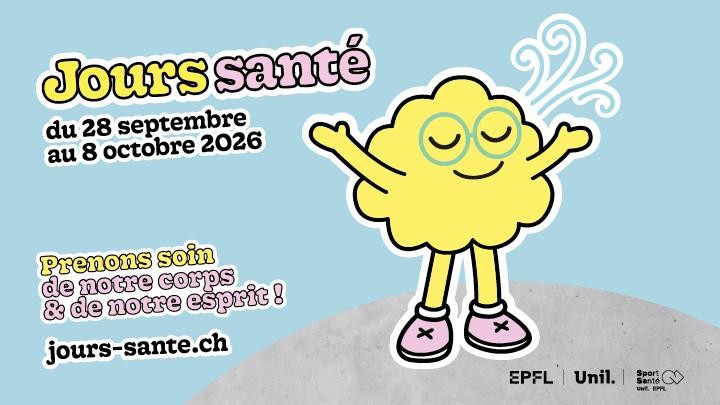
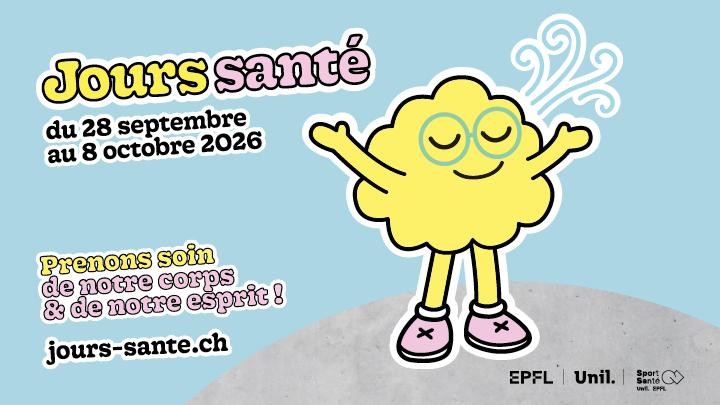
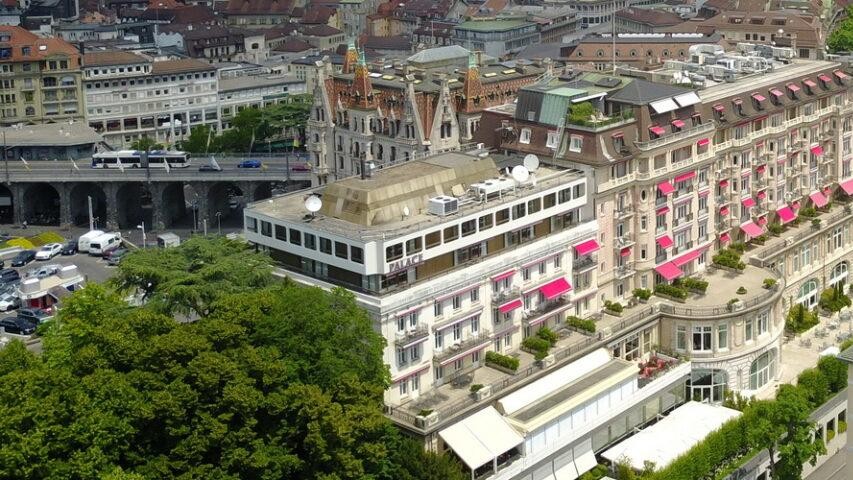
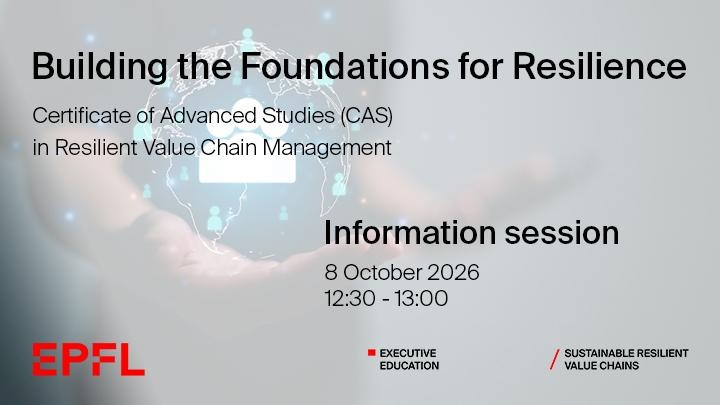
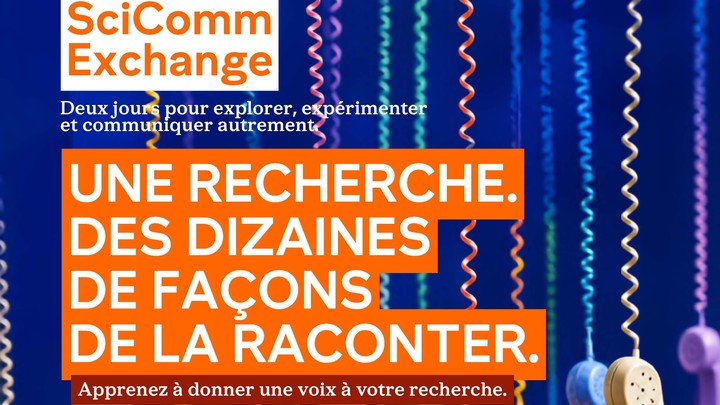
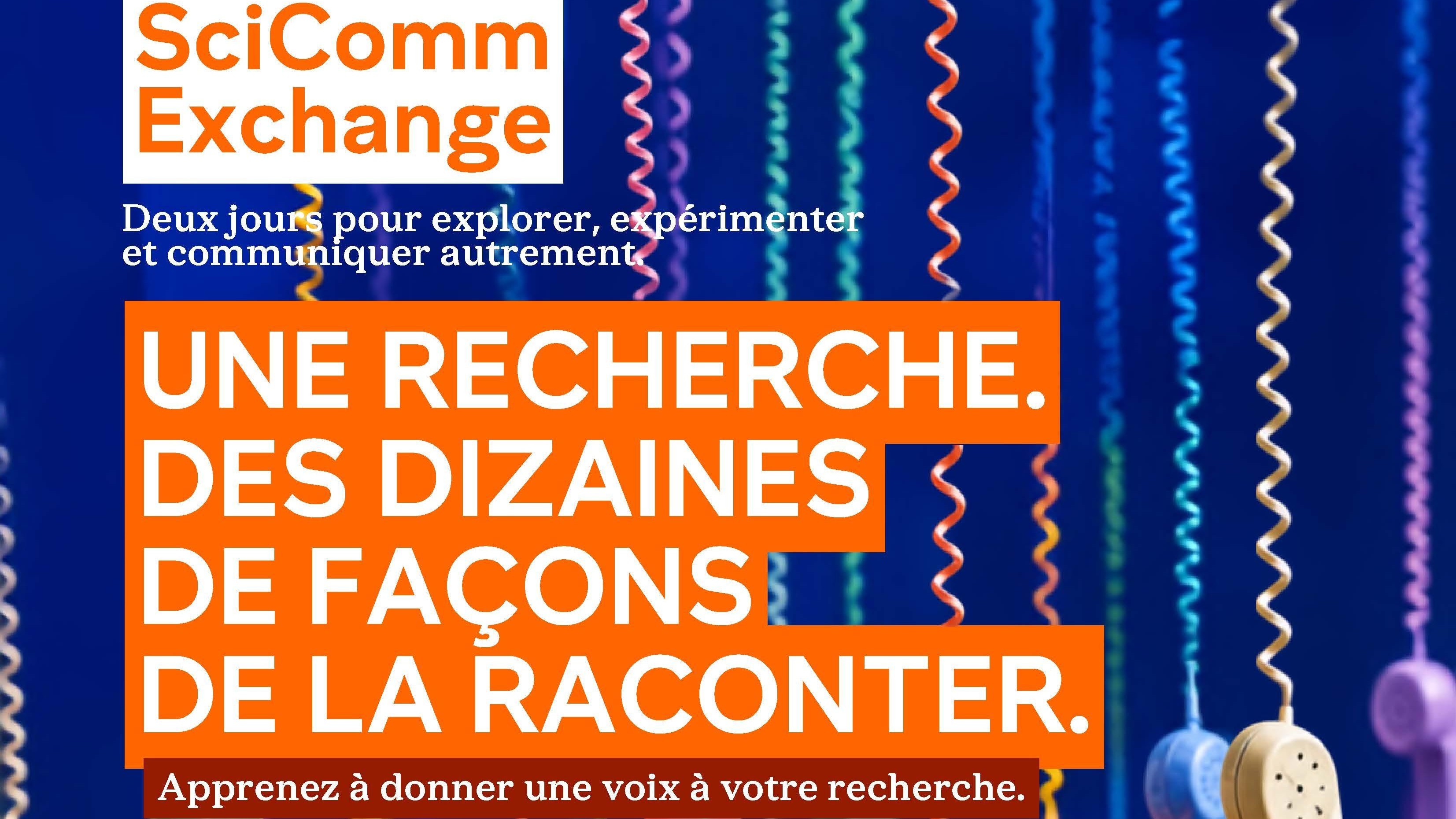
{ "count": 259, "next": "https://memento.epfl.ch/api/v1/events/?format=api&limit=10&offset=30&ordering=event__end_date", "previous": "https://memento.epfl.ch/api/v1/events/?format=api&limit=10&offset=10&ordering=event__end_date", "results": [ { "id": 72233, "title": "REGARD Workshop: Self-empowerment: discover how to build your power to act", "slug": "regard-workshop-self-empowerment-discover-how-to-8", "event_url": "https://memento.epfl.ch/event/regard-workshop-self-empowerment-discover-how-to-8", "visual_url": "https://memento.epfl.ch/image/33512/200x112.jpg", "visual_large_url": "https://memento.epfl.ch/image/33512/720x405.jpg", "visual_maxsize_url": "https://memento.epfl.ch/image/33512/max-size.jpg", "lang": "en", "start_date": "2026-10-07", "end_date": "2026-10-08", "start_time": "09:00:00", "end_time": "17:00:00", "description": "<strong>Target audience: gender mixed, PhD candidates. intermediate academic staff</strong><br>\r\n <br>\r\n<strong>Description and objectives</strong>\r\n<ul>\r\n\t<li>How could you feel more competent, worthy, valuable, and capable of doing things? What would enable you to address adversity with calm and resolve?</li>\r\n\t<li>How could you create conditions around you that would foster your ideas and projects?</li>\r\n\t<li>How could you develop courage to fight for what is important to you and to say No to what is not?</li>\r\n</ul>\r\nAlthough these questions seem very personal, they are actually widely shared and universal. Most people have doubts and struggle at times with their self-image, self-acceptance and confidence. Research shows consistently that developing these aspects is highly correlated to coping with life challenges, and emotional well-being.<br>\r\nThis workshop is designed to help you identify ways to foster positive self-image, to transform limiting beliefs into self-compassion, and to increase your “power to act”.<br>\r\n<br>\r\n<strong>Approach</strong><br>\r\nThrough experience sharing, discovery of tools like cultivating self-care and mindfulness, as well as via the analysis of concrete situations, each participant will be able to make another step on her/his path of professional and personal growth.", "image_description": "", "creation_date": "2026-07-14T11:38:03", "last_modification_date": "2026-07-14T11:41:03", "link_label": "Website", "link_url": "https://www.unifr.ch/regard/fr/ateliers/descriptifs-des-ateliers.html#:~:text=and%20teacher%20feedback.-,Self%2Dempowerment,-%3A%20discover%20how%20to", "canceled": "False", "cancel_reason": "", "place_and_room": "EPFL", "url_place_and_room": "", "url_online_room": "", "spoken_languages": [ "https://memento.epfl.ch/api/v1/spoken_languages/2/?format=api" ], "speaker": "<a href=\"https://www.linkedin.com/in/nir-zalts-11786835/\"><strong>Nir Zalts</strong></a>, Leadership development & Team coaching", "organizer": "<a href=\"https://www.unifr.ch/regard/fr/programme/equipe.html\">REGARD</a> ", "contact": "<a href=\"mailto:[email protected]\">Chantal Mellier</a>", "is_internal": "False", "theme": "", "vulgarization": { "id": 2, "fr_label": "Public averti", "en_label": "Informed public" }, "registration": { "id": 1, "fr_label": "Sur inscription", "en_label": "Registration required" }, "keywords": "", "file": null, "icalendar_url": "https://memento.epfl.ch/event/export/121263/", "category": { "id": 15, "code": "FORM", "fr_label": "Formations internes", "en_label": "Internal trainings", "activated": true }, "academic_calendar_category": null, "domains": [], "mementos": [ "https://memento.epfl.ch/api/v1/mementos/3/?format=api", "https://memento.epfl.ch/api/v1/mementos/4/?format=api", "https://memento.epfl.ch/api/v1/mementos/5/?format=api", "https://memento.epfl.ch/api/v1/mementos/6/?format=api", "https://memento.epfl.ch/api/v1/mementos/8/?format=api", "https://memento.epfl.ch/api/v1/mementos/21/?format=api" ] }, { "id": 72259, "title": "Health Days 2026", "slug": "health-days-2026", "event_url": "https://memento.epfl.ch/event/health-days-2026", "visual_url": "https://memento.epfl.ch/image/33530/200x112.jpg", "visual_large_url": "https://memento.epfl.ch/image/33530/720x405.jpg", "visual_maxsize_url": "https://memento.epfl.ch/image/33530/max-size.jpg", "lang": "en", "start_date": "2026-09-28", "end_date": "2026-10-08", "start_time": null, "end_time": null, "description": "<p>UNIL+EPFL Health Days 2026 invite you to dedicate some time to your physical and mental well-being from 28 September to 8 October. Over the course of these two weeks, a wide range of inspiring <strong>conferences, workshops and activities</strong> will take place at various times throughout the day. Some events will be open to the general public and offered in French and/or English.<br>\r\n<br>\r\nMembers of the university community will be able to take advantage of the <strong>health screenings and assessments</strong> available at the Health Village, hosted during the first week on the EPFL campus and during the second week on the University of Lausanne campus. They will also have access to <strong>information stands</strong> run by services and partners committed to promoting a comprehensive, 360-degree approach to health and well-being.<br>\r\n<br>\r\nThe programme will be available at the end of August on the dedicated website: <a href=\"https://jours-sante.ch/.\"><strong>https://jours-sante.ch/</strong></a>.</p>", "image_description": "", "creation_date": "2026-07-20T15:54:23", "last_modification_date": "2026-07-20T15:58:58", "link_label": "Jours Santé", "link_url": "https://jours-sante.ch/", "canceled": "False", "cancel_reason": "", "place_and_room": "Rolex Learning Center et Unil-Amphipôle", "url_place_and_room": "", "url_online_room": "", "spoken_languages": [ "https://memento.epfl.ch/api/v1/spoken_languages/1/?format=api", "https://memento.epfl.ch/api/v1/spoken_languages/2/?format=api" ], "speaker": "", "organizer": "EPFL (VPH-WINC), Service Sport Santé Unil+EPFL (SSUE), Université de Lausanne", "contact": "<a href=\"mailto:[email protected]\">[email protected]</a>", "is_internal": "False", "theme": "", "vulgarization": { "id": 1, "fr_label": "Tout public", "en_label": "General public" }, "registration": { "id": 3, "fr_label": "Entrée libre", "en_label": "Free" }, "keywords": "santé, health, santé mentale, mental health, emotions, psychology, sophrologie, self-hypnose, mindfulness, aging", "file": null, "icalendar_url": "https://memento.epfl.ch/event/export/121300/", "category": { "id": 4, "code": "DIVERS", "fr_label": "Autres types d’événement", "en_label": "Miscellaneous", "activated": true }, "academic_calendar_category": null, "domains": [], "mementos": [ "https://memento.epfl.ch/api/v1/mementos/1/?format=api", "https://memento.epfl.ch/api/v1/mementos/3/?format=api", "https://memento.epfl.ch/api/v1/mementos/4/?format=api", "https://memento.epfl.ch/api/v1/mementos/5/?format=api", "https://memento.epfl.ch/api/v1/mementos/6/?format=api", "https://memento.epfl.ch/api/v1/mementos/8/?format=api", "https://memento.epfl.ch/api/v1/mementos/9/?format=api", "https://memento.epfl.ch/api/v1/mementos/21/?format=api", "https://memento.epfl.ch/api/v1/mementos/79/?format=api", "https://memento.epfl.ch/api/v1/mementos/145/?format=api", "https://memento.epfl.ch/api/v1/mementos/396/?format=api", "https://memento.epfl.ch/api/v1/mementos/425/?format=api" ] }, { "id": 72271, "title": "EcoCloud Annual Event", "slug": "ecocloud-annual-event-8", "event_url": "https://memento.epfl.ch/event/ecocloud-annual-event-8", "visual_url": "https://memento.epfl.ch/image/33542/200x112.jpg", "visual_large_url": "https://memento.epfl.ch/image/33542/720x405.jpg", "visual_maxsize_url": "https://memento.epfl.ch/image/33542/max-size.jpg", "lang": "en", "start_date": "2026-10-08", "end_date": "2026-10-08", "start_time": "08:15:00", "end_time": "18:30:00", "description": "<p>The EPFL EcoCloud Center is proud to invite you to the <a data-auth=\"NotApplicable\" data-linkindex=\"2\" href=\"https://ecocloud.epfl.ch/ecocloud-annual-event-program/\" title=\"https://ecocloud.epfl.ch/ecocloud-annual-event-program/\">Annual Event 2026</a>.<br>\r\n<br>\r\nOnce again we will be welcoming you to <a data-auth=\"NotApplicable\" data-linkindex=\"3\" href=\"https://www.lausanne-palace.ch/en/hotel/access/\" title=\"https://www.lausanne-palace.ch/en/hotel/access/\">Lausanne Palace</a>.<br>\r\n<br>\r\nThe Event will feature a keynote presentation:\r\n</p><ul>\r\n\t<li>Prof. Ayse K. Coskun Mitra (Boston University):<br>\r\n\t<a data-auth=\"NotApplicable\" data-linkindex=\"4\" href=\"https://ecocloud.epfl.ch/mcevents/keynote-ayse/\" title=\"https://ecocloud.epfl.ch/mcevents/keynote-ayse/\">AI Data Centers as Flexible Loads. Rethinking Power and Performance</a></li>\r\n</ul>\r\nThere will then be the three following sessions:\r\n\r\n<ul>\r\n\t<li>Hardware and software sustainable co-design</li>\r\n\t<li>Technologies for sustainable systems</li>\r\n\t<li>EcoCloud Experimental Data Center Facility</li>\r\n</ul>\r\nThe day will conclude with a poster session and a networking event.<br>\r\n<br>\r\nUseful links:<br>\r\n<a href=\"https://ecocloud.epfl.ch/ecocloud-annual-event-program/\">Program</a><br>\r\n<a href=\"https://indico.epfl.ch/event/28/registrations/19/\">Registration</a>", "image_description": "", "creation_date": "2026-07-24T08:46:12", "last_modification_date": "2026-07-24T08:46:12", "link_label": "Official Page", "link_url": "https://ecocloud.epfl.ch/event/ecocloud-annual-event/", "canceled": "False", "cancel_reason": "", "place_and_room": "Lausanne Palace", "url_place_and_room": "https://www.lausanne-palace.ch/en/welcome-page", "url_online_room": "", "spoken_languages": [ "https://memento.epfl.ch/api/v1/spoken_languages/2/?format=api" ], "speaker": "Prof. Giovanni De Micheli, Prof. Ayse K. Coskun (Boston University), Dr. Javier Picorel (Huawei), Dr. William Simon (IBM, alumnus IEL/ESL), Dr. Eugene van Rooyen (Eaton), Dr. Dimitri Voisin (BladeSENSE), Maurizio Miozza (GemaTEG), Frank Michaud (Cisco), Dr. Xavier Ouvrard (EcoCloud).", "organizer": "<a href=\"mailto:[email protected]?subject=EcoCloud%20Annual%20Event%202026\">Valérie Locca</a>", "contact": "<a href=\"mailto:[email protected]?subject=EcoCloud%20Annual%20Event%202026\">Valérie Locca</a>", "is_internal": "False", "theme": "", "vulgarization": { "id": 2, "fr_label": "Public averti", "en_label": "Informed public" }, "registration": { "id": 1, "fr_label": "Sur inscription", "en_label": "Registration required" }, "keywords": "", "file": null, "icalendar_url": "https://memento.epfl.ch/event/export/121321/", "category": { "id": 1, "code": "CONF", "fr_label": "Conférences - Séminaires", "en_label": "Conferences - Seminars", "activated": true }, "academic_calendar_category": null, "domains": [], "mementos": [ "https://memento.epfl.ch/api/v1/mementos/1/?format=api", "https://memento.epfl.ch/api/v1/mementos/6/?format=api", "https://memento.epfl.ch/api/v1/mementos/8/?format=api", "https://memento.epfl.ch/api/v1/mementos/247/?format=api", "https://memento.epfl.ch/api/v1/mementos/345/?format=api", "https://memento.epfl.ch/api/v1/mementos/416/?format=api" ] }, { "id": 72376, "title": "SUPER SANDWICH SEMINAR", "slug": "super-sandwich-seminar-380", "event_url": "https://memento.epfl.ch/event/super-sandwich-seminar-380", "visual_url": "https://memento.epfl.ch/image/33632/200x112.jpg", "visual_large_url": "https://memento.epfl.ch/image/33632/720x405.jpg", "visual_maxsize_url": "https://memento.epfl.ch/image/33632/max-size.jpg", "lang": "en", "start_date": "2026-10-08", "end_date": "2026-10-08", "start_time": "12:00:00", "end_time": "13:00:00", "description": "<p>Triple S (Super Sandwich Seminar) will feature three speakers per week, each giving a 15-minute presentation followed by a 5-minute Q&A session.</p>", "image_description": "", "creation_date": "2026-08-19T11:41:26", "last_modification_date": "2026-08-19T14:19:10", "link_label": "", "link_url": "", "canceled": "False", "cancel_reason": "", "place_and_room": "SV 1717", "url_place_and_room": "https://plan.epfl.ch/?room==SV%201717", "url_online_room": "", "spoken_languages": [ "https://memento.epfl.ch/api/v1/spoken_languages/2/?format=api" ], "speaker": "Lei Huang<em>, Constam Lab</em>; Nika Gorsek <em>D'Angelo Lab;</em> <strong><em>free slot</em></strong>", "organizer": "Prof. Pierre Gönczy", "contact": "Lisa Smith, ISREC Administrative Assistant", "is_internal": "True", "theme": "", "vulgarization": { "id": 2, "fr_label": "Public averti", "en_label": "Informed public" }, "registration": { "id": 3, "fr_label": "Entrée libre", "en_label": "Free" }, "keywords": "Super Sandwich, cancer", "file": null, "icalendar_url": "https://memento.epfl.ch/event/export/121483/", "category": { "id": 1, "code": "CONF", "fr_label": "Conférences - Séminaires", "en_label": "Conferences - Seminars", "activated": true }, "academic_calendar_category": null, "domains": [], "mementos": [ "https://memento.epfl.ch/api/v1/mementos/1/?format=api", "https://memento.epfl.ch/api/v1/mementos/6/?format=api", "https://memento.epfl.ch/api/v1/mementos/8/?format=api", "https://memento.epfl.ch/api/v1/mementos/9/?format=api", "https://memento.epfl.ch/api/v1/mementos/26/?format=api" ] }, { "id": 72393, "title": "Training \"Data Organization & Storage Solutions\"", "slug": "training-data-organization-storage-solutions-5", "event_url": "https://memento.epfl.ch/event/training-data-organization-storage-solutions-5", "visual_url": "https://memento.epfl.ch/image/33644/200x112.jpg", "visual_large_url": "https://memento.epfl.ch/image/33644/720x405.jpg", "visual_maxsize_url": "https://memento.epfl.ch/image/33644/max-size.jpg", "lang": "en", "start_date": "2026-10-08", "end_date": "2026-10-08", "start_time": "15:00:00", "end_time": "16:30:00", "description": "<div class=\"all_text\"><strong>This training enhances your file and folder naming strategies, introduces the use of metadata, and guides you in documenting research data to bolster reproducibility within your research group and in preparation for publication.</strong><br>\r\n<br>\r\nWe will explore the critical differences between data storage, backup, and archiving, and showcase the EPFL's solutions. Through examples and best practices, you will learn to prevent data loss and enable efficient data sharing and its long-term preservation.<br>\r\n<br>\r\nAt the end of this workshop, you will be able to:\r\n<ul>\r\n\t<li>Distinguish between storage, back-up and archiving solutions.</li>\r\n\t<li>Test your file naming convention against good practices.</li>\r\n</ul>\r\nWhile not mandatory, basic knowledge of Research Data Management is recommended: for an introductory training, please register for the workshop <a href=\"https://bookwhen.com/fr/epfl_library/e/ev-s9esg-20260903150000\">ABC of Research Data Management.</a><br>\r\n<br>\r\n<a href=\"https://bookwhen.com/fr/epfl_library/e/ev-so3fe-20261008150000\">Registration</a><br>\r\n<br>\r\nMore information about <a href=\"https://www.epfl.ch/campus/library/training/\">EPFL Library Training offer</a></div>", "image_description": "CC-BY-NC-SA EPFL Library", "creation_date": "2026-08-20T09:34:51", "last_modification_date": "2026-08-20T15:39:52", "link_label": "Registration", "link_url": "https://bookwhen.com/fr/epfl_library/e/ev-so3fe-20261008150000", "canceled": "False", "cancel_reason": "", "place_and_room": "MED 0 1618", "url_place_and_room": "https://plan.epfl.ch/?room==MED%200%201618", "url_online_room": "", "spoken_languages": [ "https://memento.epfl.ch/api/v1/spoken_languages/2/?format=api" ], "speaker": "EPFL Library Research Data Team", "organizer": "EPFL Library", "contact": "[email protected]", "is_internal": "False", "theme": "", "vulgarization": { "id": 1, "fr_label": "Tout public", "en_label": "General public" }, "registration": { "id": 1, "fr_label": "Sur inscription", "en_label": "Registration required" }, "keywords": "", "file": null, "icalendar_url": "https://memento.epfl.ch/event/export/121510/", "category": { "id": 15, "code": "FORM", "fr_label": "Formations internes", "en_label": "Internal trainings", "activated": true }, "academic_calendar_category": null, "domains": [], "mementos": [ "https://memento.epfl.ch/api/v1/mementos/1/?format=api", "https://memento.epfl.ch/api/v1/mementos/3/?format=api", "https://memento.epfl.ch/api/v1/mementos/5/?format=api", "https://memento.epfl.ch/api/v1/mementos/6/?format=api", "https://memento.epfl.ch/api/v1/mementos/8/?format=api", "https://memento.epfl.ch/api/v1/mementos/269/?format=api", "https://memento.epfl.ch/api/v1/mementos/275/?format=api", "https://memento.epfl.ch/api/v1/mementos/291/?format=api" ] }, { "id": 72430, "title": "Jastrow Factors and Barron Regularity of Electronic Wave Functions", "slug": "jastrow-factors-and-barron-regularity-of-electroni", "event_url": "https://memento.epfl.ch/event/jastrow-factors-and-barron-regularity-of-electroni", "visual_url": null, "visual_large_url": null, "visual_maxsize_url": null, "lang": "en", "start_date": "2026-10-08", "end_date": "2026-10-08", "start_time": "09:30:00", "end_time": "10:30:00", "description": "<p>Wave functions describing bound states of electronic systems satisfy high-dimensional Schrödinger equations whose potentials exhibit Coulomb singularities at particle-collision configurations. These singularities generate cusps that limit the global regularity of the wave function in spectral Barron spaces, which are particularly relevant to the analysis of Fourier-based approximation methods and neural networks.<br>\r\nIn this talk, we study the effect of extracting a truncated Jastrow factor designed to capture the leading coalescence singularities while preserving the asymptotic behavior of the wave function at infinity. We show that the resulting quotient gains one full order of spectral Barron regularity: whereas the original wave function typically belongs to spaces of order (s<1), the Jastrow quotient belongs to those of order (s<2). An explicit hydrogenic example shows that the threshold (s=2) is natural.<br>\r\nThe proof relies on conjugating the Hamiltonian by the Jastrow factor and carrying out a global Fourier-space analysis. It combines resolvent estimates, precise control of singular coefficients, and a fixed-point argument separating low and high frequencies.<br>\r\n<br>\r\n---<br>\r\nThe electronic structure reading group brings together researchers and students interested in mathematical aspects of electronic structure problems and adjacent topics, including:\r\n</p><ul>\r\n\t<li>Density Functional Theory</li>\r\n\t<li>Many-body Schrödinger equation for electrons</li>\r\n\t<li>Born-Oppenheimer Molecular Dynamics</li>\r\n\t<li>Numerical analysis and error control</li>\r\n</ul>\r\nWebsite: <a href=\"https://matmat.org/readinggroup/\">https://matmat.org/readinggroup/</a><br>\r\n ", "image_description": "", "creation_date": "2026-08-25T16:31:13", "last_modification_date": "2026-09-02T11:49:52", "link_label": "", "link_url": "", "canceled": "True", "cancel_reason": "", "place_and_room": "GC B3 31", "url_place_and_room": "https://plan.epfl.ch/?room==GC%20B3%2031", "url_online_room": "", "spoken_languages": [ "https://memento.epfl.ch/api/v1/spoken_languages/2/?format=api" ], "speaker": "<a href=\"https://team.inria.fr/matherials/team-members/virginie-ehrlacher-galland/\">Virginie Ehrlacher (ENPC)</a>", "organizer": "Michael Herbst, Noé Blassel, Niklas Schmitz", "contact": "Michael Herbst, Noé Blassel, Niklas Schmitz", "is_internal": "False", "theme": "", "vulgarization": { "id": 1, "fr_label": "Tout public", "en_label": "General public" }, "registration": { "id": 3, "fr_label": "Entrée libre", "en_label": "Free" }, "keywords": "", "file": null, "icalendar_url": "https://memento.epfl.ch/event/export/121568/", "category": { "id": 1, "code": "CONF", "fr_label": "Conférences - Séminaires", "en_label": "Conferences - Seminars", "activated": true }, "academic_calendar_category": null, "domains": [], "mementos": [ "https://memento.epfl.ch/api/v1/mementos/7/?format=api", "https://memento.epfl.ch/api/v1/mementos/8/?format=api", "https://memento.epfl.ch/api/v1/mementos/14/?format=api", "https://memento.epfl.ch/api/v1/mementos/191/?format=api", "https://memento.epfl.ch/api/v1/mementos/246/?format=api" ] }, { "id": 72560, "title": "Information session - CAS in Resilience", "slug": "information-session-cas-in-resilience", "event_url": "https://memento.epfl.ch/event/information-session-cas-in-resilience", "visual_url": "https://memento.epfl.ch/image/33811/200x112.jpg", "visual_large_url": "https://memento.epfl.ch/image/33811/720x405.jpg", "visual_maxsize_url": "https://memento.epfl.ch/image/33811/max-size.jpg", "lang": "en", "start_date": "2026-10-08", "end_date": "2026-10-08", "start_time": "12:30:00", "end_time": "13:00:00", "description": "<strong>Building the Foundations for Resilience</strong><br>\r\n<br>\r\nJoin our online information session to get to know the EPFL executive program for in Resilience (CAS in Resilient Value Chain Management) with Program Director Ms. Elaine Moran.<br>\r\nLearn how this program offers a deep understanding of the complete value chain on a strategic, financial, operational and human level.<br>\r\n<br>\r\n<strong>> <a href=\"https://epfl.zoom.us/meeting/register/Y-0y7tXSSP-V5mqlCyJZnQ\">Register here</a></strong><br>\r\n<br>\r\n<br>\r\n<br>\r\n+ info & agenda: <a contenteditable=\"false\" href=\"https://go.epfl.ch/srvc-infosessions\" title=\"https://go.epfl.ch/srvc-infosessions\">go.epfl.ch/srvc-infosessions</a>", "image_description": "", "creation_date": "2026-09-11T08:46:45", "last_modification_date": "2026-09-14T08:25:08", "link_label": "Registration", "link_url": "https://epfl.zoom.us/meeting/register/Y-0y7tXSSP-V5mqlCyJZnQ", "canceled": "False", "cancel_reason": "", "place_and_room": "", "url_place_and_room": "", "url_online_room": "https://epfl.zoom.us/meeting/register/Y-0y7tXSSP-V5mqlCyJZnQ", "spoken_languages": [ "https://memento.epfl.ch/api/v1/spoken_languages/2/?format=api" ], "speaker": "Elaine Moran, <em>SRVC Executive Director</em>", "organizer": "EPFL Executive Education", "contact": "[email protected]", "is_internal": "False", "theme": "", "vulgarization": { "id": 1, "fr_label": "Tout public", "en_label": "General public" }, "registration": { "id": 1, "fr_label": "Sur inscription", "en_label": "Registration required" }, "keywords": "", "file": null, "icalendar_url": "https://memento.epfl.ch/event/export/121768/", "category": { "id": 4, "code": "DIVERS", "fr_label": "Autres types d’événement", "en_label": "Miscellaneous", "activated": true }, "academic_calendar_category": null, "domains": [], "mementos": [ "https://memento.epfl.ch/api/v1/mementos/1/?format=api", "https://memento.epfl.ch/api/v1/mementos/3/?format=api", "https://memento.epfl.ch/api/v1/mementos/6/?format=api", "https://memento.epfl.ch/api/v1/mementos/437/?format=api", "https://memento.epfl.ch/api/v1/mementos/438/?format=api" ] }, { "id": 72621, "title": "ADSV Happy Hour", "slug": "adsv-happy-hour", "event_url": "https://memento.epfl.ch/event/adsv-happy-hour", "visual_url": "https://memento.epfl.ch/image/33970/200x112.jpg", "visual_large_url": "https://memento.epfl.ch/image/33970/720x405.jpg", "visual_maxsize_url": "https://memento.epfl.ch/image/33970/max-size.jpg", "lang": "en", "start_date": "2026-10-08", "end_date": "2026-10-08", "start_time": "17:00:00", "end_time": "22:00:00", "description": "<div class=\"elementToProof\">\r\n<div class=\"elementToProof\">Hi everyone!</div>\r\n</div>\r\n\r\n<div class=\"elementToProof\"><br>\r\nFall is here, and so is our next happy hour! <br>\r\n </div>\r\n\r\n<div class=\"elementToProof\">Join us on Thursday, 8th of October at 17:00 in the SV Hall for a fall-themed evening hosted by the Paoli Lab, filled with seasonal drinks, cold beers and delicious autumn snacks! </div>\r\n\r\n<div class=\"elementToProof\"><br>\r\nSo bring your best autumn mood and come enjoy the season with us! <br>\r\n </div>\r\n\r\n<div class=\"elementToProof\">Looking forward to a lovely evening with all of you!</div>\r\n\r\n<div class=\"elementToProof\">Your ADSV Team</div>", "image_description": "ADSV Logo", "creation_date": "2026-09-18T11:38:41", "last_modification_date": "2026-10-02T14:28:17", "link_label": "", "link_url": "", "canceled": "False", "cancel_reason": "", "place_and_room": "SV Hall", "url_place_and_room": "", "url_online_room": "", "spoken_languages": [], "speaker": "", "organizer": "ADSV", "contact": "Eliane Duperrex ([email protected]) & Dominic Dall'Osto ([email protected])", "is_internal": "False", "theme": "", "vulgarization": { "id": 1, "fr_label": "Tout public", "en_label": "General public" }, "registration": { "id": 3, "fr_label": "Entrée libre", "en_label": "Free" }, "keywords": "ADSV Happy Hour", "file": null, "icalendar_url": "https://memento.epfl.ch/event/export/121861/", "category": { "id": 9, "code": "MANIF", "fr_label": "Événements festifs et culturels", "en_label": "Cultural events", "activated": true }, "academic_calendar_category": null, "domains": [], "mementos": [ "https://memento.epfl.ch/api/v1/mementos/9/?format=api" ] }, { "id": 72698, "title": "SciComm Exchange | Training in science communication and outreach", "slug": "scicomm-exchange-training-in-science-communicati-2", "event_url": "https://memento.epfl.ch/event/scicomm-exchange-training-in-science-communicati-2", "visual_url": "https://memento.epfl.ch/image/33923/200x112.jpg", "visual_large_url": "https://memento.epfl.ch/image/33923/720x405.jpg", "visual_maxsize_url": "https://memento.epfl.ch/image/33923/max-size.jpg", "lang": "en", "start_date": "2026-10-07", "end_date": "2026-10-08", "start_time": null, "end_time": null, "description": "<p>SciComm Exchange is a two-day hands-on training program dedicated to science communication and outreach.<br>\r\nJointly organized by the University of Lausanne (Unil) and the Université Libre de Bruxelles (ULB), it offers early career researchers the opportunity to reflect on their communication and outreach practice, explore a wide variety of formats, engage with experts in the field, and develop their skills in knowledge dissemination. <br>\r\n<br>\r\n<strong>One research. Dozens of ways to tell its story.</strong> <br>\r\n<strong>It’s up to you to choose which ones you’d like to explore.</strong> <br>\r\n <br>\r\nOn <strong>7 and 8 October 2026, </strong><a data-outlook-id=\"64920850-7997-4a4b-a2ce-3caeac1023bd\" href=\"https://www.unil.ch/unil/en/home/menuinst/recherche/formations-et-conseils/scicomm-exchange.html\"><strong>SciComm Exchange</strong></a> invites PhD and postdoctoral researchers from all facultiesto explore new ways of communicating research through hands-on workshops, round-table discussions and meetings with specialists in the field. <br>\r\n<strong>New for this edition: the Video Hackathon.</strong> <br>\r\nOver two days, a group of participants will be guided by audiovisual professionals to create short videos centered on a key question: <em>why do we communicatescience, and to whom?</em> <br>\r\nParticipants from previous editions sum up their experience as follows: \r\n</p><ul>\r\n\t<li>“Really practical – we came away with the tools to take the plunge! ” </li>\r\n\t<li>“Probably the most useful workshop for my PhD defence!” </li>\r\n\t<li>“This course enabled me to make initial contact with the media and gave me plenty of tools for thisexperience. ” </li>\r\n\t<li>“Talking to people from both the humanities and social sciences and the natural sciences, fromSwitzerland and Belgium, was above all a chance to meet some wonderful people.” </li>\r\n</ul>\r\n <br>\r\n<strong>Now it’s your turn to shape your own journey.</strong> <br>\r\n <br>\r\nPlaces on each workshop are limited. \r\n<ul>\r\n\t<li>Take a look at the programme and choose the formats you’d like to explore:<a data-outlook-id=\"bc1a0d23-2193-4b61-bd50-08911ef63713\" href=\"https://go.unil.ch/scicomm-exchange\" target=\"_blank\">https://go.unil.ch/scicomm-exchange</a> </li>\r\n\t<li>Submit your registration application<strong> by 30 September</strong>. </li>\r\n</ul>\r\n<strong>Two days to explore, experiment and communicate differently.</strong> ", "image_description": "", "creation_date": "2026-09-28T17:47:59", "last_modification_date": "2026-09-28T17:49:36", "link_label": "More info", "link_url": "https://go.unil.ch/scicomm-exchange", "canceled": "False", "cancel_reason": "", "place_and_room": "University of Lausanne, Dorigny campus", "url_place_and_room": "", "url_online_room": "", "spoken_languages": [ "https://memento.epfl.ch/api/v1/spoken_languages/1/?format=api", "https://memento.epfl.ch/api/v1/spoken_languages/2/?format=api" ], "speaker": "", "organizer": "Jointly organized by the University of Lausanne (Unil) and the Université Libre de Bruxelles (ULB)", "contact": "[email protected]", "is_internal": "False", "theme": "", "vulgarization": { "id": 2, "fr_label": "Public averti", "en_label": "Informed public" }, "registration": { "id": 1, "fr_label": "Sur inscription", "en_label": "Registration required" }, "keywords": "", "file": "https://memento.epfl.ch/public/upload/files/FlyerSciCommExchangelight.pdf", "icalendar_url": "https://memento.epfl.ch/event/export/121970/", "category": { "id": 1, "code": "CONF", "fr_label": "Conférences - Séminaires", "en_label": "Conferences - Seminars", "activated": true }, "academic_calendar_category": null, "domains": [], "mementos": [ "https://memento.epfl.ch/api/v1/mementos/3/?format=api", "https://memento.epfl.ch/api/v1/mementos/4/?format=api", "https://memento.epfl.ch/api/v1/mementos/5/?format=api", "https://memento.epfl.ch/api/v1/mementos/6/?format=api", "https://memento.epfl.ch/api/v1/mementos/8/?format=api", "https://memento.epfl.ch/api/v1/mementos/9/?format=api", "https://memento.epfl.ch/api/v1/mementos/318/?format=api" ] }, { "id": 72719, "title": "CDM Seminar: Scoring Rules for a Theory of AI", "slug": "cdm-seminar-scoring-rules-for-a-theory-of-ai", "event_url": "https://memento.epfl.ch/event/cdm-seminar-scoring-rules-for-a-theory-of-ai", "visual_url": "https://memento.epfl.ch/image/33936/200x112.jpg", "visual_large_url": "https://memento.epfl.ch/image/33936/720x405.jpg", "visual_maxsize_url": "https://memento.epfl.ch/image/33936/max-size.jpg", "lang": "en", "start_date": "2026-10-08", "end_date": "2026-10-08", "start_time": "14:00:00", "end_time": "15:15:00", "description": "<strong>Abstract</strong>:<br>\r\nScoring rules are foundational in decision theory and, therefore, are foundational for a developing theory of artificial intelligence. Just as simple models from decision theory provide context for understanding the decisions of complex humans, so too can they for complex AI systems. Bayesian decision theory considers an agent receiving a signal that is correlated with the state, choosing an action, and obtaining a payoff that depends on both the state and action. With Bayesian updating and the revelation principle, the signal becomes a posterior belief and the decision problem becomes a scoring rule. Given a scoring rule, baseline performance is the optimal score under the prior; benchmark performance is the optimal score under the posterior; and the optimal scoring rule — framed as a mechanism design problem — maximizes the difference between them. The talk reviews this theory and applies it to (a) evaluate prediction as a service, (b) behavioral experiments on human-AI decision making, (c) develop proper scoring rules for text (e.g. for training language models to hallucinate less).<br>\r\n<br>\r\n<br>\r\n<strong>Short bio:</strong><br>\r\nProf. Hartline’s research introduces design and analysis methodologies from computer science to understand and improve outcomes of economic, legal, and AI systems. Optimal behavior and outcomes in complex environments are complex and, therefore, should not be expected; instead, the theory of approximation can show that simple and natural behaviors are approximately optimal in complex environments. This approach is applied to auction theory and mechanism design in his graduate textbook Mechanism Design and Approximation which is under preparation.<br>\r\n<br>\r\nProf. Hartline received his Ph.D. in 2003 from the University of Washington under the supervision of Anna Karlin. He was a postdoctoral fellow at Carnegie Mellon University under the supervision of Avrim Blum; and subsequently a researcher at Microsoft Research in Silicon Valley. He joined Northwestern University in 2008 where he is a professor of computer science. He was on sabbatical at Harvard University in the Economics Department during the 2014 calendar year and visiting Microsoft Research, New England for the Spring of 2015. He was on sabbatical at Stanford University for the 2023-2024 academic year. He is visiting ENS Paris-Saclay during the 2026-2027 academic year.<br>\r\n<br>\r\nProf. Hartline is the director of Northwestern’s Online Markets Lab, he was a founding codirector of the Institute for Data, Econometrics, Algorithms, and Learning from 2019-2022, and is a cofounder of virtual conference organizing platform Virtual Chair.<br>\r\n ", "image_description": "", "creation_date": "2026-09-29T15:47:25", "last_modification_date": "2026-10-05T14:43:49", "link_label": "", "link_url": "", "canceled": "False", "cancel_reason": "", "place_and_room": "ODY 4 03", "url_place_and_room": "https://plan.epfl.ch/?room==ODY%204%2003", "url_online_room": "https://epfl.zoom.us/j/62755895565", "spoken_languages": [ "https://memento.epfl.ch/api/v1/spoken_languages/2/?format=api" ], "speaker": "<strong>Prof. Jason Hartline</strong> Northwestern University, Evanston, Illinois", "organizer": "<strong>Prof Andres Cristi</strong> ", "contact": "[email protected] ", "is_internal": "False", "theme": "", "vulgarization": { "id": 2, "fr_label": "Public averti", "en_label": "Informed public" }, "registration": { "id": 3, "fr_label": "Entrée libre", "en_label": "Free" }, "keywords": "", "file": null, "icalendar_url": "https://memento.epfl.ch/event/export/121999/", "category": { "id": 1, "code": "CONF", "fr_label": "Conférences - Séminaires", "en_label": "Conferences - Seminars", "activated": true }, "academic_calendar_category": null, "domains": [], "mementos": [ "https://memento.epfl.ch/api/v1/mementos/1/?format=api", "https://memento.epfl.ch/api/v1/mementos/3/?format=api", "https://memento.epfl.ch/api/v1/mementos/6/?format=api", "https://memento.epfl.ch/api/v1/mementos/38/?format=api" ] } ] }