Event List
retrieve:
Return the details about the given Event id.
list:
List all Event objects.
GET /api/v1/events/?format=api&offset=210&ordering=-event__domains
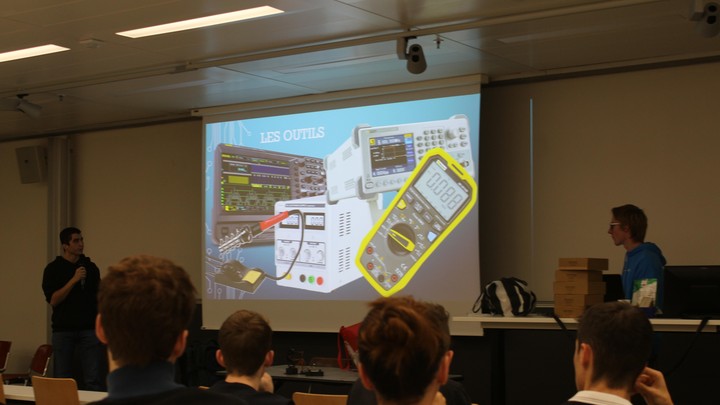
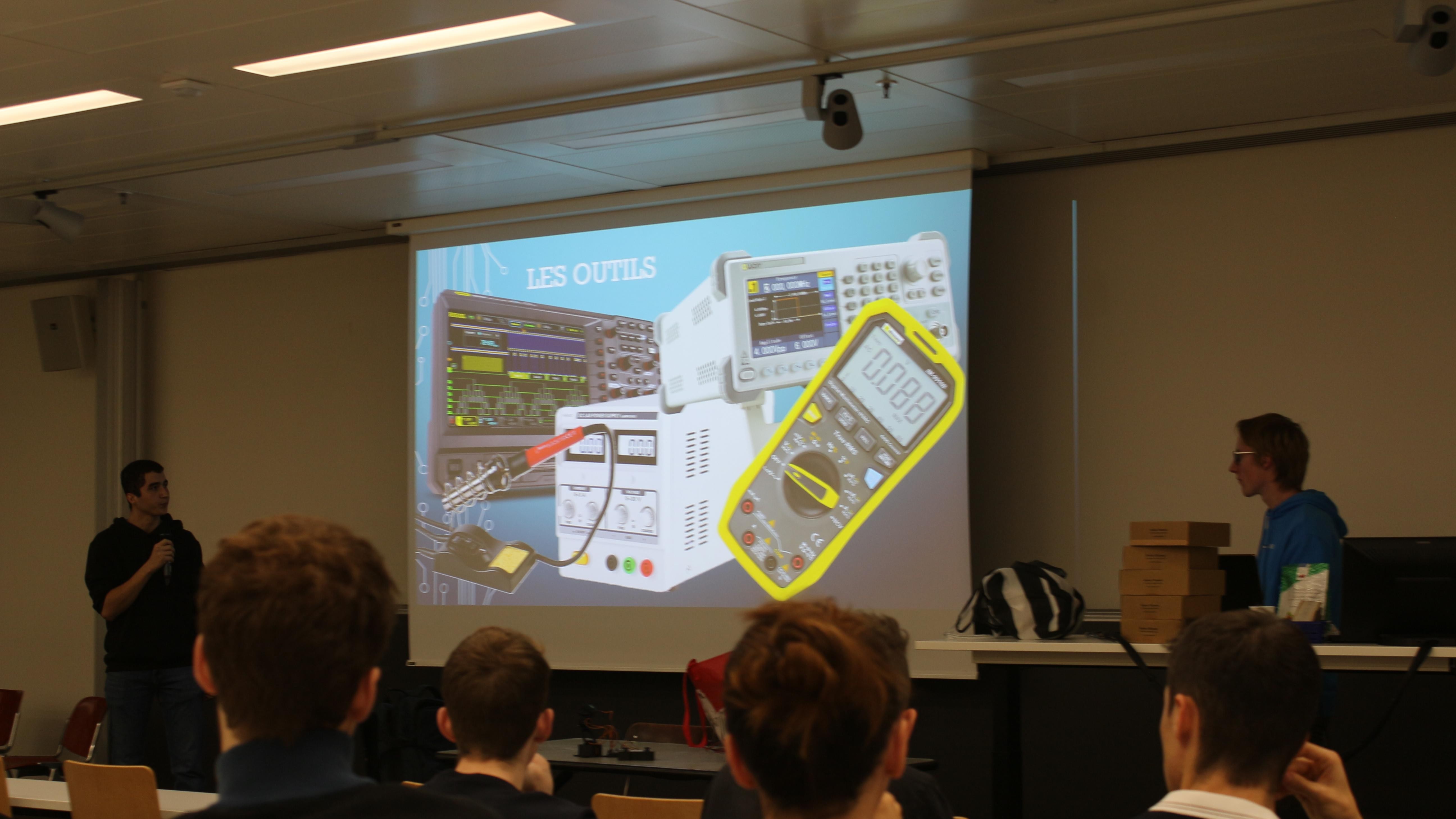
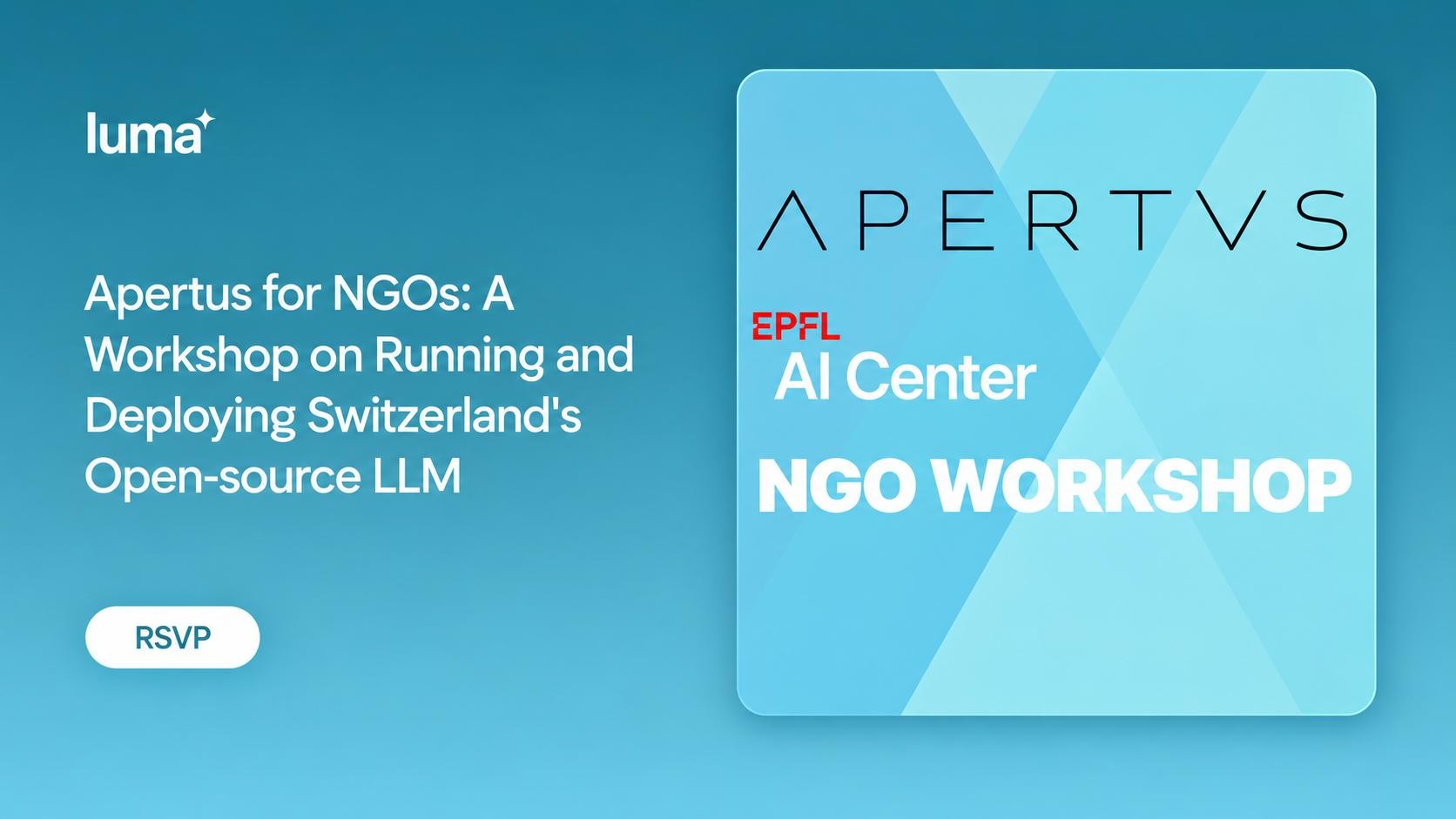
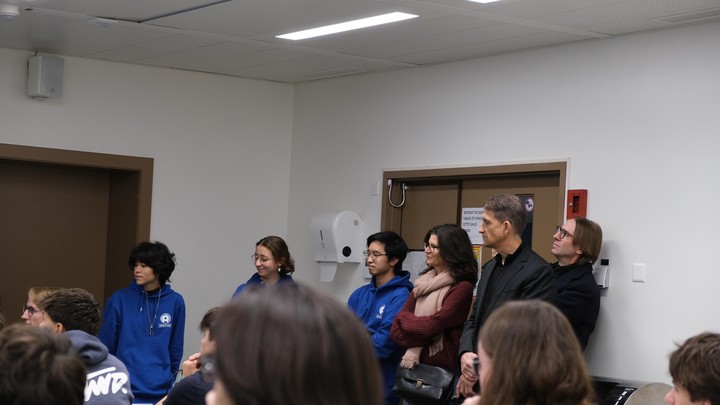
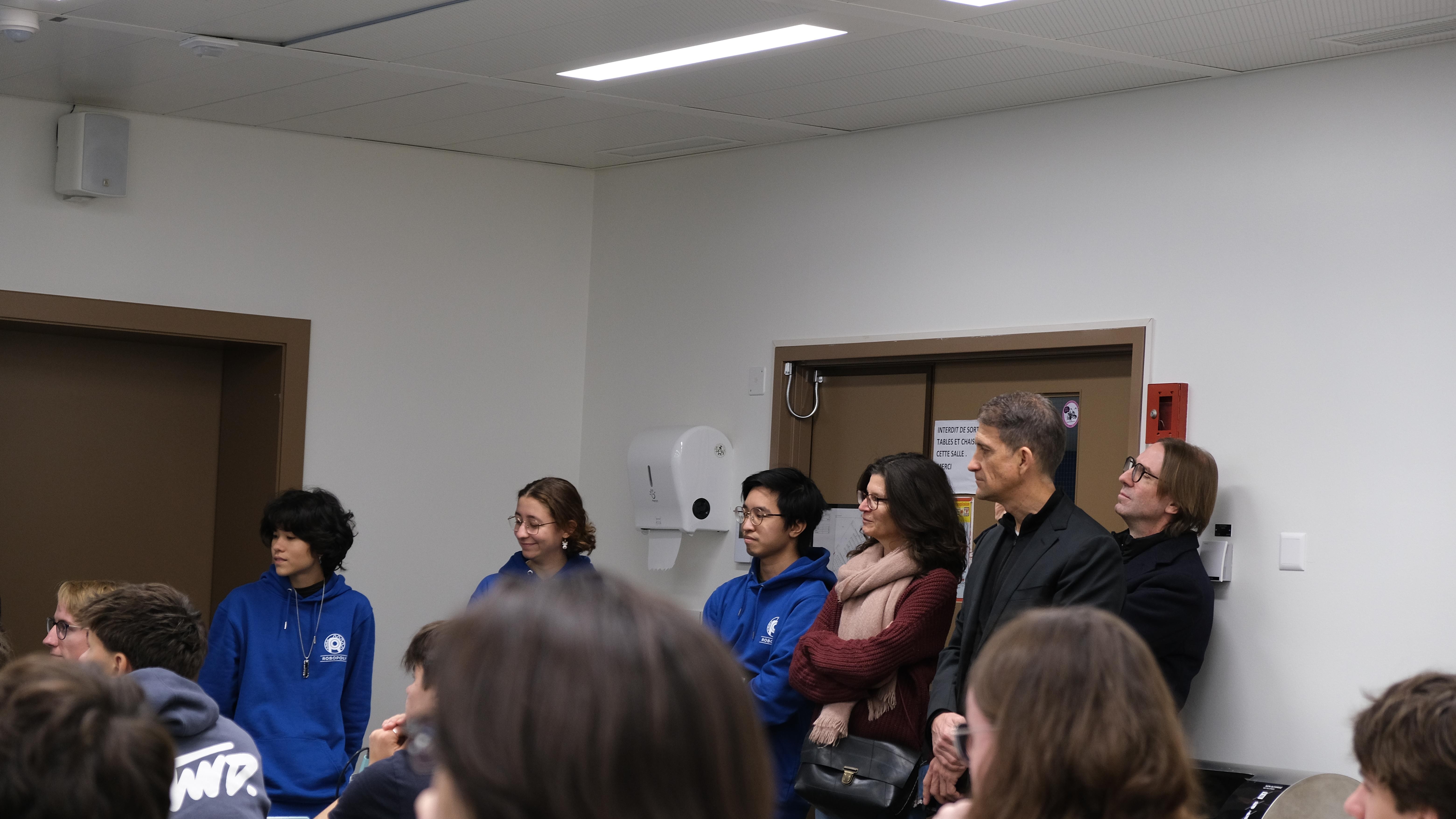
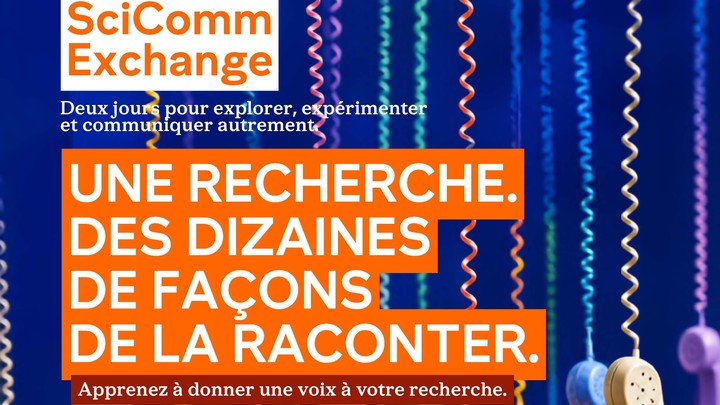
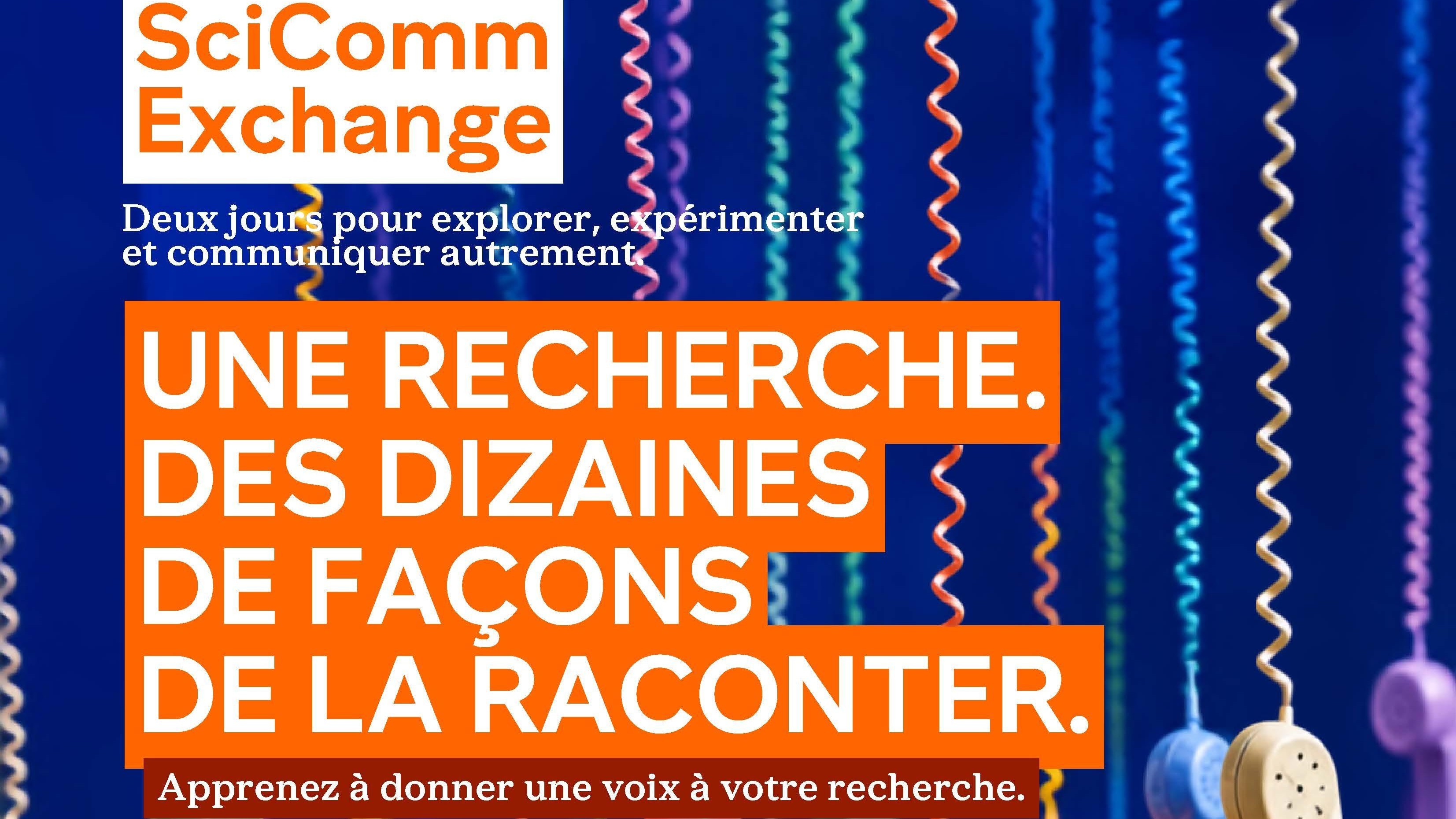
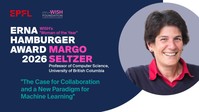
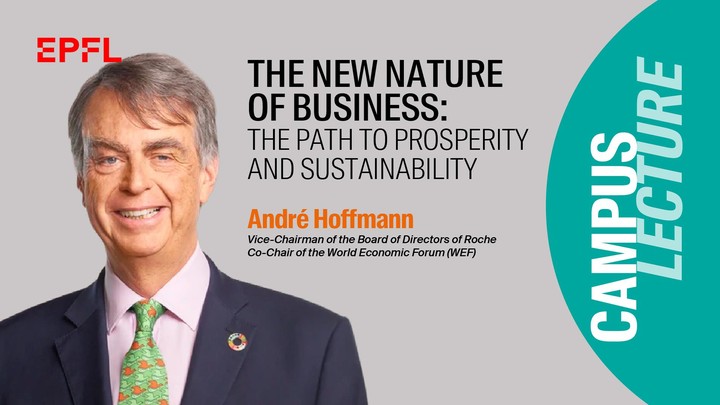
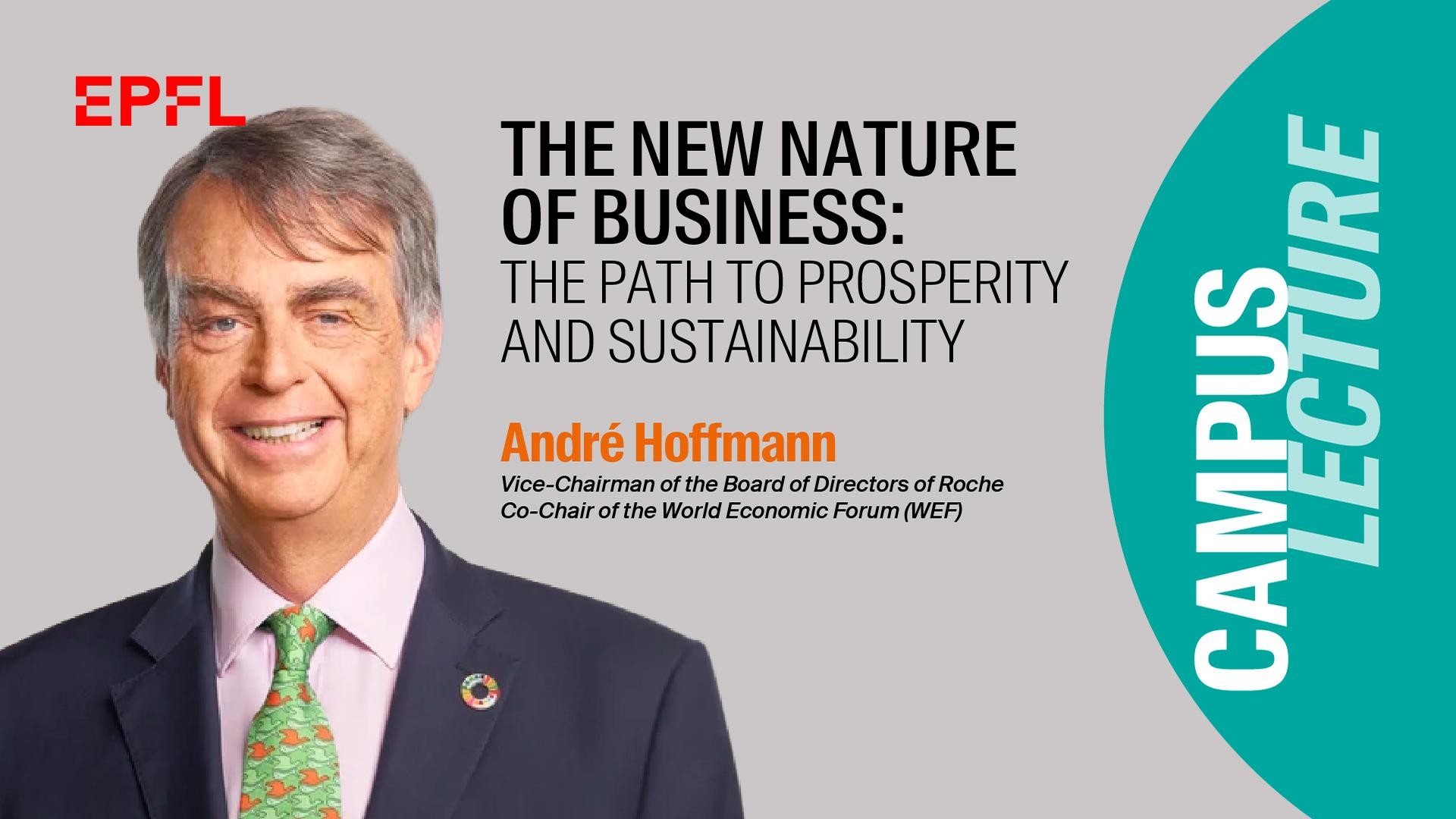
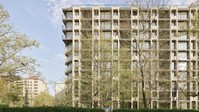
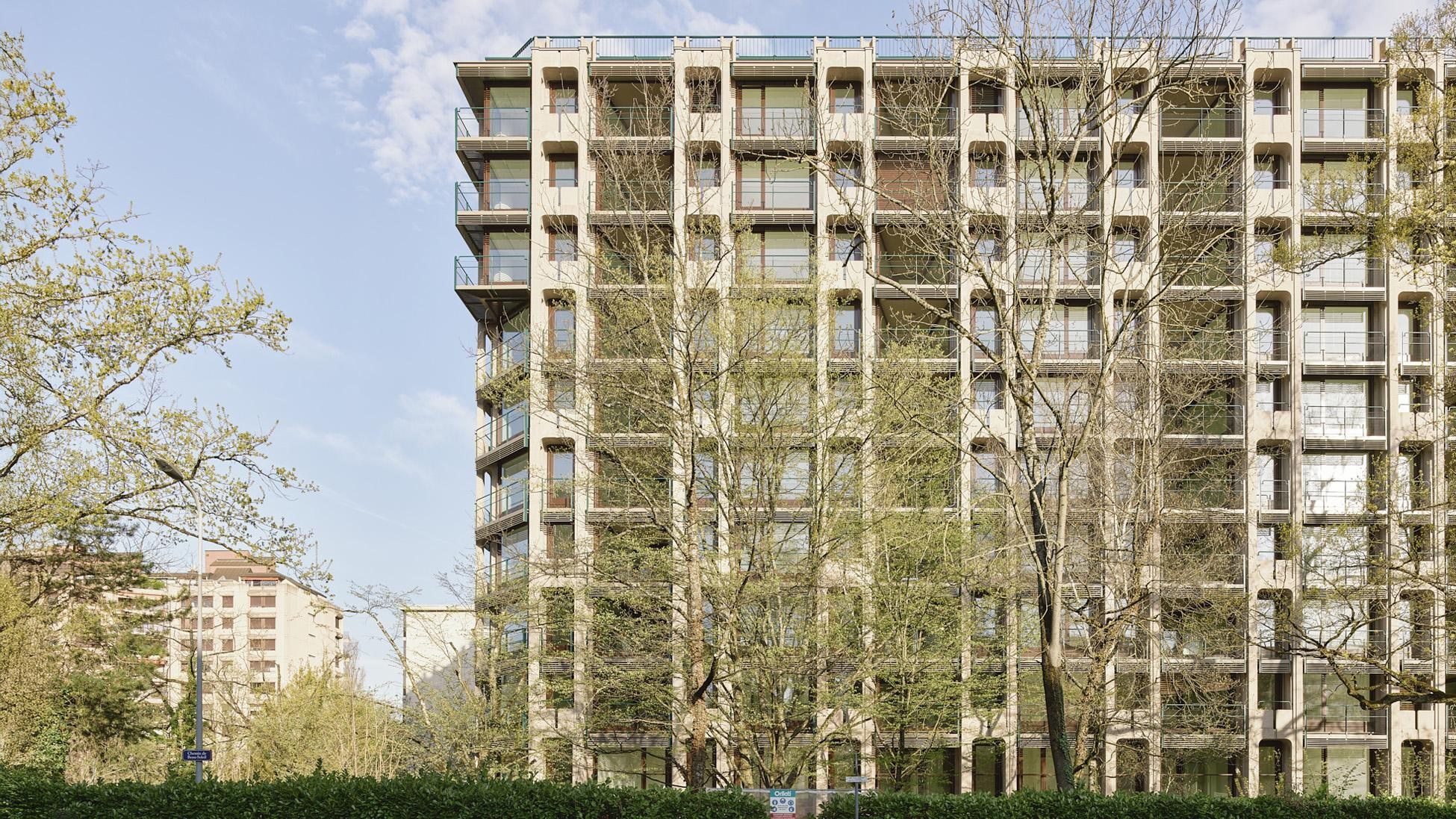
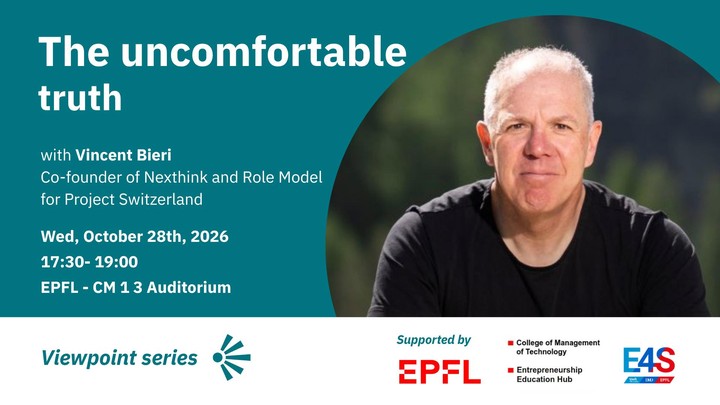
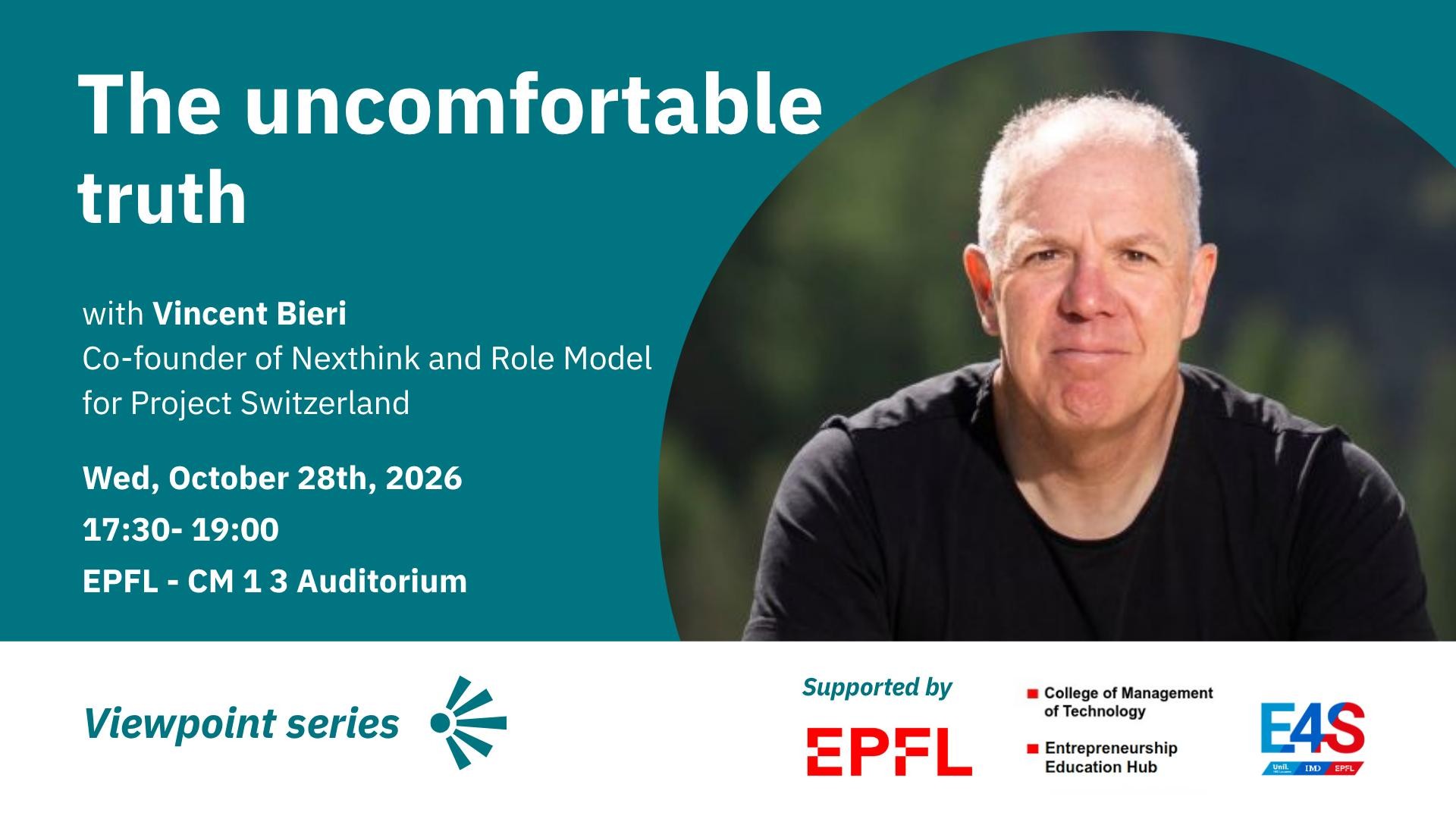
{ "count": 259, "next": "https://memento.epfl.ch/api/v1/events/?format=api&limit=10&offset=220&ordering=-event__domains", "previous": "https://memento.epfl.ch/api/v1/events/?format=api&limit=10&offset=200&ordering=-event__domains", "results": [ { "id": 72685, "title": "IMX Colloquium - Towards life-inspired soft matter dynamics and functionalities", "slug": "imx-colloquium-towards-life-inspired-soft-matter-d", "event_url": "https://memento.epfl.ch/event/imx-colloquium-towards-life-inspired-soft-matter-d", "visual_url": null, "visual_large_url": null, "visual_maxsize_url": null, "lang": "en", "start_date": "2026-10-12", "end_date": "2026-10-12", "start_time": "13:15:00", "end_time": "14:15:00", "description": "<p>Biological systems have already paved several routes for bioinspired materials, e.g., for structural colours, wetting, adhesion, and mechanical properties. They have largely involved equilibrium or kinetically trapped properties. By contrast, biological systems allowing multifunctional properties are characteristically dissipatively and dynamically adaptive and incorporate homeostatic feedback mechanisms to regulate the dynamic states. They also typically use signal transduction to mediate the signal from the sensory elements to the responsive sites, unlike the classic man-made stimuli responsive materials. These concept suggest avenues towards more complex life-like functions in soft matter. Herein, optically driven hydrogel systems are presented to drive homeostatically controlled thermal oscillations and to mediate signal transduction via thermal intermediate signalling (1). On the other hand, biological magnetoreception in elasmobranch organisms involves electromagnetic induction (EMI) and suggests avenues for bioinspired electrical signal transductions. We show magnetic profile recognition of translocated magnetically encoded soft matter objects using electrical intermediate signaling by EMI and decoding the magnetic information with machine learning (2). Combination of high stiffness and promoted dynamics for self-healing has turned challenging to combine. Self-healing hydrogels, still combining high tensile stiffness close to that of skin were shown by using polymers upon nanoconfinement in 2D-nanosheet layered confinements (3). Finally, we show trainable actuations in bilayer gel actuators (4). Ever more complex responses can be created, such as mimicking the Pavlovian classical conditioning (5), all paving ways for growingly life-like functions for soft robotics and interfacing with biology.<br>\r\n<br>\r\n1. H. Zhang, H. Zeng, A. Eklund, H. Guo, A. Priimagi, O. Ikkala, Feedback-controlled hydrogels with homeostatic oscillations and dissipative signal transduction, <em>Nat. Nano</em>, <strong>17</strong>, 1303 (2022).<br>\r\n2. Z. Miao, X. Hu, K. Liu, S. Hu, G. Yan, H. Tan, O. Ikkala, Z. P. Lv, B. Peng, Bioinspired sensory transduction for magnetic profile recognition and encryption, <em>Adv. Mat.</em> <strong>38</strong> e15994 (2026).<br>\r\n3. C. Liang, V. Dudko, O. Khoruzhenko, X. Hong, Z.-P. Lv, J. Breu, O. Ikkala, H. Zhang, Stiff and self-healing hydrogels by polymer entanglements in co-planar nanoconfinement, <em>Nat. Mater.</em> <strong>24</strong>, 599 (2025).<br>\r\n4. S. Hu, Y. Fang, C. Liang, M. Turunen, O. Ikkala, H. Zhang, Thermally trainable dual network hydrogels, <em>Nat. Commun.</em>, <strong>14</strong>, 3717 (2023).<br>\r\n5. H. Zhang, H. Zeng, A. Priimagi, O. Ikkala, Programmable responsive hydrogels with classical conditioning algorithm, <em>Nat. Commun.</em>, <strong>10</strong>, 3267 (2019).</p>", "image_description": "", "creation_date": "2026-09-28T09:13:29", "last_modification_date": "2026-09-28T09:15:00", "link_label": "", "link_url": "", "canceled": "False", "cancel_reason": "", "place_and_room": "MXF 312", "url_place_and_room": "https://plan.epfl.ch/?room==MXF%20312", "url_online_room": "", "spoken_languages": [ "https://memento.epfl.ch/api/v1/spoken_languages/2/?format=api" ], "speaker": "Prof. Olli Ikkala, Aalto University, Department of Applied Physics, Espoo, Finland", "organizer": "Prof. Gregor Jotzu, Prof. Esther Amstad & Prof. Fabien Sorin", "contact": "Prof. Gregor Jotzu, Prof. Esther Amstad & Prof. Fabien Sorin", "is_internal": "False", "theme": "", "vulgarization": { "id": 1, "fr_label": "Tout public", "en_label": "General public" }, "registration": { "id": 3, "fr_label": "Entrée libre", "en_label": "Free" }, "keywords": "", "file": null, "icalendar_url": "https://memento.epfl.ch/event/export/121946/", "category": { "id": 1, "code": "CONF", "fr_label": "Conférences - Séminaires", "en_label": "Conferences - Seminars", "activated": true }, "academic_calendar_category": null, "domains": [], "mementos": [ "https://memento.epfl.ch/api/v1/mementos/8/?format=api", "https://memento.epfl.ch/api/v1/mementos/314/?format=api" ] }, { "id": 72689, "title": "Apprentissage sur des graphes, modèles d'attention.", "slug": "apprentissage-sur-des-graphes-modeles-d-attentio-2", "event_url": "https://memento.epfl.ch/event/apprentissage-sur-des-graphes-modeles-d-attentio-2", "visual_url": "https://memento.epfl.ch/image/33915/200x112.jpg", "visual_large_url": "https://memento.epfl.ch/image/33915/720x405.jpg", "visual_maxsize_url": "https://memento.epfl.ch/image/33915/max-size.jpg", "lang": "en", "start_date": "2026-10-12", "end_date": "2026-10-12", "start_time": "15:15:00", "end_time": null, "description": "<p>Thesis Director: Prof. L. Zdeborová,<br>\r\nComputer and Communication Sciences doctoral program<br>\r\nThesis Nr. 11792<br>\r\n<br>\r\nTo take part in the public defense, please contact directly the speaker</p>", "image_description": "", "creation_date": "2026-09-28T12:45:24", "last_modification_date": "2026-09-28T12:45:26", "link_label": "", "link_url": "", "canceled": "False", "cancel_reason": "", "place_and_room": "BCH 2201", "url_place_and_room": "https://plan.epfl.ch/?room==BCH%202201", "url_online_room": "", "spoken_languages": [], "speaker": "<a href=\"mailto:[email protected]\"><strong>Odilon DURANTHON</strong></a>", "organizer": "", "contact": "<a href=\"mailto:[email protected]\"><strong>Odilon DURANTHON</strong></a><br>\r\n ", "is_internal": "False", "theme": "", "vulgarization": { "id": 1, "fr_label": "Tout public", "en_label": "General public" }, "registration": { "id": 3, "fr_label": "Entrée libre", "en_label": "Free" }, "keywords": "EDIC", "file": null, "icalendar_url": "https://memento.epfl.ch/event/export/121953/", "category": { "id": 12, "code": "SOUTE", "fr_label": "Soutenances de thèses", "en_label": "Thesis defenses", "activated": true }, "academic_calendar_category": null, "domains": [], "mementos": [ "https://memento.epfl.ch/api/v1/mementos/1/?format=api", "https://memento.epfl.ch/api/v1/mementos/5/?format=api", "https://memento.epfl.ch/api/v1/mementos/6/?format=api" ] }, { "id": 72690, "title": "Electronic Prototyping 1", "slug": "electronic-prototyping-1", "event_url": "https://memento.epfl.ch/event/electronic-prototyping-1", "visual_url": "https://memento.epfl.ch/image/33916/200x112.jpg", "visual_large_url": "https://memento.epfl.ch/image/33916/720x405.jpg", "visual_maxsize_url": "https://memento.epfl.ch/image/33916/max-size.jpg", "lang": "en", "start_date": "2026-10-06", "end_date": "2026-10-06", "start_time": "18:15:00", "end_time": "20:00:00", "description": "<p>Components, measurements, wiring, and first circuit builds: everything you need to quickly go from idea to circuit!</p>", "image_description": "", "creation_date": "2026-09-28T13:16:59", "last_modification_date": "2026-09-28T13:57:34", "link_label": "", "link_url": "", "canceled": "False", "cancel_reason": "", "place_and_room": "CM 1 5", "url_place_and_room": "https://plan.epfl.ch/?room==CM%201%205", "url_online_room": "", "spoken_languages": [ "https://memento.epfl.ch/api/v1/spoken_languages/1/?format=api", "https://memento.epfl.ch/api/v1/spoken_languages/2/?format=api" ], "speaker": "Olive Petroff <br>\r\nRobin Arthur Guillaume-Gentil", "organizer": "RoboPoly", "contact": "[email protected]", "is_internal": "False", "theme": "", "vulgarization": { "id": 1, "fr_label": "Tout public", "en_label": "General public" }, "registration": { "id": 3, "fr_label": "Entrée libre", "en_label": "Free" }, "keywords": "", "file": null, "icalendar_url": "https://memento.epfl.ch/event/export/121955/", "category": { "id": 1, "code": "CONF", "fr_label": "Conférences - Séminaires", "en_label": "Conferences - Seminars", "activated": true }, "academic_calendar_category": null, "domains": [], "mementos": [ "https://memento.epfl.ch/api/v1/mementos/123/?format=api" ] }, { "id": 72691, "title": "Apertus for NGOs: A Workshop on Running and Deploying Switzerland's Open-source LLM", "slug": "apertus-for-ngos-a-workshop-on-running-and-deplo-2", "event_url": "https://memento.epfl.ch/event/apertus-for-ngos-a-workshop-on-running-and-deplo-2", "visual_url": "https://memento.epfl.ch/image/33918/200x112.jpg", "visual_large_url": "https://memento.epfl.ch/image/33918/720x405.jpg", "visual_maxsize_url": "https://memento.epfl.ch/image/33918/max-size.jpg", "lang": "en", "start_date": "2026-11-10", "end_date": "2026-11-10", "start_time": "09:00:00", "end_time": "12:30:00", "description": "<p>This workshop is for staff and researchers working in NGOs and non-profits who aim to bring AI into their workflows with an ethical, careful approach. Join us for a hands-on morning of using and deploying the flagship model of the Swiss AI Initiative, learn first hand from the engineers and scientists working on Apertus.<br>\r\n<br>\r\nThe workshop runs from <strong>9:30 to 12:30</strong> at the EPFL AI Center Lounge in Lausanne. Doors open at 9:00.<br>\r\n<br>\r\n<strong>Background</strong>: Apertus is a fully open large language model built in Switzerland, which is fully reproducible and can run on your own infrastructure. As a Foundation Model, it has already been adapted to specific contexts through post-training and fine-tuning processes. In addition to open access at all Swiss academic institutions, a growing number of Swiss and international commercial providers support Apertus for production deployment.<br>\r\n<br>\r\nThis workshop is also designed as a two-way conversation: alongside learning how to use and deploy Apertus, we want to hear how your organization is already working with AI, and where today's tools still fall short for you. We would like to hear about the languages, legal contexts, and use cases you operate in. This input will give us the opportunity to prioritize improvements for non-profit organizations on the Apertus roadmap.<br>\r\n<br>\r\nAt this workshop, you will have the chance to:\r\n</p><ul>\r\n\t<li>See how Apertus, a fully open, Swiss-built LLM, can be deployed on your own infrastructure</li>\r\n\t<li>Get hands-on experience using the technology itself, not just a description of it</li>\r\n\t<li>Tell the team building Apertus where it's falling short for your work, and help shape where it goes next</li>\r\n</ul>\r\nThe morning will include:\r\n\r\n<ul>\r\n\t<li>An introduction to Apertus: what it is, how it works, and why self-hosting is possible</li>\r\n\t<li>A live walkthrough of deploying Apertus on your own infrastructure</li>\r\n\t<li>Hands-on exercises applying Apertus to tasks relevant to your organization</li>\r\n</ul>\r\nExact schedule will be sent to participants closer to the event.<br>\r\n<br>\r\n<u><strong>! <a href=\"https://luma.com/k910o3e1\">REGISTRATION REQUIRED !</a></strong></u>", "image_description": "", "creation_date": "2026-09-28T13:24:00", "last_modification_date": "2026-09-28T13:29:08", "link_label": "Registration required", "link_url": "https://luma.com/k910o3e1", "canceled": "False", "cancel_reason": "", "place_and_room": "ELE 117", "url_place_and_room": "https://plan.epfl.ch/?room==ELE%20117", "url_online_room": "", "spoken_languages": [ "https://memento.epfl.ch/api/v1/spoken_languages/2/?format=api" ], "speaker": "<a href=\"https://luma.com/k910o3e1\">See program</a>", "organizer": "<a href=\"https://www.swiss-ai.org/\">Swiss AI Initiative</a>", "contact": "<a href=\"https://luma.com/user/usr-N7kyqdDP9T2cIhr\">Clara Meister</a> & <a href=\"https://luma.com/user/loleg\">Oleg Lavrovsky</a>", "is_internal": "False", "theme": "", "vulgarization": { "id": 1, "fr_label": "Tout public", "en_label": "General public" }, "registration": { "id": 1, "fr_label": "Sur inscription", "en_label": "Registration required" }, "keywords": "", "file": null, "icalendar_url": "https://memento.epfl.ch/event/export/121957/", "category": { "id": 1, "code": "CONF", "fr_label": "Conférences - Séminaires", "en_label": "Conferences - Seminars", "activated": true }, "academic_calendar_category": null, "domains": [], "mementos": [ "https://memento.epfl.ch/api/v1/mementos/1/?format=api", "https://memento.epfl.ch/api/v1/mementos/5/?format=api", "https://memento.epfl.ch/api/v1/mementos/6/?format=api", "https://memento.epfl.ch/api/v1/mementos/8/?format=api", "https://memento.epfl.ch/api/v1/mementos/416/?format=api" ] }, { "id": 72692, "title": "Electronic Prototyping 2", "slug": "electronic-prototyping-2", "event_url": "https://memento.epfl.ch/event/electronic-prototyping-2", "visual_url": "https://memento.epfl.ch/image/33917/200x112.jpg", "visual_large_url": "https://memento.epfl.ch/image/33917/720x405.jpg", "visual_maxsize_url": "https://memento.epfl.ch/image/33917/max-size.jpg", "lang": "en", "start_date": "2026-10-07", "end_date": "2026-10-07", "start_time": "18:15:00", "end_time": "20:00:00", "description": "<p>Introduction to microcontroller programming, communications, analog circuits, and more!</p>", "image_description": "", "creation_date": "2026-09-28T13:24:46", "last_modification_date": "2026-09-28T13:57:42", "link_label": "", "link_url": "", "canceled": "False", "cancel_reason": "", "place_and_room": "CM 1 5", "url_place_and_room": "https://plan.epfl.ch/?room==CM%201%205", "url_online_room": "", "spoken_languages": [ "https://memento.epfl.ch/api/v1/spoken_languages/1/?format=api", "https://memento.epfl.ch/api/v1/spoken_languages/2/?format=api" ], "speaker": "Olive Petroff <br>\r\nRobin Arthur Guillaume-Gentil", "organizer": "RoboPoly", "contact": "[email protected]", "is_internal": "False", "theme": "", "vulgarization": { "id": 1, "fr_label": "Tout public", "en_label": "General public" }, "registration": { "id": 3, "fr_label": "Entrée libre", "en_label": "Free" }, "keywords": "", "file": null, "icalendar_url": "https://memento.epfl.ch/event/export/121959/", "category": { "id": 1, "code": "CONF", "fr_label": "Conférences - Séminaires", "en_label": "Conferences - Seminars", "activated": true }, "academic_calendar_category": null, "domains": [], "mementos": [ "https://memento.epfl.ch/api/v1/mementos/123/?format=api" ] }, { "id": 72698, "title": "SciComm Exchange | Training in science communication and outreach", "slug": "scicomm-exchange-training-in-science-communicati-2", "event_url": "https://memento.epfl.ch/event/scicomm-exchange-training-in-science-communicati-2", "visual_url": "https://memento.epfl.ch/image/33923/200x112.jpg", "visual_large_url": "https://memento.epfl.ch/image/33923/720x405.jpg", "visual_maxsize_url": "https://memento.epfl.ch/image/33923/max-size.jpg", "lang": "en", "start_date": "2026-10-07", "end_date": "2026-10-08", "start_time": null, "end_time": null, "description": "<p>SciComm Exchange is a two-day hands-on training program dedicated to science communication and outreach.<br>\r\nJointly organized by the University of Lausanne (Unil) and the Université Libre de Bruxelles (ULB), it offers early career researchers the opportunity to reflect on their communication and outreach practice, explore a wide variety of formats, engage with experts in the field, and develop their skills in knowledge dissemination. <br>\r\n<br>\r\n<strong>One research. Dozens of ways to tell its story.</strong> <br>\r\n<strong>It’s up to you to choose which ones you’d like to explore.</strong> <br>\r\n <br>\r\nOn <strong>7 and 8 October 2026, </strong><a data-outlook-id=\"64920850-7997-4a4b-a2ce-3caeac1023bd\" href=\"https://www.unil.ch/unil/en/home/menuinst/recherche/formations-et-conseils/scicomm-exchange.html\"><strong>SciComm Exchange</strong></a> invites PhD and postdoctoral researchers from all facultiesto explore new ways of communicating research through hands-on workshops, round-table discussions and meetings with specialists in the field. <br>\r\n<strong>New for this edition: the Video Hackathon.</strong> <br>\r\nOver two days, a group of participants will be guided by audiovisual professionals to create short videos centered on a key question: <em>why do we communicatescience, and to whom?</em> <br>\r\nParticipants from previous editions sum up their experience as follows: \r\n</p><ul>\r\n\t<li>“Really practical – we came away with the tools to take the plunge! ” </li>\r\n\t<li>“Probably the most useful workshop for my PhD defence!” </li>\r\n\t<li>“This course enabled me to make initial contact with the media and gave me plenty of tools for thisexperience. ” </li>\r\n\t<li>“Talking to people from both the humanities and social sciences and the natural sciences, fromSwitzerland and Belgium, was above all a chance to meet some wonderful people.” </li>\r\n</ul>\r\n <br>\r\n<strong>Now it’s your turn to shape your own journey.</strong> <br>\r\n <br>\r\nPlaces on each workshop are limited. \r\n<ul>\r\n\t<li>Take a look at the programme and choose the formats you’d like to explore:<a data-outlook-id=\"bc1a0d23-2193-4b61-bd50-08911ef63713\" href=\"https://go.unil.ch/scicomm-exchange\" target=\"_blank\">https://go.unil.ch/scicomm-exchange</a> </li>\r\n\t<li>Submit your registration application<strong> by 30 September</strong>. </li>\r\n</ul>\r\n<strong>Two days to explore, experiment and communicate differently.</strong> ", "image_description": "", "creation_date": "2026-09-28T17:47:59", "last_modification_date": "2026-09-28T17:49:36", "link_label": "More info", "link_url": "https://go.unil.ch/scicomm-exchange", "canceled": "False", "cancel_reason": "", "place_and_room": "University of Lausanne, Dorigny campus", "url_place_and_room": "", "url_online_room": "", "spoken_languages": [ "https://memento.epfl.ch/api/v1/spoken_languages/1/?format=api", "https://memento.epfl.ch/api/v1/spoken_languages/2/?format=api" ], "speaker": "", "organizer": "Jointly organized by the University of Lausanne (Unil) and the Université Libre de Bruxelles (ULB)", "contact": "[email protected]", "is_internal": "False", "theme": "", "vulgarization": { "id": 2, "fr_label": "Public averti", "en_label": "Informed public" }, "registration": { "id": 1, "fr_label": "Sur inscription", "en_label": "Registration required" }, "keywords": "", "file": "https://memento.epfl.ch/public/upload/files/FlyerSciCommExchangelight.pdf", "icalendar_url": "https://memento.epfl.ch/event/export/121970/", "category": { "id": 1, "code": "CONF", "fr_label": "Conférences - Séminaires", "en_label": "Conferences - Seminars", "activated": true }, "academic_calendar_category": null, "domains": [], "mementos": [ "https://memento.epfl.ch/api/v1/mementos/3/?format=api", "https://memento.epfl.ch/api/v1/mementos/4/?format=api", "https://memento.epfl.ch/api/v1/mementos/5/?format=api", "https://memento.epfl.ch/api/v1/mementos/6/?format=api", "https://memento.epfl.ch/api/v1/mementos/8/?format=api", "https://memento.epfl.ch/api/v1/mementos/9/?format=api", "https://memento.epfl.ch/api/v1/mementos/318/?format=api" ] }, { "id": 72700, "title": "The Case for Collaboration and a New Paradigm for Machine Learning", "slug": "the-case-for-collaboration-and-a-new-paradigm-for", "event_url": "https://memento.epfl.ch/event/the-case-for-collaboration-and-a-new-paradigm-for", "visual_url": "https://memento.epfl.ch/image/33928/200x112.jpg", "visual_large_url": "https://memento.epfl.ch/image/33928/720x405.jpg", "visual_maxsize_url": "https://memento.epfl.ch/image/33928/max-size.jpg", "lang": "en", "start_date": "2026-11-11", "end_date": "2026-11-11", "start_time": "18:30:00", "end_time": "21:00:00", "description": "<p>Since 2006, the Erna Hamburger Prize is awarded by the EPFL-WISH Foundation (Women In Science and Humanities) and distinguishes influential, leading women scientists who are transforming their field and executing change.<br>\r\n<br>\r\nThe Erna Hamburger Prize 2026 will be awarded to Prof. Margo Seltzer. The award ceremony will be held on November 11th 2026 at 6:30 pm at SG 1138. On this occasion, the awardee will give a conference on the EPFL Campus. Don’t miss this exceptional opportunity to hear from one of the most influential figures in contemporary computer science.<br>\r\n<br>\r\n<strong>Conference abstract</strong><br>\r\n<em>It's 2026, and the answer to every problem today seems to be a multiple choice exercise of selecting answers from: AI, Agents, LLMs or machine learning. Is our future really just all about prompt engineering?</em><br>\r\n<br>\r\nAt a time when artificial intelligence, autonomous agents and large language models seem to be presented as the answer to every challenge, <strong>Margo Seltzer</strong> offers a thought-provoking perspective on the value of simplicity in computer science and machine learning. She will demonstrate how simpler and more transparent approaches can deliver performance comparable to that of the most sophisticated models, while providing greater interpretability, more efficient use of resources and a more natural way of addressing issues of fairness and privacy. The lecture will also explore a theme that lies at the heart of her career: <strong>collaboration</strong>. Drawing on her own experience of collaborative research, Margo Seltzer will explain how working together can broaden one’s impact, help overcome imposter syndrome, and enable individuals to discover and develop their unique strengths.<br>\r\n<br>\r\n<strong>About Prof. Margo Seltzer</strong><br>\r\n<a href=\"https://www.seltzer.com/margo\">Prof. Margo Seltzer</a> is Co-Head of the Department of Computer Science at the University of British Columbia (Vancouver), where she moved after two decades as a Full Professor at Harvard University. She earned her Ph.D. in Computer Science in 1992 from the University of California, Berkeley. A pioneering computer systems researcher, she is the recipient of numerous prestigious honors, including the 2023 ACM Athena Lecturer Award and the USENIX Lifetime Achievement Award. She is a Member of the National Academy of Engineering. Alongside her academic career, Margo Seltzer is an entrepreneur: she co-founded Sleepycat Software, maker of Berkeley DB, a widely used embedded database engine later acquired by Oracle. A recognized leader in her field, she is also a devoted mentor to young women in computer science and founded the \"Systers Lunch,\" the original diversity gathering at SOSP, the flagship conference of the systems research community.</p>", "image_description": "", "creation_date": "2026-09-28T19:19:24", "last_modification_date": "2026-09-30T10:39:26", "link_label": "REGISTRATION", "link_url": "https://forms.cloud.microsoft/e/29LjxMdyae", "canceled": "False", "cancel_reason": "", "place_and_room": "SG 1138", "url_place_and_room": "https://plan.epfl.ch/?room==SG%201138", "url_online_room": "", "spoken_languages": [ "https://memento.epfl.ch/api/v1/spoken_languages/2/?format=api" ], "speaker": "", "organizer": "", "contact": "Nicolas Hocq", "is_internal": "False", "theme": "", "vulgarization": { "id": 1, "fr_label": "Tout public", "en_label": "General public" }, "registration": { "id": 3, "fr_label": "Entrée libre", "en_label": "Free" }, "keywords": "", "file": null, "icalendar_url": "https://memento.epfl.ch/event/export/121974/", "category": { "id": 1, "code": "CONF", "fr_label": "Conférences - Séminaires", "en_label": "Conferences - Seminars", "activated": true }, "academic_calendar_category": null, "domains": [], "mementos": [ "https://memento.epfl.ch/api/v1/mementos/1/?format=api", "https://memento.epfl.ch/api/v1/mementos/6/?format=api", "https://memento.epfl.ch/api/v1/mementos/145/?format=api" ] }, { "id": 72701, "title": "The New Nature of Business: The Path to Prosperity and Sustainability", "slug": "the-new-nature-of-business-the-path-to-prosperit-2", "event_url": "https://memento.epfl.ch/event/the-new-nature-of-business-the-path-to-prosperit-2", "visual_url": "https://memento.epfl.ch/image/33925/200x112.jpg", "visual_large_url": "https://memento.epfl.ch/image/33925/720x405.jpg", "visual_maxsize_url": "https://memento.epfl.ch/image/33925/max-size.jpg", "lang": "en", "start_date": "2026-11-03", "end_date": "2026-11-03", "start_time": "17:15:00", "end_time": "19:00:00", "description": "<em>How can we reconcile economic value creation, the preservation of nature and collective prosperity? What transformations are needed for businesses to have a positive and lasting impact?</em><br>\r\n<br>\r\nTo explore these questions, EPFL is pleased to invite you to a special Campus Lecture with Mr André Hoffmann, Vice-Chairman of the Board of Directors of Roche, Co-Chair of the World Economic Forum and former Vice-President of WWF. To mark the publication of his book <em>The New Nature of Business: The Path to Prosperity & Sustainability</em>, André Hoffmann will share his thoughts on how capitalism is evolving in the face of the climate, environmental and societal challenges of our time, and on how businesses can respond to them. This Campus Lecture will offer an opportunity to explore the transformations the business world must undergo to tackle climate change and preserve biodiversity.<br>\r\n<br>\r\n<strong>About André Hoffmann</strong><br>\r\nMr André Hoffmann is a Swiss businessman. A member of the Board of Directors of Roche since 1996 and Vice-Chairman of the group, he is also Co-Chair of the World Economic Forum alongside Laurence D. Fink. The son of ornithologist and WWF co-founder Luc Hoffmann, André Hoffmann served for many years as Vice-President of WWF and is an active investor in projects related to sustainability and the energy transition. In 2024, together with journalist Peter Vanham, he published <em>The New Nature of Business</em>, a case for a form of capitalism that places natural, social and human capital alongside financial capital.", "image_description": "Portrait de André Hoffmann", "creation_date": "2026-09-28T19:52:01", "last_modification_date": "2026-09-28T19:55:20", "link_label": "REGISTRATION", "link_url": "https://forms.cloud.microsoft/e/YS89Pr1f55", "canceled": "False", "cancel_reason": "", "place_and_room": "Forum Rolex", "url_place_and_room": "https://plan.epfl.ch/?room==RLC%20E1%20240", "url_online_room": "", "spoken_languages": [ "https://memento.epfl.ch/api/v1/spoken_languages/2/?format=api" ], "speaker": "", "organizer": "", "contact": "Nicolas Hocq", "is_internal": "False", "theme": "", "vulgarization": { "id": 1, "fr_label": "Tout public", "en_label": "General public" }, "registration": { "id": 3, "fr_label": "Entrée libre", "en_label": "Free" }, "keywords": "Sustainability", "file": null, "icalendar_url": "https://memento.epfl.ch/event/export/121976/", "category": { "id": 1, "code": "CONF", "fr_label": "Conférences - Séminaires", "en_label": "Conferences - Seminars", "activated": true }, "academic_calendar_category": null, "domains": [], "mementos": [ "https://memento.epfl.ch/api/v1/mementos/1/?format=api", "https://memento.epfl.ch/api/v1/mementos/3/?format=api", "https://memento.epfl.ch/api/v1/mementos/6/?format=api", "https://memento.epfl.ch/api/v1/mementos/79/?format=api", "https://memento.epfl.ch/api/v1/mementos/145/?format=api" ] }, { "id": 72702, "title": "Forum des transitions urbaines 2027 / LAST", "slug": "forum-des-transitions-urbaines-2027-last", "event_url": "https://memento.epfl.ch/event/forum-des-transitions-urbaines-2027-last", "visual_url": "https://memento.epfl.ch/image/33927/200x112.jpg", "visual_large_url": "https://memento.epfl.ch/image/33927/720x405.jpg", "visual_maxsize_url": "https://memento.epfl.ch/image/33927/max-size.jpg", "lang": "en", "start_date": "2027-09-03", "end_date": "2027-09-03", "start_time": "08:45:00", "end_time": "16:20:00", "description": "<p>Entitled \"From abundance to resilience?\", the <a href=\"https://transitionsurbaines.ch/\" rel=\"noopener\" target=\"_blank\">Forum des transitions urbaines</a> will be held on September 3, 2027 in the Auditorium of Microcity, a branch of the EPFL in Neuchâtel (Switzerland). Organized jointly by the Ecoparc Association and the <a href=\"https://www.epfl.ch/labs/last/\">Laboratory of Architecture and Sustainable Technologies (LAST)</a> of the Ecole polytechnique fédérale de Lausanne (EPFL), in partnership with the journal espazium, the biennial event will approach this crucial theme for our built environment from different angles.<br>\r\n<br>\r\n<a href=\"https://transitionsurbaines.ch\">online registration</a></p>", "image_description": "Immeuble Normandie, Genève © Ariel Huber", "creation_date": "2026-09-29T08:31:38", "last_modification_date": "2026-10-02T11:09:39", "link_label": "Forum des transitions urbaines", "link_url": "https://transitionsurbaines.ch", "canceled": "False", "cancel_reason": "", "place_and_room": "MC A1 272", "url_place_and_room": "https://plan.epfl.ch/?room==MC%20A1%20272", "url_online_room": "", "spoken_languages": [ "https://memento.epfl.ch/api/v1/spoken_languages/1/?format=api" ], "speaker": "à venir", "organizer": "<a href=\"https://www.epfl.ch/labs/last/\">Laboratory of Architecture and Sustainable Technologies (LAST)</a>", "contact": "<a href=\"mailto:[email protected]\">Martine Laprise</a>", "is_internal": "False", "theme": "", "vulgarization": { "id": 1, "fr_label": "Tout public", "en_label": "General public" }, "registration": { "id": 1, "fr_label": "Sur inscription", "en_label": "Registration required" }, "keywords": "ville, résilience, architecture, urbanisme, durabilité, transition, post carbone, sobriété", "file": "https://memento.epfl.ch/public/upload/files/FTU27flyerA5web_BRt9mAA.pdf", "icalendar_url": "https://memento.epfl.ch/event/export/121978/", "category": { "id": 1, "code": "CONF", "fr_label": "Conférences - Séminaires", "en_label": "Conferences - Seminars", "activated": true }, "academic_calendar_category": null, "domains": [], "mementos": [ "https://memento.epfl.ch/api/v1/mementos/1/?format=api", "https://memento.epfl.ch/api/v1/mementos/4/?format=api", "https://memento.epfl.ch/api/v1/mementos/6/?format=api", "https://memento.epfl.ch/api/v1/mementos/59/?format=api" ] }, { "id": 72705, "title": "The uncomfortable truth", "slug": "the-uncomfortable-truth", "event_url": "https://memento.epfl.ch/event/the-uncomfortable-truth", "visual_url": "https://memento.epfl.ch/image/33930/200x112.jpg", "visual_large_url": "https://memento.epfl.ch/image/33930/720x405.jpg", "visual_maxsize_url": "https://memento.epfl.ch/image/33930/max-size.jpg", "lang": "en", "start_date": "2026-10-28", "end_date": "2026-10-28", "start_time": "17:30:00", "end_time": "19:00:00", "description": "<p>Behind every fast-growing startup lies a story of experimentation, setbacks, and continuous reinvention. Drawing on the experience of <a href=\"https://www.linkedin.com/in/vbieri/\"><strong>Vincent Bieri</strong></a><strong>, co-founder of Nexthink - the Swiss-born technology company that grew into a unicorn - </strong> this seminar will look beyond headlines and valuations to examine the challenges, tough decisions, and perseverance that shape the entrepreneurial journey.<br>\r\n<br>\r\nThe Viewpoint Series, is a new entrepreneurship seminar series designed to expose students and scientists to real-world perspectives from founders, operators, and investors.<br>\r\nSupported by <a href=\"e4s.center\">E4S </a>and organized by <a href=\"https://www.epfl.ch/schools/cdm/\">EPFL - College of Management of Technology</a>, and <a href=\"https://www.epfl.ch/schools/cdm/ehub/\">EPFL Entrepreneurship Education Hub</a>, it brings together experienced practitioners to share candid perspectives on:\r\n</p><ul>\r\n\t<li>Navigating uncertainty and key transitions</li>\r\n\t<li>Critical inflection points in building ventures</li>\r\n\t<li>Lessons learned along the entrepreneurial journey</li>\r\n</ul>\r\n <br>\r\nCombining inspirational talks with interactive discussions, the series encourages reflection and dialogue on what it truly means to build and scale ventures.<br>\r\n <br>\r\n<br>\r\n ", "image_description": "", "creation_date": "2026-09-29T10:04:56", "last_modification_date": "2026-10-01T09:54:12", "link_label": "Registration", "link_url": "https://forms.cloud.microsoft/Pages/DesignPageV2.aspx?origin=NeoPortalPage&subpage=design&id=alXC9vvEsUqix54iDfEcQ3T6XowngO9FnfVR8iOh7ptUNEJYQVhSS1pCNlg2Q0RDNUg1S1g4SVVFVC4u", "canceled": "False", "cancel_reason": "", "place_and_room": "CM 1 3", "url_place_and_room": "https://plan.epfl.ch/?room==CM%201%203", "url_online_room": "", "spoken_languages": [ "https://memento.epfl.ch/api/v1/spoken_languages/2/?format=api" ], "speaker": "<a href=\"https://www.linkedin.com/in/vbieri/\">Vincent Bieri, co-founder of Nexthink and Role Model for Project Switzerland</a>", "organizer": "", "contact": "Davide Bavato", "is_internal": "False", "theme": "", "vulgarization": { "id": 2, "fr_label": "Public averti", "en_label": "Informed public" }, "registration": { "id": 1, "fr_label": "Sur inscription", "en_label": "Registration required" }, "keywords": "", "file": null, "icalendar_url": "https://memento.epfl.ch/event/export/121981/", "category": { "id": 1, "code": "CONF", "fr_label": "Conférences - Séminaires", "en_label": "Conferences - Seminars", "activated": true }, "academic_calendar_category": null, "domains": [], "mementos": [ "https://memento.epfl.ch/api/v1/mementos/1/?format=api", "https://memento.epfl.ch/api/v1/mementos/3/?format=api", "https://memento.epfl.ch/api/v1/mementos/4/?format=api", "https://memento.epfl.ch/api/v1/mementos/5/?format=api", "https://memento.epfl.ch/api/v1/mementos/6/?format=api", "https://memento.epfl.ch/api/v1/mementos/8/?format=api", "https://memento.epfl.ch/api/v1/mementos/38/?format=api", "https://memento.epfl.ch/api/v1/mementos/145/?format=api" ] } ] }