Event List
retrieve:
Return the details about the given Event id.
list:
List all Event objects.
GET /api/v1/events/?format=api&offset=210&ordering=last_modification_date
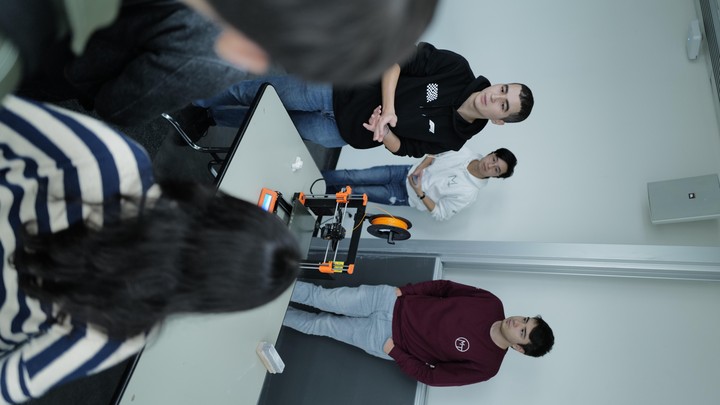
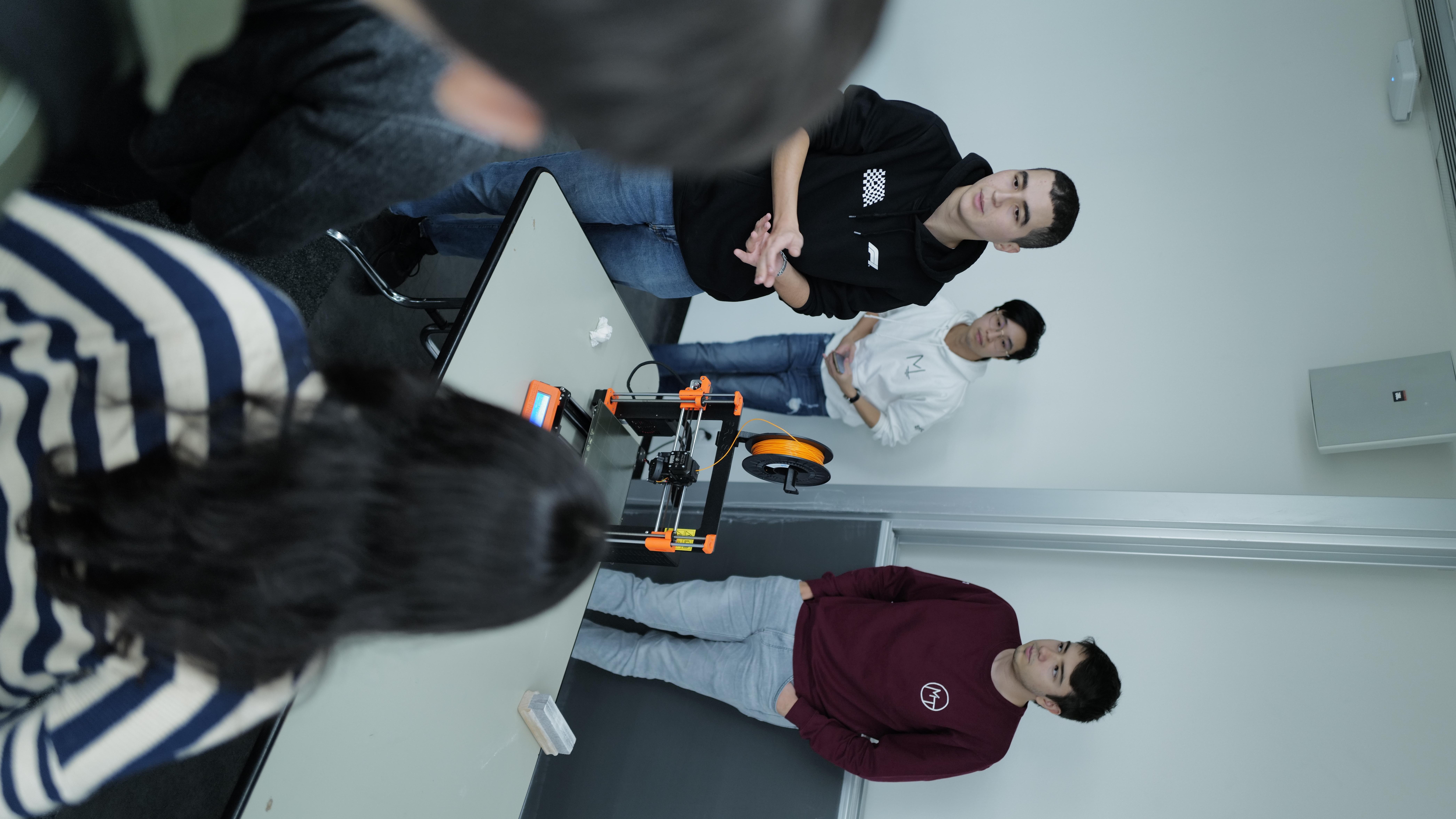
{ "count": 265, "next": "https://memento.epfl.ch/api/v1/events/?format=api&limit=10&offset=220&ordering=last_modification_date", "previous": "https://memento.epfl.ch/api/v1/events/?format=api&limit=10&offset=200&ordering=last_modification_date", "results": [ { "id": 72735, "title": "Nanomaterials and Device Engineering for Scalable Solar Fuels Production", "slug": "nanomaterials-and-device-engineering-for-scalabl-2", "event_url": "https://memento.epfl.ch/event/nanomaterials-and-device-engineering-for-scalabl-2", "visual_url": "https://memento.epfl.ch/image/33951/200x112.jpg", "visual_large_url": "https://memento.epfl.ch/image/33951/720x405.jpg", "visual_maxsize_url": "https://memento.epfl.ch/image/33951/max-size.jpg", "lang": "en", "start_date": "2026-10-14", "end_date": "2026-10-14", "start_time": "17:00:00", "end_time": null, "description": "<p>Thesis Director: Prof. K. Sivula,<br>\r\nChemistry and Chemical Engineering doctoral program<br>\r\nThesis Nr. 11708<br>\r\n<br>\r\nTo take part in the public defense, please contact directly the speaker</p>", "image_description": "", "creation_date": "2026-10-01T18:32:58", "last_modification_date": "2026-10-01T18:33:01", "link_label": "", "link_url": "", "canceled": "False", "cancel_reason": "", "place_and_room": "CM 1 4", "url_place_and_room": "https://plan.epfl.ch/?room==CM%201%204", "url_online_room": "https://epfl.zoom.us/j/66756994208?pwd=djaejEB0IObo1NCTZx2i7b9cQabbTc.1", "spoken_languages": [], "speaker": "<a href=\"mailto:[email protected]\"><strong>Nicolas Johannes DIERCKS</strong></a>", "organizer": "", "contact": "<a href=\"mailto:[email protected]\"><strong>Nicolas Johannes DIERCKS</strong></a><br>\r\n ", "is_internal": "False", "theme": "", "vulgarization": { "id": 1, "fr_label": "Tout public", "en_label": "General public" }, "registration": { "id": 3, "fr_label": "Entrée libre", "en_label": "Free" }, "keywords": "EDCH", "file": null, "icalendar_url": "https://memento.epfl.ch/event/export/122020/", "category": { "id": 12, "code": "SOUTE", "fr_label": "Soutenances de thèses", "en_label": "Thesis defenses", "activated": true }, "academic_calendar_category": null, "domains": [], "mementos": [ "https://memento.epfl.ch/api/v1/mementos/1/?format=api", "https://memento.epfl.ch/api/v1/mementos/5/?format=api", "https://memento.epfl.ch/api/v1/mementos/6/?format=api" ] }, { "id": 72739, "title": "PChem Seminar - Marcelo Lozada-Hidalgo", "slug": "pchem-seminar-marcelo-lozada-hidalgo-2", "event_url": "https://memento.epfl.ch/event/pchem-seminar-marcelo-lozada-hidalgo-2", "visual_url": "https://memento.epfl.ch/image/33954/200x112.jpg", "visual_large_url": "https://memento.epfl.ch/image/33954/720x405.jpg", "visual_maxsize_url": "https://memento.epfl.ch/image/33954/max-size.jpg", "lang": "en", "start_date": "2026-11-19", "end_date": "2026-11-19", "start_time": "17:00:00", "end_time": "19:00:00", "description": "<p>Title TBA</p>", "image_description": "", "creation_date": "2026-10-01T19:28:18", "last_modification_date": "2026-10-01T19:29:45", "link_label": "", "link_url": "", "canceled": "False", "cancel_reason": "", "place_and_room": "CH G1 495", "url_place_and_room": "https://plan.epfl.ch/?room==CH%20G1%20495", "url_online_room": "", "spoken_languages": [ "https://memento.epfl.ch/api/v1/spoken_languages/2/?format=api" ], "speaker": "Marcelo Lozada-Hidalgo (University of Manchester) ", "organizer": "Nikita Kavokine", "contact": "[email protected]", "is_internal": "False", "theme": "", "vulgarization": { "id": 2, "fr_label": "Public averti", "en_label": "Informed public" }, "registration": { "id": 3, "fr_label": "Entrée libre", "en_label": "Free" }, "keywords": "pcseminar", "file": null, "icalendar_url": "https://memento.epfl.ch/event/export/122024/", "category": { "id": 1, "code": "CONF", "fr_label": "Conférences - Séminaires", "en_label": "Conferences - Seminars", "activated": true }, "academic_calendar_category": null, "domains": [], "mementos": [ "https://memento.epfl.ch/api/v1/mementos/5/?format=api", "https://memento.epfl.ch/api/v1/mementos/14/?format=api" ] }, { "id": 72740, "title": "PChem Seminar - Tobias Lau", "slug": "pchem-seminar-tobias-lau", "event_url": "https://memento.epfl.ch/event/pchem-seminar-tobias-lau", "visual_url": null, "visual_large_url": null, "visual_maxsize_url": null, "lang": "en", "start_date": "2026-11-26", "end_date": "2026-11-26", "start_time": "17:00:00", "end_time": "19:00:00", "description": "<p>Title TBA</p>", "image_description": "", "creation_date": "2026-10-01T19:29:55", "last_modification_date": "2026-10-01T19:32:36", "link_label": "", "link_url": "", "canceled": "False", "cancel_reason": "", "place_and_room": "CH G1 495", "url_place_and_room": "https://plan.epfl.ch/?room==CH%20G1%20495", "url_online_room": "", "spoken_languages": [ "https://memento.epfl.ch/api/v1/spoken_languages/2/?format=api" ], "speaker": "Tobias Lau (Helmholtz-Zentrum Berlin) ", "organizer": "Christoph Bostedt", "contact": "[email protected]", "is_internal": "False", "theme": "", "vulgarization": { "id": 2, "fr_label": "Public averti", "en_label": "Informed public" }, "registration": { "id": 3, "fr_label": "Entrée libre", "en_label": "Free" }, "keywords": "pcseminar", "file": null, "icalendar_url": "https://memento.epfl.ch/event/export/122025/", "category": { "id": 1, "code": "CONF", "fr_label": "Conférences - Séminaires", "en_label": "Conferences - Seminars", "activated": true }, "academic_calendar_category": null, "domains": [], "mementos": [ "https://memento.epfl.ch/api/v1/mementos/5/?format=api", "https://memento.epfl.ch/api/v1/mementos/14/?format=api" ] }, { "id": 72741, "title": "PChem Seminar - Malte Rösner", "slug": "pchem-seminar-malte-rosner", "event_url": "https://memento.epfl.ch/event/pchem-seminar-malte-rosner", "visual_url": "https://memento.epfl.ch/image/33956/200x112.jpg", "visual_large_url": "https://memento.epfl.ch/image/33956/720x405.jpg", "visual_maxsize_url": "https://memento.epfl.ch/image/33956/max-size.jpg", "lang": "en", "start_date": "2026-12-03", "end_date": "2026-12-03", "start_time": "17:00:00", "end_time": "19:00:00", "description": "<p>Title TBA</p>", "image_description": "", "creation_date": "2026-10-01T19:33:00", "last_modification_date": "2026-10-01T19:35:38", "link_label": "", "link_url": "", "canceled": "False", "cancel_reason": "", "place_and_room": "CH G1 495", "url_place_and_room": "https://plan.epfl.ch/?room==CH%20G1%20495", "url_online_room": "", "spoken_languages": [ "https://memento.epfl.ch/api/v1/spoken_languages/2/?format=api" ], "speaker": "Malte Rösner (University of Bielefeld, Germany) ", "organizer": "Nikita Kavokine", "contact": "[email protected]", "is_internal": "False", "theme": "", "vulgarization": { "id": 2, "fr_label": "Public averti", "en_label": "Informed public" }, "registration": { "id": 3, "fr_label": "Entrée libre", "en_label": "Free" }, "keywords": "pcseminar", "file": null, "icalendar_url": "https://memento.epfl.ch/event/export/122026/", "category": { "id": 1, "code": "CONF", "fr_label": "Conférences - Séminaires", "en_label": "Conferences - Seminars", "activated": true }, "academic_calendar_category": null, "domains": [], "mementos": [ "https://memento.epfl.ch/api/v1/mementos/5/?format=api", "https://memento.epfl.ch/api/v1/mementos/14/?format=api" ] }, { "id": 72742, "title": "PChem Seminar - Camila Bacellar", "slug": "pchem-seminar-camila-bacellar", "event_url": "https://memento.epfl.ch/event/pchem-seminar-camila-bacellar", "visual_url": "https://memento.epfl.ch/image/33957/200x112.jpg", "visual_large_url": "https://memento.epfl.ch/image/33957/720x405.jpg", "visual_maxsize_url": "https://memento.epfl.ch/image/33957/max-size.jpg", "lang": "en", "start_date": "2026-12-10", "end_date": "2026-12-10", "start_time": "17:00:00", "end_time": "19:00:00", "description": "<p>Title TBA</p>", "image_description": "", "creation_date": "2026-10-01T19:35:51", "last_modification_date": "2026-10-01T19:38:16", "link_label": "", "link_url": "", "canceled": "False", "cancel_reason": "", "place_and_room": "CH G1 495", "url_place_and_room": "https://plan.epfl.ch/?room==CH%20G1%20495", "url_online_room": "", "spoken_languages": [ "https://memento.epfl.ch/api/v1/spoken_languages/2/?format=api" ], "speaker": "Camila Bacellar (PSI, SwissFEL) ", "organizer": "Christoph Bostedt", "contact": "[email protected]", "is_internal": "False", "theme": "", "vulgarization": { "id": 2, "fr_label": "Public averti", "en_label": "Informed public" }, "registration": { "id": 3, "fr_label": "Entrée libre", "en_label": "Free" }, "keywords": "pcseminar", "file": null, "icalendar_url": "https://memento.epfl.ch/event/export/122027/", "category": { "id": 1, "code": "CONF", "fr_label": "Conférences - Séminaires", "en_label": "Conferences - Seminars", "activated": true }, "academic_calendar_category": null, "domains": [], "mementos": [ "https://memento.epfl.ch/api/v1/mementos/5/?format=api", "https://memento.epfl.ch/api/v1/mementos/14/?format=api" ] }, { "id": 72743, "title": "3D Printing", "slug": "3d-printing", "event_url": "https://memento.epfl.ch/event/3d-printing", "visual_url": "https://memento.epfl.ch/image/33958/200x112.jpg", "visual_large_url": "https://memento.epfl.ch/image/33958/720x405.jpg", "visual_maxsize_url": "https://memento.epfl.ch/image/33958/max-size.jpg", "lang": "en", "start_date": "2026-10-14", "end_date": "2026-10-14", "start_time": "18:15:00", "end_time": "20:00:00", "description": "<p>Modeling, slicing, rapid prototyping:<br>\r\nLearn to see your mechanical projects through to completion.</p>", "image_description": "", "creation_date": "2026-10-01T19:38:52", "last_modification_date": "2026-10-01T19:39:20", "link_label": "", "link_url": "", "canceled": "False", "cancel_reason": "", "place_and_room": "CM 1 5", "url_place_and_room": "https://plan.epfl.ch/?room==CM%201%205", "url_online_room": "", "spoken_languages": [ "https://memento.epfl.ch/api/v1/spoken_languages/1/?format=api", "https://memento.epfl.ch/api/v1/spoken_languages/2/?format=api" ], "speaker": "ENKAOUA Natan (Responsable fabrication)", "organizer": "RoboPoly", "contact": "[email protected]", "is_internal": "False", "theme": "", "vulgarization": { "id": 1, "fr_label": "Tout public", "en_label": "General public" }, "registration": { "id": 3, "fr_label": "Entrée libre", "en_label": "Free" }, "keywords": "", "file": null, "icalendar_url": "https://memento.epfl.ch/event/export/122029/", "category": { "id": 1, "code": "CONF", "fr_label": "Conférences - Séminaires", "en_label": "Conferences - Seminars", "activated": true }, "academic_calendar_category": null, "domains": [], "mementos": [ "https://memento.epfl.ch/api/v1/mementos/123/?format=api" ] }, { "id": 72744, "title": "PChem Seminar - Adrien Noury", "slug": "pchem-seminar-adrien-noury", "event_url": "https://memento.epfl.ch/event/pchem-seminar-adrien-noury", "visual_url": null, "visual_large_url": null, "visual_maxsize_url": null, "lang": "en", "start_date": "2026-12-17", "end_date": "2026-12-17", "start_time": "17:00:00", "end_time": "19:00:00", "description": "<p>Title TBA</p>", "image_description": "", "creation_date": "2026-10-01T19:39:06", "last_modification_date": "2026-10-01T19:40:57", "link_label": "", "link_url": "", "canceled": "False", "cancel_reason": "", "place_and_room": "CH G1 495", "url_place_and_room": "https://plan.epfl.ch/?room==CH%20G1%20495", "url_online_room": "", "spoken_languages": [ "https://memento.epfl.ch/api/v1/spoken_languages/2/?format=api" ], "speaker": "Adrien Noury (CNRS, University of Montpellier, France) ", "organizer": "Nikita Kavokine", "contact": "[email protected]", "is_internal": "False", "theme": "", "vulgarization": { "id": 2, "fr_label": "Public averti", "en_label": "Informed public" }, "registration": { "id": 3, "fr_label": "Entrée libre", "en_label": "Free" }, "keywords": "pcseminar", "file": null, "icalendar_url": "https://memento.epfl.ch/event/export/122030/", "category": { "id": 1, "code": "CONF", "fr_label": "Conférences - Séminaires", "en_label": "Conferences - Seminars", "activated": true }, "academic_calendar_category": null, "domains": [], "mementos": [ "https://memento.epfl.ch/api/v1/mementos/5/?format=api", "https://memento.epfl.ch/api/v1/mementos/14/?format=api" ] }, { "id": 72745, "title": "Generative Artificial Intelligence for Accelerating Materials Discovery", "slug": "generative-artificial-intelligence-for-accelerat-2", "event_url": "https://memento.epfl.ch/event/generative-artificial-intelligence-for-accelerat-2", "visual_url": "https://memento.epfl.ch/image/33960/200x112.jpg", "visual_large_url": "https://memento.epfl.ch/image/33960/720x405.jpg", "visual_maxsize_url": "https://memento.epfl.ch/image/33960/max-size.jpg", "lang": "en", "start_date": "2026-11-27", "end_date": "2026-11-27", "start_time": "15:00:00", "end_time": null, "description": "<p>Thesis Director: Prof. Ph. Schwaller,<br>\r\nChemistry and Chemical Engineering doctoral program<br>\r\nThesis Nr. 11943<br>\r\n<br>\r\nTo take part in the public defense, please contact directly the speaker</p>", "image_description": "", "creation_date": "2026-10-01T19:43:58", "last_modification_date": "2026-10-01T19:43:59", "link_label": "", "link_url": "", "canceled": "False", "cancel_reason": "", "place_and_room": "CM 1 4", "url_place_and_room": "https://plan.epfl.ch/?room==CM%201%204", "url_online_room": "https://epfl.zoom.us/j/66541265867?pwd=7w9G38oGbpRC8F0eWZyRE9yhD8pvgW.1", "spoken_languages": [], "speaker": "<a href=\"mailto:[email protected]\"><strong>Junwu CHEN</strong></a>", "organizer": "", "contact": "<a href=\"mailto:[email protected]\"><strong>Junwu CHEN</strong></a>", "is_internal": "False", "theme": "", "vulgarization": { "id": 1, "fr_label": "Tout public", "en_label": "General public" }, "registration": { "id": 3, "fr_label": "Entrée libre", "en_label": "Free" }, "keywords": "EDCH", "file": null, "icalendar_url": "https://memento.epfl.ch/event/export/122032/", "category": { "id": 12, "code": "SOUTE", "fr_label": "Soutenances de thèses", "en_label": "Thesis defenses", "activated": true }, "academic_calendar_category": null, "domains": [], "mementos": [ "https://memento.epfl.ch/api/v1/mementos/1/?format=api", "https://memento.epfl.ch/api/v1/mementos/5/?format=api", "https://memento.epfl.ch/api/v1/mementos/6/?format=api" ] }, { "id": 72736, "title": "PChem Seminar - Karl-Heinz Ernst", "slug": "pchem-seminar-karl-heinz-ernst", "event_url": "https://memento.epfl.ch/event/pchem-seminar-karl-heinz-ernst", "visual_url": "https://memento.epfl.ch/image/33952/200x112.jpg", "visual_large_url": "https://memento.epfl.ch/image/33952/720x405.jpg", "visual_maxsize_url": "https://memento.epfl.ch/image/33952/max-size.jpg", "lang": "en", "start_date": "2026-10-22", "end_date": "2026-10-22", "start_time": "17:00:00", "end_time": "19:00:00", "description": "<strong>Chirality Meets Magnetism: Spin Selectivity and Molecular Organization</strong><br>\r\n<br>\r\nSince Pasteur's discovery of molecular chirality, understanding how molecular handedness couples to its physical environment has remained a fundamental challenge. Of particular interest is its interplay with magnetism, anticipated already by Pierre Curie in 1894, as well as the emergence and propagation of chirality through molecular organization. Here, we explore these connections at surfaces, from the interaction of individual chiral molecules with magnetic substrates and spin-polarized electrons to the collective organization of molecular chirality in extended two-dimensional structures. First, we demonstrate enantioselective adsorption of individual helicene molecules on ferromagnetic cobalt surfaces. Spin- and chirality-resolved scanning tunneling microscopy reveals that left- and right-handed helicenes preferentially adsorb on Co islands with opposite out-of-plane magnetization, establishing a direct correlation between molecular handedness and substrate magnetization. Second, tunneling-conductance measurements through individual enantiomers reveal magnetochiral asymmetries of up to 50%, demonstrating spin-selective electron transport at the single-molecule level and excluding ensemble effects as the sole origin of chirality-induced spin selectivity (CISS). Finally, we report the first observation of aperiodic chiral molecular tiling arising from topological self-assembly on a silver surface, demonstrating how molecular chirality can propagate from individual building blocks into complex collective organization.", "image_description": "", "creation_date": "2026-10-01T19:17:53", "last_modification_date": "2026-10-02T08:39:11", "link_label": "", "link_url": "", "canceled": "False", "cancel_reason": "", "place_and_room": "CH G1 495", "url_place_and_room": "https://plan.epfl.ch/?room==CH%20G1%20495", "url_online_room": "", "spoken_languages": [ "https://memento.epfl.ch/api/v1/spoken_languages/2/?format=api" ], "speaker": "Karl-Heinz Ernst (EMPA)", "organizer": "Sascha Feldmann", "contact": "[email protected]", "is_internal": "False", "theme": "", "vulgarization": { "id": 2, "fr_label": "Public averti", "en_label": "Informed public" }, "registration": { "id": 3, "fr_label": "Entrée libre", "en_label": "Free" }, "keywords": "pcseminar", "file": null, "icalendar_url": "https://memento.epfl.ch/event/export/122021/", "category": { "id": 1, "code": "CONF", "fr_label": "Conférences - Séminaires", "en_label": "Conferences - Seminars", "activated": true }, "academic_calendar_category": null, "domains": [], "mementos": [ "https://memento.epfl.ch/api/v1/mementos/5/?format=api", "https://memento.epfl.ch/api/v1/mementos/14/?format=api" ] }, { "id": 72747, "title": "2 Billion years of shelterin and t-loops: from telomere protection to tumor suppression", "slug": "2-billion-years-of-shelterin-and-t-loops-from-telo", "event_url": "https://memento.epfl.ch/event/2-billion-years-of-shelterin-and-t-loops-from-telo", "visual_url": "https://memento.epfl.ch/image/33962/200x112.jpg", "visual_large_url": "https://memento.epfl.ch/image/33962/720x405.jpg", "visual_maxsize_url": "https://memento.epfl.ch/image/33962/max-size.jpg", "lang": "en", "start_date": "2026-11-26", "end_date": "2026-11-26", "start_time": "12:15:00", "end_time": "13:15:00", "description": "<strong>A Lola and John Grace Distinguished Lecture in Cancer Research</strong>\r\n<div class=\"elementor-element elementor-element-98cefd8 elementor-widget elementor-widget-heading\">\r\n<div class=\"elementor-widget-container\">\r\n<div class=\"vita\">Dr. Titia de Lange received training in molecular biology and biochemistry at the University of Amsterdam. As an undergraduate, she did research in Richard Flavell’s lab at the MRC in Mill Hill, UK. She was a graduate student in Piet Borst’s lab in the Department of Biochemistry at the University of Amsterdam and moved with Borst to the Dutch Cancer Center where she first developed an interest in telomeres. After receiving her PhD in 1985, de Lange joined Harold Varmus at UCSF for postdoctoral studies. With Varmus, she isolated human telomeric DNA and was the first to show that human telomeres shorten during tumorigenesis. In 1990, she moved to the Rockefeller to take a position as a University Fellow and was appointed as Assistant Professor in 1991. She was promoted to Associate Professor in 1994 and to Professor in 1997. She currently is the Leon Hess Professor and the Director of the Anderson Center for Cancer Research at the Rockefeller University.<br>\r\n<br>\r\nShe is a member of EMBO, the US National Academy of Science, both Dutch Royal Academies, the American Academy of Arts and Sciences, the US National Academy of Medicine. She is an foreign member of the Royal Society of London and received honorary degrees from the University of Utrecht, the University of Chicago, and the University of Groningen.<br>\r\n<br>\r\nDe Lange’s awards include the inaugural Paul Marks Prize for Cancer Research in 2001, the Massachusetts General Hospital Cancer Center Prize, the Judd award from MSKCC, the AACR’s Charlotte Friend and G.H.A. Clowes Awards, the 2011 Vilcek Prize, the 2012 Vanderbilt Prize, the 2012 Dr. Heineken Prize for Biochemistry and Biophysics, the Breakthrough Prize in Life Sciences in 2013, the 2014 Canada Gairdner International Award, the 2018 Lewis S. Rosenstiel Award, and the 2024 Pezcoller AACR International Award.\r\n<div> </div>\r\n</div>\r\n</div>\r\n</div>\r\n\r\n<div class=\"elementor-element elementor-element-e552a16 elementor-widget elementor-widget-text-editor\">\r\n<div class=\"elementor-widget-container\"> </div>\r\n</div>", "image_description": "", "creation_date": "2026-10-02T09:46:26", "last_modification_date": "2026-10-02T10:44:54", "link_label": "", "link_url": "", "canceled": "False", "cancel_reason": "", "place_and_room": "SV 1717", "url_place_and_room": "https://plan.epfl.ch/?room==SV%201717", "url_online_room": "https://epfl.zoom.us/j/97039045251?pwd=WDFjUGV3Y1FxeG9rTUIrOGpiUXhLQT09", "spoken_languages": [ "https://memento.epfl.ch/api/v1/spoken_languages/2/?format=api" ], "speaker": "<strong>Dr Titia De Lange, </strong>Leon Hess Professor and Director, Anderson Center for Cancer Research, Rockefeller University, USA", "organizer": "Prof. Joachim Lingner", "contact": "Lisa Smith, ISREC Administrative Assistant", "is_internal": "True", "theme": "", "vulgarization": { "id": 2, "fr_label": "Public averti", "en_label": "Informed public" }, "registration": { "id": 3, "fr_label": "Entrée libre", "en_label": "Free" }, "keywords": "Grace Lecture, cancer", "file": null, "icalendar_url": "https://memento.epfl.ch/event/export/122035/", "category": { "id": 1, "code": "CONF", "fr_label": "Conférences - Séminaires", "en_label": "Conferences - Seminars", "activated": true }, "academic_calendar_category": null, "domains": [], "mementos": [ "https://memento.epfl.ch/api/v1/mementos/1/?format=api", "https://memento.epfl.ch/api/v1/mementos/6/?format=api", "https://memento.epfl.ch/api/v1/mementos/9/?format=api", "https://memento.epfl.ch/api/v1/mementos/26/?format=api" ] } ] }