Event List
retrieve:
Return the details about the given Event id.
list:
List all Event objects.
GET /api/v1/events/?format=api&offset=10&ordering=-slug
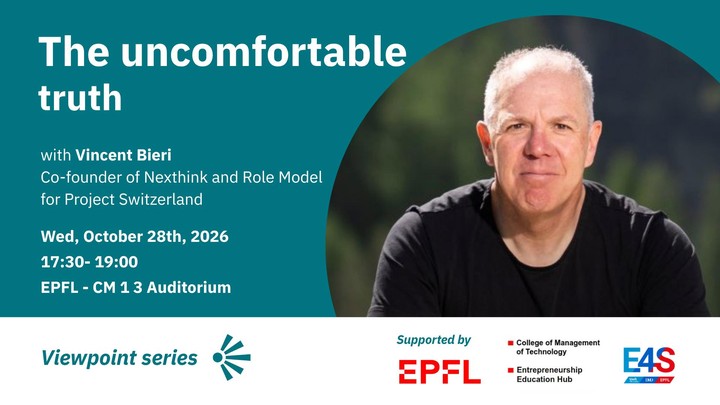
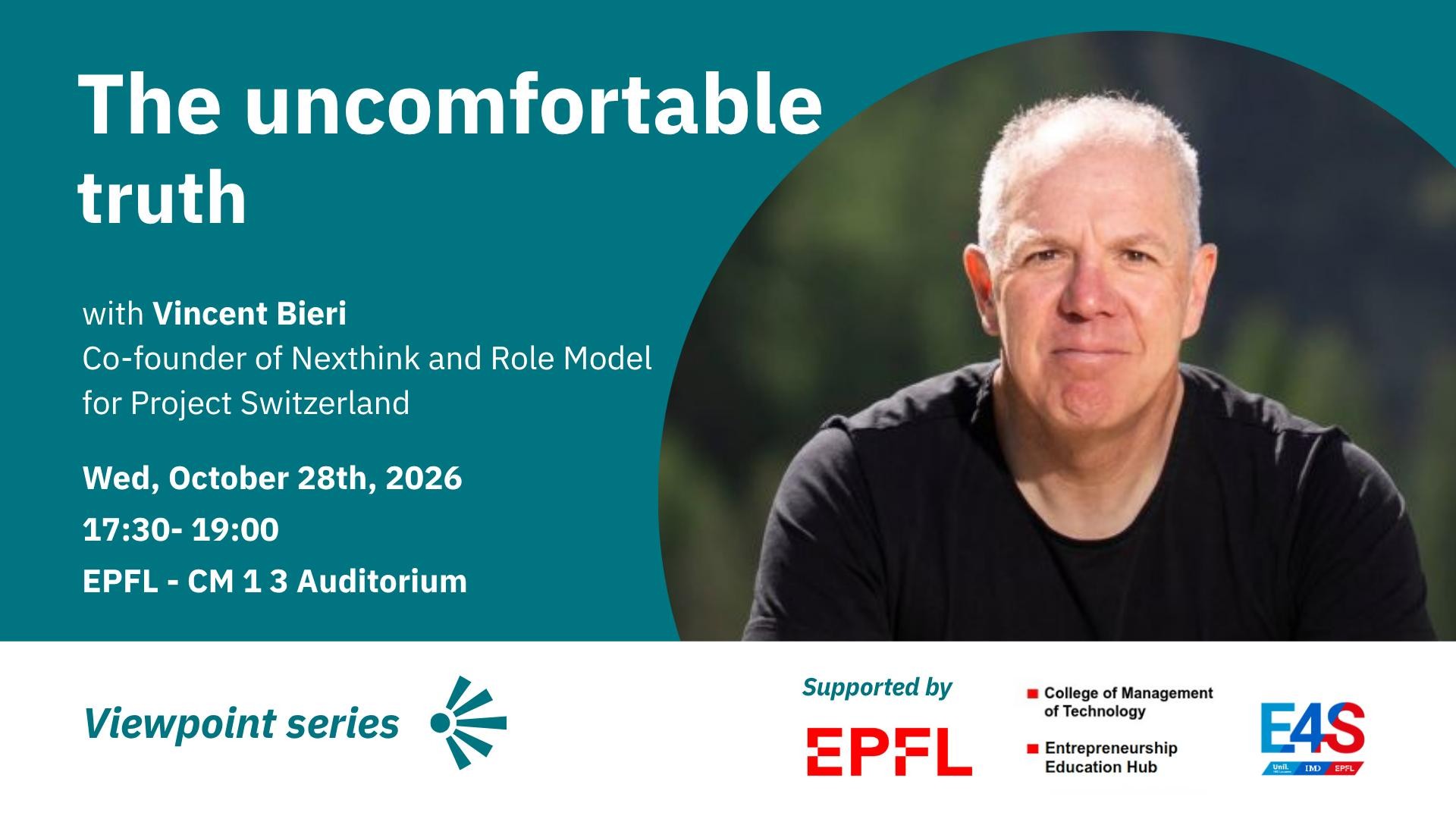
{ "count": 259, "next": "https://memento.epfl.ch/api/v1/events/?format=api&limit=10&offset=20&ordering=-slug", "previous": "https://memento.epfl.ch/api/v1/events/?format=api&limit=10&ordering=-slug", "results": [ { "id": 72396, "title": "Training \"Stay Away from Plagiarism\"", "slug": "training-stay-away-from-plagiarism-8", "event_url": "https://memento.epfl.ch/event/training-stay-away-from-plagiarism-8", "visual_url": "https://memento.epfl.ch/image/33647/200x112.jpg", "visual_large_url": "https://memento.epfl.ch/image/33647/720x405.jpg", "visual_maxsize_url": "https://memento.epfl.ch/image/33647/max-size.jpg", "lang": "en", "start_date": "2026-11-02", "end_date": "2026-11-02", "start_time": "14:00:00", "end_time": "16:00:00", "description": "<div class=\"all_text\"><strong>The aim of this workshop, is to understand the main principles of plagiarism in order to avoid it.</strong> <strong>To do so, we first would like to help participants getting the right habits of citation by experimenting various citation cases that may be encountered during the writing process of reports or publications, including thesis. </strong><br>\r\n<br>\r\nThen, we will show you more in depth how to use the similarity detection tool <a href=\"https://www.epfl.ch/campus/library/services-researchers/similarity-check/\">iThenticate</a>.<br>\r\n<br>\r\nAt the end of the workshop, you will be able to:\r\n<ul>\r\n\t<li>Understand the stakes of citation.</li>\r\n\t<li>Cite and reuse properly different types of content.</li>\r\n\t<li>Understand what incorrect referencing is and what that can mean to you.</li>\r\n\t<li>Use iThenticate to check your text and understand how to read the similarity report</li>\r\n</ul>\r\n<a href=\"https://bookwhen.com/fr/epfl_library/e/ev-srfyp-20261102140000\">Registration</a><br>\r\n<br>\r\nMore information about <a href=\"https://www.epfl.ch/campus/library/training/\">EPFL Library Training offer</a><br>\r\n </div>", "image_description": "", "creation_date": "2026-08-20T10:12:00", "last_modification_date": "2026-08-20T15:46:03", "link_label": "Registration", "link_url": "https://bookwhen.com/fr/epfl_library/e/ev-srfyp-20261102140000", "canceled": "False", "cancel_reason": "", "place_and_room": "GR A3 31", "url_place_and_room": "https://plan.epfl.ch/?room==GR%20A3%2031", "url_online_room": "", "spoken_languages": [ "https://memento.epfl.ch/api/v1/spoken_languages/2/?format=api" ], "speaker": "EPFL Library Training Team", "organizer": "EPFL Library", "contact": "[email protected]", "is_internal": "False", "theme": "", "vulgarization": { "id": 1, "fr_label": "Tout public", "en_label": "General public" }, "registration": { "id": 1, "fr_label": "Sur inscription", "en_label": "Registration required" }, "keywords": "", "file": null, "icalendar_url": "https://memento.epfl.ch/event/export/121516/", "category": { "id": 15, "code": "FORM", "fr_label": "Formations internes", "en_label": "Internal trainings", "activated": true }, "academic_calendar_category": null, "domains": [], "mementos": [ "https://memento.epfl.ch/api/v1/mementos/1/?format=api", "https://memento.epfl.ch/api/v1/mementos/3/?format=api", "https://memento.epfl.ch/api/v1/mementos/5/?format=api", "https://memento.epfl.ch/api/v1/mementos/6/?format=api", "https://memento.epfl.ch/api/v1/mementos/8/?format=api", "https://memento.epfl.ch/api/v1/mementos/269/?format=api", "https://memento.epfl.ch/api/v1/mementos/275/?format=api", "https://memento.epfl.ch/api/v1/mementos/291/?format=api" ] }, { "id": 72398, "title": "Training \"Smart Publishing\"", "slug": "training-smart-publishing-7", "event_url": "https://memento.epfl.ch/event/training-smart-publishing-7", "visual_url": "https://memento.epfl.ch/image/33649/200x112.jpg", "visual_large_url": "https://memento.epfl.ch/image/33649/720x405.jpg", "visual_maxsize_url": "https://memento.epfl.ch/image/33649/max-size.jpg", "lang": "en", "start_date": "2026-11-17", "end_date": "2026-11-17", "start_time": "10:00:00", "end_time": "12:00:00", "description": "<div class=\"all_text\"><strong>Publishing to make your research available to the scientific community is a rewarding step. Do you want to understand how it works and know some tips that will help at the submission stage?</strong><br>\r\n<br>\r\nIn this workshop we will address the publication process in the current context:</div>\r\n\r\n<ul>\r\n\t<li>Become familiar with the context of scholarly communication and its latest developments.</li>\r\n\t<li>Understand the important steps leading to publication, including peer-review.</li>\r\n\t<li>Ensure your compliance towards EPFL and funders' Open Access policy.</li>\r\n\t<li>Know and protect your rights as an author according to EPFL’s policy.</li>\r\n\t<li>Get to understand what a publishing contract entails.</li>\r\n</ul>\r\n\r\n<div class=\"all_text\"><br>\r\n<a href=\"https://bookwhen.com/fr/epfl_library/e/ev-s5o9y-20261117100000\">Registration</a><br>\r\n<br>\r\nMore information about <a href=\"https://www.epfl.ch/campus/library/training/\">EPFL Library Training offer</a></div>", "image_description": "CC-BY-NC-SA EPFL Library", "creation_date": "2026-08-20T10:22:40", "last_modification_date": "2026-08-20T15:51:07", "link_label": "Registration", "link_url": "https://bookwhen.com/fr/epfl_library/e/ev-s5o9y-20261117100000", "canceled": "False", "cancel_reason": "", "place_and_room": "ELG 116", "url_place_and_room": "https://plan.epfl.ch/?room==ELG%20116", "url_online_room": "", "spoken_languages": [ "https://memento.epfl.ch/api/v1/spoken_languages/2/?format=api" ], "speaker": "EPFL Library Training Team", "organizer": "EPFL Library", "contact": "[email protected]", "is_internal": "False", "theme": "", "vulgarization": { "id": 1, "fr_label": "Tout public", "en_label": "General public" }, "registration": { "id": 1, "fr_label": "Sur inscription", "en_label": "Registration required" }, "keywords": "", "file": null, "icalendar_url": "https://memento.epfl.ch/event/export/121520/", "category": { "id": 15, "code": "FORM", "fr_label": "Formations internes", "en_label": "Internal trainings", "activated": true }, "academic_calendar_category": null, "domains": [], "mementos": [ "https://memento.epfl.ch/api/v1/mementos/1/?format=api", "https://memento.epfl.ch/api/v1/mementos/3/?format=api", "https://memento.epfl.ch/api/v1/mementos/5/?format=api", "https://memento.epfl.ch/api/v1/mementos/6/?format=api", "https://memento.epfl.ch/api/v1/mementos/8/?format=api", "https://memento.epfl.ch/api/v1/mementos/269/?format=api", "https://memento.epfl.ch/api/v1/mementos/275/?format=api" ] }, { "id": 72401, "title": "Training \"Reshaping Information Research with AI\"", "slug": "training-reshaping-information-research-with-ai-13", "event_url": "https://memento.epfl.ch/event/training-reshaping-information-research-with-ai-13", "visual_url": "https://memento.epfl.ch/image/33652/200x112.jpg", "visual_large_url": "https://memento.epfl.ch/image/33652/720x405.jpg", "visual_maxsize_url": "https://memento.epfl.ch/image/33652/max-size.jpg", "lang": "en", "start_date": "2026-12-01", "end_date": "2026-12-01", "start_time": "14:30:00", "end_time": "16:30:00", "description": "<strong>In the last few years, many AI-powered tools promise to change forever the way we look for information. During this workshop, which will be held in presence only, we will explore some of them, focusing on the so-called \"research assistants\" in order to understand how they work and how we can exploit them to make our research better.</strong><br>\r\n<br>\r\nAfter attending this workshop, you will be able to:\r\n<ul>\r\n\t<li>Identify the main challenges brought by AI to the information retrieval.</li>\r\n\t<li>Compare 4 AI-powered research assistants.</li>\r\n\t<li>Recognize the main difference with the traditional information retrieval strategy.</li>\r\n</ul>\r\n<a href=\"https://bookwhen.com/fr/epfl_library/e/ev-szbbx-20261201143000\">Registration</a><br>\r\n<br>\r\nMore information about <a href=\"https://www.epfl.ch/campus/library/training/\">EPFL Library Training offer</a>", "image_description": "", "creation_date": "2026-08-20T10:34:07", "last_modification_date": "2026-08-20T15:57:16", "link_label": "Registration", "link_url": "https://bookwhen.com/fr/epfl_library/e/ev-szbbx-20261201143000", "canceled": "False", "cancel_reason": "", "place_and_room": "MED 0 1618", "url_place_and_room": "https://plan.epfl.ch/?room==MED%200%201618", "url_online_room": "", "spoken_languages": [ "https://memento.epfl.ch/api/v1/spoken_languages/2/?format=api" ], "speaker": "EPFL Library Training Team", "organizer": "EPFL Library", "contact": "[email protected]", "is_internal": "False", "theme": "", "vulgarization": { "id": 1, "fr_label": "Tout public", "en_label": "General public" }, "registration": { "id": 1, "fr_label": "Sur inscription", "en_label": "Registration required" }, "keywords": "", "file": null, "icalendar_url": "https://memento.epfl.ch/event/export/121527/", "category": { "id": 15, "code": "FORM", "fr_label": "Formations internes", "en_label": "Internal trainings", "activated": true }, "academic_calendar_category": null, "domains": [], "mementos": [ "https://memento.epfl.ch/api/v1/mementos/1/?format=api", "https://memento.epfl.ch/api/v1/mementos/3/?format=api", "https://memento.epfl.ch/api/v1/mementos/5/?format=api", "https://memento.epfl.ch/api/v1/mementos/6/?format=api", "https://memento.epfl.ch/api/v1/mementos/8/?format=api", "https://memento.epfl.ch/api/v1/mementos/145/?format=api", "https://memento.epfl.ch/api/v1/mementos/269/?format=api", "https://memento.epfl.ch/api/v1/mementos/275/?format=api", "https://memento.epfl.ch/api/v1/mementos/291/?format=api", "https://memento.epfl.ch/api/v1/mementos/416/?format=api" ] }, { "id": 72395, "title": "Training \"Research Visibility: Impact beyond citation\"", "slug": "training-research-visibility-impact-beyond-citat-4", "event_url": "https://memento.epfl.ch/event/training-research-visibility-impact-beyond-citat-4", "visual_url": "https://memento.epfl.ch/image/33646/200x112.jpg", "visual_large_url": "https://memento.epfl.ch/image/33646/720x405.jpg", "visual_maxsize_url": "https://memento.epfl.ch/image/33646/max-size.jpg", "lang": "en", "start_date": "2026-10-20", "end_date": "2026-10-20", "start_time": "14:00:00", "end_time": "16:00:00", "description": "<div class=\"all_text\"><strong>In this short workshop, we will address visibility in the academic context.</strong> <strong>How can you manage your visibility as a researcher? How can you ensure that your research output makes an impact? </strong><br>\r\n<br>\r\nLet's explore some of the tools you have at your disposal.<br>\r\n<br>\r\nAfter the workshop, you will:\r\n<ul>\r\n\t<li>Know different ways to be visible as a researcher.</li>\r\n\t<li>Grasp the limits and the benefits of visibility.</li>\r\n\t<li>Learn about the steps to take and the people to contact as an EPFL researcher.</li>\r\n</ul>\r\nAs a BONUS content: we will help everyone interested to setup their ORCID account after the training.<br>\r\n<br>\r\n<a href=\"https://bookwhen.com/fr/epfl_library/e/ev-s7di8-20261020140000\">Registration</a><br>\r\n<br>\r\nMore information about <a href=\"https://www.epfl.ch/campus/library/training/\">EPFL Library Training offer</a><br>\r\n<br>\r\n </div>", "image_description": "", "creation_date": "2026-08-20T09:50:49", "last_modification_date": "2026-08-20T15:44:43", "link_label": "Registration", "link_url": "https://bookwhen.com/fr/epfl_library/e/ev-s7di8-20261020140000", "canceled": "False", "cancel_reason": "", "place_and_room": "", "url_place_and_room": "", "url_online_room": "https://epfl.zoom.us/j/64493491008", "spoken_languages": [ "https://memento.epfl.ch/api/v1/spoken_languages/2/?format=api" ], "speaker": "EPFL Library Training Team", "organizer": "EPFL Library", "contact": "[email protected]", "is_internal": "False", "theme": "", "vulgarization": { "id": 1, "fr_label": "Tout public", "en_label": "General public" }, "registration": { "id": 1, "fr_label": "Sur inscription", "en_label": "Registration required" }, "keywords": "", "file": null, "icalendar_url": "https://memento.epfl.ch/event/export/121514/", "category": { "id": 15, "code": "FORM", "fr_label": "Formations internes", "en_label": "Internal trainings", "activated": true }, "academic_calendar_category": null, "domains": [], "mementos": [ "https://memento.epfl.ch/api/v1/mementos/1/?format=api", "https://memento.epfl.ch/api/v1/mementos/3/?format=api", "https://memento.epfl.ch/api/v1/mementos/5/?format=api", "https://memento.epfl.ch/api/v1/mementos/6/?format=api", "https://memento.epfl.ch/api/v1/mementos/8/?format=api", "https://memento.epfl.ch/api/v1/mementos/145/?format=api", "https://memento.epfl.ch/api/v1/mementos/269/?format=api", "https://memento.epfl.ch/api/v1/mementos/275/?format=api" ] }, { "id": 72394, "title": "Training \"Intro to Overleaf Beginner & Intermediate Features\"", "slug": "training-intro-to-overleaf-beginner-intermediate-3", "event_url": "https://memento.epfl.ch/event/training-intro-to-overleaf-beginner-intermediate-3", "visual_url": "https://memento.epfl.ch/image/33645/200x112.jpg", "visual_large_url": "https://memento.epfl.ch/image/33645/720x405.jpg", "visual_maxsize_url": "https://memento.epfl.ch/image/33645/max-size.jpg", "lang": "en", "start_date": "2026-10-09", "end_date": "2026-10-09", "start_time": "16:00:00", "end_time": "17:00:00", "description": "<div class=\"all_text\"><strong>Whether you're new to working with LaTeX, Overleaf or both; or just want an insight into the best way to work with your projects in Overleaf, join us for this 60 minute webinar, where we'll cover:</strong><br>\r\n \r\n<ul>\r\n\t<li>Overleaf and LaTeX basics</li>\r\n\t<li>Creating a new project</li>\r\n\t<li>Using Visual Editor</li>\r\n\t<li>Editing your project</li>\r\n\t<li>Sharing your project</li>\r\n\t<li>Adding images and iables</li>\r\n\t<li>Uploading a bibliography</li>\r\n\t<li>Fixing errors</li>\r\n\t<li>Submitting your project to a journal</li>\r\n\t<li>Q&A</li>\r\n</ul>\r\nPlease note that this training will be provided by an <strong>Overleaf instructor</strong>.<br>\r\n<br>\r\n<a href=\"https://bookwhen.com/fr/epfl_library/e/ev-sl0ow-20261009160000\">Registration</a><br>\r\n<br>\r\nMore information about <a href=\"https://www.epfl.ch/campus/library/training/\">EPFL Library Training offer</a></div>", "image_description": "", "creation_date": "2026-08-20T09:42:06", "last_modification_date": "2026-08-20T15:43:06", "link_label": "Registration", "link_url": "https://bookwhen.com/fr/epfl_library/e/ev-sl0ow-20261009160000", "canceled": "False", "cancel_reason": "", "place_and_room": "", "url_place_and_room": "", "url_online_room": "", "spoken_languages": [ "https://memento.epfl.ch/api/v1/spoken_languages/2/?format=api" ], "speaker": "Overleaf instructor", "organizer": "EPFL Library", "contact": "[email protected]", "is_internal": "False", "theme": "", "vulgarization": { "id": 1, "fr_label": "Tout public", "en_label": "General public" }, "registration": { "id": 1, "fr_label": "Sur inscription", "en_label": "Registration required" }, "keywords": "LaTeX, Overleaf", "file": null, "icalendar_url": "https://memento.epfl.ch/event/export/121512/", "category": { "id": 15, "code": "FORM", "fr_label": "Formations internes", "en_label": "Internal trainings", "activated": true }, "academic_calendar_category": null, "domains": [], "mementos": [ "https://memento.epfl.ch/api/v1/mementos/1/?format=api", "https://memento.epfl.ch/api/v1/mementos/3/?format=api", "https://memento.epfl.ch/api/v1/mementos/5/?format=api", "https://memento.epfl.ch/api/v1/mementos/6/?format=api", "https://memento.epfl.ch/api/v1/mementos/8/?format=api", "https://memento.epfl.ch/api/v1/mementos/269/?format=api", "https://memento.epfl.ch/api/v1/mementos/275/?format=api" ] }, { "id": 72397, "title": "Training \"Ethics in Research Data Management: Anonymization and Best Practices\"", "slug": "training-ethics-in-research-data-management-anon-5", "event_url": "https://memento.epfl.ch/event/training-ethics-in-research-data-management-anon-5", "visual_url": "https://memento.epfl.ch/image/33648/200x112.jpg", "visual_large_url": "https://memento.epfl.ch/image/33648/720x405.jpg", "visual_maxsize_url": "https://memento.epfl.ch/image/33648/max-size.jpg", "lang": "en", "start_date": "2026-11-05", "end_date": "2026-11-05", "start_time": "15:00:00", "end_time": "16:30:00", "description": "<div class=\"all_text\">\r\n<div class=\"all_text\"><strong>Ethical-driven practices in data management are crucial for maintaining research integrity, protecting privacy, and collaborate with research partners, and fostering trust in research outputs. </strong><br>\r\n<br>\r\nThis short training focuses on the practices of ethical data management and the adoption of anonymization techniques for compliance with data protection laws.<br>\r\nThrough interactive discussions and case studies, participants will learn to:\r\n<ul>\r\n\t<li>Address ethical challenges in data collection and management in compliance with Swiss and European laws</li>\r\n\t<li>Understand how anonymization techniques and responsible data handling can protect subjects’ privacy</li>\r\n\t<li>Strengthen research integrity by applying best practices in everyday data management workflows.</li>\r\n</ul>\r\nWith a dedicated Q&A session featuring the EPFL Research Ethics Compliance Officer<strong> </strong>and Senior Legal Counsel for Education and Research, you will also have the occasion to discuss the ethical and related technical dimensions of managing your research data.<br>\r\nWhile not mandatory, basic knowledge of Research Data Management is recommended: for an introductory training, please register for the workshop <a href=\"https://bookwhen.com/fr/epfl_library/e/ev-s9esg-20260903150000\">ABC of Research Data Management.</a><br>\r\n<br>\r\n<a href=\"https://bookwhen.com/fr/epfl_library/e/ev-swksv-20261105150000\">Registration</a><br>\r\n<br>\r\nMore information about <a href=\"https://www.epfl.ch/campus/library/training/\">EPFL Library Training offer</a></div>\r\n</div>", "image_description": "", "creation_date": "2026-08-20T10:18:36", "last_modification_date": "2026-08-27T16:22:39", "link_label": "Registration", "link_url": "https://bookwhen.com/fr/epfl_library/e/ev-swksv-20261105150000", "canceled": "False", "cancel_reason": "", "place_and_room": "AAC 0 08", "url_place_and_room": "https://plan.epfl.ch/?room==AAC%200%2008", "url_online_room": "", "spoken_languages": [ "https://memento.epfl.ch/api/v1/spoken_languages/2/?format=api" ], "speaker": "EPFL Library Research Data Team", "organizer": "EPFL Library", "contact": "[email protected]", "is_internal": "False", "theme": "", "vulgarization": { "id": 1, "fr_label": "Tout public", "en_label": "General public" }, "registration": { "id": 1, "fr_label": "Sur inscription", "en_label": "Registration required" }, "keywords": "", "file": null, "icalendar_url": "https://memento.epfl.ch/event/export/121518/", "category": { "id": 15, "code": "FORM", "fr_label": "Formations internes", "en_label": "Internal trainings", "activated": true }, "academic_calendar_category": null, "domains": [], "mementos": [ "https://memento.epfl.ch/api/v1/mementos/1/?format=api", "https://memento.epfl.ch/api/v1/mementos/3/?format=api", "https://memento.epfl.ch/api/v1/mementos/5/?format=api", "https://memento.epfl.ch/api/v1/mementos/6/?format=api", "https://memento.epfl.ch/api/v1/mementos/8/?format=api", "https://memento.epfl.ch/api/v1/mementos/145/?format=api", "https://memento.epfl.ch/api/v1/mementos/269/?format=api", "https://memento.epfl.ch/api/v1/mementos/275/?format=api", "https://memento.epfl.ch/api/v1/mementos/291/?format=api" ] }, { "id": 72400, "title": "Training \"Data/Code Publication\"", "slug": "training-datacode-publication-5", "event_url": "https://memento.epfl.ch/event/training-datacode-publication-5", "visual_url": "https://memento.epfl.ch/image/33651/200x112.jpg", "visual_large_url": "https://memento.epfl.ch/image/33651/720x405.jpg", "visual_maxsize_url": "https://memento.epfl.ch/image/33651/max-size.jpg", "lang": "en", "start_date": "2026-11-26", "end_date": "2026-11-26", "start_time": "15:00:00", "end_time": "16:30:00", "description": "<div class=\"all_text\"><strong>While research funders and publishers mandate the dissemination of data and code underlying the published results, little guidance is provided on how to do it. </strong><br>\r\n<br>\r\nThis workshop addresses the selection of suitable data repositories, explores the role of data journals, and examines data publishing beyond the basic requirements of funders. The session includes a hands-on demonstration of Zenodo, the preferred data repository among EPFL researchers. We will also explore how Zenodo integrates with GitHub repositories, ensuring all necessary publishing metadata is available to disseminate your academic work. Additionally, we will cover the appropriate licensing for your datasets and address data anonymization concerns.<br>\r\n<br>\r\nAt the end of this workshop, which will be held <strong>in presence only</strong>, you will be able to:\r\n<ul>\r\n\t<li>Choose the right repository for your code/data;</li>\r\n\t<li>Publish your code/data in the EPFL Zenodo community.</li>\r\n</ul>\r\nWhile not mandatory, basic knowledge of Research Data Management is recommended: for an introductory training, please register for the workshop <a href=\"https://bookwhen.com/fr/epfl_library/e/ev-s9esg-20260903150000\">ABC of Research Data Management</a>.<br>\r\n<br>\r\n<a href=\"https://bookwhen.com/fr/epfl_library/e/ev-s0c7o-20261126150000\">Registration</a><br>\r\n<br>\r\nMore information about <a href=\"https://www.epfl.ch/campus/library/training/\">EPFL Library Training offer</a></div>", "image_description": "CC-BY-NC-SA EPFL Library", "creation_date": "2026-08-20T10:31:54", "last_modification_date": "2026-08-20T15:54:06", "link_label": "Registration", "link_url": "https://bookwhen.com/fr/epfl_library/e/ev-s0c7o-20261126150000", "canceled": "False", "cancel_reason": "", "place_and_room": "INM 011", "url_place_and_room": "https://plan.epfl.ch/?room==INM%20011", "url_online_room": "", "spoken_languages": [ "https://memento.epfl.ch/api/v1/spoken_languages/2/?format=api" ], "speaker": "EPFL Library Research Data Team", "organizer": "EPFL Library", "contact": "[email protected]", "is_internal": "False", "theme": "", "vulgarization": { "id": 1, "fr_label": "Tout public", "en_label": "General public" }, "registration": { "id": 1, "fr_label": "Sur inscription", "en_label": "Registration required" }, "keywords": "", "file": null, "icalendar_url": "https://memento.epfl.ch/event/export/121524/", "category": { "id": 15, "code": "FORM", "fr_label": "Formations internes", "en_label": "Internal trainings", "activated": true }, "academic_calendar_category": null, "domains": [], "mementos": [ "https://memento.epfl.ch/api/v1/mementos/1/?format=api", "https://memento.epfl.ch/api/v1/mementos/3/?format=api", "https://memento.epfl.ch/api/v1/mementos/5/?format=api", "https://memento.epfl.ch/api/v1/mementos/6/?format=api", "https://memento.epfl.ch/api/v1/mementos/8/?format=api", "https://memento.epfl.ch/api/v1/mementos/269/?format=api", "https://memento.epfl.ch/api/v1/mementos/275/?format=api", "https://memento.epfl.ch/api/v1/mementos/291/?format=api" ] }, { "id": 72393, "title": "Training \"Data Organization & Storage Solutions\"", "slug": "training-data-organization-storage-solutions-5", "event_url": "https://memento.epfl.ch/event/training-data-organization-storage-solutions-5", "visual_url": "https://memento.epfl.ch/image/33644/200x112.jpg", "visual_large_url": "https://memento.epfl.ch/image/33644/720x405.jpg", "visual_maxsize_url": "https://memento.epfl.ch/image/33644/max-size.jpg", "lang": "en", "start_date": "2026-10-08", "end_date": "2026-10-08", "start_time": "15:00:00", "end_time": "16:30:00", "description": "<div class=\"all_text\"><strong>This training enhances your file and folder naming strategies, introduces the use of metadata, and guides you in documenting research data to bolster reproducibility within your research group and in preparation for publication.</strong><br>\r\n<br>\r\nWe will explore the critical differences between data storage, backup, and archiving, and showcase the EPFL's solutions. Through examples and best practices, you will learn to prevent data loss and enable efficient data sharing and its long-term preservation.<br>\r\n<br>\r\nAt the end of this workshop, you will be able to:\r\n<ul>\r\n\t<li>Distinguish between storage, back-up and archiving solutions.</li>\r\n\t<li>Test your file naming convention against good practices.</li>\r\n</ul>\r\nWhile not mandatory, basic knowledge of Research Data Management is recommended: for an introductory training, please register for the workshop <a href=\"https://bookwhen.com/fr/epfl_library/e/ev-s9esg-20260903150000\">ABC of Research Data Management.</a><br>\r\n<br>\r\n<a href=\"https://bookwhen.com/fr/epfl_library/e/ev-so3fe-20261008150000\">Registration</a><br>\r\n<br>\r\nMore information about <a href=\"https://www.epfl.ch/campus/library/training/\">EPFL Library Training offer</a></div>", "image_description": "CC-BY-NC-SA EPFL Library", "creation_date": "2026-08-20T09:34:51", "last_modification_date": "2026-08-20T15:39:52", "link_label": "Registration", "link_url": "https://bookwhen.com/fr/epfl_library/e/ev-so3fe-20261008150000", "canceled": "False", "cancel_reason": "", "place_and_room": "MED 0 1618", "url_place_and_room": "https://plan.epfl.ch/?room==MED%200%201618", "url_online_room": "", "spoken_languages": [ "https://memento.epfl.ch/api/v1/spoken_languages/2/?format=api" ], "speaker": "EPFL Library Research Data Team", "organizer": "EPFL Library", "contact": "[email protected]", "is_internal": "False", "theme": "", "vulgarization": { "id": 1, "fr_label": "Tout public", "en_label": "General public" }, "registration": { "id": 1, "fr_label": "Sur inscription", "en_label": "Registration required" }, "keywords": "", "file": null, "icalendar_url": "https://memento.epfl.ch/event/export/121510/", "category": { "id": 15, "code": "FORM", "fr_label": "Formations internes", "en_label": "Internal trainings", "activated": true }, "academic_calendar_category": null, "domains": [], "mementos": [ "https://memento.epfl.ch/api/v1/mementos/1/?format=api", "https://memento.epfl.ch/api/v1/mementos/3/?format=api", "https://memento.epfl.ch/api/v1/mementos/5/?format=api", "https://memento.epfl.ch/api/v1/mementos/6/?format=api", "https://memento.epfl.ch/api/v1/mementos/8/?format=api", "https://memento.epfl.ch/api/v1/mementos/269/?format=api", "https://memento.epfl.ch/api/v1/mementos/275/?format=api", "https://memento.epfl.ch/api/v1/mementos/291/?format=api" ] }, { "id": 72723, "title": "Toward an AI Scientist in Chemistry: Closing the Gaps in Scientific Autonomy", "slug": "toward-an-ai-scientist-in-chemistry-closing-the-ga", "event_url": "https://memento.epfl.ch/event/toward-an-ai-scientist-in-chemistry-closing-the-ga", "visual_url": "https://memento.epfl.ch/image/33941/200x112.jpg", "visual_large_url": "https://memento.epfl.ch/image/33941/720x405.jpg", "visual_maxsize_url": "https://memento.epfl.ch/image/33941/max-size.jpg", "lang": "en", "start_date": "2026-10-06", "end_date": "2026-10-06", "start_time": "15:15:00", "end_time": "16:15:00", "description": "<p>What does it take to build an AI scientist in chemistry that can carry out research and improve through experience? In this talk, I will explore scientific autonomy as a process of hill climbing: identifying the capabilities that limit autonomous research, addressing those gaps, and evaluating progress on increasingly demanding chemistry tasks.<br>\r\nDrawing on the El Agente family of systems, I will discuss how hierarchical teams of agents coordinate quantum chemistry workflows and how molecular structure generation addresses a critical gap between chemical reasoning and computational execution. I will consider how these capabilities could contribute to longer-term research goals, such as automated reaction pathway exploration. These examples illustrate how a single missing capability can interrupt an otherwise sophisticated research workflow.<br>\r\nI will also discuss the open challenge of enabling agents to learn continually from scientific literature, computational results, and failed attempts, and to acquire capabilities as new problems demand them. By examining current capabilities and remaining bottlenecks, I will outline a path toward AI systems that formulate and test chemical hypotheses with increasing independence.</p>", "image_description": "", "creation_date": "2026-09-30T16:11:47", "last_modification_date": "2026-09-30T16:21:18", "link_label": "", "link_url": "", "canceled": "False", "cancel_reason": "", "place_and_room": "", "url_place_and_room": "", "url_online_room": "https://epfl.zoom.us/j/68447908297?pwd=OU5JUGJUSUhZc0ZNYjQ2WENvYINRdz09", "spoken_languages": [ "https://memento.epfl.ch/api/v1/spoken_languages/2/?format=api" ], "speaker": "Yunheng (Jackie) Zou", "organizer": "Philippe Schwaller", "contact": "[email protected]", "is_internal": "False", "theme": "", "vulgarization": { "id": 1, "fr_label": "Tout public", "en_label": "General public" }, "registration": { "id": 3, "fr_label": "Entrée libre", "en_label": "Free" }, "keywords": "MLSeminar1", "file": null, "icalendar_url": "https://memento.epfl.ch/event/export/122003/", "category": { "id": 1, "code": "CONF", "fr_label": "Conférences - Séminaires", "en_label": "Conferences - Seminars", "activated": true }, "academic_calendar_category": null, "domains": [], "mementos": [ "https://memento.epfl.ch/api/v1/mementos/1/?format=api", "https://memento.epfl.ch/api/v1/mementos/5/?format=api", "https://memento.epfl.ch/api/v1/mementos/6/?format=api", "https://memento.epfl.ch/api/v1/mementos/9/?format=api", "https://memento.epfl.ch/api/v1/mementos/14/?format=api" ] }, { "id": 72705, "title": "The uncomfortable truth", "slug": "the-uncomfortable-truth", "event_url": "https://memento.epfl.ch/event/the-uncomfortable-truth", "visual_url": "https://memento.epfl.ch/image/33930/200x112.jpg", "visual_large_url": "https://memento.epfl.ch/image/33930/720x405.jpg", "visual_maxsize_url": "https://memento.epfl.ch/image/33930/max-size.jpg", "lang": "en", "start_date": "2026-10-28", "end_date": "2026-10-28", "start_time": "17:30:00", "end_time": "19:00:00", "description": "<p>Behind every fast-growing startup lies a story of experimentation, setbacks, and continuous reinvention. Drawing on the experience of <a href=\"https://www.linkedin.com/in/vbieri/\"><strong>Vincent Bieri</strong></a><strong>, co-founder of Nexthink - the Swiss-born technology company that grew into a unicorn - </strong> this seminar will look beyond headlines and valuations to examine the challenges, tough decisions, and perseverance that shape the entrepreneurial journey.<br>\r\n<br>\r\nThe Viewpoint Series, is a new entrepreneurship seminar series designed to expose students and scientists to real-world perspectives from founders, operators, and investors.<br>\r\nSupported by <a href=\"e4s.center\">E4S </a>and organized by <a href=\"https://www.epfl.ch/schools/cdm/\">EPFL - College of Management of Technology</a>, and <a href=\"https://www.epfl.ch/schools/cdm/ehub/\">EPFL Entrepreneurship Education Hub</a>, it brings together experienced practitioners to share candid perspectives on:\r\n</p><ul>\r\n\t<li>Navigating uncertainty and key transitions</li>\r\n\t<li>Critical inflection points in building ventures</li>\r\n\t<li>Lessons learned along the entrepreneurial journey</li>\r\n</ul>\r\n <br>\r\nCombining inspirational talks with interactive discussions, the series encourages reflection and dialogue on what it truly means to build and scale ventures.<br>\r\n <br>\r\n<br>\r\n ", "image_description": "", "creation_date": "2026-09-29T10:04:56", "last_modification_date": "2026-10-01T09:54:12", "link_label": "Registration", "link_url": "https://forms.cloud.microsoft/Pages/DesignPageV2.aspx?origin=NeoPortalPage&subpage=design&id=alXC9vvEsUqix54iDfEcQ3T6XowngO9FnfVR8iOh7ptUNEJYQVhSS1pCNlg2Q0RDNUg1S1g4SVVFVC4u", "canceled": "False", "cancel_reason": "", "place_and_room": "CM 1 3", "url_place_and_room": "https://plan.epfl.ch/?room==CM%201%203", "url_online_room": "", "spoken_languages": [ "https://memento.epfl.ch/api/v1/spoken_languages/2/?format=api" ], "speaker": "<a href=\"https://www.linkedin.com/in/vbieri/\">Vincent Bieri, co-founder of Nexthink and Role Model for Project Switzerland</a>", "organizer": "", "contact": "Davide Bavato", "is_internal": "False", "theme": "", "vulgarization": { "id": 2, "fr_label": "Public averti", "en_label": "Informed public" }, "registration": { "id": 1, "fr_label": "Sur inscription", "en_label": "Registration required" }, "keywords": "", "file": null, "icalendar_url": "https://memento.epfl.ch/event/export/121981/", "category": { "id": 1, "code": "CONF", "fr_label": "Conférences - Séminaires", "en_label": "Conferences - Seminars", "activated": true }, "academic_calendar_category": null, "domains": [], "mementos": [ "https://memento.epfl.ch/api/v1/mementos/1/?format=api", "https://memento.epfl.ch/api/v1/mementos/3/?format=api", "https://memento.epfl.ch/api/v1/mementos/4/?format=api", "https://memento.epfl.ch/api/v1/mementos/5/?format=api", "https://memento.epfl.ch/api/v1/mementos/6/?format=api", "https://memento.epfl.ch/api/v1/mementos/8/?format=api", "https://memento.epfl.ch/api/v1/mementos/38/?format=api", "https://memento.epfl.ch/api/v1/mementos/145/?format=api" ] } ] }