Event List
retrieve:
Return the details about the given Event id.
list:
List all Event objects.
GET /api/v1/events/?format=api&offset=180&ordering=slug
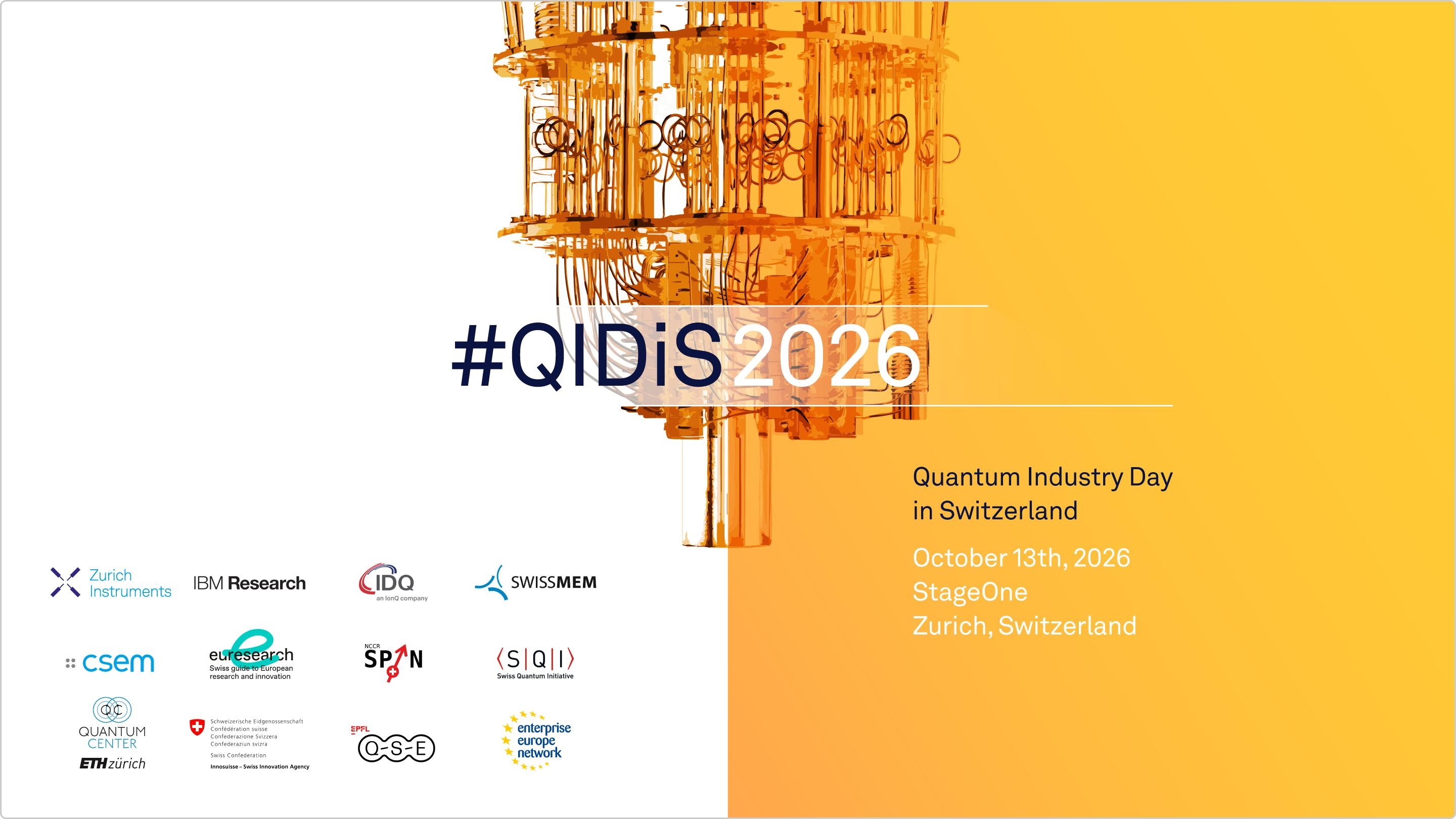
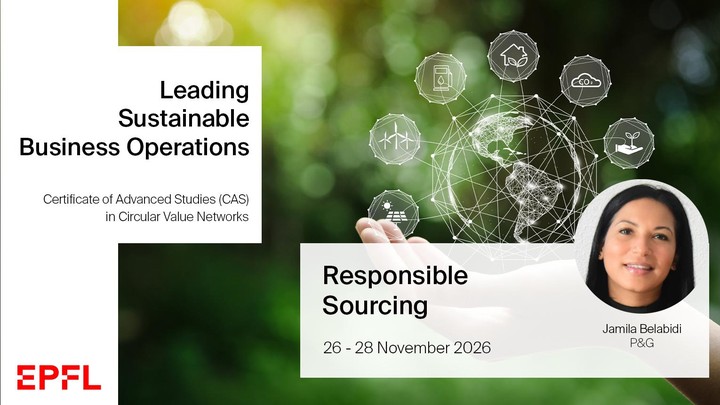
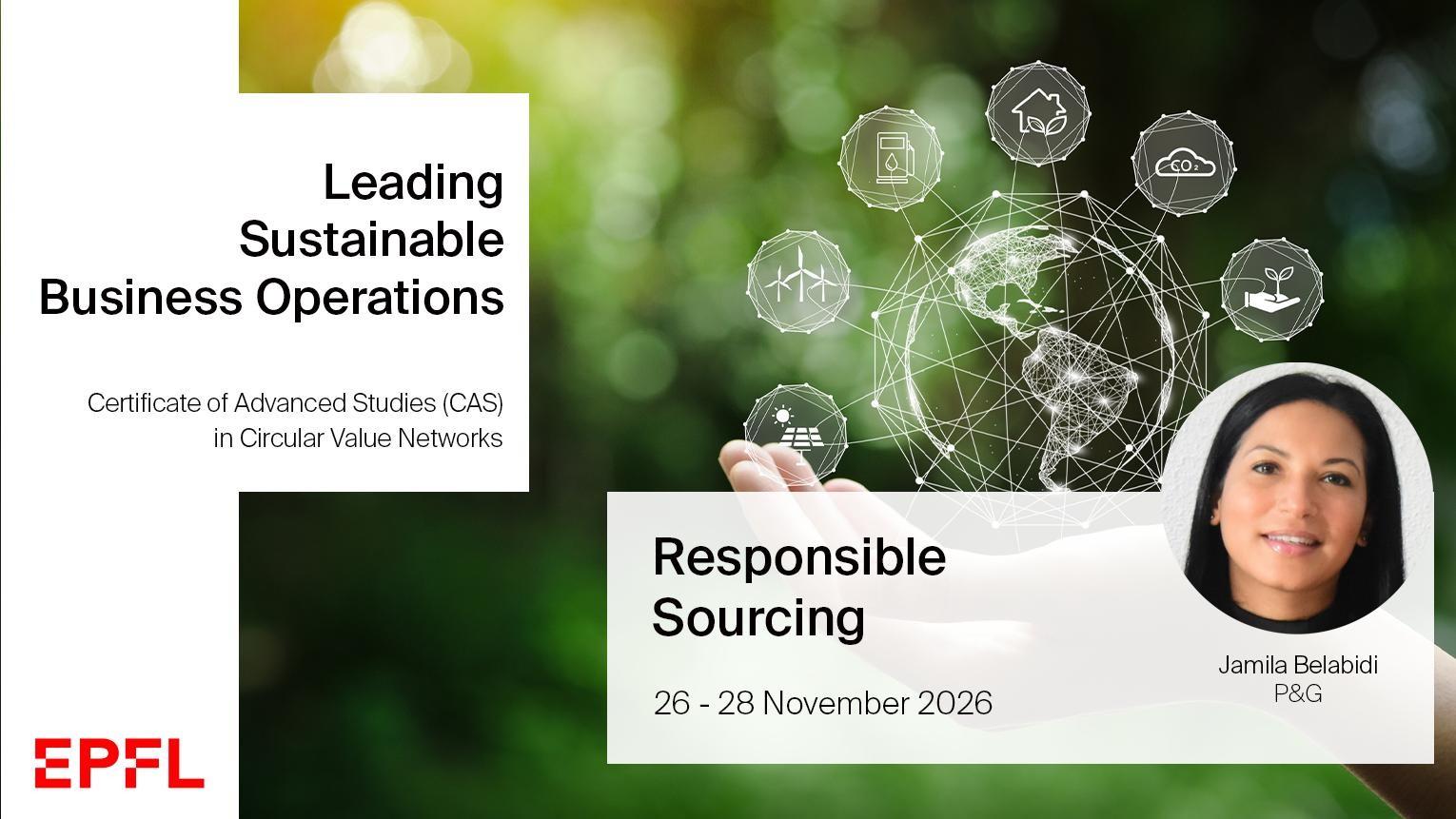
{ "count": 264, "next": "https://memento.epfl.ch/api/v1/events/?format=api&limit=10&offset=190&ordering=slug", "previous": "https://memento.epfl.ch/api/v1/events/?format=api&limit=10&offset=170&ordering=slug", "results": [ { "id": 72219, "title": "Quantum Industry Day in Switzerland (QIDiS) 2026", "slug": "quantum-industry-day-in-switzerland-qidis-2026", "event_url": "https://memento.epfl.ch/event/quantum-industry-day-in-switzerland-qidis-2026", "visual_url": "https://memento.epfl.ch/image/33499/200x112.jpg", "visual_large_url": "https://memento.epfl.ch/image/33499/720x405.jpg", "visual_maxsize_url": "https://memento.epfl.ch/image/33499/max-size.jpg", "lang": "en", "start_date": "2026-10-13", "end_date": "2026-10-13", "start_time": "08:15:00", "end_time": "19:30:00", "description": "<a href=\"https://www.qidis26.com\">The Quantum Industry Day in Switzerland (QIDiS)</a> gathers academic and industrial R&D to foster exchange and accelerate the development of new quantum products through inspiring keynote talks, panel discussions, and networking opportunities. Large private and public investments are rapidly pushing quantum technologies out of labs and into real-world applications. Industrial actors are playing a key role: they provide the <em>enabling technologies</em> as well as <em>the commercialization know-how</em> driving this development. The program covers the areas of quantum computing, quantum sensing, quantum instrumentation and quantum communication.<br>\r\n<br>\r\nThis event is part of the <a href=\"https://swissquantumweek.ch\">Swiss Quantum Week</a>.<br>\r\n<br>\r\n<strong>HIGHLIGHTS OF THE EVENT</strong>\r\n<ul>\r\n\t<li>Stay up-to-date with industry trends: The event showcases the latest products, services, innovations and trends in a particular industry or field. By attending it, participants can stay informed about what's new and what's on the horizon.</li>\r\n\t<li>Networking opportunities: Meet and connect with like-minded individuals, as well as experts in your field. You can make valuable connections that can help you grow your career or business.</li>\r\n\t<li>Build brand awareness: Publish and showcase your products, projects, services or business needs to event participants.</li>\r\n\t<li>Access to experts and thought leaders: Gain access to these individuals and learn from their experiences and insights.</li>\r\n</ul>\r\n<strong>REGISTRATION</strong><br>\r\nThis is a free event. Registration is required and participation must be confirmed by organizers. <br>\r\n<br>\r\n<strong>MORE INFORMATION </strong><br>\r\n<a href=\"https://www.qidis26.com\">QIDiS 2026 website</a><br>\r\n<br>\r\n<strong>ORGANIZERS</strong><br>\r\nIBM Research, ID Quantique, Zurich Instruments, CSEM, NCCR SPIN, Euresearch, the Quantum Center at ETH Zurich, the QSE Center at EPFL, Innosuisse and Swissmem ", "image_description": "", "creation_date": "2026-07-09T15:07:58", "last_modification_date": "2026-07-09T15:08:30", "link_label": "QIDis 2026", "link_url": "https://www.qidis26.com", "canceled": "False", "cancel_reason": "", "place_and_room": "StageOne, Zurich", "url_place_and_room": "https://stage-one.ch", "url_online_room": "", "spoken_languages": [ "https://memento.epfl.ch/api/v1/spoken_languages/2/?format=api" ], "speaker": "", "organizer": "", "contact": "[email protected]", "is_internal": "False", "theme": "", "vulgarization": { "id": 1, "fr_label": "Tout public", "en_label": "General public" }, "registration": { "id": 1, "fr_label": "Sur inscription", "en_label": "Registration required" }, "keywords": "", "file": null, "icalendar_url": "https://memento.epfl.ch/event/export/121243/", "category": { "id": 20, "code": "convention", "fr_label": "Congrès", "en_label": "Convention", "activated": true }, "academic_calendar_category": null, "domains": [], "mementos": [ "https://memento.epfl.ch/api/v1/mementos/1/?format=api", "https://memento.epfl.ch/api/v1/mementos/3/?format=api", "https://memento.epfl.ch/api/v1/mementos/5/?format=api", "https://memento.epfl.ch/api/v1/mementos/6/?format=api", "https://memento.epfl.ch/api/v1/mementos/8/?format=api", "https://memento.epfl.ch/api/v1/mementos/145/?format=api", "https://memento.epfl.ch/api/v1/mementos/191/?format=api", "https://memento.epfl.ch/api/v1/mementos/290/?format=api", "https://memento.epfl.ch/api/v1/mementos/318/?format=api", "https://memento.epfl.ch/api/v1/mementos/389/?format=api", "https://memento.epfl.ch/api/v1/mementos/442/?format=api" ] }, { "id": 72681, "title": "Recent results on travelling water waves", "slug": "recent-results-on-travelling-water-waves", "event_url": "https://memento.epfl.ch/event/recent-results-on-travelling-water-waves", "visual_url": "https://memento.epfl.ch/image/33907/200x112.jpg", "visual_large_url": "https://memento.epfl.ch/image/33907/720x405.jpg", "visual_maxsize_url": "https://memento.epfl.ch/image/33907/max-size.jpg", "lang": "en", "start_date": "2026-10-30", "end_date": "2026-10-30", "start_time": "14:15:00", "end_time": null, "description": "<strong>Abstract</strong><br>\r\nThe study of water waves is a classical problem at the interface of mathematics and physics. In<br>\r\nthis talk, I will consider two-dimensional travelling waves governed by the full Euler equations<br>\r\nand driven solely by gravity. I will present two recent results. First, using global bifurcation<br>\r\ntheory, we construct periodic travelling waves with arbitrary vorticity. These waves may exhibit<br>\r\ncritical layers and overhanging profiles, illustrating the rich range of phenomena permitted in the<br>\r\nwater wave problem. Second, for irrotational solitary waves, we establish a new and sharper<br>\r\nupper bound for the Froude number (a non-dimensional wave speed). The talk is based on joint<br>\r\nwork with Evgeniy Lokharu and Erik Wahlén.", "image_description": "", "creation_date": "2026-09-25T15:52:26", "last_modification_date": "2026-09-28T09:40:42", "link_label": "", "link_url": "", "canceled": "False", "cancel_reason": "", "place_and_room": "MA A1 12", "url_place_and_room": "https://plan.epfl.ch/?room==MA%20A1%2012", "url_online_room": "", "spoken_languages": [ "https://memento.epfl.ch/api/v1/spoken_languages/2/?format=api" ], "speaker": "Dr. Jörg Weber", "organizer": "", "contact": "B. Buffoni, SMA", "is_internal": "False", "theme": "", "vulgarization": { "id": 2, "fr_label": "Public averti", "en_label": "Informed public" }, "registration": { "id": 3, "fr_label": "Entrée libre", "en_label": "Free" }, "keywords": "", "file": null, "icalendar_url": "https://memento.epfl.ch/event/export/121940/", "category": { "id": 1, "code": "CONF", "fr_label": "Conférences - Séminaires", "en_label": "Conferences - Seminars", "activated": true }, "academic_calendar_category": null, "domains": [], "mementos": [ "https://memento.epfl.ch/api/v1/mementos/1/?format=api", "https://memento.epfl.ch/api/v1/mementos/5/?format=api", "https://memento.epfl.ch/api/v1/mementos/6/?format=api", "https://memento.epfl.ch/api/v1/mementos/7/?format=api" ] }, { "id": 72232, "title": "REGARD Workshop: Pitching myself for industry: Honing my application skills", "slug": "regard-workshop-pitching-myself-for-industry-honin", "event_url": "https://memento.epfl.ch/event/regard-workshop-pitching-myself-for-industry-honin", "visual_url": "https://memento.epfl.ch/image/33511/200x112.jpg", "visual_large_url": "https://memento.epfl.ch/image/33511/720x405.jpg", "visual_maxsize_url": "https://memento.epfl.ch/image/33511/max-size.jpg", "lang": "en", "start_date": "2026-11-20", "end_date": "2026-11-20", "start_time": "09:00:00", "end_time": "17:00:00", "description": "<strong>Target audience: Women - PhD candidates, intermediate academic staff, professors</strong><br>\r\n <br>\r\nBridging the gap from academia to industry requires adapting our frame of mind, discourse and posture to a new and sometimes unfamiliar audience! We will together - in two stand-alone and complementary one-day workshops - build your road map for change from academia to industry.<br>\r\n In this Workshop, you will together: \r\n<ol>\r\n\t<li>Share application and networking successes and challenges</li>\r\n\t<li>Explore how to effectively communicate your uniqueness and talents</li>\r\n\t<li>Maximise your changes of securing that interview</li>\r\n\t<li>Role play the bilateral interview process : pitch and Q&A</li>\r\n\t<li>Decide on the next milestone of your roadmap for success</li>\r\n\t<li> Together we’ll refine your personalised strategy and action plan !</li>\r\n</ol>\r\n <br>\r\n<strong>Approach</strong><br>\r\nThis interactive workshop will, through a hands-on experiential learning approach, help you embrace your personal road map for change. You will explore the best practice approach to applying and networking and hone your pitch and interview skills as you bridge the gap from academia to industry. And build your network of peers in a safe and confidential framework.", "image_description": "", "creation_date": "2026-07-14T11:25:12", "last_modification_date": "2026-07-14T11:37:16", "link_label": "Website", "link_url": "https://www.unifr.ch/regard/fr/ateliers/descriptifs-des-ateliers.html#:~:text=Pitching%20myself%20for%20industry%3A%20Honing%20my%20application%20skills", "canceled": "False", "cancel_reason": "", "place_and_room": "ONLINE", "url_place_and_room": "", "url_online_room": "", "spoken_languages": [ "https://memento.epfl.ch/api/v1/spoken_languages/2/?format=api" ], "speaker": "<a href=\"https://www.johnstonebusinesscoaching.com/\"><strong>Romaine Johnstone</strong></a>, Coache Professionnelle certifiée ORSC™ - Formatrice - Consultante", "organizer": "<a href=\"https://www.unifr.ch/regard/fr/programme/equipe.html\">REGARD</a> ", "contact": "<a href=\"mailto:[email protected]\">Chantal Mellier</a>", "is_internal": "False", "theme": "", "vulgarization": { "id": 2, "fr_label": "Public averti", "en_label": "Informed public" }, "registration": { "id": 1, "fr_label": "Sur inscription", "en_label": "Registration required" }, "keywords": "", "file": null, "icalendar_url": "https://memento.epfl.ch/event/export/121262/", "category": { "id": 15, "code": "FORM", "fr_label": "Formations internes", "en_label": "Internal trainings", "activated": true }, "academic_calendar_category": null, "domains": [], "mementos": [ "https://memento.epfl.ch/api/v1/mementos/3/?format=api", "https://memento.epfl.ch/api/v1/mementos/4/?format=api", "https://memento.epfl.ch/api/v1/mementos/5/?format=api", "https://memento.epfl.ch/api/v1/mementos/6/?format=api", "https://memento.epfl.ch/api/v1/mementos/8/?format=api", "https://memento.epfl.ch/api/v1/mementos/21/?format=api" ] }, { "id": 72233, "title": "REGARD Workshop: Self-empowerment: discover how to build your power to act", "slug": "regard-workshop-self-empowerment-discover-how-to-8", "event_url": "https://memento.epfl.ch/event/regard-workshop-self-empowerment-discover-how-to-8", "visual_url": "https://memento.epfl.ch/image/33512/200x112.jpg", "visual_large_url": "https://memento.epfl.ch/image/33512/720x405.jpg", "visual_maxsize_url": "https://memento.epfl.ch/image/33512/max-size.jpg", "lang": "en", "start_date": "2026-10-07", "end_date": "2026-10-08", "start_time": "09:00:00", "end_time": "17:00:00", "description": "<strong>Target audience: gender mixed, PhD candidates. intermediate academic staff</strong><br>\r\n <br>\r\n<strong>Description and objectives</strong>\r\n<ul>\r\n\t<li>How could you feel more competent, worthy, valuable, and capable of doing things? What would enable you to address adversity with calm and resolve?</li>\r\n\t<li>How could you create conditions around you that would foster your ideas and projects?</li>\r\n\t<li>How could you develop courage to fight for what is important to you and to say No to what is not?</li>\r\n</ul>\r\nAlthough these questions seem very personal, they are actually widely shared and universal. Most people have doubts and struggle at times with their self-image, self-acceptance and confidence. Research shows consistently that developing these aspects is highly correlated to coping with life challenges, and emotional well-being.<br>\r\nThis workshop is designed to help you identify ways to foster positive self-image, to transform limiting beliefs into self-compassion, and to increase your “power to act”.<br>\r\n<br>\r\n<strong>Approach</strong><br>\r\nThrough experience sharing, discovery of tools like cultivating self-care and mindfulness, as well as via the analysis of concrete situations, each participant will be able to make another step on her/his path of professional and personal growth.", "image_description": "", "creation_date": "2026-07-14T11:38:03", "last_modification_date": "2026-07-14T11:41:03", "link_label": "Website", "link_url": "https://www.unifr.ch/regard/fr/ateliers/descriptifs-des-ateliers.html#:~:text=and%20teacher%20feedback.-,Self%2Dempowerment,-%3A%20discover%20how%20to", "canceled": "False", "cancel_reason": "", "place_and_room": "EPFL", "url_place_and_room": "", "url_online_room": "", "spoken_languages": [ "https://memento.epfl.ch/api/v1/spoken_languages/2/?format=api" ], "speaker": "<a href=\"https://www.linkedin.com/in/nir-zalts-11786835/\"><strong>Nir Zalts</strong></a>, Leadership development & Team coaching", "organizer": "<a href=\"https://www.unifr.ch/regard/fr/programme/equipe.html\">REGARD</a> ", "contact": "<a href=\"mailto:[email protected]\">Chantal Mellier</a>", "is_internal": "False", "theme": "", "vulgarization": { "id": 2, "fr_label": "Public averti", "en_label": "Informed public" }, "registration": { "id": 1, "fr_label": "Sur inscription", "en_label": "Registration required" }, "keywords": "", "file": null, "icalendar_url": "https://memento.epfl.ch/event/export/121263/", "category": { "id": 15, "code": "FORM", "fr_label": "Formations internes", "en_label": "Internal trainings", "activated": true }, "academic_calendar_category": null, "domains": [], "mementos": [ "https://memento.epfl.ch/api/v1/mementos/3/?format=api", "https://memento.epfl.ch/api/v1/mementos/4/?format=api", "https://memento.epfl.ch/api/v1/mementos/5/?format=api", "https://memento.epfl.ch/api/v1/mementos/6/?format=api", "https://memento.epfl.ch/api/v1/mementos/8/?format=api", "https://memento.epfl.ch/api/v1/mementos/21/?format=api" ] }, { "id": 66917, "title": "Registrations Studios + TU Spring", "slug": "registrations-studios-tu-spring", "event_url": "https://memento.epfl.ch/event/registrations-studios-tu-spring", "visual_url": "https://memento.epfl.ch/image/28623/200x112.jpg", "visual_large_url": "https://memento.epfl.ch/image/28623/720x405.jpg", "visual_maxsize_url": "https://memento.epfl.ch/image/28623/max-size.jpg", "lang": "en", "start_date": "2027-01-27", "end_date": "2027-02-02", "start_time": null, "end_time": null, "description": "", "image_description": "", "creation_date": "2024-09-13T09:50:49", "last_modification_date": "2026-08-04T15:02:36", "link_label": "", "link_url": "", "canceled": "False", "cancel_reason": "", "place_and_room": "", "url_place_and_room": "", "url_online_room": "", "spoken_languages": [], "speaker": "", "organizer": "Section d'architecture", "contact": "<a href=\"mailto:[email protected]\">[email protected]</a>", "is_internal": "False", "theme": "", "vulgarization": { "id": 1, "fr_label": "Tout public", "en_label": "General public" }, "registration": { "id": 3, "fr_label": "Entrée libre", "en_label": "Free" }, "keywords": "ateliers, UE", "file": null, "icalendar_url": "https://memento.epfl.ch/event/export/113400/", "category": { "id": 4, "code": "DIVERS", "fr_label": "Autres types d’événement", "en_label": "Miscellaneous", "activated": true }, "academic_calendar_category": null, "domains": [], "mementos": [ "https://memento.epfl.ch/api/v1/mementos/391/?format=api" ] }, { "id": 72440, "title": "Resolving Ill-Posedness and Singularity in Functional Inference via Operator Geometries", "slug": "resolving-ill-posedness-and-singularity-in-funct-2", "event_url": "https://memento.epfl.ch/event/resolving-ill-posedness-and-singularity-in-funct-2", "visual_url": "https://memento.epfl.ch/image/33688/200x112.jpg", "visual_large_url": "https://memento.epfl.ch/image/33688/720x405.jpg", "visual_maxsize_url": "https://memento.epfl.ch/image/33688/max-size.jpg", "lang": "en", "start_date": "2026-12-03", "end_date": "2026-12-03", "start_time": "17:00:00", "end_time": null, "description": "<p>Thesis Director: Prof. V. Panaretos,<br>\r\nMathematics doctoral program<br>\r\nThesis Nr. 11953<br>\r\n<br>\r\nTo take part in the public defense, please contact directly the speaker</p>", "image_description": "", "creation_date": "2026-08-26T13:43:32", "last_modification_date": "2026-08-26T13:43:34", "link_label": "", "link_url": "", "canceled": "False", "cancel_reason": "", "place_and_room": "MA B1 11", "url_place_and_room": "https://plan.epfl.ch/?room==MA%20B1%2011", "url_online_room": "", "spoken_languages": [], "speaker": "<a href=\"mailto:[email protected]\"><strong>Ho YUN</strong></a>", "organizer": "", "contact": "<a href=\"mailto:[email protected]\"><strong>Ho YUN</strong></a>", "is_internal": "False", "theme": "", "vulgarization": { "id": 1, "fr_label": "Tout public", "en_label": "General public" }, "registration": { "id": 3, "fr_label": "Entrée libre", "en_label": "Free" }, "keywords": "EDMA", "file": null, "icalendar_url": "https://memento.epfl.ch/event/export/121584/", "category": { "id": 12, "code": "SOUTE", "fr_label": "Soutenances de thèses", "en_label": "Thesis defenses", "activated": true }, "academic_calendar_category": null, "domains": [], "mementos": [ "https://memento.epfl.ch/api/v1/mementos/1/?format=api", "https://memento.epfl.ch/api/v1/mementos/5/?format=api", "https://memento.epfl.ch/api/v1/mementos/6/?format=api" ] }, { "id": 72173, "title": "Responsible Sourcing [CAS Circular Value Networks 2026]", "slug": "responsible-sourcing-cas-circular-value-networks-2", "event_url": "https://memento.epfl.ch/event/responsible-sourcing-cas-circular-value-networks-2", "visual_url": "https://memento.epfl.ch/image/33455/200x112.jpg", "visual_large_url": "https://memento.epfl.ch/image/33455/720x405.jpg", "visual_maxsize_url": "https://memento.epfl.ch/image/33455/max-size.jpg", "lang": "en", "start_date": "2026-11-26", "end_date": "2026-11-28", "start_time": null, "end_time": null, "description": "<strong>Module 4: Responsible Sourcing</strong>\r\n<ul>\r\n\t<li>Develop strategies for supplier engagement and selection that advance sustainability goals.</li>\r\n\t<li>Learn to build and manage certified, trusted supply chains, integrate responsible procurement practices, negotiate effectively and leverage AI for long-term resilience and compliance.</li>\r\n</ul>\r\n<br>\r\n<br>\r\n<br>\r\n*************<br>\r\n<br>\r\n<strong><u>About the <u><strong>program</strong></u></u><br>\r\n<em>Leading Sustainable Business Operations</em></strong><br>\r\n<br>\r\nDesigned for professionals ready to turn sustainability into a driver of performance, innovation, and resilience, this program provides the knowledge and methods to lead sustainable transformation across business operations; aligning sustainability principles with strategic and operational decision-making.<br>\r\n \r\n<ul>\r\n\t<li>12 days on Campus</li>\r\n\t<li>4 modules</li>\r\n\t<li>Flexible format</li>\r\n\t<li>Part-time</li>\r\n\t<li>15 ECTS</li>\r\n\t<li><a href=\"https://www.epfl-executive-education.ch/srvc-cas-circular-value-networks/\">More info</a></li>\r\n</ul>", "image_description": "", "creation_date": "2026-06-25T17:51:11", "last_modification_date": "2026-09-14T08:23:21", "link_label": "Webpage", "link_url": "https://www.epfl-executive-education.ch/srvc-cas-circular-value-networks/", "canceled": "False", "cancel_reason": "", "place_and_room": "", "url_place_and_room": "", "url_online_room": "", "spoken_languages": [ "https://memento.epfl.ch/api/v1/spoken_languages/2/?format=api" ], "speaker": "", "organizer": "<a href=\"http://go.epfl.ch/srvc\">EPFL Executive Education - Sustainable Resilient Value Chains</a>", "contact": "[email protected]", "is_internal": "False", "theme": "", "vulgarization": { "id": 1, "fr_label": "Tout public", "en_label": "General public" }, "registration": { "id": 1, "fr_label": "Sur inscription", "en_label": "Registration required" }, "keywords": "", "file": null, "icalendar_url": "https://memento.epfl.ch/event/export/121180/", "category": { "id": 4, "code": "DIVERS", "fr_label": "Autres types d’événement", "en_label": "Miscellaneous", "activated": true }, "academic_calendar_category": null, "domains": [], "mementos": [ "https://memento.epfl.ch/api/v1/mementos/1/?format=api", "https://memento.epfl.ch/api/v1/mementos/3/?format=api", "https://memento.epfl.ch/api/v1/mementos/6/?format=api", "https://memento.epfl.ch/api/v1/mementos/437/?format=api", "https://memento.epfl.ch/api/v1/mementos/438/?format=api" ] }, { "id": 72758, "title": "Safe Guaranteed Exploration for Non-linear Systems", "slug": "safe-guaranteed-exploration-for-non-linear-systems", "event_url": "https://memento.epfl.ch/event/safe-guaranteed-exploration-for-non-linear-systems", "visual_url": "https://memento.epfl.ch/image/33973/200x112.jpg", "visual_large_url": "https://memento.epfl.ch/image/33973/720x405.jpg", "visual_maxsize_url": "https://memento.epfl.ch/image/33973/max-size.jpg", "lang": "en", "start_date": "2026-12-04", "end_date": "2026-12-04", "start_time": "14:00:00", "end_time": "15:00:00", "description": "<strong>Abstract</strong>: <br>\r\nSafely exploring environments with a-priori unknown constraints is a fundamental challenge that restricts the autonomy of robots. While safety is paramount, guarantees on sufficient exploration are also crucial for ensuring autonomous task completion. To address these challenges, we propose a novel safe guaranteed exploration framework using optimal control, which achieves first-of-its-kind results: guaranteed exploration for non-linear systems with finite time sample complexity bounds, while being provably safe with arbitrarily high probability. The framework is general and applicable to many real-world scenarios with complex non-linear dynamics and unknown domains. For efficient implementation, we exploit goal-directed exploration, and receding-horizon replanning while preserving the framework’s guarantees, and demonstrate safe, efficient exploration in challenging unknown environments using a car model.<br>\r\n<br>\r\n<strong>Biography</strong>: <br>\r\nManish Prajapat earned his Ph.D. in reinforcement learning and control from ETH Zurich in May 2026. He was a Doctoral Fellow at the ETH AI Center working with Prof. Melanie Zeilinger and Prof. Andreas Krause. Previously, he earned his master’s degree in Robotics, Systems, and Control from ETH Zurich and was a visiting scholar at Caltech. He received his bachelor’s degree from the Indian Institute of Technology (IIT) Madras in 2017. At IIT Madras, he was honored as the Best Graduating Student (Co-curricular) in 2017 and received the Sivasailam Merit Prize for the best thesis. His research interests are sequential decision-making under complex scenarios, e.g., non-Markovian objectives, unknown constraints or unknown dynamics of non-linear systems.<br>\r\n<br>\r\n ", "image_description": "", "creation_date": "2026-10-02T16:39:32", "last_modification_date": "2026-10-02T16:47:13", "link_label": "", "link_url": "", "canceled": "False", "cancel_reason": "", "place_and_room": "ME C2 405", "url_place_and_room": "https://plan.epfl.ch/?room==ME%20C2%20405", "url_online_room": "https://epfl.zoom.us/j/69006439273", "spoken_languages": [ "https://memento.epfl.ch/api/v1/spoken_languages/2/?format=api" ], "speaker": "Dr Manish Prajapat Ph.D. reinforcement learning and control from <a href=\"https://control.ee.ethz.ch\">ETH Zurich</a>\r\n\r\n<a href=\"https://ieee.ch/chapters/control-systems-society/\">Winner of the IEEE CSS Young Author Best Journal Paper Award 2026</a>", "organizer": "<a href=\"https://people.epfl.ch/giancarlo.ferraritrecate\">Prof Giancarlo Ferrari Trecate</a> The seminar is sponsored by the Swiss chapter of the <a href=\"https://ieee.ch\">IEEE-CSS</a>", "contact": "[email protected]", "is_internal": "False", "theme": "", "vulgarization": { "id": 1, "fr_label": "Tout public", "en_label": "General public" }, "registration": { "id": 3, "fr_label": "Entrée libre", "en_label": "Free" }, "keywords": "", "file": null, "icalendar_url": "https://memento.epfl.ch/event/export/122052/", "category": { "id": 1, "code": "CONF", "fr_label": "Conférences - Séminaires", "en_label": "Conferences - Seminars", "activated": true }, "academic_calendar_category": null, "domains": [], "mementos": [ "https://memento.epfl.ch/api/v1/mementos/8/?format=api", "https://memento.epfl.ch/api/v1/mementos/15/?format=api", "https://memento.epfl.ch/api/v1/mementos/394/?format=api" ] }, { "id": 72625, "title": "Satrocks XVIII", "slug": "satrocks-xviii-2", "event_url": "https://memento.epfl.ch/event/satrocks-xviii-2", "visual_url": "https://memento.epfl.ch/image/33909/200x112.jpg", "visual_large_url": "https://memento.epfl.ch/image/33909/720x405.jpg", "visual_maxsize_url": "https://memento.epfl.ch/image/33909/max-size.jpg", "lang": "en", "start_date": "2026-10-16", "end_date": "2026-10-17", "start_time": "20:00:00", "end_time": "03:00:00", "description": "<strong>SatRocks</strong> is back for its 18th edition!<br>\r\n<br>\r\nThis year, the festival is bringing you a new stage right between CM and CE, on Avenue Piccard!<br>\r\n<br>\r\nOn the programme: a line-up ranging from tech to rock and right through to metal!<br>\r\n<strong>AM:PM / GabScrapper / Corokia / Don’t kill the cow / Birdlord / Elias D / Sneith / Titalx b2b / Tedi / Mystery Machine</strong><br>\r\n<br>\r\nAbsolutely brilliant entertainment (beer tasting, pétanque, Just Dance, table football, a jam session, improv – in short, no time to get bored between gigs!)<br>\r\nBars (serving SATTT beers) with top-notch drinks and catering that’s been thought through down to the last detail.<br>\r\n<br>\r\nIn short, there’s no reason to miss this edition!<br>\r\n<br>\r\n<strong>///// TICKET SALES /////</strong><br>\r\n<br>\r\n<strong>--- AT SATELLITE ---<br>\r\nMonday 28 September at 12 noon<br>\r\n17.-</strong> <sup>full price</sup> / <strong>12.-</strong> <sup>Sat card</sup><br>\r\n<br>\r\n<strong>Wednesday 30 September at 12 noon<br>\r\n18.-</strong> <sup>full price</sup> / <strong>13.-</strong> <sup>Sat card</sup><br>\r\n<br>\r\n<strong>Friday 2 October at 12 noon<br>\r\n19.-</strong> <sup>full price</sup> / <strong>14.-</strong> <sup>Sat card</sup><br>\r\n<br>\r\n<strong>--- ONLINE ---<br>\r\nFrom 5 October at 12 noon on PETZI<br>\r\n20.-</strong> <sup>full price</sup> / <strong>15.-</strong> <sup>Sat card</sup>", "image_description": "", "creation_date": "2026-09-27T17:14:19", "last_modification_date": "2026-09-27T17:44:05", "link_label": "Informations et billetterie", "link_url": "https://sat.rocks", "canceled": "False", "cancel_reason": "", "place_and_room": "Avenue Piccard", "url_place_and_room": "", "url_online_room": "", "spoken_languages": [], "speaker": "", "organizer": "", "contact": "<a href=\"https://satellite.bar\">Association Satellite</a>", "is_internal": "False", "theme": "", "vulgarization": { "id": 1, "fr_label": "Tout public", "en_label": "General public" }, "registration": { "id": 1, "fr_label": "Sur inscription", "en_label": "Registration required" }, "keywords": "concert, festival, metal, rock, punk, techno, tek, electro, DJ, live", "file": null, "icalendar_url": "https://memento.epfl.ch/event/export/121942/", "category": { "id": 9, "code": "MANIF", "fr_label": "Événements festifs et culturels", "en_label": "Cultural events", "activated": true }, "academic_calendar_category": null, "domains": [], "mementos": [ "https://memento.epfl.ch/api/v1/mementos/1/?format=api", "https://memento.epfl.ch/api/v1/mementos/6/?format=api", "https://memento.epfl.ch/api/v1/mementos/10/?format=api", "https://memento.epfl.ch/api/v1/mementos/145/?format=api", "https://memento.epfl.ch/api/v1/mementos/413/?format=api" ] }, { "id": 72509, "title": "SCAHT – Swiss Centre for Applied Human Toxicology | Research projects", "slug": "scaht-swiss-centre-for-applied-human-toxicology--3", "event_url": "https://memento.epfl.ch/event/scaht-swiss-centre-for-applied-human-toxicology--3", "visual_url": "https://memento.epfl.ch/image/33755/200x112.jpg", "visual_large_url": "https://memento.epfl.ch/image/33755/720x405.jpg", "visual_maxsize_url": "https://memento.epfl.ch/image/33755/max-size.jpg", "lang": "en", "start_date": "2026-10-15", "end_date": "2026-10-15", "start_time": null, "end_time": null, "description": "<p>The <strong>Swiss Centre for Applied Human Toxicology (SCAHT)</strong> has issued a call for proposals under its 2029-2032 Research Program to establish two Swiss regulatory toxicology flagship projects demonstrating how human-relevant New Approach Methodologies, mechanistic biomarkers, and integrated kinetics can support Next Generation Risk Assessment (NGRA).<br>\r\n<br>\r\nThe SCAHT research programme is focused on advancing applied toxicological research for regulatory use in areas of high concern to human health, with particular emphasis on female reproductive toxicity and chronic neurotoxicity with a focus on neurodegeneration.<br>\r\n<br>\r\n<strong>Research areas</strong><br>\r\n• Female Reproductive Toxicity Assessment<br>\r\n• Chronic Neurotoxicity Assessment with a Focus on Neurodegeneration<br>\r\n<br>\r\n<strong>Who can apply: </strong>Project lead must hold a position in research in a Swiss institution.<br>\r\n<br>\r\n<strong>Funding</strong>\r\n</p><ul>\r\n\t<li><strong>CHF 650,000 – 800,000 per year per project</strong> for <strong>4 years</strong></li>\r\n\t<li>Successful projects are expected to be co-funded through in-kind contributions</li>\r\n</ul>\r\n<br>\r\n<strong>Two-stage process: </strong>\r\n\r\n<ul>\r\n\t<li>Deadline for pre-proposals:<strong> October 15, 2026</strong></li>\r\n\t<li>Deadline for full proposals<strong>: February 28, 2027</strong></li>\r\n</ul>\r\n<br>\r\n<strong>For further information</strong>, please have a look at the <a href=\"https://www.scaht.org/fr/\">call webpage</a>, the press release, the <a href=\"https://www.scaht.org/documents/103/Call_SCAHT_RP2029-32_FINAL.docx\">call document</a> and the <a href=\"https://www.scaht.org/documents/104/ProjectPreProposal_RP2029-2032_TEMPLATE_FINAL.docx\">application form</a>.<br>\r\n ", "image_description": "", "creation_date": "2026-09-03T15:02:19", "last_modification_date": "2026-09-09T09:46:55", "link_label": "", "link_url": "", "canceled": "False", "cancel_reason": "", "place_and_room": "", "url_place_and_room": "", "url_online_room": "", "spoken_languages": [], "speaker": "", "organizer": "", "contact": "<a href=\"mailto:[email protected]\">[email protected]</a>", "is_internal": "False", "theme": "", "vulgarization": { "id": 1, "fr_label": "Tout public", "en_label": "General public" }, "registration": { "id": 3, "fr_label": "Entrée libre", "en_label": "Free" }, "keywords": "", "file": null, "icalendar_url": "https://memento.epfl.ch/event/export/121687/", "category": { "id": 16, "code": "PROP", "fr_label": "Appel à proposition", "en_label": "Call for proposal", "activated": true }, "academic_calendar_category": null, "domains": [], "mementos": [ "https://memento.epfl.ch/api/v1/mementos/1/?format=api", "https://memento.epfl.ch/api/v1/mementos/6/?format=api", "https://memento.epfl.ch/api/v1/mementos/140/?format=api" ] } ] }